
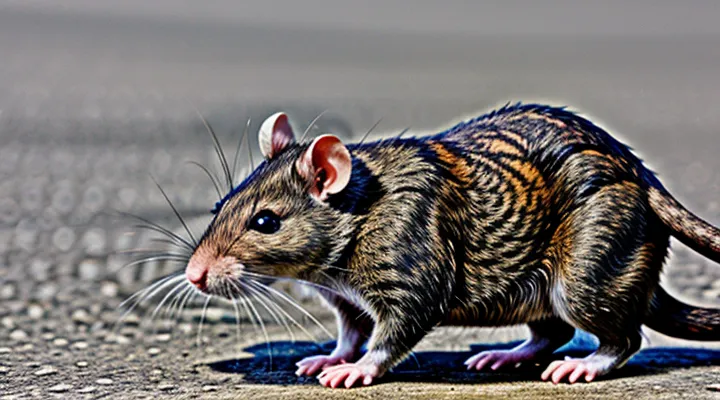
Understanding the Rodent: A General Overview
Defining «Rat»: More Than a Common Name
Taxonomic Classification
Rats belong to the mammalian order Rodentia and are classified within a hierarchical system that reflects evolutionary relationships.
- Kingdom: Animalia
- Phylum: Chordata
- Class: Mammalia
- Order: Rodentia
- Family: Muridae
- Subfamily: Murinae
- Genus: Rattus (primary genus for most common species)
- Species: Rattus norvegicus (brown rat), Rattus rattus (black rat), among others
The genus Rattus comprises several species distinguished by morphology, geographic distribution, and genetic markers. Taxonomic revisions rely on molecular phylogenetics, which refine species boundaries and clarify lineage divergence. Accurate classification supports research, pest management, and conservation efforts.
Key Biological Characteristics
Rats belong to the order Rodentia and the family Muridae, classified under the genus Rattus. The most widespread species are Rattus norvegicus (brown rat) and Rattus rattus (black rat). Their chromosome number is 2n = 42, and their genome has been fully sequenced, providing a reference for mammalian genetics.
Physical traits include a compact body, short fur, whiskered snout, and a tail equal in length to the torso. Dental structure features continuously growing incisors with a self‑sharpening enamel‑dentine interface, enabling efficient gnawing. Skeletal anatomy supports rapid locomotion, with hind limbs longer than forelimbs for agile climbing and swimming.
Reproductive biology is characterized by early sexual maturity (≈ 5 weeks), a gestation period of 21–23 days, and litters of 5–12 offspring. Females can produce up to 10 litters per year under optimal conditions, resulting in exponential population growth. Lifespan averages 2–3 years in the wild, extending to 4 years in captivity.
Key physiological and ecological attributes:
- Omnivorous diet, capable of metabolizing carbohydrates, proteins, and fats.
- High metabolic rate, maintaining body temperature through non‑shivering thermogenesis.
- Acute olfactory and auditory senses, supporting foraging and predator avoidance.
- Social organization into hierarchical colonies, with defined territorial boundaries.
- Adaptability to diverse habitats, from sewers to agricultural fields, contributing to global distribution.
Biological Profile of Rats
Physical Attributes and Anatomy
Size and Weight Variations
Rats belong to the genus Rattus and exhibit considerable variation in body dimensions and mass across species, sexes, ages, and habitats.
- Common brown rat (Rattus norvegicus): adult body length 20–25 cm, tail length 18–25 cm, weight 250–500 g.
- Black rat (Rattus rattus): adult body length 16–20 cm, tail length 19–24 cm, weight 150–250 g.
- Polynesian rat (Rattus exulans): adult body length 14–16 cm, tail length 12–14 cm, weight 50–100 g.
Males typically exceed females by 10–30 % in mass, reflecting sexual dimorphism common to the genus. Juvenile individuals weigh 5–30 g at birth and gain weight rapidly during the first six weeks, with growth rates influenced by food availability and ambient temperature. Populations in temperate zones tend toward larger adult sizes than those in tropical regions, a pattern attributed to Bergmann’s rule.
Environmental pressures such as urban density, competition, and predator presence can cause measurable shifts in average size within a single generation. Laboratory strains, selected for experimental consistency, often display reduced variability, with adult weights confined to narrow intervals (e.g., 300–350 g for standard Sprague‑Dawley rats).
Overall, rat size and weight are not fixed traits but dynamic parameters shaped by genetics, sex, developmental stage, and ecological context.
Sensory Organs and Their Functions
Rats possess a compact yet highly efficient array of sensory organs that enable rapid perception of their environment. Each organ contributes to the animal’s ability to locate food, avoid predators, and navigate complex burrow systems.
Vision in rats is adapted to low‑light conditions. The retina contains a high proportion of rod cells, providing sensitivity to dim illumination but limited color discrimination. Visual acuity is modest; rats detect movement and contrast rather than fine detail.
Auditory structures include large, externally oriented pinnae and a cochlea tuned to frequencies between 1 kHz and 80 kHz. This range captures ultrasonic calls used for social communication and detects rustling sounds that signal danger.
The olfactory system dominates rat perception. An extensive olfactory epithelium houses millions of receptor neurons, each linked to a specific odorant molecule. The olfactory bulb processes these signals, allowing discrimination of a vast array of chemical cues for food, mates, and territorial markers.
Tactile perception relies on vibrissae (whiskers) and cutaneous receptors. Whiskers are innervated by mechanoreceptors that translate minute air currents and surface contacts into spatial maps. Skin receptors detect pressure, temperature, and pain, informing the animal of immediate physical conditions.
Taste buds located on the tongue and palate identify basic taste qualities—sweet, salty, sour, bitter, and umami. This chemosensory input guides dietary choices and avoids toxic substances.
Key functions of rat sensory organs:
- Detect light intensity and movement (eyes)
- Process ultrasonic and audible sounds (ears)
- Identify chemical signals (nose)
- Map spatial surroundings through whisker deflection (vibrissae)
- Recognize nutritive and harmful substances (taste buds)
Collectively, these systems provide rats with a comprehensive sensory toolkit essential for survival in diverse habitats.
Habitat and Geographic Distribution
Adaptability and Diverse Environments
Rats exhibit extraordinary physiological and behavioral flexibility, enabling survival across a spectrum of habitats. Their omnivorous diet, rapid reproductive cycle, and keen sensory systems allow exploitation of food sources ranging from grain stores to urban waste. This adaptability stems from a compact genome that supports metabolic efficiency and stress tolerance, facilitating colonization of both temperate and tropical zones.
Key environmental contexts where rats thrive include:
- Agricultural fields with seasonal crop cycles
- Sewer and drainage systems offering moisture and shelter
- Residential buildings providing nesting sites and constant temperature
- Natural wetlands that supply abundant aquatic invertebrates
- Coastal ports where shipborne cargo introduces new resources
The species’ capacity for rapid learning and social transmission of foraging strategies further enhances resilience. Behavioral plasticity permits adjustment to human disturbances, such as altered lighting or noise, without compromising reproductive success. Consequently, rats maintain robust populations in ecosystems that differ markedly in climate, resource availability, and human influence.
Urban vs. Wild Populations
Rats belong to the genus Rattus, characterized by robust bodies, incisors that grow continuously, and high reproductive capacity. Two species dominate human‑adjacent environments: the Norway rat (Rattus norvegicus) and the black rat (Rattus rattus). Both exhibit plasticity that enables survival in contrasting ecosystems, yet urban and wild populations diverge in several measurable attributes.
Urban colonies develop in dense, anthropogenic settings such as sewers, basements, and food‑service establishments. They experience constant exposure to human waste, resulting in diets rich in processed carbohydrates and fats. This nutritional regime supports accelerated growth, earlier sexual maturity, and increased litter sizes. Genetic studies reveal reduced heterozygosity in city rats, reflecting founder effects and limited gene flow between isolated colonies. Pathogen prevalence is high; rats frequently carry Leptospira, Salmonella, and hantaviruses, facilitating spillover to humans.
Wild populations occupy natural habitats—forests, fields, and riparian zones—where food sources consist of seeds, insects, and occasional carrion. Seasonal fluctuations impose periods of scarcity, prompting extended foraging ranges and heightened territoriality. Genetic analyses show greater allelic diversity, indicating larger effective population sizes and regular inter‑population breeding. Disease burden differs; parasites such as Toxoplasma gondii and ectoparasites are more common, while zoonotic bacteria associated with urban waste appear less frequently.
Key contrasts:
- Diet: processed human waste vs. natural foraging items
- Reproduction: larger, more frequent litters in cities; smaller, seasonally timed litters in the wild
- Genetic diversity: lower in urban colonies, higher in natural habitats
- Pathogen profile: zoonotic bacteria dominate urban rats; parasites predominate in wild rats
These distinctions illustrate how habitat selection shapes physiological, genetic, and epidemiological traits within the same taxonomic group.
Diet and Feeding Habits
Omnivorous Nature
Rats belong to the family Muridae, order Rodentia, and are characterized by a robust skull, continuously growing incisors, and a highly adaptable physiology. Their classification reflects a lineage that has diversified across continents, resulting in species such as Rattus norvegicus and Rattus rattus.
As true omnivores, rats consume a broad spectrum of organic material. Their diet includes:
- Seeds, grains, and nuts providing carbohydrates and lipids.
- Insects, carrion, and small vertebrates supplying protein and essential amino acids.
- Fruit, vegetation, and fungi delivering vitamins, minerals, and fiber.
- Human-derived waste, including processed foods and refuse, offering readily digestible energy sources.
Digestive enzymes and a flexible gut microbiome enable efficient processing of both plant and animal matter. Seasonal variations in food availability trigger rapid shifts in intake composition, allowing rats to maintain energy balance under fluctuating conditions.
Omnivorous feeding behavior positions rats as opportunistic scavengers and seed dispersers, influencing plant community dynamics and nutrient cycling. Their presence in urban and agricultural settings often leads to competition with native fauna and heightened interaction with humans, underscoring the ecological significance of their dietary versatility.
Impact on Ecosystems
Rats are medium‑sized rodents belonging to the genus Rattus, characterized by a pointed snout, sharp incisors, and a highly adaptable physiology. Their reproductive capacity, omnivorous diet, and ability to thrive in diverse habitats enable them to interact with numerous ecological processes.
- As prey, rats provide a substantial food source for birds of prey, snakes, and small carnivores, supporting predator population stability.
- As seed dispersers, they transport viable seeds in fur or digestive tracts, facilitating plant colonization in disturbed areas.
- As scavengers, they accelerate decomposition of organic matter, contributing to nutrient cycling and soil enrichment.
- As competitors, rats exploit resources also used by native small mammals, potentially suppressing indigenous species through resource overlap.
- As disease vectors, they harbor pathogens that can affect wildlife health, influencing population dynamics and community structure.
Population fluctuations of rats can trigger cascading effects: increased predation pressure may elevate predator numbers, while heightened competition may reduce biodiversity among sympatric rodents. Conversely, declines in rat abundance can diminish food availability for predators and reduce seed dispersal rates, altering vegetation patterns. Understanding these interactions is essential for managing ecosystems where rats are present, whether as native components or introduced species.
Reproductive Biology and Life Cycle
Breeding Patterns
Rats belong to the genus Rattus, small omnivorous rodents with high reproductive capacity. Their breeding patterns reflect physiological adaptation to variable environments and resource availability.
- Sexual maturity occurs at 5–6 weeks for females and 6–8 weeks for males under optimal nutrition.
- Estrous cycle lasts 4–5 days; females enter estrus nearly every cycle, enabling frequent conception.
- Gestation period averages 21–23 days, after which litters of 6–12 pups are typical; extreme cases report up to 20 offspring.
- Litter size correlates with maternal age and condition; older, well‑fed females produce larger broods.
- Post‑partum estrus allows immediate re‑breeding, potentially generating three to four litters per year in temperate zones.
- Breeding seasonality varies with climate: in temperate regions, peak reproduction aligns with spring and early summer; tropical populations may breed year‑round.
- Social hierarchy influences mating opportunities; dominant males secure most copulations, while subordinate males experience reduced reproductive success.
- Environmental stressors—crowding, limited food, temperature extremes—can suppress estrus frequency and lower litter output.
Lifespan and Mortality Factors
Rats, members of the genus Rattus, typically live between 1 and 3 years in the wild and up to 4 years under laboratory or domestic conditions. Longevity varies among species; the brown rat (Rattus norvegicus) averages 2 years, while the black rat (Rattus rattus) often reaches 1.5 years.
Mortality in rats is influenced by several interrelated factors:
- Genetic makeup – specific alleles affect immune competence and susceptibility to hereditary disorders.
- Nutrition – protein‑deficient or calorically imbalanced diets accelerate organ decline and increase infection risk.
- Pathogens – viral (e.g., hantavirus), bacterial (e.g., Leptospira), and parasitic agents cause acute and chronic disease, reducing lifespan.
- Environmental stressors – temperature extremes, high population density, and exposure to toxins (heavy metals, pesticides) elevate physiological strain.
- Predation and competition – natural predators and interspecific aggression lead to injury‑related deaths, especially in outdoor populations.
- Captivity conditions – enclosure size, sanitation, and enrichment affect stress levels; poor husbandry can shorten life expectancy despite reduced predation.
- Reproductive load – frequent breeding cycles deplete energy reserves, accelerating senescence in females.
In laboratory settings, controlled environments mitigate many external threats, allowing researchers to isolate genetic and pharmacological influences on aging. Conversely, wild populations experience fluctuating mortality pressures, resulting in shorter average lifespans and higher turnover rates. Understanding these factors enables more accurate modeling of rat biology and improves welfare practices across research and pest‑management contexts.
Behavior and Social Structure
Social Dynamics
Rats (Rattus spp.) exhibit complex social structures that influence survival, reproduction, and disease transmission. Individuals form hierarchical groups where dominant members secure priority access to resources such as food, nesting sites, and mates. Subordinate rats adapt by employing avoidance strategies, grooming alliances, and cooperative foraging to mitigate aggression.
Key elements of rat social dynamics include:
- Dominance hierarchy: Established through aggressive encounters, scent marking, and ultrasonic vocalizations; hierarchy stability reduces frequent conflict.
- Cooperative behavior: Mutual grooming and shared nest construction enhance group cohesion and thermoregulation.
- Communication: Ultrasonic calls convey alarm, territorial boundaries, and reproductive status; chemical cues from urine and gland secretions convey individual identity and rank.
- Dispersal patterns: Young adults leave natal groups to form new colonies, a process regulated by population density and resource availability.
These mechanisms enable rats to adjust to fluctuating environments, maintain group integrity, and optimize reproductive output. Understanding rat social dynamics informs pest management, laboratory animal welfare, and epidemiological modeling of pathogen spread.
Communication Methods
Rats employ a complex array of signals to convey information within colonies and across habitats. Vocalizations dominate their acoustic repertoire; ultrasonic calls (above 20 kHz) function in distress, mating, and territorial disputes, while audible squeaks and chirps mediate social bonding and predator alerts. Tactile communication relies on whisker contact and grooming, allowing individuals to assess health status and hierarchy without visual cues. Chemical messages are transmitted through scent marks deposited on urine, feces, and specialized glands; these odors encode reproductive readiness, individual identity, and territorial boundaries. Visual cues, though limited by nocturnal activity, include body posture, tail flicking, and ear positioning, which signal aggression, submission, or curiosity. Together, these modalities create a multimodal network that sustains colony cohesion, coordinates foraging, and facilitates reproductive success.
Genetic and Evolutionary Aspects
Phylogeny and Ancestry
Divergence from Mice
Rats and mice belong to the family Muridae but occupy distinct genera: Rattus and Mus. Genetic analyses show an average nucleotide divergence of 12–15 % between the two groups, reflecting a separation that dates back roughly 12 million years. This evolutionary split is evident in chromosome number—Rattus species typically possess 42 chromosomes, whereas Mus species have 40—and in genome size, with rat genomes exceeding mouse genomes by approximately 30 %.
Morphologically, rats exhibit a larger body mass (150–500 g) and longer tail relative to body length, while mice remain under 50 g with proportionally shorter tails. Dental structure differs subtly: rat incisors display a more pronounced curvature and thicker enamel, adaptations linked to their broader diet of hard seeds and carrion. Skeletal robustness in rats accommodates greater muscular development, supporting higher bite forces.
Ecologically, the two rodents occupy overlapping but not identical niches. Rats thrive in urban sewers, agricultural fields, and coastal habitats, exploiting diverse food sources. Mice preferentially inhabit grasslands, forest understories, and indoor environments with abundant grain stores. Reproductive strategies also diverge: rats reach sexual maturity at 8–10 weeks and produce litters of 6–12 offspring, whereas mice mature faster (5–6 weeks) and generate larger litters of 5–10 pups per breeding cycle.
Key points of divergence:
- Taxonomy: Rattus vs. Mus (different genera)
- Genetic distance: ~12–15 % nucleotide divergence
- Chromosome count: 42 (rat) vs. 40 (mouse)
- Body size: 150–500 g (rat) vs. ≤50 g (mouse)
- Dental morphology: curvature and enamel thickness
- Habitat preference: urban/agricultural (rat) vs. grassland/indoor (mouse)
- Reproductive timing: later maturity, comparable litter size
These distinctions underscore the separate evolutionary pathways that have produced two closely related yet biologically distinct rodent models.
Evolutionary Adaptations
Rats belong to the genus Rattus, a group of medium‑sized, omnivorous rodents that have colonized virtually every terrestrial habitat. Their success stems from a suite of evolutionary adaptations that enhance survival, reproduction, and resource exploitation.
- Dental and cranial structure – continuously growing incisors enable relentless gnawing; robust jaw muscles generate high bite forces for processing diverse food items.
- Sensory apparatus – enlarged vibrissae detect fine tactile cues; a highly developed olfactory system discerns chemical signals over long distances; low‑light vision and acute hearing support nocturnal activity.
- Reproductive strategy – short gestation (≈ 21 days), large litter sizes (5–12 offspring), and rapid sexual maturation produce exponential population growth under favorable conditions.
- Metabolic flexibility – ability to metabolize carbohydrates, proteins, and fats allows exploitation of variable diets; efficient water conservation permits survival during prolonged drought.
- Behavioral plasticity – neophobic tendencies balance risk avoidance with exploratory learning; social hierarchies reduce conflict and facilitate cooperative foraging.
- Morphological versatility – elongated, prehensile tail provides balance during climbing; flexible spine permits maneuvering through narrow burrows and complex structures.
- Ecological opportunism – capacity to thrive in human‑altered environments, including sewers, basements, and agricultural fields, expands geographic range and reduces competition.
These adaptations collectively constitute a comprehensive evolutionary toolkit that underlies the rat’s status as one of the most adaptable mammalian taxa on the planet.
Genetic Diversity and Speciation
Rat Species and Subspecies
Rats belong to the genus Rattus, a group of medium‑sized, omnivorous rodents distinguished by a pointed snout, robust incisors, and a high reproductive rate. The genus comprises more than 60 recognized species that occupy diverse habitats across all continents except Antarctica, demonstrating considerable ecological plasticity.
Key species and notable subspecies include:
- Rattus norvegicus (brown rat, Norway rat) – the most widespread laboratory and urban species; subspecies such as R. n. domestica dominate city environments, while R. n. alpinus occupies high‑altitude regions.
- Rattus rattus (black rat, ship rat) – common in tropical and subtropical areas; subspecies R. r. frugivorous is adapted to island ecosystems, whereas R. r. alexandrinus is found in Mediterranean coastal zones.
- Rattus argentiventer (ricefield rat) – native to Southeast Asian rice paddies; subspecies R. a. sumatrensis inhabits the Indonesian archipelago.
- Rattus exulans (Polynesian rat) – the smallest extant rat, dispersed throughout Pacific islands; subspecies R. e. exulans is the nominal form, while R. e. melanocephalus occurs in remote islands of the South Pacific.
- Rattus tanezumi (Asian house rat) – prevalent in East Asian urban settings; subspecies R. t. tanezumi dominates mainland regions, and R. t. sikkimensis is confined to the Himalayan foothills.
These taxa illustrate the genus’s taxonomic breadth, with each species and its subspecies displaying specific morphological and behavioral adaptations that support survival in varied ecological niches.
Genetic Research and Implications
Rats serve as a primary model for investigating mammalian genetics because their genome shares extensive homology with that of humans. The fully sequenced rat genome provides a reference for identifying conserved genes, regulatory elements, and structural variations that influence physiological processes. Comparative analyses between rat and human DNA enable precise mapping of disease-associated loci and facilitate the translation of findings across species.
Genetic manipulation techniques—such as CRISPR‑Cas9 editing, transgenic insertion, and inducible knock‑out systems—allow researchers to modify specific rat genes and observe resultant phenotypic changes. These approaches generate models for cardiovascular disorders, neurodegenerative diseases, metabolic syndromes, and psychiatric conditions. By reproducing human genetic mutations in rats, scientists can evaluate therapeutic interventions within a controlled biological context.
Implications of rat genetic research include:
- Acceleration of drug discovery through pre‑clinical testing on genetically defined models.
- Refinement of biomarkers for early disease detection based on conserved molecular signatures.
- Advancement of personalized medicine by linking genotype‑specific responses to treatment efficacy.
- Contribution to ethical reduction of animal use; precise genetic models decrease the number of subjects required for statistically robust studies.
Ongoing integration of high‑throughput sequencing, single‑cell transcriptomics, and epigenomic profiling expands the resolution at which rat biology can be examined. These data sets support systems‑level understanding of gene networks, informing both basic science and clinical translation.