
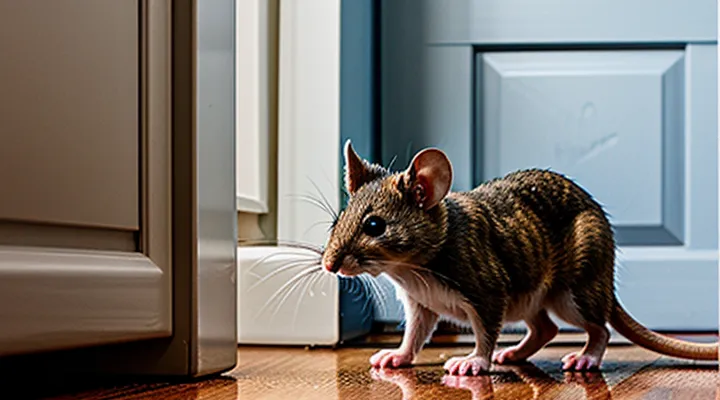
Understanding Mouse Behavior and Survival
The Instinct for Self-Preservation
Innate Predatory Avoidance
Mice entering a residential interior display a set of instinctual defensive reactions that reduce exposure to potential hunters. The core mechanism, often described as «innate predatory avoidance», operates without prior learning and triggers rapid behavioral adjustments when sensory cues indicate danger.
Key sensory triggers include:
- Visual detection of rapid movement or silhouette resembling a bird of prey or feline.
- Auditory perception of high‑frequency rustling or ultrasonic calls associated with predators.
- Olfactory identification of cat urine, fox scent marks, or other carnivore secretions.
Upon activation, mice exhibit characteristic responses:
- Immediate cessation of foraging, followed by retreat to concealed locations such as wall voids, under appliances, or within clutter.
- Adoption of a low‑profile posture, reduced locomotion, and heightened vigilance.
- Release of stress‑related neurochemicals that sharpen sensory processing and improve escape timing.
These reactions persist across generations, indicating a genetic basis rather than experiential conditioning. Laboratory studies demonstrate that naïve laboratory‑bred mice, never exposed to predators, still freeze or flee when presented with predator silhouettes, confirming the hard‑wired nature of the avoidance system.
In domestic settings, common predator cues arise from:
- Household cats, whose presence is signaled by scent, sound, and occasional visual sightings.
- Small wild predators such as owls that may enter through open windows or eaves.
- Human activities that mimic predator signals, for example, sudden vacuum‑cleaner noise or flashing lights.
Understanding the intrinsic avoidance circuitry assists in designing effective rodent‑management strategies. Reducing predator‑like stimuli—by sealing entry points, minimizing sudden noises, and controlling pet access—diminishes the activation of fear responses and encourages mice to avoid areas where they might otherwise seek shelter.
Response to Novelty and Change
Mice inside domestic environments display acute sensitivity to unfamiliar objects and alterations in spatial layout. Novel items such as new furniture, electronic devices, or freshly placed decorations generate immediate investigative behavior followed by rapid retreat to concealed routes. The initial approach serves to assess potential threats; subsequent avoidance reflects a risk‑avoidance strategy rooted in predator‑avoidance instincts.
Typical reactions to novelty include:
- Rapid movement toward the source of a new stimulus, accompanied by whisker extension and ear orientation.
- Brief pausing to gather tactile and olfactory information, often performed in low‑light zones.
- Immediate withdrawal to established burrows or wall cracks after determining elevated danger.
- Increased use of escape pathways, evidenced by heightened activity along baseboards and concealed gaps.
When the household undergoes structural changes—such as wall modifications, floor covering replacement, or relocation of clutter—mice adjust by expanding their foraging circuits and reinforcing alternative shelters. Persistent rearrangements compel the animals to re‑map the environment, leading to temporary spikes in exploratory excursions and heightened alertness. Over time, stable patterns re‑establish, and the rodents resume routine movements with reduced vigilance. «Mice exhibit heightened vigilance when exposed to unfamiliar stimuli», a finding corroborated by laboratory observations of rodent behavior under controlled novelty conditions.
Common Fears of House Mice
Predators and Their Scent
Feline Presence
Mice inside a dwelling react sharply to the presence of a cat. The predator’s scent, visual cues, and audible movements generate an acute stress response that limits exploratory activity and reduces foraging efficiency.
Key fear-inducing elements associated with «feline presence» include:
- Urine and glandular secretions that linger on surfaces, signaling a nearby predator.
- Silhouette and motion patterns recognizable as a stalking animal, triggering instinctive freeze or escape behavior.
- Vocalizations such as low growls or sudden hisses, which elevate alertness and suppress feeding.
Consequences of these stimuli manifest as shortened travel distances, increased use of concealed routes, and heightened reliance on nest chambers. The overall effect diminishes the mouse’s ability to exploit available resources, thereby influencing population dynamics within the home environment.
Canine Presence
Mice perceive domestic dogs as predators, triggering innate avoidance mechanisms. The presence of a canine in a residence introduces multiple sensory signals that rodents associate with danger.
- Odor: dogs release scent markers recognizable by rodent olfactory receptors as predatory cues.
- Auditory cues: barking, panting, and footfalls produce low‑frequency sounds that exceed mice’s hearing threshold for alarm.
- Visual cues: the size and rapid movements of a dog create a looming threat that activates escape pathways.
These stimuli provoke immediate behavioral responses. Mice often freeze, retreat to concealed burrows, or increase foraging at night to reduce exposure. Elevated vigilance is observed, with rodents spending more time near walls and less time exploring open areas.
Response intensity varies with canine characteristics. Larger breeds emit stronger odors and generate louder noises, intensifying fear reactions. Small or docile dogs may produce weaker cues, allowing mice to habituate after repeated exposure. Trained dogs that remain calm indoors can diminish predator perception, while untrained, highly active dogs sustain heightened rodent anxiety.
Utilizing a dog as a deterrent requires strategic placement. Dogs that spend considerable time in areas prone to rodent activity reinforce avoidance. However, reliance on canine presence alone cannot guarantee complete eradication; structural barriers and sanitation remain essential components of integrated pest management.
Other Pests
Mice share their aversion to several household pests that exhibit comparable defensive behaviors. Predatory insects, such as spiders and centipedes, respond to sudden vibrations and bright illumination, triggering rapid retreat into concealed crevices. Cockroaches display heightened sensitivity to chemical deterrents and ultrasonic frequencies, prompting immediate dispersal from treated zones.
- Spiders: Detect tactile disturbances on surfaces; withdraw to webs or hidden corners when exposed to abrupt movements.
- Centipedes: React to intense light; seek shelter under debris to avoid exposure.
- Cockroaches: Sense irritant odors; relocate to cooler, darker areas when confronted with repellents.
- Household ants: Follow pheromone trails; abandon foraging paths when trail disruption occurs, often retreating to nest chambers.
- Silverfish: Detect low‑frequency vibrations; hide beneath paper or fabric when vibrations intensify.
These species employ escape strategies that parallel mouse behavior, prioritizing concealment and avoidance of perceived threats within the domestic environment.
Human Activity and Presence
Sudden Movements and Loud Noises
Mice perceive rapid visual changes and abrupt sounds as immediate threats. Their sensory systems are tuned to detect motion and high‑frequency vibrations, prompting escape responses that can damage household structures and contaminate food supplies.
Key reactions to sudden movements and loud noises include:
- Freezing in place to avoid detection, followed by rapid scurrying to the nearest concealment.
- Activation of the vestibular system, causing disorientation and a tendency to seek low‑lying, insulated routes.
- Release of stress hormones that increase heart rate and muscle tension, facilitating swift locomotion.
Mitigation strategies focus on reducing unexpected disturbances: secure cabinets to prevent slamming, use soft‑closing hinges, and minimize sudden lighting changes. Sound‑absorbing materials placed near entry points can dampen sharp noises, lowering the likelihood of a mouse‑induced infestation.
Traps and Deterrents
Mice inside residential spaces exhibit strong aversion to sudden movements, sharp objects, and unfamiliar vibrations. Exploiting these instinctive reactions allows effective control without chemical measures.
Typical capture devices include:
- «snap traps» – steel bars deliver rapid, lethal force when triggered by a mouse’s weight.
- «live‑catch traps» – enclosed chambers close securely once a rodent enters, permitting humane relocation.
- «electric traps» – insulated plates administer a brief, high‑voltage shock, resulting in immediate death.
Deterrent technologies rely on sensory disruption:
- «ultrasonic repellers» – emit frequencies beyond human hearing, creating an uncomfortable acoustic environment for rodents.
- «peppermint oil diffusers» – release volatile compounds that irritate the olfactory receptors of mice, prompting avoidance of treated zones.
- «magnetic tape» – produces low‑frequency humming when energized, discouraging entry through contact points such as door frames and cabinets.
Strategic placement enhances efficacy. Position snap and electric traps along established runways, typically near walls, behind appliances, and within concealed gaps. Deploy deterrents at entry points, including vents, utility openings, and baseboards, to block initial intrusion. Regular inspection and timely reset of devices maintain continuous pressure on the rodent population, reducing the likelihood of habituation.
Environmental Threats
Lack of Hiding Places
Mice experience heightened stress when interior spaces offer few concealment options. Open floor plans, smooth walls, and minimal clutter remove the natural refuges that rodents rely on for safety.
Key effects of insufficient shelter:
- Increased exposure to predators such as cats, owls, and household insects.
- Elevated cortisol levels, leading to reduced foraging efficiency.
- Greater likelihood of fleeing the building, resulting in loss of pest‑control data.
- Heightened sensitivity to sudden noises and vibrations, which trigger escape responses.
In environments lacking adequate cover, mice adopt alternative strategies. They may burrow deeper into floorboards, exploit small gaps behind appliances, or cling to ceiling joists. These adaptations raise the probability of contact with human activity and increase the chance of detection.
Providing artificial refuges—cardboard tubes, fabric nests, or stacked paper—restores a sense of security. Such structures mimic natural burrows, lower stress hormones, and encourage stable habitation within the dwelling.
Starvation and Dehydration
Mice living inside homes encounter a constant threat of insufficient food, which triggers a survival‑driven response. When food sources become scarce, metabolic processes accelerate to conserve energy, leading to rapid weight loss and weakened musculature. The lack of nourishment also impairs immune function, increasing susceptibility to disease. In addition, hunger intensifies exploratory behavior, causing mice to venture into riskier areas of the dwelling in search of sustenance.
Dehydration represents an equally critical danger. Limited access to water forces physiological adjustments such as reduced urine output and concentrated blood plasma. Prolonged fluid deficit results in diminished kidney efficiency, elevated body temperature, and impaired cognitive function, which can compromise navigation and predator avoidance. Both starvation and dehydration compel mice to prioritize immediate survival over normal activity patterns, shaping their behavior and movement throughout the household.