
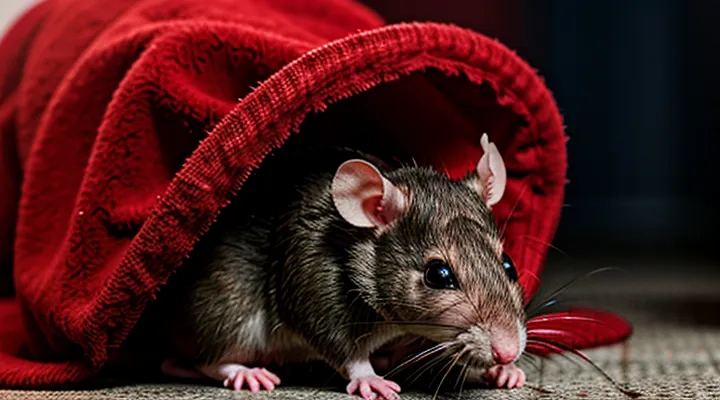
Introduction to Epistaxis in Rats
Understanding Normal Rat Nasal Discharge
Healthy vs. Concerning Secretions
Nasal bleeding in rats can arise from normal physiological processes or signal underlying pathology. Distinguishing between benign and alarming secretions guides diagnostic and therapeutic decisions.
- Clear, watery discharge – typically reflects mild irritation, transient inflammation, or environmental dryness. Accompanied by minimal blood loss and rapid resolution, it does not require immediate intervention.
- Serous or slightly pink fluid with scant blood – may indicate mild mucosal trauma, such as from cage cleaning or brief nose‑picking. Observation for 24‑48 hours is sufficient unless bleeding persists.
- Thick, purulent secretion containing blood – suggests bacterial infection, sinusitis, or abscess formation. Presence of foul odor, swelling, or lethargy warrants veterinary assessment and antimicrobial therapy.
- Blood‑stained mucus with clots – points to vascular damage, coagulopathy, or neoplastic growth. Persistent hemorrhage, weight loss, or abnormal blood parameters demand comprehensive work‑up, including hematology and imaging.
- Sudden, profuse bleeding without accompanying mucus – indicates severe trauma, systemic bleeding disorder, or malignant lesion. Immediate veterinary care is essential to stabilize the animal and identify the cause.
The transition from a harmless, clear exudate to a concerning, blood‑laden discharge often correlates with the severity of underlying tissue injury or disease. Monitoring the volume, consistency, and color of nasal secretions, together with the rat’s overall behavior and health status, provides a reliable framework for interpreting epistaxis and determining the appropriate response.
Potential Causes of Nose Bleeding in Rats
Environmental Factors
Irritants and Allergens
Nasal bleeding in rats frequently signals exposure to substances that irritate or sensitize the nasal mucosa. Direct contact with airborne chemicals, such as ammonia, formaldehyde, or strong disinfectants, damages the delicate epithelium and precipitates hemorrhage. Dust particles from wood shavings, corn cob bedding, or powdered feed can abrade the lining, especially when humidity is low, producing similar lesions.
Allergic reactions also provoke epistaxis. Common allergens include:
- Mold spores from damp cage environments
- Pollen carried on clothing or bedding
- Protein residues from soy‑based diets or laboratory reagents
- Latex or rubber components in equipment
These agents trigger inflammatory mediators that increase vascular permeability, leading to capillary rupture. Recurrent bleeding often accompanies sneezing, nasal discharge, or swelling, indicating an ongoing irritant or allergen exposure.
Mitigation requires identifying the offending source, improving ventilation, switching to low‑dust bedding, and maintaining dry, clean cages. When allergic etiology is suspected, removing potential allergens and, if necessary, administering antihistamines under veterinary guidance can reduce mucosal inflammation and prevent further hemorrhage.
Humidity Levels
Nasal bleeding in rats often reflects the condition of the respiratory mucosa, and ambient moisture directly influences that condition.
When relative humidity drops below 30 %, the nasal epithelium loses moisture, becomes brittle, and micro‑tears appear during normal respiration. Those micro‑tears can rupture capillaries, producing observable epistaxis. Low humidity also impairs mucociliary clearance, allowing irritants to accumulate and further damage fragile vessels.
Conversely, environments with relative humidity above 70 % create a damp surface that promotes bacterial and fungal colonization. Infections generate inflammatory exudates, edema, and ulceration of the nasal lining, all of which increase the likelihood of bleeding. Excess moisture also reduces the effectiveness of the rat’s natural drying mechanisms, prolonging exposure of damaged tissue to pathogens.
Maintaining humidity within a narrow optimal band reduces the risk of nosebleeds and supports overall respiratory health.
- Target relative humidity: 40 %–60 %
- Use calibrated hygrometers to monitor enclosure conditions at least twice daily.
- Adjust ventilation or humidifiers promptly when readings fall outside the target range.
- Perform regular cleaning to prevent microbial buildup in high‑humidity settings.
By controlling moisture levels, caretakers can distinguish whether epistaxis arises from environmental stress or underlying pathology, allowing more accurate diagnosis and treatment.
Traumatic Injuries
Accidental Falls
Nose bleeding in a rat often signals trauma to the nasal cavity or surrounding blood vessels. One common source of such injury is an accidental fall onto a hard surface. The impact can rupture delicate mucosal vessels, produce bruising of the nasal septum, or fracture facial bones, all of which lead to hemorrhage.
Key effects of a fall‑related injury include:
- Direct rupture of nasal capillaries, producing visible bleeding from the nostrils.
- Bruising or hematoma formation within the nasal passage, which may obstruct airflow.
- Possible fracture of the nasal cartilage or maxillary bone, resulting in persistent oozing and swelling.
When a rat presents with epistaxis after a fall, the following diagnostic steps are recommended:
- Conduct a visual inspection of the nostrils for blood flow and swelling.
- Palpate the facial skeleton for tenderness or irregularities.
- Perform a gentle nasal flush with sterile saline to assess the source of bleeding.
- If bleeding persists or skeletal injury is suspected, obtain radiographic imaging to identify fractures.
Management focuses on stabilizing the animal and preventing further blood loss. Apply gentle pressure to the nostrils for several minutes, administer a diluted vasoconstrictive solution if appropriate, and provide analgesia to reduce stress. In cases of confirmed fracture, immobilize the head and arrange veterinary intervention for surgical repair.
Preventive measures reduce the risk of fall‑induced nose bleeding: secure cage flooring, eliminate elevated platforms without barriers, and monitor rats for signs of clumsiness that may indicate underlying health issues. Consistent environmental safety minimizes traumatic incidents and the associated nasal hemorrhage.
Cage Mates Interactions
Nosebleeds in laboratory rats often reflect underlying social dynamics within the cage. Aggressive encounters, especially during the establishment of dominance hierarchies, can produce facial trauma that ruptures delicate nasal vessels. Subordinate animals may experience chronic stress, leading to elevated blood pressure and fragile capillaries prone to bleeding. Shared resources such as food or nesting material can trigger competition, increasing the likelihood of bite wounds near the snout. Inadequate ventilation or high ammonia levels, exacerbated by dense grouping, impair mucosal integrity and predispose rats to epistaxis. Pathogen transmission between cage mates, particularly respiratory viruses, may cause inflammation of the nasal mucosa and subsequent hemorrhage.
Key interaction‑related factors:
- Direct physical injury from fights or accidental bites.
- Chronic psychosocial stress in lower‑ranking individuals.
- Competition for limited enrichment items.
- Environmental degradation due to overcrowding.
- Communicable respiratory infections spread among co‑habiting rats.
Handling Mishaps
Nose bleeding in a rat often signals trauma caused by improper handling. Rough grip, excessive force, or abrupt restraint can rupture delicate nasal vessels, leading to epistaxis. Recognizing the link between handling errors and hemorrhage enables swift corrective action and prevents recurring injuries.
Common handling mistakes include:
- Grasping the animal by the tail or limbs with excessive pressure.
- Applying sudden, jerky movements during transfer.
- Using tools that pinch or compress the snout.
Effective techniques to avoid these problems:
- Secure the rat gently behind the forelimbs, allowing the body to support its weight.
- Employ slow, deliberate motions when moving the animal between surfaces.
- Use padded or silicone-coated instruments when manipulating the head or nose.
If bleeding occurs, immediate steps are: apply gentle pressure to the nostrils with a sterile gauze pad for 1–2 minutes, assess the animal for additional injuries, and monitor for continued bleeding. Persistent hemorrhage warrants veterinary evaluation to rule out underlying pathology such as coagulopathy or nasal tumor.
Infections
Bacterial Infections
Nasal hemorrhage in a rat frequently signals an underlying bacterial infection. The blood loss originates from inflammation or ulceration of the nasal mucosa caused by pathogenic microorganisms, which compromise vascular integrity.
Typical bacterial agents responsible for this condition include:
- Streptococcus pneumoniae
- Staphylococcus aureus
- Pseudomonas aeruginosa
- Pasteurella multocida
These organisms invade the respiratory tract, provoke purulent exudate, and erode capillary walls, leading to visible bleeding.
Diagnostic evaluation starts with a thorough physical examination, followed by nasal swab collection for culture and sensitivity testing. Imaging techniques such as radiography or computed tomography may identify sinus involvement or bone lesions associated with infection.
Effective management requires antimicrobial therapy selected according to susceptibility results, combined with supportive care to control hemorrhage and maintain hydration. Monitoring of clinical response and repeat cultures ensure resolution and prevent recurrence.
Viral Infections
Nasal hemorrhage in laboratory rats often signals an underlying viral infection that compromises the integrity of the nasal mucosa and associated vasculature. Recognizing this symptom guides timely investigation and containment measures.
- Rat coronavirus (RCV) – induces severe rhinitis with capillary rupture.
- Sendai virus – produces necrotizing inflammation of the upper respiratory tract.
- Hantavirus – can lead to hemorrhagic fever with prominent epistaxis.
- Lymphocytic choriomeningitis virus (LCMV) – occasionally manifests as nasal bleeding during systemic spread.
Viral replication within epithelial cells triggers cytopathic damage, inflammatory cytokine release, and disruption of endothelial junctions. The resulting vascular leakage manifests as intermittent or continuous bleeding from the nostrils.
Clinical assessment should include:
- Observation of additional signs (sneezing, nasal discharge, lethargy).
- Collection of nasal swabs for polymerase chain reaction (PCR) targeting common rodent viruses.
- Hematologic analysis to detect thrombocytopenia or coagulopathy.
Therapeutic options remain limited; supportive care focuses on fluid therapy, humidified environments, and monitoring for secondary bacterial infection. Antiviral agents are rarely effective against the listed pathogens in rodents. Prognosis depends on the specific virus, viral load, and the animal’s immune status; some infections resolve spontaneously, while others progress to systemic disease with high mortality.
Prompt identification of the viral cause of nasal bleeding mitigates spread within colonies and informs biosecurity protocols.
Fungal Infections
Nose bleeding in a laboratory or pet rat can be a symptom of systemic or localized fungal disease. Opportunistic molds such as Aspergillus spp. invade the nasal passages, erode mucosal vessels, and produce hemorrhage. Yeast infections, notably Candida spp., may colonize the nasal cavity after immunosuppression, leading to inflammation and bleeding.
Key characteristics of fungal involvement include:
- Presence of grey‑white, cotton‑like growth in the nostrils or on the nasal planum.
- Progressive nasal discharge that changes from serous to purulent, often with a foul odor.
- Weight loss, lethargy, and respiratory distress accompanying epistaxis.
- Histopathology showing hyphal invasion of nasal epithelium and blood vessels.
Diagnostic approach:
- Visual inspection of the nasal cavity for fungal plaques.
- Cytology or smear of nasal exudate to identify fungal elements.
- Culture on Sabouraud dextrose agar for species identification.
- Imaging (radiography or CT) to assess sinus involvement and bone erosion.
- Biopsy of affected tissue for histological confirmation.
Therapeutic measures focus on antifungal agents and supportive care. Systemic drugs such as itraconazole, voriconazole, or posaconazole are administered based on susceptibility testing. Topical irrigation with antifungal solutions can reduce local fungal load. Adjunctive treatments include analgesics, fluid therapy, and nutritional support to improve overall condition.
Prevention relies on maintaining a clean, low‑humidity environment, minimizing exposure to moldy bedding, and monitoring immunocompromised individuals for early signs of infection. Regular health checks and prompt isolation of affected rats reduce the risk of colony‑wide outbreaks.
Systemic Diseases
Coagulation Disorders
Nasal hemorrhage in laboratory rats frequently signals a defect in the blood‑clotting system. When the vascular integrity of the nasal mucosa is compromised, the inability to form a stable fibrin clot results in persistent bleeding that is readily observable during routine health checks.
Key features linking epistaxis to coagulation abnormalities include:
- Prolonged bleeding time after minor trauma.
- Spontaneous bruising on the face or paws.
- Reduced platelet count or impaired platelet function.
- Abnormal clotting‑factor activity (e.g., deficiencies in fibrinogen, factor VIII, or von Willebrand factor).
Common disorders that manifest as nasal bleeding are:
- Inherited thrombocytopenia or platelet dysfunction.
- Congenital factor deficiencies (hemophilia‑like conditions).
- Acquired coagulopathies caused by liver disease, vitamin K antagonism, or exposure to anticoagulant rodenticides.
- Immune‑mediated thrombocytopenia (ITP) triggered by infections or experimental manipulations.
Diagnostic evaluation should consist of complete blood count, platelet function assays, prothrombin time, activated partial thromboplastin time, and specific factor activity panels. Correlating laboratory results with the severity and frequency of epistaxis provides a reliable basis for distinguishing primary hemostatic defects from secondary coagulopathies.
Intervention strategies depend on the underlying cause. Platelet transfusion or plasma replacement addresses acute hemorrhage, while long‑term management may involve supplementation of deficient factors, vitamin K administration, or cessation of anticoagulant exposure. Accurate identification of coagulation disorders in rats improves animal welfare and enhances the validity of experimental data that rely on normal hemostatic function.
Liver Disease
Nosebleeds in laboratory rats often serve as an external indicator of internal organ dysfunction, particularly hepatic impairment. The liver’s role in maintaining vascular integrity means that disease processes can disrupt coagulation pathways, leading to spontaneous epistaxis.
Common hepatic conditions associated with this symptom include:
- Chronic hepatitis causing reduced synthesis of clotting factors.
- Cirrhosis resulting in portal hypertension and fragile capillaries.
- Toxic liver injury from substances such as acetaminophen or carbon tetrachloride, which impair coagulation cascades.
- Neoplastic lesions that interfere with normal liver architecture and function.
Diagnostic confirmation requires hepatic enzyme profiling (ALT, AST, ALP), coagulation testing (PT, aPTT), and imaging or histopathology to identify structural changes. Early detection of nosebleeds therefore prompts targeted investigation of liver health, enabling timely therapeutic intervention.
Kidney Disease
Nasal bleeding in laboratory rats frequently signals underlying renal pathology. Hematuria, hypertension, and impaired coagulation are common in chronic kidney disease; the resulting platelet dysfunction and elevated blood pressure increase the likelihood of capillary rupture in the nasal mucosa. Elevated serum urea and creatinine levels correlate with the severity of epistaxis, confirming the renal origin of the symptom.
Key clinical associations include:
- Hypertensive spikes that stress delicate nasal vessels.
- Coagulopathy caused by reduced synthesis of clotting factors in damaged kidneys.
- Anemia and thrombocytopenia secondary to uremic toxins, which diminish clot stability.
Diagnostic steps should involve:
- Measurement of blood urea nitrogen and creatinine to assess renal function.
- Blood pressure monitoring to identify hypertensive episodes.
- Complete blood count and coagulation profile to detect anemia, thrombocytopenia, or clotting deficits.
Effective management requires addressing the renal disorder: antihypertensive therapy, correction of electrolyte imbalances, and supportive measures for coagulation defects. Prompt identification of kidney disease as the source of nasal bleeding improves prognosis and reduces mortality in affected rodents.
Tumors and Neoplasms
Nasal hemorrhage in laboratory rats frequently signals underlying pathological processes, with neoplastic growths representing a primary concern. Malignant or benign tumors within the nasal cavity, paranasal sinuses, or adjacent vascular structures can erode mucosal integrity, leading to persistent or intermittent bleeding.
Key neoplastic entities associated with epistaxis include:
- Nasopharyngeal carcinoma – aggressive epithelial malignancy that invades blood vessels.
- Olfactory neuroblastoma – tumor of olfactory epithelium, often presenting with unilateral bleeding.
- Hemangioma and hemangiosarcoma – vascular tumors prone to rupture under minor trauma.
- Fibrosarcoma or osteosarcoma of the skull – bone‑originating cancers that compromise sinus lining.
Diagnostic evaluation should combine clinical observation with imaging and histopathology. Radiographic or CT scans reveal mass effect, bone lysis, or sinus opacification. Biopsy specimens provide definitive tumor classification and grade, guiding therapeutic decisions such as surgical excision, radiation, or chemotherapy.
In research settings, identification of tumor‑related epistaxis is essential for animal welfare and data integrity, as neoplastic conditions can confound experimental outcomes and necessitate humane endpoints.
Other Medical Conditions
Hypertension
Nasal hemorrhage in laboratory rats frequently signals elevated arterial pressure. When systolic values exceed normal ranges, capillary fragility in the nasal mucosa increases, leading to spontaneous bleeding. The correlation arises because hypertension imposes shear stress on small vessels, impairing endothelial integrity and promoting rupture.
Key mechanisms linking high blood pressure to epistaxis include:
- Persistent vasoconstriction that thins the mucosal lining.
- Microvascular remodeling that reduces vessel wall elasticity.
- Platelet dysfunction caused by altered hemodynamics, delaying clot formation.
Recognizing nosebleeds as a hypertensive indicator aids experimental design. Researchers can use the occurrence of epistaxis to screen subjects for systemic pressure elevations, adjust dosing regimens, or validate antihypertensive interventions. Early detection minimizes confounding variables and improves the reliability of physiological data derived from rodent models.
Foreign Objects in Nasal Passages
Nasal bleeding in a rat often signals the presence of a foreign body lodged in the nasal cavity. The irritation caused by the object damages the delicate mucosal lining, leading to hemorrhage that appears as blood at the nostrils or on bedding.
Typical indicators of an intranasal foreign object include:
- Persistent or intermittent epistaxis
- Sneezing or frequent nasal rubbing
- Visible discharge, sometimes tinged with blood
- Reduced appetite or weight loss due to impaired breathing
Diagnostic evaluation begins with a thorough visual inspection of the nostrils, followed by gentle flushing of the nasal passages with sterile saline. If the object is not retrieved externally, imaging techniques such as micro‑CT or radiography can locate the obstruction. In some cases, endoscopic examination provides direct access for removal.
Effective management requires prompt extraction of the foreign material to prevent secondary infection and chronic inflammation. After removal, administer a short course of broad‑spectrum antibiotics and monitor for recurrence of bleeding. Supportive care, including humidified environments and soft food, aids recovery and reduces stress on the nasal mucosa.
Dental Problems Affecting Nasal Cavity
Nasal hemorrhage in laboratory rats often originates from dental pathology that extends into the nasal passages. The rodent’s incisors grow continuously; uneven wear or malocclusion creates abnormal pressure on the maxillary bones and surrounding soft tissue. This pressure can fracture the thin bony partitions separating the oral cavity from the nasal cavity, producing direct bleeding into the nasal lumen.
Dental disease that predisposes to epistaxis includes:
- Overgrown incisors that contact the nasal septum, eroding mucosa and causing rupture of capillaries.
- Periodontal abscesses at the root of the upper incisors, which may track along the alveolar bone into the nasal cavity.
- Malocclusion resulting from improper diet or genetic defects, leading to chronic trauma of the nasal mucosa.
- Dental caries or enamel loss that expose dentin, increasing bacterial invasion and inflammation that spreads to adjacent nasal structures.
The anatomical relationship between the incisors, the maxillary sinus, and the nasal cavity explains why dental lesions frequently manifest as nosebleeds. Early detection of abnormal tooth length, misalignment, or swelling of the rostral maxilla can prevent severe hemorrhage. Radiographic imaging and thorough oral examination are essential diagnostic tools. Prompt corrective trimming or extraction of the offending teeth, combined with antimicrobial therapy for secondary infection, typically resolves the nasal bleeding and restores normal respiratory function.
Diagnosis of Nose Bleeding in Rats
Initial Assessment and Observation
Behavioral Changes
Nose bleeding in laboratory rats often accompanies distinct alterations in activity and social interaction. Observers should record deviations promptly, as they may signal underlying pathology or stress.
- Reduced locomotion: rats may move slower, spend more time immobile, or avoid open areas of the cage.
- Increased grooming: excessive facial or body grooming can appear as an attempt to alleviate irritation caused by bleeding.
- Altered feeding behavior: decreased food intake, frequent pauses during chewing, or selective avoidance of hard pellets.
- Social withdrawal: affected individuals may isolate themselves, showing fewer approaches to cage mates and diminished play.
- Aggressive responses: some rats exhibit heightened irritability, delivering bites or lunges when handled.
These behavioral markers provide valuable context for interpreting the clinical significance of epistaxis and guide subsequent diagnostic or therapeutic interventions.
Severity and Frequency of Bleeding
Nose bleeding in rats can signal a range of underlying conditions, and its clinical relevance is often assessed by evaluating both the intensity of each episode and how often it recurs.
A severe bleed typically presents as rapid blood loss that fills the nasal cavity within seconds, may be accompanied by visible clots, and can lead to anemia or shock if untreated. Such episodes often indicate acute trauma, severe coagulopathy, or aggressive neoplastic growth affecting the nasal passages.
Frequent, mild bleeds—characterized by small, intermittent drips that stop spontaneously—suggest chronic irritation, low‑grade infection, or early‑stage vascular abnormalities. Repeated episodes increase the risk of secondary complications, including mucosal damage and bacterial colonization.
Key diagnostic considerations:
- Volume per episode – large, sudden hemorrhage vs. minimal, trickling flow.
- Interval between episodes – daily, weekly, or sporadic occurrences.
- Associated symptoms – lethargy, weight loss, respiratory distress, or hematologic changes.
- Underlying causes – trauma, infectious agents, neoplasia, clotting disorders, or environmental irritants.
Elevated severity combined with high frequency warrants immediate veterinary intervention, comprehensive blood work, imaging, and possibly histopathology to identify the root cause and prevent systemic deterioration. Low‑severity, infrequent bleeds may be monitored, but persistent recurrence should still trigger diagnostic evaluation to rule out progressive disease.
Veterinary Examination
Physical Examination
Physical examination of a rat presenting with nasal hemorrhage begins with a systematic visual assessment. Observe the animal’s posture, gait, and activity level to detect signs of pain, weakness, or neurological impairment. Note the volume, color, and source of the bleeding; bright red flow suggests arterial involvement, while darker blood may indicate venous or capillary rupture.
A thorough inspection of the head and facial region follows. Examine the external nares for trauma, lesions, or foreign bodies. Gently lift the nasal folds to reveal any swelling, ulceration, or discharge within the nasal cavity. Use a otoscope or a small speculum to inspect the interior surfaces, looking for mucosal erythema, ulceration, or masses that could obstruct airflow or damage vessels.
Palpation of the skull, nasal bridge, and surrounding soft tissues helps identify tenderness, crepitus, or subcutaneous emphysema. Apply light pressure to the maxillary region to assess for dental or sinus involvement, which may manifest as pain or swelling. Evaluate the lymph nodes in the cervical area for enlargement, indicating possible infection or neoplasia.
Vital parameters provide essential context. Record body temperature, heart rate, and respiratory rate; deviations from normal ranges may reflect systemic illness, hypovolemia, or shock. Check mucous membrane color and capillary refill time to assess circulatory status. Perform a rapid blood glucose test if hypoglycemia is suspected.
If clinical signs suggest internal pathology, extend the examination to the thorax and abdomen. Auscultate the lungs for abnormal sounds that could accompany severe infection or embolic events. Palpate the abdomen for masses or organomegaly, which might be associated with metastatic disease causing vascular fragility.
Document all findings precisely, correlating each observation with potential etiologies such as trauma, infectious rhinitis, neoplastic growth, coagulopathy, or systemic hypertension. The compiled data guide further diagnostics, including imaging, laboratory analysis, and therapeutic decisions.
Oral and Nasal Examination
A thorough oral and nasal evaluation is essential when a rat presents with epistaxis. The clinician should first restrain the animal gently but securely, using a rodent‑appropriate holder to minimize stress. Visual inspection of the nostrils should include a bright light source and a magnifying lens; look for active bleeding, blood clots, mucosal discoloration, or ulcerations. Gently probe the nasal passages with a fine, flexible otoscope to assess deeper structures, noting any lesions, foreign material, or signs of inflammation.
Examination of the oral cavity follows immediately. Inspect the incisors, molars, and palate for abrasions, dental overgrowth, or infection that could contribute to bleeding. Evaluate the gingiva for erythema, edema, or purulent discharge, and palpate the maxillary region for swelling or masses. Record any abnormal secretions, pus, or blood in the mouth, as these may indicate systemic involvement or secondary infection.
Key findings that correlate with nasal hemorrhage include:
- Nasal mucosal ulceration or necrosis
- Purulent discharge suggesting bacterial sinusitis
- Visible blood clots within the nasal cavity
- Dental malocclusion causing trauma to the palate or nasal passages
- Swelling of the maxillary sinus indicating possible neoplasia
These observations, combined with the animal’s clinical history, guide differential diagnosis and subsequent diagnostic testing, such as radiography or culture, to determine the underlying cause of the bleeding.
Diagnostic Imaging «X-rays, CT Scans»
Nasal hemorrhage in laboratory rats signals internal disease; diagnostic imaging supplies objective evidence without sacrificing the animal.
Standard radiography supplies a quick survey of the nasal cavity and adjacent bone. It reveals:
- Fractures or displacements of nasal turbinates
- Osteolytic or sclerotic lesions suggestive of neoplasia or infection
- Radiopaque foreign bodies lodged in the nasal passages
Computed tomography delivers cross‑sectional detail unavailable to plain films. CT identifies:
- Soft‑tissue masses obscuring the nasal airway, indicating tumors or inflammatory polyps
- Vascular anomalies such as hemangiomas, which may precipitate bleeding
- Subtle bone remodeling or sinus opacification, hallmarks of chronic rhinitis or osteomyelitis
Effective imaging requires careful anesthesia to prevent motion artifacts, lateral recumbency for optimal nasal exposure, and dose‑adjusted protocols to limit radiation exposure. Interpretation benefits from correlating radiographic patterns with clinical signs, blood work, and histopathology.
When imaging findings align with clinical observations, they narrow the differential list, direct targeted biopsies, and inform therapeutic decisions, thereby improving outcomes for rats presenting with epistaxis.
Laboratory Tests
Blood Tests «CBC, Coagulation Profile»
Nasal hemorrhage in rats often signals underlying hematologic abnormalities. A complete blood count (CBC) evaluates red and white cell populations, hemoglobin concentration, and platelet numbers. Low platelet counts (thrombocytopenia) or reduced platelet volume suggest a defect in primary hemostasis, which can manifest as epistaxis. Elevated white‑cell counts may indicate infection or inflammation that can disrupt vascular integrity.
The coagulation profile measures clotting times and specific factor activity. Prolonged prothrombin time (PT) or activated partial thromboplastin time (aPTT) points to deficiencies in the extrinsic or intrinsic pathways, respectively. Abnormal fibrinogen levels or elevated D‑dimer concentrations reveal consumptive coagulopathies that predispose to bleeding.
Interpreting these tests together provides a diagnostic framework:
- Normal CBC with abnormal coagulation times → secondary hemostasis disorder.
- Low platelet count with normal PT/aPTT → primary hemostasis defect.
- Abnormal CBC and prolonged clotting times → combined hematologic pathology.
Targeted treatment depends on the identified deficit, whether it involves platelet transfusion, plasma replacement, or addressing an infectious cause. Regular monitoring of CBC and coagulation parameters is essential for tracking disease progression and therapeutic response.
Biopsy and Histopathology
Nasal hemorrhage in laboratory rats often signals underlying pathology that requires tissue examination. Biopsy provides a direct sample of the affected mucosa, septum, or adjacent sinus structures, enabling microscopic evaluation of cellular and structural changes responsible for bleeding.
The biopsy procedure involves aseptic collection of a small tissue fragment using fine‑point forceps or a punch tool, immediate immersion in neutral‑buffered formalin, and transport to the pathology laboratory. Standard processing yields paraffin‑embedded sections that are stained with hematoxylin‑eosin for general morphology, supplemented by special stains (e.g., Gram, PAS) or immunohistochemical markers when infectious agents, fungal elements, or specific tumor antigens are suspected.
Histopathological analysis distinguishes among common etiologies:
- Neoplastic lesions: fibrovascular proliferations, hemangiosarcoma, or nasal carcinoma display atypical cell clusters, mitotic figures, and invasive growth patterns.
- Infectious inflammation: suppurative exudate, granulomas, or necrotic tissue accompanied by bacterial colonies or fungal hyphae indicate bacterial or fungal sinusitis.
- Vascular abnormalities: dilated capillaries, endothelial hyperplasia, or thrombotic occlusion point to coagulopathies or traumatic injury.
- Degenerative changes: ulceration, epithelial atrophy, and fibrosis suggest chronic irritation or environmental toxicity.
Interpretation of the histopathology report guides subsequent interventions, such as antimicrobial therapy for infectious causes, surgical excision for neoplasia, or adjustment of husbandry conditions to reduce irritants. Prompt biopsy and accurate microscopic diagnosis therefore transform an observable symptom—nose bleeding—into a definitive clinical decision pathway.
Treatment Options for Nose Bleeding in Rats
First Aid and Emergency Care
Control of Active Bleeding
Nosebleeds in laboratory rats often signal underlying pathology such as coagulopathy, trauma, or infection; rapid control of hemorrhage is essential to prevent hypovolemia and to allow accurate diagnostic evaluation.
When bleeding is active, apply the following protocol:
- Place the animal in a supine position on a clean, dry surface; support the head to keep the nasal cavity accessible.
- Use a sterile gauze pad moistened with saline; apply gentle, constant pressure directly over the nostrils for 2–3 minutes.
- If bleeding persists, introduce a hemostatic agent (e.g., oxidized cellulose or gelatin sponge) into the nasal passage using a sterile applicator, ensuring no obstruction of the airway.
- Administer a topical vasoconstrictor (e.g., 0.5 % phenylephrine) to the mucosa if systemic hypotension is absent; limit exposure to 30 seconds to avoid mucosal necrosis.
- For severe cases, consider intranasal packing with a small amount of sterile cotton pledget soaked in epinephrine solution, followed by monitoring of respiratory rate and oxygen saturation.
After hemostasis, observe the rat for at least 15 minutes. Record the time to cessation, total blood loss, and any changes in behavior. Conduct a complete blood count and coagulation profile to identify systemic causes. If recurrent epistaxis occurs, initiate targeted therapy based on laboratory findings and adjust husbandry conditions to reduce stress and environmental irritants.
Providing a Calm Environment
Stressful conditions frequently precede nasal bleeding in rats. Elevated cortisol and adrenaline increase blood pressure in the nasal mucosa, making vessels prone to rupture. Maintaining a tranquil environment reduces these hormonal spikes and lowers the likelihood of epistaxis.
Key measures to create such an environment include:
- Isolating the cage from loud equipment, ventilation fans, and frequent foot traffic.
- Providing consistent lighting cycles with dimmer periods during the animal’s active phase.
- Using soft bedding and nesting material to encourage natural shelter‑building behavior.
- Limiting handling to brief, gentle sessions performed at the same time each day.
- Monitoring temperature and humidity to stay within the species‑specific comfort range.
Implementing these practices stabilizes physiological parameters, thereby decreasing the incidence of nose bleeding associated with stress‑induced vascular fragility.
Addressing Underlying Causes
Antibiotics for Bacterial Infections
Nasal hemorrhage in a laboratory rat often signals a bacterial infection affecting the respiratory or vascular tissues. Prompt antimicrobial therapy can prevent systemic spread and reduce mortality.
Common bacterial agents responsible for epistaxis include Streptococcus pneumoniae, Pasteurella multocida, and Bordetella bronchiseptica. Identification relies on culture, polymerase chain reaction, or Gram staining of nasal swabs. Once a pathogen is confirmed, antibiotic selection follows these principles:
- Choose agents with proven efficacy against the isolated organism.
- Prefer drugs achieving therapeutic concentrations in nasal mucosa and bloodstream.
- Consider the rat’s weight, age, and renal function to determine dosage.
- Opt for routes that ensure rapid absorption, such as subcutaneous injection or oral gavage, when feasible.
Typical regimens:
- Enrofloxacin – 10 mg/kg body weight, once daily, subcutaneous; effective against Gram‑negative rods and some Gram‑positive cocci.
- Ampicillin – 30 mg/kg, twice daily, oral; suitable for Streptococcus spp. and Pasteurella spp.
- Doxycycline – 5 mg/kg, once daily, oral; broad spectrum, including atypical respiratory pathogens.
Therapeutic monitoring includes daily assessment of nasal discharge, hematocrit, and body temperature. Resolution of bleeding within 48 hours typically indicates adequate antimicrobial coverage. Persistent hemorrhage or clinical decline warrants re‑evaluation of the pathogen, susceptibility testing, and possible escalation to combination therapy.
Antibiotic stewardship remains essential: limit treatment duration to the minimum effective period, avoid unnecessary broad‑spectrum agents, and document all interventions to prevent resistance development in colony populations.
Anti-inflammatories
Nose bleeding in a rat often signals an underlying inflammatory condition, such as sinusitis, bacterial infection, or tissue irritation. Anti-inflammatory agents can reduce edema and vascular congestion that contribute to hemorrhage, but their selection must consider effects on coagulation.
- Non‑steroidal anti‑inflammatory drugs (NSAIDs) decrease prostaglandin synthesis, relieving inflammation. However, NSAIDs inhibit platelet aggregation and may exacerbate epistaxis; use only when bleeding risk is low or under veterinary supervision.
- Corticosteroids suppress immune responses and stabilize capillary membranes. They are effective for severe inflammatory lesions but require gradual tapering to avoid adrenal suppression.
- Selective COX‑2 inhibitors provide anti‑inflammatory action with reduced platelet inhibition compared with traditional NSAIDs, making them a safer option for bleeding rats when approved for veterinary use.
Therapeutic decisions should integrate diagnostic findings, severity of hemorrhage, and the rat’s overall health. Continuous monitoring of nasal discharge and clotting parameters is essential to adjust treatment and prevent worsening of bleeding.
Surgical Interventions «Tumor Removal, Foreign Object Extraction»
Nasal hemorrhage in laboratory rats frequently signals underlying pathology that may require operative management. When bleeding persists despite conservative measures, clinicians consider surgical exploration to address masses or lodged debris that compromise vascular integrity.
Surgical removal of intranasal neoplasms involves precise excision under general anesthesia, followed by hemostasis and closure of the nasal cavity. Key steps include:
- Induction with inhalation or injectable agents, ensuring stable cardiorespiratory parameters.
- Midline incision of the nasal septum to expose the tumor.
- Dissection of the lesion with microsurgical instruments, preserving surrounding mucosa when possible.
- Application of electrocautery or topical hemostatic agents to control bleeding.
- Suturing of the septal edges and postoperative monitoring for recurrence.
Extraction of foreign objects follows a similar protocol, with emphasis on minimal tissue disruption. The procedure consists of:
- Anesthetic induction and positioning to provide optimal access to the nasal passage.
- Endoscopic visualization to locate the object.
- Gentle grasping with fine forceps or retrieval baskets.
- Immediate irrigation to remove residual debris and reduce infection risk.
- Inspection for mucosal injury and application of absorbable hemostatic material if needed.
Both interventions aim to eliminate the source of bleeding, restore airway patency, and prevent secondary complications such as anemia or infection. Post‑operative care includes analgesia, antibiotics tailored to the animal’s microbiota, and regular assessment of nasal discharge and hematocrit levels.
Dietary and Environmental Adjustments
Nasal hemorrhage in laboratory rats often reflects underlying nutritional deficiencies or adverse environmental conditions. Correcting the diet can eliminate coagulopathy and mucosal fragility. Provide a balanced feed containing adequate levels of vitamin C, vitamin K, and B‑complex vitamins; supplement with calcium and phosphorus to support vascular integrity. Include high‑quality protein sources to maintain tissue repair mechanisms. Avoid excessive salt or low‑fat formulations that may predispose to dehydration and mucosal drying.
Maintain a stable, moderate humidity range (45–55 %). Dry air desiccates the nasal epithelium, increasing susceptibility to rupture. Use humidifiers or water‑filled containers in cages, and monitor humidity with calibrated gauges. Temperature should remain within the species‑specific comfort zone (20–24 °C) to prevent stress‑induced vasoconstriction.
Select bedding materials that are soft, low‑dust, and free of sharp fragments. Aspen or paper‑based bedding reduces mechanical irritation compared to hardwood shavings. Replace bedding regularly to prevent accumulation of ammonia, which irritates nasal passages and impairs clotting function.
Implement a regular health‑check schedule. Record weight, food intake, and any signs of epistaxis. Early detection of recurrent bleeding permits timely dietary tweaks or environmental modifications before systemic pathology develops.
Practical checklist
- Verify feed formulation includes vitamins C, K, B‑complex, calcium, phosphorus.
- Add lean protein supplement if intake falls below recommended levels.
- Set cage humidity to 45–55 %; use hygrometer for verification.
- Keep ambient temperature at 20–24 °C; avoid drafts.
- Use low‑dust, soft bedding; replace weekly.
- Conduct weekly visual inspections for nasal discharge or bleeding.
Adhering to these adjustments reduces the incidence of nosebleeds, supports overall health, and minimizes the need for invasive interventions.
Supportive Care
Fluid Therapy
Nosebleeds in rats frequently reflect underlying blood loss, clotting disorders, severe infection, or traumatic injury. When bleeding is accompanied by signs such as lethargy, pale mucous membranes, or rapid heart rate, the animal is at risk of hypovolemic shock and requires immediate volume replacement.
Fluid therapy restores circulating blood volume, enhances tissue oxygen delivery, and supports hemostasis. Commonly employed solutions include isotonic crystalloids (e.g., 0.9 % saline, lactated Ringer’s), synthetic colloids, and, when rapid expansion is needed, hypertonic saline. Choice of fluid depends on the severity of depletion and the presence of concurrent electrolyte disturbances.
Indications for initiating fluid therapy in a rat with epistaxis:
- Systolic blood pressure ≤ 80 mm Hg
- Heart rate exceeding 500 beats/min
- Mucosal pallor or capillary refill time > 2 seconds
- Persistent bleeding despite local compression
Administration recommendations:
- Subcutaneous injection: 10 ml/kg of isotonic crystalloid, repeated every 4–6 hours if needed.
- Intraperitoneal injection: 5–7 ml/kg for rapid absorption, used when intravenous access is unavailable.
- Intravenous catheterization (preferred for severe shock): 20 ml/kg over 30 minutes, followed by maintenance rate of 5 ml/kg/hr.
Monitoring parameters include blood pressure, heart rate, urine output, and the presence of ongoing nasal discharge. Adjust fluid type and rate if edema, pulmonary crackles, or electrolyte imbalance develop. Early, appropriate fluid therapy reduces mortality associated with hemorrhagic events and facilitates recovery of the affected rat.
Pain Management
Nasal hemorrhage in a laboratory rat often reflects tissue injury, vascular fragility, or systemic disease, each of which can generate significant discomfort. Recognizing the pain component is essential for humane care and reliable experimental outcomes.
Pain assessment should combine behavioral observation with validated scoring systems. Indicators include reduced grooming, altered locomotion, vocalization, and changes in nesting or feeding patterns. Objective measures such as facial grimace scales provide quantitative data and should be recorded before and after any intervention.
Analgesic protocols must address both acute and potentially chronic pain associated with the bleed. Options include:
- Non‑steroidal anti‑inflammatory drugs (e.g., meloxicam, carprofen) administered orally or subcutaneously at standard dosages.
- Opioid analgesics (e.g., buprenorphine) for severe pain, delivered via subcutaneous injection with careful monitoring for respiratory depression.
- Local anesthetic gels or sprays applied to the nasal mucosa when feasible, to reduce peripheral nociception without systemic effects.
Adjunctive measures enhance comfort:
- Environmental enrichment to reduce stress, such as nesting material and shelter.
- Warm, humidified cages to prevent further mucosal drying and irritation.
- Gentle handling techniques to avoid exacerbating nasal trauma.
Regular re‑evaluation of pain scores guides dosage adjustments and determines when analgesia can be tapered. Documentation of all interventions ensures compliance with institutional animal welfare guidelines and supports reproducibility of research findings.
Nutritional Support
Nasal hemorrhage in rats often signals underlying physiological stress that can be mitigated through targeted dietary measures. Proper nutrition addresses coagulation deficits, mucosal integrity, and systemic health, reducing the likelihood of bleeding episodes.
Key nutritional components include:
- Vitamin C – supports collagen synthesis, strengthening nasal mucosa.
- Vitamin K – essential for synthesis of clotting factors; deficiency can prolong bleeding.
- B‑complex vitamins – particularly B6 and B12, which aid in blood cell formation and vascular health.
- Iron – prevents anemia, which can exacerbate bleeding tendencies.
- Zinc – promotes tissue repair and immune competence.
- Omega‑3 fatty acids – possess anti‑inflammatory properties that protect delicate nasal vessels.
- Adequate hydration – maintains mucosal moisture, preventing crust formation and irritation.
Implementation guidelines:
- Provide a balanced rodent chow formulated with the listed micronutrients at levels meeting the National Research Council recommendations.
- Supplement water with a mild electrolyte solution if dehydration is suspected.
- Offer fresh fruits and vegetables rich in vitamin C (e.g., orange slices, broccoli) as occasional treats.
- Introduce a fortified gel or paste containing vitamin K and iron for rats with documented deficiencies.
- Monitor body condition and adjust feed portions to avoid obesity, which can increase blood pressure and stress the nasal vasculature.
Consistent application of these nutritional strategies contributes to stable hemostasis and improves overall resilience against nasal bleeding in laboratory and pet rats.
Prevention of Nose Bleeding in Rats
Optimizing Environmental Conditions
Proper Cage Setup
Nasal bleeding in laboratory rats often signals underlying health or environmental problems. An appropriately designed cage can eliminate many of the stressors and irritants that provoke epistaxis.
The cage should provide a stable temperature between 20 °C and 26 °C and maintain humidity at 40‑60 %. Fluctuations outside this range dry nasal membranes and increase the risk of hemorrhage.
Ventilation must be adequate but not drafty. Airflow should exchange the cage volume at least 15 times per hour, with filters that remove dust and ammonia. Excess ammonia erodes nasal tissue and precipitates bleeding.
Bedding material must be low‑dust, absorbent, and non‑abrasive. Paper‑based or aspen shavings meet these criteria; pine or cedar shavings should be avoided because aromatic oils irritate mucous membranes.
Enrichment items must not have sharp edges. Plastic tunnels, chew blocks, and PVC tubes should be inspected for cracks or splinters before placement. Replace damaged objects promptly.
A clean water system prevents contamination. Use sealed bottles with stainless‑steel sipper tubes; change water daily and disinfect bottles weekly.
Nutritional support contributes to vascular integrity. Provide a balanced rodent diet fortified with vitamins C and E, and supplement with omega‑3 fatty acids when indicated.
Routine cage maintenance schedule:
- Daily: inspect for spills, replace soiled bedding, refill water, check enrichment for damage.
- Weekly: clean cage interior with a mild, non‑irritant disinfectant, replace all bedding, inspect ventilation filters.
- Monthly: replace filter media, audit temperature and humidity sensors, examine structural integrity of cage components.
By adhering to these specifications, the likelihood of nasal bleeding caused by environmental irritation diminishes, allowing any observed epistaxis to be evaluated as a potential physiological indicator rather than a preventable cage‑related issue.
Dust-Free Bedding
Nasal hemorrhage in laboratory rats often signals irritation of the upper respiratory tract. Fine particles from conventional bedding can be inhaled, causing mucosal inflammation, vascular fragility, and bleeding. Removing airborne contaminants reduces the likelihood that a rat will develop a nosebleed, thereby improving overall health and experimental reliability.
Dust‑free bedding provides a clean environment by limiting particulate matter. It also offers consistent absorbency, preventing excess moisture that can foster mold growth and further irritate nasal passages. The material’s low allergen profile minimizes immune responses that might exacerbate vascular leakage.
Key advantages of using low‑dust substrates include:
- Decreased incidence of epistaxis linked to inhaled debris.
- Stabilized respiratory physiology, supporting accurate data collection.
- Lower risk of secondary infections caused by compromised nasal mucosa.
- Enhanced comfort, encouraging normal grooming and activity patterns.
Implementing a dust‑free bedding regime is a practical measure to mitigate nasal bleeding risks and maintain optimal welfare in rat colonies.
Adequate Humidity
Nasal bleeding in a rat often reflects irritation of the mucosal lining, which can result from insufficient ambient moisture. When the environment is too dry, the nasal epithelium loses hydration, becomes fragile, and may rupture during normal respiration or minor trauma.
Laboratory and pet rats thrive in relative humidity between 40 % and 60 %. Within this range, the nasal passages retain adequate moisture, supporting ciliary function and barrier integrity. Values below 30 % increase the risk of desiccation‑induced hemorrhage, while humidity above 70 % may promote fungal growth and respiratory complications.
- Maintain humidity at 40–60 % using humidifiers, water‑filled sponges, or controlled ventilation systems.
- Monitor humidity with calibrated hygrometers placed at cage level.
- Adjust environmental controls promptly if readings fall outside the target range.
- Provide supplemental moisture sources, such as fresh vegetables or misting devices, during seasonal drops in ambient humidity.
Ensuring proper humidity reduces the likelihood that nosebleeds serve as an indicator of environmental stress, allowing clinicians to focus on other potential pathological causes when bleeding persists despite optimal moisture levels.
Regular Health Checks
Monitoring for Early Signs
Nasal hemorrhage in laboratory rats often signals underlying pathology, making prompt detection critical for animal welfare and experimental validity. Early manifestations appear before visible blood loss and can be identified through systematic observation.
- Subtle nasal discharge that changes from clear to pinkish or brownish.
- Frequent scratching or grooming of the snout.
- Swelling or redness around the nostrils.
- Decreased appetite or altered respiratory pattern.
- Audible wheezing or soft sounds during inhalation.
Effective monitoring relies on routine visual checks at least twice daily, supplemented by brief handling sessions to assess nasal tissue integrity. Documentation should include time, severity of each sign, and any concurrent behavioral changes. Infrared cameras or video recordings enhance detection of fleeting symptoms that may be missed during brief inspections.
When two or more early indicators emerge, immediate veterinary evaluation is warranted. Diagnostic steps may involve hematological profiling, coagulation testing, and imaging of the nasal cavity. Early intervention—such as adjusting environmental humidity, reviewing anticoagulant exposure, or initiating targeted therapy—reduces progression to severe epistaxis and minimizes impact on research outcomes.
Routine Veterinary Visits
Routine veterinary examinations provide the most reliable opportunity to detect health problems in pet rats before they become severe. A standard appointment includes a full-body visual assessment, palpation of the head and thorax, and evaluation of behavior and weight. These actions establish a baseline that makes any deviation, such as nasal hemorrhage, immediately apparent.
When a rat presents with bleeding from the nostrils, the veterinarian considers several common sources:
- Physical injury to the nasal cavity or surrounding tissue
- Upper‑respiratory infection causing inflammation and vessel rupture
- Tumors affecting the nasal passages or sinuses
- Blood‑clotting disorders, including vitamin K deficiency or liver disease
- Systemic conditions such as hypertension or parasitic infestations
During the visit, the clinician may perform:
- Detailed otoscopic and rhinoscopic inspection to locate the bleeding site
- Complete blood count and coagulation profile to assess hematologic status
- Radiographs or micro‑CT imaging to reveal structural abnormalities or masses
- Swab cultures if infection is suspected, followed by targeted antimicrobial therapy
Owners who maintain a schedule of regular health checks benefit from early identification of the underlying cause. Prompt veterinary attention at the first sign of nasal bleeding reduces the risk of rapid deterioration and improves treatment outcomes. Scheduling examinations at least twice a year, or more frequently for older or previously ill rats, aligns with best practice for small‑animal care.
Diet and Nutrition
Balanced Diet for Overall Health
Nasal hemorrhage in laboratory rats often signals systemic deficiencies that can be corrected through nutrition. A diet that supplies all essential nutrients supports vascular integrity, immune competence, and tissue repair, reducing the likelihood of spontaneous bleeding.
A balanced regimen includes:
- Protein sources delivering complete amino acid profiles (e.g., casein, soy isolate).
- Complex carbohydrates with low glycemic impact to maintain stable blood glucose.
- Essential fatty acids, particularly omega‑3 and omega‑6, for cell membrane stability.
- Vitamins A, C, K, and B‑complex to facilitate clotting, collagen synthesis, and metabolic pathways.
- Minerals such as calcium, magnesium, zinc, and iron, which contribute to bone health and blood formation.
- Adequate fiber to promote gastrointestinal health and nutrient absorption.
Quantities should align with the rat’s age, weight, and activity level, following established laboratory animal nutrition guidelines. Regular monitoring of body condition, coat quality, and hematologic parameters confirms dietary adequacy and allows timely adjustments.
Vitamin K Supplementation «If Indicated»
Nose bleeding in a rat signals a disturbance in hemostasis and may arise from trauma, infection, neoplasia, toxic exposure, or a deficiency of clotting factors. When laboratory analysis or clinical history points to a shortage of vitamin K–dependent factors, supplementation becomes a therapeutic option.
Vitamin K is required for the hepatic synthesis of clotting factors II, VII, IX, and X. Deficiency, whether dietary, drug‑induced, or secondary to liver dysfunction, can precipitate epistaxis. Supplementation should be considered only after confirming that the bleeding is linked to inadequate vitamin K activity.
Indications for vitamin K supplementation
- Dietary insufficiency in vitamin K‑poor feed.
- Broad‑spectrum antibiotic treatment that disrupts intestinal flora.
- Exposure to anticoagulant rodenticides that antagonize vitamin K recycling.
- Liver disease impairing the production of clotting factors.
- Laboratory evidence of prolonged prothrombin time (PT) or activated partial thromboplastin time (aPTT) consistent with vitamin K deficiency.
Recommended dosing regimens
- Oral phylloquinone (K1): 1–2 mg kg⁻¹ once daily for 3–5 days.
- Subcutaneous menadiol (synthetic K3): 0.5 mg kg⁻¹ once daily for 2–3 days.
- Preference for natural K1 or menaquinone (K2) when long‑term support is needed, as synthetic K3 carries a higher risk of hemolysis.
Monitoring and safety
- Re‑evaluate bleeding status after the first dose; cessation within 24 hours indicates efficacy.
- Repeat PT/aPTT 24 hours after the final dose to confirm normalization.
- Observe for signs of hypercoagulability, such as thrombosis, especially in rats with pre‑existing vascular disease.
- Discontinue supplementation if coagulation parameters exceed normal ranges.
Proper assessment of the underlying cause, targeted vitamin K administration, and vigilant monitoring ensure that epistaxis related to coagulopathy is resolved without introducing additional risks.