
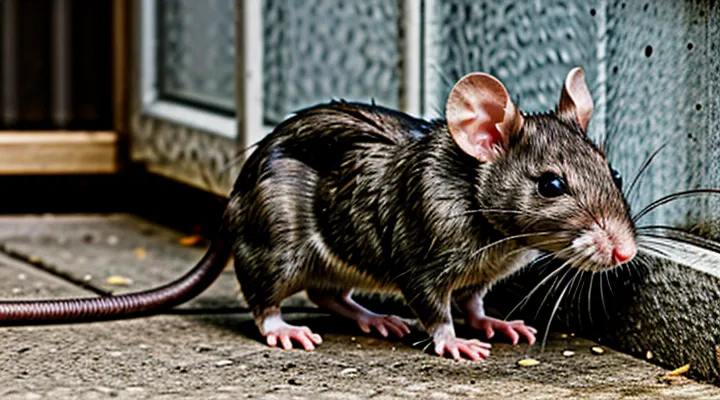
The Behavior of «Bruxing»
Why Rats Brux
Rats grind their incisors as a natural response to continuous tooth growth. The activity, commonly referred to as «bruxism», serves to keep the teeth at a functional length and maintain sharp edges for gnawing.
Key factors that trigger this behavior include:
- Rapid mandibular eruption requiring regular wear to prevent overgrowth.
- Dietary hardness; coarse or fibrous food encourages mastication and tooth filing.
- Environmental stressors such as overcrowding, sudden noise, or lack of shelter.
- Hormonal fluctuations that influence bone metabolism and dental development.
Persistent grinding can lead to dental malocclusion, oral lesions, and reduced feeding efficiency. Early detection of abnormal patterns prevents secondary health complications.
Effective management strategies involve providing chewable enrichment objects, ensuring a balanced diet with appropriate texture, and scheduling routine veterinary examinations to monitor dental alignment.
The Sound of Bruxing
The audible component of rat bruxing consists of rapid, high‑frequency clicks produced when the incisors grind together. The sound is typically brief, ranging from a few milliseconds to several seconds, and may repeat in rhythmic bursts.
This acoustic phenomenon originates from the rat’s masticatory muscles contracting forcefully against the hard enamel of the incisors. The resulting vibration of the jawbone transmits through the skull, creating a distinct clicking pattern that differs from ordinary chewing noises.
Interpretation of the bruxing sound involves assessing accompanying behaviors. When the noise occurs, rats often display:
- Elevated alertness, evidenced by widened pupils and tense posture.
- Rapid head movements toward the source of a perceived threat.
- Increased respiratory rate, indicating sympathetic activation.
These indicators collectively suggest a defensive response to stressors such as sudden noises, predator cues, or unfamiliar environments. In laboratory settings, the presence of bruxing can serve as an early warning of heightened anxiety, prompting immediate intervention to mitigate stress.
Detection methods include direct auditory observation and the use of sensitive microphones calibrated to capture frequencies between 5 kHz and 12 kHz. Recorded samples allow quantitative analysis of click intensity and interval timing, facilitating objective assessment of the animal’s emotional state.
Overall, the sound of bruxing functions as a reliable acoustic marker of acute stress in rats, providing researchers and caretakers with a non‑invasive metric for evaluating welfare. «The characteristic click pattern signals a momentary surge of tension that, if unaddressed, may progress to chronic distress».
Common Reasons for Teeth Chopping
Contentment and Relaxation
When a rodent repeatedly gnaws its incisors, the action frequently signals a state of ease rather than distress. The behavior aligns with natural grooming routines that rodents perform during periods of safety and calm. In such moments, the animal’s muscles relax, breathing steadies, and the environment is perceived as secure.
Key indicators that the tooth‑gnawing reflects contentment include:
- Slow, rhythmic movements without frantic pacing.
- Presence of relaxed posture, ears flattened against the head.
- Absence of vocalizations associated with alarm or aggression.
Physiological responses support this interpretation. Elevated levels of serotonin and reduced cortisol correlate with the observed behavior, confirming a tranquil internal condition. Consequently, the act serves both as a dental maintenance mechanism and a soothing activity that reinforces the animal’s sense of well‑being.
Excitement and Anticipation
When a rodent repeatedly gnaws its incisors, the action often signals heightened arousal rather than distress. The rapid, rhythmic motion releases endorphins, producing a physiological state comparable to a surge of excitement. This response prepares the animal for forthcoming activity, such as exploring new territory, seeking food, or engaging in social interaction.
Observable markers of this state include:
- Accelerated chewing rhythm
- Elevated body posture
- Increased exploratory movements immediately after the behavior
The combination of these cues indicates that the animal anticipates a rewarding event. The dental grinding thus functions as a self‑stimulating mechanism that amplifies readiness and focus, aligning physical energy with upcoming opportunities.
Stress and Fear
When a rat repeatedly gnaws its incisors, the behavior signals heightened physiological arousal. Elevated cortisol levels accompany the action, indicating that the animal perceives a threat or experiences prolonged tension. The repetitive motion serves as a self‑soothing mechanism, releasing endorphins that temporarily mitigate discomfort.
Key stress‑related factors associated with teeth‑chopping include:
- Sudden changes in environment, such as new cages or unfamiliar sounds.
- Inconsistent access to food or water, creating uncertainty about resource availability.
- Exposure to predators, including domestic cats or aggressive conspecifics.
Fear amplifies the response. When danger is imminent, sympathetic nervous system activation accelerates heart rate and respiration, prompting the rat to engage in the behavior as a coping strategy. Persistent grinding may lead to dental wear, weight loss, and reduced immune function, underscoring the need for environmental enrichment and predictable routines to alleviate underlying anxiety.
Pain or Discomfort
When a rat repeatedly gnaws its own teeth, the action frequently indicates the presence of pain or discomfort within the oral cavity. The behavior serves as a self‑directed response to alleviate pressure caused by dental abnormalities or inflammatory conditions.
Typical sources of oral distress include:
- Overgrown incisors that prevent proper closure of the jaw
- Malocclusion resulting from uneven tooth wear
- Abscesses or infections affecting gums and surrounding tissue
- Trauma to the jaw or teeth caused by accidental injury
- Stress‑induced self‑soothing that masks underlying discomfort
Prompt veterinary assessment is essential. A professional examination can identify dental overgrowth, infection, or injury and guide appropriate treatment, such as filing of incisors, antibiotic therapy, or dietary adjustments. Providing chewable objects and a balanced diet supports natural tooth wear and reduces the likelihood of chronic discomfort.
Differentiating Between Causes
Observing Body Language
Observing a rat’s body language while it engages in tooth‑chopping provides essential clues about its emotional and physiological state. The behavior often coincides with specific postural and facial signals that indicate stress, discomfort, or dental issues.
Key visual indicators include:
- Tense neck muscles, visible as a rigid or retracted neck posture.
- Flattened ears pressed against the head, suggesting heightened alertness.
- Rapid, shallow breathing, observable as quick movements of the rib cage.
- Pupils dilated, creating a broader field of vision for potential threats.
- Tail position altered to a low or tucked orientation, reflecting a defensive stance.
Additional context can be gathered by noting surrounding actions. Repetitive gnawing on cage bars, combined with the above cues, often signals dental pain or an attempt to alleviate oral discomfort. Conversely, a calm demeanor, relaxed ears, and a loosely held tail while the rat chews may indicate normal grooming or exploratory behavior.
Interpreting these signals requires consistent monitoring. Recording frequency and duration of each posture, alongside environmental factors such as temperature, lighting, and cage enrichment, enhances diagnostic accuracy. When patterns of stress‑related body language persist, veterinary assessment is advisable to rule out underlying health concerns.
Contextual Clues
When a rodent repeatedly gnaws its incisors, the action often signals a response to specific environmental factors. Observers can infer underlying causes by examining surrounding conditions rather than attributing meaning to the behavior alone.
Key contextual indicators include:
- Presence of unfamiliar sounds or vibrations; heightened auditory stimuli commonly trigger rapid jaw movements.
- Sudden changes in lighting, such as flickering or abrupt darkness, which may induce stress‑related chewing.
- Introduction of new objects or scents within the enclosure; novel materials frequently provoke exploratory biting.
- Alterations in temperature or humidity levels; discomfort from climate shifts can manifest as increased dental activity.
- Social dynamics, including the arrival of additional cage mates or the removal of a dominant individual; hierarchical adjustments often result in heightened oral expression.
Each clue contributes to a comprehensive assessment, allowing caretakers to differentiate between normal exploratory behavior and stress‑induced reactions. By correlating the rat’s tooth‑chopping with these environmental cues, accurate interpretation becomes achievable without reliance on speculative explanations.
When to Be Concerned
Persistent or Excessive Bruxing
Rats that continuously grind their incisors display a condition known as «persistent or excessive bruxing». This behavior results in rapid enamel wear, exposing dentin and increasing the likelihood of fractures. The underlying mechanisms include:
- Chronic stress or environmental anxiety that stimulates repetitive jaw movements.
- Nutritional deficiencies, particularly low calcium or vitamin D, which weaken tooth structure.
- Mechanical irritation from inappropriate cage accessories or abrasive bedding.
When bruxing persists beyond normal grooming cycles, the following signs become evident:
- Visible shortening of the incisors, often accompanied by jagged edges.
- Increased saliva production and drooling due to exposed dentin.
- Reluctance to chew solid foods, leading to weight loss.
Veterinary assessment should focus on dental examination, radiographic imaging, and evaluation of dietary intake. Treatment strategies involve:
- Adjusting the diet to provide balanced minerals and softening agents.
- Introducing enrichment items that encourage controlled chewing, reducing stress‑induced grinding.
- Applying dental crowns or prosthetic caps in severe cases to restore tooth length and protect against further damage.
Early identification of «persistent or excessive bruxing» prevents irreversible tooth loss and supports overall health in captive rodents.
Accompanying Symptoms
Rats that display frequent tooth‑chattering often present a cluster of additional clinical signs. Observation of these accompanying indicators can help differentiate stress‑related behavior from underlying pathology.
• Rapid breathing or panting, suggesting heightened anxiety or respiratory distress.
• Excessive grooming or self‑biting, reflecting compulsive stress responses.
• Reduced food intake and weight loss, which may accompany dental pain or gastrointestinal upset.
• Lethargy or diminished activity, indicating possible systemic illness.
• Nasal discharge or ocular secretions, pointing to respiratory infection that can trigger discomfort and tooth‑chattering.
In many cases, the presence of multiple symptoms strengthens the assessment of a health issue requiring veterinary evaluation. Early detection of these signs allows timely intervention, preventing progression to more severe conditions.
Seeking Veterinary Advice
When a rat repeatedly gnaws its own teeth, the behavior often signals discomfort, dental misalignment, or underlying illness. Professional evaluation is required to determine cause and appropriate treatment.
Key observations before contacting a veterinarian:
- Frequency and duration of the chattering episode.
- Presence of drooling, bleeding, or facial swelling.
- Changes in eating habits, weight loss, or lethargy.
- Recent alterations in diet, cage setup, or social dynamics.
Essential details to convey during the appointment:
- Rat’s age, species, and any prior medical conditions.
- Full dietary regimen, including treats and fresh foods.
- Description of the cage environment, enrichment items, and bedding material.
- Timeline of symptom onset and any recent stressors.
Typical veterinary procedures for this issue:
- Comprehensive physical examination focusing on the oral cavity.
- Visual inspection of incisors and molars for overgrowth, cracks, or infection.
- Radiographic imaging to assess root structure and hidden pathology.
- Laboratory analysis of saliva or tissue samples if infection is suspected.
Post‑consultation care recommendations:
- Administer prescribed medication exactly as directed.
- Adjust diet to include softer foods or appropriate chew toys to promote natural tooth wear.
- Ensure cage enrichment reduces stress and encourages normal activity.
- Monitor the rat daily for recurrence of chattering or new symptoms, and schedule follow‑up visits if condition does not improve.
Related Rat Behaviors
«Boggling» Explained
The term «boggling» denotes a rapid, rhythmic grinding of the upper and lower incisors, producing a distinct audible vibration. In rodents, this behavior often appears when a rat chews its own teeth, a response that can signal physiological or environmental factors.
When a rat engages in this activity, the following conditions are commonly associated:
- Dental malocclusion causing uneven wear
- Elevated stress levels from confinement or noise
- Nutritional deficiencies prompting excessive gnawing
- Presence of foreign objects lodged in the oral cavity
Observing «boggling» provides insight into the animal’s health status. Persistent grinding may indicate the need for dental examination, environmental enrichment, or dietary adjustment. Immediate assessment can prevent progressive dental damage and reduce stress‑related complications.
Tail Wagging
Rats display a rapid lateral movement of the tail, commonly referred to as «tail wagging». This behavior frequently appears alongside the audible grinding of incisors, a sign of heightened physiological activity.
When «tail wagging» occurs simultaneously with teeth chattering, it typically signals one of the following states:
- Elevated arousal caused by environmental stressors such as sudden noises or temperature fluctuations.
- Communication of discomfort or agitation to conspecifics within the cage.
- Activation of the sympathetic nervous system, preparing the animal for potential flight or defensive actions.
Observing the frequency and intensity of «tail wagging» provides a practical indicator of a rat’s welfare. Persistent co‑occurrence with dental grinding suggests that the animal may be experiencing chronic stress, requiring modifications to housing conditions, enrichment, or health monitoring.
Caretakers should record instances of «tail wagging» in conjunction with teeth‑grinding episodes, compare patterns across individuals, and adjust environmental variables to mitigate stressors. Prompt intervention based on these observations supports optimal health and reduces the risk of stress‑related complications.
Grooming Habits
Rats maintain body condition through a series of precise grooming actions. Daily fur cleaning removes debris and parasites, preventing skin irritation and supporting thermoregulation. Whisker trimming occurs instinctively; rats brush whiskers against surfaces to keep them free of dust that could impair tactile sensing.
Paw grooming involves licking and nibbling the pads, which preserves pad elasticity and enhances grip on climbing structures. This activity also distributes natural oils across the skin, reducing friction and protecting against minor abrasions.
Dental maintenance is integral to overall grooming. Rats continuously gnaw on objects to file down continuously growing incisors. When a rat repeatedly gnaws its own teeth, the motion often produces a distinct chattering sound. This behavior typically signals a self‑directed cleaning process, where the animal removes excess enamel and aligns the bite surface. Regular tooth‑chopping helps avoid overgrowth that could impede eating or cause oral injury.
Stress‑related grooming may intensify tooth chattering. Elevated cortisol levels trigger repetitive oral motions, which can appear as prolonged grinding. Observation of increased frequency, coupled with other stress markers such as excessive fur licking, suggests the need for environmental enrichment or health assessment.
Key grooming components:
- Fur cleaning: removes parasites, maintains insulation.
- Whisker brushing: preserves tactile accuracy.
- Paw licking: sustains pad health and grip.
- Dental gnawing: controls incisor length, aligns bite.
- Stress‑induced grinding: indicates discomfort, requires intervention.