
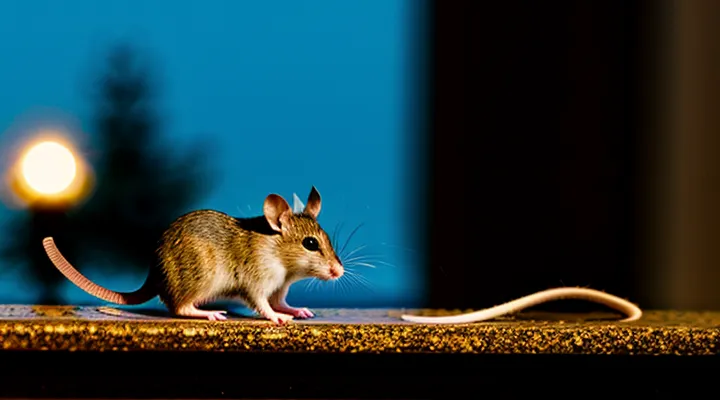
Understanding Mouse Dreams: An Introduction
Dreams featuring mice often surface when the subconscious processes feelings of vulnerability, scarcity, or unnoticed influence. Small rodents in nocturnal narratives can symbolize minor concerns that nonetheless affect daily routines, prompting the mind to acknowledge hidden stressors.
Interpretive frameworks commonly associate mouse imagery with the following themes:
- Insecurity or fear of being overlooked
- Financial caution or modest resources
- Subtle manipulation within personal or professional relationships
- The need for meticulous attention to detail
Cultural traditions reinforce these connections. In Western folklore, mice represent stealth and survival, while Eastern symbolism links them to humility and adaptability. Psychological models, such as Jungian analysis, view the mouse as an archetype of the “shadow” element—attributes the dreamer may suppress or underestimate.
When evaluating a mouse dream, consider contextual details: the mouse’s behavior, the environment, and the dreamer’s emotional response. Aggressive or frantic mice may indicate heightened anxiety, whereas calm, distant rodents could suggest a gentle reminder to address minor issues before they expand.
Overall, mouse-themed dreams serve as concise alerts from the subconscious, urging reflection on seemingly insignificant factors that shape overall well‑being.
Common Interpretations of Dreaming About Mice
General Symbolism of Mice in Dreams
Mice emerge in dreams as compact symbols of vulnerability, secrecy, and persistence. Their diminutive size often reflects feelings of inadequacy or the perception of being overlooked. When a dream presents a mouse, the mind may be directing attention to aspects of life that operate quietly yet exert influence.
Common interpretations include:
- Hidden anxiety – a mouse scurrying unseen can signify suppressed worries that surface in subconscious thought.
- Resourcefulness – the animal’s ability to survive with minimal resources points to personal adaptability in constrained situations.
- Financial caution – references to mice hoarding food translate to concerns about savings, scarcity, or prudent budgeting.
- Contamination fear – associations with disease or infestation highlight apprehensions about impurity, health, or deteriorating environments.
- Power imbalance – the presence of a timid creature may reveal dynamics where the dreamer feels powerless or subordinate.
Psychological frameworks reinforce these meanings. Freudian analysis links mice to repressed urges, especially those related to sexuality or aggression, because the creature operates covertly. Jungian theory treats the mouse as an aspect of the shadow archetype, embodying neglected traits that require integration. Cultural narratives—such as biblical plagues or folklore warnings—assign mice a role as omens of decay or moral decline.
Interpreting a mouse dream involves aligning the symbol with personal circumstances. Identify whether the mouse appears threatening, benign, or merely observable, then assess current stressors, financial status, and relational power structures. The resulting insight guides corrective action, whether through confronting hidden fears, strengthening resource management, or addressing perceived power deficits.
Emotional Responses to Mice in Dreams
Fear and Anxiety
Dreams that include small rodents frequently point to hidden emotional currents. When a mouse appears, the mind often projects feelings of vulnerability and threat that are difficult to acknowledge while awake.
Fear emerges from the instinctive reaction to a creature that can slip into tight spaces and gnaw unnoticed. The image of a mouse can trigger a primal alarm system, suggesting that the dreamer perceives a danger that feels intrusive yet hard to define. This fear may surface as a sudden startle response, heightened alertness, or a lingering sense of dread after waking.
Anxiety manifests through repetitive or lingering mouse imagery. The presence of the animal can mirror persistent worries about loss of control, unresolved conflicts, or anticipation of minor but cumulative stressors. The dream may replay scenarios where the mouse evades capture, symbolizing the dreamer’s perception that anxiety is elusive and resistant to resolution.
Psychological frameworks interpret the symbolism in distinct ways:
- Freudian view: the mouse represents repressed impulses or minor frustrations that have been pushed aside.
- Jungian perspective: the animal serves as a shadow archetype, embodying aspects of the self that are hidden or denied.
- Cognitive approach: the brain uses the mouse as a metaphor for low‑level threats, reinforcing learned patterns of worry.
Practical steps for those who repeatedly encounter this motif include:
- Record dream details immediately upon waking to identify recurring themes.
- Examine current life situations for sources of insecurity or unresolved stress.
- Apply relaxation techniques—such as deep breathing or progressive muscle relaxation—before bedtime.
- Seek professional guidance if the dreams provoke significant distress or interfere with daily functioning.
Recognizing the connection between rodent imagery and emotional states allows the dreamer to address underlying fear and anxiety directly, reducing the frequency and intensity of unsettling nocturnal experiences.
Annoyance and Irritation
Dreams featuring small rodents often surface when the subconscious registers persistent sources of irritation. The presence of a mouse in a nocturnal narrative signals a low‑grade disturbance that the waking mind may overlook, yet the dream amplifies it to a symbolic level.
Typical manifestations of annoyance in such dreams include:
- Repeated attempts to catch or swat the creature without success.
- The mouse appearing in unexpected places, such as inside personal belongings or private spaces.
- A feeling of helplessness as the animal darts away, leaving a lingering sense of unease.
Psychological interpretation links these images to minor, unresolved frustrations. The mouse’s size reflects the trivial nature of the trigger, while its rapid movements embody the persistent, nagging quality of the irritation. When the dreamer feels trapped or unable to eliminate the rodent, it suggests that everyday annoyances are accumulating beyond conscious control.
Common triggers that translate into rodent symbolism are:
- Repetitive tasks that feel meaningless or overly meticulous.
- Interpersonal dynamics where minor offenses go unaddressed.
- Environmental clutter or disorganization that subtly disrupts routine.
Addressing the underlying irritation can reduce the frequency of such dreams. Practical steps include:
- Identifying specific sources of minor frustration and resolving them directly.
- Establishing clear boundaries with individuals whose behavior repeatedly irritates.
- Streamlining the physical environment to eliminate hidden sources of disturbance.
By confronting the subtle stressors that the subconscious encodes as a mouse, the dreamer can transform a recurring annoyance into a manageable element of daily life.
Indifference or Neutrality
Dreaming of mice often signals attention to small, everyday details. When the dream’s tone is neutral, the symbols do not provoke fear, curiosity, or desire; they simply appear as background elements.
A neutral stance in such a dream suggests:
- The dreamer does not assign emotional weight to minor issues.
- The subconscious registers the presence of insignificant matters without urging action.
- The mind treats the mice as routine, comparable to background noise in daily life.
Psychologically, this detachment can indicate:
- A coping strategy that minimizes stress by ignoring trivial problems.
- An established confidence in managing low‑level challenges without emotional involvement.
- A possible habit of overlooking subtle cues that might otherwise demand response.
For practical use, consider the following steps:
- Observe whether real‑world situations mirror the dream’s indifference; if minor concerns are consistently ignored, assess potential consequences.
- Identify areas where a neutral outlook benefits efficiency, such as routine tasks that require no emotional investment.
- When necessary, deliberately shift attention to overlooked details to prevent cumulative issues.
Contextual Meanings of Mouse Dreams
Mice in the Home
Mice that inhabit a residence often become the focus of nightly visions. Their presence in the domestic environment provides concrete details that the subconscious may translate into symbolic imagery.
Typical indicators of a mouse infestation include gnaw marks on food packaging, droppings near baseboards, and audible scurrying within walls. These signs reflect the animal’s need for shelter, food, and concealment, traits that frequently appear in dream narratives.
When a dream features mice, the mind may be processing:
- Unnoticed problems that require attention.
- Feelings of vulnerability or loss of control.
- Situations where small, persistent forces exert influence.
Interpreting such dreams benefits from an understanding of the actual behavior of house mice. They are nocturnal, highly adaptable, and capable of reproducing rapidly. Their tendency to seek hidden spaces mirrors the subconscious tendency to conceal stressors. Recognizing the real-world conditions—such as clutter, food crumbs, or structural gaps—helps clarify whether the dream reflects a literal concern about pest control or a metaphorical warning about overlooked issues.
Effective management of a mouse presence involves sealing entry points, maintaining cleanliness, and employing traps or professional services. Addressing the physical problem can reduce the frequency of related dream content, as the brain no longer needs to process unresolved anxiety about the intruder.
In practice, linking the tangible aspects of mice in the home with the symbolic language of dreams offers a clear pathway for interpreting nocturnal images and taking practical steps to improve both living conditions and mental clarity.
Mice at Work or in Public Spaces
Dreams featuring mice often reflect concerns about control, order, and unnoticed influence. When the setting is a workplace, the animal’s presence highlights dynamics that operate behind the scenes, such as hidden competition, resource scarcity, or subtle sabotage.
Typical meanings associated with rodents in a professional environment include:
- Unacknowledged efforts that go unnoticed, suggesting the dreamer feels undervalued.
- Small, persistent problems that erode productivity, indicating a need for early intervention.
- A sense that colleagues are acting covertly, prompting vigilance regarding trust and information flow.
When mice appear in public spaces—streets, parks, or transportation hubs—the symbolism shifts toward broader social interactions. The dream may signal:
- Anxiety about public perception and the fear of being judged for minor flaws.
- Awareness of societal pressures that compel the dreamer to adapt quickly to changing circumstances.
- A perception that collective issues are being ignored, urging attention to communal responsibilities.
Overall, mouse imagery in these contexts serves as a reminder to address seemingly insignificant details before they accumulate into larger disruptions.
Interacting with Mice in a Dream
Dreams that involve direct contact with mice convey specific messages about the dreamer’s inner life. The nature of the interaction—whether the mouse is pursued, handled, fed, or harmed—determines the primary interpretation.
- Being chased by a mouse suggests a feeling of being overwhelmed by minor anxieties that persist despite their small size.
- Chasing a mouse indicates an attempt to confront and control trivial problems that have grown intrusive.
- Holding or petting a mouse reflects a willingness to acknowledge and nurture neglected aspects of the self, such as vulnerability or curiosity.
- Feeding a mouse signals generosity toward neglected ideas or relationships that require attention.
- Killing or harming a mouse denotes a decisive effort to eliminate persistent irritations or unhealthy habits.
Psychologically, mice represent subtle, often unnoticed elements of the subconscious. Interaction with them highlights the dreamer’s readiness to engage with these elements, either by acceptance, confrontation, or suppression. The emotional tone of the encounter—fear, calm, affection, aggression—mirrors the current attitude toward underlying concerns.
To apply this framework, recall the specific actions and emotions present in the dream. Align each detail with the corresponding interpretation above, then assess whether the represented issue is being addressed constructively or avoided. This method yields a clear, actionable understanding of what the mouse encounter reveals about personal priorities and hidden stressors.
Catching or Killing Mice
Dreams that feature the act of catching or killing mice often point to attempts at controlling minor irritations or hidden anxieties. The mouse represents a small, persistent problem; capturing it suggests a conscious effort to confront and manage that issue, while killing it signals a desire to eliminate the source completely.
Interpretations commonly associated with this scenario include:
- Recognition of a subtle threat that has been ignored; the dream urges decisive action.
- Expression of frustration toward a situation that feels insignificant yet disruptive.
- Indication of personal empowerment through the resolution of a lingering concern.
- Reflection of a need to assert authority over a perceived weakness or vulnerability.
Psychological analysis links the mouse to subconscious feelings of inadequacy or fear of being overlooked. When the dreamer actively intervenes, the mind may be rehearsing strategies for real‑world problem solving. Conversely, an aggressive outcome can signal a shift from passive tolerance to assertive elimination of stressors.
Cultural symbolism reinforces the message: in many traditions, mice embody slyness and stealth. Dreaming of their capture or death suggests the dreamer is confronting hidden aspects of their environment or inner life. The act itself becomes a metaphor for taking control over elements that otherwise operate unnoticed.
Overall, the dream’s focus on catching or killing mice underscores a transition from tolerance of minor disturbances to proactive resolution, highlighting the dreamer’s capacity for decisive intervention.
Being Chased by Mice
Dreams in which mice pursue the sleeper signal heightened anxiety about seemingly minor pressures. The chase scenario amplifies the typical mouse symbolism of vulnerability, resourcefulness, and hidden concerns, turning passive observation into an active threat.
- Perceived threats: The pursuit reflects an unconscious assessment that small problems are gaining momentum and may overwhelm the dreamer if ignored.
- Loss of control: Being chased suggests the dreamer feels powerless to manage details that, while trivial individually, collectively dictate daily functioning.
- Fear of criticism: Mice can represent petty judgment; their chase may indicate apprehension about scrutiny from colleagues or family members.
- Need for assertiveness: The dream urges the sleeper to confront minor irritations before they evolve into larger obstacles.
Interpreting a mouse‑chase dream involves recognizing the shift from passive observation to active evasion. Addressing the underlying sources of irritation—through organization, boundary setting, or direct communication—can reduce the recurrence of such vivid, stress‑laden imagery.
Observing Mice from a Distance
Dreams featuring rodents observed from a distance often signal a detached awareness of minor concerns that persist in the subconscious. The observer’s position implies a psychological distance, suggesting the dreamer can recognize problems without becoming emotionally entangled. This perspective allows for strategic assessment rather than reactive anxiety.
When the mice remain unseen or only partially visible, the mind signals unresolved issues that have yet to surface fully. The distance creates a buffer, indicating that the dreamer is either postponing confrontation or maintaining a safe observational stance. Consequently, the dream invites a deliberate shift from passive watching to purposeful engagement.
Typical interpretations include:
- Recognition of small, recurring stressors that have been ignored.
- An invitation to evaluate personal boundaries concerning trivial irritations.
- A reminder that seemingly insignificant matters may accumulate, affecting overall well‑being.
- An encouragement to transition from observation to controlled action, reducing the likelihood of escalation.
In therapeutic contexts, the image serves as a diagnostic cue. Practitioners advise clients to identify the specific “mice” in waking life—minor habits, hidden anxieties, or overlooked responsibilities—and to decide whether continued distance serves a protective function or hinders resolution. The dream’s message is clear: awareness exists; the next step is intentional response.
Psychological Perspectives on Mouse Dreams
Mice as Symbols of Insignificance or Small Problems
Dreams featuring mice often point to feelings of inadequacy or the presence of minor, persistent issues. The animal’s diminutive size and common association with hidden activity make it an apt metaphor for concerns that appear trivial yet linger in the background of daily life.
When a mouse appears in a dream, the subconscious may be signaling:
- A sense of being overlooked or undervalued in personal or professional settings.
- Anxiety about small tasks that accumulate into larger burdens.
- Fear of unnoticed threats that could undermine confidence or stability.
These symbols arise because mice navigate tight spaces and survive on the periphery, mirroring how minor problems can operate unnoticed while still affecting overall well‑being. Recognizing the pattern allows the dreamer to address the underlying sense of insignificance and to take proactive steps toward resolving the seemingly insignificant obstacles that hinder progress.
Mice Representing Hidden Fears or Worries
Dreams featuring mice frequently signal underlying anxieties that the sleeper does not acknowledge consciously. The animal’s diminutive size and tendency to appear unnoticed align with emotions that remain hidden beneath daily awareness.
Mice embody concealed worries because they:
- infiltrate spaces silently, mirroring fears that creep into thoughts unnoticed;
- reproduce quickly, reflecting concerns about problems that may multiply if ignored;
- scavenge for food, suggesting apprehensions about scarcity or loss of resources;
- dart away when threatened, indicating avoidance of confronting distressing issues.
When a mouse appears in a dream, the mind often points to specific areas of tension. Recurrent sightings may correspond to persistent stressors such as financial insecurity, relationship uncertainty, or health doubts. A single, fleeting mouse might highlight a nascent worry that has not yet fully emerged.
Interpretation benefits from examining the dream’s context: location, mouse behavior, and emotional reaction provide clues to the precise nature of the hidden fear. Recognizing the symbol allows the dreamer to address the underlying concern directly, reducing its subconscious influence.
Mice and Feelings of Vulnerability or Helplessness
Dreams that feature mice frequently signal a sense of exposure or powerlessness. The small, timid nature of the animal mirrors personal feelings of being overlooked, unable to influence outcomes, or lacking control in a particular situation. When the dreamer notices the mouse’s movements—scurrying, hiding, or being chased—the mind is echoing an internal assessment of vulnerability.
Psychological research links such imagery to stressors that undermine confidence. Situations that involve criticism, hierarchical pressure, or sudden change often trigger mouse motifs. The dream acts as a subconscious alert, highlighting areas where the individual perceives themselves as defenseless.
Common interpretations include:
- Recognition of hidden anxieties that the conscious mind avoids.
- Indication that the dreamer feels marginalized within a group or relationship.
- Prompt to develop strategies for asserting boundaries or seeking support.
Cultural narratives reinforce the association. In folklore, mice are portrayed as modest creatures that survive through caution and avoidance. This symbolism translates into the dream sphere, suggesting that the sleeper may need to adopt a more protective or discreet approach to navigate current challenges.
Cultural and Spiritual Meanings of Mouse Dreams
Mice in Folklore and Mythology
Dreaming of mice often reflects the symbolic weight they carry in traditional narratives. Across cultures, mice appear as messengers, tricksters, or omens, shaping the interpretive framework for such visions.
In ancient Egyptian lore, the mouse represented the god of scribes, Thoth, linking the creature to knowledge and communication. Greek mythology portrayed the mouse as a subtle adversary of Athena, suggesting themes of hidden intelligence and careful planning. Hindu folklore assigned the mouse to the deity Ganesha, emphasizing humility and the ability to navigate obstacles. Native American stories frequently cast the mouse as a cunning survivor, highlighting resourcefulness and the importance of modest actions.
These mythic roles translate into dream analysis as follows:
- Messenger function – the dream may signal a need to attend to overlooked details or messages.
- Trickster aspect – the vision could warn against deception, either self‑deception or external manipulation.
- Survival motif – the image may encourage adaptability and prudent use of limited resources.
Understanding the cultural archetype of the mouse clarifies the potential messages embedded in nocturnal imagery, guiding the dreamer toward a more precise self‑assessment.
Different Cultural Interpretations
Dreams featuring mice attract varied meanings across societies, reflecting local symbols, moral teachings, and spiritual beliefs.
- European folklore: Mice often signify modesty or hidden concerns; appearing in a dream may warn of unnoticed anxieties or suggest the need for careful planning.
- Chinese tradition: Mice represent wealth and resourcefulness; a nocturnal vision can be interpreted as an omen of financial opportunity or a reminder to act shrewdly.
- Japanese culture: Mice embody perseverance and adaptability; dreaming of them may encourage resilience in the face of change.
- Native American narratives: Mice are linked to humility and community service; the dream may advise embracing modest contributions to collective well‑being.
- Middle Eastern symbolism: Mice can denote irritation or minor nuisances; the image may highlight petty disputes demanding resolution.
- African oral lore: Mice are associated with cleverness and survival; a dream may suggest the dreamer’s capacity to navigate challenging circumstances.
Across these contexts, mouse imagery consistently conveys messages about modest power, resourcefulness, and the subtle forces influencing daily life. Recognizing the cultural lens sharpens the interpretation of such nocturnal visions.
Spiritual Messages Associated with Mouse Dreams
Dreams featuring mice often convey subtle spiritual guidance rather than overt symbolism. The creature’s diminutive size and elusive behavior translate into messages about humility, hidden resources, and unnoticed influences in the dreamer’s life.
- Humility and modest ambition – A mouse appearing in sleep suggests the need to adopt a modest approach, recognizing that small, consistent efforts yield lasting results.
- Hidden wealth or opportunities – The animal’s habit of scurrying into concealed spaces signals that valuable assets or possibilities remain undiscovered, urging careful exploration of overlooked areas.
- Quiet resilience – Survival instincts displayed by mice reflect inner strength that persists despite adversity; the dream encourages reliance on inner fortitude rather than external validation.
- Attention to detail – Observing a mouse’s meticulous movements highlights the importance of precision and thoroughness in current projects or relationships.
- Social dynamics – Mice often act within colonies; dreaming of them may point to the influence of community, prompting the dreamer to evaluate loyalty, cooperation, or dependency within their social circle.
Interpreting these signs requires awareness of personal context. When a mouse appears during moments of stress, the message leans toward reassurance of personal resilience. In periods of stagnation, the same image urges active pursuit of concealed prospects. Recognizing the specific scenario within the dream—such as chasing, being chased, or observing—further refines the spiritual counsel offered.
Personalizing Your Mouse Dream Interpretation
Reflecting on Your Waking Life Circumstances
Dreams featuring mice often mirror specific conditions in your daily existence. When you pause to examine recent experiences, you uncover the psychological triggers that generate these nocturnal images.
Consider the following waking‑life elements that commonly correspond with mouse symbolism:
- Feelings of vulnerability – recent situations where you felt overlooked or insignificant can surface as tiny rodents in dreams.
- Financial concerns – anxieties about limited resources or petty expenses may be represented by the small, scavenging nature of mice.
- Hidden problems – unresolved issues that linger in the background, such as strained relationships or lingering stress, often appear as creatures that move unseen.
- Desire for order – environments cluttered with disorganization may provoke mouse imagery, reflecting a subconscious urge to tidy or control.
Analyzing these factors requires objective observation. Record the circumstances that preceded the dream, note any recurring themes, and assess whether the mouse appeared as a threat, a harmless presence, or a source of curiosity. The emotional tone of the dream—fear, amusement, indifference—provides additional clues about how your waking life interprets the underlying message.
By systematically linking the dream’s content to concrete daily events, you transform a vague nocturnal symbol into a clear indicator of current psychological pressures. This method eliminates speculation and yields a practical framework for understanding what mouse imagery reveals about your present reality.
Connecting Dream Elements to Personal Experiences
Dreams featuring mice often act as mirrors of everyday concerns, anxieties, and unnoticed details. When a mouse appears, the mind highlights aspects of life that feel small, vulnerable, or hidden, prompting a direct comparison between the dream scene and current circumstances.
Typical mouse imagery includes:
- Scurrying movement, suggesting hurried thoughts or tasks that demand swift attention.
- Quiet, nocturnal activity, reflecting feelings of isolation or secretive behavior.
- Consumption of crumbs or food, indicating scarcity, resourcefulness, or a focus on minor gains.
- Interaction with larger animals, symbolizing power dynamics and perceived threats.
To relate these symbols to personal experience, consider the following steps:
- Identify the setting of the dream (home, workplace, outdoor area) and match it to a real‑world environment where similar feelings arise.
- Note the emotions evoked during the encounter—fear, curiosity, amusement—and trace them to recent events that triggered comparable reactions.
- Observe the mouse’s actions (running, hiding, nibbling) and compare them with current behaviors, such as avoiding a problem, tackling a task incrementally, or hoarding resources.
- Examine any other characters present and evaluate their roles in the dream against relationships in waking life, revealing power imbalances or supportive dynamics.
By systematically aligning dream details with lived situations, the mouse motif transforms from a vague symbol into a concrete indicator of personal priorities, hidden stressors, and adaptive strategies. This alignment offers a clear pathway to interpret the underlying message of mouse‑related visions.
Journaling and Self-Analysis
Dreams featuring mice often surface as symbols of subtle anxiety, hidden resources, or overlooked details. Recording these nocturnal images in a journal creates a reliable archive that supports systematic self‑analysis. By capturing the narrative, emotional tone, and surrounding circumstances, the dreamer builds a data set that reveals recurring motifs and personal associations.
A disciplined journaling routine should include:
- Date and time of awakening.
- Exact description of the mouse imagery (size, behavior, environment).
- Immediate emotions (fear, curiosity, amusement).
- Recent life events that might relate to the content.
- Personal reflections on possible connections.
Analyzing the compiled entries enables identification of patterns such as frequent appearances of mice during periods of stress or when confronting minor but persistent problems. Cross‑referencing these patterns with waking life situations clarifies whether the mouse symbolizes a specific fear, a need for meticulous attention, or an untapped source of creativity.
Self‑analysis benefits from structured questioning. Prompt the mind with inquiries like: “What aspect of my daily routine feels insignificant yet persistent?” or “Which unresolved issue mirrors the mouse’s hidden movement?” Answering these prompts within the journal forces the subconscious material into conscious language, fostering insight.
Consistent documentation also tracks the evolution of the symbol. A shift from fearful encounters to cooperative interactions may indicate progress in confronting underlying concerns. By maintaining a chronological record, the dreamer can gauge emotional development and adjust coping strategies accordingly.
In sum, systematic journaling paired with targeted self‑reflection transforms vague mouse imagery into actionable self‑knowledge, turning fleeting nocturnal scenes into a practical tool for personal growth.
Potential Triggers for Dreaming About Mice
Stress and Anxiety
Dreams featuring mice frequently arise when the mind processes unresolved tension. Small, elusive creatures mirror feelings of vulnerability that surface during periods of heightened pressure.
Psychologically, the brain links mice with notions of evasion and insignificance. When anxiety spikes, the subconscious projects these associations onto nocturnal imagery, producing scenarios where mice scurry, hide, or invade personal spaces.
Typical stressors that generate mouse‑related dreams include:
- Excessive workload or looming deadlines
- Interpersonal conflict or fear of judgment
- Financial uncertainty or sudden expenses
- Health concerns or chronic illness
Interpretive cues refine the message. A swarm of mice suggests pervasive anxiety, while a single, timid mouse may indicate a specific, localized worry. The setting—dark basements, cluttered rooms, open fields—reflects the environment in which stress is experienced.
Mitigating the underlying tension diminishes the frequency of such dreams. Effective strategies are:
- Daily mindfulness or breathing exercises to lower cortisol levels
- Structured problem‑solving to address concrete stressors
- Professional counseling or cognitive‑behavioral techniques for persistent anxiety
By confronting the root causes of pressure, the subconscious loses the need to encode mouse imagery, resulting in calmer sleep and clearer mental focus.
Unresolved Issues
Dreams featuring mice often surface when the mind has unfinished emotional business. The small animal symbolizes hidden anxieties, neglected responsibilities, or subtle conflicts that have not been fully addressed. Because mice operate in the shadows, their presence in sleep can point to aspects of life that remain out of conscious awareness.
Unresolved issues revealed by mouse imagery typically include:
- Lingering guilt about minor transgressions that have been dismissed rather than examined.
- Persistent worries about scarcity, such as finances, resources, or time, that have not been planned for.
- Unspoken tensions in relationships, especially where one party feels powerless or overlooked.
- Unfinished projects or goals that have stalled, leaving a sense of incompleteness.
The brain uses the mouse as a metaphorical mirror, reflecting these neglected areas back to the dreamer. When the dreamer acknowledges the underlying concern, the symbolic pressure eases, allowing the subconscious to reallocate mental energy toward resolution. Ignoring the signal may lead to recurring mouse dreams, each iteration reinforcing the original imbalance.
Significant Life Changes
Dreams featuring mice often signal upcoming shifts in personal circumstances. The small animal’s behavior in the dream—scurrying, hiding, or confronting—mirrors the subconscious assessment of change. When a mouse appears active and unthreatened, the mind may be preparing for a transition that feels manageable. Conversely, a startled or aggressive mouse can reflect anxiety about the magnitude or speed of the change.
Key aspects of these dream symbols include:
- Environment: A mouse in a familiar setting suggests adjustments within known structures, such as a new role at work or a redefined family dynamic. A mouse in an unfamiliar or chaotic space points to external disruptions, like relocation or unexpected financial demands.
- Interaction: Being chased by a mouse indicates resistance to change, while observing a mouse calmly navigating obstacles suggests adaptability and acceptance.
- Quantity: A single mouse often denotes a specific, isolated change. Multiple mice can represent a cascade of alterations affecting several life areas simultaneously.
Psychological research links rodent imagery to feelings of vulnerability and survival instincts. The subconscious may employ the mouse as a proxy for low‑profile concerns that nonetheless require attention. Recognizing this symbolism helps individuals anticipate the practical steps needed to accommodate new circumstances, such as updating skills, restructuring routines, or seeking support networks.
In practice, interpreting mouse‑related dreams involves comparing the dream’s emotional tone with current life events. A sudden increase in mouse activity within recent dreams frequently coincides with a period of rapid transformation. Tracking these patterns provides a reliable indicator of when significant life changes are emerging, allowing proactive planning rather than reactive response.