
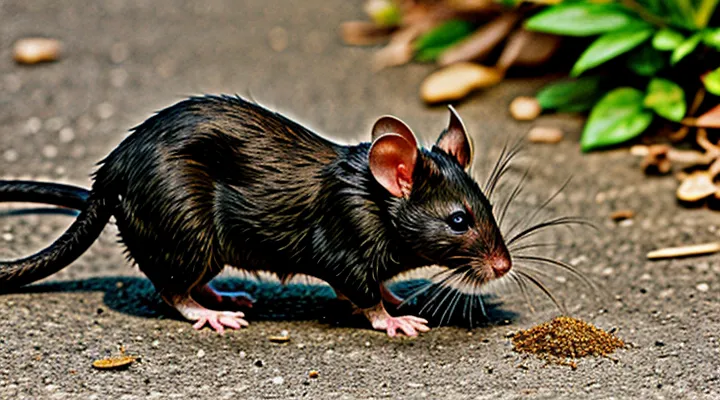
Understanding the Rat Estrous Cycle
The Four Stages of Estrus
Proestrus
Proestrus marks the transition from diestrus to estrus in the female rat. It lasts approximately 12–14 hours and is characterized by a rapid rise in estrogen, culminating in a peak that triggers the subsequent estrus phase.
During proestrus the vaginal epithelium undergoes cornification, producing a predominance of nucleated epithelial cells that can be identified in a vaginal smear. External genitalia exhibit mild swelling and a subtle pinkish hue, but the changes are less pronounced than in full estrus.
Observable indicators include:
- Predominance of nucleated epithelial cells in vaginal cytology.
- Slight vaginal opening enlargement.
- Increased locomotor activity, especially in the dark phase.
- Heightened receptivity to male pheromones, expressed as brief lordosis attempts when a male is present.
These physiological and behavioral markers collectively define the proestrus stage and provide a reliable basis for distinguishing it from surrounding phases of the rat estrous cycle.
Estrus
Estrus in rats is a brief, recurring phase of the reproductive cycle during which females are sexually receptive and capable of conceiving. The cycle lasts approximately four to five days, with estrus occupying the final 12–14 hours. During this window, observable changes indicate the animal’s hormonal state.
Physical signs include:
- Swelling of the vulvar region, producing a pinkish, edematous appearance.
- Increased moisture and a glossy surface on the perineal area.
- Slight reddening of the vaginal epithelium detectable upon gentle inspection.
Behavioral indicators consist of:
- Heightened interest in male rats, manifested by frequent approaches and sniffing.
- Presentation of the lordosis posture when a male mounts, characterized by a dorsal arch of the back and elevation of the hindquarters.
- Increased locomotor activity and exploratory behavior in the presence of a potential mate.
Detection methods commonly employed in laboratory settings are:
- Vaginal cytology: collection of epithelial cells via a sterile swab, followed by microscopic examination to identify the cornified cell predominance typical of estrus.
- Observation of lordosis quotient: recording the proportion of male mounting attempts that result in a lordosis response.
- Hormone assays: measuring serum estradiol concentrations, which peak during estrus.
Timing of estrus can be predicted by tracking the preceding diestrus phase, during which the vaginal smear shows a mix of leukocytes and nucleated epithelial cells. Consistent daily sampling allows researchers to pinpoint the transition to the cornified cell-dominant smear that marks estrus onset.
Understanding these visual and behavioral markers enables accurate identification of the estrus phase, essential for reproductive studies, breeding programs, and experimental timing in rat models.
Metestrus
Metestrus follows the estrus phase in the rat estrous cycle and typically lasts 1–2 days. During this interval estrogen levels fall sharply while progesterone rises, initiating uterine glandular activity and preparing the endometrium for possible implantation.
Vaginal cytology distinguishes metestrus from preceding stages. Smears contain a mixed population of leukocytes, cornified epithelial cells, and transitional cells. The proportion of leukocytes exceeds that of cornified cells, and the overall cellular density declines compared with estrus.
Behavioral expression changes markedly. Lordosis frequency drops, receptivity to male mounting diminishes, and females may display increased aggression toward conspecifics. These alterations reflect the shift from maximal sexual readiness to a post‑ovulatory state.
External appearance also varies. The vaginal orifice loses the pronounced swelling and rosy hue characteristic of estrus; the skin around the opening appears flatter and less vascularized. No obvious discharge is present, but a faint, whitish fluid may be observed.
Key identifiers of metestrus in rats:
- Vaginal smear: predominance of leukocytes, reduced cornified cells.
- Hormone profile: declining estradiol, rising progesterone.
- Behavior: minimal lordosis, heightened aggression.
- Physical signs: reduced vaginal swelling, paler coloration, minimal discharge.
Diestrus
Diestrus follows estrus in the rat estrous cycle and represents the period of reproductive quiescence. During this phase, the ovaries produce low levels of estrogen and elevated progesterone, which suppresses sexual receptivity. Vaginal cytology shows a predominance of leukocytes and few cornified epithelial cells, distinguishing it from the cornified-dominant smear of estrus. The uterine lining remains thin, and the cervix is closed, reflecting the lack of mating behavior.
Key physiological features of diestrus include:
- Progesterone concentration at 10–30 ng/mL.
- Estrogen concentration below 20 pg/mL.
- Vaginal smear composition: >80 % leukocytes, <5 % cornified cells.
- Absence of lordosis reflex upon male introduction.
Timing in a standard 4‑day cycle places diestrus on days 2 and 3, lasting approximately 48 hours. The transition from diestrus to proestrus is marked by a gradual rise in estrogen, leading to the next estrus episode. Understanding diestrus provides a baseline for recognizing the visual and cytological changes that define the active estrous phase in rats.
Visual and Behavioral Signs of Estrus
Behavioral Changes
Lordosis Reflex
The lordosis reflex is the primary behavioral marker of sexual receptivity in female rats during the estrous phase. It manifests as a pronounced dorsiflexion of the spine, elevation of the hips, and a downward tilt of the tail when a male mounts or when the animal is presented with a sexually relevant stimulus. This posture facilitates copulation by providing unobstructed access to the genital opening.
Hormonal regulation centers on the surge of estrogen that precedes ovulation; estrogen primes the central nervous system, while a subsequent rise in progesterone sustains the reflex. The reflex peaks during proestrus and early estrus, diminishing sharply after ovulation.
Researchers detect the reflex by observing the following features:
- Immediate arching of the lumbar vertebrae upon tactile stimulation of the flanks.
- Sustained hip elevation for at least a few seconds.
- Consistent tail lowering, creating a clear “arching” silhouette.
- Absence of the reflex in non‑receptive females, regardless of male presence.
Scoring systems assign numeric values based on latency, duration, and intensity of the response, allowing quantitative comparison across experimental groups. The lordosis reflex therefore serves as a reliable, observable indicator of the female’s reproductive status and is essential for studies of endocrine function, neurobiology of sexual behavior, and the evaluation of pharmacological agents affecting fertility.
Increased Activity and Vocalization
During the estrous phase, female rats display a marked rise in locomotor activity. Movement patterns shift from the baseline exploratory pace to rapid, intermittent bouts that often include climbing, rearing, and increased distance covered within a short interval. Video tracking studies report a 30‑50 % elevation in total distance traveled compared to diestrus, with peak activity occurring in the proestrus sub‑stage when estrogen levels peak.
Vocal output also intensifies. Rats emit a higher frequency of ultrasonic calls, predominantly in the 50‑70 kHz range, and the calls become longer in duration. Acoustic recordings show an average call rate of 8‑12 calls per second during estrus, contrasted with 2‑4 calls per second in non‑reproductive phases. The calls are typically associated with social investigations, such as sniffing a male or other females, suggesting a communicative function linked to mating readiness.
Key observations supporting these behaviors include:
- Hormonal correlation: Estradiol surge precedes the activity surge; ovariectomized rats regain heightened locomotion and vocalization only after estradiol replacement.
- Temporal pattern: Activity and vocalization peak within 4‑6 hours after the luteinizing hormone (LH) surge, then decline as the estrus window closes.
- Sex-specific response: Males exposed to estrous females exhibit increased approach behavior and heightened ultrasonic vocalizations, reinforcing the role of female signaling.
These behavioral markers provide reliable, non‑invasive indicators for identifying estrus in laboratory colonies, allowing precise timing of reproductive studies and reducing reliance on invasive cytology.
Receptivity to Mating
During the estrous phase, female rats exhibit a distinct set of behaviors and physiological changes that signal readiness to mate. The primary indicator is the lordosis reflex, a pronounced arching of the back when a male mounts. This response is triggered by elevated estrogen levels and is most reliable when the vaginal epithelium is fully cornified, producing a pale, moist appearance.
Additional signs of receptivity include:
- Increased locomotor activity directed toward the male’s cage.
- Frequent ear and whisker twitching in response to male pheromones.
- Reduced aggression and heightened grooming of the male’s fur.
Hormonal context is critical. Estradiol peaks approximately 12–14 hours before ovulation, aligning the onset of lordosis with the optimal fertilization window. Progesterone rises shortly after, diminishing receptivity and preparing the uterus for implantation.
Researchers assess mating readiness by:
- Observing lordosis quotient (ratio of lordosis events to mounts) during a standardized pairing test.
- Examining vaginal cytology for a predominance of cornified epithelial cells.
- Measuring serum estradiol concentrations to confirm the proestrus–estrus transition.
These criteria together provide a comprehensive picture of a rat’s willingness to engage in copulation, allowing precise timing of breeding protocols and experimental interventions.
Physical Manifestations
Vaginal Opening and Swelling
During the estrous cycle, the vaginal orifice of a female rat undergoes rapid morphological changes that signal the transition to estrus. The external opening expands from a narrow slit to a visibly larger, rounded aperture. The surrounding tissue becomes edematous, producing a smooth, glossy appearance that reflects light more intensely than the surrounding skin. Swelling is most pronounced on the day of estrus, with the diameter often increasing by 30–50 % compared with the basal state.
Key visual indicators of this phase include:
- Opening size: measurable enlargement detectable by gentle probing or visual inspection; the lumen may reach 2–3 mm in diameter.
- Tissue coloration: a shift toward a pinkish‑red hue due to increased blood flow; the color deepens as edema intensifies.
- Surface texture: a transition from a rough, keratinized margin to a softer, moist surface that lacks the usual dry edges.
- Timing: swelling peaks on the day of estrus and recedes within 12–24 h as the cycle progresses to metestrus.
These characteristics provide reliable, non‑invasive markers for identifying estrus in laboratory rats, facilitating accurate scheduling of breeding, behavioral testing, or pharmacological interventions.
Changes in Vaginal Secretions
During the estrous phase, female rats produce a distinctive vaginal discharge that serves as a reliable external indicator of reproductive status. The fluid emerges from the cervix and accumulates in the vaginal canal, where it can be observed without invasive procedures.
Typical features of the discharge include:
- Color progression: pale to creamy white at the onset, turning pinkish or reddish as ovulation approaches, then reverting to clear or faintly yellow after ovulation.
- Viscosity changes: initially watery, becoming more viscous and mucus‑rich near the peak of estrus, then thinning again during metestrus.
- Volume fluctuations: modest increase in quantity during proestrus, reaching maximal accumulation in the 12‑ to 24‑hour window surrounding ovulation, followed by a rapid decline.
These characteristics correspond to the surge and subsequent decline of estrogen and luteinizing hormone, which modulate glandular secretions in the reproductive tract. Observers can assess estrus timing by gently aspirating the fluid with a fine pipette or by visual inspection of the external genital area, allowing precise scheduling of breeding or experimental interventions.
Uterine Morphology
During the estrous phase, the rat uterus exhibits distinct structural changes that reflect hormonal fluctuations. Uterine weight increases by 20–30 % compared to diestrus, driven primarily by edema and tissue growth. The endometrium thickens, with the luminal epithelium reaching a maximal height of 30–35 µm; basal cells elongate and display prominent microvilli. Glandular epithelium enlarges, producing a copious, protein‑rich secretion that fills the lumen. Vascular beds in the myometrium expand, and capillary loops become more tortuous, facilitating nutrient delivery to the proliferating epithelium. Stromal cells acquire a more rounded morphology, and the extracellular matrix shows reduced collagen density, allowing greater tissue compliance.
Key morphological markers of estrus in the rat uterus include:
- Elevated uterine mass and fluid content
- Maximum luminal epithelial height
- Expanded glandular secretory activity
- Enhanced myometrial vascularization
- Decreased stromal collagen packing
These features collectively delineate the uterine phenotype associated with the receptive stage of the reproductive cycle.
Factors Influencing Estrus
Environmental Influences
Photoperiod
Photoperiod, the daily pattern of light and darkness, is a primary environmental cue that synchronizes the reproductive axis of laboratory rats. Standard housing provides a 12 h light/12 h dark cycle; deviations from this schedule alter the timing and duration of the estrous cycle.
Shortening the light phase accelerates the onset of proestrus, while extending illumination delays the transition to estrus. These adjustments manifest in measurable external signs that indicate the fertile phase.
Observable characteristics of estrus under varying photoperiods include:
- Swelling of the vaginal opening, most pronounced during the evening of estrus;
- Increased vaginal mucus volume, appearing glossy and translucent;
- Elevated lordosis response when presented with a male, evident as a pronounced arch of the back;
- Heightened locomotor activity and scent‑marking behavior during the dark phase.
When rats experience a compressed light period, the swelling and mucus production appear earlier in the cycle, and the lordosis reflex initiates sooner. Conversely, prolonged illumination postpones these signs, extending the interval between cycles. Monitoring these external markers alongside controlled photoperiods enables precise determination of the estrous stage for experimental protocols.
Temperature and Humidity
Temperature influences the visibility of estrous signs in rats. Ambient temperatures between 20 °C and 24 °C maintain normal vaginal epithelial turnover, allowing clear identification of swelling, secretions, and color changes. Temperatures above 26 °C accelerate epithelial desquamation, shortening the period of observable edema and potentially masking the peak of estrus. Temperatures below 18 °C suppress blood flow to the reproductive tract, reducing swelling and darkening secretions, which can be mistaken for a different cycle stage.
Humidity affects moisture retention on the vulvar skin and the consistency of vaginal discharge. Relative humidity of 40 %–60 % preserves the natural viscosity of estrous fluid, facilitating visual assessment. Humidity below 30 % dries secretions, making them appear less abundant and altering color perception. Humidity above 70 % promotes excess condensation, which may be misinterpreted as heightened secretion volume.
Maintaining stable environmental conditions improves repeatability of estrus detection. Recommended practice:
- Set incubators or animal rooms to 22 ± 2 °C.
- Control relative humidity at 45 % ± 10 %.
- Verify temperature and humidity with calibrated probes at least twice daily.
- Adjust HVAC settings promptly if values drift outside target ranges.
Deviations from these parameters can lead to false‑negative or false‑positive estrus identification, compromising breeding schedules and experimental outcomes.
Physiological Factors
Hormonal Regulation
Estrus in female rats is characterized by a brief period of sexual receptivity lasting 4–6 hours, during which the vaginal epithelium undergoes maximal cornification, the vulvar area becomes swollen, and the animal displays lordosis when presented with a male. These external signs result from a tightly orchestrated hormonal cascade.
The cascade begins with a rise in estradiol produced by ovarian follicles. Estradiol peaks in the late proestrus phase, stimulating the hypothalamus to increase pulsatile release of gonadotropin‑releasing hormone (GnRH). GnRH drives the anterior pituitary to secrete a surge of luteinizing hormone (LH) and a modest increase in follicle‑stimulating hormone (FSH). The LH surge triggers ovulation and initiates luteal formation, while FSH supports follicular maturation.
Concomitant changes in progesterone concentration modulate the intensity of estrous behavior. Progesterone remains low during estrus, allowing estradiol to maintain the receptive state. After ovulation, progesterone rises sharply, terminating the estrus window and preparing the uterus for potential implantation.
Additional neuroendocrine factors refine the response:
- Prolactin levels increase during proestrus, enhancing luteal development.
- Dopamine and serotonin pathways modulate GnRH pulse frequency, influencing the timing of the LH surge.
- Oxytocin released from the hypothalamus contributes to the expression of lordosis.
The precise timing of hormone peaks ensures that the observable physical changes—vaginal cornified cells, vulvar edema, and lordosis—appear synchronously, providing a reliable external indicator of estrus in rats.
Age and Health Status
Estrus in laboratory rats presents with a swollen, pink vaginal opening, increased moisture, and a distinct odor. The intensity and duration of these signs vary with the animal’s age and overall health.
- Juvenile (pre‑pubertal, <30 days) – minimal swelling, faint coloration, irregular cycles; estrus may be difficult to detect without hormonal confirmation.
- Young adult (30‑90 days) – pronounced swelling, bright pink coloration, consistent moisture; estrus typically lasts 12‑24 hours and recurs every 4‑5 days.
- Aged (≥12 months) – reduced swelling, paler coloration, shorter duration; cycles become irregular, and some females may cease cycling altogether.
Health conditions directly modify estrous expression:
- Nutritional deficiency – lowered body condition score diminishes vaginal edema and delays onset.
- Chronic illness (e.g., renal disease, infection) – suppresses hormonal axis, leading to weak or absent estrous signs.
- Stressors (environmental, handling) – elevates corticosterone, shortens estrus, and may produce incomplete swelling.
- Obesity – can prolong estrus duration but may obscure visual cues due to increased perineal fat.
Accurate identification of estrus therefore requires consideration of the rat’s developmental stage and any concurrent health issues. Adjusting housing, diet, and monitoring protocols to accommodate these variables improves the reliability of estrous detection.
Practical Applications and Considerations
Breeding Programs and Research
Timing of Mating
Rats experience a 4‑day estrous cycle composed of proestrus, estrus, metestrus, and diestrus. Estrus, the period of sexual receptivity, lasts approximately 12–14 hours and is marked by vaginal opening and the presence of cornified epithelial cells. Hormonal surge of luteinizing hormone (LH) triggers ovulation near the end of estrus, typically within 4–6 hours after the onset of the receptive phase.
Mating must occur during the narrow window when the female is fully receptive and the ovum is viable. The optimal period spans:
- 0–4 hours after the first signs of estrus (vaginal opening, cornified cells);
- up to 6 hours before the LH surge peaks, when ovulation is imminent;
- no later than 12 hours after estrus onset, after which receptivity declines sharply.
If copulation takes place outside this interval, the likelihood of fertilization drops dramatically because the oocyte either has not yet been released or has already degenerated. Researchers synchronize estrus using hormonal protocols (e.g., PMSG followed by hCG) to ensure that mating trials fall precisely within the defined timeframe, thereby maximizing conception rates in laboratory colonies.
Assessing Reproductive Health
Observing the estrous cycle provides a direct indicator of reproductive status in laboratory rats. Visual cues, such as swelling of the vulvar region and a pinkish coloration of the vaginal epithelium, appear during the proestrus and estrus phases. These external signs correlate with underlying hormonal fluctuations and can be recorded without invasive procedures.
To evaluate reproductive health, researchers typically combine external observation with the following assessments:
- Vaginal cytology: smear samples examined under a microscope reveal cell types characteristic of each cycle stage, confirming the visual diagnosis.
- Hormone assays: serum estradiol and progesterone concentrations measured by ELISA validate the physiological phase indicated by external signs.
- Fertility testing: timed mating with proven male partners and subsequent pregnancy confirmation provide functional proof of reproductive competence.
Consistent documentation of estrous indicators, paired with cytological and hormonal data, enables accurate determination of cycle regularity, detection of abnormalities, and assessment of the impact of experimental interventions on reproductive function.
Distinguishing from Other Conditions
Estrus in female rats presents a distinct set of physical and behavioral markers that separate it from pregnancy, pseudopregnancy, infection, and stress‑related changes. Recognizing these differences prevents misinterpretation of reproductive status in research and colony management.
Physical indicators of the fertile phase include:
- Prominent, pink‑to‑red swelling of the vulva, often accompanied by a moist surface.
- A visible increase in vaginal epithelial thickness detectable by gentle palpation.
- Absence of purulent or malodorous discharge, which typically signifies infection.
Behavioral cues are equally diagnostic:
- Rapid lordosis response when a male rat is introduced, characterized by a dorsiflexed back and elevated hindquarters.
- Increased vocalization and mounting attempts directed toward males.
- Heightened locomotor activity and exploratory behavior during the dark cycle.
Contrasting conditions display alternative patterns:
- Pregnancy: vulvar swelling remains minimal; lordosis is absent; the abdomen enlarges gradually; vaginal cytology shows a predominance of leukocytes.
- Pseudopregnancy: mild or no vulvar edema; reduced sexual receptivity; hormonal profile mimics pregnancy but lacks uterine implantation.
- Vaginitis or other infections: swollen vulva may be present, but accompanied by yellowish or bloody discharge, erythema, and pain‑related grooming.
- Chronic stress: may cause transient vulvar edema without the characteristic red hue; lordosis response is suppressed; cortisol elevation is detectable in plasma.
Cytological examination provides a definitive distinction. During estrus, vaginal smears contain >80 % cornified epithelial cells, whereas diestrus and metestrus show a mix of leukocytes and nucleated epithelial cells, and pregnancy samples are dominated by leukocytes and occasional nucleated cells.
Accurate identification relies on simultaneous assessment of external morphology, sexual behavior, and cytology. This multi‑parameter approach eliminates ambiguity and ensures correct classification of the reproductive state.