
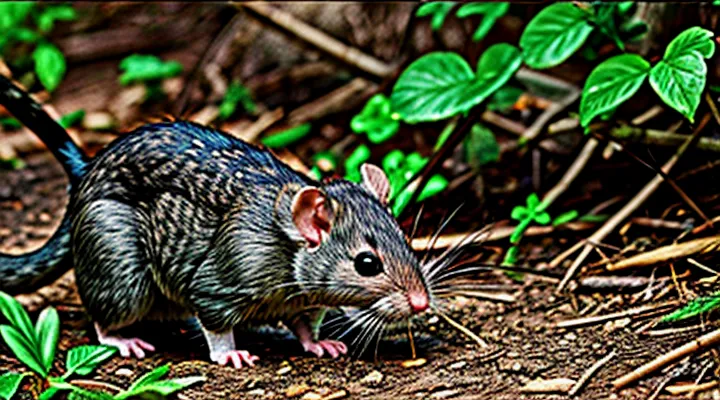
The Omnivorous Nature of Wild Rats
Dietary Adaptations and Survival
Seasonal Variations in Food Availability
Wild rats modify their foraging behavior to match the fluctuating supply of edible resources throughout the year.
In spring, the emergence of fresh vegetation and the proliferation of insects provide a rich protein source. Seeds of early‑germinating grasses and herbaceous plants become readily available, and rats frequently exploit these high‑energy items while also scavenging insects attracted to the new growth.
During summer, abundant fruiting plants and berries offer carbohydrate‑rich meals. Increased insect activity continues to supplement the diet. Rats also capitalize on human‑generated waste, especially in agricultural and urban fringe areas where discarded produce accumulates.
Autumn brings a surge of nuts, acorns, and fallen fruits. The decline in insect numbers shifts the emphasis toward stored seeds and the high‑fat content of mature nuts. Detritus and decaying organic matter become more prominent as primary food sources.
Winter imposes the greatest scarcity. Rats rely on stored grain, cached seeds, and remnants of human food stores. Access to plant roots, bark, and occasional carrion compensates for the reduced availability of fresh plant material and insects. Survival hinges on the ability to infiltrate shelters where human waste persists.
Key seasonal food items
- Spring: fresh greens, grass seeds, insects
- Summer: berries, fruits, insects, human waste
- Autumn: nuts, acorns, fallen fruits, stored seeds
- Winter: grain stores, cached seeds, roots, carrion
These patterns illustrate how free‑living rats adjust their intake to exploit the most accessible and nutrient‑dense resources available in each season.
Urban vs. Rural Diet Differences
Wild rats living in cities and those inhabiting countryside environments consume markedly different food sources because of the distinct availability of waste, natural vegetation, and seasonal fluctuations.
In urban settings, rats exploit human-generated refuse and infrastructure:
- Processed food scraps from restaurants, fast‑food outlets, and residential kitchens
- Bread, pastries, and sugary items discarded in trash bins
- Pet food left outdoors or spilled in alleyways
- Grease, oil, and carbohydrate‑rich residues from kitchen drains
- Small insects attracted to garbage piles
Rural rats rely more on natural and agricultural resources:
- Seeds, grains, and harvested crops such as wheat, corn, and barley
- Roots, tubers, and fallen fruits from wild plants and orchard trees
- Invertebrates including beetles, earthworms, and larvae found in soil
- Carrion from dead livestock or wildlife, especially during winter months
- Seasonal insects such as grasshoppers and caterpillars
These dietary patterns reflect the contrast between anthropogenic waste abundance in metropolitan areas and the seasonal, plant‑based provisions typical of countryside ecosystems. Consequently, urban rats often display higher intake of fats and sugars, while rural counterparts ingest greater proportions of fiber, protein from insects, and raw plant matter.
Primary Food Sources for Wild Rats
Plant-Based Foods
Seeds and Grains
Wild rats regularly include seeds and grains in their foraging repertoire. These items provide carbohydrates, proteins, and essential fats that support rapid growth and reproduction.
- Small cereal grains such as wheat, barley, oats, and rye are commonly consumed when they fall to the ground or are stored in abandoned structures.
- Legume seeds, including peas and lentils, offer higher protein content and are sought after during harvest periods.
- Wild grasses produce seed heads that attract rats, especially in late summer when seed availability peaks.
- Sunflower and millet seeds, rich in oils, are favored for their energy density and are often found near cultivated fields.
Rats locate seeds and grains using tactile whisker cues and olfactory detection. Their gnawing ability allows them to breach husks and access interior kernels. Seasonal fluctuations influence consumption patterns: grain intake rises after sowing and during grain storage periods, while seed reliance increases in autumn when wild grasses seed. The nutritional profile of these plant materials complements the protein obtained from insects and the moisture derived from fruits, forming a balanced diet for free‑living rodents.
Fruits and Vegetables
Wild rats that live outdoors regularly incorporate plant matter into their diet. Fruits and vegetables constitute a reliable source of carbohydrates, vitamins, and water, especially when animal prey is scarce.
Typical plant items observed in the foraging patterns of free‑ranging rats include:
- Apples, pears, and plums that have fallen or been discarded
- Berries such as strawberries, blackberries, and raspberries
- Citrus fragments, primarily orange and lemon peels
- Root vegetables like carrots, potatoes, and turnips
- Leafy greens, including cabbage, lettuce, and spinach
- Squash, zucchini, and pumpkin flesh
These foods are consumed opportunistically; rats select items that are soft, sweet, or aromatic, which facilitate quick ingestion and digestion. Seasonal availability dictates the relative importance of each category, with berries dominating summer diets and stored root crops becoming prominent in winter.
Nutritional intake from plant material supports growth, reproduction, and immune function. However, consumption of contaminated produce—particularly those treated with rodenticides or heavy pesticides—poses a health risk, potentially leading to toxin accumulation within rat populations and subsequent ecological impacts.
Roots and Tubers
Wild rats supplement their omnivorous diet with a variety of underground plant parts. Roots and tubers provide carbohydrates, moisture, and essential minerals that are scarce during dry periods.
Commonly consumed underground structures include:
- Carrot roots (Daucus carota) – high in sugars, readily accessible in cultivated fields.
- Sweet potato tubers (Ipomoea batatas) – dense carbohydrate source, often uncovered in garden debris.
- Potato tubers (Solanum tuberosum) – favored for starch content; rats gnaw through soil to reach exposed portions.
- Beet roots (Beta vulgaris) – supply sugars and minerals; rats locate them by scent and soil disturbance.
- Radish roots (Raphanus sativus) – small size allows quick extraction; rich in water.
Seasonal fluctuations affect availability. In spring, tender seedlings and newly emerged roots are abundant, while autumn brings larger, starchy tubers. Rats employ strong incisors to breach compacted soil, relying on olfactory cues to detect volatile compounds released by damaged plant tissue.
Nutritional analysis shows that roots and tubers contribute up to 30 % of the caloric intake for wild rats in habitats where surface food sources are limited. Their high water content also reduces the need for separate drinking sources during hot weather.
Leaves and Stems
Wild rats in natural habitats regularly incorporate plant material into their diet, and leaves and stems represent a reliable source of nutrients when animal prey is scarce. These rodents consume fresh foliage, fallen leaves, and the tender portions of stems, extracting moisture, carbohydrates, and essential minerals.
Typical leaf and stem items include:
- Young grass blades and herbaceous shoots
- Broadleaf tree foliage such as oak, maple, and birch
- Soft stems of legumes, clover, and alfalfa
- Decaying leaf litter that remains palatable
The selection depends on availability, season, and the nutritional value of the plant parts. Fresh, tender growth offers higher protein and lower fiber, while mature leaves provide cellulose that aids digestive tract function. Rats often gnaw on stem sections to access the inner tissue and to wear down continuously growing incisors.
In addition to direct consumption, rats may store leaves and stems in burrows for later use, especially during periods of reduced food supply. This behavior demonstrates adaptability and ensures a steady intake of plant-derived energy.
Animal-Based Foods
Insects and Invertebrates
Wild rats routinely exploit a wide range of arthropods and other invertebrates to meet protein and micronutrient requirements. Their opportunistic foraging strategy allows them to capture prey that is abundant, easily accessible, or temporarily exposed.
Typical invertebrate items include:
- Beetles (ground, dung, and leaf‑beetle species) that are encountered on the forest floor or in stored grain.
- Ants and termites, especially during swarming periods when colonies are exposed.
- Caterpillars and moth larvae found on vegetation or near waste sites.
- Earthworms, which provide moist, protein‑rich tissue and are often dug from soil in damp environments.
- Crustacean remnants such as small shrimp or crab fragments in coastal or riverine habitats.
- Slugs and snails, offering calcium for skeletal development.
Seasonal fluctuations affect availability. Spring and summer see increased numbers of flying insects and larvae, prompting rats to intensify aerial foraging or climb vegetation. In autumn, beetle populations rise, while winter reduces overall invertebrate activity; rats then rely more on stored or frozen specimens and supplement with other food sources.
Hunting techniques vary with prey type. Rats use rapid sprinting and precise bite motions to capture fast‑moving insects, while employing tactile exploration and digging to locate earthworms and mollusks. Sensory cues—chemosensory detection of pheromones, vibrations, and moisture gradients—guide them to concealed prey.
Nutritional contribution of invertebrates is significant. Protein content ranges from 15 % to 30 % of dry mass, and essential amino acids complement plant‑derived nutrients. Chitin, present in exoskeletons, supplies nitrogen and may aid digestive enzyme regulation. Calcium from mollusk shells supports dental and skeletal health.
Overall, insects and other invertebrates constitute a flexible, high‑quality component of the wild rat diet, enhancing survival across diverse habitats and fluctuating environmental conditions.
Small Vertebrates
Wild rats supplement their omnivorous diet with a range of small vertebrates, exploiting these prey items when they are abundant and accessible. Their opportunistic hunting behavior allows them to capture organisms that provide high protein and essential nutrients, supporting growth and reproductive success.
Typical vertebrate prey includes:
- Juvenile amphibians such as tadpoles and newly metamorphosed frogs
- Small reptiles, notably lizards and hatchling snakes
- Nestling birds and eggs when rats infiltrate nests
- Young mammals, including vole pups and shrew juveniles
- Fish fry found in shallow water sources or drainage ditches
Predation on these animals occurs primarily during nocturnal foraging, often near water bodies, dense vegetation, or human structures where prey congregate. Rats employ swift bites and strong jaw pressure to subdue and consume their victims, occasionally storing excess prey in concealed caches for later consumption. This vertebrate component, though variable in proportion, contributes significantly to the overall nutritional intake of wild rat populations.
Eggs
Eggs constitute a valuable protein source for feral rodents when encountered in urban or agricultural settings. Rats locate eggs through scent cues and opportunistic scavenging, often targeting broken shells, discarded poultry eggs, or eggs laid by ground‑nesting birds.
Key aspects of egg consumption by wild rats:
- Nutrient density – eggs deliver high‑quality protein, essential amino acids, and lipids that support rapid growth and reproduction.
- Seasonal availability – egg presence peaks during breeding periods of birds and poultry production cycles, increasing intake rates in spring and summer.
- Acquisition methods – rats break shells with their incisors, ingest the contents, and may reuse shell fragments for nest construction.
- Risk factors – raw eggs can harbor salmonella or other pathogens; ingestion may expose rats to microbial threats, though their digestive systems often tolerate such organisms.
The inclusion of eggs in a rat’s diet can enhance body condition and litter size, contributing to population sustainability in environments where other high‑protein foods are scarce.
Carrion
Wild rats include carrion among the foods they exploit when other resources are scarce. The protein and fat in dead animals provide a rapid energy source that supports growth, reproduction, and survival in urban and rural environments.
Carrion offers several advantages for opportunistic rodents. It supplies high‑quality nutrients without the need for hunting or processing. The soft tissue is easily accessible, and the strong sense of smell in rats enables detection of decaying matter from considerable distances.
Common carrion items consumed by wild rats include:
- Small mammals such as field mice, voles, and shrews
- Birds that have died from predation, disease, or accidents
- Reptiles, including dead lizards and snakes
- Amphibians, particularly frogs found in damp habitats
- Insect larvae and pupae within decomposing bodies
Consumption of carrion varies with season, habitat, and competition. In winter, when plant material and insects are limited, rats rely more heavily on dead vertebrates. In densely populated areas, waste disposal practices increase the availability of carcasses, reinforcing carrion’s role in the overall diet.
Opportunistic Feeding Behaviors
Scavenging Habits
Human Waste as a Food Source
Human waste provides a reliable, high‑calorie resource that attracts wild rats in urban and agricultural environments. The organic matter in sewage, garbage, and discarded food contains proteins, fats, and carbohydrates that meet the rodents’ metabolic needs, especially when natural foraging options are scarce.
Typical components of human waste that rats exploit include:
- Kitchen refuse containing meat scraps, dairy, and processed foods.
- Sewer sludge rich in dissolved nutrients and microorganisms.
- Landfill deposits of packaged meals, soft plastics with food residues, and expired products.
- Compost piles where household waste is mixed with organic matter.
Rats locate these sources through olfactory cues; volatile compounds such as ammonia and fatty acids signal high‑energy content. Their gnawing ability allows access to sealed containers and sealed waste bags, while their nocturnal activity reduces competition with diurnal scavengers.
Consuming human waste exposes rats to pathogens, heavy metals, and pharmaceuticals. These substances can accumulate in rodent tissues, potentially affecting disease transmission to humans and other animals. Management strategies that limit waste accessibility—secure containers, regular removal of organic refuse, and proper sewage treatment—reduce the attractiveness of human waste as a food source for wild rat populations.
Food Storage Raids
Wild rats frequently infiltrate human food stores, using these sites as reliable sources of nutrition. Their opportunistic foraging behavior drives them to breach containers, sacks, and pallets that are left unsecured.
Typical items compromised during raids include:
- Grains and cereals
- Dried legumes and pulses
- Processed snacks and confectionery
- Pet food and livestock feed
- Cooked leftovers and waste scraps
Raids occur primarily under cover of darkness, when ambient temperatures are low and human activity is minimal. Rats enter through small openings, chew through plastic or cardboard, and leave droppings, urine, and gnaw marks that contaminate the remaining stock. Their ability to navigate tight spaces enables rapid depletion of food supplies within hours.
Contamination poses health risks, as pathogens such as Salmonella, Leptospira, and hantavirus can be transferred to stored products. Economic loss results from discarded inventory and increased pest‑control expenses.
Effective mitigation requires:
- Sealing all entry points with steel wool, metal flashing, or cement
- Storing food in metal or thick‑walled containers equipped with tight‑fitting lids
- Maintaining a clean environment, removing spillage and debris promptly
- Conducting regular inspections for gnaw marks and droppings
- Implementing integrated pest‑management programs that combine traps, baits, and professional monitoring
By enforcing these measures, the frequency and impact of food storage raids by feral rodents can be substantially reduced.
Hunting and Predation
Tactics for Acquiring Prey
Wild rats employ a range of strategies to secure animal-based food sources in natural habitats.
They locate prey through acute sensory systems. Vibrissae detect subtle movements, while a highly developed sense of smell identifies potential insects, larvae, or carrion from considerable distances. Nighttime activity aligns with the peak of many invertebrate species, allowing rats to exploit reduced competition and increased visibility of prey silhouettes.
Their hunting methods include:
- Active pursuit – swift sprints toward exposed insects such as beetles or grasshoppers, using powerful hind‑leg thrusts for acceleration.
- Ambush – positioning near burrows, leaf litter, or under stones, waiting for small vertebrates or arthropods to emerge, then seizing with sharp incisors.
- Scavenging – inspecting carcasses left by larger predators, extracting soft tissues with strong jaws and gnawing ability.
- Opportunistic capture – exploiting accidental encounters, such as snatching fallen eggs or larvae displaced by environmental disturbances.
Physical adaptations support these tactics. Strong, continuously growing incisors cut through exoskeletons; robust forelimbs enable digging and manipulation of objects that conceal prey. Coordination of whisker feedback with rapid bite reflexes ensures precise targeting of moving targets.
Collectively, these behaviors allow wild rats to integrate animal protein into their diet efficiently, supplementing plant material and enhancing overall nutritional balance.
Factors Influencing a Wild Rat's Diet
Habitat and Environment
Availability of Resources
Resource availability directly determines the composition of the wild rat diet. When edible matter is abundant, rats consume a broad spectrum of items; scarcity forces reliance on a narrower, often lower‑quality selection.
Seasonal fluctuations alter the pool of accessible foods. Spring brings fresh seeds, sprouts, and insects; summer adds fruit, berries, and abundant arthropods; autumn provides mature grains and fallen nuts; winter limits options to stored seeds, carrion, and human‑derived waste.
Habitat type shapes the specific resources encountered:
- Urban environments: discarded food, pet kibble, grain spillage, sewage insects.
- Agricultural fields: harvested crops, post‑harvest residues, rodent‑infested grain stores.
- Forested areas: nuts, acorns, fallen fruits, leaf litter insects, fungal mycelia.
Human activity expands resource availability. Improper waste management, open grain silos, and irrigation create consistent food sources, supporting higher rat densities and reducing dietary diversity. Conversely, effective sanitation and secure storage diminish accessible nutrients, compelling rats to seek alternative, often riskier, foraging sites.
Overall, the presence, timing, and quality of food resources dictate the nutritional intake of wild rats, influencing population dynamics and ecological impact.
Competition with Other Species
Wild rats share many food resources with other omnivorous and granivorous animals, leading to direct competition for the same nutritional items. Overlap in diet includes seeds, insects, carrion, and human-derived waste, which forces rats to adjust foraging strategies.
Key competitors and the nature of their dietary overlap:
- House mice (Mus musculus) – compete for small seeds and grain fragments; rats often dominate larger items while mice exploit finer particles.
- Eastern chipmunks (Tamias striatus) – target the same seed caches; rats may displace chipmunks through aggressive foraging or by consuming caches before retrieval.
- Raccoons (Procyon lotor) – overlap on carrion and refuse; rats typically access waste earlier in the night, reducing raccoon availability.
- Birds of prey (e.g., corvids) – share insect and carrion sources; rats benefit from nocturnal activity, while birds exploit daylight periods.
- Feral cats (Felis catus) – compete for small vertebrates and insects; rats avoid predation zones, limiting direct food competition but influencing spatial distribution.
Temporal partitioning reduces conflict: rats are predominantly nocturnal, while many competitors forage at dawn, dusk, or daylight. Spatial segregation also occurs; rats favor burrows, sewer systems, and dense vegetation, whereas competitors may prefer open fields, tree canopies, or surface debris.
These interactions shape the dietary composition of wild rats, compelling them to prioritize flexible foraging tactics, exploit underused resources, and adjust habitat use in response to the presence of rival species.
Rat Species-Specific Diets
Norway Rat (Rattus norvegicus)
The Norway rat (Rattus norvegicus) thrives in diverse habitats, from sewers and warehouses to fields and forests. Its success stems from a flexible foraging strategy that exploits a wide range of organic resources.
In natural settings the species consumes:
- Grains and seeds from grasses and cultivated crops
- Fresh fruits and vegetables that fall to the ground
- Invertebrates such as insects, worms, and mollusks
- Small vertebrate carcasses and carrion
- Fungi and plant stems when other foods are scarce
Urban populations supplement this diet with anthropogenic sources. Waste containers, discarded food, pet chow, and refuse from restaurants provide high‑calorie, protein‑rich meals. Access to human‑generated waste often increases intake of processed carbohydrates and fats, accelerating growth rates.
Seasonal shifts influence food selection. Spring and summer favor abundant seeds and insects, while autumn brings fallen fruit and stored grains. Winter scarcity drives rats to scavenge stored provisions and increase reliance on subterranean roots and discarded refuse.
Nutritional balance remains essential. Protein intake, derived mainly from insects and animal tissue, supports reproductive development. Fat and carbohydrate reserves, sourced from grains and waste, sustain energy demands during extended activity periods. Adequate moisture is obtained from fresh plant material, liquid waste, or dew‑covered surfaces.
Overall, the Norway rat exhibits an opportunistic omnivorous diet that adapts rapidly to environmental changes, enabling persistent survival across both wild and human‑dominated landscapes.
Roof Rat (Rattus rattus)
Roof rats (Rattus rattus) are nocturnal omnivores that exploit a wide range of food sources in natural and urban settings. Their slender bodies and excellent climbing ability allow access to elevated food caches such as fruit trees, attic insulation, and rooftop gutters.
Typical items in their diet include:
- Fresh fruits (berries, figs, citrus)
- Nuts and seeds (acorns, peanuts, sunflower seeds)
- Grains and cereals (wheat, corn, rice)
- Invertebrates (beetles, caterpillars, earthworms)
- Small vertebrates (nestlings, amphibians)
- Human refuse (scraps, pet food, discarded bakery products)
Seasonal shifts affect consumption patterns. In temperate regions, fruit and seed intake peaks during spring and summer, while grains and stored food become dominant in autumn and winter. In tropical zones, year‑round fruit availability sustains a higher proportion of plant material in the diet.
Foraging occurs primarily in elevated habitats—tree canopies, roof spaces, and utility structures—reducing competition with ground‑dwelling rodents. This vertical niche leads to frequent contact with human dwellings, where roof rats exploit stored food, insulation, and electrical wiring, causing structural damage and health risks. Effective management requires sealing entry points, removing accessible food sources, and maintaining cleanliness in elevated storage areas.
Nutritional Needs and Dietary Balance
Essential Nutrients
Proteins, Fats, and Carbohydrates
Wild rats obtain protein primarily from insects, small invertebrates, and carrion. They also consume seeds, nuts, and plant material that contain protein‑rich legumes. Occasionally, they scavenge meat scraps left by predators or humans, which supplies high‑quality animal protein.
Fat intake comes from oily seeds, nuts, and the fatty tissues of dead animals. In urban environments, rats exploit discarded food waste rich in animal fats, such as cheese, bacon, and processed meats. Natural sources include the oil in sunflower or pumpkin seeds and the lipid reserves of insects.
Carbohydrates are sourced from grains, fruits, and starchy plant parts. Common items include wheat, corn, rice, and potatoes found in storage areas or litter. Fruit skins, berries, and sugary residues on surfaces provide simple sugars that supplement their energy needs.
Typical macronutrient distribution in a wild rat’s diet approximates:
- Protein: 15‑20 % of caloric intake
- Fat: 10‑15 % of caloric intake
- Carbohydrates: 65‑75 % of caloric intake
These ratios reflect the opportunistic feeding behavior of feral rodents, which adjust intake according to seasonal availability and habitat conditions. The flexibility in macronutrient selection enables survival across diverse ecosystems, from agricultural fields to densely populated urban zones.
Vitamins and Minerals
Wild rats obtain essential micronutrients from a varied foraging repertoire that includes seeds, fruits, insects, and decaying vegetation. These food sources supply the vitamins and minerals required for growth, reproduction, and immune function.
Key vitamins commonly ingested:
- Vitamin A from leafy greens and ripe berries, supporting vision and cellular differentiation.
- Vitamin B complex (B1, B2, B3, B6, B12) from grains, nuts, and arthropods, facilitating energy metabolism and nervous system maintenance.
- Vitamin C present in fresh fruits and certain tubers, acting as an antioxidant and aiding collagen synthesis.
- Vitamin D absorbed indirectly through consumption of insects containing sterols that rats can convert under ultraviolet exposure.
Important minerals obtained:
- Calcium from bone fragments, shells, and mineral-rich soils, necessary for bone development and muscle contraction.
- Phosphorus in tandem with calcium, sourced from seeds and animal tissue, contributing to cellular energy transfer.
- Iron from insects and carrion, supporting hemoglobin formation and oxygen transport.
- Magnesium found in nuts and leafy plants, involved in enzymatic reactions and nerve signaling.
- Potassium from fruits and tubers, regulating fluid balance and cardiac function.
- Sodium and chloride from natural salt deposits or processed waste, essential for electrolyte equilibrium.
The balance of these micronutrients reflects the opportunistic feeding behavior of wild rats, allowing them to meet physiological demands across diverse habitats.
Water Consumption
Sources of Hydration
Wild rats obtain the water they need from several reliable sources that complement their food intake.
- Moisture in fruits, berries, and tubers supplies a steady, low‑level supply of liquid.
- Fresh plant stems, leaves, and grasses contain up to 80 % water, providing quick hydration during foraging.
- Standing water in puddles, shallow streams, or rain‑filled depressions offers direct drinking opportunities, especially after rainfall.
- Dew collected on vegetation or ground surfaces can be licked from leaves or stones during early mornings.
- In urban environments, rats exploit leakages from pipes, sewer overflow, and discarded containers, which often contain relatively clean water.
When natural moisture is scarce, rats increase their consumption of high‑water‑content foods to meet physiological needs. Their kidneys efficiently concentrate urine, allowing survival on limited water sources for short periods.