
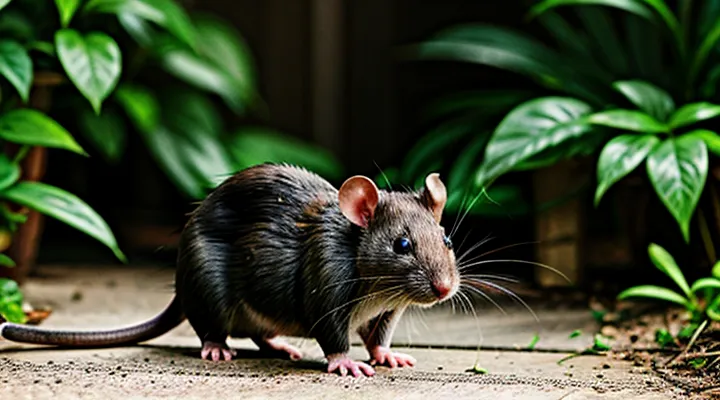
Understanding Rat Preferences
Food Preferences
Favorite Fruits
Rats show a clear preference for fruits that combine high sugar content with soft texture and strong aroma. Laboratory observations and field reports consistently identify the following fruits as the most attractive to the species:
- Apples – crisp flesh and natural sugars stimulate feeding behavior.
- Bananas – soft consistency allows easy chewing; high fructose levels provide rapid energy.
- Berries (strawberries, blueberries, raspberries) – intense scent and bright color trigger foraging response.
- Grapes – juiciness and sugar concentration encourage prolonged consumption.
- Melons (cantaloupe, watermelon) – abundant moisture and sweet pulp satisfy hydration and caloric needs.
Preference correlates with carbohydrate density and volatile compounds that signal ripeness. Access to these fruits can increase body weight and reproductive output, confirming their nutritional significance for rat populations.
Preferred Vegetables
Rats exhibit a pronounced preference for certain vegetables, reflecting their natural foraging behavior and metabolic needs. Studies of laboratory and wild specimens show that leafy greens, root crops, and fruiting vegetables dominate their diet when these options are available.
- Lettuce (especially romaine and butterhead) – high water content and mild flavor encourage frequent consumption.
- Spinach – rich in vitamins and minerals, it supports rapid growth and reproduction.
- Carrots – sweet, crunchy texture provides energy and stimulates chewing activity.
- Cabbage – dense foliage offers both bulk and essential nutrients.
- Bell peppers – bright coloration and crisp flesh attract exploratory feeding.
- Zucchini – soft flesh and low fiber make it easy to ingest and digest.
- Broccoli – florets deliver calcium and vitamin C, appealing to nutritionally driven foraging.
These vegetables share characteristics that align with rat physiology: high moisture, moderate sugar levels, and digestible fiber. Preference intensifies when food scarcity forces selection of nutrient-dense options.
For caretakers, offering a rotating selection of the listed vegetables ensures dietary variety and reduces the risk of nutritional deficiencies. In pest management contexts, the presence of these vegetables in storage areas can increase attraction, suggesting targeted removal or secure containment as effective mitigation strategies.
Top Grains and Seeds
Rats show a strong preference for carbohydrate‑rich plant material, especially certain grains and seeds that provide high energy and essential nutrients. Their natural foraging behavior drives selection toward items that are easy to gnaw, digest, and store.
- Wheat kernels – dense starch content, rapid digestion, supports growth.
- Brown rice – whole‑grain fiber aids gut health, moderate protein level.
- Oats – soluble fiber promotes satiety, high caloric value.
- Millet – small seed size matches bite mechanics, rich in B‑vitamins.
- Barley – balanced protein‑carbohydrate ratio, tolerates storage.
- Corn kernels – high sugar and lipid levels, attractive flavor profile.
- Safflower seeds – abundant oil, source of essential fatty acids.
- Sunflower seeds – high in protein and vitamin E, favored for crunch.
These grains and seeds dominate a rat’s diet when offered, delivering the energy required for reproduction, thermoregulation, and activity. Selecting a mix that includes both starch‑heavy kernels and oil‑rich seeds ensures nutritional completeness and encourages natural feeding behavior.
Meaty Treats
Rats are drawn to protein‑rich foods that emit strong, animal‑based aromas. Their acute sense of smell detects amino acids and fats, making meat an especially appealing source of nutrition.
- Cooked chicken breast, shredded into small pieces
- Boiled eggs, mashed or quartered
- Lean beef, lightly steamed and cut into bite‑size cubes
- Turkey jerky, unsalted and free of additives
- Fish fillet, cooked without oil or seasoning
- Liver or other organ meats, briefly boiled and diced
These items share high protein content, moisture that enhances scent dispersion, and a texture that rats can easily gnaw. The combination of flavor and nutritional value satisfies their need for essential amino acids and energy. Safe handling requires thorough cooking to eliminate pathogens, removal of spices, and avoidance of excessive fat, which can cause digestive upset. Providing meaty treats in moderation supports a balanced diet without displacing the rodents’ staple of grains and vegetables.
Social Interactions
The Importance of Companionship
Rats are inherently social creatures; the presence of a companion directly influences their well‑being. Studies show that individuals housed with a partner exhibit lower cortisol levels, more frequent grooming, and increased exploration compared to solitary rats. The preference for social interaction outweighs many other stimuli, making companionship a primary driver of their behavior.
Key effects of social contact include:
- Reduced anxiety and stress responses
- Enhanced cognitive function and problem‑solving ability
- Stabilized circadian rhythms through shared activity patterns
- Promotion of natural social behaviors such as grooming and play
For caretakers, providing companionship can be achieved by pairing rats of the same sex, offering regular gentle handling, and incorporating interactive enrichment that encourages cooperative play. Consistent social exposure not only satisfies the animals’ innate need for connection but also improves overall health metrics, leading to longer, more resilient lives.
Playtime Activities
Rats demonstrate strong motivation for interactive play, which supports physical health and cognitive development. Regular engagement in varied activities reduces stress and encourages natural foraging and climbing behaviors.
- Tunnel exploration: enclosed passages stimulate navigation skills and mimic burrow environments.
- Object manipulation: wooden blocks, chew toys, and puzzle feeders promote problem‑solving and dental wear.
- Climbing structures: ladders, ropes, and mesh platforms enable vertical movement and muscle strengthening.
- Social games: mirror interaction or paired play sessions foster social bonding and hierarchical learning.
- Hide‑and‑seek: concealed treats or small hideouts trigger instinctual searching and reward anticipation.
Providing a rotating selection of these stimuli ensures sustained interest and prevents habituation, thereby maximizing the enjoyment rats derive from playtime.
Environmental Enrichment
Ideal Hiding Spots
Rats prioritize concealment that offers darkness, limited disturbance, and proximity to resources. Secure refuges reduce predation risk, conserve energy, and support social interaction within colonies.
- Burrows beneath floorboards, insulation, or foundation cracks; tight tunnels maintain stable temperature and humidity.
- Wall voids and behind appliances; limited airflow and constant concealment create undisturbed zones.
- Storage spaces such as pantry corners, cardboard boxes, or paper piles; immediate access to food while remaining hidden.
- Underneath furniture legs or within hollow furniture components; low visibility and structural support.
- Outdoor debris heaps, compost piles, and dense vegetation; natural cover combined with moisture retention.
Optimal hiding locations combine seclusion, structural stability, and closeness to sustenance, fulfilling rats’ primary needs for safety and nourishment.
Chew Toys and Materials
Rats possess a strong gnawing drive that, if unmet, leads to dental problems and behavioral stress. Providing appropriate chew toys satisfies this instinct while offering mental stimulation.
Safe chew materials include:
- Untreated hardwoods such as apple, willow, or maple; they are durable and free of chemical treatments.
- Natural wicker and seagrass; flexible fibers encourage prolonged gnawing.
- Cardboard and plain paper; soft textures allow quick wear and easy replacement.
- Mineral blocks composed of calcium carbonate and trace minerals; they support dental health.
- Food‑grade silicone; resilient and easy to sterilize.
Effective chew toys commonly feature:
- Wooden blocks or dowels cut to a size that fits a rat’s mouth without risking choking.
- Pine cones or dried branches, provided they are pesticide‑free.
- Chew tunnels made from untreated bamboo or thick cardboard, offering both gnawing surfaces and hiding spaces.
- Mineral chew sticks, shaped for easy grasp and gradual erosion.
- Silicone chew rings, resistant to bacterial buildup and suitable for regular cleaning.
Maintenance practices ensure safety:
- Rotate toys every few days to prevent habituation and to expose rats to varied textures.
- Inspect each item for splinters, cracks, or mold before reintroduction.
- Clean reusable toys with mild soap and hot water; sterilize silicone pieces by boiling for a short period.
- Store unused chew items in a dry, dust‑free environment to preserve material integrity.
Selecting a mix of the listed materials and toys creates a comprehensive gnawing environment, promotes dental health, and reduces destructive behavior.
Exploring New Territories
Rats demonstrate a strong preference for environments that allow them to expand their spatial knowledge. When presented with unfamiliar sections of a maze or a new segment of a building, they immediately engage in systematic exploration, seeking exits, nesting sites, and food sources. This behavior reflects an intrinsic drive to map territory, assess risks, and secure resources.
Key factors that motivate territorial exploration include:
- Presence of novel scents that indicate potential prey or competitors.
- Structural complexity offering hiding places and routes for quick retreat.
- Access to concealed food caches that are not visible from established paths.
Neuroscientific studies show that the hippocampus activates intensely during the initial forays into uncharted areas, reinforcing memory formation of spatial cues. Consequently, rats prioritize the acquisition of new geographic information over immediate consumption when both options are available.
In laboratory settings, rats that repeatedly encounter fresh chambers exhibit higher rates of locomotor activity and reduced latency to locate hidden rewards. This pattern confirms that the most valued stimulus for these rodents is the opportunity to investigate and assimilate new territories, which ultimately enhances survival and reproductive success.
Factors Influencing Rat Likes
Individual Differences
Personality Traits
Rats exhibit distinct personality traits that shape their preferences for food, objects, and environments. Researchers identify consistent behavioral patterns across individuals, allowing predictions about what each rat will favor most.
- Curiosity: Highly inquisitive rats investigate novel items quickly, leading them to sample unfamiliar foods or toys without hesitation.
- Boldness: Confident individuals approach new stimuli directly, showing a strong attraction to bright colors, moving objects, and complex mazes.
- Sociability: Rats that seek social interaction prefer shared feeding stations, communal nesting materials, and group‑based enrichment.
- Neophobia: Rats with strong aversion to change avoid new foods and unfamiliar textures, limiting their choices to familiar diets.
- Activity Level: Energetic rats gravitate toward dynamic enrichment such as wheels, tunnels, and climbing structures, while less active rats select static shelters.
These traits interact with environmental cues. A curious rat may develop a preference for a wide variety of flavored pellets, whereas a neophobic counterpart will consistently choose a single, well‑known grain. Bold rats are more likely to engage with puzzle feeders that require problem‑solving, while sociable rats derive satisfaction from communal feeding devices that enable group access. Understanding these personality dimensions enables accurate anticipation of each rat’s most liked items and informs targeted enrichment strategies.
Early Life Experiences
Rats develop strong preferences during the first weeks after birth, when sensory systems mature and learning mechanisms are most active. Exposure to specific food odors, textures, and flavors during this period creates lasting neural associations that guide later choices. Rats raised with protein‑rich diets, for example, show heightened attraction to similar foods as adults, while those introduced to high‑fat items preferentially seek out fatty cues later in life.
Social environment also shapes preferences. Litters that experience frequent maternal grooming and nest building display increased curiosity toward novel objects and a greater propensity to explore complex mazes. In contrast, pups raised in isolation tend to avoid unfamiliar stimuli and rely heavily on familiar food sources.
Stressful events in early development, such as brief separations from the dam, alter the hypothalamic‑pituitary‑adrenal axis. These changes enhance sensitivity to stress‑related cues, leading affected rats to prefer environments that provide predictable shelter and low‑intensity sensory input.
Key factors influencing adult rat preferences:
- Early dietary exposure (protein, fat, carbohydrate balance)
- Maternal interaction frequency (grooming, nest construction)
- Social density within the litter (group size, sibling competition)
- Controlled stress episodes (temporary separation, handling)
Understanding these formative influences clarifies why rats consistently gravitate toward stimuli encountered during their formative weeks, informing both laboratory protocols and pest‑management strategies.
Environmental Impact
Cage Setup
Rats thrive when their enclosure mimics natural habitats and satisfies instinctual needs. A well‑designed cage provides space, enrichment, and security, encouraging healthy behavior and reducing stress.
- Minimum floor area: 2 sq ft per rat; larger for groups.
- Vertical space: at least 12 inches of height for climbing.
- Solid flooring: avoid wire mesh; use wood shavings, paper bedding, or aspen chips.
- Hideouts: multiple closed shelters made from untreated wood or PVC.
- Chewable items: untreated wooden blocks, natural branches, or mineral chews.
- Climbing structures: ropes, ladders, or platforms anchored securely.
- Wheel: solid‑surface, 12‑inch diameter, mounted to prevent wobble.
- Feeding zone: separate dish for fresh food, water bottle with stainless‑steel nozzle.
- Cleaning routine: weekly removal of soiled bedding, spot cleaning of waste, monthly deep clean with mild disinfectant.
Proper ventilation, stable temperature (65‑75 °F), and low humidity prevent respiratory issues. Position the cage away from direct sunlight, drafts, and loud appliances. Consistent layout allows rats to establish territories and navigate confidently, reinforcing the elements they most enjoy.
Handler Interaction
Rats show a marked preference for direct, consistent interaction with their handler. Gentle hand‑to‑hand contact, calm voice tones, and predictable routines reduce stress hormones and increase exploratory behavior, indicating that social engagement is highly rewarding for them.
Observable signs of enjoyment include rapid grooming, increased wheel activity, frequent approach to the handler’s hand, and extended periods of close proximity. When these behaviors appear, the rat is signaling a positive association with the human presence.
Practical guidelines for maximizing handler‑rat rapport:
- Approach from the side, avoiding sudden overhead movements.
- Offer treats with a fingertip, allowing the rat to take the food voluntarily.
- Spend several minutes each day at a low, steady pace, speaking softly.
- Rotate handling techniques (e.g., cup, tunnel, hand‑over‑hand) to prevent habituation.
- Monitor body language; retreat if the rat displays flattened ears, rapid tail flicking, or attempts to escape.
Consistent, respectful interaction fulfills the rat’s social needs and reinforces a strong, positive bond with the caretaker.
Health and Well-being
Impact of Diet on Preferences
Rats adjust their food choices according to the nutritional profile they receive. When a diet lacks protein, the animals increase consumption of protein‑rich items such as soy or insect meal. Conversely, diets high in carbohydrates reduce the drive for additional sugars.
Taste receptors guide immediate selection. Sweet receptors respond to glucose and fructose, prompting rapid intake of sugary solutions. Salty receptors detect sodium ions, leading to preference for mineral salts when plasma sodium falls below optimal levels. Fatty acids activate gustatory pathways that encourage ingestion of lipid‑rich foods, especially when energy reserves are low.
Deficiencies trigger specific cravings. Low calcium intake produces heightened interest in calcium supplements or bone meal. Vitamin‑deficient diets result in increased exploration of foods fortified with the missing micronutrients. These responses are measurable through preference tests that present alternative items and record consumption ratios.
Experience shapes long‑term patterns. Repeated exposure to a particular flavor strengthens acceptance, while aversive conditioning—pairing a taste with mild gastrointestinal discomfort—reduces future intake of that flavor.
Key dietary factors influencing rat preferences:
- Protein concentration (6–20 % of diet) – drives selection of legumes, meat extracts.
- Carbohydrate level (30–60 %) – increases attraction to simple sugars.
- Sodium content (0.2–0.5 %) – elevates intake of salty solutions.
- Fat proportion (5–15 %) – enhances consumption of oil‑based foods.
- Micronutrient balance (calcium, vitamin B complex) – corrects specific cravings when deficient.
Stress and Behavioral Changes
Rats experiencing chronic or acute stress display measurable shifts in their attraction to typical rewards. Elevated corticosterone levels correspond with reduced willingness to explore novel objects and diminished consumption of preferred foods. When stressors such as restraint, crowding, or unpredictable lighting are introduced, rats prioritize safety over enrichment, altering the hierarchy of stimuli they seek.
Physiological responses include:
- Increased plasma corticosterone within minutes of stress onset.
- Heart rate acceleration and heightened locomotor activity during the initial stress phase.
- Suppressed dopamine release in the nucleus accumbens, diminishing reward sensitivity.
Behavioral manifestations are:
- Decreased time spent in open arms of an elevated plus maze, indicating heightened anxiety.
- Lowered intake of high‑fat or sweet solutions, even when previously preferred.
- Preference for sheltered nesting material over novel toys or social partners.
- Repetitive grooming or self‑directed displacement activities, suggesting coping attempts.
These patterns affect the interpretation of preference experiments. Apparent disinterest in a favored stimulus may reflect stress‑induced anhedonia rather than a true shift in intrinsic liking. Controlling environmental variables, providing habituation periods, and measuring stress biomarkers are essential for reliable assessment of what rats find most appealing.