
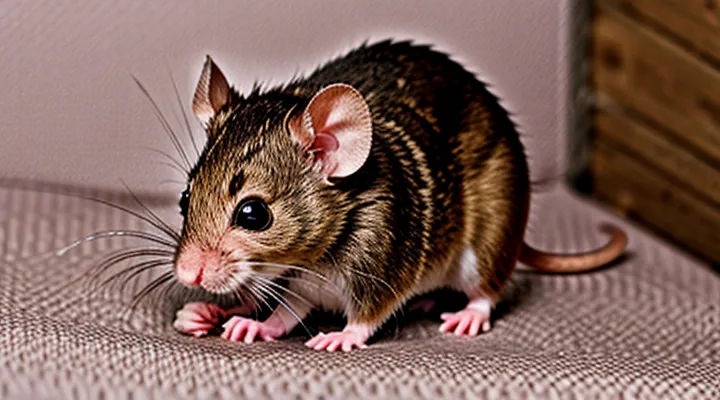
The Early Stages of Mouse Development
Neonatal Period: The First Two Weeks
Birth to Day 5: Relying on Mother's Milk
Newborn mice depend exclusively on the dam’s milk from birth through the fifth day. The milk supplies all essential nutrients, immune factors, and hydration required for rapid growth. Lactose provides the primary carbohydrate source, while casein and whey proteins supply amino acids for tissue development. Lipids, mainly milk fat globules, deliver the majority of caloric energy and support neural maturation.
Nursing occurs every 1–2 hours, with pups stimulating the mother’s nipples by instinctive mouth movements. Each suckling episode lasts 2–4 minutes, delivering approximately 0.5 µL of milk per pup. The high frequency ensures a steady supply of nutrients despite the limited volume per feed.
Key physiological effects during this period include:
- Thermoregulation: Milk intake raises core temperature, compensating for the pups’ inability to generate heat independently.
- Immune protection: Antibodies (IgG) transferred through the milk confer passive immunity against common pathogens.
- Gut maturation: Enzymatic activity in the neonatal intestine adapts to digest lactose and proteins, establishing the foundation for later solid‑food digestion.
By day five, weight gain typically reaches 2–3 g, representing a 50–70 % increase from birth. The digestive system remains specialized for milk digestion; solid foods are not yet tolerated. Continued maternal care, including nest warmth and grooming, supports the transition to later developmental stages.
Days 6-14: Transition and Solid Food Introduction
During the second week of life, mouse pups begin to rely less on maternal milk and more on external nutrients. By day six, the stomach is capable of processing semi‑solid substances, and caregivers can introduce a transition diet that mimics the composition of dam milk while providing a firmer texture.
- Offer a gelatinized formula or soft rodent chow mixed with warm water to achieve a paste‑like consistency.
- Provide the mixture on a shallow dish to allow pups to explore with their forepaws and mouth.
- Replace the paste with finely ground dry chow by day ten, gradually decreasing moisture content.
- Maintain a feeding frequency of three to four sessions per day, ensuring each offering lasts 15–20 minutes.
Observable cues that the litter is adapting include increased gnawing activity, reduced suckling time, and the presence of fecal pellets with darker coloration. By day fourteen, most individuals will consume dry chow independently, though occasional supplemental milk may be offered until full weaning is confirmed. Monitoring body weight daily helps verify that the nutritional transition supports normal growth trajectories.
Maternal Care and Milk Composition
The Importance of Mother's Milk
Nutritional Components in Mouse Milk
Mouse milk supplies the complete set of nutrients required for the rapid growth of neonatal rodents. The fluid consists of a balanced mixture of macronutrients, micronutrients, and bioactive molecules that support tissue development, immune protection, and metabolic regulation.
Proteins dominate the solid fraction, comprising casein and whey proteins such as β‑lactoglobulin and α‑lactalbumin. These proteins provide essential amino acids and serve as precursors for peptide hormones. Immunoglobulins, particularly IgG, are transferred to the offspring, conferring passive immunity during the first days of life.
Lipids account for roughly 30 % of the energy content. Triglycerides deliver long‑chain fatty acids, while phospholipids and cholesterol contribute to cell membrane formation. Essential fatty acids, including linoleic and α‑linolenic acids, are present in concentrations sufficient to support neural and visual development.
Carbohydrates are represented mainly by lactose, which supplies glucose for immediate energy and acts as a substrate for the synthesis of galactose‑containing oligosaccharides. These oligosaccharides promote beneficial gut microbiota and inhibit pathogenic bacterial adhesion.
Micronutrients appear in the following concentrations:
- Vitamin A (retinol) – supports retinal maturation and epithelial integrity.
- Vitamin D₃ (cholecalciferol) – regulates calcium absorption and bone mineralization.
- Vitamin E (tocopherol) – provides antioxidant protection for cellular membranes.
- Vitamin K₁ (phylloquinone) – essential for blood coagulation factor activation.
- B‑complex vitamins (B₁, B₂, B₆, B₁₂, niacin, pantothenic acid) – facilitate energy metabolism and nucleic acid synthesis.
- Minerals: calcium, phosphorus, magnesium, zinc, copper, iron – maintain skeletal growth, enzymatic activity, and oxygen transport.
Additional bioactive components include growth factors such as insulin‑like growth factor‑1 (IGF‑1) and epidermal growth factor (EGF), which stimulate cell proliferation and differentiation. Oligosaccharide structures act as prebiotic agents, shaping the neonatal gut microbiome.
Overall, the composition of mouse milk reflects a finely tuned nutritional matrix that meets the high metabolic demands of newborn rodents while delivering protective and developmental signals.
How Mother Mice Feed Their Young
Mother mice provide their offspring exclusively through lactation during the first two weeks after birth. The mammary glands produce a milk rich in proteins, lipids, and lactose, delivering the energy and amino acids required for rapid growth. Milk composition changes subtly: early milk contains higher lactose for immediate energy, while later milk increases fat content to support tissue development.
Nursing occurs almost continuously. Neonates attach to the dam’s nipples, stimulating milk ejection via oxytocin release. The typical nursing cycle lasts 2–3 minutes per pup, with the mother alternating between pups to ensure equitable access. Between feedings, the dam may briefly groom each pup, promoting thermoregulation and stimulating circulation.
Weaning begins around day 14. The mother gradually introduces solid food by allowing pups to nibble on her fur, which carries trace amounts of her diet. By day 21, pups transition fully to solid rodent chow, while the dam reduces nursing frequency.
Key aspects of maternal feeding:
- Milk composition: high‑quality protein, essential fatty acids, lactose, and immunoglobulins.
- Feeding frequency: 8–12 sessions per hour during the first week, decreasing to 4–6 as pups mature.
- Stimulus for ejection: pup suckling triggers hormonal release, ensuring consistent milk flow.
- Weaning progression: gradual exposure to solid food, culminating in complete independence by three weeks of age.
When Mother's Milk is Not Available
Common Reasons for Orphaned Pups
Newborn rodents become orphaned for several predictable reasons. Maternal death, whether from disease, injury, or accidental removal, eliminates the sole source of milk. Inadequate lactation, caused by underdeveloped mammary glands or physiological stress, can result in insufficient nourishment, prompting the mother to abandon the litter. Cannibalistic behavior, triggered by perceived weakness or environmental disturbances, leads to the destruction of pups. Genetic abnormalities that produce weak or malformed offspring often provoke maternal rejection. Overcrowding and competition for resources can cause a dam to prioritize stronger pups, leaving others without care. Improper handling during cage cleaning or transfer may unintentionally separate the mother from her young.
When orphaning occurs, immediate nutritional intervention is essential. Commercial mouse milk replacer, warmed to body temperature, provides the necessary proteins, fats, and carbohydrates. Feeding should occur every two to three hours using a sterile, calibrated syringe to mimic natural suckling. Monitoring weight gain and stool consistency ensures the formula meets metabolic demands. If the dam’s health is compromised, supportive care—such as hydration, temperature regulation, and stress reduction—may restore lactation capacity and prevent further loss.
Alternatives to Mother's Milk
Commercial Milk Replacers for Rodents
Choosing the Right Formula
Choosing an appropriate milk replacer is essential for the survival and growth of neonatal rodents. The formula must closely mimic the composition of mouse milk, which is high in protein (approximately 12–15 % of total calories), rich in essential fatty acids, and contains lactose as the primary carbohydrate source. Commercial mouse milk replacers are formulated to meet these ratios, whereas generic rodent or feline formulas often have imbalanced macronutrient profiles that can lead to nutrient deficiencies or digestive disturbances.
Key criteria for selecting a formula include:
- Protein source: whey‑dominant proteins improve digestibility; avoid casein‑heavy products designed for larger mammals.
- Fat content: 30–40 % of calories should derive from a blend of saturated and unsaturated fatty acids, with added omega‑3 and omega‑6 for membrane development.
- Carbohydrate profile: lactose concentration should approximate 5–7 % of the solution; alternative sugars may cause osmotic diarrhea.
- Micronutrient balance: calcium‑phosphorus ratio near 1.5:1, supplemented with vitamin D3, vitamin K, and trace minerals such as zinc and selenium.
- Sterility: powder must be reconstituted with sterile, lukewarm water (30–35 °C) and used within 24 hours to prevent bacterial growth.
When commercial options are unavailable, a homemade formula can be prepared using purified whey protein isolate, medium‑chain triglyceride oil, lactose powder, and a premixed vitamin‑mineral concentrate. Precise measurement is critical; deviations of more than 5 % in any component risk metabolic imbalance. After mixing, the solution should be filtered through a 0.22 µm membrane filter to ensure sterility.
Feeding protocol should match the pup’s developmental stage. Neonates up to five days old require 100–120 µL per feeding, administered every two hours using a calibrated micro‑pipette. As weight increases, volume can be adjusted by 10–15 % increments while maintaining the same feeding frequency until weaning. Monitoring body weight daily provides immediate feedback on formula adequacy; a consistent gain of 1–2 % of body mass per day indicates proper nutrition.
Preparation and Feeding Techniques
Newborn mice require a highly controlled diet that mimics the composition of maternal milk. The first step in preparation involves sterilizing all feeding equipment—pipettes, bottles, and containers—using autoclave cycles or chemical disinfectants, followed by a rinse with sterile distilled water. After sterilization, allow the apparatus to dry in a laminar flow hood to prevent contamination.
Formulating the feeding solution must consider protein, fat, carbohydrate, and micronutrient ratios identical to those found in adult mouse milk. Commercially available milk replacers for rodents provide a baseline; however, adjustments are often necessary. Measure the powder with an analytical balance, dissolve in pre‑warmed (37 °C) sterile water, and stir until a homogeneous, slightly viscous mixture is achieved. Filter the solution through a 0.22 µm membrane to eliminate particulates.
Feeding technique for neonates follows a strict schedule:
- Offer 10 µL of formula per pup every two hours during the first 48 hours; increase volume by 5 µL each subsequent day, never exceeding 50 µL per feeding.
- Use a calibrated micro‑pipette to deliver the exact amount directly onto the pup’s mouth, positioning the tip at a shallow angle to avoid aspiration.
- Observe each pup for swallowing reflex; pause feeding if gagging occurs and resume after a brief interval.
- Record intake, weight gain, and any signs of distress in a logbook to adjust feeding volume promptly.
Cleaning after each session includes flushing the feeding apparatus with sterile water, followed by a brief soak in an enzymatic cleaner, then a final rinse and drying under sterile airflow. Maintaining this regimen ensures optimal growth rates and reduces mortality associated with malnutrition or infection.
Homemade Milk Replacer Recipes
Ingredients and Proportions
Newborn rodents require a diet that mirrors the composition of maternal milk, delivering high‑quality protein, essential fatty acids, readily absorbable carbohydrates, and a balanced spectrum of vitamins and minerals.
Typical formula composition (per 100 g of reconstituted product):
- Casein or whey protein: 20 g (20 %)
- Lactose or glucose syrup: 30 g (30 %)
- Soybean oil or fish oil blend: 10 g (10 %)
- Vitamin‑mineral premix (including calcium, phosphorus, iron, zinc, vitamin A, D, E, K, B‑complex): 5 g (5 %)
- Nucleotides and growth factors: 1 g (1 %)
- Purified water: 34 g (34 %)
The protein source should be highly digestible, with a ratio of casein to whey around 1:1 to support intestinal development. Fat content supplies 30–40 % of total calories, emphasizing omega‑3 and omega‑6 fatty acids for neural growth. Lactose supplies the primary carbohydrate energy, but glucose can replace lactose in lactase‑deficient strains. The vitamin‑mineral premix must meet the National Research Council recommendations for neonatal murine nutrition, ensuring adequate calcium‑phosphorus balance (approximately 1.5:1) and sufficient micronutrient levels to prevent deficiencies. Nucleotides, added at low concentration, enhance immune function and gut maturation. All components must be mixed under sterile conditions and stored at 4 °C, with the final solution warmed to 37 °C before feeding.
Cautions and Best Practices
Providing adequate nutrition to neonatal rodents requires strict adherence to hygiene, temperature control, and feeding technique. Use sterile, pre‑warmed formula specifically designed for newborn mice; avoid homemade mixtures that lack essential nutrients and may introduce pathogens.
Cautions
- Do not allow formula to cool below 37 °C; temperature drops increase risk of hypothermia and digestive distress.
- Do not reuse feeding syringes without thorough sterilization; residual bacteria can cause sepsis.
- Do not exceed recommended volume (approximately 0.1 ml per gram of body weight per feeding); over‑feeding leads to aspiration and intestinal overload.
- Do not introduce solid food or adult rodent chow until weaning is complete, typically at 21 days, to prevent malnutrition and digestive upset.
Best practices
- Prepare formula in a clean environment, using disposable gloves and a laminar flow hood when possible.
- Verify temperature with a calibrated thermometer before each feeding.
- Deliver small aliquots with a calibrated pipette or syringe; pause between feeds to monitor pup’s response.
- Maintain nest humidity at 50‑60 % and ambient temperature at 30‑32 °C to support thermoregulation.
- Record each pup’s weight daily; adjust feeding volume according to growth trends.
- Replace any contaminated bedding immediately and disinfect the cage surface with a rodent‑safe disinfectant.
Strict compliance with these guidelines minimizes mortality and promotes healthy development in early‑life rodents.
Introducing Solid Foods to Weanlings
The Weaning Process
Signs of Readiness for Solid Food
Newborn mice transition to solid food when their physiological and behavioral development indicates sufficient capability to process and ingest nutrients beyond maternal milk. The following indicators reliably signal readiness for this dietary shift.
- Incisors emerge and become functional, allowing the pup to gnaw and bite.
- Pup exhibits increased activity and curiosity, frequently exploring the nest environment and investigating the bedding.
- Weight reaches approximately 80‑85 % of the expected adult size for the strain, reflecting adequate growth and energy reserves.
- Digestive tract maturation is evident: stool consistency changes from liquid to semi‑solid, and the frequency of defecation rises.
- Pup begins to self‑regulate feeding intervals, showing longer periods between nursing sessions and occasional refusal of milk when offered.
When at least three of these criteria are observed concurrently, caretakers can introduce appropriate solid food formulations, such as finely ground rodent chow or specialized starter diets, ensuring the texture is soft enough for easy ingestion. Continuous monitoring of intake and health status remains essential during the initial transition period.
Gradual Introduction of Solids
Newborn mice rely exclusively on maternal milk for the first ten to twelve days of life. Around the end of the second week, caregivers begin to present solid foods in a controlled manner to stimulate digestive development and weaning readiness.
- Age of initiation: 10‑12 days postpartum, when pups show increased activity and reduced dependence on nursing.
- Food type: Soft, nutritionally balanced mash made from laboratory rodent chow, finely ground and moistened with warm water or diluted milk replacer to achieve a semi‑liquid consistency.
- Presentation method: Place a small droplet of the mash on the cage surface or on a sterile petri dish. Observe pup interaction; successful ingestion is indicated by licking or chewing motions.
- Frequency: Offer the mash two to three times daily, spaced at least four hours apart, to prevent overloading the immature stomach.
- Quantity: Start with 0.1 ml per pup, increasing by 0.05 ml each day based on weight gain and stool consistency.
- Monitoring: Record body weight, hydration status, and fecal output. Discontinue or adjust the regimen if signs of diarrhea, weight loss, or lethargy appear.
Gradual exposure to solids supports enzymatic adaptation, gut microbiota establishment, and the transition to independent feeding. By day fourteen, solid intake typically accounts for 20‑30 % of total caloric consumption, with full weaning achieved by day twenty‑three. Continuous assessment ensures optimal growth and minimizes health risks during this critical developmental phase.
Suitable Solid Foods for Young Mice
High-Quality Mouse Pellets
High‑quality mouse pellets supply the balanced nutrients newborn rodents require once they are weaned from maternal milk. Formulations typically contain precise ratios of protein, fat, fiber, vitamins, and minerals, ensuring growth‑supporting amino acids and essential fatty acids are available in each bite.
Key nutritional components of premium pellets include:
- Protein ≥ 20 % – sourced from soy, casein, or fishmeal, providing the building blocks for muscle development.
- Fat ≈ 5–7 % – containing omega‑3 and omega‑6 fatty acids that aid neural maturation and immune function.
- Fiber ≈ 5 % – from cellulose or beet pulp, promoting gastrointestinal health and preventing constipation.
- Vitamins A, D, E, K – delivered in bioavailable forms to support vision, bone mineralization, antioxidant defenses, and coagulation.
- Minerals ( calcium, phosphorus, magnesium, zinc ) – balanced to match the calcium‑phosphorus ratio needed for skeletal growth.
When selecting pellets, prioritize products that:
- List complete ingredient profiles with guaranteed analysis.
- Are free from artificial colors, flavors, or excessive fillers such as corn gluten meal.
- Carry a reputable manufacturer’s certification for rodent nutrition.
Feeding guidelines recommend offering a shallow dish of pellets at room temperature, refreshed daily to maintain freshness. For newborn mice, introduce pellets gradually during the third week of life, monitoring intake to ensure the transition from milk to solid food proceeds without weight loss. Consistent access to clean water alongside the pellets completes the diet, supporting optimal development and health.
Small Amounts of Fresh Produce
Newborn mice transition from maternal milk to solid foods within the first two weeks of life. Introducing fresh produce at this stage requires precise amounts, careful selection, and strict hygiene.
Suitable vegetables and fruits are limited to low‑sugar, low‑acid varieties that pose minimal digestive risk. Recommended items include:
- Finely grated carrot
- Small pieces of peeled cucumber
- Tiny cubes of ripe apple (skin removed)
- Minute portions of blanched broccoli florets
Each serving should not exceed 0.2 ml of mashed produce per gram of body weight, delivered once daily. The mixture must be blended to a smooth, pulp‑free consistency and mixed with warm, sterilized water to aid swallowing.
Safety protocols demand that all produce be washed in a dilute bleach solution (1 % sodium hypochlorite), rinsed thoroughly, and sterilized by brief blanching (70 °C for 30 seconds). After cooling, the food is portioned into sterile micro‑pipette tips or tiny spoonfuls to prevent contamination.
Monitoring is essential. Observe for signs of diarrhea, reduced weight gain, or reluctance to eat. If any adverse reaction occurs, discontinue fresh produce immediately and revert to a milk‑based formula until the issue resolves.
Properly managed, small quantities of fresh vegetables and fruits supplement the diet with vitamins A and C, fiber, and antioxidants, supporting gut development without compromising the delicate physiology of neonatal rodents.
Preventing Nutritional Deficiencies
Common Problems and Their Symptoms
Dehydration and Malnutrition
Newborn mice rely exclusively on their mother’s milk for fluid and nutrient intake. Any interruption in nursing can quickly lead to inadequate hydration, because pups lack the physiological capacity to obtain water independently. Dehydration manifests as dull fur, reduced skin turgor, and lethargy; it also decreases blood volume, impairing circulation and tissue perfusion. Immediate re‑establishment of nursing or supplemental lactated formula is essential to restore fluid balance and prevent irreversible damage.
Malnutrition in the first days of life arises from insufficient protein, fat, and carbohydrate supply. Inadequate milk consumption reduces growth‑factor availability, slows weight gain, and compromises immune development. Clinical indicators include failure to gain weight, abdominal distension, and weakened suckling reflex. Intervention strategies comprise:
- Monitoring daily weight; a loss of more than 5 % signals severe nutritional deficit.
- Ensuring maternal health and lactation support to maintain milk production.
- Administering species‑specific milk replacer at 10 µL per gram of body weight, divided into frequent, small feedings.
Prompt correction of fluid and nutrient deficits restores normal growth trajectories and reduces mortality risk in neonatal rodents.
Growth Stunting
Newborn mice depend entirely on maternal milk for the first weeks of life. Insufficient intake or imbalanced composition of this milk can lead to growth stunting, a condition marked by reduced body length and weight relative to age‑matched controls. Early identification of stunting is essential because it predicts delayed organ development, weakened immune function, and lower survival rates.
Key factors contributing to stunting include:
- Protein deficiency – milk lacking adequate casein and whey fractions limits muscle and tissue synthesis.
- Energy shortage – reduced lactose or fat content deprives pups of calories needed for rapid growth.
- Micronutrient gaps – inadequate calcium, phosphorus, zinc, and vitamin D impair bone mineralization and metabolic processes.
- Maternal stress – elevated cortisol in lactating females lowers milk production and alters nutrient profiles.
- Infection or disease – gastrointestinal disturbances decrease nutrient absorption, compounding growth deficits.
Preventive measures focus on optimizing maternal nutrition and health:
- Provide breeding females with a balanced diet containing 18–20 % protein, high-quality fat sources, and essential vitamins and minerals.
- Ensure consistent access to clean water to support milk synthesis.
- Minimize environmental stressors such as temperature fluctuations and overcrowding.
- Monitor litters for signs of inadequate weight gain; intervene with supplemental formula if maternal milk is insufficient.
When stunting is detected, corrective actions may involve:
- Administering a nutritionally complete pup formula that matches the macronutrient ratios of natural mouse milk.
- Supplementing specific micronutrients, particularly calcium and vitamin D, to promote skeletal development.
- Treating underlying infections with appropriate antimicrobial therapy to restore intestinal integrity.
Accurate measurement of pup weight and crown‑to‑rump length on a daily basis provides the most reliable indicator of growth trajectory. Maintaining optimal maternal diet and minimizing stress are the most effective strategies to prevent stunting and ensure healthy development of neonatal rodents.
Proper Feeding Schedules and Amounts
Frequency of Feedings
Newborn mice possess a rapid metabolism that obliges caregivers to provide nourishment several times each day. Failure to meet this demand can result in hypoglycemia and impaired growth.
Typical feeding intervals for pups from birth to weaning include:
- Every 2 hours during the first week of life.
- Every 3 hours from days 8–14 as digestive efficiency improves.
- Every 4 hours during weeks 3–4, coinciding with the onset of solid food intake.
Adjustments are necessary when environmental temperature drops below 30 °C, when litter size exceeds six, or when a pup displays reduced vigor. Under cooler conditions metabolic demand rises, prompting a reduction of the interval by 30 minutes.
Effective management relies on systematic weight checks. A gain of 0.1 g per day signals adequate intake; stagnation or loss requires immediate increase in feeding frequency. Use a calibrated syringe to deliver 5–10 µL of milk replacer per pup, matching the schedule above.
Monitoring Weight Gain and Development
Accurate assessment of growth in neonatal rodents requires daily weighing with a calibrated analytical balance capable of 0.01 g resolution. Record each measurement immediately after removal from the dam to avoid temperature‑induced weight fluctuations. Plot individual weights against post‑natal day to visualize trajectories; a linear increase of 0.2–0.3 g per day indicates adequate intake, while plateaus signal potential feeding problems.
Key developmental markers should be logged alongside weight:
- Ear pinna separation (day 3–4)
- Fur emergence (day 5–7)
- Eye opening (day 12–14)
- Righting reflex (day 7–9)
Deviation from expected timing warrants review of milk replacer composition, litter size, and dam health. Statistical comparison of cohort means using repeated‑measures ANOVA highlights systematic growth deficits. Maintain a spreadsheet with columns for date, weight, and each milestone; include notes on environmental temperature and any supplemental feeding.
Regular calibration of the balance, consistent handling technique, and immediate data entry minimize measurement error and provide reliable indicators of nutritional adequacy in the first weeks of life.
Specialized Dietary Needs
Environmental Factors Affecting Nutrition
Temperature and Humidity
Temperature directly influences the metabolic rate of neonatal rodents. A stable ambient temperature of 30 °C ± 2 °C prevents hypothermia, which can suppress suckling reflexes and reduce milk intake. Temperatures below this range increase energy expenditure for thermoregulation, leading to rapid depletion of limited neonatal energy reserves. Conversely, temperatures above 34 °C risk hyperthermia, causing dehydration and impaired digestion.
Humidity regulates evaporative water loss from the delicate skin of newborn mice. Relative humidity maintained between 55 % and 65 % minimizes transepidermal water loss while avoiding excess moisture that promotes fungal growth. Humidity below 40 % accelerates dehydration, reducing milk consumption and compromising growth. Levels above 75 % create a damp environment that can interfere with thermoregulation and increase the incidence of respiratory infections.
Optimal environmental parameters for supporting early nutrition are:
- Ambient temperature: 28 °C – 32 °C
- Relative humidity: 55 % – 65 %
- Continuous monitoring with calibrated thermometers and hygrometers
- Immediate adjustment of heating or humidification devices when readings deviate from target ranges
Maintaining these conditions ensures that newborn mice can effectively ingest maternal milk, sustain adequate body temperature, and achieve normal developmental milestones.
Stress and Its Impact on Feeding
Stress significantly alters feeding behavior in neonatal rodents. Elevated corticosterone levels suppress suckling drive, while heightened sympathetic activity reduces gastric motility. The combined effect limits milk consumption and impairs nutrient absorption.
Common stressors for newborn mice include:
- Fluctuating ambient temperature
- Excessive handling or disturbance
- Separation from the dam
- Inadequate nesting material
- Maternal anxiety or illness
Physiological responses to these stressors involve:
- Increased corticosterone, which antagonizes orexigenic peptides
- Reduced release of prolactin, diminishing milk let‑down
- Altered expression of hypothalamic neuropeptide Y, decreasing appetite
- Delayed gastric emptying, causing early satiety
Consequences observed in laboratory studies are:
- 15‑30 % reduction in daily milk intake
- Slower weight gain during the first two weeks of life
- Higher incidence of hypoglycemia and mortality
- Prolonged weaning period
Effective mitigation measures focus on environmental stability and maternal welfare:
- Maintain temperature within 30‑32 °C during the first post‑natal week
- Limit cage disturbance to essential procedures only
- Provide ample nesting material to promote dam comfort
- Monitor dam health and stress indicators regularly
Implementing these practices restores normal feeding patterns, supports growth trajectories, and reduces early‑life mortality in small rodent litters.
Veterinary Consultation for Health Issues
Newborn mice depend on precise nutrition; veterinary consultation addresses health problems that arise from inadequate or improper feeding.
Signs that warrant immediate professional evaluation include:
- Failure to gain weight after 24 hours
- Persistent lethargy or inability to move
- Dehydration indicated by sunken eyes or skin tenting
- Abnormal stool (bloody, watery, or absent)
- Respiratory distress or nasal discharge
During an examination, the veterinarian measures body mass, assesses hydration status, inspects oral cavity for cleft palate or tooth anomalies, evaluates skin and fur condition, and listens for heart and lung abnormalities. Laboratory analysis may be ordered to detect metabolic imbalances, infections, or parasitic infestations.
Nutritional recommendations provided by the clinician cover:
- Selection of a sterile, species‑appropriate milk replacer with protein ≈ 20 %, fat ≈ 10 %, and lactose ≈ 5 %
- Feeding schedule of 6–8 ml per 100 g body weight, divided into 8–12 feedings per day for the first week
- Maintenance of formula temperature at 37 °C to prevent hypothermia or thermal injury
- Gradual transition to solid food after 14 days, introducing sterilized rodent chow mixed with formula
Follow‑up appointments verify weight gain, monitor for signs of nutrient deficiency, and adjust feeding protocols as the pups mature. Documentation of each visit creates a health record that supports early detection of recurring issues and informs long‑term care strategies.