
The Genetics of Rat Fur Color
Primary Pigments
Eumelanin: Black and Brown Hues
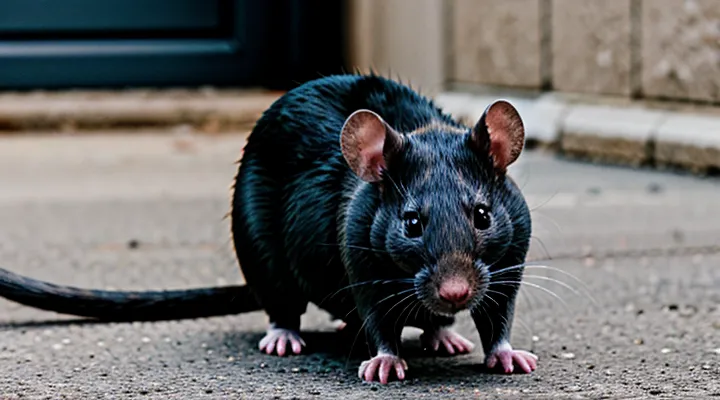
Eumelanin is the primary pigment responsible for the darkest shades in rat fur. It produces black and varying brown tones by depositing melanin granules within hair shafts. The concentration and polymerization level of eumelanin determine whether the coat appears jet‑black, chocolate‑brown, or a gradient between these extremes.
Genetic regulation of eumelanin synthesis involves the melanocortin‑1 receptor (MC1R) pathway. Activation of MC1R stimulates the enzyme tyrosinase, which catalyzes the conversion of tyrosine to dopaquinone, the precursor of eumelanin. Mutations that reduce MC1R activity shift pigment production toward pheomelanin, resulting in lighter, reddish tones, while functional MC1R maintains high eumelanin output.
Key characteristics of eumelanin in rat pelage:
- Black hue: dense eumelanin deposition, uniform across hair shaft.
- Dark brown hue: moderate eumelanin levels, often accompanied by subtle patterning.
- Gradient formation: variable eumelanin concentration along the hair length, creating shading effects.
- Stability: resistant to UV degradation, preserving coloration over the animal’s lifespan.
Pheomelanin: Red and Yellow Hues
Pheomelanin is the pigment responsible for red and yellow shades in the fur of laboratory and wild rats. It is synthesized from the amino acid tyrosine through a pathway that diverges from eumelanin production after the formation of dopaquinone. The presence of cysteine drives the reaction toward pheomelanin, resulting in lighter, warm tones.
In rats, the expression of pheomelanin determines several observable coat patterns:
- Light orange or cinnamon fur on the dorsal surface.
- Yellowish patches on the ventral side, often bordering the whisker pads.
- Diluted reddish tones in albino strains that retain minimal pigment synthesis.
Genetic variants in the Mc1r and Tyrp1 genes modulate the balance between eumelanin and pheomelanin, shifting the overall coloration toward red‑yellow spectra when the pheomelanin pathway is up‑regulated. Environmental factors such as diet and exposure to ultraviolet light can influence the intensity of these hues, but the primary determinant remains the genetic control of pheomelanin synthesis.
Common Color Varieties
Agouti-Based Colors
Agouti coloration in rats results from a specific pigment distribution along each hair shaft. The dorsal portion of the hair contains black melanin, while the tip is lighter, typically yellow‑brown or cream, creating a banded appearance. This pattern is governed by the agouti (A) locus, which regulates the switch between eumelanin and pheomelanin production during hair growth.
The agouti allele is dominant over recessive non‑agouti (aa) that yields a uniform dark coat. When paired with other pigment genes, agouti can produce a range of shades:
- Standard agouti – dark brown to black dorsum with a pale, tan‑colored ventral side.
- Brown agouti – reduced black pigment, resulting in a chocolate‑brown overall hue.
- Golden agouti – increased pheomelanin, giving a richer, golden‑tan appearance.
- Himalayan agouti – dark points on ears, nose, and tail combined with agouti body coloration.
Modifier genes such as the “c” (albino) and “d” (dilute) alleles can further alter agouti expression, lightening the overall coat or masking the banded pattern entirely. The interaction between agouti and the extension (E) locus, which controls the intensity of black pigment, also influences the depth of the dorsal band.
In breeding programs, the agouti phenotype serves as a visual marker for the presence of the dominant A allele. Genetic testing confirms allele status, allowing precise selection for desired coat patterns while avoiding unintended combinations that may produce health‑related pigment disorders.
Black-Based Colors
Rats display a range of dark fur phenotypes that originate from high concentrations of eumelanin, the pigment responsible for black coloration. These phenotypes are collectively referred to as black‑based colors and are distinguished by the presence, distribution, and interaction of additional pigments or pattern genes.
The production of black fur is controlled primarily by the melanocortin‑1 receptor (MC1R) gene, which regulates eumelanin synthesis. Mutations that enhance MC1R activity or suppress the agouti signaling protein (ASIP) result in uniform or near‑uniform black coats. When the agouti locus remains functional, black pigment may be interspersed with lighter hairs, creating mixed appearances.
Typical black‑based variants include:
- Solid black – dense, uninterrupted eumelanin covering the entire body.
- Black with white spotting – black base coat with distinct white patches, produced by the spotting (S) gene.
- Black with brown shading – black background with areas of brown or chocolate tones, caused by the brown (b) allele reducing eumelanin intensity.
- Black and cinnamon – black fur blended with reddish‑brown tones, resulting from interaction between the black allele and the cinnamon (c) gene.
Breeders manipulate these traits by selecting for specific alleles at MC1R, ASIP, and modifier loci. Homozygous black alleles guarantee a dark base, while heterozygous combinations introduce variability in pattern and shade. Understanding the genetic architecture allows precise control over the final appearance of laboratory or pet rat colonies.
Red-Based Colors
Rats display a range of fur shades derived from red‑based pigments, primarily the result of pheomelanin production. The intensity of these colors varies with genetic factors that regulate melanin synthesis, such as the MC1R and TYRP1 genes.
Common red‑based phenotypes include:
- Ginger – bright orange‑red coat, high pheomelanin, often paired with pink noses.
- Mahogany – deep reddish‑brown, moderate pheomelanin, darker tail tip.
- Cinnamon – lighter reddish‑brown, reduced melanin concentration, subtle hue.
- Chestnut – rich reddish‑brown, balanced pheomelanin and eumelanin, strong contrast on ears.
- Red‑eyed albino variants – lack of melanin in the coat, pink skin, but retain red eye coloration due to residual pigment.
These colors arise when the biochemical pathway favors the conversion of tyrosine to pheomelanin rather than eumelanin. Mutations that diminish the activity of the enzyme tyrosinase lead to increased pheomelanin, producing the vivid orange and reddish tones observed. Breeding programs that select for specific alleles can stabilize desired red‑based coats, allowing consistent production of each phenotype across generations.
Diluted Colors
Diluted coloration in rodents refers to a reduction in pigment intensity, producing shades that are lighter than the standard black, brown, or agouti patterns. The underlying mechanism involves mutations in genes that control melanin synthesis or distribution, such as the tyrosinase or melanocortin pathways. These mutations decrease the amount of eumelanin (black/brown pigment) or pheomelanin (red/yellow pigment) deposited in the hair shaft, resulting in pastel variants of the typical coat colors.
Common diluted phenotypes observed in laboratory and pet rats include:
- Blue – a soft gray derived from black pigment reduced by a dilution gene.
- Lilac – a muted violet hue produced by the combination of blue dilution with a recessive pink allele.
- Beige – a light brown shade originating from brown pigment weakened by dilution.
- Sable / Chocolate – lighter versions of the dark brown coat, often appearing as a warm, muted tone.
Breeders exploit diluted alleles to expand the aesthetic range of colonies. Because dilution genes are often recessive, both parents must carry the allele for offspring to express the phenotype. Heterozygous carriers typically display the standard coloration, masking the presence of the dilution trait in pedigrees.
Dilution does not affect the structural integrity of the fur; hair texture, growth cycle, and overall health remain comparable to non‑diluted individuals. However, reduced melanin can increase susceptibility to ultraviolet damage and may alter visual contrast for predators or conspecifics, a factor considered in experimental designs involving visual cues.
Rare and Unique Pigmentations
Roan and Marked Varieties
The roan phenotype in rats displays a mixture of two pigment types interspersed throughout the coat, producing a speckled appearance that differs from solid or uniform coloration. Genetic analysis shows that roan results from a heterozygous combination of dominant and recessive alleles affecting melanin distribution, leading to a balanced blend of dark and light hairs across the body. The pattern remains consistent across growth stages, although the contrast may become more pronounced as the animal matures.
Marked varieties, often termed “self‑marked” or “patterned,” present distinct, localized patches of contrasting color on an otherwise uniform background. These patches arise from localized expression of pigment genes, creating sharp boundaries between colors. Common configurations include:
- A dorsal stripe of darker pigment on a lighter base.
- Lateral spots or blazes confined to the flanks.
- Tail or ear markings that differ markedly from the surrounding fur.
Both roan and marked patterns are inherited through Mendelian mechanisms, with the roan allele typically displaying incomplete dominance, while marked traits follow codominant or epistatic interactions depending on the specific genetic background. Breeders must track lineage to predict the likelihood of offspring expressing these patterns, as the presence of carrier individuals can influence phenotypic ratios in litters.
Phenotypic stability varies: roan coats tend to retain their speckled distribution across generations when both parents carry the roan allele, whereas marked patterns can shift in size or intensity due to modifier genes. Accurate identification of these traits supports selective breeding programs aimed at maintaining or enhancing specific coat aesthetics in laboratory and pet rat populations.
Hairless and Odd-Eyed Types
Hairless laboratory rats, most commonly the Sprague‑Dawley and Wistar strains, lack the melanin‑producing cells that give rise to the typical brown, black, or agouti coats. Their skin appears pink to pale ivory, and the absence of fur makes any residual pigmentation on the ears, nose, and tail more visible. These animals are bred for specific research purposes, such as dermatological studies, because their lack of fur eliminates variables related to hair density and color.
Odd‑eyed rats, often referred to as heterochromatic individuals, exhibit a distinct coloration pattern in which one eye displays a darker iris while the other remains lighter or pink. This phenotype frequently accompanies albino or partial‑albino genotypes, where pigment production is reduced or absent in the iris of one eye. The disparity results from uneven distribution of melanin during embryonic development and does not affect the overall coat color, which can range from pure white to mixed agouti patterns.
Key characteristics of these variants include:
- Hairless: pink or ivory skin, visible ear and tail pigmentation, no fur.
- Odd‑eyed: unilateral iris pigmentation difference, commonly linked to albinism, coat may be white or patterned.
- Both types are valuable for genetic, ophthalmological, and dermatological research due to their distinct pigmentation profiles.
Environmental and Genetic Influences on Pigmentation
Breeding and Selective Genetics
Rat coat coloration is determined by a series of pigment‑related genes that follow Mendelian inheritance patterns. The primary loci include Albino (a), Agouti (A), Hooded (H), Black (B), Cinnamon (c), and Beige (be). Each allele can be dominant, recessive, or co‑dominant, influencing melanin production and distribution across the body. Homozygosity for the albino allele eliminates all melanin, yielding a white animal with red eyes, while heterozygous combinations at the Agouti and Black loci generate a spectrum from brown to black fur.
Selective breeding manipulates these loci to produce specific color phenotypes. Breeders must track parental genotypes, predict offspring ratios, and avoid inadvertent introduction of unwanted alleles. Maintaining genetic health requires avoiding excessive inbreeding; outcrossing to unrelated carriers of the desired allele restores heterozygosity and reduces deleterious recessive effects.
Key genetic considerations for color selection:
- Identify the exact genotype of each breeding stock through pedigree analysis or DNA testing.
- Pair individuals so that the target allele is present in at least one parent; for recessive colors, both parents must carry the allele.
- Use backcrosses to reinforce a desired phenotype while monitoring for loss of vigor.
- Record litter outcomes, calculate observed versus expected Mendelian ratios, and adjust future pairings accordingly.
- Introduce genetic diversity periodically to prevent fixation of harmful mutations.
By applying precise genotype knowledge and systematic mating plans, breeders can reliably produce rats with the intended fur pigmentation while preserving overall health and vigor.
Health and Dietary Factors
Rats exhibit a range of coat colors, from albino white to various shades of brown, black, and agouti. Pigmentation results from melanin production, which is sensitive to physiological condition and nutrient intake.
Health status directly influences melanin synthesis. Infections, chronic stress, or hormonal imbalances can disrupt the melanocyte activity that generates pigment, leading to faded or uneven fur. Liver disease impairs the metabolism of pigments and may produce a yellowish tint, while thyroid disorders can accelerate hair loss and alter coloration.
Diet provides essential substrates and cofactors for melanin formation. Deficiencies or excesses of specific nutrients produce observable changes in coat hue:
- Tyrosine – precursor of melanin; low intake reduces dark pigment, yielding lighter fur.
- Copper – required for the enzyme tyrosinase; deficiency causes hypopigmentation, especially in the tail and ears.
- Vitamin B12 – supports DNA synthesis in melanocytes; deficiency may result in patchy depigmentation.
- Zinc – stabilizes melanin granules; insufficient zinc leads to dull, pale coats.
- Iron – participates in oxidative reactions during pigment production; iron deficiency can lighten fur.
Balanced formulas that meet these micronutrient requirements maintain normal coloration. Excessive supplementation, particularly of copper or iron, can cause toxicity, manifesting as darkened spots or abnormal hair growth.
Monitoring coat color offers a practical indicator of a rat’s nutritional adequacy and overall health. Regular veterinary assessment, combined with a diet formulated to supply adequate levels of the listed nutrients, preserves the characteristic pigmentation of the animal.
Age-Related Color Changes
Rats exhibit a spectrum of coat hues that can shift noticeably as they age. In neonates, the pelage is often uniformly pale or lightly pigmented, reflecting limited melanin production during development. As individuals mature, melanocytes increase activity, resulting in darker patches or a full deepening of the existing color. This progression follows a predictable pattern in most laboratory strains and many wild species.
Age‑related alterations typically involve:
- Gradual darkening of the dorsal region, especially in gray‑, brown‑, or black‑coated rats.
- Emergence of speckled or mottled patterns on the ventral side, where lighter fur may acquire scattered darker hairs.
- Development of a distinct “aged” sheen, where the fur becomes coarser and may display a faint silver or gray tint, particularly along the whisker pads and tail.
- Occasional fading of previously intense colors in senior rats, attributable to reduced melanin synthesis and wear of the hair shaft.
These changes are driven by hormonal fluctuations, cumulative exposure to environmental stressors, and the natural decline of melanocyte function. Recognizing the typical trajectory of coat coloration assists researchers in age estimation and health assessment of laboratory and wild rat populations.