
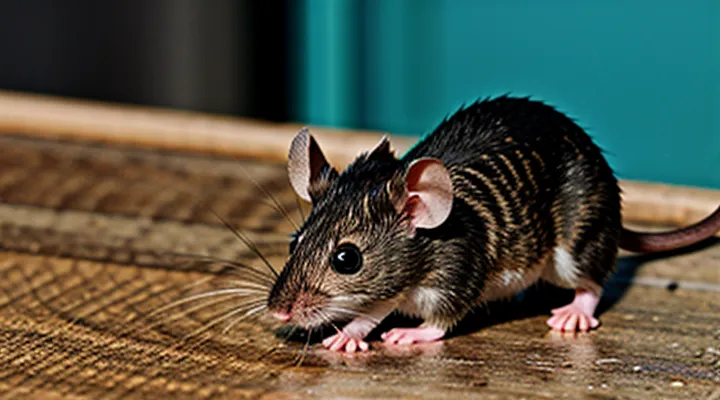
Understanding Mouse Bites
Identifying a Mouse Bite
«Visual Characteristics»
A mouse bite typically creates a small puncture wound, often 2–4 mm in diameter, surrounded by a shallow, circular abrasion. The entry points may appear as paired or clustered holes, reflecting the animal’s incisors. Skin around the bite can show erythema, ranging from pink to reddish‑purple, and may exhibit mild swelling. In many cases, a thin layer of blood or serous fluid covers the surface, and a faint bruise may develop within hours.
- Red or hot skin indicating inflammation
- Increasing swelling beyond the immediate margin
- Purulent discharge or foul odor suggesting infection
- Expanding redness or streaks that follow lymphatic pathways
Immediate care focuses on cleaning and monitoring. Rinse the area with sterile saline or clean water for at least 30 seconds. Apply gentle pressure with a clean gauze to control bleeding. After drying, cover the wound with a non‑adhesive sterile dressing. Observe for signs of infection; if any listed visual changes appear, seek medical evaluation promptly. Tetanus status should be reviewed, and a healthcare provider may prescribe antibiotics based on the wound’s appearance and risk factors.
«Distinguishing from Other Bites»
Mouse bites present a small, round puncture surrounded by a faint erythema. The wound often measures 2–4 mm in diameter, may show a tiny central crust, and can be accompanied by a mild itching or burning sensation. Unlike insect stings, mouse bites rarely produce a raised wheal or immediate swelling.
Key differences from other common animal bites:
- Size and shape: Flea or tick bites are usually larger, irregular, or form a cluster of several punctures; spider bites can create a larger, necrotic ulcer.
- Location: Mouse bites tend to occur on exposed skin such as hands, forearms, or face after handling rodents; dog or cat bites are deeper, irregular lacerations with prominent tissue loss.
- Exudate: Mouse wounds commonly exude a clear or slightly serous fluid; bacterial infections from larger animal bites may produce purulent discharge.
- Pain profile: Immediate sharp pain is typical for mouse bites, while spider bites often cause delayed, intense throbbing pain.
When a puncture matches the mouse‑bite profile, cleanse with antiseptic, apply a sterile dressing, and monitor for signs of infection such as increasing redness, swelling, or fever. If any atypical features appear, consider alternative bite sources and seek medical evaluation.
Potential Health Risks
«Risk of Infection»
A mouse bite introduces skin flora and organisms carried by the animal into the wound. The most common bacterial agents are Streptobacillus moniliformis (causing rat‑bite fever) and Pasteurella species; both can produce fever, chills, and a spreading rash within 2–10 days. Staphylococcus aureus and Streptococcus pyogenes may also colonize the bite, leading to cellulitis or abscess formation. Viral threats include hantavirus, which can be transmitted through saliva or urine contamination of the wound. Fungal infection is rare but possible in immunocompromised individuals.
Early signs of infection include increasing erythema, warmth, edema, purulent discharge, and escalating pain. Systemic manifestations—fever, tachycardia, malaise—indicate deeper involvement and require prompt medical evaluation.
Preventive and therapeutic measures:
- Irrigate the wound with sterile saline or clean water for at least 30 seconds.
- Apply mild antiseptic (e.g., povidone‑iodine) after cleaning.
- Cover with a sterile, non‑adhesive dressing.
- Obtain tetanus booster if immunization status is uncertain or the last dose was over five years ago.
- Initiate empiric oral antibiotics (e.g., amoxicillin‑clavulanate) within 24 hours for high‑risk bites or signs of infection.
- Seek professional care if redness expands beyond 2 cm, pus appears, fever develops, or the bite is on the face, hands, or joints.
Patients with compromised immunity, diabetes, or peripheral vascular disease should receive medical assessment promptly, as they face higher rates of severe infection and may require intravenous antibiotics or surgical drainage.
«Disease Transmission»
A mouse bite typically leaves a small puncture or two adjacent punctures, each about 2‑3 mm in diameter. The skin around the entry points may appear reddened, swollen, and may develop a tiny ulcer or crust within hours. Occasionally, a faint ring of erythema forms as the body reacts to saliva and bacterial contaminants.
The primary health concern is the transfer of pathogens from the animal’s oral flora to the victim’s bloodstream. Common agents include:
- Hantavirus – transmitted through saliva; can cause hemorrhagic fever with renal syndrome.
- Leptospira interrogans – present in urine; may enter the wound and cause leptospirosis.
- Streptobacillus moniliformis – responsible for rat‑bite fever; produces fever, rash, and arthralgia.
- Staphylococcus aureus and Streptococcus pyogenes – cause localized cellulitis and systemic infection if untreated.
- Tetanus‑producing Clostridium tetani – risk increases with deep puncture wounds.
Immediate management reduces infection risk:
- Rinse the bite under running water for at least one minute.
- Apply mild soap, then irrigate with a sterile saline solution.
- Cover with a clean, non‑adhesive dressing.
- Obtain medical evaluation within 24 hours; clinicians may prescribe:
- Broad‑spectrum antibiotics (e.g., amoxicillin‑clavulanate) to cover aerobic and anaerobic bacteria.
- Tetanus booster if immunization status is uncertain.
- Serologic testing for hantavirus or leptospirosis when exposure is suspected.
- Monitor for signs of systemic infection: fever, increasing redness, swelling, pus formation, or joint pain. Seek urgent care if any develop.
Preventive measures include avoiding direct contact with wild rodents, using gloves when handling trapped animals, and maintaining clean environments to discourage infestations.
Immediate Actions and Treatment
First Aid for a Mouse Bite
«Cleaning the Wound»
A mouse bite can introduce bacteria deep into the skin, so immediate cleaning reduces infection risk. Begin by protecting yourself with disposable gloves if available. Rinse the area under running water for at least 30 seconds to remove debris. Apply mild, fragrance‑free soap and gently scrub the surrounding skin with a clean gauze pad; avoid vigorous rubbing that could damage tissue. Rinse thoroughly to eliminate soap residue. Pat the wound dry with a sterile gauze, then apply an antiseptic solution such as povidone‑iodine or chlorhexidine. Cover the bite with a sterile non‑adhesive dressing, securing it with medical tape if needed. Change the dressing daily, repeating the cleaning steps each time. Monitor for redness, swelling, or pus; seek medical attention if these signs develop.
«Applying Pressure and Bandaging»
A mouse bite typically produces a small puncture with surrounding erythema and possible swelling. Immediate care focuses on controlling bleeding, reducing the risk of infection, and protecting the wound from further trauma.
- Place a clean gauze pad directly over the puncture.
- Press firmly for 3–5 minutes until bleeding ceases.
- Maintain steady pressure; avoid intermittent releases that could restart bleeding.
- Once hemostasis is achieved, secure the gauze with an adhesive bandage or sterile wrap.
- Ensure the bandage is snug but not so tight as to restrict circulation.
- Change the dressing every 24 hours or sooner if it becomes wet or contaminated.
After bandaging, monitor the site for signs of infection such as increasing redness, warmth, pus, or fever, and seek medical evaluation if any develop.
When to Seek Medical Attention
«Signs Requiring Professional Help»
A mouse bite typically appears as a small puncture wound surrounded by reddened skin. The bite may bleed slightly and feel tender. While many bites heal without complications, certain symptoms indicate the need for immediate medical evaluation.
- Rapid swelling that spreads beyond the immediate area of the bite.
- Increasing pain despite cleaning and over‑the‑counter analgesics.
- Red streaks extending from the wound toward the heart, suggesting lymphangitis.
- Fever, chills, or a general feeling of illness.
- Pus, foul odor, or a change in wound color, indicating infection.
- Signs of an allergic reaction, such as hives, swelling of the face or throat, or difficulty breathing.
- Persistent numbness or tingling around the bite site.
- Any known exposure to rodent‑borne diseases (e.g., hantavirus, leptospirosis) or a bite from a rodent found dead or ill.
When any of these indicators appear, seek professional care promptly. Medical professionals can assess the wound, prescribe appropriate antibiotics, administer tetanus prophylaxis, and evaluate the need for rabies or other pathogen testing. Early intervention reduces the risk of severe infection and systemic complications.
«Vaccination and Antibiotic Considerations»
A mouse bite usually produces one or two puncture marks surrounded by mild redness. Swelling may develop within hours, and the wound can become tender or develop a small amount of drainage. Because rodents carry diverse bacteria, prompt medical assessment is essential.
Vaccination considerations focus on tetanus and rabies protection. Verify the patient’s tetanus immunization status; if the last dose was administered more than ten years ago, or five years for a dirty wound, a booster is indicated. Rabies risk assessment depends on the mouse’s health, geographic location, and exposure circumstances. When the animal cannot be observed or is suspected of infection, a rabies vaccine series should be initiated according to local guidelines.
Antibiotic therapy aims to prevent secondary bacterial infection. First‑line agents include:
- Amoxicillin‑clavulanate, 875 mg/125 mg orally twice daily for five days.
- For patients allergic to penicillin, doxycycline 100 mg orally twice daily or a fluoroquinolone such as ciprofloxacin 500 mg twice daily, each for five days.
If signs of infection appear—progressive redness, increasing pain, purulent discharge—culture‑directed therapy may be required. Analgesics and wound cleaning with soap and water are appropriate adjuncts.
Key actions after a mouse bite:
- Wash the wound thoroughly with soap and running water.
- Apply sterile dressing.
- Seek medical evaluation within 24 hours.
- Confirm tetanus immunization status and administer booster if indicated.
- Assess rabies exposure risk and start vaccine series if warranted.
- Initiate empiric antibiotics promptly, adjusting based on culture results if needed.
These measures reduce the likelihood of complications and support optimal recovery.
Preventing Future Bites
«Rodent Control in the Home»
A mouse bite typically appears as a small, punctate wound with a central core surrounded by reddened tissue. The entry point may be 2–5 mm in diameter, sometimes accompanied by a faint ring of swelling. Infected bites can develop purulent discharge, increasing pain, and regional lymph node enlargement within 24–48 hours.
Immediate care includes thorough washing with soap and water, application of an antiseptic, and monitoring for signs of infection. If redness expands, fever develops, or drainage occurs, medical evaluation is required. Tetanus status should be verified, and prophylactic antibiotics may be prescribed for high‑risk exposures.
Effective rodent management in residential settings reduces the likelihood of bites and associated health risks. Key actions are:
- Seal entry points: install steel wool or copper mesh in gaps around pipes, vents, and foundation cracks.
- Eliminate food sources: store pantry items in airtight containers, clean crumbs promptly, and secure pet feed.
- Reduce shelter: clear clutter, trim vegetation away from the building, and keep storage areas orderly.
- Deploy traps: use snap or electronic traps placed along walls, near known activity, and inspect them daily.
- Apply bait stations: position licensed anticoagulant baits in tamper‑resistant units, following label instructions and keeping them inaccessible to children and pets.
Regular inspection of the property, prompt repair of structural deficiencies, and adherence to an integrated pest‑management plan maintain a low rodent population, thereby minimizing bite incidents and the need for medical intervention.
«Personal Protective Measures»
When handling rodents or working in environments where mice may be present, personal protection reduces the risk of bites and associated infection. Wear gloves made of puncture‑resistant material; inspect them for tears before each use. Choose disposable nitrile or thick leather gloves for tasks that involve direct contact with cages, bedding, or traps. Replace gloves immediately if a compromise is detected.
Eye protection prevents accidental scratches when a mouse attempts to evade capture. Use safety glasses or a full face shield that meets ANSI Z87.1 standards. Ensure the visor covers the entire field of view and is free of cracks.
Clothing should cover exposed skin. Long‑sleeved shirts and pants made of tightly woven fabrics create a barrier against bite attempts. Laboratory coats or coveralls with reinforced cuffs add extra protection when handling multiple animals.
Footwear must be closed, sturdy, and slip‑resistant. Wear shoes with reinforced toe caps if heavy equipment or traps are used on the floor. Avoid sandals or open‑toe shoes in any area where rodents are active.
Hand hygiene complements protective gear. Wash hands with antimicrobial soap before entering and after leaving the work area. If gloves are removed, disinfect hands with an alcohol‑based solution to eliminate residual pathogens.
A concise checklist for personal protective measures:
- Puncture‑resistant gloves, inspected and replaced as needed.
- ANSI‑approved eye or face shield.
- Long‑sleeved, tightly woven clothing; lab coat or coveralls with reinforced cuffs.
- Closed, reinforced, slip‑resistant footwear.
- Mandatory hand washing and antiseptic use before and after exposure.
Adhering to these measures minimizes the likelihood of a mouse bite, facilitates early detection of any injury, and supports prompt medical treatment if a bite occurs.