
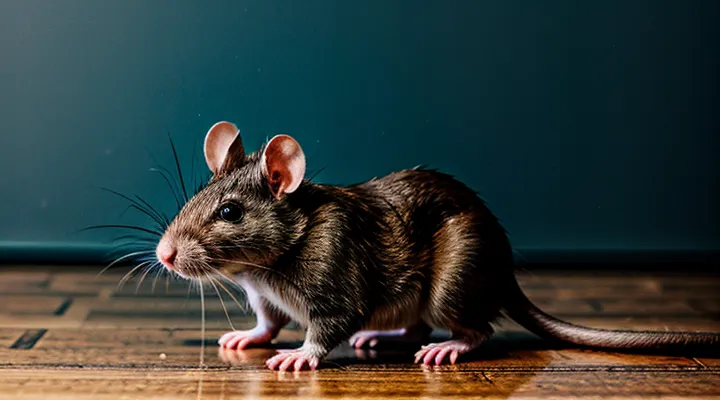
Why Unusual Names Matter for Your Rat
Beyond the Obvious: The Charm of Uniqueness
Reflecting Personality: A Name as a Statement
Choosing a name for a female rat is an act of self‑expression. The name signals temperament, quirks, and the owner’s aesthetic preferences. A concise, memorable label can reinforce the animal’s distinct character and influence how others perceive her.
When a name aligns with personality traits, it becomes a verbal badge. A bold, adventurous rat benefits from a daring moniker; a calm, observant companion thrives under a subtle, refined title. The name therefore functions as a statement, conveying both the pet’s nature and the owner’s intent without additional explanation.
- Ember – conveys fiery curiosity and energetic exploration.
- Moss – suggests quiet resilience and a fondness for hidden corners.
- Pixel – reflects precise, meticulous behavior and a love of small details.
- Vesper – evokes nocturnal elegance and a calm, measured presence.
- Quill – denotes sharp intellect and a penchant for creative problem‑solving.
Selecting any of these names ties the rat’s observable habits to a clear verbal identity, reinforcing the bond between pet and owner through purposeful naming.
Avoiding Confusion: Stand Out from the Crowd
Choosing a name for a female rat that is both distinctive and unmistakable requires deliberate filtering of potential candidates. Begin by eliminating common animal‑related terms that appear in multiple pet‑name databases; this reduces the chance of overlap with other owners’ selections. Focus on rare phonetic patterns, unconventional spellings, or cultural references seldom applied to rodents.
Key practices for achieving clarity include:
- Research niche vocabularies – draw from mythology, obscure literature, or scientific terminology unrelated to typical pet naming.
- Combine dissimilar elements – pair a melodic first component with a stark, consonant‑heavy suffix (e.g., “Lyra‑Krusk”).
- Test pronunciation – say the name aloud in a noisy environment to confirm it remains audible and distinct.
- Check online registries – search pet‑name forums and social media tags to verify the name’s uniqueness.
- Document the origin – keep a brief note on the name’s source, aiding recognition among fellow enthusiasts.
By applying these methods, a caretaker can secure a moniker that avoids ambiguity, enhances the rat’s individual identity, and prevents confusion within the broader community of pet owners.
Finding Inspiration for Unique Rat Names
Nature-Inspired Names
Whimsical Flora: Blossoms and Leaves
Whimsical plant motifs provide a rich source of distinctive names for female rat characters, drawing on the delicate yet resilient qualities of blossoms and foliage. Botanical forms convey color, movement, and personality traits that translate into memorable identifiers without relying on conventional naming patterns.
Petal and leaf imagery contributes specific connotations:
- Petal‑based names suggest softness, vibrancy, and fleeting beauty.
- Leaf‑based names imply adaptability, growth, and subtle strength.
Examples of unconventional girl rat names inspired by flora:
- Aurelia Bloom – golden flower, bright presence.
- Thistle Fern – prickly resilience, graceful fronds.
- Marigold Veil – warm hue, hidden layers.
- Clover Shade – luck, cool shelter.
- Larkspur Drift – tall spike, effortless glide.
- Willow Whisper – flexible branch, quiet voice.
- Petal Quill – soft edge, sharp intellect.
- Ivy Twine – climbing vigor, intertwined fate.
Each name pairs a botanical element with a complementary attribute, creating a vivid profile suited to imaginative storytelling.
Celestial Wonders: Stars and Moons
Astronomical bodies offer a distinctive reservoir for naming female rodents, delivering a blend of mythology, scientific terminology, and visual imagery that transcends conventional pet‑name conventions. Stars, with their diverse classifications—dwarf, giant, variable—provide concise, memorable labels, while moons, linked to planetary companions and cultural legends, add layers of narrative depth. Leveraging these celestial references ensures each name carries an identifiable reference point, facilitating recall and fostering a sense of uniqueness.
Practical examples derived from stellar and lunar sources include:
- Siri (short for Sirius, the brightest star in the night sky)
- Lyra (constellation housing the luminous Vega)
- Luna (Latin for moon, evoking nocturnal elegance)
- Callisto (Jupiter’s second‑largest moon, associated with mythic transformation)
- Nova (stellar explosion, symbolizing sudden brilliance)
- Selene (Greek goddess of the moon, embodying serene radiance)
- Altair (bright star in Aquila, representing swift motion)
- Rhea (Saturn’s moon, echoing ancient Earth mother archetype)
Each suggestion aligns with the principle of drawing inspiration from the cosmos, guaranteeing that the chosen name reflects both scientific heritage and aesthetic appeal, while remaining succinct and easily pronounced for everyday use.
Precious Gems and Minerals
Precious gems and minerals provide a rich source of distinctive names for female rats, offering both visual appeal and symbolic resonance. The inherent qualities of each stone—color, hardness, rarity—translate into memorable identifiers that stand out in a pet‑care setting.
- Amethyst – deep violet hue, suggests calm authority.
- Citrine – bright yellow, conveys optimism and energy.
- Obsidian – glossy black, evokes sleek strength.
- Topaz – warm amber, reflects resilience.
- Malachite – vivid green banding, implies curiosity.
- Garnet – deep red, denotes vigor.
- Pearl – iridescent white, suggests elegance.
- Onyx – jet black, offers a bold, minimalist impression.
- Sapphire – rich blue, conveys depth and intelligence.
- Amber – fossilized resin, carries a sense of history.
When selecting a gemstone‑inspired name, consider the rat’s coat coloration, personality traits, and the owner’s preference for rarity. Matching a dark‑coated animal with Obsidian or Onyx reinforces visual coherence, while a light‑furred rat may suit Pearl or Amethyst. Rarity influences uniqueness; names derived from lesser‑known minerals such as Serpentine or Chrysocolla provide an extra layer of individuality. The final choice should balance aesthetic alignment with ease of pronunciation, ensuring the name remains functional in daily interaction.
Mythological and Legendary Figures
Ancient Goddesses and Heroines
Ancient female deities and legendary heroines provide a rich source of distinctive names for pet rats, offering cultural depth and memorable sound patterns that stand out in a household of conventional pet names. Drawing from mythic figures emphasizes the animal’s intelligence and agility, aligning the rat’s character with the attributes traditionally assigned to these powerful women.
- Artemis – Greek goddess of the hunt; evokes swift movement and keen perception.
- Isis – Egyptian goddess of magic and protection; suggests resilience and mystery.
- Morrigan – Celtic war goddess; conveys boldness and strategic cunning.
- Freya – Norse goddess of love and fertility; reflects affection and nurturing instincts.
- Boudica – Celtic queen who led a rebellion; symbolizes fierce independence.
- Sappho – Renowned poetess of ancient Greece; denotes lyrical charm and intellect.
- Medea – Sorceress from Greek myth; adds an edge of intrigue and resourcefulness.
- Hecate – Triple‑faced goddess of crossroads; implies adaptability and curiosity.
- Rhiannon – Welsh heroine associated with horses; suggests grace and endurance.
- Ariadne – Daughter of King Minos who guided Theseus; represents guidance and cleverness.
Integrating these mythic names into everyday interaction reinforces the rat’s identity, encourages owner engagement, and preserves a connection to historic narratives without resorting to generic pet‑naming conventions.
Folklore Creatures and Spirits
Drawing on mythic beings and ethereal entities yields distinctive monikers for a female rat. Folklore offers a reservoir of characters whose attributes—cunning, agility, mystique—translate effectively into pet names.
- Morrigan – Celtic war goddess, associated with shapeshifting crows; suggests a bold, adaptable rodent.
- Kitsune – Japanese fox spirit known for intelligence and trickery; ideal for a clever, inquisitive rat.
- Puck – English sprite famed for mischief; conveys playful energy.
- Hecate – Greek goddess of crossroads and night, linked to cats and owls; evokes sleek darkness.
- Naiad – Water nymph from Greek myth; suits a rat with a glossy, sleek coat.
- Banshee – Irish spirit whose wail warns of change; appropriate for a vocal, alert animal.
- Tengu – Japanese mountain demon with bird-like features; fits a rat with sharp reflexes.
- Selkie – Seal‑folk from Celtic legend, capable of shedding skins; reflects a rat’s quick shedding of fur.
- Loki – Norse trickster deity; captures a rat’s propensity for escape and curiosity.
- Aine – Irish sun goddess, protector of wildlife; conveys warmth and vitality.
When selecting a name, consider the creature’s cultural origin to avoid misappropriation. Verify pronunciation ease for daily use, and ensure the name’s tone matches the rat’s personality. Names derived from legendary beings provide both narrative depth and memorable identity for a pet rat.
Fictional Characters with a Twist
Literary Protagonists and Antagonists
Literary figures offer a rich reservoir for naming female rats whose personalities deviate from conventional pet monikers. Protagonists contribute names that suggest resilience, curiosity, or moral complexity, while antagonists supply titles that evoke edginess, cunning, or subversive charm. Selecting a name from either side of the narrative spectrum allows creators to embed narrative depth into a seemingly simple pet identifier.
Protagonist‑derived names often carry an aura of aspiration; antagonist‑derived names frequently convey a hint of rebellion. Pairing these qualities with the distinctive traits of a rat—intelligence, agility, and sociality—produces memorable, character‑appropriate labels.
-
Protagonist sources
- Scout – from To Kill a Mockingbird (symbolic of observation and growth)
- Lyra – from His Dark Materials (embodies curiosity and bravery)
- Eowyn – from The Lord of the Rings (represents defiance against expectations)
- Mara – from The Girl Who Loved Tom Gordon (evokes perseverance in adversity)
-
Antagonist sources
- Ursula – from The Little Mermaid (suggests sly influence)
- Catherine – from The House of the Spirits (conveys manipulative elegance)
- Morgana – from Arthurian legend (implies mystique and power)
- Iago – from Othello (offers a sharp, strategic edge)
These selections demonstrate how literary archetypes can inform inventive, gender‑specific rat names that reflect both narrative heritage and the animal’s unique character.
Cinematic Icons and Cult Favorites
Cinematic heroines and cult‑film characters offer a rich source of distinctive names for female rats, combining recognizable cultural references with a playful twist. By borrowing titles, nicknames, or signature traits from iconic movies, owners can create monikers that are instantly evocative yet unconventional for a pet rodent.
Names drawn from classic cinema often carry a sense of elegance or drama, while cult favorites provide edgier, niche appeal. Selecting a name from either category signals familiarity with film history and adds personality to the animal’s identity.
- Mia – homage to the protagonist of Pulp Fiction; short, memorable, and slightly mischievous.
- Ripley – reference to Ellen Ripley of Alien; conveys resilience and toughness.
- Mulan – drawn from the titular warrior; suggests bravery in a small package.
- Beatrix – nod to Beatrix Kiddo of Kill Bill; combines sophistication with lethal skill.
- Luna – inspired by Luna Lovegood’s cameo in Harry Potter adaptations; whimsical and curious.
- Juno – taken from the indie film Juno; youthful and spirited.
- Marty – echo of Marty McFly’s gender‑flipped version; playful time‑traveler vibe.
- Gertie – tribute to Gertie the Dinosaur, an early animation icon; historic and endearing.
Each suggestion aligns with the goal of providing an unusual, film‑inspired name for a female rat, ensuring the choice remains both culturally resonant and uniquely suited to a small, charismatic companion.
Food and Drink Delights
Sweet Treats and Desserts
Sweet confections furnish a rich vocabulary for naming female laboratory or pet rats, offering recognizable, pleasant sounds that suit small, agile animals. The association between a dessert’s sweetness and a rat’s playful demeanor creates an immediate, memorable link.
- Mochi – soft, slightly chewy Japanese rice cake; evokes gentle texture.
- Tiramisu – layered Italian dessert; suggests depth and sophistication.
- Macaron – delicate French pastry; conveys elegance and bright color.
- Brownie – dense, chocolate treat; implies robustness and warmth.
- Eclair – long, cream‑filled pastry; matches a sleek, elongated body shape.
- Cupcake – small, decorated cake; fits a petite, spirited pet.
- Pudding – smooth, comforting dessert; suitable for a calm, affectionate rat.
- Marshmallow – fluffy, sweet confection; ideal for a light‑hearted, airy personality.
When choosing a dessert‑derived name, consider the following criteria: phonetic simplicity, cultural recognizability, and relevance to the rat’s appearance or behavior. A name with two syllables or fewer typically proves easier for owners to pronounce and for the animal to recognize. Aligning the name’s color palette with the rat’s coat—such as “Strawberry” for a reddish hue—reinforces visual identity. Avoid overly complex or obscure dessert titles that may hinder recall.
Applying these guidelines yields names that are both endearing and functional, enhancing communication between caretaker and animal while honoring the whimsical inspiration drawn from sweet treats.
Exotic Fruits and Spices
Exotic fruits and spices provide a rich source of distinctive, memorable names for female rats, combining vivid sensory associations with a playful edge. The rarity of these flavors mirrors the unconventional nature of the naming goal, ensuring each name stands out in a small‑pet community.
-
Fruit‑derived options
- Lychee – bright, aromatic, and slightly tangy
- Papaya – smooth, tropical, and inviting
- Kumquat – crisp, tart, and compact
- Dragonfruit – striking, speckled, and exotic
- Passionfruit – fragrant, intense, and adventurous
-
Spice‑derived options
- Saffron – luxurious, golden, and rare
- Cardamom – aromatic, warm, and slightly sweet
- Anise – licorice‑like, crisp, and distinctive
- Turmeric – earthy, vivid, and health‑associated
- Star‑Anise – star‑shaped, aromatic, and visually striking
Choosing a name from this palette aligns the pet’s identity with sensory richness, reinforcing a sense of individuality while drawing on globally recognized flavors. The selected term should reflect the rat’s personality, physical traits, or the owner’s personal taste, creating a cohesive and memorable naming experience.
Abstract Concepts and Virtues
Qualities and Characteristics
When selecting a distinctive name for a female pet rat, certain attributes increase its effectiveness and appeal. A well‑chosen moniker should be instantly recognizable, simple to articulate, and reflective of the animal’s temperament or appearance. It also benefits from a touch of originality that distinguishes it from common pet names.
Key characteristics of successful unconventional names include:
- Memorability – the name sticks after a single hearing, avoiding overly long or complex constructions.
- Pronounceability – clear syllable divisions allow quick, confident calling.
- Personality alignment – the word captures traits such as curiosity, agility, or playfulness.
- Visual resonance – references to coat color, size, or distinctive markings create an intuitive link.
- Cultural or literary echo – allusions to myth, fiction, or historical figures add depth without obscurity.
- Gender specificity – subtle feminine cues, whether through suffixes or soft phonetics, reinforce the animal’s sex.
In practice, a name that blends these elements—such as “Lumen,” “Pipette,” or “Nimble” —offers both charm and functionality. The combination of brevity, relevance, and novelty ensures the name remains effective for daily interaction and long‑term identification.
Colors and Textures
When choosing a name for a pet rat, visual characteristics such as hue and surface quality provide immediate, memorable cues. A name that references a specific shade—emerald, sapphire, amber—conveys both the animal’s appearance and a distinct personality trait without ambiguity.
Texture descriptors add depth to naming options. Words like velvet, silk, or speckle suggest tactile impressions that complement color references. Combining the two elements produces names that are instantly recognizable and evocative.
- Crimson Velvet
- Indigo Silk
- Amber Speckle
- Jade Fuzz
- Mauve Pebble
- Slate Satin
- Ruby Pelt
- Pearl Dapple
Each entry pairs a chromatic term with a tactile adjective, creating an unconventional yet coherent label suitable for a female rat. The approach relies on visual and sensory associations, ensuring the name remains distinctive while remaining easy to pronounce and recall.
Tips for Choosing the Perfect Name
Sound and Suffix: Easy to Call
Choosing names for female rats that are both distinctive and easy to pronounce relies on two acoustic principles: phonetic brevity and rhythmic suffixes. Short vowel–consonant patterns (e.g., “Mi‑ra,” “Zo‑ra”) reduce syllable count, allowing quick vocal cues. Adding a soft, unstressed ending such as ‑‑a, ‑‑i, or ‑‑y creates a melodic closure that pets recognize instantly.
Effective suffixes share three traits. First, the final sound is a vowel, preventing abrupt stops. Second, the terminal phoneme is a liquid or glide (l, r, w, y), which blends smoothly with preceding consonants. Third, the suffix repeats the same vowel sound as the initial syllable, reinforcing auditory cohesion.
Examples that satisfy these criteria:
- Mira – two syllables, vowel termination, liquid “r.”
- Lumi – vowel ending, glide “i,” balanced vowel harmony.
- Betsy – soft “y” finish, familiar rhythm.
- Zara – vowel closure, liquid “r,” concise structure.
- Kiki – repeated vowel, glide “i,” high‑pitch ease.
Test it Out: See How it Fits
When selecting an unconventional name for a female rat, practical testing determines whether the choice works in everyday interaction. Begin by pronouncing the name aloud several times to assess clarity and ease of use. A name that sounds smooth and distinct reduces the chance of miscommunication during handling or veterinary visits.
Next, apply the name in a short observation period. Write the chosen word on a label attached to the cage, then refer to the animal by that name during feeding, cleaning, and play sessions. Record any signs of confusion, such as delayed responses or repeated clarification, and note whether the name feels natural in conversation with other pet owners or staff.
Consider the visual aspect of the name as well. If the rat will appear in social media posts or breeding records, a name that reads well and avoids ambiguous spelling improves consistency. Test the spelling by typing it in a document, checking for accidental autocorrect changes, and ensuring the characters are unambiguous across different fonts.
Finally, evaluate longevity. Ask yourself whether the name will remain appropriate as the rat ages, and whether it could cause embarrassment in formal contexts such as veterinary reports. A brief trial of one to two weeks typically reveals any practical shortcomings.
Testing checklist
- Speak the name aloud for intelligibility.
- Use the name during daily care for a minimum of one week.
- Record animal’s response and any misinterpretations.
- Verify spelling consistency in written form.
- Assess suitability for long‑term use and professional documentation.
Trust Your Gut: The Name That Clicks
Choosing a name for a female rat hinges on instinct. When the right word surfaces without deliberation, it signals a match between the animal’s character and the owner’s perception.
Intuition filters details that analysis overlooks. A name that elicits an immediate smile, conjures a vivid picture, or reflects a distinctive habit often proves memorable and fitting.
To gauge the gut response, ask three questions: Does the name appear instantly in the mind? Does it generate a positive emotional spark? Does it align with a visible trait—such as curiosity, speed, or playfulness?
- Luna – evokes nocturnal activity and soft fur.
- Pippin – suggests quick, mischievous movements.
- Ember – captures a fiery, energetic personality.
- Willow – reflects a gentle, graceful demeanor.
- Roxy – conveys boldness and confidence.
After selecting a candidate, use it consistently, watch for the rat’s relaxed posture or attentive behavior, and adjust only if the animal appears unsettled. Trusting the initial reaction streamlines the naming process and strengthens the bond between pet and owner.
Celebrating Your Rat's Individuality
Sharing Her Unique Identity
Naming a female rat with an unconventional moniker conveys personality, heritage, and creative vision. The name functions as a concise statement of identity, allowing owners to express affection, humor, or cultural references without ambiguity.
Sources of inspiration include literary characters, scientific terminology, mythological figures, and linguistic play. Selecting a name from these domains ensures distinctiveness while providing a narrative hook that can be shared with others.
Practical considerations when choosing a name:
- Length: one to two syllables for ease of recall and vocalization.
- Phonetics: clear consonant-vowel patterns to aid training commands.
- Meaning: relevance to the rat’s appearance, behavior, or owner’s interests.
- Uniqueness: avoidance of common pet names to reinforce individuality.
When the chosen name is introduced in social settings—online forums, veterinary visits, or pet gatherings—it becomes a focal point for storytelling. The owner can articulate the name’s origin, linking the rat’s traits to the chosen reference, thereby reinforcing the animal’s singular identity within the community.
The Joy of an Uncommon Name
Choosing a name that stands out transforms a simple pet identity into a memorable story. An uncommon moniker for a female rat invites curiosity, sparks conversation, and reinforces the bond between owner and animal. The distinctiveness of such a name also reflects the owner’s creativity, signaling an appreciation for originality rather than conformity.
Sources of inspiration span literature, mythology, science, and pop culture. Consider the following categories and examples:
- Literary figures: Aria, Bronte, Calypso
- Mythological beings: Selene, Nyx, Freyja
- Scientific terms: Quark, Nebula, Pixel
- Pop‑culture icons: Ripley, Yara, Nova
Each option carries specific connotations that enhance the rat’s personality profile. Selecting a name with a clear reference provides an immediate narrative hook, allowing the owner to share a concise backstory without extraneous explanation.
Practical benefits accompany the aesthetic appeal. Unique names reduce the likelihood of confusion in multi‑pet households, simplify training cues, and improve recall during veterinary visits. The rarity of the name also minimizes the chance of duplication in online communities, preserving the individual’s digital footprint.
Ultimately, the pleasure derived from an uncommon name lies in its ability to encapsulate individuality, foster engagement, and celebrate the owner’s inventive spirit.