
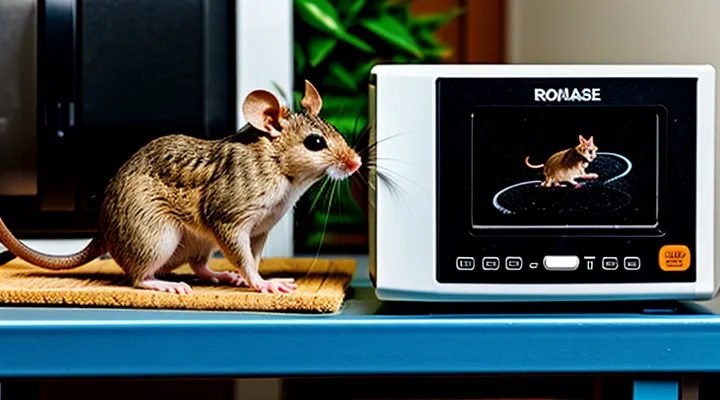
The Science Behind Ultrasonic Pest Control
How Ultrasonic Waves Work
Frequency Ranges and Their Effects
Ultrasonic devices repel mice by emitting sound beyond the audible range of humans but within the hearing spectrum of rodents. Frequency selection determines the intensity of the aversive response and the likelihood of habituation.
Low ultrasonic frequencies (approximately 20–30 kHz) are near the lower limit of mouse hearing. Mice detect these tones, but the stimulus often fails to produce sustained avoidance. Repeated exposure can lead to rapid habituation, reducing efficacy. Human audibility may increase the risk of disturbance in occupied spaces.
Mid‑range frequencies (30–50 kHz) coincide with the peak sensitivity of mouse auditory receptors. Initial exposure triggers strong startle and retreat behaviors. Effectiveness declines after several days of continuous operation, as rodents adapt to the persistent signal.
High frequencies (50–100 kHz) lie well above the most sensitive region of mouse hearing yet remain detectable. Mice exhibit immediate avoidance with minimal habituation observed over typical deployment periods. These bands pose negligible risk of audible leakage for humans, though equipment must meet safety standards to avoid ultrasonic exposure to pets and livestock.
- 20–30 kHz: detectable, low deterrence, rapid habituation, possible human audibility.
- 30–50 kHz: high initial deterrence, moderate habituation, suitable for short‑term use.
- 50–100 kHz: strongest and most persistent avoidance, low habituation, safe for human environments.
Selecting the appropriate frequency range aligns device performance with the operational context, ensuring reliable rodent control while minimizing unintended effects.
What Rodents Hear (and What They Don’t)
Rodents possess a keen auditory system adapted to detect sounds essential for predator avoidance and social communication. Their hearing range typically spans from 1 kHz to 80–90 kHz, with peak sensitivity around 10–20 kHz. Frequencies below 1 kHz are largely inaudible, and sounds above 90 kHz rapidly lose intensity due to the limited cochlear response.
Key characteristics of rodent hearing:
- Low‑frequency threshold: ≤ 1 kHz – not perceived.
- Mid‑frequency band: 1–20 kHz – strongest detection; includes most environmental noises.
- High‑frequency band: 20–80 kHz – detectable but with decreasing sensitivity; useful for ultrasonic communication.
- Ultrasonic limit: > 90 kHz – negligible perception; acoustic energy dissipates before reaching the inner ear.
Rodent vocalizations exploit the upper portion of their audible spectrum. Mice emit ultrasonic calls between 30 and 70 kHz for mating and territorial signaling. These calls are short, frequency‑modulated bursts that travel short distances, minimizing detection by predators that lack comparable high‑frequency hearing.
When evaluating ultrasonic deterrent devices, the emitted frequency must fall within the rodent’s detectable range yet remain uncomfortable or disruptive. Frequencies below 20 kHz will not trigger a response, while those above 90 kHz will be ignored entirely. Effective repellents therefore operate between 20 kHz and 80 kHz, leveraging the rodent’s heightened sensitivity without exceeding the upper auditory limit.
Effectiveness Studies and Scientific Evidence
Laboratory vs. Real-World Scenarios
Ultrasonic deterrent devices demonstrate markedly different performance metrics in controlled experiments compared to residential or agricultural environments. Laboratory trials typically employ isolated cages, uniform temperature, and limited acoustic reflections, allowing precise measurement of frequency response, intensity thresholds, and habituation rates. Data collected under these conditions reveal optimal frequency bands (approximately 20–50 kHz) and minimum sound pressure levels required to induce aversive behavior in Mus musculus.
In contrast, real‑world deployments encounter heterogeneous acoustic landscapes, variable ambient noise, and structural obstacles that attenuate or scatter ultrasonic waves. Factors such as ceiling height, wall composition, and presence of pets or other wildlife modify effective coverage zones. Field observations frequently report reduced repellency after weeks, indicating rapid habituation when rodents can locate safe zones beyond the device’s reach.
Key distinctions can be summarized:
- Signal propagation: Laboratory settings guarantee line‑of‑sight transmission; field installations must account for diffraction and absorption.
- Subject exposure: Continuous, uninterrupted exposure in cages versus intermittent contact as rodents move through treated areas.
- Behavioral adaptation: Limited population diversity in labs limits genetic variability; wild cohorts exhibit broader tolerance ranges and may develop counter‑strategies.
- Performance metrics: Laboratory efficacy expressed as percentage reduction in entry events; field efficacy measured by long‑term population decline and crop loss mitigation.
Effective translation of laboratory findings to practical use requires:
- Multi‑point emitter arrays to overcome shadow zones.
- Periodic frequency modulation to delay habituation.
- Integration with physical barriers (e.g., sealing entry points) to reinforce ultrasonic pressure.
- Ongoing monitoring of rodent activity to adjust device placement and output levels.
Understanding these contrasts enables practitioners to design ultrasonic systems that retain laboratory‑derived potency while accommodating the complexities of everyday environments.
Limitations and Variables
Ultrasonic devices designed to deter rodents operate within a narrow frequency band, typically 20–65 kHz. This range limits effectiveness because many species of mice can detect frequencies outside the emitted spectrum, rendering the signal invisible to a portion of the population. Moreover, ultrasonic waves attenuate rapidly in air; walls, furniture, and clutter absorb energy, creating shadow zones where the sound intensity falls below repellent thresholds. Consequently, coverage is confined to line‑of‑sight areas and cannot penetrate solid barriers.
Habituation represents a critical drawback. Repeated exposure to a constant ultrasonic pattern leads to sensory adaptation, after which mice no longer exhibit avoidance behavior. Studies show that the habituation period varies with intensity and modulation; static tones accelerate desensitization, whereas intermittent or frequency‑swept signals extend efficacy but still succumb to eventual acclimation.
Environmental variables further influence performance. Ambient temperature affects sound speed and absorption, altering the effective radius of the device. Background noise, especially high‑frequency industrial or electronic emissions, can mask the ultrasonic signal, diminishing its perceived intensity. Humidity levels modify attenuation rates, with higher moisture accelerating energy loss.
Operational variables determine practical outcomes:
- Placement height: Devices mounted above floor level project sound downward, aligning with rodent pathways; low placement may miss nocturnal travel routes.
- Power output: Higher wattage increases range but may exceed safe exposure limits for pets and humans, necessitating compliance with regulatory standards.
- Signal pattern: Pulsed or frequency‑modulated emissions reduce habituation compared with continuous tones.
- Duration of use: Continuous operation depletes battery life and accelerates adaptation; scheduled cycles balance coverage and efficacy.
- Room geometry: Open spaces allow broader dispersion, while compartmentalized layouts require multiple units to eliminate dead zones.
Overall, ultrasonic repellents function under constrained conditions. Their success hinges on careful calibration of device settings, strategic positioning, and awareness of environmental factors that can undermine acoustic deterrence.
Types of Ultrasonic Repellents
Indoor Ultrasonic Devices
Plug-in Units
Plug‑in ultrasonic units are self‑contained devices that draw power directly from a wall socket and emit high‑frequency sound waves designed to discourage rodent activity. Their compact form factor allows placement in confined spaces such as closets, cabinets, or beneath appliances where rodents commonly travel.
Key characteristics of effective plug‑in models include:
- Frequency range between 20 kHz and 65 kHz, covering the hearing spectrum of most mouse species while remaining inaudible to humans.
- Adjustable timer or automatic shut‑off to conserve energy during periods of low infestation risk.
- Integrated safety circuitry that prevents overheating and eliminates the need for external fuses.
- Coverage radius typically 15–30 ft, verified by manufacturer testing in standard residential environments.
Installation guidelines:
- Position the unit at a minimum height of 6 in above the floor to align with mouse foraging paths.
- Locate devices near entry points—gaps under doors, vent openings, and utility conduits—ensuring the emitted sound reaches potential travel routes.
- Avoid obstructing the speaker grille with furniture or décor; clear line of sight maximizes acoustic propagation.
Maintenance requirements are minimal. Replace the unit after three to five years of continuous operation, or sooner if the indicator light ceases to function. Clean the exterior with a dry cloth to prevent dust accumulation that could attenuate acoustic output.
When selecting a plug‑in solution, prioritize models that provide documented frequency specifications, independent efficacy studies, and a warranty covering premature failure. Combining multiple units in a coordinated layout expands the deterrent field, reducing the likelihood of rodents finding unexposed corridors.
Battery-Operated Units
Battery‑operated ultrasonic devices provide portable, self‑contained solutions for rodent deterrence. Their independence from mains electricity allows placement in locations without outlet access, such as attics, crawl spaces, and outdoor sheds. The compact form factor facilitates discreet installation behind appliances, inside wall cavities, or on shelving where rodents travel.
Key specifications include:
- Voltage: typically 1.5 V or 3 V cells, compatible with AA, AAA, or coin‑cell formats.
- Runtime: 8 hours to 30 days per battery set, depending on power consumption and frequency cycling.
- Frequency range: 20 kHz – 65 kHz, covering the hearing spectrum of mice while remaining inaudible to humans.
- Emission pattern: omnidirectional or directional transducers, selected to match the geometry of the target area.
- Safety features: automatic shut‑off after a set interval to prevent overheating and to conserve power.
Effective deployment follows a systematic approach. First, identify rodent pathways and position the unit within 1–2 meters of those routes. Second, verify unobstructed line of sight for the ultrasonic waves; dense materials such as metal cabinets can attenuate the signal. Third, rotate the device’s location after two weeks to avoid habituation, a phenomenon where rodents become desensitized to a constant frequency.
Maintenance requirements are minimal. Replace batteries when the indicator light dims or after the manufacturer‑specified runtime expires. Clean the transducer surface with a dry cloth to remove dust that could dampen acoustic output. Record battery type and replacement date for inventory tracking.
Performance data from field trials indicate a reduction of mouse activity by 60 %–80 % when battery‑powered units operate continuously in properly sealed environments. The combination of mobility, ease of installation, and low operating cost makes these devices a practical component of integrated rodent management strategies.
Outdoor Ultrasonic Repellents
Solar-Powered Options
Solar‑powered ultrasonic devices combine renewable energy with acoustic deterrence, allowing continuous operation without grid dependence. A photovoltaic panel supplies the circuitry that generates frequencies above 20 kHz, which are inaudible to humans but disruptive to rodent auditory systems.
Key design considerations include panel size, battery capacity, and frequency modulation. Panels must deliver sufficient wattage to charge a lithium‑ion or lead‑acid reserve that sustains night‑time output. Battery management circuitry prevents deep discharge, extending service life. Frequency sweep patterns, typically ranging from 20 kHz to 50 kHz, reduce habituation by presenting a moving acoustic landscape.
Practical deployment options:
- Standalone solar units – compact, weather‑sealed enclosures with integrated panel; suitable for garden beds, sheds, or outdoor storage areas.
- Modular arrays – multiple panels linked to a central battery bank, supporting larger spaces such as warehouses or barns; includes remote monitoring of charge status.
- Hybrid systems – solar panel paired with optional mains plug; ensures uninterrupted operation during prolonged overcast periods.
Installation guidelines:
- Position the panel at a 30‑45° tilt toward the sun’s peak trajectory for maximum exposure.
- Mount the emitter at a height of 12‑18 in above ground, oriented toward known entry points.
- Verify unobstructed line‑of‑sight between emitter and target zones; obstacles can attenuate ultrasonic propagation.
Maintenance requirements are minimal. Clean the panel surface quarterly to remove dust or debris that reduces efficiency. Inspect battery terminals annually for corrosion, and replace the battery after 2‑3 years of cumulative discharge cycles.
Cost analysis shows that solar models typically command a 15‑25 % premium over cord‑powered equivalents, offset by eliminated electricity expenses and reduced wiring labor. Long‑term savings become evident after approximately 18 months in high‑usage environments.
Overall, solar‑driven ultrasonic repellents provide a self‑sustaining solution for rodent control, especially where access to power outlets is limited or where environmental stewardship is a priority.
Motion-Activated Devices
Motion‑activated ultrasonic devices constitute a practical element of rodent‑deterrent programs that rely on sound emission triggered by movement.
When a sensor detects the presence of a mouse or rat, the unit emits ultrasonic frequencies typically between 20 kHz and 65 kHz. These tones exceed human hearing but cause discomfort to rodents, prompting avoidance of the treated zone. The brief, intermittent bursts conserve energy and reduce the risk of habituation.
Key factors for selecting an effective unit include:
- Sensor detection range (minimum 5 m, adjustable preferred)
- Coverage radius (30 m² per device is common)
- Frequency spectrum (broadband output covers multiple rodent sensitivities)
- Power source (rechargeable battery or mains with backup)
- Build quality (weather‑resistant housing for indoor/outdoor use)
Installation guidelines recommend positioning devices at entry points such as doors, windows, and utility openings. Mount units 0.5–1 m above the floor, aiming the sensor toward anticipated travel paths. Avoid placing objects that could block the motion field; for larger premises, overlap coverage zones to eliminate blind spots.
Routine upkeep involves checking battery charge, cleaning the sensor lens to remove dust, and verifying that the ultrasonic output functions after each power cycle. Record observations of rodent activity weekly to assess efficacy and adjust device placement as needed.
Advantages: immediate response to movement, no chemical residues, silent operation for occupants. Limitations: sound does not penetrate solid walls, effectiveness may diminish if rodents become desensitized, and coverage is confined to line‑of‑sight areas.
Balancing these considerations enables reliable integration of motion‑activated ultrasonic units into broader rodent‑control strategies.
How to Effectively Deploy Ultrasonic Repellents
Strategic Placement within the Home
Avoiding Obstructions
Ultrasonic emitters lose power when solid objects block the sound path. Direct line‑of‑sight between the device and the target area maximizes repellent efficiency.
Typical barriers include interior walls, heavy furniture, stacked boxes, thick curtains, and dense insulation. Any material that reflects or absorbs high‑frequency waves reduces the field that reaches rodents.
Placement guidelines
- Mount units at least 12 inches away from walls or cabinets.
- Aim devices toward open corridors or entry points rather than corners.
- Keep the surrounding space free of objects larger than a paperback within a 2‑foot radius.
- Install emitters at a height of 3–4 feet, where mouse activity concentrates.
Ongoing checks
- Inspect the area weekly for newly introduced items that could obstruct the beam.
- Clean the emitter surface to prevent dust accumulation that dampens output.
- Relocate devices if furniture is rearranged or seasonal decorations are added.
Maintaining an unobstructed acoustic field ensures the ultrasonic system operates at its designed intensity, delivering consistent deterrence.
Coverage Area Considerations
Effective ultrasonic deterrents must match the spatial characteristics of the target environment. The device’s audible range determines the zone where mice perceive the signal; manufacturers typically list a maximum radius, but real‑world performance often falls short due to attenuation.
- Distance attenuation – Sound intensity decreases with the square of the distance. Placement within one‑half of the advertised radius maximizes exposure.
- Physical barriers – Walls, furniture, and insulation reflect or absorb ultrasonic waves. Open, unobstructed pathways allow the signal to travel farther.
- Frequency selection – Higher frequencies provide shorter wavelengths, which are more readily blocked by thin objects. Lower ultrasonic frequencies penetrate obstacles better but may be less irritating to rodents.
- Power output – Devices with adjustable output can compensate for larger spaces. Excessive power may cause habituation; moderate levels sustain effectiveness.
- Room geometry – Irregular shapes create dead zones where the signal weakens. Mapping the area and positioning multiple units can eliminate gaps.
- Multiple units – Overlapping coverage zones ensure continuous exposure, especially in large or multi‑room settings.
When planning installation, measure the intended coverage, identify obstacles, and position devices at optimal heights (typically 6–12 inches above the floor) to align with mouse activity zones. Regular verification—using a calibrated ultrasonic meter—confirms that the field remains within the desired intensity across the entire area.
Combining with Other Repellent Methods
Trapping and Exclusion
Effective rodent control combines acoustic deterrence with physical barriers and capture devices. Ultrasound units create an unsettling environment that discourages entry, but mice often adapt to sound alone. Integrating trapping and exclusion reinforces repellent effects and prevents population rebound.
- Deploy snap or live traps along walls where ultrasonic emitters are positioned; mice travel close to baseboards and concealed pathways.
- Use bait that matches local foraging preferences (grain, peanut butter, or dried fruit) to increase capture rates.
- Replace traps regularly; a full set of fresh devices should be inspected and reset every 24 hours.
- Install steel mesh or hardware cloth (minimum ¼‑inch openings) around vents, ducts, and utility openings. Seal gaps with expanding foam or silicone caulk.
- Fit door sweeps and weather stripping on all exterior doors; ensure floor plates prevent rodents from slipping underneath.
- Create a continuous exclusion zone by overlapping ultrasonic coverage with physical barriers, eliminating any unprotected corridors.
Combining these measures limits mouse movement, forces individuals to confront the ultrasonic field, and provides immediate evidence of success through captured specimens. Continuous monitoring of trap catches and barrier integrity ensures long‑term efficacy.
Sanitation Practices
Effective ultrasonic rodent deterrence depends on maintaining a clean environment that eliminates attractants and supports device performance.
A dry, debris‑free floor prevents ultrasonic waves from reflecting off clutter, which can reduce signal reach. Regularly sweep and vacuum to remove food particles, grain, and droppings.
Control moisture sources. Leaking pipes, standing water, and damp insulation create ideal habitats for mice; repair leaks promptly and use dehumidifiers where humidity is high.
Secure waste management. Store garbage in sealed containers, empty bins daily, and keep disposal areas away from entry points.
Implement systematic cleaning routines:
- Remove spilled seeds, grains, or pet food after each use.
- Clean countertops, shelves, and equipment with mild detergent; rinse thoroughly to avoid residue.
- Disinfect surfaces with an approved rodent‑safe sanitizer to eliminate scent trails.
Inspect and seal entry points after cleaning. Use steel wool, caulk, or metal mesh to block gaps around doors, vents, and utility lines.
Maintain the ultrasonic devices themselves. Dust the transducer surface weekly with a soft cloth; avoid abrasive cleaners that could damage the emitter. Verify battery levels or power connections regularly to ensure continuous operation.
Document cleaning schedules and device checks. A log facilitates accountability and helps identify patterns that may compromise efficacy.
By integrating rigorous sanitation with ultrasonic technology, the likelihood of rodent intrusion diminishes, and the deterrent system functions at optimal capacity.
Maintenance and Troubleshooting
Checking for Functionality
Effective deployment of ultrasonic rodent deterrent systems depends on confirming that each unit functions as intended before installation. Verification begins with measuring the emitted frequency. Use a calibrated ultrasonic meter to ensure the device operates within the 20–65 kHz range, where mice exhibit aversive responses. Record the reading and compare it to the manufacturer’s specifications.
Next, assess acoustic power output. Position the meter at the recommended distance (usually 1 m) and record sound pressure level (SPL). Values falling below the specified threshold indicate a malfunctioning transducer or depleted power source. Replace or repair units that do not meet the required SPL.
Coverage area must be validated in the intended environment. Conduct a walk‑through with a portable detector, mapping zones where signal strength drops below effective levels. Adjust placement or add supplemental units to eliminate gaps.
Reliability testing includes continuous operation for at least 24 hours. Monitor for intermittent shutdowns, voltage fluctuations, or overheating. Devices that exhibit any irregularity should be excluded from field use.
A concise checklist for functionality verification:
- Measure frequency (20–65 kHz) with calibrated meter.
- Record SPL at 1 m; ensure it meets or exceeds specification.
- Map signal coverage; identify and correct weak spots.
- Run unit continuously for 24 hours; observe for interruptions.
- Document results; retain only units passing all criteria.
Completing these steps guarantees that ultrasonic repellents deliver consistent performance, reducing the likelihood of rodent intrusion.
Addressing Persistent Infestations
Persistent mouse populations often survive initial ultrasonic deterrent attempts. Failure usually stems from inadequate device placement, insufficient frequency coverage, or habituation to a single tone. Identifying the infestation’s scope and the environment’s acoustic characteristics is the first corrective action.
- Conduct a thorough inspection to locate entry points, nesting sites, and high‑traffic corridors.
- Deploy multiple units covering overlapping zones; ensure each device emits a range of frequencies (20–65 kHz) to prevent adaptation.
- Position emitters at least 12 inches from walls or furniture, directing sound toward open pathways.
- Verify power supply stability; replace batteries or connect to uninterrupted mains power to avoid silent periods.
- Integrate complementary measures such as sealing gaps, removing food sources, and installing physical traps for reinforcement.
After installation, monitor activity for at least two weeks using motion sensors or visual checks. Adjust volume or relocate units if mice exhibit continued presence. Schedule quarterly maintenance checks to clean transducers and confirm consistent output. Consistent, multi‑frequency coverage combined with environmental control effectively disrupts entrenched rodent colonies.
Potential Drawbacks and Considerations
Impact on Pets and Other Animals
Household Pets (Dogs, Cats, Hamsters)
Ultrasonic devices designed to deter mice emit frequencies above 20 kHz, a range audible to many companion animals. Understanding the interaction between these emitters and household pets prevents unintended distress while maintaining rodent control.
Dogs possess hearing extending to 45 kHz, depending on breed and age. Frequencies between 22 kHz and 30 kHz can cause discomfort, manifested as agitation or avoidance of the device’s vicinity. Select models that limit output to 22 kHz–24 kHz, place units at least one meter above ground, and monitor canine behavior for signs of stress.
Cats detect ultrasonic sounds up to 64 kHz. Exposure to high‑frequency emissions may trigger hyper‑vigilance or hide‑seeking behavior. Devices calibrated to 20 kHz–22 kHz reduce the likelihood of adverse reactions. Position emitters away from primary cat pathways and observe for changes in grooming or vocalization patterns.
Hamsters, as small rodents, share auditory sensitivity with mice. Continuous ultrasonic exposure can interfere with normal activity cycles and cause heightened anxiety. For households with hamster cages, avoid placing emitters within 0.5 m of the enclosure. If rodent control is essential, opt for low‑intensity, short‑duration bursts rather than constant output.
Safety and effectiveness checklist
- Verify device frequency range matches pet tolerance thresholds.
- Install emitters at ceiling height or on walls opposite pet resting areas.
- Conduct a 48‑hour observation period; discontinue use if abnormal behavior emerges.
- Combine ultrasonic methods with physical barriers (e.g., sealed entry points) to lower required acoustic intensity.
- Maintain regular cleaning of the device to prevent ultrasonic degradation that could increase output levels.
Adhering to these guidelines ensures ultrasonic rodent deterrents function without compromising the well‑being of dogs, cats, and hamsters.
Wildlife Near Outdoor Units
Wildlife frequently gathers around exterior equipment such as HVAC condensers, ventilation fans, and solar panels. Species commonly observed include field mice, voles, ground squirrels, raccoons, and opossums. Their presence creates pathways for entry into building interiors, damages wiring, and contaminates filters with debris and urine.
Acoustic deterrent devices installed near these units emit frequencies above the hearing range of humans but within the sensitivity range of small mammals. Effective deployment relies on proper placement, consistent coverage, and periodic frequency variation to prevent habituation. Recommended practices:
- Mount transducers at least 12 inches from the unit’s base to cover the perimeter.
- Program alternating tones between 20 kHz and 25 kHz, cycling every 15 minutes.
- Inspect units weekly for signs of burrowing or nesting; adjust emitter angles if activity persists.
By targeting the specific auditory thresholds of rodent species while minimizing impact on larger fauna, ultrasonic systems reduce wildlife intrusion without chemical or physical traps. Regular maintenance and monitoring ensure sustained efficacy and protect both equipment and surrounding ecosystems.
Human Perceptions and Expectations
Psychological Effects
Ultrasound devices designed to deter rodents create auditory stimuli that extend beyond simple hearing discomfort. The persistent high‑frequency sound can induce stress responses in mice, altering their behavior and cognitive patterns. Chronic exposure elevates corticosterone levels, a physiological marker of anxiety, which manifests as reduced exploration of treated areas and increased avoidance of nearby shelters.
Key psychological impacts include:
- Heightened vigilance: mice exhibit prolonged alertness, scanning environments more frequently.
- Disrupted habituation: repeated ultrasonic pulses prevent the formation of routine patterns, limiting the ability to become accustomed to the presence of the device.
- Impaired spatial learning: navigation tasks show slower acquisition of maze solutions when ultrasonic deterrents are active, indicating interference with memory consolidation.
These effects combine to diminish the attractiveness of infested zones, encouraging relocation to untreated spaces. However, excessive or improperly calibrated emissions may cause undue distress, potentially leading to abnormal aggression or escape attempts that compromise humane pest‑management standards. Adjusting frequency range, pulse intervals, and exposure duration optimizes the balance between deterrence efficacy and animal welfare.
Realistic Outcome Management
Effective outcome management for ultrasonic rodent deterrence requires precise planning, continuous monitoring, and data‑driven adjustments. Begin with a baseline assessment of infestation severity, noting mouse activity patterns, entry points, and environmental conditions. Record these metrics before installation to establish a reference point for later comparison.
Select devices that emit frequencies proven to disrupt rodent communication without causing undue stress to non‑target species. Verify that the chosen units cover the entire target area; overlapping zones prevent blind spots. After deployment, schedule regular inspections—daily for the first week, then weekly—to confirm that sound levels remain within the specified range and that devices function without interruption.
Collect quantitative data during each inspection:
- Number of mouse sightings or trap captures
- Frequency of audible ultrasonic output (measured with a calibrated detector)
- Power consumption trends indicating potential hardware degradation
Analyze trends to determine whether the deterrent effect meets predefined thresholds (e.g., a 70 % reduction in sightings within 30 days). If results fall short, adjust variables such as device placement, output intensity, or supplemental physical barriers. Document every modification and its impact to build a reproducible protocol.
Integrate ultrasonic methods with complementary strategies—sealed entry points, sanitation improvements, and targeted trapping—to address residual activity. Maintain a log of combined measures and correlate them with outcome metrics to isolate the contribution of ultrasonic technology.
Finally, establish a review cycle every six months. During each cycle, re‑evaluate efficacy, replace aging equipment, and update the management plan based on the latest scientific findings and field observations. This systematic approach ensures realistic expectations are met while minimizing wasted resources and maintaining long‑term rodent control.
Cost-Benefit Analysis
Initial Investment vs. Long-Term Savings
Investing in an ultrasonic rodent deterrent requires a clear comparison between upfront costs and projected savings over its service life. The purchase price typically ranges from $50 for basic models to $250 for industrial‑grade units equipped with adjustable frequencies and programmable timers. Additional expenses include installation (often a simple plug‑in, but professional mounting may add $30–$60) and electricity consumption, which averages 5 W per device and translates to less than $3 per year at standard rates.
Long‑term financial benefits stem from reduced expenditures on conventional control methods. A single exterminator visit costs $80–$150; recurring treatments for a moderate infestation can total $400–$600 annually. By maintaining continuous ultrasonic coverage, property owners eliminate most professional interventions, achieving a break‑even point after 12–18 months for mid‑range devices and within 6–9 months for higher‑priced models with broader coverage.
Key factors influencing the return on investment:
- Device lifespan: 3–5 years with warranty support.
- Coverage area: 1,200 sq ft per unit; multiple units scale linearly.
- Maintenance: no consumables; occasional filter cleaning.
- Energy cost: negligible compared with chemical bait and trapping supplies.
When the total cost of ownership is spread across the expected lifespan, annualized expense falls below $30, far less than the recurring fees for traditional pest control. Consequently, the initial outlay is justified by sustained savings, lower labor requirements, and the added benefit of a non‑chemical, humane approach to rodent management.
Energy Consumption
Ultrasonic rodent deterrents require a reliable power source, and their energy consumption directly influences operational cost and device placement. Typical consumer‑grade units operate at 2–5 W continuous power, delivering frequencies between 20 kHz and 65 kHz. Higher output levels (up to 10 W) extend coverage radius but increase electricity demand proportionally. Battery‑powered models rely on lithium‑ion cells; a 2000 mAh pack sustains operation for approximately 8 hours at 3 W, necessitating regular recharging or replacement for continuous use.
Key consumption parameters:
- Voltage: 12 V (direct‑current) for most plug‑in devices; 5 V for USB‑compatible units.
- Current draw: 0.2–0.8 A under steady emission; peak spikes may reach 1 A during start‑up.
- Duty cycle: Continuous emission consumes full power; intermittent modes (e.g., 10 seconds on, 50 seconds off) reduce average draw by 80 %.
- Energy cost: At 0.15 USD/kWh, a 3 W unit running 24 hours incurs roughly 0.11 USD per day.
Optimizing energy use involves selecting devices with adjustable duty cycles, employing motion‑activated sensors to limit emission to active periods, and integrating renewable sources such as solar panels for remote installations. These measures lower operating expenses while maintaining effective ultrasonic deterrence.