
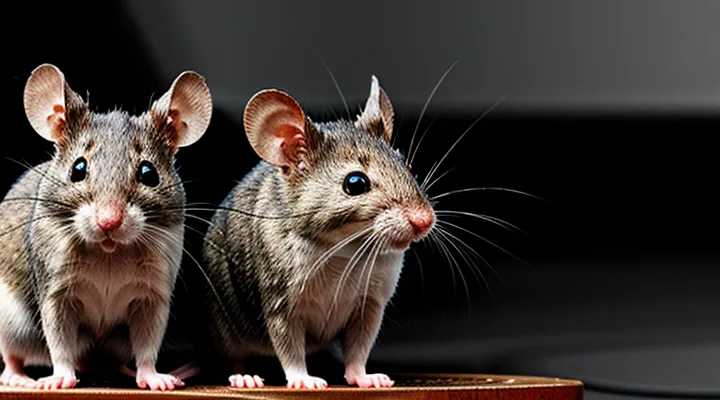
What Are Ultrasonic Vocalizations?
Definition and Characteristics
Ultrasonic vocalizations produced by mice are brief acoustic emissions with frequencies above the range of human hearing, typically exceeding 20 kHz. These sounds originate from the larynx and are generated during specific behavioral states such as social interaction, distress, or mating. The emissions serve as a primary channel for rapid information exchange among individuals.
Key characteristics
- Frequency spectrum: 20 kHz to 110 kHz, with distinct peaks that correlate with call type.
- Duration: 5 ms to 200 ms per syllable, often organized into patterned sequences.
- Amplitude: 40 dB to 80 dB SPL (re 20 µPa), varying with distance and environmental attenuation.
- Modulation: frequency sweeps, stepwise jumps, and harmonic structures encode contextual cues.
- Temporal patterning: inter‑call intervals range from tens to hundreds of milliseconds, shaping the overall rhythm of communication.
These attributes enable mice to convey precise messages while remaining inaudible to many predators and competitors.
Discovery and Historical Context
Early investigations of rodent vocal activity began in the 1950s when researchers recorded sounds beyond the audible range using bat‑detector equipment. Those initial recordings revealed that mice emit brief, high‑frequency pulses that could not be perceived by human listeners.
The 1970s saw the introduction of ultrasonic microphones and spectrum analyzers, enabling systematic measurement of frequency, duration, and amplitude. By the 1990s, digital signal‑processing tools allowed precise classification of call types and correlation with specific behavioral contexts.
Key milestones in the study of mouse ultrasonic vocalizations:
- 1977 – First detailed spectrographic description of adult male courtship calls.
- 1985 – Identification of pup distress calls triggered by maternal separation.
- 1994 – Development of the “ultrasonic vocalization recorder” (USVR) for continuous home‑cage monitoring.
- 2001 – Demonstration that call structure varies with genetic background, linking vocal patterns to neurobehavioral phenotypes.
- 2012 – Application of high‑speed video and acoustic synchrony to map motor patterns underlying call production.
These historical advances established ultrasonic vocal output as a reliable indicator of social interaction, emotional state, and genetic influence in murine models, providing a foundation for contemporary research on communication and neuropsychiatric disorders.
Why Do Mice Use Ultrasound?
Social Bonding and Mating Rituals
Mice emit high‑frequency vocalizations that are inaudible to humans but convey precise information during social interactions. These ultrasonic signals are produced by both sexes and vary with the animal’s physiological state, immediately influencing affiliative and reproductive behavior.
During the formation of social bonds, mice generate a distinct set of calls characterized by short duration and modest frequency modulation. These vocalizations occur when individuals engage in mutual grooming, nest building, or encounter familiar conspecifics. The acoustic pattern serves as a rapid identifier, allowing mice to recognize kin or established partners and to coordinate cooperative activities.
In the context of mating, males emit a repertoire of longer, frequency‑swept calls that intensify as they approach a potential mate. Females respond with brief, high‑pitch notes that indicate receptivity. The exchange proceeds through several stages:
- Initial male approach: low‑amplitude, broadband calls.
- Courtship escalation: rapid frequency modulation, increased call rate.
- Female acceptance: short, high‑frequency chirps.
- Post‑copulatory reinforcement: synchronized vocal bursts between both partners.
These vocal exchanges synchronize physiological arousal, stimulate hormone release, and reinforce pair formation. Disruption of specific call patterns correlates with reduced mating success and weakened social cohesion.
Research on mouse ultrasonic communication provides a quantitative framework for decoding social and reproductive signals. Precise measurement of call structure, timing, and context enables the identification of neural circuits governing affiliation and mate choice, offering a model for broader mammalian communication studies.
Courtship and Sexual Dimorphism in Calls
Male mice emit ultrasonic vocal sequences that intensify during the approach to a receptive female. These calls consist of rapid frequency-modulated sweeps that peak between 50 and 80 kHz, often arranged in stereotyped bouts lasting several seconds. The temporal structure—burst duration, inter‑call interval, and syllable complexity—correlates with the male’s progress through the courtship phases of investigation, mounting, and ejaculation. Females, by contrast, produce far fewer calls; when they vocalize, the emissions are typically lower in frequency (30–45 kHz) and consist of simple, broadband chirps.
Sexual dimorphism manifests in three measurable parameters:
- Frequency range: males dominate the higher ultrasonic band; females occupy the lower band.
- Syllable repertoire: males display a larger inventory of distinct syllable types, including upward sweeps, jumps, and complex concatenations; females are limited to flat or modestly modulated tones.
- Call rate: males generate calls at a rate of 5–10 calls s⁻¹ during active courtship, while females emit less than 1 call s⁻¹ under comparable conditions.
Neurophysiological studies link these differences to sex‑specific activation of the periaqueductal gray and the amygdala, regions that govern vocal motor output. Hormonal modulation, particularly testosterone, enhances the excitability of premotor neurons responsible for high‑frequency syllables, whereas estrogen biases the circuitry toward low‑frequency, simpler calls.
Behavioral experiments demonstrate that females preferentially approach males whose vocalizations exhibit higher complexity and greater frequency modulation. Playback of male‑typical calls accelerates female locomotion and increases the likelihood of mounting behavior, indicating that ultrasonic courtship signals convey information about male fitness and reproductive intent.
Parent-Offspring Interactions
Ultrasonic vocalizations serve as the primary acoustic channel through which mouse pups signal their needs to caregivers. When isolated from the nest, neonates emit high‑frequency calls that increase in rate and amplitude, indicating distress and prompting maternal attention. These distress calls differ acoustically from solicitation calls produced during feeding bouts, which display shorter durations and higher peak frequencies.
Mothers respond rapidly to pup emissions. Detection of distress calls triggers nest‑entry, pup retrieval, and an increase in nursing bouts. Playback of recorded pup calls elicits the same sequence of behaviors, confirming that acoustic cues alone drive maternal actions. In strains where paternal care is present, fathers also exhibit approach and grooming responses to pup vocalizations, though the latency and intensity are lower than maternal reactions.
Call characteristics evolve with development. Within the first post‑natal week, pups shift from broadband, low‑frequency distress calls to narrowband, high‑frequency solicitation calls. By weaning, vocal output declines markedly, and the remaining calls serve social functions among juveniles rather than caregiver solicitation.
Key observations from experimental studies:
- Playback of pup distress calls induces immediate nest‑entry and pup‑retrieval in naïve females.
- Lesions of the auditory cortex reduce maternal responsiveness, indicating central processing of ultrasonic cues.
- Genetic knockouts affecting the Foxp2 gene alter call structure and delay maternal retrieval, linking vocal production to caregiver perception.
- Cross‑fostering experiments show that mothers adapt to the acoustic profile of foreign litters, demonstrating plasticity in auditory discrimination.
Overall, ultrasonic communication establishes a bidirectional feedback loop: pups generate species‑specific high‑frequency signals, and caregivers adjust provisioning behavior based on acoustic information. This loop underlies the efficiency of early life provisioning and shapes the developmental trajectory of social behavior in mice.
Territorial Defense and Aggression
Mice emit ultrasonic vocalizations (USVs) that serve as immediate cues during territorial disputes and aggressive encounters. When an intruder enters a resident’s enclosure, the resident produces short, high‑frequency bursts (approximately 70–80 kHz) that accompany rapid lung bursts and tail‑raised postures. These calls precede physical attacks and function as warning signals, allowing the intruder to assess risk before escalation.
Specific acoustic features differentiate defensive from offensive contexts. Defensive USVs often display:
- Lower peak frequency (∼70 kHz)
- Brief duration (≤30 ms)
- Repetitive, rhythmic pattern
Offensive vocalizations typically exhibit:
- Higher peak frequency (∼80–90 kHz)
- Longer duration (up to 100 ms)
- Irregular intervals
Laboratory studies confirm that playback of defensive USVs reduces exploratory behavior in naïve mice, while playback of offensive USVs increases freezing and avoidance. Electrophysiological recordings reveal that the medial amygdala and ventral tegmental area respond selectively to these frequency bands, linking acoustic perception to motivational circuits.
Pharmacological manipulation of the vasopressin system alters USV production: antagonists suppress defensive calls, whereas agonists amplify them, indicating neuropeptide regulation of vocal aggression. Genetic models lacking the Foxp2 transcription factor show reduced call complexity and impaired territorial marking, suggesting a genetic basis for acoustic signaling in dominance hierarchies.
Overall, ultrasonic communication provides a rapid, non‑visual mechanism for establishing and defending spatial boundaries among mice. The precise modulation of frequency, duration, and pattern encodes the animal’s intent, influencing both conspecific behavior and underlying neural pathways.
Alarm Signals and Predator Evasion
Mice produce high‑frequency vocalizations when a predator is detected, and these calls convey immediate danger to nearby conspecifics. The emissions fall within the 40–100 kHz range, last 10–50 ms, and are repeated at intervals of 100–300 ms. Acoustic structure—such as rapid frequency sweeps and amplitude modulation—distinguishes alarm calls from mating or territorial chirps.
Nearby mice respond within milliseconds. The primary reactions include:
- Immediate cessation of movement (freezing) to reduce visual cues;
- Rapid sprint away from the source, often following established escape routes;
- Emission of secondary, lower‑frequency distress calls that may attract additional group members.
Predators such as owls and snakes exhibit reduced attack success when prey freeze, because ultrasonic cues are less detectable to many visual hunters. Conversely, aerial predators that rely on sound detection may be drawn toward the source, prompting mice to switch from freezing to vigorous dispersal.
Experimental observations demonstrate that suppression of ultrasonic alarm production—through genetic manipulation or acoustic masking—significantly increases predation rates. Conversely, heightened alarm frequency correlates with lower capture probability across diverse predator types. Understanding these ultrasonic warning systems refines models of small‑mammal anti‑predator behavior and informs the design of bio‑acoustic monitoring tools.
Navigational Cues
Mice emit ultrasonic vocalizations that encode spatial information, allowing individuals to orient within complex environments. Frequency modulation, pulse duration, and harmonic structure convey distance to obstacles, direction of conspecifics, and the location of resources. These acoustic parameters are processed by the auditory cortex and subcortical pathways, integrating with somatosensory and vestibular inputs to generate precise navigation commands.
Key navigational cues embedded in mouse ultrasonic calls:
- Frequency gradient: higher frequencies attenuate more rapidly, signaling proximity to nearby objects.
- Pulse timing: inter‑pulse intervals correspond to movement speed, enabling synchronization with locomotor patterns.
- Amplitude variation: changes in loudness indicate relative elevation or depth of a target.
- Harmonic content: presence of specific harmonics distinguishes between static landmarks and moving conspecifics.
How Do Mice Produce and Perceive Ultrasound?
Vocalization Mechanisms
Mice generate ultrasonic vocalizations through rapid oscillation of the laryngeal vocal folds, driven by subglottal pressure produced by the diaphragm and intercostal muscles. The small size of the vocal folds, combined with high tension, raises the fundamental frequency into the ultrasonic range (20–100 kHz). Precise modulation of tension and airflow allows mice to produce a repertoire of call types, each associated with distinct social contexts.
Neural control originates in the brainstem nuclei that coordinate respiratory and laryngeal musculature. Motor neurons innervating the cricothyroid and thyroarytenoid muscles adjust fold length and stiffness, while premotor circuits in the periaqueductal gray integrate sensory feedback to shape call structure. This circuitry enables millisecond-level timing adjustments essential for the high-frequency modulation observed in mouse calls.
Acoustic properties result from the interaction of vocal fold vibration with the supralaryngeal tract. The oral cavity and nasal passages act as resonators, filtering the raw signal and enhancing specific harmonic components. Changes in mouth opening, tongue position, and nasal airflow produce spectral shifts that convey information about the emitter’s physiological state.
Key mechanisms of mouse ultrasonic vocalization:
- Laryngeal tension regulation: cricothyroid muscle contraction increases stretch, elevating pitch.
- Subglottal pressure modulation: diaphragm and intercostal activity control airflow magnitude.
- Neural timing control: brainstem nuclei synchronize respiratory and laryngeal cycles.
- Vocal tract shaping: dynamic adjustments of oral and nasal cavities refine spectral content.
Larynx and Airflow Dynamics
Mice emit ultrasonic vocalizations that originate in the laryngeal apparatus and are driven by rapid airflow through the vocal folds. The organ’s miniature size—approximately 1 mm in length—contains a pair of thin, tension‑adjustable vocal folds anchored to a cartilaginous framework. Muscular control of the cricothyroid and thyroarytenoid muscles alters fold length and stiffness, directly influencing the resonant frequency of the emitted sound.
Airflow dynamics govern the generation of high‑frequency tones. Subglottal pressure, typically 0.5–1.0 kPa during vocal bursts, forces air across the narrowed glottal gap. The resulting shear forces cause the vocal folds to oscillate at rates exceeding 70 kHz. Bernoulli suction and tissue elasticity together sustain the oscillation, while the rapid opening–closing cycle creates pressure pulses that shape the acoustic waveform.
Key physiological variables that determine ultrasonic output include:
- Subglottal pressure magnitude
- Glottal aperture width
- Vocal fold tension and mass
- Airflow velocity through the glottis
Modulation of any of these parameters produces measurable shifts in call frequency, duration, and amplitude. Experimental manipulations that increase respiratory drive, such as mild hypoxia or pharmacological stimulation, elevate subglottal pressure and raise the fundamental frequency of the vocalization. Conversely, relaxation of the laryngeal muscles expands the glottal gap, reduces oscillation rate, and lowers the ultrasonic pitch.
These relationships permit quantitative assessment of mouse communication. By recording pressure transients and airflow rates concurrently with acoustic signals, researchers can infer the biomechanical state of the larynx during social interactions. The approach yields objective markers for behavioral phenotyping, neurogenetic studies, and pharmacological testing.
Neural Control of Call Production
The production of ultrasonic vocalizations in mice is driven by a tightly coordinated brainstem circuit that converts motor commands into rapid laryngeal movements. Premotor neurons in the periaqueductal gray (PAG) initiate vocal bouts, sending excitatory projections to the nucleus ambiguus, which directly controls the intrinsic laryngeal muscles. Synaptic inputs from the forebrain, particularly the prefrontal cortex and the amygdala, modulate PAG activity, allowing emotional and social contexts to shape call timing and intensity.
Key components of the vocal motor pathway include:
- Periaqueductal gray (PAG): Generates the basic rhythm of ultrasonic calls.
- Nucleus ambiguus: Executes the final motor output to the larynx.
- Hypoglossal nucleus: Adjusts tongue position, influencing acoustic structure.
- Forebrain modulators (prefrontal cortex, amygdala): Provide contextual gating of vocal initiation.
Neurotransmitter systems fine‑tune this circuitry. Glutamatergic transmission within the PAG sustains call generation, while GABAergic interneurons impose precise inhibitory control, preventing premature or overlapping vocalizations. Dopaminergic projections from the ventral tegmental area influence call frequency by altering the excitability of PAG neurons, linking reward processing to vocal output.
Experimental manipulation of these regions—using optogenetics, chemogenetics, or lesion studies—demonstrates causality. Activation of PAG neurons reliably induces ultrasonic bursts, whereas silencing the nucleus ambiguus abolishes call production without affecting breathing. Such findings establish a hierarchical architecture: higher‑order brain areas set motivational tone, the PAG defines call pattern, and brainstem motor nuclei execute the acoustic signal.
Auditory Perception
Mice emit ultrasonic vocalizations that exceed the human hearing threshold, yet their auditory systems are tuned to detect and interpret these high‑frequency cues. The cochlear architecture of rodents includes hair cells specialized for frequencies up to 100 kHz, allowing precise discrimination of call structure, intensity, and temporal pattern. Central auditory pathways, particularly the inferior colliculus and auditory cortex, process these signals with millisecond resolution, supporting rapid behavioral responses.
Key aspects of mouse auditory perception include:
- Frequency selectivity: Tonotopic organization preserves fine spectral distinctions, enabling identification of individual callers and social contexts.
- Temporal acuity: Phase‑locking of auditory nerve fibers to ultrasonic waveforms provides accurate timing information crucial for rhythm‑based communication.
- Amplitude modulation sensitivity: Mice detect subtle changes in signal strength, which convey emotional state and urgency.
Neurophysiological recordings demonstrate that exposure to conspecific ultrasonic calls elicits synchronized firing across auditory nuclei, reinforcing stimulus–response coupling. Behavioral assays reveal that mice alter locomotion, grooming, and aggression patterns in direct correlation with specific vocal parameters, confirming that acoustic perception drives adaptive actions.
Research employing genetically modified strains shows that disruption of mechanotransduction channels or cortical circuitry impairs ultrasonic discrimination, leading to deficits in social hierarchy formation and maternal care. These findings underscore the integral role of high‑frequency auditory processing in mouse communication and survival.
Specialized Hearing Apparatus
Mice communicate primarily through ultrasonic vocalizations that exceed the audible range of humans. Capturing these signals requires equipment engineered to detect frequencies up to 100 kHz and beyond. The core components of a specialized hearing apparatus include:
- Broadband ultrasonic microphones: Condenser or piezoelectric transducers with flat frequency response across 20–120 kHz, low self‑noise, and high sensitivity to minute pressure fluctuations.
- Low‑noise preamplifiers: Devices positioned close to the microphone to boost signal amplitude while preserving spectral integrity; gain settings typically range from 20 to 40 dB.
- Anti‑aliasing filters: Analog or digital filters that restrict bandwidth to half the sampling rate, preventing high‑frequency artifacts from contaminating recordings.
- High‑speed analog‑to‑digital converters: Converters operating at sampling rates of 250 kHz or higher, delivering 16‑bit or greater resolution to resolve subtle amplitude variations.
- Acoustic isolation chambers: Enclosures lined with sound‑absorbing material that eliminate ambient noise and reverberations, ensuring that only mouse‑generated sounds reach the transducer.
- Data acquisition software: Programs capable of real‑time spectrographic analysis, automated event detection, and batch processing for large datasets.
Calibration procedures involve generating reference tones at known frequencies and amplitudes, then adjusting microphone sensitivity and amplifier gain until measured output matches the reference. Regular calibration compensates for drift caused by temperature fluctuations or component aging.
Signal processing pipelines typically apply the following steps: band‑pass filtering to isolate the ultrasonic band, noise reduction via spectral subtraction, and segmentation of vocal bouts based on amplitude thresholds. Resulting spectrograms provide time‑frequency representations that reveal call structure, duration, and harmonic content.
Effective deployment of this apparatus enables researchers to link specific ultrasonic patterns to behavioral contexts such as mating, aggression, or pup‑care, thereby advancing the interpretation of mouse communication.
Brain Regions Involved in Processing
Mouse ultrasonic vocalizations are processed by a network of auditory and limbic structures. The primary auditory cortex receives frequency‑specific input and encodes spectral features essential for discrimination. The secondary auditory cortex refines temporal patterns and contributes to species‑specific call classification.
The midbrain inferior colliculus integrates bilateral acoustic inputs, extracts amplitude modulations, and forwards processed signals to thalamic nuclei. The ventral division of the medial geniculate body relays this information to cortical areas, preserving timing cues critical for communication.
Limbic regions modulate emotional relevance. The amygdala evaluates threat or affiliative content embedded in call structure, influencing behavioral responses. The hippocampus registers contextual associations between vocalizations and environmental cues, supporting memory formation.
Prefrontal cortical areas, particularly the medial prefrontal cortex, coordinate decision‑making based on auditory input and affective valuation. The basal ganglia, through the striatum, contribute to motor planning for vocal production and response execution.
Key components of the processing circuit include:
- Primary auditory cortex (A1)
- Secondary auditory cortex (A2)
- Inferior colliculus (IC)
- Medial geniculate body (MGB)
- Amygdala
- Hippocampus
- Medial prefrontal cortex (mPFC)
- Striatum
Collectively, these regions transform high‑frequency mouse calls into perceptual, emotional, and motor outcomes that guide social interaction and survival.
Environmental Factors Influencing Perception
Mice emit ultrasonic vocalizations that serve as primary channels for social and defensive communication. The ability of a receiver to detect these signals depends on external conditions that alter sound transmission and reception.
Temperature and humidity modify air density, which changes the speed of sound and the attenuation rate of high‑frequency components. Warmer, more humid air reduces attenuation, allowing calls to travel farther; cooler, drier air increases absorption, shortening effective range.
Background ultrasonic noise creates a competing acoustic field. Mechanical equipment, ventilation systems, and the vocalizations of other species generate continuous or intermittent noise that lowers the signal‑to‑noise ratio and can obscure faint calls. Effective detection requires that the amplitude of the target vocalization exceed the ambient noise floor by several decibels.
Physical structures within the environment influence propagation paths. Solid barriers, cage walls, and bedding absorb and reflect ultrasonic waves, producing reverberation and shadow zones. The geometry of the enclosure determines the directionality of the sound field and can produce blind spots where receivers fail to perceive calls.
Physiological state of the mouse, modulated by circadian lighting cycles, indirectly affects auditory sensitivity. Light‑driven hormonal changes alter the threshold of the auditory system, thereby shifting the perceptual window for ultrasonic signals.
Key environmental variables that shape perception:
- Ambient temperature (°C) and relative humidity (%)
- Continuous and intermittent ultrasonic background noise levels (dB SPL)
- Structural composition of the housing (material, thickness, layout)
- Bedding density and arrangement
- Lighting schedule influencing hormonal rhythms
Researchers must control or quantify these factors to ensure that observed behavioral responses reflect genuine acoustic communication rather than artifacts of the testing environment. Accurate interpretation of ultrasonic vocalization data therefore requires systematic assessment of temperature, humidity, noise, enclosure design, and lighting conditions.
Research Methods and Technologies
Recording Techniques
Accurate capture of mouse ultrasonic vocalizations requires specialized hardware and precise methodological control. Microphones must operate within the 20–100 kHz range, provide flat frequency response, and possess low self‑noise to preserve signal integrity. Typical configurations include condenser or electret transducers positioned 5–10 cm from the animal, coupled with preamplifiers that deliver gain without distortion. Calibration against a known ultrasonic source ensures consistent amplitude measurements across sessions.
Key components of a recording system are:
- Ultrasonic microphone (e.g., condenser, 20–100 kHz bandwidth)
- Low‑noise preamplifier with adjustable gain
- High‑sampling‑rate analog‑to‑digital converter (minimum 250 kS/s)
- Shielded recording chamber to minimize acoustic reflections and external noise
- Software capable of real‑time spectrographic display and batch export (e.g., Avisoft SASLab, MATLAB scripts)
Data acquisition protocols must control ambient temperature, lighting, and social context, as these variables influence vocal output. Recordings are stored in lossless formats (WAV) to avoid compression artifacts. Subsequent analysis involves band‑pass filtering to isolate the ultrasonic band, detection of syllable onset/offset using amplitude thresholds, and extraction of temporal and spectral features such as duration, peak frequency, and frequency modulation. Automated pipelines reduce observer bias and increase throughput, while manual verification remains essential for rare or ambiguous calls.
Microphones and Data Acquisition
Microphones designed for recording mouse ultrasonic vocalizations must capture frequencies up to 100 kHz with minimal distortion. Piezoelectric transducers and high‑frequency condenser capsules provide the required bandwidth; their small diaphragms reduce acoustic mass, preserving signal fidelity. Positioning the sensor within 5 cm of the animal chamber limits attenuation, while acoustic dampening material around the microphone prevents reflections that could mask subtle calls.
Data acquisition systems translate the analog output into digital records suitable for quantitative analysis. Critical parameters include:
- Sampling rate: at least 250 kS/s to satisfy the Nyquist criterion for 100 kHz signals and to retain waveform shape.
- Resolution: 16‑bit converters ensure adequate dynamic range for low‑amplitude ultrasonic bursts.
- Anti‑aliasing filter: analog low‑pass filter set just below half the sampling frequency eliminates spurious components.
- Input impedance: matching the microphone’s output minimizes loading effects and preserves signal amplitude.
Synchronizing multiple channels enables correlation of vocalizations with behavioral or physiological measurements. Software platforms that support real‑time spectrogram visualization and batch processing streamline the extraction of call duration, peak frequency, and amplitude. Calibration against a known ultrasonic source establishes absolute sound pressure levels, allowing comparison across experiments.
Proper grounding and shielding of cables reduce electromagnetic interference, which otherwise appears as broadband noise in the ultrasonic band. Regular verification of system performance prevents drift in frequency response and maintains the reliability of recorded data.
Software for Analysis
Software designed for the analysis of mouse ultrasonic vocalizations must handle high‑frequency recordings, typically ranging from 20 kHz to 120 kHz. Core functions include digitization of analog signals, noise reduction, and time‑frequency conversion. Accurate spectrogram generation enables visualization of syllable structure and temporal patterns.
Key capabilities expected from such tools:
- Automatic detection of vocal events based on amplitude thresholds and frequency bands.
- Segmentation of continuous recordings into discrete syllables with precise onset and offset timestamps.
- Extraction of acoustic parameters such as peak frequency, bandwidth, duration, and modulation rate.
- Classification algorithms that assign syllables to predefined categories using machine‑learning models (e.g., support vector machines, neural networks).
- Statistical modules for comparing groups, generating summary tables, and performing hypothesis testing.
- Batch processing to analyze large datasets without manual intervention.
- Export options for common formats (CSV, MATLAB, HDF5) facilitating downstream analysis.
User interface considerations affect reproducibility. Graphical environments provide interactive editing of detection thresholds and real‑time preview of spectrograms, while command‑line interfaces enable scripting and integration into automated pipelines. Documentation should include step‑by‑step tutorials, API references, and example datasets.
Open‑source platforms such as DeepSqueak, Avisoft SASLab Pro, and USVSEG offer extensibility through community‑contributed plugins and transparent algorithms. Commercial packages often provide dedicated support, validated workflows, and streamlined licensing for institutional use.
Selection criteria for a suitable analysis suite involve compatibility with recording hardware, scalability to multi‑channel data, and the ability to incorporate custom classification models. Comprehensive evaluation of these factors ensures accurate interpretation of mouse ultrasonic communication.
Manipulating Vocalizations
Researchers manipulate mouse ultrasonic vocalizations to explore the neural and behavioral mechanisms underlying communication. By altering the acoustic structure, timing, or frequency range of emitted calls, scientists can assess how receivers interpret specific signal features and how these features influence social outcomes such as mating, aggression, and parental care.
Experimental approaches include:
- Playback modification – recorded calls are digitally filtered, frequency‑shifted, or time‑compressed before being presented to test subjects. This isolates the effect of individual acoustic parameters.
- Genetic engineering – targeted knock‑out or knock‑in of genes involved in vocal tract development or auditory processing changes the repertoire of produced sounds, revealing gene‑behavior relationships.
- Optogenetic control – light‑activated channels expressed in brain regions that generate vocal output allow precise activation or inhibition during call production, linking neural activity to specific vocal patterns.
- Pharmacological manipulation – administration of neuromodulators such as dopamine or oxytocin modifies call rate and structure, indicating the influence of neurotransmitter systems on vocal behavior.
Data obtained from these manipulations demonstrate that mice rely on fine‑grained spectral cues to discriminate conspecifics, assess emotional state, and coordinate group dynamics. Adjustments to call frequency can shift perceived dominance, while temporal alterations affect synchronization during group vocal exchanges. The convergence of behavioral assays, neurophysiological recordings, and computational analysis provides a comprehensive framework for interpreting the functional significance of altered ultrasonic vocalizations.
Genetic and Pharmacological Approaches
Genetic manipulation provides direct access to the neural circuits that generate ultrasonic vocalizations in rodents. Targeted deletion of genes encoding synaptic proteins, such as neuroligin‑3, reduces call frequency and alters acoustic structure, indicating a causal link between specific molecular pathways and vocal output. CRISPR‑mediated editing of transcription factors that govern auditory cortex development produces predictable shifts in call repertoire, allowing researchers to map genotype‑phenotype relationships with high resolution. Transgenic lines expressing fluorescent reporters under the control of vocal‑related promoters enable real‑time imaging of activated neuronal populations during emission of high‑frequency calls.
Pharmacological intervention complements genetic tools by modulating neurotransmitter systems on a reversible timescale. Administration of selective dopamine D2 antagonists attenuates call rate during social interaction, demonstrating dopaminergic control of vocal drive. Systemic or intracerebral delivery of oxytocin receptor agonists enhances call amplitude and synchrony among conspecifics, implicating the oxytocinergic pathway in social communication. Blockade of NMDA receptors with ketamine produces fragmented and low‑intensity calls, revealing glutamatergic contributions to acoustic precision.
Combined use of these approaches yields a robust experimental framework:
- Generate knockout or knock‑in mouse lines for candidate genes.
- Apply CRISPR edits to modify regulatory elements governing vocal circuitry.
- Record ultrasonic emissions before and after drug administration.
- Correlate behavioral changes with electrophysiological signatures from targeted brain regions.
- Validate findings through rescue experiments using viral vector–mediated gene re‑expression or pharmacological agonist treatment.
The integration of genetic and pharmacological strategies thus delineates the molecular and circuit mechanisms underlying high‑frequency mouse communication, providing a precise interpretive model for ultrasonic signal meaning.
Behavioral Experiments
Behavioral experiments that examine mouse ultrasonic vocalizations rely on precise acoustic recording equipment, controlled environmental conditions, and well‑defined behavioral paradigms. Researchers typically place subjects in a sound‑attenuated chamber equipped with ultrasonic microphones capable of detecting frequencies above 20 kHz. Video tracking synchronizes locomotor data with vocal output, enabling correlation of specific call types with observable actions.
Common experimental designs include:
- Social interaction assays – pairing a male with a receptive female or introducing an unfamiliar conspecific; vocal emission is quantified during approach, mounting, and withdrawal phases.
- Maternal separation tests – isolating pups from the dam; pups emit distress calls that are recorded to assess the intensity and temporal pattern of vocal responses.
- Predator cue exposure – presenting a synthetic predator odor or a model predator; the resulting alarm calls provide insight into threat‑related communication.
- Operant conditioning tasks – training mice to press a lever for a reward while monitoring vocalizations; this setup evaluates the relationship between motivation, reinforcement, and call production.
Data analysis distinguishes call categories (e.g., frequency‑modulated, flat, trill) using automated algorithms that extract duration, peak frequency, and bandwidth. Statistical comparison across conditions reveals patterns such as increased call rate during mating encounters, heightened distress vocalizations during pup separation, and suppression of vocal output in the presence of predator cues.
Interpretation of these results links specific ultrasonic signatures to underlying emotional states, social intentions, and environmental assessments. Consistency of findings across laboratories supports the use of mouse ultrasonic communication as a reliable behavioral marker for studies of neurogenetics, pharmacology, and disease models.
Ultrasonic Signals in Disease Models
Neurological Disorders
Ultrasonic vocalizations emitted by laboratory mice serve as a quantitative behavioral readout that reflects neural circuit function. Variations in call frequency, duration, and syntax have been repeatedly correlated with the presence of neurological pathology, making them a valuable proxy for disease‑related alterations in brain activity.
- Autism spectrum disorder models – reduced call count and simplified syllable repertoire during social interaction.
- Schizophrenia models – increased call latency and irregular frequency modulation after pharmacological challenge.
- Parkinsonian models – diminished amplitude and prolonged inter‑call intervals following nigrostriatal degeneration.
- Epilepsy models – abrupt bursts of high‑frequency calls preceding seizure onset.
- Huntington’s disease models – progressive loss of call diversity and shift toward lower frequency bands.
Accurate assessment requires calibrated microphones, sound‑attenuated chambers, and automated software capable of extracting spectral and temporal features. Standardization of recording age, social context, and stimulus presentation minimizes variability and enhances reproducibility across laboratories.
The alignment of mouse ultrasonic patterns with human neurophysiological signatures supports their use in preclinical screening. Pharmacological agents that normalize aberrant call profiles often demonstrate efficacy in later clinical trials, indicating that these signals can predict therapeutic potential before invasive procedures are employed.
Autism Spectrum Disorder
Mouse ultrasonic vocalizations (USVs) serve as a primary behavioral readout for neurodevelopmental studies. In rodent models of autism spectrum disorder (ASD), alterations in USV frequency, duration, and patterning provide measurable indicators of social communication deficits that parallel human phenotypes. Researchers employ genetically engineered mice carrying mutations linked to ASD, such as Shank3, Cntnap2, and Fmr1, to assess how these genes influence vocal output during pup–mother interactions and adult social encounters.
Experimental data consistently show that ASD‑model mice emit fewer calls, display reduced call complexity, and exhibit atypical temporal sequencing compared to wild‑type controls. These deviations emerge early in development, often detectable within the first two weeks post‑natal, and persist into adulthood, reflecting persistent communication impairments. Quantitative analyses of USV spectrograms enable precise characterization of call categories (e.g., upward sweeps, flat tones) and facilitate cross‑species comparisons with human infant cry patterns.
The translational value of mouse USV research lies in its capacity to:
- Identify candidate therapeutic agents that restore normal vocalization profiles;
- Validate the functional impact of specific genetic variants on social communication circuitry;
- Provide a high‑throughput platform for screening environmental modifiers of ASD‑related behaviors.
Integration of USV metrics with neurophysiological recordings and brain imaging advances the understanding of how circuit dysfunction translates into observable communication anomalies. Consequently, mouse ultrasonic vocalizations constitute a robust, quantifiable proxy for investigating the biological substrates of autism spectrum disorder.
Schizophrenia
Mouse ultrasonic vocalizations (USVs) serve as a non‑invasive readout of affective and social states, making them valuable for assessing neuropsychiatric phenotypes. In rodent models of schizophrenia, alterations in USV frequency, duration, and call repertoire emerge during developmental periods that correspond to symptom onset in humans. These acoustic signatures reflect disruptions in neural circuits governing sensorimotor gating, reward processing, and social communication.
Key observations linking USVs to schizophrenia‑related pathology include:
- Reduced call rate and complexity during juvenile isolation, mirroring negative symptomatology.
- Abnormal peak frequencies in adult mice carrying DISC1 or NMDA‑receptor mutations, indicative of dopaminergic dysregulation.
- Impaired habituation to repeated acoustic stimuli, paralleling deficits in pre‑pulse inhibition.
Pharmacological validation demonstrates that antipsychotic agents such as clozapine normalize USV patterns in genetically susceptible strains, while dopamine agonists exacerbate abnormalities. This pharmacodynamic correlation supports USVs as a translational biomarker for drug efficacy.
Integrating USV analysis with electrophysiological and imaging data enhances mechanistic insight. For instance, simultaneous recording of hippocampal theta oscillations and USVs reveals synchronized activity disruptions in models exhibiting cognitive deficits. Such multimodal approaches refine the interpretation of ultrasonic signals as proxies for underlying neurobiological disturbances associated with schizophrenia.
Anxiety and Depression
Mice emit ultrasonic vocalizations (USVs) that serve as reliable biomarkers for affective states. Elevated emission of 22‑kHz calls correlates with heightened anxiety, while reduced frequency and duration of 50‑kHz calls indicate depressive-like behavior. Researchers measure call parameters—frequency, duration, and amplitude—to quantify these emotional conditions.
Key acoustic signatures associated with anxiety and depression include:
- Persistent 22‑kHz calls during exposure to stressors such as predator odor or confinement.
- Decreased burst rate of 50‑kHz calls following chronic mild stress protocols.
- Shortened call duration and lower peak amplitude in mice displaying anhedonia in sucrose preference tests.
Interpretation of USV patterns enables early detection of mood disturbances, facilitates evaluation of pharmacological interventions, and supports translational studies linking rodent affective phenotypes to human psychiatric disorders.
Drug Discovery and Development
Mouse ultrasonic vocalizations provide a quantifiable behavioral phenotype that reflects neural circuit activity. Researchers capture these high‑frequency calls with specialized microphones and analyze parameters such as call frequency, duration, and pattern complexity.
The acoustic profile serves as a pharmacodynamic biomarker. Compounds that modulate neurotransmitter systems produce reproducible shifts in call characteristics, enabling rapid assessment of target engagement. Parallel measurement of call alterations and conventional physiological endpoints strengthens confidence in efficacy signals.
Key advantages include:
- Non‑invasive acquisition without anesthesia, preserving natural behavior.
- High‑throughput compatibility with automated recording chambers.
- Sensitivity to subtle neurochemical changes, supporting dose‑response mapping.
- Relevance to human conditions where vocal communication is affected, enhancing translational value.
In the drug development workflow, ultrasonic recordings contribute at multiple stages:
- Target validation – genetic or pharmacological manipulation of candidate pathways yields distinct vocal signatures, confirming biological relevance.
- Lead optimization – iterative testing of analogues quantifies functional improvements through call modulation, guiding structure‑activity decisions.
- Preclinical safety – adverse neurobehavioral effects manifest as abnormal vocal patterns, providing early toxicity warnings.
- Efficacy proof‑of‑concept – demonstration of normalized vocal output in disease models supports progression to clinical trials.
Integration of mouse ultrasonic metrics shortens discovery timelines by delivering early, objective readouts that align with regulatory expectations for biomarker‑driven development. The approach enhances decision‑making precision, reduces attrition risk, and accelerates translation of novel therapeutics.
The Future of Ultrasonic Research
Advanced Bioacoustics
Advanced bioacoustics provides quantitative frameworks for interpreting the ultrasonic vocalizations emitted by laboratory mice. These emissions occupy the 30–110 kHz range and convey information about social hierarchy, reproductive status, and stress levels. Precise acoustic descriptors—frequency modulation, harmonic structure, temporal pattern—correlate with specific behavioral contexts, enabling objective assessment of phenotypic traits.
Signal acquisition relies on calibrated ultrasonic microphones paired with high‑resolution analog‑to‑digital converters. Data preprocessing includes band‑pass filtering (30–110 kHz), noise reduction, and amplitude normalization. Subsequent analysis extracts parameters such as peak frequency, bandwidth, call duration, and inter‑call intervals. Spectrotemporal representations support both manual annotation and automated classification.
Key applications of this discipline include:
- Behavioral phenotyping: Differentiation of mutant strains based on call repertoire complexity.
- Neurodegenerative disease models: Early detection of communication deficits in mouse models of Parkinson’s and Alzheimer’s disease.
- Pharmacological screening: Evaluation of drug effects on vocal output as a proxy for central nervous system activity.
- Neural circuit mapping: Correlation of electrophysiological recordings with real‑time vocal production.
Machine‑learning pipelines—convolutional neural networks applied to spectrograms—enhance classification accuracy and reduce observer bias. Integration of acoustic metrics with genetic and physiological datasets drives multidisciplinary insights into mammalian communication mechanisms.
Machine Learning for Call Analysis
Machine learning provides a systematic approach for extracting quantitative information from mouse ultrasonic vocalizations, reducing reliance on manual annotation and increasing reproducibility. Automated pipelines handle large datasets, detect subtle variations in call structure, and enable statistical comparison across experimental groups.
A typical analysis workflow includes several stages. First, high‑frequency recordings are digitized and filtered to remove background noise. Second, signal segmentation isolates individual calls using threshold‑based or adaptive algorithms. Third, feature extraction converts each call into a vector of descriptors such as duration, peak frequency, bandwidth, spectral entropy, and time‑frequency contours. Finally, supervised or unsupervised learning models classify calls, cluster call types, or predict phenotypic outcomes.
Common supervised models for call classification are:
- Convolutional neural networks applied to spectrogram images.
- Recurrent neural networks that capture temporal dynamics of frequency sweeps.
- Gradient‑boosted decision trees that operate on handcrafted feature vectors.
Model performance is assessed with cross‑validation and metrics including accuracy, precision, recall, F1‑score, and area under the ROC curve. Confusion matrices reveal systematic misclassifications and guide feature refinement.
Applications extend to genotype‑phenotype mapping, pharmacological screening, and early‑disease detection. Ongoing research integrates multimodal data, such as video tracking and electrophysiology, to enrich predictive models and uncover relationships between ultrasonic communication and underlying neural circuits.
Implications for Pest Control
High‑frequency vocalizations emitted by mice convey information about location, reproductive status, and threat perception. These signals travel beyond the range of human hearing, allowing mice to coordinate movements while remaining undetected by predators and humans. Researchers have mapped specific ultrasonic patterns to distinct behavioral states, establishing a reliable acoustic signature for each condition.
The acoustic profile enables precise monitoring of infestations. Sensors calibrated to the relevant frequency band can detect the presence of rodents in real time, delivering alerts that reduce reliance on visual inspections. Continuous data streams support trend analysis, identifying peak activity periods and informing the timing of control measures.
Practical applications for pest management include:
- Development of deterrent devices that emit counter‑signals disrupting communication and discouraging settlement.
- Integration of acoustic traps that trigger only when target vocalizations are recognized, increasing capture efficiency while minimizing non‑target impact.
- Implementation of automated reporting systems linking detection hardware to centralized dashboards, facilitating rapid response deployment.
Adopting ultrasonic‑based technologies refines the specificity of interventions, lowers labor costs, and improves outcome predictability compared with conventional baiting or chemical approaches.