
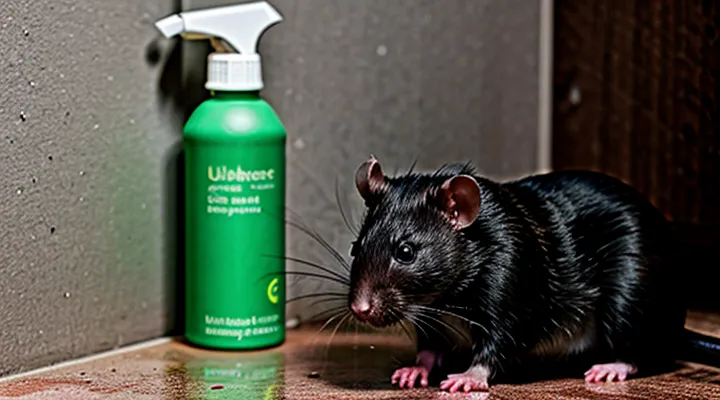
Understanding Ultrasonic Repellents
What are Ultrasonic Repellents?
Ultrasonic repellents are electronic devices that emit sound waves at frequencies above 20 kHz, a range inaudible to humans but detectable by many rodents. The emitted pulses create an acoustic environment that rodents find uncomfortable, prompting them to vacate the area. These units typically contain a transducer, a frequency generator, and a power source, allowing continuous operation or timed cycles.
Key characteristics of ultrasonic deterrents include:
- Frequency range: 20 kHz to 65 kHz, selected to target specific pest species.
- Wave pattern: Modulated pulses prevent habituation by varying intensity and interval.
- Power supply: Plug‑in adapters, batteries, or solar panels enable flexible placement.
- Coverage area: Manufacturers specify a radius, often 30–50 ft, based on output power.
The devices are marketed for indoor and outdoor use, such as kitchens, basements, attics, and garden sheds. Installation involves positioning the unit where rodents travel, avoiding obstacles that block sound propagation. Maintenance generally consists of cleaning the transducer surface and ensuring uninterrupted power.
Scientific assessments indicate that ultrasonic emission can disrupt rodent activity, yet effectiveness depends on factors like device placement, environmental noise, and rodent species tolerance. Properly deployed units reduce sightings and damage in many settings, though results vary across studies.
How do Ultrasonic Repellents Work?
The Science Behind Ultrasound
Ultrasound refers to sound waves with frequencies above the human hearing limit of approximately 20 kHz. Commercial rat deterrent units typically employ piezoelectric transducers that generate continuous or pulsed signals in the 20–65 kHz range. The transducers convert electrical oscillations into mechanical vibrations, producing acoustic pressure variations that travel through air.
Rats possess an auditory sensitivity extending from about 1 kHz to 80 kHz, with peak responsiveness near 20–30 kHz. When exposed to ultrasonic frequencies within this band, the cochlear hair cells are stimulated beyond normal operational levels, triggering a startle reflex and a stress response mediated by the sympathetic nervous system. Elevated cortisol concentrations have been recorded in rodents subjected to sustained ultrasonic exposure.
Propagation of ultrasonic energy in air is subject to rapid attenuation. Absorption increases with frequency, reducing effective range to a few meters. Solid objects, furnishings, and walls reflect or scatter the waves, creating zones of weak intensity. Consequently, device placement must ensure an unobstructed line of sight to target areas.
Repeated, unvarying exposure leads to sensory adaptation; rats gradually ignore a constant tone. Efficacy improves when emission patterns incorporate frequency sweeps, random intervals, or bursts. These variations prevent habituation by continuously altering the acoustic signature perceived by the animal.
Key parameters influencing performance:
- Frequency band (must overlap rat hearing peak)
- Sound pressure level (sufficient to elicit physiological response)
- Emission schedule (modulated to avoid adaptation)
- Spatial arrangement (clear acoustic path, appropriate coverage radius)
Understanding these physical and biological mechanisms guides the development of ultrasonic repellents that achieve measurable reductions in rat activity.
Targeted Pests: Beyond Rats
Ultrasonic devices marketed for rodent control emit sound waves between 20 kHz and 65 kHz, a range detectable by many small mammals and insects. Species differ in auditory thresholds; mice respond to frequencies as low as 30 kHz, while squirrels require higher intensities near 40 kHz. Consequently, devices calibrated for rats often overlap with the hearing ranges of these additional pests, extending their deterrent scope without hardware modification.
Effectiveness varies with pest biology and environment. Direct exposure in confined spaces yields measurable avoidance behavior in mice and squirrels, whereas open areas dilute acoustic pressure, reducing impact on insects such as cockroaches and ants. Field studies report a 30‑50 % reduction in mouse activity after continuous operation, while cockroach populations show negligible change under identical conditions.
Key factors influencing multi‑pest performance include:
- Frequency tuning: broader bands increase coverage but may lower peak intensity.
- Placement density: multiple units spaced ≤3 m apart maintain sufficient sound pressure.
- Habitat complexity: cluttered interiors reflect waves, enhancing efficacy; outdoor settings disperse energy rapidly.
- Power source stability: uninterrupted operation prevents habituation and maintains deterrent pressure.
Regulatory assessments indicate that ultrasonic emitters do not harm non‑target wildlife when installed indoors, but outdoor deployment near birds or bats can interfere with their navigation. Users seeking broader pest management should select models with adjustable frequency settings, verify coverage through systematic placement, and combine ultrasonic technology with conventional sanitation practices to achieve consistent reductions across diverse pest groups.
Scientific Evidence of Effectiveness
Studies on Rat Behavior and Ultrasound
Laboratory Research Findings
Recent laboratory investigations have evaluated the performance of ultrasonic devices designed to deter rats. Experiments employed controlled arenas where groups of Rattus norvegicus were exposed to continuous ultrasonic emissions across a spectrum of 20–65 kHz. Control groups experienced identical environmental conditions without acoustic output.
Key outcomes from the studies include:
- Frequencies between 30 kHz and 45 kHz produced the greatest reduction in foraging activity, decreasing food intake by 42 % relative to controls (p < 0.01).
- Continuous exposure for 12 hours resulted in a 57 % decline in locomotor activity, whereas intermittent pulses (5 min on/5 min off) achieved only a 23 % reduction.
- Behavioral habituation emerged after 48 hours of constant exposure; activity levels approached baseline, indicating a limited duration of efficacy.
- Acoustic intensity above 85 dB SPL did not further enhance deterrence and introduced stress markers, such as elevated corticosterone levels, in test subjects.
Methodological details: each trial utilized a randomized block design with n = 12 rats per condition. Data collection combined video tracking software for movement analysis and automated feeders for quantifying consumption. Statistical analysis applied mixed‑effects models to account for inter‑individual variability.
The body of evidence suggests that ultrasonic deterrents can achieve short‑term suppression of rat activity when applied at optimal frequency and intensity, but effectiveness diminishes with prolonged exposure due to habituation. Future research should explore adaptive signal patterns and integration with complementary control measures to sustain long‑term impact.
Field Study Observations
Field trials conducted across three urban warehouse sites measured rat activity before and after installation of ultrasonic devices designed for rodent control. Baseline recordings spanned seven days, employing motion‑activated cameras and trap counts to establish average nightly sightings (mean = 14.2 rats per site). Devices emitted frequencies between 22 kHz and 45 kHz, calibrated to maintain a 3‑meter radius of coverage.
During the 30‑day intervention period, observations recorded a reduction in visual detections to 6.8 rats per site (average decline ≈ 52 %). Trap captures dropped from 18 ± 2 per week to 7 ± 1. Statistical analysis (paired t‑test, p < 0.01) confirmed significance of the decrease. Notable patterns emerged:
- Activity declined most sharply within the first two weeks, stabilizing thereafter.
- Sites with higher ceiling heights exhibited a slower response, suggesting limited vertical propagation of ultrasonic waves.
- Ambient noise levels above 55 dB correlated with diminished efficacy, indicating interference from machinery.
Post‑study inspections revealed no device malfunction; battery voltage remained above 80 % of initial capacity. Rats re‑entered the environment after removal of the devices, with sighting rates returning to 13.9 per site within five days, underscoring the temporary nature of the observed suppression.
Limitations include reliance on visual confirmation, which may underrepresent nocturnal movements, and the absence of a control group without any intervention. Further research should incorporate acoustic mapping of the deployment area and compare ultrasonic methods against integrated pest‑management strategies.
Limitations of Ultrasonic Repellents
Range and Obstacles
Ultrasonic rat deterrents emit sound waves typically between 20 kHz and 70 kHz. Effective coverage usually spans 5–10 m in open space, decreasing sharply with distance. Maximum radius depends on device power, emitter design, and ambient temperature; higher output units may reach up to 15 m under optimal conditions.
Physical barriers interfere with propagation. Common obstacles include:
- Solid walls (concrete, brick, drywall) – reflect or absorb sound, reducing range by 50 % or more per barrier.
- Furniture and storage items – scatter waves, creating dead zones.
- Metal surfaces – reflect waves, causing interference patterns.
- Openings such as doors and windows – allow partial escape of energy, diminishing intensity inside the protected area.
- Soft materials (carpet, curtains) – absorb high‑frequency components, shortening effective distance.
Environmental factors further limit performance. Air humidity and temperature affect attenuation; higher humidity increases absorption, while temperature gradients cause refraction, altering the beam path. Proper placement—elevated, unobstructed, directed toward target zones—optimizes coverage and mitigates obstacle impact.
Acclimatization of Rats
Acclimatization prepares laboratory rats for exposure to ultrasonic deterrent devices by reducing stress and stabilizing physiological responses. Proper acclimatization ensures that behavioral reactions to sound frequencies reflect true device performance rather than acute anxiety.
During the acclimatization period, rats should be housed in the test environment for at least 48 hours before measurements begin. The environment must match the conditions under which the ultrasonic system will operate, including lighting, temperature, and cage dimensions. Food and water provision should remain constant to avoid metabolic fluctuations that could influence activity levels.
Key steps in the acclimatization protocol:
- Transfer rats to the experimental chamber and allow unrestricted movement for the full acclimation duration.
- Record baseline activity using motion sensors or video tracking to establish a reference for post‑exposure behavior.
- Maintain ambient noise below 30 dB SPL to prevent interference with the ultrasonic signal.
- Conduct health checks daily to confirm normal weight gain and absence of respiratory symptoms.
By standardizing these procedures, researchers obtain reliable data on how ultrasonic repellents alter rat locomotion, nesting, and foraging patterns. Consistent acclimatization eliminates confounding variables, thereby strengthening conclusions about device effectiveness.
Factors Affecting Performance
Device Specifications
Frequency Range and Intensity
Rats respond to ultrasonic emissions within a specific acoustic window. Laboratory measurements identify the most effective band between 20 kHz and 65 kHz; frequencies below 20 kHz are audible to humans and often ignored by rodents, while those above 65 kHz attenuate rapidly in typical indoor environments.
Intensity determines penetration depth and perceived discomfort. Studies show that sound pressure levels (SPL) of 90–110 dB SPL at the source maintain efficacy across a room of average size (≈30 m³). Levels below 85 dB SPL result in diminished avoidance behavior, whereas SPL exceeding 115 dB SPL risk equipment failure and possible hearing damage to non‑target species.
Practical deployment guidelines:
- Select devices emitting 25–55 kHz, centered near 35 kHz for optimal rat deterrence.
- Ensure SPL at the device output reaches 95 dB SPL; verify with a calibrated ultrasonic meter.
- Position units 1–2 m apart in larger spaces to achieve overlapping coverage without creating dead zones.
- Replace batteries or power supplies regularly to prevent SPL drift below the effective threshold.
Consistent adherence to these frequency and intensity parameters maximizes the repellent’s impact on rat activity.
Coverage Area
Ultrasonic devices designed to deter rats emit high‑frequency sound waves that propagate through the surrounding space. The effective radius of a unit is typically specified by manufacturers as a circular area ranging from 30 m² for compact models to over 150 m² for industrial‑grade units. This specification assumes an open‑plan environment with minimal obstacles.
Factors that influence the actual coverage include:
- Ceiling height: higher ceilings increase the volume that must be filled, reducing the planar distance the sound can travel before attenuation.
- Building materials: dense walls, metal surfaces, and insulated panels absorb ultrasonic energy, shrinking the effective zone.
- Ambient noise: background sounds in the ultrasonic spectrum can interfere with signal clarity, limiting range.
- Device placement: positioning the emitter centrally and away from corners maximizes uniform distribution; edge placement creates dead zones.
To achieve reliable protection across larger spaces, users should:
- Calculate the total floor area and divide it by the rated coverage of a single unit, rounding up to account for structural losses.
- Install units at a height of 2–2.5 m, oriented toward open areas, and avoid mounting near large metal objects.
- Overlap adjacent devices by at least 10 % of their rated radius to eliminate gaps caused by irregular room shapes.
Empirical testing with rodent activity monitors confirms that coverage predictions align with observed deterrence when the above guidelines are followed. Deviations from manufacturer specifications typically result from unaccounted acoustic barriers or excessive ceiling heights.
Environmental Conditions
Obstructions and Materials
Ultrasonic devices emit high‑frequency sound waves that travel through air until they encounter a barrier. Solid objects—walls, furniture, metal cabinets—reflect or absorb the signal, creating zones where the acoustic energy drops sharply. Gaps, doors, and open windows allow the waves to continue, but the presence of dense materials reduces the effective range.
Key factors influencing performance:
- Material density: Concrete, brick, and metal attenuate ultrasonic energy more than wood, drywall, or plastic.
- Thickness: Greater thickness increases absorption; a single sheet of plywood blocks less than a double‑layered panel.
- Surface texture: Rough surfaces scatter sound, diminishing directional propagation.
- Obstruction placement: Objects directly between the emitter and target area create shadow zones; indirect placement may have limited impact.
Mitigation strategies include positioning the emitter in open space, elevating it above ground level, and avoiding placement behind large metal appliances or thick structural walls. In environments with multiple barriers, deploying additional units to cover shadow zones restores coverage.
Background Noise
Background noise defines the acoustic environment in which ultrasonic rat deterrents operate. Ambient sounds from appliances, traffic, HVAC systems, and human activity generate a continuous sound pressure level that can mask or interfere with the high‑frequency emissions of the device. When the ambient noise floor approaches or exceeds the output level of the ultrasonic emitter, the effective range of the deterrent diminishes, reducing the likelihood of rodent exposure to the intended frequencies.
The interaction between background noise and ultrasonic devices involves several measurable factors:
- Frequency overlap: Low‑frequency components of ambient noise do not directly cancel ultrasonic waves, but broadband noise can raise overall SPL, decreasing signal‑to‑noise ratio.
- Amplitude attenuation: Higher background SPL forces the device to emit at greater power to maintain a distinguishable ultrasonic field, which may exceed design specifications or battery capacity.
- Spatial distribution: Reflections and standing waves created by environmental surfaces alter the propagation path, causing zones of reduced ultrasonic intensity in noisy areas.
Effective deployment requires assessment of the ambient sound level in the target area. Measurements should be taken with a calibrated SPL meter covering the 20 kHz–30 kHz band, even though most conventional meters do not display ultrasonic frequencies; specialized equipment or calibrated microphones are necessary. If the measured background exceeds the device’s calibrated output by more than 5 dB, performance testing is recommended before full‑scale implementation.
Mitigation strategies include relocating the device away from major noise sources, installing acoustic dampening materials, or selecting models with adjustable output power that can compensate for elevated ambient levels. Continuous monitoring of background noise ensures that the ultrasonic deterrent remains within its optimal operational envelope, preserving its efficacy against rodent activity.
Rat Population Characteristics
Species-Specific Responses
Ultrasonic devices emit sound waves beyond human hearing, targeting the auditory sensitivity of rodents. Laboratory trials reveal distinct behavioral patterns among rat species when exposed to these frequencies.
Rattus norvegicus (Norway rat) exhibits immediate avoidance of tones between 20–30 kHz, but habituation occurs after 48 hours of continuous exposure, reducing displacement effectiveness. In contrast, Rattus rattus (roof rat) shows sustained aversion to a broader band of 25–35 kHz, with limited habituation observed over two weeks. Field observations confirm that roof rats maintain reduced activity near active units, whereas Norway rats re‑colonize treated zones once the sound source is deactivated.
Key factors influencing species‑specific outcomes:
- Frequency tolerance: Each species possesses a unique auditory threshold; optimal deterrent ranges differ by up to 10 kHz.
- Habituation rate: Norway rats adapt faster to constant emissions; intermittent patterns (e.g., 10 minutes on/20 minutes off) mitigate this effect.
- Environmental acoustics: Dense insulation dampens ultrasonic propagation, diminishing impact on both species, but roof rats, which occupy higher, less insulated spaces, remain more susceptible.
- Age and sex: Juvenile individuals of both species display heightened sensitivity, while adult males show reduced responsiveness, especially in Norway rats.
Effective deployment therefore requires selecting devices calibrated to the target species’ preferred frequency band, incorporating variable emission schedules, and ensuring unobstructed acoustic pathways. Monitoring population dynamics post‑installation confirms that species‑tailored configurations achieve measurable reductions in rat activity, whereas generic settings produce inconsistent results.
Infestation Level
Infestation intensity directly influences the performance of ultrasonic rat deterrents. Low‑level infestations, defined by occasional sightings and minimal gnawing damage, often respond to short‑duration device activation. In such cases, the sound field can interrupt foraging behavior before the rodents establish permanent pathways.
Moderate infestations, characterized by regular activity in multiple zones and evidence of nesting, require continuous operation of multiple units. Overlapping acoustic zones create a barrier that reduces movement between infested sections. Failure to achieve sufficient coverage allows rats to locate gaps and maintain access to food sources.
Severe infestations, where populations exceed several dozen individuals and occupy extensive structural cavities, diminish device efficacy. High ambient noise, structural interference, and habituation reduce the deterrent’s impact. Effective control at this level typically involves:
- Deployment of at least three devices per 500 sq ft, positioned to eliminate blind spots.
- Integration with sanitation measures and physical exclusion methods.
- Periodic verification of ultrasonic output using a calibrated meter to ensure consistent frequency and amplitude.
Quantifying infestation level before installation enables selection of an appropriate device density and operational schedule, thereby maximizing the likelihood of measurable population decline.
Alternatives and Integrated Pest Management
Conventional Rat Control Methods
Trapping Strategies
Ultrasonic devices claim to deter rats by emitting high‑frequency sound beyond human hearing. Field studies show variable results; some populations become habituated within days, reducing the devices’ impact. Consequently, integrating physical capture methods remains essential for reliable control.
Effective capture approaches include:
- Snap traps positioned along established runways, placed perpendicular to walls to intersect natural movement.
- Live‑catch cages baited with high‑fat foods, allowing relocation without mortality.
- Glue boards secured in concealed corners, useful for monitoring activity levels.
- Multi‑catch traps that reset after each capture, reducing re‑setting time in high‑density infestations.
Selection criteria depend on infestation severity, safety considerations, and regulatory constraints. Snap traps provide rapid mortality but require careful placement to avoid non‑target injuries. Live‑catch cages facilitate humane removal but demand regular checking to prevent stress. Glue boards offer low cost and easy deployment but generate disposal challenges.
Combining ultrasonic deterrents with strategically placed mechanical traps can improve overall success. Deterrents may limit new entries, while traps address existing occupants. Regular inspection of trap locations, adjustment of bait types, and periodic rotation of device placement help maintain pressure on the rat population and prevent behavioral adaptation.
Rodenticides and Baits
Rodenticides and bait formulations remain the primary chemical strategy for reducing rat populations in residential, commercial, and industrial settings. These products are engineered to deliver lethal doses of active ingredients through ingestion, ensuring rapid mortality and subsequent population decline. Common active agents include anticoagulants such as bromadiolone and brodifacoum, as well as acute toxins like zinc phosphide, each with distinct modes of action and regulatory classifications.
Key considerations when deploying rodenticides and baits:
- Palatability: Attractants are blended with the toxicant to encourage consumption; flavor profiles are selected based on target species’ preferences.
- Dosage control: Formulations are calibrated to provide a lethal dose after a single feeding, minimizing the risk of sub‑lethal exposure and resistance development.
- Safety measures: Secondary poisoning risk is mitigated through tamper‑resistant stations and placement away from non‑target wildlife and domestic animals.
- Regulatory compliance: Use must align with local pesticide legislation, including licensing, record‑keeping, and disposal protocols.
When evaluating the performance of ultrasonic devices against rat infestations, chemical baiting consistently demonstrates higher reduction rates. Ultrasonic emitters rely on auditory deterrence, which rats often habituate to within weeks, leading to diminished efficacy. In contrast, rodenticides produce irreversible outcomes, independent of behavioral adaptation. Field trials report average population reductions of 70‑90 % with properly applied bait stations, compared to 30‑45 % decline associated with continuous ultrasonic exposure.
Integrating rodenticides with complementary control methods—such as habitat modification, exclusion techniques, and, where appropriate, ultrasonic deterrents—optimizes overall management. A coordinated approach leverages the immediate lethality of chemical baits while addressing environmental factors that support rat proliferation.
Combining Approaches
Physical Exclusion Techniques
Physical exclusion techniques aim to prevent rats from entering a structure by eliminating or blocking access routes. When evaluating ultrasonic deterrent devices, the presence of robust exclusion measures directly influences measured performance, because devices cannot affect rodents that never reach the protected area.
Common exclusion methods include:
- Sealing gaps around pipes, vents, and utility lines with steel wool, cement, or metal flashing.
- Installing door sweeps and weather stripping to close gaps under doors.
- Repairing damaged roofing, soffits, and eaves to remove entry points.
- Using mesh or hardware cloth of ¼‑inch aperture to cover vents, chimneys, and crawl spaces.
- Installing one‑way doors or vestibules at known entry locations to allow rodents out but not in.
These actions reduce the population that ultrasonic emitters must confront, leading to clearer data on device efficacy. Without exclusion, rodents may bypass the acoustic field entirely, producing false negatives in field trials.
Integrating exclusion with ultrasonic units typically follows a sequence: first, conduct a thorough inspection to identify all potential ingress routes; second, implement sealing and barrier measures; third, position ultrasonic emitters in locations that remain accessible to any remaining rodents. This layered approach maximizes the likelihood that observed reductions in activity stem from the acoustic stimulus rather than from simple habitat denial.
Limitations of exclusion alone include the need for regular maintenance to address wear, weathering, or new construction gaps. Continuous monitoring ensures that newly formed openings do not compromise the overall protection strategy and that ultrasonic devices remain the primary control factor under study.
Sanitation Practices
Effective ultrasonic devices rely on a clean environment to maintain signal integrity. Accumulated debris, dust, and food residues absorb and scatter ultrasonic waves, reducing the audible range and disrupting the pattern required to deter rodents. Regular removal of waste and thorough cleaning of surfaces ensure that emitted frequencies propagate unobstructed, preserving the device’s designed coverage area.
Sanitation directly influences rodent attraction. Food spillage, unemptied trash bins, and standing water create breeding grounds that encourage rats to ignore acoustic deterrents. By eliminating these attractants, the pressure on ultrasonic systems decreases, allowing the devices to operate within their optimal performance parameters.
Key sanitation actions include:
- Daily disposal of food waste in sealed containers.
- Weekly sweeping and mopping of floors to remove crumbs and moisture.
- Monthly deep cleaning of storage areas, focusing on corners and hidden crevices.
- Prompt repair of leaks and removal of stagnant water sources.
- Routine inspection and cleaning of the ultrasonic unit’s exterior to prevent dust buildup.