
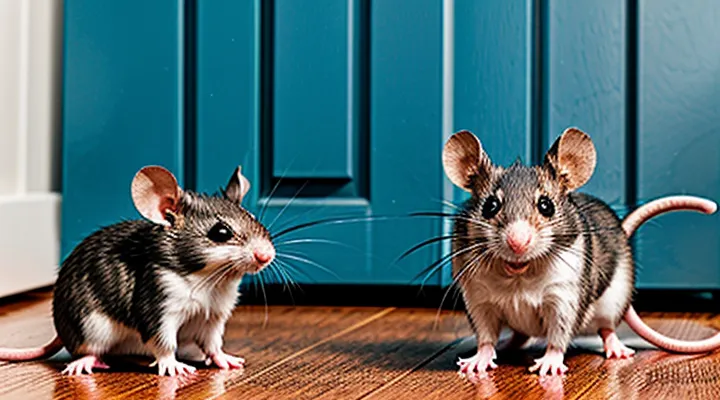
How Ultrasonic Repellers Work
The Science Behind Ultrasonic Sound
Ultrasonic sound consists of acoustic waves with frequencies above the human hearing threshold, typically exceeding 20 kHz. Rodents such as mice detect frequencies up to 80–100 kHz, giving ultrasonic devices a biological target that humans cannot perceive.
The generation of ultrasonic waves relies on piezoelectric or ceramic transducers. When an alternating voltage is applied, the crystal oscillates, producing sound pressure waves at the desired frequency. Modern devices often employ frequency‑modulated (FM) patterns, shifting between 20 kHz and 30 kHz to prevent habituation in rodents.
Key physical characteristics that influence performance:
- Frequency range: Aligns with mouse auditory sensitivity; higher frequencies increase penetration but attenuate faster in air.
- Amplitude (sound pressure level): Typically 80–100 dB SPL at the source; diminishes with distance according to the inverse square law.
- Beam pattern: Directional transducers focus energy, creating zones of high intensity; omnidirectional units disperse sound more evenly but with lower peak levels.
- Attenuation factors: Air absorption, temperature, humidity, and obstacles reduce effective range; most devices achieve reliable coverage within 3–5 m.
Safety considerations stem from the fact that pets such as cats and dogs also hear ultrasonic frequencies. Devices calibrated to stay below 85 dB SPL at typical occupancy distances avoid discomfort for these animals while remaining disruptive to rodents.
Understanding these scientific parameters enables informed selection of an ultrasonic rodent deterrent for residential use. By matching frequency, output level, and coverage pattern to the layout of a home, consumers can maximize efficacy while minimizing unintended effects.
Effects on Mice
Ultrasonic deterrents emit sound waves between 20 kHz and 65 kHz, a range that overlaps mouse hearing sensitivity. The high‑frequency pulses stimulate the auditory nerve, producing discomfort that prompts avoidance behavior.
Observed physiological and behavioral reactions include:
- Immediate startle response, followed by rapid retreat from the emission zone.
- Elevated cortisol levels indicating stress.
- Disruption of nesting activity and reduced foraging within the treated area.
- Gradual desensitization when exposure is continuous and unvaried, leading to diminished avoidance.
Experimental data reveal variable efficacy. Controlled laboratory trials report a 45‑70 % reduction in mouse presence when devices operate on a rotating frequency schedule and are positioned at 1‑meter intervals. Field studies in residential settings show lower success rates, often below 30 %, especially when structures contain gaps that allow sound leakage or when mice access alternative pathways.
Effective deployment requires:
- Placement near entry points, food sources, and known travel routes.
- Use of devices with adjustable frequency bands to prevent habituation.
- Integration with physical barriers, traps, or sanitation measures to address residual populations.
Failure to maintain line‑of‑sight coverage, to rotate frequencies, or to combine ultrasonic units with complementary controls generally results in limited impact on mouse activity.
Types of Ultrasonic Repellers
Plug-in Devices
Plug‑in ultrasonic mouse repellers draw power directly from a wall outlet, eliminating the need for batteries or frequent charging. Their compact form allows placement near baseboards, under furniture, or behind appliances where rodent activity is most likely. Once plugged in, the device emits high‑frequency sound waves that are inaudible to humans but disturb the hearing of mice, prompting them to vacate the area.
Key characteristics to evaluate:
- Frequency range (typically 20‑65 kHz); higher frequencies increase effectiveness against younger rodents.
- Coverage radius (often 20‑40 ft²); larger rooms may require multiple units or a model with adjustable output.
- Adjustable power settings; some devices offer low, medium, and high modes to balance efficacy and energy consumption.
- Safety certifications (UL, CE); ensure compliance with electrical standards and minimal risk to pets.
- Warranty length; longer coverage indicates manufacturer confidence in durability.
Installation involves inserting the plug into a standard socket, positioning the unit so the speaker faces the target zone, and selecting the appropriate power level. Devices with built‑in timers can operate continuously or follow a programmed schedule, reducing unnecessary noise exposure. Models that incorporate a LED indicator help verify active status without opening the housing.
Cost considerations include initial price, potential need for additional units, and the availability of replacement parts. Brands that provide transparent specifications and independent test results enable direct comparison, allowing consumers to select a plug‑in solution that matches the size of their home and the severity of the infestation.
Battery-Powered Devices
Battery‑powered ultrasonic repellents eliminate the need for wiring, allowing flexible placement throughout a residence. Portable units can be positioned near points of entry, such as pantry doors or basement vents, without drilling holes or installing outlets.
Key characteristics of battery models include:
- Power source: Most devices use AA or AAA alkaline cells; a few employ rechargeable lithium‑ion packs. Rechargeable units reduce ongoing costs but require periodic charging cycles.
- Operational duration: Typical run time ranges from 30 hours to 120 hours on a full set of batteries, depending on sound intensity and frequency modulation settings.
- Frequency range: Effective products emit ultrasonic waves between 20 kHz and 65 kHz, covering the hearing spectrum of common house mice while remaining inaudible to humans.
- Adjustable output: Variable intensity controls enable users to balance efficacy against battery consumption, extending service life during low‑activity periods.
Advantages of cordless repellers:
- Installation simplicity – No electrical work; devices can be moved instantly.
- Safety – Absence of exposed wiring reduces fire risk and eliminates tripping hazards.
- Coverage flexibility – Multiple units can be distributed to address large or irregular floor plans.
Limitations to consider:
- Battery depletion – Performance drops sharply as voltage falls; regular inspection prevents silent failure.
- Limited range – Most battery units affect an area of 10–15 ft²; larger spaces require several devices.
- Environmental factors – Soft furnishings and walls attenuate ultrasonic waves, reducing effectiveness in heavily carpeted rooms.
Selection guidelines:
- Choose models with a clear battery‑life indicator to monitor power status.
- Prefer devices offering a minimum of 80 hours of continuous operation on standard alkaline cells.
- Verify that the unit provides a frequency spectrum validated by independent laboratory testing.
- Opt for units with a sealed battery compartment to protect against dust and moisture.
Maintenance procedures are straightforward: replace or recharge batteries when the indicator signals low power, clean the exterior with a dry cloth to prevent acoustic interference, and rotate device locations every few weeks to avoid habituation by rodents.
In summary, battery‑driven ultrasonic repellents deliver adaptable, low‑maintenance protection for households where permanent wiring is impractical. Proper evaluation of power capacity, frequency coverage, and placement strategy ensures consistent deterrence of mouse activity.
Solar-Powered Devices
Solar‑powered ultrasonic mouse deterrents combine renewable energy with pest‑control technology, eliminating the need for wall outlets or frequent battery replacement. The integrated photovoltaic panel charges an internal capacitor during daylight, providing continuous operation throughout the night when rodents are most active.
Key considerations for selecting a solar model include:
- Power capacity: Panels rated at 2–5 W generate enough charge for typical indoor lighting conditions; larger panels support multiple units in larger homes.
- Frequency range: Devices emitting 20–65 kHz cover the auditory spectrum that mice find uncomfortable while remaining inaudible to humans.
- Coverage area: Manufacturers specify a radius of 20–30 ft; verify that the claimed range matches the room dimensions.
- Durability: UV‑coated housings resist degradation from sunlight, preserving panel efficiency over years.
- Safety features: Built‑in timers or motion sensors prevent continuous emission in unoccupied spaces, reducing stress on non‑target animals.
Installation requires positioning the unit where direct sunlight reaches the panel for at least four hours daily. Mounting on a south‑facing wall or near a sunny window maximizes charge. The device should be placed at ground level or slightly elevated to target mouse pathways, avoiding obstacles that block ultrasonic waves.
Maintenance consists of periodic cleaning of the solar surface to remove dust or debris that could impair charging. Most models include an LED indicator that signals low‑charge status; a fully charged unit typically operates for 8–12 hours before the capacitor depletes.
Cost analysis shows that solar‑driven units often have higher upfront prices than plug‑in counterparts, but the absence of recurring battery expenses yields lower total ownership cost after 12–18 months of use.
Overall, solar-powered ultrasonic repellents provide an energy‑efficient solution for residential rodent management, provided that the installation site receives adequate sunlight and the selected device meets the required frequency and coverage specifications.
Factors to Consider When Choosing
Coverage Area
When evaluating ultrasonic rodent deterrents for a household, the size of the area each unit can protect is a primary specification. Manufacturers express this metric as square footage or square meters, indicating the radius within which the emitted ultrasonic waves maintain sufficient intensity to affect mice.
Key factors influencing coverage:
- Frequency and power output – Higher frequencies travel shorter distances; greater power extends range but may increase energy consumption.
- Obstructions – Walls, furniture, and flooring materials absorb or reflect sound, reducing effective radius in cluttered rooms.
- Device placement – Central positioning maximizes uniform distribution; corner placement may leave blind spots.
Typical coverage figures for common residential models:
| Product type | Stated coverage (sq ft) | Recommended room size |
|---|---|---|
| Single‑unit portable | 300–500 | Small bedroom or office |
| Dual‑unit set | 800–1,200 | Medium living area or open‑plan kitchen |
| Whole‑house system (multiple units) | 2,500–3,500 | Average single‑family home (up to three floors) |
To verify real‑world performance, measure the distance from the device to the farthest point where mouse activity ceases. Conduct the test in multiple locations, noting any loss of efficacy near dense furniture or thick walls. If gaps appear, add supplementary units to overlap coverage zones, ensuring continuous ultrasonic exposure throughout the target space.
Power Source
Power supply determines operating continuity and maintenance effort for ultrasonic rodent deterrents used in residential environments. Devices that rely on mains electricity deliver uninterrupted output as long as the outlet remains active, eliminating the need for periodic battery replacement. Battery‑powered units provide flexibility in placement but require monitoring of charge level and eventual disposal or recharging of cells.
- Mains‑plugged (AC adapter) – constant voltage, typical consumption 1–3 W, unlimited runtime, installation limited to locations with accessible sockets, risk of cord damage mitigated by strain‑relief fittings.
- Alkaline or lithium disposable batteries – voltage 1.5–3 V per cell, runtime 30–90 days depending on usage intensity, replacement cost proportional to frequency, suitable for temporary or hard‑to‑reach spots.
- Rechargeable lithium‑ion packs – integrated charging circuit, 2–4 weeks of operation per charge, lower long‑term cost than disposables, charging time 4–6 hours, requires access to a power outlet for recharging cycles.
- Solar‑assisted models – small panel supplies energy to a built‑in battery, performance tied to ambient light, viable for windowsills or outdoor‑adjacent rooms, limited output in low‑light conditions.
Key factors when evaluating a power source include: expected duration of deterrent activity, availability of nearby outlets, tolerance for routine battery handling, safety certifications for electrical components, and total cost of ownership calculated from energy consumption and replacement expenses. Selecting a mains‑connected unit ensures continuous protection with minimal upkeep, whereas battery‑driven models favor flexibility at the expense of periodic maintenance. Aligning the power choice with the specific layout and usage pattern of the home optimizes efficacy and reduces long‑term operational burden.
Additional Features
Ultrasonic rodent deterrents often include supplementary functions that enhance effectiveness and user convenience. Adjustable frequency settings allow precise targeting of specific pest species, while programmable timers enable operation only during periods of peak activity, reducing unnecessary exposure. Remote‑control units provide instant activation or deactivation from any location within the home.
Additional capabilities commonly found in advanced models are:
- Integrated motion sensors that trigger emission when movement is detected, conserving energy and extending device lifespan.
- Weather‑proof housings suitable for indoor and semi‑outdoor placement, protecting electronics from humidity and dust.
- Multi‑frequency cycling that alternates ultrasonic tones to prevent habituation in rodents.
- Audible alarm options that alert occupants to the presence of pests, supplementing the invisible ultrasonic barrier.
- Low‑power standby modes that maintain readiness while minimizing electricity consumption.
These features contribute to a more adaptable, reliable, and user‑friendly solution for household rodent management.
Brand Reputation
When selecting an ultrasonic mouse deterrent for residential use, the reputation of the manufacturer provides a reliable indicator of product performance and long‑term support. Established brands typically invest in research, adhere to safety standards, and maintain consistent quality across production runs, reducing the risk of ineffective units.
Key factors for assessing brand credibility include:
- Consumer feedback: Aggregate ratings from independent retail platforms reveal real‑world efficacy and durability.
- Warranty terms: A minimum two‑year warranty signals confidence in the device’s components and design.
- Regulatory compliance: Certification from agencies such as the FCC or CE confirms adherence to electromagnetic emission limits.
- After‑sales service: Accessible technical support and clear return policies mitigate potential installation issues.
Prominent manufacturers in this market segment—such as Pest‑Away, Victor, and Neatmaster—frequently appear in top‑selling lists and maintain high average review scores. Their products often feature adjustable frequency ranges, battery‑life indicators, and documented field testing, reinforcing trustworthiness.
Conversely, brands with limited market presence or sporadic customer reviews may lack the development resources necessary for reliable ultrasonic output, increasing the likelihood of inconsistent results. Evaluating reputation through the outlined criteria helps narrow choices to devices that combine proven technology with dependable manufacturer backing.
Placement and Installation Tips
Optimal Locations
Place ultrasonic rodent deterrents where mice are most likely to travel, feed, or nest. Install devices near entry points such as foundation cracks, door thresholds, and utility openings. Position units along walls, because ultrasonic waves travel best in straight lines and reflect off solid surfaces. Mount devices at a height of 4–6 feet to align with mouse pathways and avoid furniture obstruction.
- Kitchen countertops, under cabinets, and behind appliances where food residues accumulate.
- Pantry shelves, especially near stored grains and packaging.
- Basement corners, near water heaters, and along pipe runs where moisture attracts rodents.
- Attic joists and insulation zones, focusing on gaps between floorboards and roof trusses.
- Garage shelving and storage bins that hold pet food or garbage.
Maintain a minimum distance of 12 inches between units to prevent overlapping frequencies that diminish effectiveness. Avoid placement near large metal objects, thick curtains, or open windows, as these barriers absorb or disperse ultrasonic energy. Regularly verify that each device remains unobstructed and powered, replacing batteries or resetting timers according to manufacturer specifications.
Avoiding Obstacles
When selecting ultrasonic devices to deter rodents in a residence, the primary challenge is ensuring the unit operates without interference from physical barriers. Solid walls, metal cabinets, and dense furniture absorb or reflect high‑frequency sound waves, creating silent zones where mice can remain undetected. Position the repeller at a central point within the target area, maintaining at least a one‑meter clearance from large objects that could block the signal.
Common obstacles and practical countermeasures include:
- Obstructive surfaces: Keep the emitter away from thick wooden panels, concrete partitions, or stacked bookshelves.
- Electronic noise: Locate the unit at least 30 cm from routers, microwaves, and cordless phones that emit competing frequencies.
- Pet sensitivity: Verify that the chosen model operates above the hearing range of cats and dogs; many manufacturers specify a safe frequency band.
- Power limitations: Use models with battery backup or uninterrupted power supplies to avoid downtime during outages.
Evaluating each factor before installation maximizes the effective coverage of ultrasonic deterrents and reduces the likelihood of silent pockets that compromise pest control.
Number of Devices Needed
When selecting ultrasonic mouse deterrents for a residence, the quantity required hinges on coverage area, structural layout, and infestation intensity. Each unit typically projects a sound field with an effective radius of 12–15 feet, diminishing sharply behind walls and dense furniture. To achieve uninterrupted protection, the devices must be positioned so their audible zones overlap without leaving gaps.
Key considerations for determining the needed count:
- Floor plan dimensions – Larger square footage demands more units; a 1,500‑sq ft home often requires three to four devices, while a 2,500‑sq ft layout may need five or six.
- Room separation – Closed doors, thick walls, and basement levels block ultrasonic waves; place a unit in every isolated zone.
- Obstruction density – Heavy curtains, bookcases, and appliances absorb sound; add extra units in rooms with high furniture density.
- Activity hotspots – Areas where mice are frequently observed (kitchens, pantries, utility rooms) merit dedicated devices to concentrate the deterrent effect.
- Device specifications – Models with a broader effective radius reduce the total count; verify manufacturer‑listed coverage before finalizing the plan.
A practical method to calculate the number of units:
- Measure the total square footage of each distinct zone (e.g., ground floor, upstairs, basement).
- Divide each zone’s area by the square footage covered by a single device (π × r², where r is the effective radius in feet).
- Round up to the nearest whole number to ensure overlap.
- Add one extra unit for each zone with significant obstacles or known mouse activity.
Example: A two‑story house with a 1,200‑sq ft ground floor and a 800‑sq ft second floor, both separated by a solid ceiling, uses devices with a 14‑foot radius (≈ 615 sq ft coverage). Calculations yield 2 devices for the ground floor (1,200 ÷ 615 ≈ 1.95 → 2) and 2 for the second floor (800 ÷ 615 ≈ 1.30 → 2). Adding one extra unit for the kitchen’s dense cabinetry results in a total of five devices.
By applying these guidelines, homeowners can determine the precise number of ultrasonic deterrents needed to maintain a mouse‑free environment throughout the property.
Pros and Cons of Ultrasonic Repellers
Advantages of Using Ultrasonic Repellers
Ultrasonic devices designed for rodent control in residential environments emit high‑frequency sound that is inaudible to humans but intolerable for mice. The technology operates without chemicals, reducing health hazards associated with poisons and traps.
- Immediate deterrence: Mice cease activity within minutes of exposure, limiting damage to stored food and structural components.
- Continuous protection: Devices function 24 hours a day, maintaining a hostile acoustic zone that prevents re‑infestation.
- Safe for pets and children: Frequency range targets only rodents, leaving mammals with hearing thresholds outside the emitted band unaffected.
- Low maintenance: Once installed, units require only occasional battery replacement or power‑adapter connection, eliminating the need for regular trap checks.
- Noise‑free operation: Absence of audible alerts preserves household quiet, unlike mechanical traps that generate clicks or squeaks.
The method also supports environmentally responsible pest management. By avoiding lethal chemicals, ultrasonic repellers prevent secondary poisoning of non‑target species and reduce contamination of waste streams. Their discreet design integrates seamlessly into kitchens, basements, and attics, allowing homeowners to address rodent concerns without visible hardware.
Limitations and Disadvantages
When evaluating ultrasonic devices for rodent control in a residence, several inherent drawbacks affect performance and suitability.
- Frequency range limited to specific species; many mice become accustomed to the emitted tone, reducing long‑term efficacy.
- Signal attenuation through walls, furniture, and insulation creates blind spots; coverage maps often overestimate effective area.
- Devices emit continuous sound regardless of pest presence, leading to unnecessary energy consumption and potential interference with other electronic equipment.
- Absence of regulatory standards results in wide variability of output intensity; low‑quality units may produce insufficient decibel levels to deter rodents.
- Lack of observable results complicates verification; users cannot confirm that the device is actively influencing rodent behavior.
- Some models emit audible high‑pitch tones that humans, especially children and the elderly, may perceive as irritating.
- Warranty periods are frequently short, and replacement parts are rarely available, increasing total cost of ownership.
These factors should be weighed against any perceived benefits before selecting an ultrasonic repeller for household use.
Alternatives to Ultrasonic Repellers
Traps and Baits
When evaluating rodent control solutions for residential use, traps and baits remain essential components alongside electronic deterrents. Understanding their mechanisms, effectiveness, and integration potential clarifies when they complement or replace ultrasonic devices.
Mechanical traps capture or kill mice instantly. Common variants include snap traps, which deliver a rapid force to the rodent’s neck, and live‑catch traps, which confine the animal without injury. Snap traps provide immediate results and require minimal maintenance; placement at wall junctions maximizes capture rates. Live‑catch traps demand regular checking to prevent stress‑induced mortality and necessitate humane release protocols. Both types allow precise targeting of infestation hotspots, bypassing the need for continuous power sources.
Bait formulations attract rodents to a lethal or incapacitating agent. Poison baits contain anticoagulants, metabolic disruptors, or neurotoxins that cause delayed mortality, reducing the risk of secondary poisoning from immediate contact. Non‑lethal baits incorporate repellents such as peppermint oil, which discourage feeding but do not eliminate the pest. Effective bait deployment requires secure stations to prevent accidental exposure of children or pets, and routine replacement to maintain potency.
Integration with ultrasonic deterrents follows several guidelines:
- Position traps and bait stations near the device’s coverage zone to address mice that habituate to sound frequencies.
- Use traps for immediate reduction of population density; follow with ultrasonic units to prevent re‑infestation.
- Select bait types compatible with the household’s safety policies; combine with child‑proof housing when using toxic formulations.
- Monitor trap success rates; a decline in captures after ultrasonic installation may indicate device efficacy, allowing reduction of bait usage.
Maintenance considerations differ between the two methods. Traps demand periodic inspection, cleaning, and disposal of captured rodents. Bait stations require replenishment every two to four weeks, depending on consumption and environmental conditions. Both systems generate waste that must be handled according to local regulations.
Cost analysis shows that snap traps and basic bait stations present low upfront expenses, while ultrasonic units involve higher initial investment but lower recurring costs. A balanced approach—deploying a limited number of traps and bait stations alongside a properly calibrated ultrasonic system—delivers comprehensive control while minimizing chemical reliance and operational complexity.
Natural Repellents
Natural repellents offer a chemical-free alternative to electronic deterrents for rodent control. Common options include peppermint oil, cayenne pepper, cloves, and dried herbs such as rosemary. These substances emit strong odors that mice find unpleasant, prompting avoidance of treated areas.
Effectiveness depends on concentration, application frequency, and placement. A typical protocol involves saturating cotton balls with undiluted peppermint oil and positioning them behind appliances, inside cabinets, and along baseboards. Reapplication every 3–5 days maintains potency, as volatile compounds dissipate quickly.
Advantages of natural solutions:
- No electricity required, eliminating power‑outage concerns.
- Safe for children and pets when used according to label instructions.
- Low upfront cost and easy procurement from grocery stores.
Limitations include:
- Short‑term efficacy, demanding regular maintenance.
- Potential for odor intolerance among occupants.
- Limited reach compared to devices that emit ultrasonic waves throughout a room.
Integrating natural repellents with ultrasonic units can enhance overall protection. Place odor sources near entry points while allowing ultrasonic emitters to cover larger interior zones. This layered approach reduces reliance on a single method and addresses both sensory aversion and acoustic disruption.
When selecting a natural repellent, verify that the product is pure, free of synthetic additives, and suitable for indoor use. Conduct a small test in a confined area to confirm that no adverse reactions occur. Consistent application, combined with proper sanitation and sealing of entry gaps, maximizes the likelihood of long‑term mouse avoidance.
Professional Pest Control
Professional pest‑control operators assess ultrasonic mouse deterrents with the same rigor applied to any integrated pest‑management (IPM) solution. They evaluate devices based on measurable parameters rather than marketing claims.
Key evaluation criteria include:
- Frequency range: effective models emit ultrasonic waves between 20 kHz and 65 kHz, covering the hearing spectrum of common house mice while remaining inaudible to humans.
- Coverage area: manufacturers provide square‑foot specifications; professionals compare these figures with actual room dimensions and account for obstacles such as furniture and walls that can dampen sound.
- Power consumption: low‑wattage units reduce operating cost and minimize heat generation, important for continuous deployment.
- Reliability of sensors: devices that automatically shut off when windows or doors are open prevent unnecessary exposure and conserve energy.
- Compliance with safety standards: certification by agencies such as UL or CE confirms that the product meets electromagnetic emission limits and does not pose a hazard to pets or children.
Professional services rarely rely solely on ultrasonic technology. They incorporate it as a supplemental tool within a broader strategy that may involve:
- Inspection to locate entry points, nesting sites, and feeding areas.
- Physical exclusion measures such as sealing gaps, installing door sweeps, and repairing structural defects.
- Sanitation practices that eliminate food sources, reducing attractants.
- Targeted baiting or trapping where population levels exceed the deterrent’s capacity.
When recommending a specific ultrasonic model, pest‑control experts consider the client’s environment, the severity of infestation, and the compatibility of the device with other control methods. They also advise regular maintenance: repositioning units after furniture rearrangement, replacing batteries or bulbs according to the manufacturer’s schedule, and monitoring mouse activity through visual checks or electronic counters.
By applying these objective standards, professionals ensure that the selected ultrasonic mouse repeller contributes effectively to a comprehensive, evidence‑based pest‑management program for the home.