
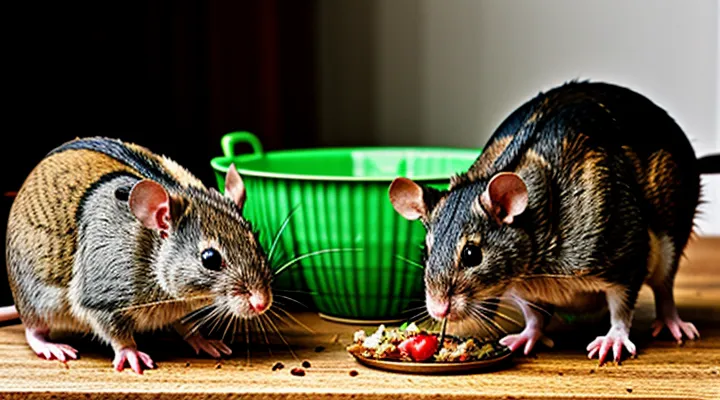
Introduction to Rat Nutrition
Essential Dietary Components for Rats
Protein Requirements
Turkey as a protein source in rat feeding supplies high‑quality amino acids, but precise inclusion rates are essential to meet nutritional targets without causing adverse effects. Adult laboratory rats require approximately 18–20 % crude protein in their total diet, while growing or breeding individuals may need 20–24 % to support tissue synthesis and reproductive output. When turkey meat replaces traditional protein ingredients, the following factors must be evaluated:
- Amino acid balance – Turkey provides ample lysine, methionine, and tryptophan, yet may be low in taurine and certain branched‑chain amino acids; supplementation may be necessary to achieve ideal ratios.
- Digestibility – Wet turkey meat exhibits digestibility above 90 % for most essential amino acids, reducing the amount of feed needed to reach target protein levels.
- Caloric contribution – Protein contributes roughly 4 kcal g⁻¹; excess inclusion can raise the diet’s energy density, potentially leading to unwanted weight gain.
- Renal load – High protein intake elevates nitrogenous waste; monitor blood urea nitrogen and creatinine in studies where turkey protein exceeds 25 % of the diet.
- Allergenicity and microbial risk – Fresh turkey carries a risk of Salmonella contamination; proper cooking or sterilization is required to prevent pathogen transmission.
Balancing these elements ensures that turkey‑based diets satisfy the rats’ protein requirements while minimizing the likelihood of metabolic disturbance. Adjustments should be based on regular analysis of feed composition, growth performance data, and physiological markers.
Fat Requirements
Turkey inclusion raises the overall fat content of a rat diet, making precise fat management essential for optimal health and experimental consistency. Rats require dietary fat primarily for energy provision, essential fatty acid synthesis, and the absorption of vitamins A, D, E, and K. When turkey replaces standard protein sources, the diet’s fatty acid profile shifts, demanding recalibration of total fat levels and fatty‑acid ratios.
Current rodent nutrition guidelines recommend that total dietary fat constitute 4–6 % of the feed’s caloric content for adult laboratory rats. For diets enriched with turkey, the following adjustments are advisable:
- Maintain total fat at 5 % of metabolizable energy to balance the higher saturated‑fat contribution from turkey meat.
- Ensure a minimum of 0.5 % of calories from linoleic acid (an omega‑6 fatty acid) and at least 0.1 % from α‑linolenic acid (an omega‑3 fatty acid) to support membrane integrity and inflammatory regulation.
- Supplement with a modest amount of soybean or canola oil if turkey meat alone does not meet essential fatty‑acid targets.
Adequate fat provision yields measurable advantages:
- Consistent body‑weight gain and feed efficiency.
- Stable plasma lipid profiles, reducing variability in metabolic studies.
- Enhanced bioavailability of fat‑soluble nutrients, improving overall nutritional status.
Conversely, improper fat levels create specific risks:
- Excess saturated fat from turkey can elevate serum cholesterol, potentially confounding cardiovascular research.
- Deficiency in essential fatty acids impairs skin barrier function and neural development, compromising welfare and data integrity.
- Over‑fat diets (≥8 % of calories) increase adiposity, alter hormone levels, and may induce insulin resistance, distorting metabolic endpoints.
Precise formulation, regular analytical verification, and documentation of fat composition are therefore indispensable when integrating turkey into rat feeding protocols.
Carbohydrate Requirements
Rats require carbohydrates as the primary source of readily available energy; when turkey meat replaces a portion of their standard feed, the balance of macronutrients shifts and carbohydrate intake must be adjusted accordingly.
Typical laboratory diets provide 45–55 % of metabolizable energy from carbohydrates, usually as corn starch, wheat bran, or maltodextrin. Inclusion of turkey, which is high in protein and fat but low in carbohydrates, reduces the overall carbohydrate proportion of the ration. To maintain energy homeostasis, the diet should be reformulated to restore carbohydrate levels within the established range.
- Target carbohydrate contribution: 45–55 % of total metabolizable energy.
- Minimum absolute intake: 2.5 g carbohydrate per 100 g of diet (dry matter basis).
- Excess carbohydrate (>60 % of energy) can promote obesity, alter gut microbiota, and mask deficiencies in essential nutrients supplied by turkey.
- Deficiency (<40 % of energy) may lead to reduced activity, weight loss, and impaired glucose regulation.
- Regular analysis of feed composition is necessary after any change in turkey proportion to verify that carbohydrate targets are met.
Proper carbohydrate management ensures that the energetic benefits of turkey protein and fat are realized without compromising the rat’s metabolic health.
Vitamins and Minerals
Turkey meat supplied to laboratory or pet rats introduces a range of micronutrients that influence physiological processes. The protein matrix of turkey is accompanied by water‑soluble vitamins, fat‑soluble vitamins, and essential minerals, each contributing to metabolic pathways, immune competence, and skeletal development. Inclusion levels must align with the species‑specific nutrient requirements to avoid excesses that could disrupt homeostasis.
- Vitamin B‑complex (B1, B2, B3, B5, B6, B12, folate): co‑enzymes in carbohydrate and amino‑acid metabolism; deficiency may impair growth, excess may cause hyperexcitability.
- Vitamin A (retinol): supports retinal function and epithelial integrity; surplus can induce hepatotoxicity.
- Vitamin D₃: regulates calcium absorption; over‑supplementation may lead to hypercalcemia and kidney calcification.
- Vitamin E (α‑tocopherol): antioxidant protecting cell membranes; high doses may interfere with vitamin K–dependent clotting.
- Vitamin K₁: essential for blood coagulation; insufficient intake can prolong bleeding time.
- Calcium: required for bone mineralization and muscle contraction; imbalance with phosphorus affects bone density.
- Phosphorus: works with calcium in skeletal formation; excess relative to calcium can cause renal deposition.
- Magnesium: co‑factor for enzymatic reactions; deficiency may produce neuromuscular tremors.
- Selenium: component of glutathione peroxidase, protecting against oxidative damage; toxicity manifests as alopecia and hepatic lesions.
- Zinc: involved in DNA synthesis and immune response; surplus can suppress copper absorption.
Optimal formulation balances these micronutrients against established rat dietary standards, ensuring that turkey-derived contributions supplement rather than overwhelm the base diet.
Turkey as a Protein Source for Rats
Nutritional Profile of Turkey Meat
Amino Acid Composition
Turkey meat provides a balanced profile of essential amino acids that support growth, tissue repair, and metabolic functions in laboratory rats. The protein matrix includes high concentrations of lysine, methionine, threonine, and tryptophan, each contributing to specific physiological processes.
- Lysine: promotes collagen synthesis and muscle development.
- Methionine: supplies sulfur for methylation reactions and antioxidant defenses.
- Threonine: essential for mucin production and intestinal integrity.
- Tryptophan: precursor for serotonin, influencing behavior and stress responses.
- Leucine, isoleucine, and valine (branched‑chain amino acids): stimulate protein synthesis pathways and improve recovery after experimental interventions.
The amino acid composition of turkey is comparable to that of standard rodent chow but contains a higher proportion of certain essential residues, which can enhance protein efficiency ratios. However, the elevated methionine level may increase homocysteine production if not balanced with adequate B‑vitamin intake, potentially affecting cardiovascular parameters in long‑term studies.
Incorporating turkey into a rat diet requires monitoring overall protein balance, ensuring that the diet’s total amino acid profile aligns with the species’ nutritional requirements. Adjustments to supplemental vitamins and minerals mitigate risks associated with excess sulfur‑containing amino acids while preserving the growth and health benefits derived from the turkey protein source.
Fat Content
Turkey meat supplies a moderate amount of dietary fat, typically ranging from 2 % to 8 % of fresh weight depending on the cut and preparation method. The fat is composed primarily of unsaturated fatty acids, with lower proportions of saturated and trans fats compared to many laboratory animal protein sources.
Potential advantages of turkey fat in rat nutrition
- Provides a concentrated energy source that supports growth and reproduction when caloric intake is limited.
- Contributes essential fatty acids (linoleic and α‑linolenic) required for membrane synthesis and hormone production.
- Enhances palatability, encouraging consistent feed consumption and reducing stress‑related anorexia.
- Supplies fat‑soluble vitamins (A, D, E, K) that are otherwise scarce in grain‑based diets.
Possible risks associated with excessive turkey fat
- Elevates total caloric density, increasing the likelihood of obesity, adiposity, and insulin resistance if not balanced with activity levels.
- High saturated fat fractions can promote hepatic lipid accumulation, leading to steatosis and impaired liver function.
- Over‑rich fat content may alter gut microbiota composition, favoring opportunistic bacteria and diminishing short‑chain fatty acid production.
- Inadequate control of cooking methods (e.g., deep‑frying) introduces oxidized lipids and trans fats, which exacerbate oxidative stress and inflammatory markers.
Optimal inclusion of turkey requires precise formulation: 5–10 % of the diet by weight, adjusted for the specific strain, age, and metabolic demands of the rats. Regular monitoring of body condition, serum lipid profiles, and liver histology ensures that the benefits of turkey‑derived fat are realized without compromising health.
Vitamin and Mineral Content
Turkey provides a concentrated source of nutrients that influence rat physiology. Its flesh contains measurable amounts of several vitamins and minerals that can affect growth, metabolism, and immune competence.
- B‑complex vitamins: thiamine, riboflavin, niacin, pyridoxine, cobalamin.
- Vitamin D3: contributes to calcium regulation.
- Vitamin E: antioxidant activity.
Key minerals present in turkey meat include:
- Iron: supports hemoglobin synthesis.
- Zinc: involved in enzymatic reactions and skin integrity.
- Phosphorus: essential for skeletal development.
- Selenium: participates in antioxidant enzymes.
- Potassium: maintains cellular fluid balance.
These micronutrients support metabolic pathways, bone mineralization, and oxidative stress mitigation when turkey forms part of a balanced rat diet. However, reliance on turkey alone may create deficiencies. Rats require vitamin C, which turkey does not supply; omission can lead to scurvy. Excessive protein and phosphorus can disrupt calcium homeostasis, increasing the risk of renal stress. High sodium content in processed turkey products may elevate blood pressure in susceptible strains. Additionally, insufficient dietary copper can arise if turkey displaces other copper‑rich ingredients, potentially impairing iron metabolism.
Optimal inclusion of turkey demands careful formulation: combine turkey with sources of vitamin C, balanced calcium–phosphorus ratios, and complementary trace minerals to mitigate the identified risks while preserving the nutritional advantages.
Benefits of Including Turkey in a Rat's Diet
High-Quality Protein
Turkey meat provides rat diets with a source of high-quality protein, characterized by a complete amino‑acid profile and high digestibility. The protein’s biological value exceeds that of many plant‑derived alternatives, ensuring efficient tissue growth and maintenance in laboratory rodents.
Key advantages include:
- Rapid recovery from surgical procedures due to enhanced nitrogen balance.
- Support for lean‑mass development in growth studies, reducing variability in body‑composition measurements.
- Minimal contamination risk when sourced from certified suppliers, preserving experimental integrity.
Potential concerns arise when turkey is incorporated without proper formulation:
- Excessive protein can overload renal function, especially in strains predisposed to kidney pathology.
- Elevated levels of certain amino acids, such as methionine, may influence metabolic pathways and alter study outcomes.
- Inconsistent fat content across cuts may affect caloric density, requiring precise adjustment of the overall diet.
Effective use of turkey protein demands accurate calculation of inclusion rates, monitoring of renal markers, and verification of nutrient consistency through batch testing.
Low in Saturated Fat (depending on cut)
Turkey meat provides a source of high‑quality protein for laboratory rodents while contributing relatively little saturated fat. The fat profile varies markedly among cuts, allowing researchers to adjust dietary fat content precisely.
- Skinless breast: approximately 0.5 g saturated fat per 100 g cooked meat.
- Light thigh, skin removed: about 0.8 g saturated fat per 100 g cooked meat.
- Dark meat with skin: up to 2.5 g saturated fat per 100 g cooked meat.
The low saturated‑fat characteristic of skinless breast and trimmed thigh supports several physiological outcomes in rats. Reduced saturated fat intake correlates with lower plasma cholesterol levels, diminished adipose accumulation, and decreased incidence of diet‑induced hypertension. These effects contribute to more stable baseline measurements in metabolic and cardiovascular studies.
Conversely, diets relying heavily on lean turkey cuts may lack sufficient essential fatty acids, particularly linoleic and arachidonic acids, which are critical for membrane integrity and inflammatory signaling. Supplementation with plant‑derived polyunsaturated fats or inclusion of modest amounts of higher‑fat turkey portions can restore balance without reintroducing excessive saturated fat.
In practice, the selection of turkey cuts enables precise modulation of saturated fat intake, facilitating experimental designs that isolate the impact of protein quality while controlling for lipid‑related confounders.
Source of B Vitamins and Trace Minerals
Turkey meat incorporated into laboratory rat feed supplies a concentrated profile of B‑complex vitamins. Thiamine (B1), riboflavin (B2), niacin (B3), pantothenic acid (B5), pyridoxine (B6), cobalamin (B12), and folate are present in amounts comparable to those found in standard poultry diets, with high bioavailability due to the protein matrix.
Typical concentrations (per 100 g raw turkey) include:
- Thiamine: 0.07 mg
- Riboflavin: 0.15 mg
- Niacin: 7.5 mg
- Pantothenic acid: 1.0 mg
- Pyridoxine: 0.5 mg
- Cobalamin: 0.5 µg
- Folate: 4 µg
Trace minerals accompany the vitamin complex. Iron, zinc, selenium, and phosphorus are abundant, providing essential cofactors for enzymatic reactions and cellular respiration. Approximate levels (per 100 g raw turkey) are:
- Iron: 1.2 mg
- Zinc: 2.3 mg
- Selenium: 25 µg
- Phosphorus: 210 mg
The nutrient profile supports rapid growth, efficient carbohydrate metabolism, and robust immune responses in rodents. Adequate B‑vitamin intake accelerates protein synthesis, while trace minerals reinforce hemoglobin formation and antioxidant defenses.
Potential concerns arise from excessive inclusion. High dietary iron may predispose rats to oxidative stress; surplus selenium can approach toxic thresholds. Overreliance on turkey may skew the overall mineral balance, reducing intake of calcium and magnesium unless the diet is formulated with complementary ingredients. Regular analysis of feed composition mitigates these risks and ensures that the benefits of turkey-derived micronutrients are realized without adverse effects.
Potential Risks and Considerations
Preparation and Feeding Guidelines
Raw vs. Cooked Turkey
Turkey provides a high‑quality protein source for laboratory and pet rats, yet the nutritional impact differs markedly between raw and cooked forms. Raw turkey retains all natural enzymes, vitamins, and unsaturated fatty acids, which can support growth and immune function. However, it also carries a risk of bacterial contamination—Salmonella, Campylobacter, and Clostridium species—that may cause acute gastroenteritis, septicemia, or subclinical infection. Additionally, raw muscle tissue contains higher levels of free amino acids that can generate excess ammonia in the gut, potentially disrupting microbial balance.
Cooked turkey eliminates most pathogenic microbes through heat treatment, offering a safer option for routine feeding. The cooking process denatures some proteins, making them more digestible for rats with limited enzymatic capacity. Heat also reduces the content of polyunsaturated fats, decreasing the likelihood of oxidative stress. Conversely, cooking destroys heat‑sensitive nutrients such as certain B‑vitamins and reduces natural antioxidants, which may require supplementation. Overcooking can produce advanced glycation end‑products, known to impair renal function in small rodents.
Practical considerations for rat caretakers:
- Use raw turkey only when sourced from a certified pathogen‑free supplier and freeze at –20 °C for at least 48 hours to lower bacterial load.
- Thaw frozen raw meat in a refrigerator, not at room temperature, to prevent bacterial proliferation.
- Limit raw portions to no more than 5 % of the total diet and monitor fecal consistency daily.
- Prefer gently steamed or boiled turkey for regular feeding; avoid frying or adding high‑fat sauces.
- Supplement cooked turkey meals with a vitamin B complex to offset heat‑induced losses.
- Rotate between raw and cooked batches weekly to provide a varied nutrient profile while minimizing pathogen exposure.
In summary, raw turkey can enhance protein intake and preserve certain micronutrients but introduces significant infectious hazards and metabolic challenges. Cooked turkey offers a controlled, pathogen‑free protein source with improved digestibility, at the cost of some nutrient degradation. Selecting the appropriate form depends on the rat’s health status, experimental requirements, and the caretaker’s ability to manage food safety protocols.
Bones and Choking Hazards
Turkey provides a source of protein and calcium for rats, but the inclusion of bone material introduces specific hazards. Small, raw turkey bones can fracture into sharp fragments that damage oral tissue or perforate the gastrointestinal tract. Larger pieces may obstruct the esophagus or trachea, leading to choking or respiratory distress. The risk increases when rats are inexperienced with gnawing or when bone size exceeds the animal’s natural chewing capacity.
Benefits of bone consumption include:
- Supplemental calcium that supports skeletal development.
- Mechanical stimulation of teeth, promoting natural wear and preventing overgrowth.
- Enrichment through chewing activity, which reduces stress‑related behaviors.
Risk mitigation requires precise control of bone size and preparation:
- Offer only bone fragments no larger than the rat’s head width.
- Provide raw, unfrozen pieces to retain pliability; frozen bones become brittle and break more easily.
- Supervise initial interactions, removing any splintered pieces immediately.
- Limit bone portions to a maximum of 5 % of the daily diet by weight.
Implementing these measures balances the nutritional advantage of turkey bone with the prevention of choking and internal injury.
Seasoning and Additives to Avoid
Turkey can be an effective protein source for laboratory and pet rats when prepared without harmful flavorings. Certain seasonings and additives interfere with digestion, alter gut microbiota, or introduce toxic compounds, compromising the intended nutritional benefits.
- Sodium‑rich salts (e.g., table salt, seasoned salts) – excess sodium leads to hypertension and renal stress in small mammals.
- Garlic powder, onion powder, and related allium extracts – contain thiosulfates that cause hemolytic anemia in rodents.
- MSG (monosodium glutamate) – overstimulates excitatory pathways, potentially causing neurotoxicity at high concentrations.
- Sugar‑based seasonings (e.g., brown sugar, honey glaze) – promote rapid glucose spikes, increase obesity risk, and encourage opportunistic yeast growth.
- Artificial sweeteners (e.g., sucralose, aspartame) – have been linked to altered taste perception and metabolic disturbances in rats.
- Preservatives such as nitrates, nitrites, and BHA/BHT – can generate carcinogenic nitrosamines during cooking.
- Smoke flavorings and liquid smoke – contain polycyclic aromatic hydrocarbons that are mutagenic.
Avoiding these ingredients preserves the protein quality of turkey and prevents unintended health complications. When seasoning is necessary, use minimal amounts of plain, unsalted, roasted turkey, or incorporate safe herbs such as parsley or thyme in low concentrations. This approach maintains a balanced diet while eliminating avoidable risks.
Allergic Reactions and Sensitivities
Identifying Allergic Symptoms
Rats that receive turkey as part of their protein source may develop allergic reactions. Early detection relies on observing specific clinical signs and confirming them with appropriate tests.
Typical manifestations include:
- Rapid breathing, wheezing, or audible rattling during respiration
- Nasal discharge that is clear, watery, or contains blood
- Swelling of the face, ears, or limbs, often accompanied by redness
- Persistent scratching, rubbing, or self‑inflicted skin lesions
- Hair loss or localized alopecia, especially around the neck and back
- Diarrhea, vomiting, or reduced appetite that cannot be attributed to dietary changes alone
Veterinary assessment should follow any appearance of these signs. Diagnostic procedures may involve:
- Serum analysis for elevated IgE specific to turkey proteins
- Skin prick or intradermal testing with diluted turkey extract
- Histopathological examination of skin biopsies when lesions are present
Regular health monitoring, including daily visual checks and weekly weight records, helps differentiate allergic responses from other health issues. Prompt identification enables dietary adjustments, such as removing turkey or substituting with an alternative protein, thereby reducing the risk of severe reactions.
Introducing New Foods Gradually
Turkey provides a high‑quality protein source that can diversify a rat’s diet. When added correctly, it supplies essential amino acids, iron, and B‑vitamins that are often limited in standard grain‑based feeds.
Potential advantages
- Increased muscle development due to complete protein profile.
- Enhanced coat condition from omega‑3 fatty acids present in lean turkey meat.
- Improved satiety, which can reduce overeating of carbohydrate‑rich pellets.
Possible concerns
- Elevated fat content may lead to weight gain if portions are excessive.
- Sodium and seasoning residues can cause renal stress.
- Sudden texture changes may provoke gastrointestinal upset or refusal to eat.
- Risk of bacterial contamination if meat is not cooked thoroughly.
Step‑by‑step introduction
- Cook turkey thoroughly, remove skin, and chop into 1‑mm pieces.
- Mix a single gram of turkey with the regular feed for a single day.
- Observe the rat for 24 hours; record any changes in stool consistency, activity level, or appetite.
- If no adverse reaction occurs, increase the turkey portion by one gram each subsequent day until it constitutes 5 % of total daily intake.
- Maintain the 5 % ratio long‑term, monitoring body condition and adjusting as needed.
Gradual incorporation minimizes digestive disturbances while allowing the rat to benefit from the nutritional value of turkey. Continuous observation ensures that any negative response is detected early, preserving overall health.
Bacterial Contamination Concerns
Salmonella and Other Pathogens
Turkey meat is sometimes incorporated into laboratory rat diets to increase protein content and mimic natural foraging options. While the nutritional contribution is measurable, the inclusion introduces a microbial hazard that can compromise animal health and experimental outcomes.
Salmonella species commonly contaminate raw poultry. In rats, infection may present as enteritis, septicemia, or subclinical carriage, leading to variable disease models and data distortion. Transmission occurs through ingestion of contaminated tissue, cross‑contamination of bedding, or handling equipment. Bacterial loads as low as 10³ CFU g⁻¹ can establish infection in susceptible strains.
Other pathogens associated with turkey products include:
- Campylobacter jejuni – induces gastrointestinal inflammation, can alter gut microbiota.
- Escherichia coli O157:H7 – produces Shiga toxin, causing renal impairment in severe cases.
- Listeria monocytogenes – capable of crossing the intestinal barrier, leading to systemic infection.
- Clostridium perfringens – generates toxins that provoke necrotic enteritis.
Mitigation measures:
- Source turkey from certified pathogen‑free suppliers; require microbial testing certificates.
- Apply heat treatment (≥74 °C for 15 s) to achieve ≥5‑log reduction of Salmonella and related bacteria.
- Store meat at ≤4 °C; discard after 48 h to limit bacterial proliferation.
- Implement strict aseptic handling: use dedicated utensils, change gloves between feed preparation and cage cleaning.
- Conduct routine fecal screening of rats for Salmonella, Campylobacter, and Listeria during studies.
Adhering to these protocols minimizes microbial risk while preserving the intended dietary benefit of turkey inclusion.
Proper Storage and Handling
Storing turkey intended for rat feed requires strict temperature control and airtight packaging. Keep raw turkey at 0‑4 °C and freeze portions not used within 48 hours at –18 °C or lower. Use vacuum‑sealed bags or sealed containers to limit oxygen exposure and prevent freezer burn. Label each package with the date of receipt and the intended use date; discard any product that exceeds its recommended storage period.
When handling turkey, follow a consistent workflow to avoid contamination. Thaw frozen meat in a refrigerator, never at room temperature, and use it within 24 hours. Trim visible fat and bone fragments before grinding or chopping, then rinse equipment with a sanitizer approved for animal feed. Wear disposable gloves and change them between batches to eliminate cross‑contamination.
Key practices for safe preservation and manipulation:
- Store at specified temperatures; monitor with calibrated thermometers.
- Freeze in portion‑size packages; label with date and use‑by information.
- Thaw only in refrigeration; process promptly after thawing.
- Remove extraneous tissue; grind to a uniform consistency.
- Clean and sanitize all surfaces, tools, and containers before and after use.
- Wear disposable protective gear; replace between separate feed preparations.
- Discard any turkey that shows discoloration, off‑odor, or slime.
Adhering to these protocols minimizes microbial growth, reduces the risk of nutrient degradation, and ensures that turkey contributes beneficial protein without introducing health hazards to the rats.
Best Practices for Feeding Turkey to Rats
Recommended Portions and Frequency
As a Treat vs. Staple Food
Turkey can be offered to rats as an occasional treat.
- High‑quality protein supports muscle maintenance.
- Low carbohydrate content reduces excess caloric intake.
- Limited fat level minimizes risk of obesity when portion size stays small.
- Irregular feeding pattern prevents habituation to rich foods.
- Potential for bacterial contamination rises if raw meat is not handled properly.
- Small serving sizes reduce likelihood of digestive upset.
When turkey becomes a regular component of the diet, it shifts the nutritional balance.
- Consistent protein supply promotes steady growth and tissue repair.
- Repeated exposure may lead to nutrient imbalances if other food groups are reduced.
- Elevated fat intake can accelerate weight gain and hepatic strain.
- Reliance on animal protein may limit fiber consumption, affecting gut motility.
- Proper storage and cooking are required to avoid pathogen exposure over time.
- Balanced inclusion with grains, vegetables, and micronutrient supplements mitigates most risks.
Balancing with Other Dietary Components
Turkey meat supplies high‑quality protein and essential amino acids for laboratory rats, but reliance on a single protein source can create imbalances. Incorporating complementary ingredients restores nutrient equilibrium, supports gut health, and prevents metabolic disturbances.
- Complex carbohydrates (e.g., corn starch, oats) provide energy that matches the protein load, reducing the risk of excessive nitrogen excretion.
- Dietary fiber (e.g., cellulose, beet pulp) enhances gastrointestinal motility and mitigates the tendency of lean meat to lower stool bulk.
- Calcium‑phosphorus ratios are maintained by adding mineral mixes; turkey’s natural calcium content is insufficient for skeletal development.
- Vitamin A and vitamin D supplements offset the limited fat‑soluble vitamin supply in lean poultry.
- Unsaturated fats (e.g., soybean oil) balance the saturated‑fat profile of turkey, lowering the likelihood of hepatic lipid accumulation.
Proper proportioning ensures that the protein contribution of turkey (approximately 20 % of total diet weight) does not exceed the rats’ requirement of 18–20 % of calories. A typical formulation might allocate 40 % of the diet to carbohydrate sources, 10 % to fiber, 5 % to added fats, and 2–3 % to vitamin‑mineral premix. Adjustments are made according to growth stage, experimental endpoint, and observed physiological markers such as blood urea nitrogen and bone density.
Monitoring feed intake, body weight, and biochemical parameters validates that the combined diet delivers intended benefits while avoiding the risks associated with an unbalanced turkey‑centric regimen.
Monitoring Rat Health and Well-being
Weight Management
Turkey meat is incorporated into laboratory rat feed to modify caloric intake and body composition. The protein‑rich profile supplies essential amino acids while the moderate fat content raises energy density without excessive carbohydrate load.
Protein from turkey enhances satiety signals, reducing voluntary food consumption. Fat contributes to a higher caloric value per gram, allowing precise adjustment of daily energy provision. The low fiber content minimizes gastrointestinal bulk, facilitating clearer assessment of weight‑related outcomes.
Potential benefits for weight regulation
- Increased lean mass due to high‑quality protein.
- Controlled weight gain when energy density is calibrated.
- Improved feed efficiency measured by weight gain per unit of food consumed.
- Reduced variability in body weight across experimental groups.
Possible risks
- Excessive fat may cause rapid adiposity if not balanced with total caloric intake.
- High protein levels can stress renal function in susceptible strains.
- Low fiber may predispose to constipation, affecting overall health and weight stability.
- Allergic reactions to poultry proteins could interfere with study results.
Effective use of turkey in rat diets requires calculation of the intended caloric surplus or deficit, regular monitoring of body weight, and adjustment of portion size to maintain target growth trajectories. Researchers should pair turkey inclusion with appropriate fiber sources and ensure hydration to mitigate digestive concerns.
Digestive Health
Turkey protein, when incorporated into a laboratory rat’s diet, influences gastrointestinal function through several mechanisms. Lean turkey meat supplies high‑quality amino acids that support mucosal cell turnover, thereby maintaining the integrity of the intestinal lining. The low fat content reduces the likelihood of steatorrhea, while the presence of modest amounts of taurine aids bile acid conjugation, facilitating efficient lipid emulsification.
Potential adverse effects arise from inadequate preparation or excessive inclusion rates. Undercooked turkey may introduce pathogenic bacteria such as Salmonella, leading to dysbiosis and transient diarrhea. Over‑reliance on turkey can diminish dietary fiber intake, resulting in reduced bulk formation and slower transit time. Moreover, high levels of purines in turkey tissue can increase uric acid production, potentially aggravating renal stress and indirectly affecting gut health.
Key considerations for researchers designing rat feeding protocols:
- Limit turkey to 10–15 % of total caloric intake to preserve balanced macronutrient distribution.
- Ensure thorough cooking to eliminate microbial hazards.
- Complement turkey with fiber‑rich components (e.g., cellulose, beet pulp) to sustain normal fecal output.
- Monitor stool consistency and body weight regularly to detect early signs of gastrointestinal imbalance.
Adhering to these guidelines maximizes the digestive advantages of turkey while mitigating associated risks.
Coat Condition
Turkey meat adds high‑quality protein and essential amino acids that support keratin synthesis, leading to a denser, shinier coat in laboratory rats. The presence of omega‑3 fatty acids in turkey reduces inflammation of the skin, promoting uniform hair growth and minimizing dandruff. Vitamin B complex, particularly B‑6 and B‑12, supplied by turkey, assists in melanin production, which can improve color vibrancy in pigmented strains.
Potential drawbacks arise when turkey is over‑represented in the diet. Excess saturated fat may increase sebum secretion, creating oily fur and predisposing rats to folliculitis. An unbalanced inclusion can dilute calcium and phosphorus ratios, impairing feather‑like guard hairs and causing brittleness. Additionally, insufficient fiber alongside high turkey content may lead to gastrointestinal upset, indirectly affecting coat health through nutrient malabsorption.
Practical guidelines for optimizing coat condition while feeding turkey:
- Limit turkey to 10‑15 % of total caloric intake, ensuring balanced macro‑nutrient distribution.
- Complement turkey with a fiber‑rich base (e.g., whole‑grain pellets) to maintain digestive health.
- Include a calibrated calcium‑phosphorus supplement to offset potential mineral imbalances.
- Monitor body condition scores weekly; adjust turkey proportion if rapid weight gain or skin oiliness appears.
Adhering to these parameters maximizes the positive impact of turkey on rat pelage while mitigating the associated risks.