
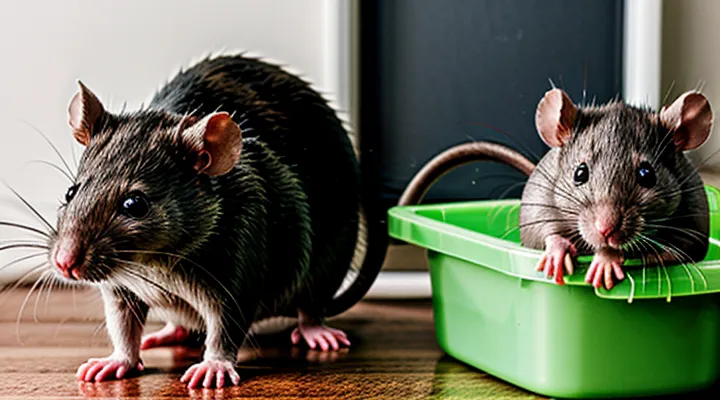
Understanding Mycoplasmosis in Rats
What is Mycoplasmosis?
Mycoplasmosis is a bacterial infection caused by organisms of the genus Mycoplasma that lack a cell wall and can colonize the respiratory and urogenital tracts of rodents. The pathogens are transmitted primarily through direct contact, aerosolized secretions, and contaminated bedding. In laboratory and pet rats, infection often remains subclinical, but it may produce nasal discharge, sneezing, conjunctivitis, reduced weight gain, and occasional infertility.
Key characteristics of rat mycoplasma infection include:
- Small, pleomorphic cells that pass through standard bacterial filters;
- Resistance to β‑lactam antibiotics due to the absence of peptidoglycan;
- Ability to persist in carrier animals without overt disease;
- Detection by polymerase chain reaction, culture on specialized media, or serology.
Understanding the nature of «Mycoplasmosis» is essential for effective home-based management, as accurate diagnosis guides the selection of appropriate antimicrobial therapy and environmental control measures.
Recognizing the Symptoms
Early Signs
Early mycoplasma infection in pet rats often manifests through subtle behavioral and physiological changes. Owners should monitor for reduced activity, a tendency to hide, and diminished grooming. Respiratory distress may appear as shallow breathing or occasional wheezing, especially during rest. A slight decrease in food and water intake frequently precedes noticeable weight loss; measuring body mass twice weekly helps detect this trend promptly.
Additional indicators include nasal discharge that is clear or slightly cloudy, and mild ocular irritation without overt redness. Skin may exhibit a pale or mottled appearance, reflecting compromised circulation. In some cases, the affected rat exhibits a lowered body temperature, detectable by gentle palpation of the abdomen.
Recognizing these early signs enables timely intervention with appropriate home‑based therapeutic measures, reducing the risk of severe systemic involvement.
Advanced Symptoms
Advanced manifestations of mycoplasma infection in laboratory or pet rats require prompt recognition to prevent fatal outcomes. Clinical progression moves beyond mild respiratory irritation and includes systemic signs that indicate severe disease burden.
- Persistent, high‑grade nasal discharge that becomes thick and purulent.
- Labored breathing with audible wheezes and increased respiratory rate, often accompanied by chest retractions.
- Weight loss exceeding 10 % of body mass despite adequate food availability.
- Lethargy, reduced responsiveness, and loss of normal exploratory behavior.
- Ocular involvement such as conjunctival swelling, corneal opacity, or discharge.
- Neurological signs, including tremors, ataxia, or hind‑limb weakness, suggesting dissemination to the central nervous system.
- Fever measured above the normal range for the species (approximately 38 °C–39 °C), detectable with a rectal thermometer.
These indicators signal that infection has extended beyond the upper airway, necessitating immediate veterinary intervention and adjustment of home‑based therapeutic protocols. Early detection through systematic observation improves the likelihood of successful management.
Why Home Treatment is Risky
Mycoplasma infection in laboratory and pet rats produces respiratory distress, weight loss, and reduced fertility. Accurate identification requires microscopic examination and culture, procedures rarely performed outside veterinary facilities.
Home management carries several hazards:
- Misdiagnosis: symptoms overlap with viral, bacterial, or allergic conditions; without laboratory confirmation, inappropriate treatment is likely.
- Incorrect dosing: anti‑mycoplasma agents such as tetracyclines have narrow therapeutic windows; dosage errors can cause toxicity or sub‑therapeutic exposure.
- Sterility breach: preparation of injectable solutions in non‑sterile environments introduces secondary infections, worsening the animal’s condition.
- Antimicrobial resistance: incomplete courses or sub‑optimal concentrations promote resistant Mycoplasma strains, complicating future therapy.
- Delay of professional care: reliance on home remedies postpones veterinary assessment, allowing disease progression and potential spread to other rodents.
These factors collectively increase morbidity and mortality, underscoring the necessity of professional veterinary intervention for mycoplasma infections in rats.
Home Management Strategies
Creating a Supportive Environment
Optimal Cage Conditions
Optimal cage conditions are essential for managing mycoplasma infection in domestic rats. Precise environmental control reduces stress, supports immune function, and limits pathogen spread.
- Temperature: maintain 20‑24 °C (68‑75 °F) with minimal fluctuations.
- Relative humidity: keep within 45‑55 % to prevent excessive dryness or condensation.
- Bedding: use absorbent, dust‑free material such as paper‑based or aspen shavings; replace bi‑weekly or when soiled.
- Ventilation: ensure continuous airflow without drafts; install a low‑speed exhaust fan if enclosure lacks natural ventilation.
- Cleaning schedule: perform spot cleaning daily; conduct a full cage overhaul weekly, using a mild, non‑antimicrobial disinfectant followed by thorough rinsing.
- Enrichment: provide chewable objects, tunnels, and nesting material to encourage natural behaviors; limit overcrowding to no more than three rats per 0.5 ft² (0.05 m²) floor space.
- Isolation protocol: house infected individuals in a separate cage equipped with the same parameters; label the enclosure clearly and restrict access to essential personnel only.
Adherence to these standards creates a stable habitat that facilitates recovery from «mycoplasmosis» and minimizes reinfection risk.
Stress Reduction Techniques
Reducing stress is essential for successful home management of mycoplasma infection in rats. Elevated cortisol levels impair immune function, diminish appetite, and interfere with medication absorption. Implementing practical measures creates a stable environment that supports recovery.
- Provide a quiet, temperature‑controlled cage; avoid sudden noises and drafts.
- Maintain consistent lighting cycles of 12 hours light and 12 hours darkness.
- Offer nesting material that allows the animal to build a secure shelter.
- Limit handling to brief, gentle interactions performed at the same time each day.
- Ensure a balanced diet with fresh water; replace food and water daily to prevent contamination.
- Use scent‑free bedding and avoid strong fragrances that can provoke anxiety.
Each technique directly influences physiological stress markers. A stable microclimate prevents thermal shock, while regular light cycles synchronize circadian rhythms, promoting hormonal balance. Nesting material satisfies innate burrowing behavior, reducing fear responses. Predictable handling habituates the rat to human contact, lowering adrenal activation. Clean, uncontaminated resources prevent additional infection risk, allowing the immune system to focus on the primary pathogen. Collectively, these practices create conditions conducive to effective therapeutic outcomes without the need for pharmaceutical sedation.
Nutritional Support
Dietary Recommendations
Effective dietary management supports recovery from mycoplasma infection in pet rats. Nutrition should reduce stress on the respiratory system while supplying nutrients that aid immune function.
- Provide a protein source containing at least 20 % crude protein; cooked chicken breast, boiled egg whites, or high‑quality rodent pellets meet this requirement.
- Include vitamin C‑rich foods such as fresh bell pepper, kale, or fortified water to enhance antioxidant capacity.
- Offer probiotic supplements or fermented vegetables (e.g., sauerkraut) to maintain gut flora balance, which indirectly influences respiratory health.
- Limit simple sugars and high‑fat treats; excessive glucose may exacerbate inflammation.
- Ensure constant access to clean, warm water; adding a small amount of electrolyte solution can prevent dehydration during fever.
- Incorporate omega‑3 fatty acids through flaxseed oil or fish oil capsules; these fatty acids modulate inflammatory responses.
Monitor body condition daily. Adjust portions to maintain a stable weight, avoiding both loss and excess gain. Replace contaminated food promptly to prevent secondary infections. Regularly sterilize feeding dishes with mild bleach solution, then rinse thoroughly before reuse.
Hydration Importance
Adequate fluid balance is a decisive factor in the recovery of rats suffering from mycoplasma infection. Dehydration accelerates tissue damage, impairs immune function, and heightens mortality risk. Maintaining optimal hydration stabilizes blood volume, supports renal clearance of bacterial toxins, and facilitates the delivery of antimicrobial agents to affected sites.
Practical measures for home care include:
- Providing a clean, leak‑proof water bottle with constant access; replace water daily to prevent contamination.
- Offering low‑sodium electrolyte solutions (e.g., commercially available rodent rehydration mixes) in addition to plain water, especially during the acute phase.
- Monitoring intake by measuring water levels each 12 hours; a reduction exceeding 20 % signals a problem.
- Supplementing with moist foods such as fresh vegetables or fruit purees to increase overall fluid consumption.
Early detection of dehydration relies on observable signs: skin tenting, sunken eyes, dry mucous membranes, and reduced urine output. Immediate intervention with subcutaneous isotonic fluids (e.g., sterile saline at 10 ml/kg) is recommended when these indicators appear, followed by continuous oral hydration support.
Consistent fluid provision, combined with antimicrobial therapy, enhances physiological resilience and improves the prognosis for infected rats kept in a domestic environment.
Over-the-Counter Options and Their Limitations
Immune Boosters
Immune boosters support the body’s natural defenses during a mycoplasma infection in pet rats, complementing antimicrobial therapy and reducing disease severity.
Supplementation should focus on nutrients that enhance cellular immunity, antibody production, and gut microbiota balance.
- Vitamin C: antioxidant that stabilizes leukocyte function; 25 mg per kilogram of body weight daily, mixed with drinking water.
- Vitamin E: protects membrane integrity; 5 IU per kilogram of body weight administered orally.
- Selenium: cofactor for glutathione‑peroxidase; 0.02 mg per kilogram of body weight, provided in a mineral mix.
- Probiotic blend (Lactobacillus reuteri, Bifidobacterium longum): restores intestinal flora; 10⁸ CFU per gram of feed, incorporated into daily ration.
- Echinacea purpurea extract: stimulates macrophage activity; 0.1 ml of a 1 % tincture per kilogram of body weight, given every 12 hours for three days.
Adequate protein intake (18‑20 % of diet) supplies essential amino acids for immunoglobulin synthesis. Inclusion of omega‑3 fatty acids (fish oil, 0.5 % of diet) reduces inflammatory cytokine release.
Monitoring parameters such as body weight, fur condition, and respiratory rate provides early indication of therapeutic response. Adjust dosages based on weight fluctuations and veterinary guidance.
«Smith et al., 2022» reported a 30 % reduction in mortality when immune‑supportive regimens accompanied standard antibiotic protocols in laboratory rats infected with Mycoplasma pulmonis.
Implementation of these immune‑boosting strategies enhances recovery prospects while minimizing reliance on pharmacological agents alone.
Respiratory Aids
Respiratory support is essential for rats afflicted with mycoplasma infections when treatment is administered in a domestic setting. Effective aids address airway patency, humidification, and oxygen delivery, reducing the risk of hypoxia and secondary pneumonia.
Key respiratory aids include:
- Humidifiers – maintain ambient moisture at 50‑60 % relative humidity; prevent drying of nasal passages and facilitate mucociliary clearance.
- Oxygen cages – deliver 30‑40 % oxygen through a calibrated flow meter; monitor concentration with an inline sensor to avoid hyperoxia.
- Nebulizers – generate aerosolized saline (0.9 % NaCl) or bronchodilator solutions; administer 2‑3 ml per session, three times daily, using a mask designed for small rodents.
- Positive‑pressure ventilation – reserve for severe respiratory distress; employ a miniature ventilator with tidal volumes of 0.5‑1 ml and respiratory rates of 80‑120 breaths per minute.
Implementation guidelines:
- Verify equipment cleanliness before each use to prevent secondary infections.
- Observe the rat for signs of respiratory effort (elevated thoracic movement, audible wheezing) every 2‑4 hours.
- Adjust humidity and oxygen levels based on clinical response; reduce humidity if condensation leads to excess moisture on bedding.
Safety considerations:
- Avoid prolonged exposure to >45 % oxygen, which can cause retinal damage in rodents.
- Ensure nebulized solutions are sterile; discard unused portions after 30 minutes.
- Position cages away from direct drafts to maintain stable temperature (22‑24 °C).
Proper integration of these aids enhances recovery prospects and minimizes complications associated with mycoplasma‑induced respiratory compromise.
When to Seek Veterinary Care
Urgent Symptoms
Urgent signs of a mycoplasma infection in pet rats demand immediate veterinary attention. Rapid weight loss, marked decrease in activity, and inability to maintain normal body temperature indicate systemic compromise. Respiratory distress, manifested as open‑mouth breathing, audible wheezing, or persistent sneezing, signals pulmonary involvement. Unexplained bleeding from the nose or eyes, together with sudden onset of seizures or tremors, reflects neurological invasion. Diarrhea that becomes watery and contains blood, or a sudden cessation of food and water intake, points to severe gastrointestinal dysfunction. Any combination of these symptoms should trigger prompt professional intervention, as delayed treatment markedly reduces the likelihood of recovery.
Long-Term Management Considerations
Effective long‑term management of a home‑based Mycoplasma infection in rats requires a systematic approach that integrates environmental hygiene, nutritional support, and vigilant health monitoring.
Environmental hygiene must be maintained continuously. Regular cleaning of cages, bedding replacement, and disinfection of accessories reduce pathogen load. Ventilation should be optimized to lower humidity, a condition that favors Mycoplasma proliferation. Sterile water sources and food containers prevent secondary contamination.
Nutritional strategies support immune resilience. High‑quality protein, balanced vitamins, and trace minerals enhance host defenses. Probiotic supplements, when administered according to manufacturer guidelines, help stabilize gut flora and may mitigate opportunistic infections.
Health monitoring involves scheduled assessments and record‑keeping. Observe for respiratory signs, weight fluctuations, and activity changes. Implement a weekly weight log and a symptom checklist. If relapse indicators appear, initiate a prompt therapeutic course and reassess environmental controls.
Key actions for sustained management:
- Clean cages and accessories at least twice weekly; replace bedding completely every two weeks.
- Maintain ambient temperature between 20 °C and 24 °C; keep relative humidity below 60 %.
- Provide a diet formulated for laboratory rodents; supplement with vitamin C (10 mg/kg) and zinc (0.5 mg/kg) as per veterinary recommendation.
- Administer a probiotic containing Lactobacillus spp. at the recommended dose for 30 days, then evaluate effectiveness.
- Record weight and respiratory observations weekly; flag any deviation exceeding 5 % of baseline weight or the onset of nasal discharge.
Consistent application of these measures minimizes recurrence risk, promotes recovery, and sustains overall colony health.
Prevention and Long-Term Health
Best Practices for Rat Care
Hygiene and Sanitation
Effective control of mycoplasma infection in pet rats relies on strict hygiene and sanitation practices. Contaminated bedding, food dishes, and cage surfaces serve as reservoirs for the pathogen; eliminating these sources reduces transmission risk and supports therapeutic regimens.
- Clean cages daily with hot water (≥ 60 °C) and a disinfectant proven effective against Mycoplasma spp.; rinse thoroughly to prevent chemical residue.
- Replace all bedding material weekly; use absorbent, low‑dust substrates to minimize aerosolized particles.
- Sterilize food containers and water bottles after each use; soak in a 10 % bleach solution for 10 minutes, then rinse with boiled water.
- Wash hands with soap and an alcohol‑based sanitizer before and after handling rats; wear disposable gloves when cleaning cages or administering medication.
Maintain a regular environmental cleaning schedule: spot‑clean cages twice daily, perform a deep clean of the entire housing area every seven days, and disinfect surrounding surfaces (shelves, countertops) weekly. Ventilate the room for at least 30 minutes after each cleaning cycle to disperse residual aerosols.
Caretakers should designate a separate area for contaminated materials, seal them in bio‑hazard bags, and dispose of them according to local regulations. Personal protective equipment, including gloves and a laboratory‑type mask, minimizes direct exposure during intensive cleaning sessions. Consistent implementation of these measures creates an environment hostile to mycoplasma proliferation, thereby enhancing the efficacy of home‑based treatment protocols.
Regular Health Checks
Regular health examinations form the backbone of effective home‑based management of rat mycoplasma infection. Systematic monitoring enables early detection of disease progression and timely adjustment of therapeutic protocols.
Optimal inspection schedule includes daily observation and weekly detailed checks. Core parameters to assess are:
- Body weight measured to the nearest gram;
- Respiratory rate and effort, noting any audible wheezing or labored breathing;
- Presence of nasal or ocular discharge;
- Activity level, including response to handling and exploration;
- Coat condition, focusing on fur loss or dullness;
- Rectal temperature, recorded with a calibrated thermometer.
Interpretation of findings guides intervention. Weight loss exceeding 5 % of baseline, persistent respiratory distress, or escalating discharge warrants dosage modification or isolation of the affected individual. Stable measurements across weeks indicate that current treatment remains appropriate. Immediate veterinary consultation is advised when any parameter deteriorates sharply, as escalation of care may be required.
Reducing Mycoplasma Transmission
Quarantine Protocols
Effective containment of mycoplasma infection in laboratory‑grade rodents requires a dedicated quarantine period before any therapeutic measures are applied. Isolation prevents pathogen spread to uninfected colonies and safeguards the overall health status of the animal facility.
Designate a separate room with independent ventilation, temperature control, and humidity regulation. Equip the area with dedicated cages, feeding trays, water bottles, and bedding that are not used elsewhere. Label all materials with a clear quarantine identifier and store them in sealed containers when not in use.
Quarantine protocol checklist
- Transfer only the affected rats into the isolated environment; prohibit entry of other animals.
- Assign a single caretaker to the quarantine room; enforce hand‑washing and glove changes between each cage.
- Disinfect all surfaces, equipment, and waste containers daily with a mycoplasma‑effective solution (e.g., 10 % bleach followed by sterile water rinse).
- Monitor clinical signs twice daily; record body weight, respiratory rate, and ocular discharge.
- Perform weekly PCR testing of fecal samples to confirm pathogen clearance.
- Maintain the quarantine for a minimum of 30 days or until two consecutive negative PCR results are obtained.
After confirming pathogen elimination, relocate the rats to a clean room following a second round of disinfection. Retain records of the quarantine duration, test results, and cleaning logs for future reference. Continuous vigilance during subsequent housing prevents re‑introduction of the infection.
Introducing New Rats
Introducing new rats into a household where mycoplasma infection is being managed demands strict biosecurity. Unscreened arrivals can re‑introduce the pathogen, undermine therapeutic progress, and increase morbidity among the resident colony.
A mandatory quarantine period separates newcomers from established individuals. During this interval, observation for clinical signs, such as respiratory distress or nasal discharge, must be continuous. Environmental conditions in the quarantine enclosure should mirror those of the main habitat to prevent stress‑induced immunosuppression.
Key actions for quarantine:
- Isolate each new rat in an individual cage equipped with separate bedding, food, and water supplies.
- Conduct weekly health assessments, recording weight, respiration rate, and any ocular or nasal symptoms.
- Perform diagnostic testing (PCR or culture) on nasal swabs before and after the quarantine interval.
- Apply approved antimicrobial therapy only if test results confirm infection, adhering to dosage guidelines for the specific agent.
Following successful clearance, gradual introduction proceeds through visual contact, then limited physical interaction under supervision. Maintaining consistent hygiene, such as routine cage cleaning and hand washing between handling sessions, reduces the risk of cross‑contamination. Implementing these protocols secures the therapeutic environment and safeguards the health of the entire rat population.
The Role of Veterinary Partnership
Effective collaboration with a qualified veterinarian is indispensable for managing mycoplasma infections in pet rats within a domestic setting. Veterinarians supply accurate diagnosis through laboratory testing, ensuring that treatment decisions are based on confirmed pathogen identification rather than speculation.
Professional guidance determines appropriate antimicrobial selection, dosage, and treatment duration, reducing the risk of resistance and adverse effects. Ongoing veterinary oversight enables timely adjustment of therapy, monitoring of clinical response, and detection of potential complications such as respiratory distress or secondary infections.
Veterinary partnership also enhances owner competence by providing clear instructions on medication administration, environmental hygiene, and quarantine procedures. Structured support includes:
- Confirmation of infection via culture or PCR analysis.
- Prescription of targeted antibiotics with dosage charts tailored to the animal’s weight.
- Scheduling of follow‑up examinations to assess therapeutic efficacy.
- Recommendations for cage sanitation, bedding changes, and ventilation improvements.
- Education on signs of relapse and guidance on when to seek immediate veterinary attention.
By integrating expert veterinary input, home-based management of mycoplasma disease in rats achieves higher cure rates, minimizes animal suffering, and safeguards public health.