
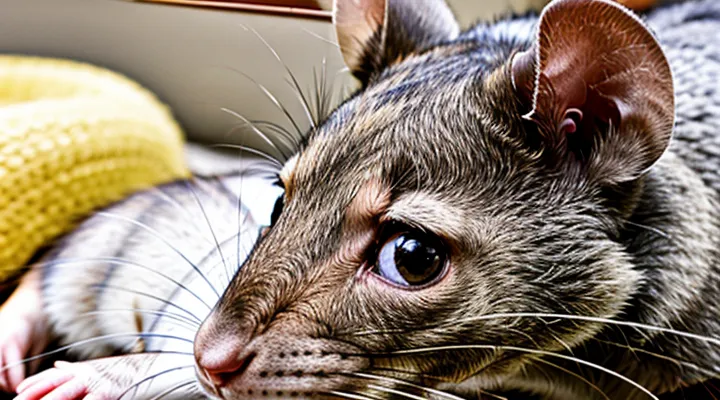
Understanding Rhinitis in Rats
Etiology and Pathogenesis
Allergic Rhinitis
Allergic rhinitis in rats serves as a reproducible model for studying nasal inflammation triggered by IgE‑mediated responses. Sensitization typically involves intraperitoneal injection of an allergen such as ovalbumin combined with an adjuvant, followed by repeated intranasal challenges that provoke eosinophilic infiltration, mucosal edema, and increased nasal secretions. This protocol yields measurable clinical signs—sneezing frequency, nasal rubbing, and airflow resistance—that correlate with histopathological findings.
Evaluation of the model relies on objective parameters. Common assessments include:
- Counting sneezing episodes within a defined observation window.
- Measuring nasal airway resistance using plethysmography.
- Quantifying eosinophil counts and cytokine levels (IL‑4, IL‑5, IL‑13) in nasal lavage fluid.
- Histological grading of epithelial thickening and goblet cell hyperplasia.
Therapeutic testing in this setting focuses on agents that modulate immune pathways or restore epithelial barrier function. Strategies encompass:
- Intranasal corticosteroids that suppress Th2 cytokine production.
- Antihistamines administered systemically or topically to block H1‑receptor signaling.
- Biologic inhibitors targeting IgE or IL‑5 to reduce eosinophil recruitment.
- Novel compounds such as phosphodiesterase‑4 inhibitors or probiotic extracts that alter mucosal immunity.
Data derived from rat studies inform dose‑response relationships, safety margins, and mechanistic insights applicable to human allergic rhinitis. Consistent methodology and rigorous endpoint selection enhance translational relevance and support the development of effective nasal therapeutics.
Infectious Rhinitis
Infectious rhinitis in laboratory rats manifests as acute or chronic inflammation of the nasal mucosa caused by bacterial, viral, or fungal pathogens. The condition compromises airway function, alters behavior, and can interfere with experimental outcomes.
Common etiological agents include:
- Streptococcus pneumoniae and Haemophilus influenzae (bacterial)
- Rat coronavirus (RCV) and Sendai virus (viral)
- Aspergillus spp. and Candida spp. (fungal)
Clinical signs consist of nasal discharge, sneezing, facial edema, reduced food intake, and weight loss. Histopathology typically reveals mucosal ulceration, neutrophilic infiltration, and epithelial hyperplasia.
Diagnostic workflow relies on:
- Physical examination and observation of nasal symptoms.
- Radiographic or micro‑CT imaging to assess sinus involvement.
- Nasal lavage or swab collection for culture, PCR, and immunohistochemistry.
- Blood analysis for leukocytosis and acute‑phase proteins.
Therapeutic regimens prioritize pathogen‑specific antimicrobial agents, supportive care, and environmental management:
- Antibiotics: enrofloxacin (10 mg/kg SC, q24 h) for Gram‑negative infections; amoxicillin‑clavulanate (20 mg/kg PO, q12 h) for mixed flora.
- Antivirals: ribavirin (30 mg/kg IP, q12 h) against confirmed viral isolates.
- Antifungals: itraconazole (5 mg/kg PO, q24 h) for fungal cultures.
- Adjuncts: saline nasal irrigation, humidified cages, analgesics (buprenorphine 0.05 mg/kg SC, q8 h) to reduce discomfort.
- Duration: minimum 7 days, extended based on clinical response and repeat cultures.
Experimental considerations include:
- Verification of pathogen load before treatment initiation to ensure reproducibility.
- Randomization of subjects into treated and control groups with blinded outcome assessment.
- Monitoring of weight, respiratory rate, and nasal secretion volume as quantitative endpoints.
- Adherence to institutional animal care guidelines, with humane endpoints defined by severe dyspnea or >15 % body‑weight loss.
Non-Allergic, Non-Infectious Rhinitis
Non‑allergic, non‑infectious rhinitis in rats manifests as chronic nasal mucosal inflammation without identifiable allergens or pathogens. Typical features include epithelial edema, increased vascular permeability, and infiltration of neutrophils and macrophages. Histopathology often reveals goblet cell hyperplasia and subepithelial fibrosis, which correlate with measurable airflow resistance.
Experimental induction relies on chemical irritants, mechanical trauma, or pharmacologic agents such as capsaicin, mustard oil, or intranasal prostaglandin analogues. Protocols standardize dose (e.g., 0.1 mg kg⁻¹ intranasal capsaicin), exposure frequency (once daily for 5 days), and observation period (up to 14 days). Control groups receive vehicle solution under identical conditions to isolate the inflammatory response.
Therapeutic evaluation includes:
- Intranasal corticosteroids (e.g., budesonide 0.5 mg kg⁻¹) administered twice daily for 7 days; outcomes measured by reduction in mucosal thickness and leukocyte count.
- Anticholinergic agents (e.g., ipratropium bromide 0.05 mg kg⁻¹) applied once daily; efficacy assessed through nasal airway resistance testing.
- Novel anti‑inflammatory compounds (e.g., selective NF‑κB inhibitors) tested at multiple dose levels; primary endpoints encompass cytokine profiling (IL‑1β, TNF‑α) and histological scoring.
Efficacy is quantified using rhinomanometry, exhaled nitric oxide levels, and quantitative PCR for inflammatory mediators. Data integration enables comparative ranking of interventions and informs translational strategies for human non‑allergic rhinitis.
Clinical Manifestations
Behavioral Changes
Behavioral alterations provide sensitive indicators of therapeutic efficacy and disease burden in experimental models of nasal inflammation. Administration of anti‑inflammatory agents to rats with experimentally induced rhinitis consistently reduces excessive scratching and nasal rubbing, reflecting diminished irritation of the nasal mucosa. Locomotor activity, measured in open‑field arenas, declines during acute phases of inflammation; successful treatment restores travel distance and rearing frequency to baseline levels within 24–48 hours.
Feeding patterns shift markedly when nasal congestion impairs olfactory function. Treated animals demonstrate increased food and water consumption compared with untreated controls, suggesting recovery of odor‑guided foraging behavior. Social interaction scores, derived from resident‑intruder assays, rise after pharmacologic intervention, indicating relief of discomfort that otherwise suppresses exploratory contact.
Specific behavioral metrics employed in these studies include:
- Frequency of nasal grooming bouts per observation period
- Total distance traveled and average speed in automated tracking systems
- Daily intake of standard chow and hydrogel measured to the nearest gram
- Number of affiliative contacts recorded during group housing sessions
Temporal profiling reveals that early‑phase improvements in grooming precede normalization of locomotion, implying that sensory relief occurs before full resolution of systemic malaise. Dose‑response analyses show that higher concentrations of corticosteroid sprays produce more rapid attenuation of scratching, while excessive dosing leads to sedation, detectable as prolonged immobility periods.
Overall, systematic observation of these behavioral endpoints enables precise quantification of therapeutic outcomes and supports translational relevance of rodent nasal disease models.
Nasal Discharge Characteristics
Nasal discharge in rodent models of rhinitis provides a direct read‑out of mucosal inflammation and therapeutic impact. Typical observations include changes in color, viscosity, volume, and temporal pattern. Clear or slightly turbid fluid indicates mild epithelial irritation, while yellow to green hues suggest neutrophilic infiltration and bacterial overgrowth. Viscous, mucoid secretions reflect heightened goblet cell activity and mucus hypersecretion, whereas serous, watery discharge points to vascular leakage without substantial mucus production. Quantitative assessment often relies on calibrated absorbent pads or gravimetric measurement, expressed in milligrams per hour, allowing comparison across treatment groups.
Key characteristics to monitor:
- Color: transparent, pale yellow, amber, greenish.
- Consistency: watery, serous, mucoid, purulent.
- Volume: low (<5 mg h⁻¹), moderate (5–15 mg h⁻¹), high (>15 mg h⁻¹).
- Onset and duration: immediate post‑challenge, delayed peak at 24–48 h, persistence beyond 72 h.
- Cellular content: presence of neutrophils, eosinophils, epithelial cells, identified by cytospin staining.
These parameters correlate with histopathological findings such as epithelial damage, submucosal edema, and inflammatory cell infiltrates. Therapeutic agents that reduce purulent or mucoid discharge, shift color toward transparency, and lower cumulative volume are considered effective in attenuating rhinitis‑related nasal pathology in rats.
Respiratory Symptoms
Respiratory manifestations provide the primary indicator of therapeutic efficacy in experimental models of nasal inflammation in rodents. Nasal discharge, sneezing frequency, and altered breathing patterns are recorded immediately after allergen challenge and during subsequent treatment phases. Quantitative assessment of discharge volume uses calibrated capillary tubes, while sneeze counts are obtained by timed observation sessions. Respiratory rate and tidal volume are measured with whole‑body plethysmography, allowing detection of subtle changes in airway resistance.
Common symptom clusters include:
- Increased nasal secretions, often serous or purulent, reflecting mucosal hypersecretion.
- Repetitive sneezing episodes, indicative of trigeminal nerve irritation.
- Labored breathing, characterized by elevated inspiratory effort and reduced expiratory flow.
- Coughing or throat clearing, signifying lower airway involvement secondary to post‑nasal drip.
Effective interventions reduce these parameters toward baseline values. Dose–response curves are generated by plotting symptom scores against drug concentration, establishing the minimal effective dose. Reversal of hypersecretion typically correlates with histological evidence of reduced goblet cell density, while normalization of respiratory rhythm aligns with restored ciliary function.
Monitoring respiratory symptoms throughout the study ensures that observed improvements are attributable to the administered therapy rather than spontaneous resolution. Consistent data collection protocols and calibrated instrumentation are essential for reproducibility and for translating findings to larger animal models or clinical settings.
Diagnostic Approaches
Clinical Examination
Physical Assessment
Physical assessment is the first step in evaluating therapeutic interventions for nasal inflammation in laboratory rats. Baseline measurements should be obtained before any treatment to allow comparison with post‑intervention data. Essential parameters include body weight, rectal temperature, respiratory rate, and observable signs such as nasal discharge, sneezing frequency, and facial grooming. Recording these metrics at consistent intervals (e.g., daily or every 12 hours) provides a quantitative framework for tracking disease progression and treatment efficacy.
Objective tools complement observational data. Commonly employed techniques are:
- Rhinomanometry to measure nasal airway resistance during spontaneous breathing.
- Acoustic rhinometry for cross‑sectional area profiling of the nasal cavity.
- Endoscopic inspection using a miniature fiber‑optic scope to visualize mucosal edema, crust formation, and epithelial integrity.
Each method requires calibration against a control group of healthy rats and should be performed under light anesthesia to minimize stress‑induced variability.
Data interpretation hinges on comparing pre‑ and post‑treatment values. A reduction in airway resistance, normalization of acoustic profiles, and diminished mucosal swelling indicate successful mitigation of rhinitis symptoms. Concurrent stabilization or gain in body weight and temperature further corroborates therapeutic benefit. Consistent documentation of these physical parameters ensures reproducibility and facilitates cross‑study comparisons in experimental models of rat nasal disease.
Observation of Symptoms
Observation of symptoms provides the primary basis for evaluating therapeutic efficacy in rodent models of nasal inflammation. Researchers monitor external and internal indicators that reflect the progression or remission of the condition.
Typical manifestations include:
- Nasal discharge, ranging from clear to purulent
- Frequent sneezing or nasal twitching
- Increased respiratory rate or audible wheezing
- Periorbital or ocular discharge
- Scratching of the snout or facial region
- Reduced activity, altered grooming, or lethargy
- Weight loss or decreased food intake
Assessment techniques combine direct visual inspection with quantitative measures. Video recording enables continuous evaluation of sneezing frequency and grooming behavior. Nasal lavage followed by spectrophotometric analysis quantifies mucus protein concentration. Respiratory parameters are captured using plethysmography, providing data on tidal volume and airflow resistance. Scoring systems assign numeric values to each symptom, allowing statistical comparison across treatment groups.
Consistent documentation of these signs, performed at predetermined intervals, yields reproducible datasets that support conclusions about the impact of pharmacological interventions on rodent nasal inflammation.
Laboratory Diagnostics
Nasal Swab Analysis
Nasal swab analysis provides quantitative and qualitative data essential for evaluating therapeutic interventions in rodent models of rhinitis. Swabs are collected from the anterior nares using sterile, flocked tips that retain mucus and cellular debris without disrupting the mucosal epithelium.
The procedure typically includes:
- Anesthesia induction with isoflurane to prevent reflexive nasal movements.
- Insertion of the swab tip into each nostril for a standardized duration (5–7 seconds).
- Immediate placement of the swab into pre‑cooled transport medium (e.g., RNA later or sterile phosphate‑buffered saline).
- Storage at –80 °C until downstream processing.
Analytical workflows focus on:
- Cytology: Diff‑quick or Giemsa staining quantifies neutrophils, eosinophils, and epithelial cells, revealing inflammatory cell influx.
- Microbiota profiling: DNA extraction followed by 16S rRNA gene sequencing identifies shifts in bacterial communities associated with disease severity.
- Cytokine measurement: Multiplex bead‑based assays detect IL‑4, IL‑5, IL‑13, TNF‑α, and IFN‑γ concentrations, providing a cytokine signature of the allergic response.
- Viral load assessment: Quantitative PCR targets common respiratory viruses that may confound experimental outcomes.
Data obtained from nasal swabs enable correlation of treatment effects with local immune responses, microbial alterations, and cellular pathology. Reproducibility hinges on consistent swab depth, timing relative to allergen challenge, and strict adherence to cold chain protocols. Integration of these metrics strengthens the interpretation of pharmacologic efficacy in rat rhinitis studies.
Blood Tests
Blood analysis provides essential quantitative data for evaluating the efficacy and safety of therapeutic protocols aimed at nasal inflammation in laboratory rats. Baseline sampling before intervention establishes reference ranges for hematological and biochemical parameters, allowing detection of changes attributable to experimental treatments.
Key assays include:
- Complete blood count (CBC). Provides leukocyte differentials, hemoglobin concentration, and platelet count; elevations in neutrophils or eosinophils often indicate acute or allergic components of the condition.
- Serum cytokine panel. Quantifies interleukins (IL‑1β, IL‑6), tumor‑necrosis factor‑α, and chemokines; shifts in these mediators reflect systemic immune activation or suppression following drug administration.
- Immunoglobulin E (IgE) measurement. Detects allergen‑specific IgE, useful for distinguishing IgE‑mediated rhinitis from non‑allergic forms.
- Acute‑phase protein assay. Determines levels of C‑reactive protein or serum amyloid A, markers of generalized inflammation.
- Liver and kidney function tests. Assess alanine aminotransferase, aspartate aminotransferase, blood urea nitrogen, and creatinine to monitor organ toxicity of pharmacologic agents.
Timing of collections should align with the study design: pre‑treatment, early post‑treatment (24–48 h), and later phases (7–14 days) to capture acute responses and longer‑term effects. Proper handling—anticoagulant choice, temperature control, and prompt centrifugation—preserves sample integrity and reduces analytical variability.
Interpretation of results integrates hematological trends with clinical observations (e.g., nasal discharge, sneezing frequency). A decrease in eosinophil count coupled with reduced serum IL‑5 and normalized IgE levels typically signals successful mitigation of allergic rhinitis, whereas persistent elevation of inflammatory markers may necessitate dosage adjustment or alternative therapy.
Histopathology
Histopathological analysis provides essential insight into the efficacy of experimental therapies for nasal inflammation in rodent models. Tissue samples are harvested from the nasal cavity at predefined intervals after drug administration, fixed in neutral‑buffered formalin, and embedded in paraffin. Sections of 4–5 µm thickness undergo routine hematoxylin‑eosin staining, while selected slides receive periodic acid‑Schiff or immunohistochemical stains to highlight mucus production and specific inflammatory markers.
Evaluation focuses on several microscopic criteria:
- Integrity of the respiratory epithelium, including loss of cilia or squamous metaplasia.
- Presence and density of infiltrating leukocytes (neutrophils, eosinophils, lymphocytes) within the mucosa and submucosa.
- Goblet cell hyperplasia and mucin accumulation, assessed with PAS staining.
- Submucosal edema measured by the thickness of the lamina propria.
- Vascular congestion and endothelial activation, identified by CD31 immunostaining.
- Fibrotic remodeling, detected with Masson's trichrome or collagen I antibodies.
Quantitative scoring systems assign numeric values to each parameter, permitting statistical comparison between treated and control groups. Correlation of histopathological scores with functional outcomes—such as nasal airflow resistance or cytokine levels in lavage fluid—strengthens conclusions about therapeutic benefit. Reproducibility is ensured by blinded assessment and inter‑observer reliability testing.
Proper documentation of sampling sites, fixation times, and staining protocols is critical for cross‑study comparability. When these standards are upheld, histopathology serves as a reliable endpoint for validating interventions aimed at alleviating rhinitis‑like conditions in rats.
Therapeutic Strategies
Pharmacological Interventions
Antihistamines
Antihistamines constitute a primary pharmacological option for alleviating nasal inflammation in rat models of rhinitis. Their action involves competitive blockade of histamine H1 receptors, preventing mast‑cell‑derived histamine from triggering vascular permeability, mucus secretion, and sensory nerve activation. The resulting reduction in nasal discharge and sneezing frequency provides a measurable endpoint for therapeutic assessment.
Experimental protocols commonly employ the following agents:
- Diphenhydramine, administered intraperitoneally at 10–20 mg kg⁻¹; rapid onset, short half‑life.
- Cetirizine, delivered orally via gavage at 5–10 mg kg⁻¹; prolonged effect, minimal sedation.
- Fexofenadine, given subcutaneously at 15 mg kg⁻¹; selective H1 antagonism with limited central nervous system penetration.
- Levocetirizine, administered intranasally at 2 mg kg⁻¹; direct targeting of nasal mucosa, high local concentration.
Dose selection must consider species‑specific metabolism, plasma protein binding, and the timing of allergen challenge. Peak plasma concentrations typically occur within 30–60 minutes after administration; therefore, sampling for histamine levels and cytokine profiles should align with this window to capture maximal drug effect.
Pharmacodynamic evaluation includes quantitative assessment of nasal airflow resistance, mucosal edema scoring, and behavioral observation of scratching or rubbing. Repeated dosing over a 7‑day course demonstrates tolerance development in some compounds, necessitating periodic drug rotation or dose adjustment. Side‑effect monitoring focuses on sedation, anticholinergic signs, and alterations in heart rate, which can confound respiratory measurements.
Integration of antihistamine data with parallel investigations of corticosteroids or leukotriene antagonists enhances the mechanistic understanding of rhinitis mitigation in rodents, supporting translational relevance to human allergic airway disease.
Corticosteroids
Corticosteroids are the primary anti‑inflammatory agents employed in rodent models of nasal mucosal disease. Their mechanism involves binding to glucocorticoid receptors, transrepression of pro‑inflammatory transcription factors, and induction of anti‑inflammatory proteins, resulting in reduced edema, leukocyte infiltration, and mucus hypersecretion.
Typical experimental protocols administer the drugs systemically (intraperitoneal injection) or locally (intranasal spray). Intraperitoneal doses range from 0.5 mg kg⁻¹ to 5 mg kg⁻¹ daily, while intranasal formulations are delivered in 10–50 µL volumes at concentrations of 0.1–1 % w/v. Treatment periods extend from 3 days to 2 weeks, depending on the induction method and study objectives.
Efficacy assessment relies on quantitative measurements of nasal airway resistance, histopathological scoring of epithelial integrity, and cytokine profiling (e.g., IL‑1β, TNF‑α, IL‑6). Significant reductions in these parameters indicate therapeutic benefit. Comparative studies frequently report superior outcomes with dexamethasone and budesonide relative to prednisolone.
Safety monitoring includes body weight tracking, serum cortisol levels, and evaluation of adrenal gland histology. Systemic exposure may suppress the hypothalamic‑pituitary‑adrenal axis, necessitating dose adjustment or intermittent dosing schedules.
Common corticosteroids used in rat nasal inflammation studies
- Dexamethasone: high potency, long half‑life, effective via both routes.
- Budesonide: potent, favorable local retention, minimal systemic effects.
- Prednisolone: moderate potency, widely available, useful for dose‑response curves.
- Fluticasone propionate: high topical activity, low systemic absorption, suitable for chronic models.
Antibiotics
Antibiotics are employed in rodent rhinitis experiments to control secondary bacterial infections that can confound inflammatory assessments. Their use must align with the experimental design, avoiding interference with the primary therapeutic agent under investigation.
Selection criteria include:
- Spectrum of activity that targets common nasopharyngeal pathogens in rats (e.g., Streptococcus spp., Staphylococcus spp.).
- Pharmacokinetic profile compatible with the study duration, ensuring adequate tissue penetration without accumulation.
- Route of administration that matches the overall protocol (oral gavage, subcutaneous injection, or inclusion in drinking water).
- Dose that achieves therapeutic plasma concentrations while minimizing toxicity.
Typical regimens reported in the literature consist of:
- Amoxicillin‑clavulanate, 30 mg kg⁻¹ day⁻¹, administered orally for 5 days.
- Enrofloxacin, 10 mg kg⁻¹ day⁻¹, delivered subcutaneously for 3 days.
- Trimethoprim‑sulfamethoxazole, 20 mg kg⁻¹ day⁻¹, provided in drinking water for the entire experimental period.
Researchers must monitor bacterial load, inflammatory markers, and clinical signs throughout treatment. Antibiotic administration can alter nasal microbiota, potentially influencing cytokine profiles and mucosal edema. Consequently, control groups receiving identical antibiotic schedules are essential to isolate the effects of the primary anti‑rhinitis intervention.
Decongestants
Decongestants are a primary pharmacological option for reducing nasal airway obstruction in experimental rat models of rhinitis. They act by constricting vascular smooth muscle in the nasal mucosa, decreasing edema and improving airflow.
Commonly employed decongestant agents include:
- Phenylephrine – α‑adrenergic agonist; rapid onset, effective in acute swelling; administered intranasally at 0.1–0.5 mg/kg.
- Oxymetazoline – mixed α‑adrenergic agonist; longer duration (4–6 h); dosage 0.05–0.2 mg/kg intranasally.
- Pseudoephedrine – systemic sympathomimetic; reduces mucosal congestion via peripheral vasoconstriction; oral dose 5–10 mg/kg.
- Naphazoline – topical α‑adrenergic stimulant; dose 0.02–0.1 mg/kg intranasally; useful for short‑term studies.
Key considerations for experimental use:
- Dose selection – must balance efficacy with avoidance of systemic hypertension; pilot studies determine the minimal effective concentration.
- Timing of administration – decongestants are most effective when given shortly before or during the peak inflammatory phase, typically 2–4 h after allergen challenge.
- Route of delivery – intranasal sprays provide localized action with minimal systemic exposure; oral administration may be required for chronic protocols.
- Assessment of effect – objective measures such as rhinomanometry, nasal airflow resistance, and histological evaluation of mucosal thickness quantify decongestant impact.
- Safety monitoring – observe for tachycardia, elevated blood pressure, and potential rebound congestion with repeated dosing; incorporate control groups receiving vehicle only.
When integrated into a comprehensive therapeutic regimen, decongestants complement anti‑inflammatory agents and antihistamines, offering rapid relief of nasal obstruction and facilitating accurate assessment of other treatment modalities in rat rhinitis studies.
Non-Pharmacological Treatments
Environmental Modifications
Environmental modifications provide a non‑pharmacological strategy for alleviating nasal inflammation in laboratory rats. Adjusting the housing environment reduces exposure to irritants that exacerbate rhinitis and supports recovery when combined with therapeutic agents.
- Maintain relative humidity between 40 % and 60 % to prevent mucosal drying and promote ciliary function.
- Use low‑dust bedding (e.g., paper‑based or corncob) and replace it weekly to limit particulate load.
- Implement high‑efficiency particulate air (HEPA) filtration in the animal facility to remove airborne allergens and microbial spores.
- Ensure ventilation rates of at least 15 air changes per hour, avoiding stagnant zones that concentrate irritants.
- Regulate ambient temperature within 20 °C–24 °C; extreme temperatures increase nasal mucosal permeability.
- Provide cage enrichment with chewable objects made from non‑allergenic materials to reduce stress‑induced mucus hypersecretion.
- Conduct regular cleaning of cages, water bottles, and food dispensers with mild, non‑irritating detergents to eliminate residual allergens.
Monitoring environmental parameters with calibrated sensors allows rapid detection of deviations and immediate corrective actions. Consistent application of these measures results in measurable reductions in nasal discharge, epithelial edema, and inflammatory cell infiltration, thereby enhancing the overall efficacy of therapeutic protocols for rhinitis in rats.
Nutritional Support
Nutritional strategies complement pharmacological interventions for nasal inflammation in laboratory rats. Adequate intake of specific nutrients modulates immune responses, reduces mucosal edema, and supports epithelial repair.
Key dietary components include:
- Omega‑3 fatty acids – eicosapentaenoic and docosahexaenoic acids suppress pro‑inflammatory cytokine production and improve mucociliary clearance.
- Vitamin A and β‑carotene – promote differentiation of nasal epithelium and enhance barrier integrity.
- Vitamin C – acts as an antioxidant, limiting oxidative stress associated with inflammatory cascades.
- Zinc – essential for leukocyte function and stabilizes cell membranes in the respiratory tract.
- Probiotic strains (Lactobacillus spp., Bifidobacterium spp.) – modulate gut‑lung axis, decreasing systemic inflammation and influencing local immune cells.
Implementation guidelines:
- Formulate rodent chow with 2–3 % fish oil or algae‑derived omega‑3 sources to achieve therapeutic plasma levels.
- Supplement vitamin A at 2,000 IU kg⁻¹ diet, ensuring retinol concentrations remain within safe limits to avoid toxicity.
- Provide vitamin C at 500 mg kg⁻¹ diet, delivered via water-soluble premix to maintain stability.
- Add zinc sulfate at 30 mg kg⁻¹ feed, monitoring serum zinc to prevent excess accumulation.
- Incorporate probiotic preparations at 10⁸ CFU g⁻¹ feed, administered daily throughout the treatment period.
Monitoring parameters such as nasal lavage cytokine profiles, epithelial thickness, and clinical scoring of congestion verify the efficacy of the nutritional regimen. Adjustments to dosage are guided by biochemical markers and observed symptom trajectories. Properly balanced nutrition therefore serves as a critical adjunct in managing rhinitis‑related pathology in rat models.
Supportive Care
Supportive care is essential for improving the clinical course of rats suffering from rhinitis. The primary objectives are to maintain hydration, ensure adequate nutrition, alleviate airway irritation, and reduce stress while the underlying pathology resolves or is treated.
- Provide a humidified environment (relative humidity ≈ 55 %).
- Offer isotonic saline drops or nebulized saline to moisten nasal passages.
- Supply easily ingestible, high‑calorie food and electrolyte‑enriched water.
- Administer analgesics (e.g., buprenorphine) to control pain associated with nasal inflammation.
- Use anti‑inflammatory agents (e.g., low‑dose corticosteroids) only when indicated by diagnostic criteria.
- Maintain cage cleanliness; replace bedding daily and remove debris that may exacerbate nasal irritation.
- Control ambient temperature (22–24 °C) and limit drafts that increase mucosal drying.
Humidification reduces mucosal desiccation and facilitates mucociliary clearance. Saline application loosens crusted secretions, permitting natural expulsion. Nutritional support prevents catabolism and supports immune function. Analgesics improve comfort, encouraging normal activity and feeding. Targeted anti‑inflammatory therapy mitigates edema when inflammation is severe. Regular cage sanitation eliminates secondary irritants and minimizes bacterial load. Stable temperature and airflow prevent additional thermal stress.
Continuous observation of respiratory rate, nasal discharge character, body weight, and activity level guides adjustments in supportive measures. Documentation of these parameters enables objective assessment of therapeutic efficacy and informs decisions regarding escalation to pharmacologic interventions.
Research and Future Directions
Development of Novel Therapies
Gene Therapy Approaches
Gene‑based interventions provide targeted modulation of pathways underlying nasal inflammation in rodent models. Vectors engineered to deliver therapeutic nucleic acids can correct or silence disease‑related genes, offering advantages over conventional pharmacotherapy.
- Adeno‑associated virus (AAV) vectors carrying anti‑inflammatory cytokine genes (e.g., IL‑10, TGF‑β) achieve sustained expression in nasal epithelium after intranasal administration. Reported outcomes include decreased eosinophil infiltration and normalization of mucus production.
- Lentiviral constructs encoding soluble IL‑4 receptor or decoy IgE receptors reduce Th2‑mediated signaling when delivered systemically, leading to lower serum IgE levels and attenuated nasal hyperreactivity.
- CRISPR/Cas9 systems targeting genes that regulate epithelial barrier integrity (e.g., claudin‑1, occludin) restore tight‑junction function. In vivo editing via nasal spray of ribonucleoprotein complexes yields measurable improvement in transepithelial resistance within days.
- Lipid‑based or polymeric nanoparticles encapsulating siRNA against chemokine ligands (CCL11, CXCL10) provide transient knockdown without integration risk. Repeated dosing maintains reduced chemokine gradients and limits neutrophil recruitment.
Delivery considerations prioritize minimally invasive routes. Intranasal instillation ensures direct exposure of the target tissue, reduces systemic clearance, and limits off‑target effects. For large‑scale gene editing, systemic injection combined with tissue‑specific promoters enhances transduction of nasal mucosa while preserving peripheral organ safety.
Efficacy assessment relies on quantitative PCR for transgene expression, histological analysis of epithelial architecture, and functional measurements such as nasal airflow resistance. Successful gene therapy protocols consistently demonstrate lowered pro‑inflammatory mediator levels, restored barrier proteins, and improved respiratory parameters compared with untreated controls.
Immunomodulation Strategies
Rhinitis models in rodents provide a controlled platform for evaluating therapeutic interventions that target nasal inflammation. Immunomodulation aims to shift the immune response from a pro‑inflammatory to a regulatory profile, thereby reducing symptom severity and tissue damage.
Effective immunomodulatory approaches include:
- Cytokine antagonists – monoclonal antibodies or soluble receptors that neutralize IL‑4, IL‑5, IL‑13, or TNF‑α, decreasing eosinophil recruitment and mucus hypersecretion.
- Toll‑like receptor (TLR) agonists – compounds such as CpG‑DNA (TLR9) or imiquimod (TLR7) that promote innate immune activation and subsequent regulatory feedback.
- Regulatory T‑cell (Treg) expansion – low‑dose interleukin‑2 or adoptive transfer of CD4⁺CD25⁺FoxP3⁺ cells to enhance suppressive cytokine production (IL‑10, TGF‑β).
- Probiotic supplementation – specific Lactobacillus strains that modulate gut‑nasal axis signaling, leading to reduced Th2 polarization.
- Gene‑silencing techniques – siRNA or CRISPR‑based delivery targeting transcription factors such as GATA‑3 to inhibit Th2 differentiation.
- Nanoparticle carriers – biodegradable polymers delivering antigens or immunosuppressive agents directly to nasal-associated lymphoid tissue, improving bioavailability and reducing systemic exposure.
Experimental design must consider:
- Timing of administration – prophylactic versus therapeutic dosing influences the magnitude of immune shift.
- Dosage optimization – titration studies identify the minimal effective concentration while avoiding off‑target effects.
- Outcome metrics – quantification of nasal lavage cytokines, histopathological scoring of epithelial edema, and behavioral assessments of sneezing frequency provide comprehensive efficacy data.
- Species‑specific immune nuances – rat immune repertoires differ from humans; validation of cross‑reactive reagents is essential for translational relevance.
Integrating these strategies within rodent rhinitis studies yields reproducible modulation of inflammatory pathways, supporting the development of targeted therapies for nasal allergic disorders.
Animal Models for Rhinitis Research
Induction Protocols
Effective experimental models of nasal inflammation in rats rely on reproducible induction protocols. Researchers select methods that mimic the pathophysiology of human rhinitis while allowing precise control of timing, severity, and inflammatory phenotype. Protocols are categorized by the nature of the trigger—allergenic, chemical, or environmental—and by the route of administration, which determines the distribution of the inflammatory response.
Common induction approaches include:
- Allergen sensitization and challenge – Intraperitoneal injection of ovalbumin (OVA) or house‑dust mite extract with adjuvant (e.g., aluminum hydroxide) on days 0 and 7, followed by intranasal instillation of the same antigen (25–50 µL, 0.5 % w/v) on days 14–21. This regimen produces eosinophilic infiltrates, Th2 cytokine elevation, and mucosal edema.
- Lipopolysaccharide (LPS) exposure – Single or repeated intranasal administration of LPS (10–100 µg in 20 µL saline) induces neutrophil‑dominant inflammation, mimicking acute bacterial rhinitis. Co‑administration with allergen can generate mixed inflammatory phenotypes.
- Ozone inhalation – Exposure to 1–2 ppm ozone for 2 h per day over 3–5 days via a whole‑body chamber produces oxidative stress–driven rhinitis, characterized by epithelial damage and increased IL‑6 and TNF‑α levels.
- Chemical irritants – Intranasal delivery of capsaicin (0.5 mg/mL) or citric acid (0.1 M) induces neurogenic inflammation, resulting in rapid plasma extravasation and sensory nerve activation.
- Combination models – Sequential application of an allergen followed by LPS or ozone yields chronic, refractory inflammation that more closely resembles severe clinical cases.
Critical procedural elements include:
- Animal preparation – Use male or female Sprague‑Dawley rats (200–250 g), acclimatized for at least 7 days. Anesthetize with isoflurane or ketamine/xylazine before intranasal delivery to prevent aspiration.
- Dosage verification – Confirm antigen or irritant concentration with spectrophotometry or endotoxin assay to ensure batch consistency.
- Monitoring – Record nasal lavage cell counts, cytokine profiles (IL‑4, IL‑5, IFN‑γ, IL‑1β), and airway resistance using plethysmography at defined intervals (24 h, 48 h, and 7 days post‑challenge).
- Ethical compliance – Follow institutional animal care guidelines; provide analgesia when invasive procedures are required.
Selection of an induction protocol should align with the therapeutic objective—whether evaluating antihistamines, corticosteroids, biologics, or novel delivery systems. Consistent application of the described parameters guarantees reproducibility and facilitates direct comparison across studies.
Efficacy Assessment Methods
Efficacy assessment in experimental models of nasal inflammation in rodents relies on quantitative and qualitative endpoints that reflect therapeutic impact.
- Clinical scoring records sneezing frequency, nasal discharge volume, and airway resistance measured by plethysmography. Scores are assigned on a predefined scale, allowing comparison across treatment groups.
- Histological examination of nasal mucosa evaluates epithelial thickness, submucosal edema, and inflammatory cell infiltration. Sections are stained with hematoxylin‑eosin and graded by blinded observers.
- Biochemical assays determine cytokine concentrations (e.g., IL‑4, IL‑5, TNF‑α) in tissue homogenates or nasal lavage fluid using ELISA kits. Results are expressed as pg mg⁻¹ protein, providing a molecular readout of inflammation.
- Imaging techniques such as micro‑CT or MRI visualize sinus patency and mucosal swelling. Volumetric analysis quantifies changes before and after intervention.
Statistical analysis employs ANOVA with post‑hoc tests to identify significant differences between control, disease, and treatment cohorts. Power calculations guide sample size to ensure detection of clinically relevant effects.
Integrating these methods yields a comprehensive efficacy profile, supporting the translation of candidate therapeutics from preclinical investigation to clinical development.