
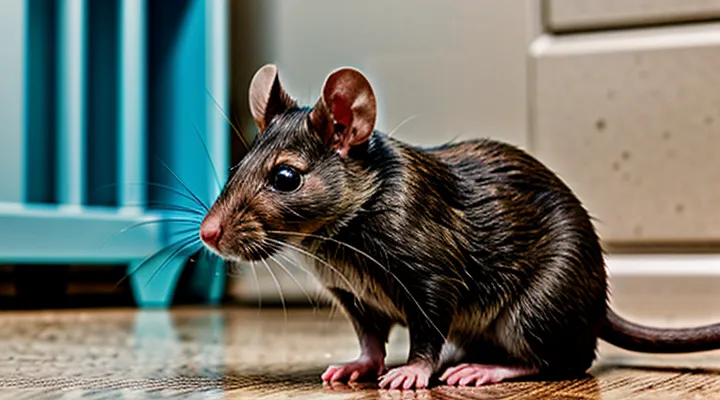
What is Mycoplasma pulmonis?
How it Affects Rats
Mycoplasma infection in rats produces a range of clinical manifestations that compromise health and productivity. Respiratory involvement is the most frequent, with nasal discharge, sneezing, and labored breathing observable within days of exposure. Pulmonary lesions include interstitial inflammation and consolidation, which can be confirmed by radiography or necropsy. Systemic spread leads to weight loss, reduced feed intake, and lethargy; affected animals often display a decline of 10‑15 % body mass over a two‑week period.
Reproductive performance deteriorates when the pathogen reaches the genital tract. Females may experience irregular estrous cycles, reduced litter size, and increased neonatal mortality. Males can show decreased sperm motility and testicular inflammation, contributing to lower breeding success.
Immune function is suppressed, rendering rats more susceptible to secondary bacterial or viral agents. Co‑infection accelerates disease progression and raises mortality rates, which may exceed 30 % in densely populated colonies lacking adequate ventilation.
Key indicators for monitoring include:
- Persistent nasal or ocular discharge
- Audible wheezing or crackles on auscultation
- Progressive weight loss despite unchanged diet
- Abnormal reproductive outcomes (e.g., smaller litters)
- Elevated white‑blood‑cell counts with a left shift
Pathological changes extend to the musculoskeletal system; chronic infection can cause joint swelling and reduced mobility due to inflammatory arthritis. Neurological signs, such as tremors or ataxia, appear rarely but have been documented in severe cases with central nervous system involvement.
Overall, Mycoplasma spp. impose substantial physiological stress on rats, impairing respiratory efficiency, growth, reproduction, and immune competence. Early detection and intervention are essential to limit colony losses and maintain experimental reliability.
Common Symptoms of Infection
Mycoplasma infection in rats manifests through a predictable cluster of clinical signs that facilitate early detection and intervention.
- Respiratory distress, including rapid or labored breathing and audible wheezing
- Nasal discharge, ranging from clear to purulent
- Ocular discharge, often accompanied by conjunctival redness
- Reduced appetite and consequent weight loss
- Lethargy, with diminished activity and poor grooming
- Diarrhea or soft feces, occasionally mixed with blood
- Sudden death in severe cases, without preceding overt symptoms
Recognition of these indicators enables veterinarians to confirm mycoplasmosis promptly, initiate targeted antimicrobial therapy, and implement environmental controls to prevent spread within the colony.
Diagnosing Mycoplasmosis
Clinical Examination
A thorough clinical examination is the first step in managing mycoplasma infection in laboratory rats. Begin with a systematic observation of behavior and physical condition. Record body weight, coat quality, and posture; note any lethargy, reduced grooming, or hunching. Inspect the nasal passages, eyes, and oral cavity for discharge, crusting, or ulceration. Palpate the abdomen to assess for organ enlargement or tenderness, and auscultate the thorax for abnormal respiratory sounds such as wheezes or crackles.
Key diagnostic observations include:
- Respiratory rate and effort; rapid, shallow breathing or labored inspiration indicates pulmonary involvement.
- Nasal and ocular secretions; serous or purulent exudate suggests upper‑respiratory tract infection.
- Temperature measurement; hypothermia may accompany severe systemic disease.
- Fecal consistency; diarrhea can occur secondary to stress or co‑infection.
- Lymph node palpation; enlargement of cervical or popliteal nodes may reflect immune response.
Collect samples for laboratory confirmation after the physical assessment. Nasal swabs, tracheal lavages, and lung tissue biopsies provide material for polymerase chain reaction or culture. Blood samples allow complete blood counts and serology to evaluate leukocytosis or specific antibody presence. Document all findings precisely; consistent records enable monitoring of treatment efficacy and early detection of complications.
Laboratory Testing
Accurate diagnosis is essential before initiating antimicrobial therapy for rat mycoplasma infection. Laboratory confirmation distinguishes Mycoplasma pulmonis from other respiratory pathogens and guides drug selection, dosage, and treatment duration.
Collect specimens under aseptic conditions to prevent contamination. Preferred samples include oropharyngeal swabs, lung tissue obtained at necropsy, and sometimes blood for serology. Swabs should be placed in transport medium designed for fastidious organisms and processed within 24 hours. Necropsy samples require immediate refrigeration or freezing if delay exceeds 12 hours.
Diagnostic options:
- Polymerase chain reaction (PCR). Detects Mycoplasma DNA in swabs or tissue with high sensitivity; results available within 24 hours.
- Culture on specialized mycoplasma agar. Provides isolate for antimicrobial susceptibility testing; incubation may take 2–4 weeks.
- Serology (ELISA or indirect immunofluorescence). Identifies antibodies indicating exposure; useful for herd screening but not for acute infection confirmation.
- Histopathology with immunohistochemistry. Confirms organism presence in lung lesions; reserved for post‑mortem cases.
Interpretation:
- Positive PCR or culture confirms active infection; initiate recommended antibiotic regimen promptly.
- Negative PCR with clinical signs warrants repeat testing after 48 hours, as low bacterial load can produce false negatives.
- Seropositivity without PCR evidence suggests prior exposure; monitor for clinical progression before treatment.
- Antimicrobial susceptibility results from cultured isolates should inform choice between tetracyclines, macrolides, or fluoroquinolones, avoiding agents with documented resistance.
Regular testing of colony members, especially after an outbreak, helps assess treatment efficacy and detect asymptomatic carriers. Maintain documentation of sample type, collection date, and test outcomes to support ongoing health management decisions.
PCR Testing
PCR testing provides rapid, highly specific detection of Mycoplasma spp. in rat colonies. The assay amplifies conserved gene segments, yielding results within 24 hours and distinguishing active infection from background flora. Sensitivity exceeds 95 % when respiratory swabs or lung tissue are processed under validated protocols.
Veterinarian recommendations for PCR implementation
- Collect deep nasal or tracheal swabs, bronchoalveolar lavage fluid, or fresh lung homogenates; avoid necrotic tissue that may contain inhibitors.
- Store samples in sterile transport media at 2–8 °C; process within 48 hours or freeze at –80 °C for longer intervals.
- Choose laboratories accredited for rodent Mycoplasma PCR; verify inclusion of internal controls to detect inhibition.
- Request quantitative results (Ct values) to assess bacterial load and monitor treatment efficacy.
- Integrate PCR outcomes with clinical signs and necropsy findings before initiating antimicrobial therapy.
Positive PCR results justify immediate therapeutic intervention. First‑line agents such as doxycycline or enrofloxacin are administered at doses established for rodent physiology, with treatment duration of 10–14 days. Serial PCR testing at 7‑day intervals confirms bacterial clearance; persistently low Ct values indicate residual infection and may necessitate regimen adjustment. Negative results support cessation of antibiotics and reduce unnecessary drug exposure.
Maintain detailed records of sample origin, collection date, assay parameters, and treatment response. Regular surveillance PCR, conducted quarterly in breeding colonies, sustains biosecurity and minimizes outbreak risk.
Culture and Sensitivity
Accurate diagnosis of Mycoplasma infection in laboratory rats depends on reliable culture and antimicrobial susceptibility testing. Isolation of the organism confirms infection, while sensitivity results guide targeted therapy and reduce the risk of resistance.
Sample collection
- Obtain tracheal swabs, lung tissue, or nasal lavage under aseptic conditions.
- Use sterile, moisture‑retaining transport media (e.g., Mycoplasma broth with horse serum).
- Keep specimens at 4 °C and deliver to the laboratory within 24 hours.
Laboratory processing
- Inoculate samples onto selective agar (e.g., PPLO broth or agar) supplemented with antibiotics to suppress contaminating flora.
- Incubate at 37 °C in a humidified atmosphere with 5 % CO₂; monitor for characteristic “fried‑egg” colonies for 2–4 weeks.
- Confirm identity by PCR or immunofluorescence targeting species‑specific genes.
Sensitivity testing
- Perform broth microdilution or agar diffusion assays using a panel of agents commonly employed in rodent medicine (e.g., doxycycline, enrofloxacin, tiamulin).
- Record minimum inhibitory concentrations (MICs) and compare with established breakpoint values for rodent Mycoplasma spp.
- Report results in a standardized format, indicating susceptible, intermediate, or resistant categories.
Clinical application
- Select the antimicrobial with the lowest MIC that falls within the susceptible range, considering drug availability, dosing frequency, and potential toxicity.
- Adjust therapy based on follow‑up cultures if clinical response is inadequate.
- Document all findings in the animal’s medical record to inform future treatment decisions and epidemiologic monitoring.
Implementing systematic culture and sensitivity testing ensures evidence‑based antimicrobial selection, improves treatment outcomes, and supports antimicrobial stewardship in rat colonies.
Treatment Protocols
Antibiotic Therapy
Antibiotic therapy is the primary intervention for Mycoplasma infection in laboratory and pet rats. Effective treatment requires selection of agents that penetrate the organism’s cell wall‑less structure and achieve therapeutic concentrations in respiratory and systemic tissues.
- Macrolides – azithromycin (10 mg/kg, orally, once daily) or tylosin (25 mg/kg, orally, twice daily). Both provide high intracellular activity and are well tolerated in rodents.
- Tetracyclines – doxycycline (5 mg/kg, orally, every 12 hours). Useful for chronic cases; avoid in breeding females due to potential embryotoxicity.
- Fluoroquinolones – enrofloxacin (5 mg/kg, orally, once daily). Effective against resistant strains; monitor for joint cartilage effects in young animals.
Treatment duration typically spans 10–14 days, extending to 21 days for severe or relapsing infections. Initiate therapy promptly after laboratory confirmation (PCR or culture) to reduce bacterial load and limit transmission.
Supportive measures complement antimicrobial use:
- Provide warm, humidified housing to ease respiratory distress.
- Ensure unrestricted access to clean water and high‑quality feed to maintain nutritional status.
- Perform daily clinical assessments, recording respiratory rate, nasal discharge, and appetite.
If clinical signs persist after the initial course, re‑evaluate the isolate’s susceptibility profile and consider combination therapy (e.g., macrolide plus tetracycline) or escalation to a higher‑grade fluoroquinolone. Adjust dosages based on body weight changes and renal function, especially in older or immunocompromised rats.
Post‑treatment, conduct a follow‑up PCR test at least one week after therapy completion to confirm eradication. Maintain strict biosecurity—quarantine new arrivals, sanitize cages, and limit stressors—to prevent reinfection.
Commonly Prescribed Antibiotics
Effective antimicrobial therapy for rat mycoplasmosis relies on agents with proven activity against Mycoplasma pulmonis and related species. Veterinary practice favors three classes: tetracyclines, macrolides, and fluoroquinolones. Each drug requires precise dosing, route of administration, and monitoring to minimize toxicity and resistance.
- Doxycycline – 5 mg/kg, oral or subcutaneous, once daily for 7–10 days. Provides high tissue penetration; monitor for gastrointestinal irritation.
- Oxytetracycline – 10 mg/kg, intraperitoneal, divided into two daily doses for 5–7 days. Effective in acute infections; avoid prolonged use to prevent hepatic stress.
- Azithromycin – 10 mg/kg, oral, once daily for 5 days. Offers a shorter course with reduced gastrointestinal side effects; watch for potential QT‑interval prolongation.
- Erythromycin – 30 mg/kg, oral, divided into three daily doses for 7 days. Useful when macrolide resistance is low; may cause ulceration of the esophagus if not administered with water.
- Enrofloxacin – 5 mg/kg, subcutaneous, once daily for 5 days. Broad‑spectrum fluoroquinolone with strong activity against Mycoplasma; contraindicated in breeding females due to cartilage toxicity.
Selection criteria include severity of clinical signs, age of the animal, and concurrent conditions. Routine culture or PCR confirmation guides targeted therapy, while susceptibility testing refines drug choice when resistance is suspected. Adjust dosages for neonates and geriatric rats to prevent overdosing. Regular weight checks and observation for adverse reactions ensure therapeutic success and animal welfare.
Duration of Treatment
Effective management of mycoplasma infection in laboratory rats requires a clearly defined treatment timeline. Therapeutic regimens typically extend beyond the period of observable symptom resolution to ensure eradication of the pathogen and prevent relapse.
- Initiate antimicrobial therapy promptly after diagnosis; common agents include doxycycline, enrofloxacin, or tylosin, administered at species‑specific dosages.
- Maintain the chosen medication for a minimum of 10 days, regardless of clinical improvement.
- Extend the course to 14–21 days when severe respiratory signs, weight loss, or systemic involvement are present.
- Continue treatment for at least 5 days after the last recorded fever, nasal discharge, or abnormal breathing pattern.
- Perform weekly fecal or oropharyngeal cultures during therapy; if cultures remain positive, prolong treatment until two consecutive negative results are obtained.
- Record body weight and behavior daily; a stable or increasing weight trend for three consecutive days supports the decision to discontinue medication.
Adjust the duration based on individual response, pathogen load, and any concurrent health issues. Premature cessation increases the risk of chronic carrier status and herd‑level spread.
Supportive Care
Supportive care is essential for rats battling mycoplasma infection, as it mitigates clinical signs while antimicrobial therapy takes effect. Adequate hydration prevents dehydration caused by nasal discharge and reduced food intake; provide fresh water in a bottle with a low‑profile sipper to encourage drinking. Electrolyte solutions can be offered orally or via subcutaneous injection if dehydration is severe.
Nutritional support sustains energy reserves and immune function. Offer highly palatable, calorie‑dense foods such as softened pellets, boiled egg whites, or commercial rodent recovery diets. Supplement with a modest amount of vitamin‑C solution (10 mg/ml) administered dropwise to the mouth, as rats cannot synthesize this antioxidant.
Thermal regulation reduces metabolic stress. Maintain ambient temperature between 22 °C and 26 °C, and use a heat pad under a corner of the cage to allow the animal to self‑regulate warmth. Avoid drafts and direct sunlight.
Environmental hygiene limits secondary bacterial colonization. Change bedding daily, disinfect cages with a diluted quaternary ammonium solution, and remove soiled material promptly. Use low‑dust, absorbent substrate to keep the respiratory tract clear.
Monitoring parameters guide adjustments in care. Record body weight, water consumption, and respiratory rate at least twice daily. Escalate supportive measures—such as supplemental oxygen via a small mask—if respiratory distress worsens.
Key supportive interventions
- Fluid therapy: subcutaneous lactated Ringer’s or sterile saline (10 ml/kg, q12 h)
- Nutrient enrichment: softened high‑protein diet, vitamin‑C drops (0.2 ml per rat)
- Temperature control: ambient 22‑26 °C, localized heat source
- Cage sanitation: daily bedding change, disinfectant wipe‑down
- Clinical monitoring: weight, intake, respiratory effort, temperature
Implementing these measures alongside targeted antibiotics improves recovery odds and reduces morbidity in affected rodents.
Respiratory Support
Effective respiratory support is essential when managing mycoplasma infection in laboratory or pet rats. The primary goal is to maintain adequate oxygenation, reduce airway inflammation, and prevent secondary bacterial colonization.
Oxygen supplementation can be delivered via a small‑volume oxygen cage or a flow‑through chamber set at 1–2 L/min. Continuous monitoring of respiratory rate, effort, and arterial oxygen saturation (if pulse oximetry is available) allows rapid adjustment of flow rates.
Humidified air alleviates mucosal drying and promotes mucociliary clearance. A humidifier attached to the cage ventilation system maintains relative humidity at 55–65 %. Warmth (28–30 °C) supports metabolic demand and reduces respiratory workload.
Pharmacologic adjuncts may include:
- Bronchodilators (e.g., aerosolized albuterol) administered twice daily to relax bronchial smooth muscle.
- Anti‑inflammatory agents such as low‑dose dexamethasone (0.1 mg/kg subcutaneously) for severe airway edema, limited to short courses.
- Antimicrobial therapy targeting Mycoplasma spp. (e.g., doxycycline 5 mg/kg orally every 12 h) to eliminate the underlying pathogen.
Fluid therapy should be isotonic (e.g., lactated Ringer’s) at 10 mL/kg/day, administered subcutaneously or via a fluid‑filled bottle, to maintain hydration and thin respiratory secretions.
Supportive measures:
- Soft bedding to minimize irritation of the nasal passages.
- Reduced stress through quiet handling and minimal cage disturbances.
- Regular assessment of weight and body condition; rapid weight loss signals worsening respiratory compromise.
If hypoxemia persists despite these interventions, consider mechanical ventilation using a small animal ventilator with pressure‑controlled settings, ensuring appropriate anesthesia and continuous monitoring.
Prompt implementation of these strategies reduces morbidity and improves recovery rates in rats afflicted with mycoplasma‑related respiratory disease.
Pain Management
Effective pain control is essential for rats undergoing treatment for mycoplasma infection. Unmanaged discomfort compromises appetite, immune response, and recovery speed.
Pharmacologic agents commonly employed include:
- Meloxicam – 0.2 mg/kg subcutaneously every 24 h; provides anti‑inflammatory and analgesic effects without significant sedation.
- Carprofen – 5 mg/kg orally or subcutaneously every 24 h; suitable for longer‑term use, monitor liver enzymes.
- Buprenorphine – 0.01 mg/kg subcutaneously every 8–12 h; potent opioid for severe pain, observe for respiratory depression.
- Tramadol – 10 mg/kg orally every 12 h; adjunctive analgesic, assess for gastrointestinal upset.
Dosage adjustments are required for juvenile or geriatric rats, and for individuals with hepatic or renal impairment. Combine analgesics only when synergistic benefit outweighs the risk of adverse interactions.
Non‑pharmacologic strategies complement drug therapy:
- Provide soft bedding to reduce pressure on inflamed tissues.
- Maintain ambient temperature between 20–24 °C to prevent shivering‑induced stress.
- Limit handling to essential procedures; use gentle restraint techniques.
- Offer palatable, high‑protein food to encourage intake despite oropharyngeal discomfort.
Continuous assessment involves daily scoring of posture, mobility, grooming, and food consumption. Escalate analgesic potency if pain indicators persist after 24 h. Record all interventions in the medical chart to guide future treatment cycles.
Nutritional Support
Nutritional management strengthens the host’s immune response and aids recovery from mycoplasma infection in laboratory rats. Adequate calories, protein, and micronutrients reduce catabolism and support tissue repair.
Increase energy density by adding 10‑15 % more calories to the standard rodent chow. Prefer high‑quality, low‑fiber formulations that contain 20‑24 % protein, because protein supports antibody synthesis. Incorporate easily digestible carbohydrate sources such as dextrose‑enriched water or a small amount of sterile glucose gel to prevent hypoglycemia during periods of reduced food intake.
Supplementation should address common deficiencies observed in infected animals:
- Vitamin C (25–50 mg/kg diet) – antioxidant, reduces oxidative stress.
- Vitamin E (100 IU/kg diet) – protects cell membranes.
- Selenium (0.2 ppm) – supports glutathione peroxidase activity.
- Zinc (30 ppm) – essential for lymphocyte function.
- Probiotic blend (Lactobacillus spp.) – stabilizes gut flora, improves nutrient absorption.
Hydration is critical; provide sterile, room‑temperature water with added electrolytes (sodium chloride 0.5 %, potassium chloride 0.2 %) to compensate for losses from fever and respiratory distress. Monitor daily intake; a drop of more than 20 % signals the need for intervention.
Adjust the diet based on clinical response. If weight loss persists beyond five days, increase protein to 28 % and consider a short course of a high‑calorie gel. Re‑evaluate serum albumin and electrolyte levels weekly to ensure the nutritional plan remains effective.
Environmental Management
Effective control of mycoplasma infections in rats requires strict environmental management. Reduce pathogen load by maintaining a clean housing system, regulating humidity, and ensuring proper ventilation. Implement routine cleaning schedules that include disinfection of cages, bedding, food containers, and water bottles with agents proven effective against Mycoplasma spp.
Key practices:
- Replace bedding weekly; use low‑dust, autoclaved material.
- Disinfect surfaces with a 10 % bleach solution or an approved veterinary disinfectant; allow adequate contact time.
- Keep relative humidity between 40 % and 60 % to limit aerosol transmission.
- Provide at least 12 air changes per hour; filter incoming air through HEPA units.
- Separate infected and healthy colonies; use dedicated equipment for each group.
- Monitor temperature closely; maintain 20 °C–24 °C to prevent stress‑induced susceptibility.
Regular environmental monitoring, including culture or PCR testing of cage swabs, confirms the efficacy of these measures and supports rapid response to any breach in biosecurity.
Cage Hygiene
Maintaining a clean environment is essential for controlling Mycoplasma infections in laboratory and pet rat colonies. Contaminated bedding, food dishes, and water bottles serve as reservoirs for the pathogen; regular sanitation interrupts transmission cycles.
- Replace all bedding material at least twice weekly. Use absorbent, low‑dust substrates to reduce aerosolized particles.
- Wash food containers and water bottles with hot, soapy water after each use. Rinse thoroughly, then disinfect with a 0.5 % chlorhexidine solution; allow a 10‑minute contact time before rinsing again.
- Perform a full cage cleaning every 48 hours. Remove all waste, scrub interior surfaces with a detergent, then apply a 1 % bleach solution for 5 minutes. Rinse until no residue remains and dry completely before re‑adding fresh bedding.
- Implement a quarantine protocol for new arrivals. House incoming rats in a separate cage for a minimum of 14 days, monitoring for respiratory signs and applying the same cleaning regimen.
- Schedule routine health checks. Early detection of Mycoplasma symptoms enables prompt therapeutic intervention and prevents spread within the colony.
Consistent application of these practices reduces environmental load of the organism, supports the efficacy of antimicrobial therapy, and promotes overall colony health.
Air Quality
Air quality directly influences the progression and recovery of mycoplasma infections in laboratory and pet rats. Poor ventilation, high ammonia levels, and excessive dust increase respiratory irritation, reduce mucosal defense, and facilitate bacterial colonization, thereby compromising therapeutic outcomes.
Key environmental parameters include:
- Temperature: maintain 20‑24 °C to support immune function.
- Relative humidity: keep within 40‑60 % to limit aerosol stability.
- Ventilation: provide at least 10 air changes per hour with fresh, filtered air.
- Ammonia concentration: monitor continuously; keep below 25 ppm to prevent mucosal damage.
- Particulate matter: use low‑dust bedding and HEPA filtration to reduce inhalable particles.
Veterinary protocols recommend the following actions:
- Install automated sensors for temperature, humidity, and ammonia; set alarms for deviations.
- Replace traditional wood shavings with paper‑based or corncob bedding to lower dust and ammonia generation.
- Employ HEPA‑rated exhaust fans and supply ducts to achieve the required air exchange rate.
- Conduct weekly visual inspections of cage ventilation ports; clear obstructions promptly.
- Schedule quarterly professional HVAC maintenance to ensure filter integrity and system efficiency.
Adhering to these air‑quality standards minimizes respiratory stress, enhances the efficacy of antimicrobial therapy, and promotes faster resolution of mycoplasma‑related disease in rats.
Preventing Recurrence and Spreading
Quarantine Protocols for New Rats
Quarantine new rats before introducing them to an established colony to prevent the introduction of Mycoplasma pulmonis and other pathogens. Isolation eliminates direct contact, reduces aerosol transmission, and provides a controlled environment for early detection.
- Place each animal in a separate cage equipped with HEPA‑filtered ventilation.
- Maintain temperature at 20‑22 °C and humidity between 45‑55 %.
- Provide sterile bedding, water, and food; replace supplies daily.
- Limit personnel access; use dedicated gloves and gowns for each cage.
- Record daily observations of respiratory rate, nasal discharge, ocular secretions, and activity level.
Continue quarantine for a minimum of 30 days. Conduct a complete physical exam and a PCR or culture test for Mycoplasma pulmonis at day 15 and day 30. If both tests return negative and clinical signs remain absent, clear the rat for integration.
After clearance, move the animal to a clean cage within the main facility, continue monitoring for an additional 7 days, and disinfect all equipment used during quarantine. This protocol minimizes the risk of mycoplasmosis spread and supports colony health.
Regular Health Checks
Regular health examinations are essential for early detection and effective management of mycoplasma infections in rats. Veterinarians advise scheduling examinations at least once every four weeks for breeding colonies and bi‑monthly for research groups. Each visit should include:
- Visual assessment of coat condition, eyes, and respiratory signs.
- Palpation of the abdomen to detect organ enlargement.
- Measurement of body weight and comparison with baseline growth curves.
- Collection of oropharyngeal and nasal swabs for PCR or culture testing.
- Evaluation of cage hygiene, bedding quality, and ventilation.
Documentation of findings creates a longitudinal health record, enabling rapid identification of deviations from normal parameters. Prompt isolation of animals showing respiratory distress or abnormal weight loss reduces transmission risk. Adjustments to antimicrobial therapy, environmental controls, and biosecurity protocols should be based on the data gathered during these examinations. Consistent implementation of this schedule supports the overall health of the colony and improves outcomes for mycoplasma treatment programs.
Stress Reduction Strategies
Reducing stress in rats directly improves immune response and enhances the effectiveness of antimicrobial therapy for Mycoplasma infections. Elevated cortisol levels suppress lymphocyte activity, prolong bacterial shedding, and increase mortality risk; therefore, environmental and handling measures that minimize stress are integral to successful treatment.
- Provide consistent cage enrichment (nesting material, chew blocks, tunnels) to promote natural behaviors.
- Maintain stable temperature (20‑22 °C) and humidity (45‑55 %); avoid abrupt fluctuations.
- Limit exposure to loud noises and sudden lighting changes; use dim, gradual illumination cycles.
- Implement gentle handling techniques: support the animal’s torso, avoid tail grabs, and use a calm voice.
- Schedule routine husbandry tasks at the same time each day to establish predictability.
- Reduce cage density to 2–3 rats per 450 cm² floor space, preventing overcrowding and competition.
- Ensure clean, odor‑free bedding; replace soiled material weekly.
- Provide ad libitum access to fresh water and balanced nutrition; monitor intake for signs of illness.
Veterinarians should assess each facility’s protocol, adjust variables that deviate from the above standards, and document stress‑mitigation interventions alongside antimicrobial regimens. Continuous monitoring of behavior and physiological markers (e.g., weight, activity levels) confirms the efficacy of the implemented strategies.
Prognosis and Long-Term Management
Expected Outcomes with Treatment
Effective antimicrobial therapy combined with supportive care produces measurable clinical recovery in infected rats. Respiratory distress diminishes within 48–72 hours, and nasal discharge resolves by the end of the first week. Appetite returns promptly, allowing gradual weight gain that matches baseline growth curves within 10–14 days. Mortality drops sharply when treatment begins before the onset of severe pneumonia, with survival rates exceeding 90 % in properly managed colonies.
Laboratory parameters normalize alongside clinical improvement. Hematologic profiles show reduced neutrophilia, while serologic titers decline steadily after two weeks of consistent drug administration. Repeat cultures or PCR assays typically become negative after a full course, confirming eradication of the pathogen.
Typical outcomes after a complete therapeutic regimen
- Resolution of cough and labored breathing
- Absence of ocular and nasal secretions
- Restoration of normal feeding behavior and weight trajectory
- Normalized white‑blood‑cell count and acute‑phase proteins
- Negative follow‑up diagnostic tests for Mycoplasma spp.
- Survival rates above 90 % in treated groups
These results depend on early diagnosis, appropriate antibiotic selection, and adherence to dosage schedules recommended by veterinary professionals.
Managing Chronic Conditions
Effective management of chronic mycoplasma infection in rats requires a systematic approach that integrates therapeutic, environmental, and husbandry measures. Veterinarians should implement the following protocol:
- Initiate a targeted antimicrobial regimen based on culture and sensitivity results; doxycycline or enrofloxacin are commonly effective, administered for a minimum of three weeks to ensure eradication of persistent organisms.
- Conduct baseline and weekly hematological assessments to track leukocyte trends and detect secondary infections early.
- Adjust dosage according to body weight fluctuations, ensuring plasma concentrations remain within the therapeutic window.
- Provide supportive nutrition enriched with protein, vitamin C, and omega‑3 fatty acids to bolster immune function and promote tissue repair.
- Maintain cage humidity at 40‑60 % and temperature between 20‑24 °C to limit stress‑induced immunosuppression.
- Replace bedding and water supplies daily; employ autoclaved or irradiated materials to prevent re‑contamination.
- Implement a strict quarantine period for new arrivals, including a minimum 30‑day observation before integration with the existing colony.
- Schedule post‑treatment PCR testing at two and four weeks after therapy completion to confirm clearance of the pathogen.
Long‑term success depends on continuous monitoring, prompt adjustment of therapeutic parameters, and adherence to biosecurity standards. This integrated strategy minimizes relapse risk and supports overall colony health.
Quality of Life Considerations
Effective management of mycoplasmosis in rats requires attention to the animal’s overall welfare. Pain and discomfort should be minimized through appropriate analgesics and anti‑inflammatory agents prescribed by a veterinarian. Dosage adjustments based on weight and clinical response help maintain comfort without compromising treatment efficacy.
Nutritional support contributes directly to recovery. Provide a balanced diet enriched with high‑quality protein, vitamins, and minerals. Offer soft, palatable food items when oral lesions or respiratory distress impede normal eating. Ensure constant access to fresh water, possibly supplemented with electrolytes if dehydration is observed.
Environmental conditions influence stress levels and immune function. Maintain cage temperature between 20 °C and 24 °C, humidity at 40‑60 %, and provide adequate ventilation to reduce aerosolized pathogens. Include nesting material, hideouts, and chewable objects to promote natural behaviors and reduce anxiety.
Monitoring protocols enable early detection of deterioration. Record weight, respiratory rate, and activity level at least twice daily. Document any changes in grooming, posture, or social interaction. Prompt veterinary assessment of abnormal findings prevents unnecessary suffering.
When treatment fails to halt disease progression, humane endpoints must be defined. Criteria such as >20 % body‑weight loss, persistent dyspnea, or inability to eat for 24 hours justify euthanasia to avoid prolonged distress.
- Analgesia and anti‑inflammatory therapy
- Nutrient‑dense, easily consumable diet
- Stable temperature, humidity, and ventilation
- Enrichment items for natural behavior
- Regular health checks and weight tracking
- Clearly established humane endpoints
When to Consult Your Veterinarian
Recognizing Worsening Symptoms
Recognizing a progression of mycoplasma infection in laboratory or pet rats is essential for timely veterinary intervention. Observable changes signal that the disease is advancing beyond the initial stage and require immediate reassessment of the therapeutic plan.
- Increased respiratory rate or effort, including audible wheezing or labored breathing.
- Persistent or worsening nasal discharge that becomes purulent or blood‑tinged.
- Marked weight loss exceeding 5 % of body mass within a week, despite adequate nutrition.
- Lethargy accompanied by reduced grooming, decreased activity, and prolonged periods of immobility.
- Ocular signs such as conjunctival swelling, discharge, or corneal opacity.
- Occurrence of fever, measured rectally above 39.5 °C (103 °F), especially if sustained for more than 24 hours.
- Development of secondary complications, for example, pleural effusion detectable by thoracic auscultation or ultrasound.
Veterinarians advise daily monitoring of these parameters. Any escalation should trigger a review of antimicrobial selection, dosage adjustment, or addition of supportive therapies such as fluid replacement and oxygen supplementation. Prompt communication with a qualified professional reduces morbidity and improves the likelihood of full recovery.
Post-Treatment Follow-up
After completing antimicrobial therapy for mycoplasma infection in rats, systematic monitoring is essential to confirm resolution and prevent recurrence. The following actions constitute a comprehensive post‑treatment protocol.
- Conduct a physical examination 48–72 hours after the last dose. Assess respiration rate, nasal discharge, and body condition; record any deviations from baseline.
- Obtain a fresh oropharyngeal swab for polymerase chain reaction (PCR) or culture. Submit samples to a certified laboratory; a negative result confirms bacterial clearance.
- Perform a complete blood count (CBC) and serum chemistry panel within one week. Look for normalization of leukocyte count and inflammatory markers.
- Schedule weekly weight measurements for the first month. Stable or increasing weight indicates successful recovery.
- Maintain strict biosecurity throughout the observation period. Isolate treated animals from naïve colonies, disinfect cages, and replace bedding regularly.
- Document all findings in a dedicated health log. Include dates, clinical signs, test results, and any supplemental treatments administered.
If any clinical signs reappear, initiate a repeat diagnostic work‑up and consider extending antimicrobial coverage or adjusting the drug regimen. Continuous record‑keeping enables trend analysis and informs future therapeutic decisions.
Emergency Situations
Rapid identification of life‑threatening signs is critical. Observe for sudden respiratory distress, severe lethargy, collapse, or profuse nasal discharge. If any of these appear, isolate the affected rat immediately and contact a veterinarian without delay.
Immediate actions
- Place the animal in a quiet, temperature‑controlled chamber (20‑24 °C).
- Administer supplemental oxygen via a small‑volume mask if breathing is shallow.
- Begin fluid therapy with sterile isotonic solution (10 ml/kg subcutaneously) to counter dehydration.
- Provide a single dose of a broad‑spectrum antimicrobial effective against Mycoplasma spp., such as enrofloxacin 10 mg/kg intraperitoneally, pending laboratory confirmation.
Veterinary interventions
- Perform a thoracic radiograph or ultrasound to assess pulmonary involvement.
- Collect nasal swabs and lung tissue for PCR or culture to verify the pathogen and guide targeted therapy.
- Initiate a specific antimicrobial regimen (e.g., doxycycline 5 mg/kg orally twice daily) for a minimum of 14 days, adjusting dosage based on renal and hepatic function.
- Monitor vital parameters (temperature, heart rate, respiratory rate) at least every two hours during the acute phase.
- Administer anti‑inflammatory agents (e.g., meloxicam 0.2 mg/kg subcutaneously) to reduce fever and discomfort, observing for contraindications.
Post‑emergency care
- Continue supportive fluids until normal hydration is restored.
- Maintain a high‑calorie, easily digestible diet to promote recovery.
- Re‑evaluate clinical status daily; repeat imaging if respiratory function does not improve within 48 hours.
- Implement strict biosecurity measures to prevent spread to the colony, including thorough disinfection of cages, equipment, and personnel protective gear.
Prompt execution of these steps reduces mortality and facilitates swift resolution of severe mycoplasma outbreaks in rat populations.