
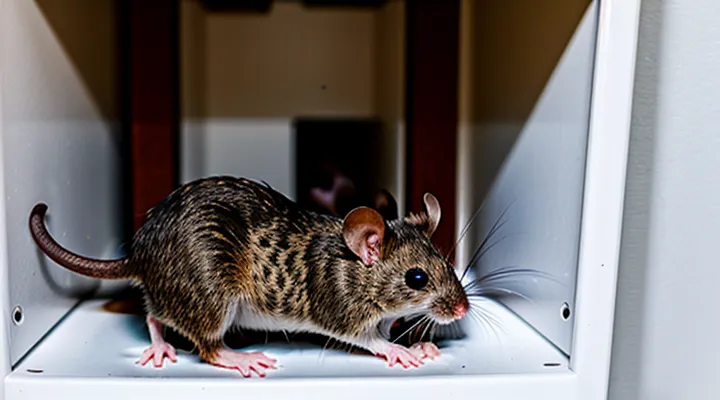
Understanding the Rodent Problem
Identifying Rodent Infestation Signs
Droppings and Urine Stains
Rodent droppings appear as small, dark, cylindrical pellets, usually 3–6 mm long, and are found along walls, behind appliances, in cabinets, and near food sources. Urine stains present as reddish‑brown discolorations or wet spots, often accompanied by a strong, musky odor. Both indicators confirm active infestation and pinpoint areas that require immediate attention.
These residues carry pathogens such as hantavirus, leptospira, and salmonella. Direct contact or inhalation of dried particles can cause respiratory and gastrointestinal illness. Contaminated surfaces also attract insects, increasing the overall health risk for occupants.
Accurate identification involves systematic visual inspection, recording the quantity, size, and distribution of droppings, and noting any accompanying urine marks. Mapping this information guides targeted bait placement and helps evaluate the effectiveness of control measures over time.
Effective remediation follows a three‑step protocol:
- Protective gear: wear disposable gloves, N95 respirator, and eye protection before handling any material.
- Containment: dampen droppings with a disinfectant solution (e.g., 10 % bleach) to prevent aerosolization, then collect with a disposable scoop or paper towel.
- Disinfection: clean the affected area with a bleach‑water mixture (1 part bleach to 9 parts water) or an EPA‑approved rodent‑specific sanitizer; allow a contact time of at least 10 minutes before wiping dry.
Completing these actions eliminates the immediate health threat and removes the environmental cues that sustain rodent activity, thereby supporting the overall eradication strategy.
Gnaw Marks and Damage
Gnaw marks provide the most reliable visual evidence of a rodent problem. Fresh incisors leave clean, crescent‑shaped cuts on wood, plastic, or insulation, while older bites appear rough and splintered. The depth and location of the marks reveal the species involved and the extent of activity.
Damage caused by chewing includes:
- Compromised structural integrity of beams, baseboards, and furniture.
- Exposed wiring that can lead to short circuits or fire hazards.
- Contaminated food stores, pantry items, and packaging.
- Degraded insulation, reducing energy efficiency and increasing heating costs.
Identifying gnaw patterns directs the choice of control measures. For instance, bite marks on electrical conduit indicate a need for rodent‑proof sleeves, while damage to wooden frames suggests placement of bait stations near entry points. Accurate assessment reduces trial‑and‑error, allowing the most effective home rodent management strategy to be applied promptly.
Remediation steps:
- Seal all visible entry holes with steel‑wool or metal mesh, then apply a durable caulk.
- Replace damaged sections of wood, insulation, or wiring to restore safety.
- Deploy a targeted bait or trap system at locations where gnaw marks concentrate.
- Conduct a follow‑up inspection after two weeks to confirm the cessation of new chew activity.
Prompt attention to gnaw marks eliminates ongoing destruction and supports long‑term protection against mice and rats in residential settings.
Strange Noises
Strange noises often precede visible evidence of an infestation. Scratching in walls, faint squeaking behind cabinets, and intermittent scurrying indicate active burrows. These sounds pinpoint entry points, feeding zones, and nesting sites, allowing targeted intervention.
Effective home rodent control relies on three actions:
- Seal openings larger than a quarter‑inch with steel wool, caulk, or metal flashing.
- Deploy snap traps or electronic devices at identified pathways, positioning bait close to the noise source.
- Apply rodenticide stations in concealed areas, ensuring they are inaccessible to children and pets.
Monitoring after deployment confirms success. Absence of the characteristic sounds for 48‑72 hours suggests that the population has been eliminated. Re‑inspection of sealed gaps prevents reinfestation.
Risks Associated with Rodents
Health Hazards
Rodent infestations introduce a range of health threats that compromise indoor environments. Pathogens carried by mice and rats, such as hantavirus, leptospira, and salmonella, can be transmitted through urine, droppings, and saliva, leading to respiratory, gastrointestinal, and systemic infections. Direct contact or inhalation of aerosolized particles from contaminated nesting material creates immediate risk for occupants, especially children and immunocompromised individuals.
Allergic reactions and asthma exacerbations increase when rodent allergens become airborne. Proteins present in fur, dander, and waste settle on surfaces and are easily disturbed during cleaning activities. Continuous exposure heightens sensitivity, resulting in sneezing, coughing, and wheezing that may require medical intervention.
Additional hazards arise from structural damage caused by gnawing. Compromised wiring can spark fires, while chewed insulation reduces thermal efficiency and promotes moisture accumulation, fostering mold growth. Mold spores further impair air quality and can trigger toxic reactions.
Key health hazards associated with household rodents
- Viral infections (hantavirus, lymphocytic choriomeningitis)
- Bacterial diseases (leptospirosis, salmonellosis)
- Parasitic infestations (tapeworms, fleas)
- Allergic sensitization and asthma aggravation
- Secondary mold proliferation from water‑damage caused by gnawing
Addressing these risks requires a solution that eliminates the rodent population, prevents re‑entry, and minimizes exposure to contaminant sources. Effective control measures protect occupants by removing the primary vectors of disease, reducing allergen load, and preserving the integrity of home infrastructure.
Property Damage
Rodents infiltrate residential spaces, compromising structural integrity and personal belongings. Chewed wiring creates fire hazards, while gnawed insulation reduces energy efficiency. Contaminated food stores invite health risks, and burrowing activity weakens foundations. The cumulative effect raises repair costs and diminishes property value.
An effective home‑based rodent control strategy eliminates these threats through three essential actions:
- Immediate removal of existing rodents using proven trapping or baiting techniques.
- Sealing entry points with durable materials such as steel wool, caulk, and metal flashing.
- Ongoing monitoring with snap traps or electronic detectors to prevent re‑infestation.
Implementing this comprehensive approach stops further damage, restores safety, and protects the long‑term condition of the dwelling.
Prevention Strategies
Sealing Entry Points
Inspecting Foundation and Walls
Inspecting the foundation and walls is a prerequisite for any successful home rodent control program. Structural gaps, cracks, and voids provide direct entry points for mice and rats; identifying them eliminates the primary route of infestation.
Key inspection points include:
- Cracks larger than 1 mm in concrete footings, basement walls, and exterior masonry.
- Gaps around utility penetrations, such as water pipes, electrical conduits, and HVAC ducts.
- Unsealed openings around vents, foundation vents, and crawl‑space access doors.
- Deteriorated or missing caulking and weather‑stripping around windows and doors.
- Evidence of gnaw marks, droppings, or nesting material near the base of interior walls.
When a defect is discovered, seal it promptly with appropriate materials: hydraulic cement for concrete cracks, steel wool or copper mesh for small openings, and silicone or polyurethane caulk for gaps around fixtures. For larger breaches, install metal flashing or reinforced lintels before applying sealant. Verify the integrity of each repair by conducting a follow‑up visual check after a few days.
A systematic inspection, combined with thorough sealing, removes the structural advantages rodents exploit, thereby enhancing the overall effectiveness of any home pest‑management strategy.
Securing Vents and Pipes
Vents and pipes provide direct routes for rodents to infiltrate living spaces, making their protection essential for any comprehensive pest‑control plan.
Identify all openings larger than ¼ inch, including dryer exhausts, attic vents, utility chutes, and plumbing penetrations. Use a flashlight and a mirror to inspect hard‑to‑see areas, noting gaps, cracks, or deteriorated mesh.
Sealing procedures
- Cut stainless‑steel mesh to cover vent openings; secure with rust‑resistant screws.
- Apply expanding polyurethane foam around pipe sleeves, then overlay with metal flashing for added durability.
- Install copper or galvanized steel collars on larger ductwork, tightening bolts to eliminate movement.
- Replace damaged vent covers with models featuring built‑in rodent guards.
- Use cement‑based caulk to fill small fissures in wall or floor surfaces surrounding pipe entries.
Regular maintenance reinforces barriers. Schedule quarterly checks to verify that mesh remains intact, fasteners are tight, and foam has not degraded. Replace any compromised components promptly to prevent re‑entry.
By systematically securing vents and pipes, homeowners create a robust physical defense that significantly reduces the likelihood of mouse and rat infestations.
Repairing Gaps Around Doors and Windows
Sealing gaps around doors and windows is a critical component of an effective home rodent control strategy. Unfilled openings provide direct access points for mice and rats, allowing them to enter, hide, and establish colonies. By eliminating these pathways, homeowners reduce the likelihood of infestation and limit the need for chemical or trap-based interventions.
Identify all potential entry points. Common locations include:
- Space between door frames and the floor or threshold.
- Gaps around window sashes and exterior trim.
- Openings around utility penetrations (pipes, cables) near doors or windows.
- Cracks in the surrounding wall or siding.
Apply appropriate sealing materials. Choose products based on gap size and exposure:
- Steel wool combined with expanding polyurethane foam for gaps larger than ¼ inch.
- Silicone or acrylic caulk for narrow seams around window frames.
- Weatherstripping or door sweeps for movable door edges.
- Metal flashing or mesh for larger structural cracks.
After sealing, inspect the sealed areas regularly. Look for signs of new damage, wear, or rodent activity. Promptly repair any deterioration to maintain the barrier’s integrity.
Integrating gap repair with other control measures—such as maintaining cleanliness, removing food sources, and setting traps when necessary—creates a comprehensive approach that minimizes rodent presence and protects the home environment.
Maintaining a Clean Environment
Proper Food Storage
Proper food storage eliminates the primary food source that draws mice and rats into residential spaces. Sealing all consumables removes the scent trail that rodents follow, thereby decreasing the likelihood of infestation.
- Use containers with a rubber gasket and lock‑tight lid for grains, cereals, nuts, and pet food.
- Store dried goods in metal or heavy‑wall plastic vessels; avoid cardboard boxes that can be gnawed.
- Keep perishable items refrigerated or frozen; discard leftovers promptly.
- Label containers with purchase dates and rotate stock to prevent spoilage.
Regularly inspect storage areas for signs of damage or breach. Replace compromised seals, clean spills immediately, and vacuum crumbs from shelves and floor corners. Consistency in these practices sustains an environment that is unattractive to rodents.
Combine secure storage with other preventative actions—such as sealing entry points and maintaining a tidy kitchen—to create a comprehensive strategy that minimizes rodent activity throughout the home.
Regular Waste Disposal
Proper waste management eliminates the primary attractant for house rodents. Food residues left in trash provide a reliable food source; removing them consistently deprives mice and rats of sustenance and reduces their likelihood of establishing a nest.
Effective waste disposal includes the following actions:
- Use containers with tight-fitting lids to prevent access.
- Empty bins at least once every two days, or more frequently in warm weather.
- Store bins away from building foundations, preferably on a non‑organic surface.
- Clean the interior of containers with a mild disinfectant after each emptying.
By integrating these practices into a broader rodent‑control strategy, homeowners remove a critical factor that encourages infestation. Consistent removal of waste complements other measures such as sealing entry points and maintaining a tidy environment, thereby enhancing the overall effectiveness of the chosen rodent‑deterrent approach.
Decluttering and Organization
Effective rodent control at home begins with eliminating the conditions that attract mice and rats. Clutter provides shelter, nesting material, and concealment, allowing pests to establish colonies unnoticed. Removing unnecessary items reduces hiding places and simplifies monitoring for activity.
- Store food in sealed containers; any open packaging should be transferred to metal or heavy‑plastic bins with airtight lids.
- Keep countertops, floors, and shelves free of crumbs; clean spills immediately.
- Dispose of cardboard boxes, paper piles, and fabric scraps that are not needed; recycle or discard them promptly.
- Organize storage areas so that items are stacked away from walls, leaving a clear gap for inspection.
- Regularly inspect attics, basements, and crawl spaces; remove abandoned furniture, insulation, or debris that could serve as burrows.
A systematic approach to organization creates an environment where rodents cannot find refuge. By maintaining tidy spaces, homeowners limit the opportunities for infestation and make any remaining signs of activity readily apparent, facilitating rapid response. The combination of decluttering and diligent housekeeping constitutes a core component of a comprehensive rodent‑management strategy.
Landscaping and Exterior Maintenance
Trimming Vegetation
Trimming vegetation around a residence reduces shelter and travel routes for rodents, directly limiting their ability to enter the building. Overgrown shrubs, vines, and ground cover create dense habitats where mice and rats can hide, nest, and move undetected. By maintaining a clear perimeter, homeowners remove these protective environments and expose rodents to predators and environmental hazards, decreasing population pressure near the house.
Key actions for effective perimeter management:
- Cut back shrubbery to a height of no more than 12 inches from the ground.
- Remove vines that climb walls or support structures.
- Keep lawn grass at a short, regular length (approximately 3‑4 inches).
- Eliminate piles of leaves, mulch, or compost that are within two feet of the foundation.
- Prune tree branches so they do not overhang the roof or touch the house.
These measures create a physical barrier that deters rodents from approaching entry points such as doors, windows, and utility openings. Regular maintenance—performed at least monthly during growing seasons—ensures that new growth does not reestablish protective cover. Integrating vegetation control with sealing cracks and proper waste management forms a comprehensive strategy for rodent prevention inside the home.
Removing Debris
Removing debris eliminates shelter and food sources that attract rodents. Clutter in kitchens, basements, and storage areas provides nesting material and concealment, allowing mice and rats to establish colonies undetected.
Effective debris management includes the following actions:
- Clear fallen food, crumbs, and packaging from countertops, floors, and appliances after each use.
- Dispose of cardboard boxes, paper bags, and other compressible materials in sealed containers; avoid leaving them on the floor or in corners.
- Sweep and vacuum regularly to capture dust, pet hair, and small particles that can serve as bedding.
- Organize storage spaces; keep items off the ground on shelves with tight-fitting doors.
- Remove outdoor clutter such as piles of leaves, firewood, and garden waste that lie against the foundation.
Consistent implementation reduces habitat suitability, forcing rodents to seek alternative locations and enhancing the overall efficacy of any control measures employed within the residence.
Effective Rodent Control Methods
Trapping Techniques
Snap Traps
Snap traps provide rapid, humane termination of rodents without reliance on chemicals. The mechanism consists of a spring‑loaded bar that releases upon contact, delivering an instantaneous, lethal force to the animal’s neck. Construction typically involves a wooden or plastic base, a metal trigger plate, and a bait cup.
Key advantages of snap traps include:
- Immediate result, eliminating the need for prolonged monitoring.
- No residual toxins, preventing secondary poisoning of pets or children.
- Low cost and reusable components, allowing multiple deployments from a single unit.
- Discreet design that fits into corners, wall voids, and concealed areas.
Effective deployment requires strategic placement. Position traps along established runways, such as behind appliances, beneath cabinets, and near entry points. Secure the trap so the trigger plate aligns with the rodent’s natural path; a slight angle directs the animal into the bait cup. Use attractive, species‑specific bait—peanut butter, dried fruit, or small meat pieces—to increase capture rates.
Safety and disposal protocols are essential. Wear gloves when handling captured rodents to avoid disease transmission. After a kill, place the trap in a sealed bag, then dispose of it according to local waste regulations. Reset the trap by re‑cocking the spring and replenishing bait for subsequent use. Regular inspection—every 24–48 hours—ensures timely removal of dead rodents and maintains trap effectiveness.
Live Traps
Live traps provide a humane alternative for controlling mice and rats inside residential spaces. The devices consist of a compartment that closes automatically when an animal enters, allowing capture without injury. This method eliminates the need for poison, reduces secondary risks to children and pets, and facilitates release at a distant location.
Key characteristics of effective live traps:
- Sturdy construction, typically metal or heavy‑duty plastic, to withstand gnawing.
- Sensitive trigger mechanism that activates with minimal pressure, ensuring capture of small rodents.
- Secure latch that prevents escape once the door shuts.
- Transparent or vented panels for visual monitoring without opening the trap.
Proper deployment maximizes success:
- Identify high‑traffic pathways by observing droppings, gnaw marks, and nesting material.
- Place traps perpendicular to walls, with the entry side facing the wall, because rodents prefer to travel along edges.
- Bait with attractive foods such as peanut butter, oats, or dried fruit; use a small amount to avoid spillage.
- Check traps at least twice daily to reduce stress on captured animals and to prevent scent buildup that can deter further activity.
- Relocate captured rodents at least five miles from the residence, releasing them in a suitable natural habitat.
Maintenance considerations include regular cleaning with mild detergent, inspection of latch components for wear, and replacement of damaged traps. When used correctly, live traps constitute a reliable component of a comprehensive, non‑toxic rodent management strategy for homes.
Electronic Traps
Electronic traps provide rapid, humane control of household rodents. They detect movement through infrared or ultrasonic sensors and deliver a high‑voltage shock that kills the animal instantly. The device then stores the carcass in a sealed compartment, preventing odor and secondary infestations.
Key characteristics include:
- Immediate lethality – voltage levels are calibrated to ensure quick death without suffering.
- Containment – a lockable chamber isolates the dead rodent, allowing safe disposal.
- Reusable design – batteries or mains power supply the unit for months of continuous operation.
- Safety features – insulated housing and child‑proof switches prevent accidental contact.
When selecting an electronic trap, consider:
- Power source – models with AC adapters eliminate the need for frequent battery replacement.
- Detection range – larger sensors cover broader areas, reducing the number of units required.
- Capacity – compartments that hold several rodents minimize maintenance interruptions.
- Noise level – silent operation avoids disturbance in living spaces.
Installation is straightforward: place the trap along walls, near entry points, or in concealed corners where rodents travel. Activate the sensor, ensure the power connection is secure, and monitor the indicator light for captures. Empty the chamber regularly, using gloves and a sealed bag to avoid contamination.
Electronic traps outperform traditional snap or glue devices by delivering consistent results, eliminating the need for poison, and providing a clean, odor‑free method for managing mouse and rat problems in residential settings.
Baits and Rodenticides
Understanding Different Bait Types
Understanding Different Bait Types
Effective home rodent control relies on selecting the appropriate bait. Bait categories differ in composition, target specificity, and safety profile.
-
Anticoagulant rodenticides – contain compounds such as warfarin, brodifacoum, or difenacoum. They cause internal bleeding after ingestion, leading to death within several days. Suitable for severe infestations; require secure placement to prevent accidental exposure to children or pets.
-
Non‑anticoagulant rodenticides – include zinc phosphide and bromethalin. They act rapidly, producing lethal effects within hours. Best for short‑term interventions where quick knock‑down is essential. Handling precautions are stricter due to acute toxicity.
-
Food‑based baits – use attractive foods (peanut butter, cheese, grain) combined with low‑dose toxic agents. They improve acceptance by hesitant rodents and are ideal for monitoring activity levels. Placement in tamper‑resistant stations reduces non‑target risks.
-
Live‑catch traps with bait – employ a mechanical cage triggered by the animal’s entry. Bait such as dried fruit or meat enhances capture rates. Allows relocation of captured rodents, complying with humane‑catch policies.
-
Snap‑trap bait – combines a quick‑acting mechanical device with a small food lure. Effective for spot treatments and minimal chemical exposure. Requires precise positioning to ensure a lethal strike.
-
Electronic traps with bait – deliver a high‑voltage shock upon contact. Bait attracts the rodent, after which the device terminates the pest instantly. Suitable for indoor use where chemical residues are undesirable.
Each bait type demands specific considerations. Anticoagulants provide long‑term population reduction but pose secondary poisoning risks. Non‑anticoagulants offer rapid results but demand strict containment. Food‑based and mechanical baits balance efficacy with safety, especially in households with vulnerable occupants. Selecting the optimal bait involves assessing infestation severity, environmental constraints, and regulatory guidelines.
Safe Placement Considerations
Effective rodent control at home depends on placing devices where they work best while minimizing risk to occupants. Choose locations that intersect rodent pathways, such as behind appliances, under sinks, and along baseboard seams. Ensure placement does not compromise food safety, child access, or pet exposure.
- Position traps or bait stations at least 12 inches away from food preparation surfaces and stored pantry items.
- Install devices out of reach of children and pets; use locked cabinets or elevated shelves when necessary.
- Avoid placement near open flames, heating vents, or electrical equipment to prevent fire hazards.
- Target concealed entry points: gaps around pipes, gaps under doors, and cracks in foundation. Seal openings after confirming rodent activity has ceased.
- Maintain clear space around each device; remove clutter that could obstruct rodent movement or hinder inspection.
Regularly inspect each location, replace depleted units promptly, and adjust placement if activity shifts. This systematic approach maximizes efficacy while preserving household safety.
Risks and Precautions
Effective rodent control methods can pose health, environmental, and safety hazards if misapplied. Recognizing these dangers enables safe implementation.
Risks
- Toxic chemicals may cause poisoning in children, pets, and non‑target wildlife.
- Improper placement of traps can lead to accidental injury.
- Residual odors or residues may contaminate food preparation areas.
- Overreliance on a single technique can foster resistance in pest populations.
Precautions
- Store all pesticides and baits out of reach of unauthorized individuals; follow label instructions precisely.
- Use tamper‑resistant traps and position them where only target rodents can access them.
- Seal entry points before deploying chemical agents to limit spread.
- Rotate control strategies periodically to prevent habituation.
- Conduct a post‑application inspection to verify that no hazardous material remains accessible.
Exclusion and Proofing
Using Mesh and Steel Wool
Mesh and steel wool form a durable physical barrier that prevents rodents from entering homes. The combination blocks gnawing, fits irregular openings, and does not rely on chemicals.
The most reliable materials are:
- Galvanized hardware cloth, 1/4‑inch mesh, corrosion‑resistant.
- Steel wool, grade #4–#6, dense enough to resist chewing.
Installation proceeds in a clear sequence:
- Identify all potential entry points: gaps around pipes, vents, foundation cracks, and door frames.
- Cut mesh to exceed the opening by at least 2 inches on each side.
- Secure mesh with stainless‑steel screws or heavy‑duty staples, ensuring no slack.
- Pack steel wool tightly into any remaining voids, then cover with a strip of mesh to hold it in place.
- Seal edges with silicone caulk to eliminate gaps.
Regular upkeep is mandatory. Inspect barriers quarterly; replace any torn mesh or compressed steel wool. Reinforce areas subject to moisture, as prolonged exposure can weaken steel wool.
Limitations include reduced effectiveness on openings larger than 2 inches without additional framing, and potential degradation of steel wool in damp environments. Pairing this method with proper sanitation and exclusion of food sources maximizes rodent control.
Installing Door Sweeps and Guards
Door sweeps and guards create a physical barrier that prevents rodents from entering through gaps under exterior doors. By sealing the clearance between the door bottom and the floor, these devices eliminate a common access point without relying on chemicals or traps.
Selection criteria
- Material resistant to chewing (e.g., stainless steel, heavy‑duty vinyl)
- Length covering the full width of the door
- Adjustable height to accommodate uneven thresholds
- Compatibility with the door’s swing direction
Installation steps
- Measure the door’s width and the gap between the bottom edge and the floor.
- Cut the sweep to match the measured width, leaving a small overlap at each end.
- Position the sweep so that the sealing strip contacts the floor when the door is closed.
- Secure the sweep with screws or adhesive as recommended by the manufacturer.
- For hinged doors, attach a guard to the frame to block the gap when the door is open, using brackets that allow full movement.
Maintenance
- Inspect the seal weekly for wear or damage.
- Replace the sealing strip when it shows signs of fraying.
- Tighten fastening screws quarterly to maintain a tight fit.
Properly installed door sweeps and guards reduce indoor rodent activity, lower the risk of contamination, and complement other control measures such as traps and exclusion sealing. The result is a more secure home environment with minimal reliance on toxic interventions.
Natural and Repellent Solutions
Peppermint Oil and Other Scents
Peppermint oil functions as a volatile repellent that interferes with the olfactory receptors of rodents. Studies show that concentrations of 5‑10 % in water or carrier oil produce a detectable scent barrier for several hours. Application methods include cotton balls placed behind appliances, cloth strips soaked and hung in cabinets, or spray solutions applied to entry points. The oil’s menthol component creates an unpleasant environment, prompting mice and rats to avoid treated zones.
Other aromatic compounds exhibit similar deterrent properties. Eucalyptus oil, rich in eucalyptol, generates a strong odor that rodents find aversive. Citronella, clove, and rosemary oils each contain phenolic constituents that disrupt rodent scent tracking. Comparative trials indicate that peppermint and eucalyptus achieve the longest lasting effect, while citronella and clove require more frequent reapplication.
Effective deployment demands strategic placement. Targets include:
- Gaps around pipes, vents, and door frames
- Interior of pantry shelves and food storage areas
- Areas behind refrigerators and stoves
Reapplication every 3‑5 days maintains potency, especially in high‑traffic zones. Dilution with water extends coverage but reduces immediate intensity; a balance between concentration and safety is essential. Pets and children should be kept away from undiluted oil, and surfaces prone to staining must be protected.
Aromatic deterrents work best as part of an integrated approach. They reduce rodent presence but do not eliminate infestations that have established nests. Combining scents with sealing entry points, proper sanitation, and, when necessary, mechanical traps yields the most reliable control.
Ultrasonic Devices
Ultrasonic devices emit high‑frequency sound waves that rodents cannot tolerate. The waves disrupt feeding, nesting and breeding behaviors, prompting animals to vacate the area.
Key characteristics of effective ultrasonic repellents:
- Frequency range: 20–65 kHz, with most models targeting 30–45 kHz for optimal rodent aversion.
- Coverage radius: 30–50 ft per unit; larger spaces require multiple devices positioned to eliminate dead zones.
- Power source: mains‑connected units provide continuous operation; battery‑powered models are suitable for temporary or portable use.
- Timer function: programmable on/off cycles conserve energy and prevent habituation.
Installation guidelines:
- Place devices at least 12 inches above the floor, away from walls and furniture that could block sound propagation.
- Locate units near entry points, walls, and known rodent pathways.
- Ensure unobstructed line of sight between the device and the target area; objects such as curtains or cabinets reduce efficacy.
Performance considerations:
- Rodents may acclimate to constant exposure; rotating devices or combining ultrasonic repellers with physical traps enhances long‑term results.
- Sound does not affect humans or pets with hearing thresholds above 20 kHz, but households with small animals should verify device specifications to avoid discomfort.
- Effectiveness diminishes in open outdoor environments where sound dissipates rapidly; indoor use yields the most reliable outcomes.
Maintenance requirements:
- Clean speaker grills quarterly to prevent dust accumulation.
- Replace units after two to three years of continuous operation, as transducer efficiency declines over time.
When selecting a model, prioritize verified frequency output, adjustable timer settings, and a warranty covering at least one year of use. Proper placement and periodic rotation of devices maximize their capacity to deter mice and rats within residential settings.
Ammonia and Vinegar
Ammonia and vinegar are readily available chemicals that can deter rodents when applied correctly. Both substances emit strong odors that mice and rats find unpleasant, disrupting their foraging and nesting behavior.
Ammonia
- Concentration of 5–10 % (household strength) provides sufficient volatility.
- Apply to cotton balls, place in corners, behind appliances, and near entry points.
- Replace every 48 hours to maintain potency.
- Ensure ventilation; prolonged inhalation may irritate humans and pets.
Vinegar
- Use undiluted white distilled vinegar for maximum scent impact.
- Soak cloth strips, position in the same locations as ammonia, or spray directly on surfaces where droppings are observed.
- Reapply after rain or cleaning, typically every 24–36 hours.
- Safe for most household members, though acidic contact can damage certain finishes.
When combined, ammonia’s sharp, pungent aroma and vinegar’s acetic acidity create a multi‑sensory barrier that reduces rodent activity more effectively than either agent alone. Regular monitoring and replacement of the treated media are essential for sustained results.
Professional Pest Control Services
When to Call an Expert
Rodent activity that threatens health, structural integrity, or the effectiveness of a DIY approach warrants professional assistance.
Key indicators for contacting an expert include:
- Population density – more than a few sightings per week, multiple active nests, or evidence of breeding (juvenile droppings, gnaw marks on food packaging).
- Damage escalation – chewed wiring, insulation, or structural components that could cause fire hazards or costly repairs.
- Health concerns – presence of rodent‑borne pathogens, allergens, or contamination of food preparation areas.
- Ineffective self‑treatment – persistent problems despite proper sanitation, traps, and approved baits, suggesting resistance or improper placement.
- Regulatory or insurance requirements – situations where local codes or insurance policies demand certified pest control intervention.
When these conditions appear, a licensed professional can assess entry points, apply integrated pest‑management techniques, and ensure compliance with safety standards, thereby preserving the efficacy of the overall rodent control strategy.
What to Expect from Professional Treatment
Professional rodent control services begin with a detailed on‑site assessment. Technicians identify entry points, nesting sites, and activity patterns before recommending a targeted intervention. The evaluation includes measurement of infestation size, species identification, and potential health risks.
The treatment plan follows the assessment and incorporates the following elements:
- Customized placement of bait stations, traps, or exclusion devices designed for the specific species and level of infestation.
- Use of products registered for residential use, applied according to manufacturer guidelines to ensure efficacy and safety for occupants and pets.
- Sealing of structural gaps, installation of door sweeps, and repair of compromised screens to prevent re‑entry.
- Documentation of all actions taken, including locations of devices, product types, and dosage information.
- A written guarantee covering a defined period, during which the provider will return to verify elimination and address any residual activity.
- Ongoing monitoring through follow‑up visits, data collection on capture rates, and adjustments to the control strategy as needed.
Homeowners receive clear instructions on post‑treatment sanitation, waste management, and preventive measures to sustain a rodent‑free environment. All interactions are performed with minimal disruption to daily routines, and safety protocols protect residents throughout the process.
Long-Term Management and Monitoring
Effective rodent control requires more than a single treatment; it depends on sustained actions and systematic observation. Implementing a structured plan ensures that mice and rats remain absent over months and years.
A practical long‑term program includes:
- Exclusion measures – seal cracks, install door sweeps, and repair screens to prevent entry.
- Sanitation protocols – store food in airtight containers, eliminate standing water, and remove clutter that offers shelter.
- Routine inspection – conduct visual checks weekly, focusing on known entry points, nesting sites, and droppings.
- Monitoring devices – place snap traps, glue boards, or electronic sensors in strategic locations; record capture frequency to identify activity trends.
- Record keeping – maintain a log of inspections, trap placements, and findings; note dates, locations, and numbers of rodents captured.
Analysis of the collected data reveals patterns such as seasonal spikes or hotspots within the property. Adjustments—adding barriers, increasing trap density, or enhancing sanitation—should follow each review cycle.
Periodic reassessment, at least quarterly, validates that the control strategy remains effective. If captures decline to zero for two consecutive months, maintain monitoring devices for an additional period to confirm eradication before scaling back efforts. This disciplined approach minimizes reinfestation risk and sustains a rodent‑free environment.