
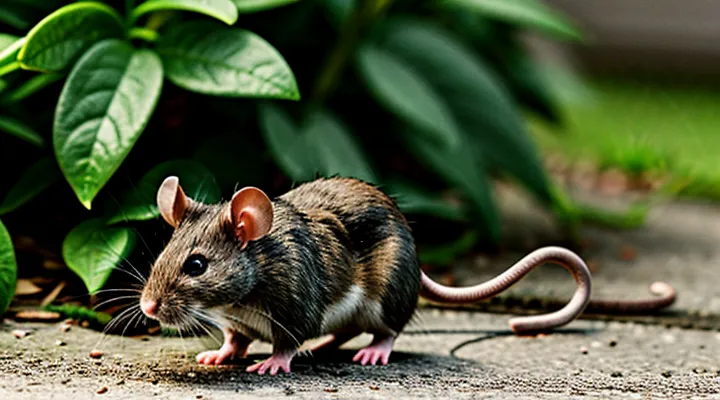
Understanding Rodenticides
How Rat and Mouse Poisons Work
Anticoagulants
Anticoagulant rodenticides interfere with vitamin K recycling, preventing clotting factor activation and leading to internal bleeding that kills rats and mice.
The active principle is the inhibition of the enzyme vitamin K epoxide reductase. Without functional clotting factors, hemorrhage occurs within 24–72 hours after ingestion, providing a delayed but reliable lethal effect.
Common compounds include:
- Brodifacoum
- Bromadiolone
- Difenacoum
- Difethialone
- Warfarin (first‑generation)
Second‑generation agents (brodifacoum, bromadiolone, difenacoum, difethialone) achieve mortality with a single bait dose as low as 0.005 mg/kg body weight, outperforming first‑generation warfarin, which often requires multiple exposures.
Resistance has emerged in several urban rodent populations. Genetic mutations reduce binding affinity to the target enzyme, diminishing efficacy of first‑generation products. Deploying second‑generation anticoagulants restores control, though rotating active ingredients can delay resistance development.
Safety protocols demand secure bait stations to limit access by non‑target species. Anticoagulants persist in carcasses, posing secondary poisoning risks; therefore, monitoring and proper disposal of dead rodents are mandatory.
Regulatory agencies classify these substances as hazardous. Labeling must specify concentration, required protective equipment for applicators, and restrictions on residential use in many jurisdictions. Compliance with local guidelines ensures effective rodent management while minimizing environmental impact.
Non-Anticoagulant Rodenticides
Non‑anticoagulant rodenticides constitute the primary alternative to blood‑clotting agents for controlling rats and mice. These chemicals act on the central nervous system, metabolic pathways, or cellular respiration, causing rapid mortality without the delayed hemorrhagic effect characteristic of anticoagulants.
Key mechanisms include:
- Neurotoxicity – compounds such as bromethalin disrupt ion transport in neuronal membranes, leading to cerebral edema.
- Metabolic inhibition – zinc phosphide releases phosphine gas in the acidic stomach environment, interfering with cellular respiration.
- Cellular disruption – cholecalciferol (vitamin D₃) induces hypercalcemia, precipitating renal failure.
Advantages over anticoagulants:
- Reduced risk of secondary poisoning because lethal action is swift and does not involve blood coagulation.
- Effectiveness against populations with documented resistance to warfarin‑type agents.
- Lower environmental persistence for most formulations, limiting long‑term soil contamination.
Application guidelines demand precise bait placement, strict adherence to dosage limits, and monitoring of non‑target species exposure. Integrated pest‑management programs combine these agents with sanitation, exclusion, and population monitoring to sustain control efficacy and mitigate resistance development.
Types of Rodenticides
First-Generation Anticoagulants (FGARs)
First‑generation anticoagulants (FGARs) are vitamin K antagonists that interrupt blood clotting in rodents. Compounds such as warfarin, chlorophacinone, diphacinone and coumachlor inhibit the enzyme vitamin K epoxide reductase, preventing the regeneration of active vitamin K. The resulting deficiency blocks the synthesis of clotting factors II, VII, IX and X, leading to internal hemorrhage and death within 2–7 days after ingestion.
FGARs are characterized by rapid onset of toxicity, low cost, and ease of formulation into bait matrices. Their effectiveness depends on several factors:
- Active ingredient – warfarin (4‑mg/kg), chlorophacinone (5‑mg/kg), diphacinone (0.5‑mg/kg), coumachlor (0.5‑mg/kg) provide lethal doses for most rodent species.
- Palatability – incorporation of grain, cereal or protein attractants enhances consumption.
- Stability – moisture‑resistant formulations maintain potency for up to 12 months under typical storage conditions.
- Resistance profile – susceptibility declines in populations with genetic mutations of the VKORC1 gene; rotating to second‑generation agents mitigates resistance buildup.
Regulatory constraints limit residential use of FGARs in many jurisdictions due to secondary‑poisoning risks. Non‑target species, including predatory birds and domestic pets, may ingest poisoned rodents or bait. Mitigation measures include tamper‑proof stations, placement away from water sources, and adherence to label‑specified application rates. Proper deployment of FGARs remains a core component of integrated rodent management programs that prioritize rapid control while managing ecological impact.
Second-Generation Anticoagulants (SGARs)
Second‑generation anticoagulant rodenticides (SGARs) represent the most potent class of chemical agents used to control rat and mouse populations. These compounds act by inhibiting vitamin K epoxide reductase, disrupting the synthesis of clotting factors II, VII, IX and X, and causing fatal internal hemorrhage after a single ingestion. Their high lipid solubility enables accumulation in the liver, extending the lethal effect for several days and allowing a single bait to eliminate multiple individuals through secondary poisoning.
Key characteristics of SGARs include:
- Extended half‑life: Biological persistence ranges from 2 weeks to several months, ensuring prolonged exposure to target rodents.
- Low bait acceptance threshold: Effective at concentrations as low as 0.005 % w/w, reducing the amount of product required per hectare.
- Broad species spectrum: Effective against Rattus norvegicus, Rattus rattus, Mus musculus and related commensal rodents.
Commonly marketed SGARs:
- Bromadiolone – high potency, widely used in residential and agricultural settings.
- Difenacoum – strong anticoagulant effect, suitable for outdoor bait stations.
- Brodifacoum – longest residual activity, employed where severe infestations demand aggressive control.
- Flocoumafen – effective against resistant populations, recognized for its rapid onset of toxicity.
Resistance management requires rotating active ingredients and integrating non‑chemical measures such as habitat modification and exclusion. Monitoring of anticoagulant‑resistant genotypes in rodent populations guides selection of the appropriate SGAR, preventing treatment failure.
Regulatory frameworks in many jurisdictions classify SGARs as restricted-use pesticides, mandating certified applicators, secure bait stations, and documentation of application rates. Proper disposal of unused product and contaminated materials minimizes environmental contamination and non‑target exposure.
In practice, successful deployment of second‑generation anticoagulants combines accurate dosing, strategic placement of bait stations, and adherence to legal requirements, delivering rapid and sustained reduction of rodent activity.
Non-Anticoagulant Poisons
Non‑anticoagulant rodenticides provide rapid lethality without disrupting the blood‑clotting cascade. They are preferred when anticoagulant resistance is documented or when swift removal of pests is required.
Typical active ingredients include:
- Bromethalin – a neurotoxin that interferes with mitochondrial oxidative phosphorylation, causing cerebral edema and death within 24–48 hours.
- Zinc phosphide – reacts with gastric acid to release phosphine gas, a potent cellular poison that collapses respiratory enzymes.
- Cholecalciferol (vitamin D₃) – induces hypercalcemia, leading to kidney failure and cardiac arrhythmia after several days of exposure.
- Sodium fluoroacetate (1080) – blocks the citric‑acid cycle, resulting in energy depletion and organ failure within 12–24 hours.
Advantages over anticoagulant formulations:
- Speed – mortality occurs faster, reducing the window for bait avoidance.
- Resistance management – mechanisms differ from blood‑coagulation inhibitors, limiting cross‑resistance.
- Reduced secondary poisoning – many non‑anticoagulants have lower bioaccumulation potential, decreasing risk to predators and scavengers.
Application guidelines:
- Place baits in tamper‑resistant stations to protect non‑target species.
- Use concentrations calibrated to the target species’ weight range; over‑dosing can create waste and increase environmental load.
- Monitor bait consumption daily; replace depleted stations promptly to maintain pressure on the population.
- Dispose of uneaten bait according to local hazardous‑waste regulations to prevent accidental exposure.
Regulatory considerations dictate that all non‑anticoagulant rodenticides must be labeled with specific handling instructions, personal protective equipment requirements, and environmental warnings. Compliance ensures legal use and minimizes unintended ecological impact.
Factors for Choosing the Most Effective Poison
Rodent Species Identification
Rats («Rattus norvegicus», «Rattus rattus»)
Rats (Rattus norvegicus and Rattus rattus) are medium‑sized mammals with high reproductive rates, omnivorous diets, and strong gnawing abilities. Both species adapt quickly to urban and rural environments, exploiting food waste, shelter, and water sources. Their nocturnal activity and excellent climbing skills enable access to concealed spaces where conventional baits may fail.
Key biological traits affecting poison performance:
- Metabolic speed: Rapid digestion accelerates absorption of toxic compounds, reducing the time needed for lethal effect.
- Gastrointestinal pH: Slightly acidic stomach conditions influence the stability of anticoagulant and neurotoxic agents.
- Resistance mechanisms: Some populations develop tolerance to first‑generation anticoagulants, requiring higher potency or alternative modes of action.
Effective rodent toxicants exploit these traits. Anticoagulant formulations (e.g., second‑generation difenacoum, brodifacoum) inhibit vitamin K recycling, leading to fatal hemorrhage after a single ingestion. Neurotoxic baits containing bromethalin disrupt mitochondrial function, causing rapid paralysis and death. Both categories must be formulated with attractants that match rats’ dietary preferences—grain, fruit, or meat flavors—to ensure consumption.
Implementation guidelines:
- Placement: Position baits in tamper‑resistant stations near walls, concealed entry points, and active runways.
- Dosage: Use concentrations that deliver a lethal dose within 24–48 hours for the target species while minimizing secondary poisoning risks.
- Monitoring: Conduct regular checks for bait depletion, dead rodents, and signs of bait avoidance, adjusting placement or formulation as needed.
Understanding rat physiology and behavior is essential for selecting a toxicant that delivers swift, reliable control in diverse settings.
Mice («Mus musculus»)
Mice (Mus musculus) are small omnivorous rodents with rapid reproductive cycles, high metabolic rates, and strong avoidance behaviors. These traits influence the performance of any rodenticide intended for population control.
Key biological factors affecting poison efficacy:
- Feeding patterns: nocturnal foraging and preference for high‑energy foods increase exposure to bait placed in concealed stations.
- Metabolic speed: fast metabolism accelerates toxin absorption but also enhances detoxification pathways, potentially reducing lethal dose effectiveness.
- Reproductive capacity: gestation of 19–21 days and litter sizes of 5–8 offspring require poison formulations that act quickly to prevent rapid rebound.
- Wariness: neophobic response leads to bait aversion after a single negative experience; formulations must incorporate attractants and low‑odor carriers.
Effective rodenticide characteristics for mice include:
- Anticoagulants (e.g., brodifacoum, difethialone) – low‑dose, delayed‑action compounds that allow multiple feedings before death, overcoming bait shyness.
- Neurotoxins (e.g., bromethalin) – rapid onset, irreversible inhibition of mitochondrial function, suitable for populations with known anticoagulant resistance.
- Metal phosphides (e.g., zinc phosphide) – generate phosphine gas upon ingestion, lethal within hours, useful in enclosed environments where secondary poisoning risk is minimal.
Formulation considerations:
- Palatability: inclusion of grain, peanut butter, or soy protein enhances acceptance.
- Stability: moisture‑resistant bait prevents degradation in humid settings common to mouse habitats.
- Safety: low secondary toxicity for non‑target species achieved by using bait stations that restrict access to mice.
Monitoring protocols:
- Record bait consumption daily to detect bait aversion.
- Conduct post‑mortem necropsies on captured specimens to confirm toxin presence and assess resistance markers.
- Adjust dosage or switch active ingredients if mortality rates fall below 80 % within a 72‑hour window.
Understanding mouse biology and behavior is essential for selecting and deploying rodenticides that achieve rapid, sustained population reduction while minimizing non‑target impact.
Infestation Severity
Infestation severity determines the intensity of rodent control measures required. Low severity appears as occasional sightings, minimal gnaw damage, and an estimated population of fewer than five individuals per 1,000 sq ft. Moderate severity involves frequent activity, noticeable droppings, and damage affecting structural components, with populations ranging from five to fifteen per 1,000 sq ft. High severity is characterized by constant presence, extensive gnawing, contamination of food stores, and populations exceeding fifteen per 1,000 sq ft. Extreme severity includes rapid population growth, multiple breeding sites, and widespread health hazards.
Higher severity demands more potent formulations, increased bait density, and strategic placement near nesting and travel routes. Low‑severity situations can be managed with single‑dose anticoagulant blocks placed at limited points. Moderate infestations require multi‑point distribution of second‑generation anticoagulants to ensure secondary poisoning. High and extreme cases benefit from fast‑acting neurotoxic baits combined with bulk placement and, when necessary, supplemental traps to reduce population momentum.
Product selection by severity
- Low: Single‑dose anticoagulant blocks (e.g., first‑generation warfarin analogs) at 1–2 stations.
- Moderate: Second‑generation anticoagulant pellets, 2–3 stations per 100 sq ft.
- High: Fast‑acting neurotoxin baits, 3–4 stations per 100 sq ft, plus perimeter traps.
- Extreme: Combination of neurotoxic baits, high‑dose anticoagulants, and mechanical traps, deployed at 5+ stations per 100 sq ft.
Environment and Safety Considerations
Pet and Wildlife Safety
Effective rodent control agents pose significant risks to domestic animals and non‑target wildlife. Selecting a product with low secondary toxicity reduces accidental poisoning. Formulations that require ingestion of a single dose, such as anticoagulant baits with bittering agents, limit exposure for curious pets. Products approved for indoor use typically contain reduced concentrations of active ingredients, further protecting non‑rodent species.
Safe deployment involves strict adherence to placement guidelines. Baits should be positioned in sealed stations that prevent paw or nose contact by cats, dogs, birds, and small mammals. Stations must be mounted at least 12 inches above the floor and secured to walls or under cabinets where rodents travel. All access points to bait containers should be locked or latched when not in use.
Regular monitoring and maintenance are essential. Replace spent baits promptly, inspect stations for damage, and record any signs of non‑target exposure. If a pet or wildlife animal shows symptoms such as lethargy, bleeding, or unexplained bruising, seek veterinary assistance immediately and provide the product label for accurate treatment.
Alternative strategies lessen reliance on hazardous chemicals. Mechanical traps, exclusion techniques, and sanitation measures remove food sources and entry points, decreasing the need for toxic baits. Integrated pest‑management plans combine these methods with targeted, low‑risk poisons to achieve control while safeguarding animals that share the environment.
Child Safety
When selecting a highly potent rodenticide, protecting children is a non‑negotiable priority. The product’s toxicity, packaging, and usage instructions must be evaluated through a child‑safety lens.
Effective safeguards include:
- Child‑resistant containers that meet ASTM D2151 standards, preventing accidental opening.
- Bait stations constructed of sturdy, lockable material, positioned at least 6 feet above floor level or in inaccessible areas.
- Clear, bold labeling with pictograms indicating danger, dosage limits, and first‑aid steps.
- Restricted access policies requiring adult supervision during placement and removal of bait.
- Immediate reporting of any suspected exposure to poison control centers and medical professionals.
Training for household members should cover:
- Proper installation of bait stations.
- Recognition of signs of ingestion, such as vomiting, lethargy, or abnormal bleeding.
- Correct emergency response, including administration of activated charcoal if advised by professionals.
Manufacturers must conduct rigorous testing to confirm that the chemical formulation does not emit vapors or residues that could be inhaled or touched by children. Documentation of these safety evaluations should be readily available to consumers.
Compliance with federal regulations—e.g., EPA’s Anticropalatory Pest Control Product (APCP) requirements—and adherence to state‑specific child‑safety statutes ensure legal accountability and reduce liability.
By integrating these measures, users can achieve rodent control objectives while maintaining a secure environment for children.
Environmental Impact
Effective rodent control agents designed for rapid kill rates introduce chemicals that persist in ecosystems, accumulate in non‑target organisms, and disrupt biological processes. These substances often belong to anticoagulant or neurotoxic classes, each possessing distinct pathways for environmental dispersion.
- Secondary poisoning affects predators, scavengers, and domestic animals that consume contaminated prey.
- Leaching from soil and runoff into waterways introduces toxins to aquatic habitats, impairing fish reproduction and invertebrate populations.
- Residual deposits on surfaces remain active for months, increasing risk of accidental exposure for humans and wildlife.
- Biodegradation rates vary; some compounds resist breakdown, leading to long‑term soil contamination and altered microbial communities.
Regulatory frameworks require risk assessments that quantify these impacts, enforce usage restrictions, and promote alternative management strategies such as integrated pest management, habitat modification, and non‑chemical traps. Continuous monitoring of residue levels in soil, water, and biota ensures compliance and guides mitigation efforts.
Application and Safety Best Practices
Proper Bait Placement
Indoors
Effective rodent control indoors relies on poisons that combine rapid action, low secondary toxicity, and suitability for confined spaces. Second‑generation anticoagulants such as brodifacoum and difethialone deliver lethal doses after a single bite, while first‑generation compounds like warfarin require multiple feedings but present lower risk to pets. Non‑anticoagulant options, including bromethalin and zinc phosphide, act on the nervous system or produce lethal gas when ingested, providing alternatives when resistance to anticoagulants is documented.
Key considerations for indoor application:
- Choose a formulation that matches the infestation level: granular baits for extensive activity, block or pellet baits for targeted placement.
- Position baits behind appliances, inside cabinets, and along walls where rodents travel; avoid areas accessible to children or non‑target animals.
- Follow label‑specified dosage: typical block baits contain 0.005 % active ingredient, delivering a lethal dose to a 30‑gram mouse after a single consumption.
- Ensure proper ventilation after application of gas‑producing poisons; monitor for residual odor before re‑occupying sealed rooms.
- Document placement and dates of baiting to comply with local pest‑management regulations and facilitate follow‑up inspections.
Safety protocols demand that users wear disposable gloves, store unused bait in locked containers, and keep pets away from treated zones for the duration indicated on the product label. Regular inspection of bait stations confirms efficacy and identifies any bait avoidance behavior, prompting rotation of active ingredients to mitigate resistance development.
Outdoors
Effective rodent control in outdoor environments requires a poison that remains stable under weather exposure, attracts target species, and minimizes risk to non‑target wildlife. Formulations based on anticoagulant active ingredients, such as bromadiolone or difenacoum, resist moisture and retain potency for weeks when placed in weather‑proof stations. Bait matrices composed of grain, corn, or peanut butter provide a familiar food source for rats and mice that forage beyond structures.
Key factors for outdoor deployment:
- Weather protection: Use sealed, tamper‑proof containers rated for UV resistance and rain shielding.
- Placement strategy: Position stations along runways, near burrow entrances, and at the periphery of food sources. Space stations 30–50 ft apart to create overlapping coverage.
- Target specificity: Select baits with low palatability to birds and larger mammals; incorporate bittering agents or size‑restricted entry holes.
- Regulatory compliance: Verify local pesticide regulations, label restrictions, and required signage for public areas.
Monitoring protocols include weekly inspection of bait consumption, replenishment of depleted stations, and documentation of rodent activity signs. Rotating active ingredients every 12–18 months mitigates resistance development. Proper disposal of dead rodents follows hazardous waste guidelines to prevent secondary poisoning.
Handling and Storage
Effective rodent control agents require strict adherence to safety protocols during handling and storage. Improper practices increase the risk of accidental exposure, environmental contamination, and loss of potency.
- Wear chemical‑resistant gloves, goggles, and a disposable apron before contacting the product.
- Use a dedicated, well‑ventilated workspace; avoid confined areas where vapors can accumulate.
- Dispense only the amount needed for immediate application; retain excess in the original sealed container.
- Keep the material away from food, feed, and water sources; clean surfaces immediately after use.
- Label all containers with active ingredient, concentration, hazard warnings, and date of opening.
Storage requirements ensure long‑term efficacy and prevent unauthorized access.
- Store in a locked cabinet constructed of non‑reactive material, separate from cleaning agents and combustible items.
- Maintain ambient temperature between 15 °C and 30 °C; avoid extremes that degrade the formulation.
- Protect from direct sunlight and moisture; use opaque, airtight containers to shield from UV radiation and humidity.
- Track inventory with a first‑in‑first‑out system; discard any product past its expiration date.
- Record the date of receipt and the responsible personnel on each container for accountability.
Disposal of Rodenticides and Deceased Rodents
Proper disposal of rodenticides and deceased rodents is essential to prevent secondary poisoning, environmental contamination, and legal liability.
Rodenticides are classified as hazardous waste under most regulatory frameworks. Anticoagulant formulations, bromadiolone, and zinc phosphide require containment in sealed, labeled containers. Storage areas must be inaccessible to non‑authorized personnel and animals.
When removing unused or excess poison:
- Transfer product to original, tamper‑evident packaging.
- Seal containers with tamper‑proof tape.
- Affix hazard label indicating “Rodenticide – Toxic”.
- Deliver to a licensed hazardous‑waste disposal facility within the prescribed holding period.
Disposal of dead rodents follows a parallel protocol:
- Place each carcass in a puncture‑resistant, double‑layered bag.
- Seal and label the outer bag with “Rodenticide‑exposed carcass – Biohazard”.
- Store bags in a refrigerated, locked area until collection.
- Transport to a certified animal‑by‑product processing center or incineration service authorized for toxic waste.
Documentation of all disposal actions, including dates, quantities, and disposal facility details, must be retained for regulatory audits. Failure to comply can result in fines, revocation of pesticide licenses, and increased risk to wildlife and public health.
Alternatives to Chemical Poisons
Trapping Methods
Snap Traps
Snap traps provide immediate mechanical control of rats and mice, eliminating the need for chemical agents that require ingestion and metabolic activation. Their design delivers a rapid, lethal force that kills target animals within fractions of a second, reducing the chance of prolonged suffering and escape.
Key advantages of snap traps include:
- Instant death, preventing disease transmission from live captures.
- No residual toxicity, protecting non‑target wildlife, pets, and children.
- Reusability after cleaning, lowering long‑term cost compared to disposable poisons.
- Simple operation: set, trigger, and dispose without specialized training.
When integrated into a comprehensive rodent management plan, snap traps complement high‑efficacy toxic baits by addressing populations that avoid or develop resistance to chemical attractants. Placement near walls, along runways, and in concealed corners maximizes encounter rates. Regular inspection and prompt removal of captured specimens maintain trap effectiveness and prevent secondary infestations.
For optimal results, combine snap traps with sanitation measures—eliminate food sources, seal entry points, and reduce clutter. This multi‑modal approach enhances overall rodent control performance, offering a reliable alternative to reliance on chemical poisons alone.
Live Traps
Live traps provide a non‑chemical option for managing rat and mouse populations. They capture rodents without killing them, allowing release away from residential or commercial premises.
Key characteristics of effective live traps include:
- Sturdy construction of metal or heavy‑duty plastic to withstand repeated use.
- Sensitive trigger mechanisms that activate with minimal pressure, ensuring quick closure.
- Sufficient interior space—at least 4 × 4 × 6 inches for rats, 3 × 3 × 4 inches for mice—to prevent injury.
- Secure latches that lock automatically and remain closed until manually opened.
Proper placement maximizes capture rates. Position traps along walls, behind appliances, and near known gnaw marks. Align entrances with the rodent’s natural travel paths; rodents prefer to run close to surfaces. Set traps in low‑light areas where activity is highest during night hours.
Maintenance procedures are straightforward. Inspect traps after each capture, clean surfaces with mild detergent, and disinfect to eliminate scent trails that could deter future visits. Replace bait—such as peanut butter, oatmeal, or dried fruit—every 24 hours to maintain attractiveness.
Live traps complement chemical controls by reducing reliance on toxic substances, decreasing secondary poisoning risks, and complying with regulations that restrict rodenticide use in certain environments. When integrated into a comprehensive pest‑management plan, they contribute to sustained population reduction while preserving humane standards.
Electronic Traps
Electronic traps deliver rapid, humane termination of rats and mice through high‑voltage discharge. The device detects the animal via infrared or pressure sensors, positions a conductive plate, and releases a calibrated shock that collapses the nervous system within milliseconds. The result is an immediate kill without the need for chemical baits.
Key advantages include:
- No poison exposure – eliminates risk to children, pets, and non‑target wildlife.
- Reusable design – the unit resets after each kill, requiring only occasional cleaning of the interior chamber.
- Consistent efficacy – voltage remains stable over the product’s lifespan, ensuring each strike meets lethal thresholds for both species.
- Easy monitoring – a built‑in LED indicator signals a successful kill, allowing rapid verification and removal of the carcass.
Installation involves placing the trap along established rodent pathways, such as wall voids, behind appliances, or near food storage areas. Regular maintenance consists of emptying the catch chamber, wiping the interior with a mild disinfectant, and checking battery or power‑supply status. When deployed as part of an integrated pest‑management program, electronic traps provide a reliable, chemical‑free alternative for controlling rodent populations.
Exclusion Techniques
Exclusion prevents rats and mice from entering a building, thereby reducing reliance on chemical control and limiting exposure to non‑target organisms. By eliminating pathways, the effectiveness of any rodent‑specific toxicant improves, because fewer individuals must locate and consume the bait.
Identify all potential ingress points. Inspect foundation walls, roof eaves, utility penetrations, door thresholds, and ventilation openings. Apply durable materials—steel wool, copper mesh, cement, or silicone sealant—to close gaps larger than ¼ inch. Reinforce structural cracks with expanding foam or masonry repair.
Common exclusion measures include:
- Steel‑welded door sweeps on all exterior doors.
- Mesh‑covered vent caps on soffits and crawl‑space vents.
- Pipe and conduit sleeves wrapped in heavy‑gauge steel wool, then sealed with epoxy.
- Foundation sealants applied to exterior footing cracks.
- Window screens reinforced with fine‑mesh hardware cloth.
Integrating exclusion with toxic baits creates a two‑layer defense. Sealed entry points force rodents to travel within the interior environment, increasing the probability of encountering bait stations. Reduced population pressure also lowers bait consumption per individual, extending the lifespan of each bait placement.
Maintain exclusion integrity through scheduled inspections. Document repaired sites, verify the condition of seals quarterly, and reapply materials after severe weather or building modifications. Continuous vigilance ensures that physical barriers remain effective, sustaining the overall rodent‑control program.
Natural Deterrents
Natural deterrents complement chemical rodent control by creating an environment that rodents avoid. Their effectiveness relies on strong odors, irritants, or physical barriers that disrupt nesting and foraging behavior.
- Peppermint oil: concentrated extract applied to entry points and corners; volatile compounds mask food scents and cause discomfort.
- Cayenne or chili powder: sprinkled along walls and near potential burrows; capsaicin irritates mucous membranes, prompting retreat.
- Steel wool or copper mesh: packed into gaps; rodents cannot gnaw through metal, preventing access.
- Ultrasonic devices: emit frequencies above human hearing; sustained exposure deters activity without chemicals.
- Vinegar or citrus peels: placed in cabinets and pantries; acidic and citric aromas repel foraging rodents.
When integrated with a potent rodent poison, natural deterrents reduce exposure risk by limiting contact with bait stations. They also lower the likelihood of bait avoidance, as rodents encounter fewer safe pathways. For optimal results, rotate deterrents, maintain cleanliness to eliminate food residues, and monitor activity levels to adjust placement.