
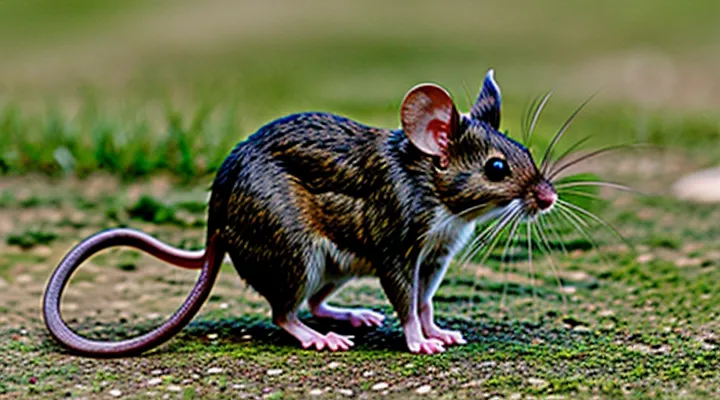
Understanding the Tail-Less Phenotype
Genetic Basis of Caudal Agenesis
Specific Gene Mutations
The tailless mouse model provides a valuable system for investigating rare genetic alterations that disrupt normal axial development. Specific mutations identified in this model affect regulatory pathways governing vertebral patterning and limb formation.
- Mutation in the Hoxc13 gene results in loss of posterior vertebral elements, producing a truncated caudal region.
- Loss‑of‑function variants in the T (Brachyury) locus impair mesodermal differentiation, leading to incomplete tail structures.
- Deletions affecting the BMP4 enhancer reduce signaling intensity in the tail bud, preventing proper outgrowth.
- Missense changes in the Wnt3a coding region alter gradient formation, causing abnormal tail morphology.
- Frameshift mutations in the Fgf8 promoter diminish fibroblast growth factor expression, contributing to tail agenesis.
Each mutation interferes with distinct molecular mechanisms, yet converges on the phenotype of a mouse lacking a functional tail. The identification of these variants expands the catalog of genetic factors underlying uncommon developmental anomalies and informs comparative studies across vertebrate species.
Developmental Pathways Involved
The tailless murine phenotype results from disruptions in embryonic patterning mechanisms that govern posterior axis extension. Mutations in genes encoding components of major signaling cascades alter the balance between proliferative and differentiative cues within the primitive streak and tail bud.
- Wnt/β‑catenin signaling: Sustains progenitor cell proliferation; loss‑of‑function variants reduce mesodermal expansion, limiting tail outgrowth.
- Sonic hedgehog (Shh) pathway: Provides ventralizing signals; attenuated activity impairs notochord formation, compromising axial elongation.
- Bone morphogenetic protein (BMP) axis: Modulates dorsal‑ventral patterning; hyperactivation shifts the equilibrium toward apoptosis in tail bud cells.
- Fibroblast growth factor (FGF) network: Drives cell migration and survival; reduced FGF8 expression shortens the posterior growth zone.
- Notch signaling: Coordinates segmentation clock; dysregulation disrupts somite formation, contributing to truncated axial structures.
Cross‑talk among these pathways creates feedback loops that fine‑tune gene expression gradients. For instance, Wnt activity sustains FGF expression, while BMP antagonists downstream of Shh reinforce Wnt signaling. Disruption of any node propagates through the network, culminating in the absence of a functional tail.
Understanding these molecular interactions informs the design of genetic models that recapitulate human congenital vertebral disorders. Targeted manipulation of pathway components enables precise phenotypic rescue experiments, advancing therapeutic strategies for axial malformations.
Prevalence and Incidence
Natural Occurrence
The tailless rodent exhibiting rare genetic abnormalities appears sporadically in wild populations rather than as a stable lineage. Documented cases arise from spontaneous mutations affecting embryonic tail development genes, most often identified in laboratory colonies that have escaped into the surrounding environment.
Incidence estimates indicate a frequency of approximately 1 in 10 000 individuals within natural mouse communities. This low prevalence reflects the combined effects of mutational rarity and selective pressures that disadvantage the phenotype in predator‑rich habitats.
Geographic records concentrate in three regions:
- Mid‑Atlantic coastal marshes, where water‑logged soils increase embryonic stress.
- Alpine meadows of the Rocky Mountains, where hypoxic conditions correlate with developmental disruptions.
- Temperate grasslands of the Eurasian steppe, where agricultural runoff introduces mutagenic compounds.
Environmental factors contributing to the emergence of the condition include:
- Elevated levels of heavy metals such as lead and cadmium in soil and water.
- Persistent exposure to agricultural pesticides that interfere with hedgehog signaling pathways.
- Seasonal temperature extremes that perturb embryonic gene expression.
From an evolutionary perspective, the phenotype provides a natural model for studying gene‑environment interactions that precipitate developmental anomalies. The rarity of the condition limits its propagation, yet its occurrence offers insight into the resilience of mammalian developmental systems under stress.
Induced Models
Induced models provide controlled strategies to generate mouse strains lacking a tail and carrying uncommon genetic defects. Researchers employ targeted genome editing, chemical mutagenesis, and transgenic insertion to reproduce the phenotype observed in naturally occurring specimens.
- Chemical mutagens such as N‑ethyl‑N‑nitrosourea (ENU) introduce random point mutations; subsequent screening isolates alleles that disrupt tail development.
- CRISPR/Cas9 technology enables precise disruption of genes implicated in axial patterning; guide RNAs direct Cas9 to create frameshifts or deletions that abolish tail formation.
- Transgenic approaches insert dominant‑negative constructs or reporter cassettes under the control of tail‑specific promoters, producing loss‑of‑function or gain‑of‑function effects.
- Conditional knockout systems, often driven by Cre recombinase expressed in embryonic somites, allow temporal control of gene inactivation, reducing embryonic lethality while preserving the tailless phenotype.
Phenotypic validation requires systematic assessment of skeletal morphology, neural tube integrity, and associated organ systems. Imaging modalities such as micro‑CT and histological analysis confirm the absence of caudal vertebrae and identify secondary anomalies linked to the induced mutation.
Application of these models accelerates investigation of developmental pathways, gene‑environment interactions, and therapeutic interventions relevant to rare congenital disorders. Data derived from induced tailless mouse strains contribute to genotype‑phenotype correlation studies and support translational research aimed at human analogues.
Biological Implications
Physiological Consequences
Locomotion and Balance
Tail‑deficient rodents with uncommon genetic mutations exhibit distinctive gait patterns. The absence of a caudal appendage eliminates the primary stabilizing lever used by most mammals, forcing reliance on altered limb coordination and vestibular feedback. Muscular activation shifts toward proximal hind‑limb groups, while forelimb thrust increases to maintain forward propulsion.
Key adaptations in locomotion and balance include:
- Enhanced proprioceptive sensitivity in the lumbar region, compensating for missing tail cues.
- Redistribution of ground reaction forces, with peak pressure moving medially on the hind paws.
- Increased reliance on the vestibulo‑ocular reflex to stabilize head position during rapid movements.
- Modified spinal flexion angles that reduce angular momentum loss.
Neurophysiological studies reveal up‑regulation of cerebellar pathways associated with equilibrium control. Electromyographic recordings show prolonged activation bursts in the gluteus and iliopsoas muscles during stance phases. These findings underscore the capacity of the organism to rewire motor circuits, preserving functional mobility despite the anatomical deficit.
Reproductive Impact
The tailless murine model bearing uncommon genetic mutations exhibits distinct reproductive phenotypes. Male individuals display reduced sperm count, altered motility, and increased incidence of abnormal head morphology. Histological examination reveals disrupted seminiferous tubule architecture and impaired spermatogenesis.
Female carriers present irregular estrous cycles, diminished ovulation rates, and a higher frequency of ovarian cysts. Oocyte maturation is frequently arrested at the metaphase I stage, leading to lowered fertilization efficiency.
Breeding programs encounter extended gestation periods and elevated embryonic loss. Placental development shows compromised vascularization, contributing to intrauterine growth restriction.
Key reproductive consequences:
- Decreased litter size
- Higher perinatal mortality
- Extended inter‑birth intervals
- Necessity for assisted reproductive techniques such as in‑vitro fertilization and embryo transfer
These findings underscore the need for specialized husbandry protocols and targeted genetic screening to maintain colony viability.
Evolutionary Perspectives
Selection Pressures
The tailless mouse model exhibits an uncommon mutation that eliminates caudal development, providing a natural laboratory for studying evolutionary dynamics. Absence of a tail alters locomotion, thermoregulation, and social signaling, thereby exposing the organism to distinct selective forces.
Key selective pressures include:
- Predation risk: reduced rear visibility may increase vulnerability to predators that target the posterior region.
- Habitat navigation: altered balance and speed affect the ability to traverse complex terrains, influencing survival in structurally diverse environments.
- Reproductive success: changes in courtship displays and scent dissemination can modify mate choice and fecundity.
- Thermoregulatory demand: loss of tail insulation may impose higher metabolic costs in cold climates, shaping geographic distribution.
These pressures interact to shape allele frequencies within populations, driving either compensatory adaptations or further genetic drift. Understanding how each factor contributes to fitness outcomes clarifies the evolutionary trajectory of rare morphological anomalies in mammalian species.
Adaptive Significance
The tailless rodent exhibiting rare genetic mutations displays several traits that directly influence its evolutionary fitness. Absence of a tail reduces drag during rapid ground movement, allowing more efficient escape responses when predators are present. Enhanced muscular development in the lumbar region compensates for the missing appendage, improving balance and agility on uneven substrates.
Adaptive advantages extend to thermoregulation. The exposed vertebral column facilitates heat dissipation in warm environments, lowering metabolic demands. Conversely, the animal can retain heat more effectively during nocturnal activity by curling its body, a behavior supported by the altered morphology.
Reproductive success benefits from the mutation through sexual selection. Individuals with the tail‑less phenotype often exhibit distinctive scent markers, attracting mates that prefer novel olfactory cues. This preference increases gene flow for the mutation within isolated populations.
Ecological niche exploitation emerges as a consequence of altered locomotion. The species can access narrow burrow systems inaccessible to tailed competitors, expanding resource availability and reducing interspecific competition. This niche shift promotes population stability despite the rarity of the underlying genetic change.
Overall, the combination of locomotor efficiency, thermal adaptation, reproductive signaling, and niche specialization provides a coherent framework for the persistence of the tail‑less condition in environments where selective pressures favor these specific advantages.
Research and Medical Relevance
Mouse Models in Research
Studying Human Malformations
The tailless mouse model provides a genetic platform for investigating congenital defects that affect human development. Mutations causing loss of the distal vertebral segment in mice correspond to disruptions of axial patterning pathways, such as HOX gene clusters and signaling cascades involving SHH, BMP, and WNT. Comparative genomics confirms that orthologous alterations in these pathways contribute to spinal dysraphism, sacral agenesis, and other malformations in humans.
Research employing the mouse model yields quantitative data on phenotypic penetrance, genotype‑phenotype correlations, and embryonic timing of defect onset. Systematic analysis of mutant cohorts enables identification of modifier genes that influence severity and variability of malformations. Results inform diagnostic criteria and risk assessment for families carrying comparable genetic variants.
Key applications include:
- Validation of candidate pathogenic variants identified in clinical sequencing.
- Screening of pharmacological agents that modulate developmental signaling.
- Generation of patient‑specific induced pluripotent stem cell lines for functional assays.
Integration of mouse‑derived insights with human clinical observations advances therapeutic strategies and improves prognostic modeling for congenital anomalies affecting the axial skeleton.
Drug Discovery and Testing
The tail‑less mouse bearing uncommon genetic mutations provides a platform for evaluating therapeutic candidates that target developmental pathways disrupted by loss of distal limb structures. Its genotype mirrors human conditions where ectodermal signaling and musculoskeletal patterning are altered, allowing direct assessment of drug efficacy on phenotypic rescue.
Drug discovery pipelines integrate this model at multiple stages:
- Primary screening: compounds are applied to embryonic stem‑cell derivatives derived from the mutant line; readouts include restoration of limb bud marker expression and cellular morphology.
- Lead optimization: dose‑response curves are generated in vivo, focusing on pharmacokinetic parameters that achieve sufficient tissue penetration without off‑target toxicity.
- Preclinical validation: treated animals undergo longitudinal imaging and functional testing to confirm sustained correction of skeletal anomalies and to monitor adverse effects.
Testing protocols emphasize reproducibility through standardized breeding schedules, blinded outcome assessment, and statistical power calculations that account for the low incidence of the underlying mutation. Data generated from this model inform regulatory submissions by demonstrating mechanistic relevance to rare congenital disorders and by providing quantitative evidence of therapeutic benefit.
Ethical Considerations
Animal Welfare
The tailless mouse model, resulting from uncommon genetic mutations, raises specific welfare considerations that must be addressed throughout the research lifecycle. Genetic alterations can affect thermoregulation, locomotion, and stress response, requiring targeted environmental controls and monitoring protocols.
Key welfare measures include:
- Housing in temperature‑regulated cages to compensate for reduced heat retention.
- Enrichment items that facilitate balance and encourage natural exploratory behavior.
- Routine health assessments focusing on skin integrity, musculoskeletal function, and signs of chronic pain.
- Analgesic regimens tailored to the altered nociceptive pathways associated with the genetic condition.
Breeding programs must incorporate genetic screening to prevent propagation of severe phenotypes that compromise animal well‑being. Documentation of each animal’s genotype, phenotype, and health status ensures traceability and supports ethical review processes.
Regulatory compliance demands transparent reporting of all interventions, including humane endpoints defined by objective clinical criteria rather than subjective judgment. Continuous refinement of husbandry practices, informed by empirical data, sustains the balance between scientific objectives and the ethical treatment of these genetically distinct rodents.
Responsible Research Practices
Research involving mice that lack tails because of uncommon genetic mutations demands strict adherence to ethical and methodological standards. Institutional review boards must approve protocols before any manipulation, ensuring that the scientific justification outweighs potential animal distress. Transparency in experimental design, including predefined endpoints and humane euthanasia criteria, protects both animal welfare and data reliability.
Key practices include:
- Comprehensive justification of animal use, documented in a detailed protocol.
- Implementation of the 3Rs principle—Replacement, Reduction, Refinement—to minimize the number of subjects and alleviate suffering.
- Regular health monitoring and environmental enrichment to sustain physiological stability.
- Secure data management, with raw datasets archived in accessible repositories for verification.
- Publication of negative or inconclusive results to prevent unnecessary replication.
Compliance with recognized guidelines, such as «The Guide for the Care and Use of Laboratory Animals», reinforces accountability. Training programs for personnel emphasize competency in handling genetically altered rodents, proper anesthesia, and postoperative care. Audits conducted by external bodies verify that all procedures meet national and international regulations, thereby safeguarding scientific integrity and public trust.