
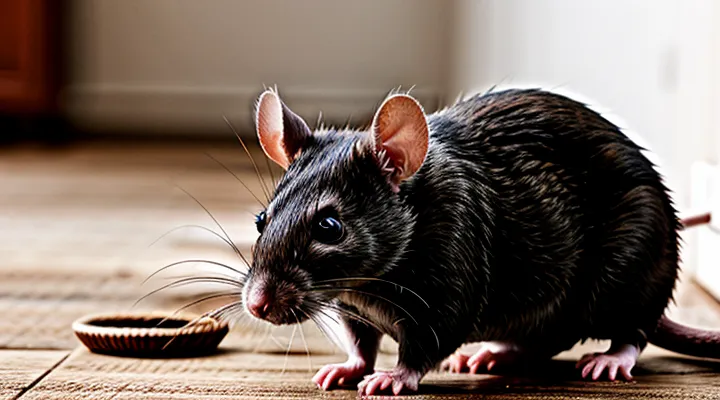
Understanding Rat Vocalizations
Common Rat Sounds and Their Meanings
«Happy» Noises
Pet rats emit a range of vocalizations that owners often label “happy” noises. These sounds typically consist of short, high‑pitched squeaks, rapid chirps, or soft trills that differ from the sharp, distress calls associated with fear or pain. The acoustic profile reflects rapid airflow through the larynx, producing frequencies between 10 and 20 kHz, often accompanied by subtle body movements such as relaxed posture, grooming, or gentle tail flicks.
The primary circumstances that elicit these upbeat sounds include:
- Food anticipation – approaching a preferred treat or hearing the rustle of a feeding container.
- Social interaction – gentle petting, hand‑to‑hand contact, or the presence of a familiar cage‑mate.
- Playful exploration – introduction of new toys, tunnels, or climbing structures.
- Environmental enrichment – rearranged bedding, novel scents, or safe objects that stimulate curiosity.
Physiologically, the emission of happy noises coincides with elevated dopamine and serotonin levels, indicating a positive affective state. Respiratory rate may increase slightly, but heart rate remains within normal resting parameters, distinguishing these sounds from those produced during stress, which are usually accompanied by tachycardia and rapid, high‑volume squeals.
Owners can use the presence of happy noises as a reliable indicator of welfare. Consistent occurrence signals that the rat’s basic needs—nutrition, social contact, and environmental stimulation—are being met. Conversely, a sudden decline in these sounds may suggest illness, discomfort, or inadequate enrichment, warranting closer observation and possible veterinary consultation.
«Alert» and «Fear» Sounds
Pet rats emit distinct vocalizations that signal heightened awareness or distress. Recognizing these sounds allows owners to assess the animal’s emotional state and intervene appropriately.
Characteristics
- Alert vocalization: short, high‑pitched chirp or squeak; rapid onset; often accompanied by erect whiskers and focused posture.
- Fear vocalization: longer, lower‑pitched squeal or series of rapid squeaks; may include audible teeth grinding or guttural noises; usually paired with freezing, rapid breathing, or attempts to flee.
Common triggers
- Sudden movements, unfamiliar objects, or loud noises provoke alert sounds as the rat scans the environment for potential threats.
- Direct confrontation, handling errors, or exposure to predators (real or perceived, such as a cat silhouette) elicit fear sounds. Chronic stressors, such as overcrowding or inadequate enrichment, can also produce persistent distress vocalizations.
Interpretation for caretakers
- An alert chirp indicates the rat has detected something novel; providing a safe distance or gradual habituation reduces the response.
- A fear squeal suggests the animal perceives imminent danger; immediate removal of the stressor, gentle reassurance, and a secure hideout are essential to prevent escalation.
Management recommendations
- Minimize abrupt changes in the environment; introduce new items slowly.
- Maintain consistent handling routines; use calm, deliberate motions.
- Ensure ample hiding spaces and enrichment to lower baseline anxiety.
- Observe body language alongside vocalizations to confirm the underlying emotion.
Accurate discrimination between these two sound types enhances welfare monitoring and supports a stable, low‑stress living condition for the pet rat.
«Pain» and «Distress» Vocalizations
Pet rats emit distinct vocalizations when experiencing pain or distress. These sounds differ from normal communication calls in pitch, duration, and intensity, often resembling high‑frequency squeaks, sharp chirps, or abrupt chattering. The acoustic profile reflects activation of the animal’s nociceptive and stress pathways, providing a reliable indicator of discomfort.
Physiological mechanisms involve rapid contraction of the laryngeal muscles and heightened respiratory effort, producing louder, more abrupt tones. Neurological feedback from peripheral pain receptors and the hypothalamic‑pituitary‑adrenal axis amplifies vocal output, creating a pattern that owners can recognize with consistent observation.
Typical triggers for pain‑related vocalizations include:
- Acute injury (e.g., bite, fall, cage damage)
- Dental or gastrointestinal irritation
- Improper handling or restraint
Distress calls arise from:
- Social isolation or loss of a cage mate
- Environmental stressors (e.g., loud noises, sudden temperature changes)
- Prolonged confinement without enrichment
Interpretation requires matching the sound characteristics with contextual cues. A sudden, high‑frequency squeak during handling often signals immediate pain, while repetitive, lower‑pitched chirps during periods of solitude suggest chronic stress. Prompt veterinary assessment is advisable when pain vocalizations persist, whereas alleviating environmental stressors—providing nesting material, consistent routine, and companionship—can reduce distress calls.
Monitoring vocal patterns, documenting frequency, and correlating them with specific events enable owners to differentiate between temporary discomfort and underlying health issues, facilitating timely intervention and improved welfare.
The Nuances of Rat Communication
Ultrasonic Vocalizations (USVs)
Ultrasonic vocalizations (USVs) are high‑frequency sounds emitted by rats, typically ranging from 20 to 100 kHz, beyond the range of human hearing. Rats produce USVs with a specialized laryngeal mechanism that modulates airflow to generate brief, tonal bursts. The acoustic structure of each call varies with physiological state, allowing precise transmission of information within the species.
USVs serve several behavioral functions:
- Distress signals – emitted when a rat experiences pain, fear, or social isolation; characterized by abrupt, high‑amplitude bursts.
- Affiliative calls – produced during grooming or play; display a smoother, lower‑frequency contour.
- Mating calls – observed in sexually receptive females and courting males; often involve patterned sequences with rhythmic modulation.
- Exploratory calls – emitted when a rat encounters novel environments; frequency and duration correlate with arousal level.
Pet owners can detect USVs using ultrasonic detectors or smartphone adapters equipped with appropriate microphones. Recording equipment converts the ultrasonic range into audible frequencies, revealing patterns that correspond to the rat’s emotional state. Consistent distress USVs may indicate health issues such as injury, infection, or environmental stressors, prompting veterinary evaluation. Conversely, regular affiliative USVs suggest a content and socially engaged animal.
Interpretation of USVs requires comparison with baseline recordings obtained under calm conditions. Sudden increases in call rate, changes in frequency bandwidth, or emergence of previously absent call types signal a shift in the rat’s internal state. Monitoring these acoustic cues provides a non‑invasive method to assess welfare, detect early signs of illness, and improve interaction strategies for owners caring for a rodent companion.
Body Language Accompanying Sounds
Rats communicate with a combination of vocalizations and visible gestures; interpreting the latter clarifies the purpose of strange noises. When a pet rat emits high‑pitched squeaks, it often arches its back, flattens its ears against the head, and freezes in a crouched stance. These physical cues indicate heightened alertness or discomfort. Conversely, low rumbling sounds accompany relaxed, stretched bodies, tail gently swaying, and whiskers forward, signaling contentment or a desire for social interaction.
Typical body‑language patterns linked to unusual rat sounds include:
- Ear position – ears flattened forward: defensive or fearful vocalization; ears relaxed sideways: calm, low‑frequency chatter.
- Tail posture – tail curled tightly around the body: tension, accompanying sharp squeaks; tail loosely draped or gently flicking: soothing purr‑like noises.
- Whisker orientation – whiskers drawn back toward the face: aggressive or startled sounds; whiskers extended forward: exploratory chirps.
- Body posture – hunched, crouched stance: alarm calls; upright, stretched posture: affiliative trills.
- Movement speed – rapid darting with intermittent clicks: agitation; slow, deliberate pacing with soft murmurs: grooming or bonding behavior.
Understanding these signals allows owners to differentiate between distress, excitement, and normal social communication, reducing misinterpretation of the rat’s vocal output.
Investigating Strange Rat Sounds
Identifying the «Strange» Factor
Unfamiliar Pitch or Volume
Rats emit sounds that sometimes fall outside the typical frequency range or exceed normal loudness. Such unfamiliar pitch or volume often signals a deviation from routine behavior.
The rat’s vocal apparatus consists of a thin membrane and a rapid airflow system. Alterations in membrane tension or airflow pressure produce higher frequencies or amplified volume. Neurological or respiratory distress can disrupt the fine control required for standard calls.
Typical triggers for atypical acoustic output include:
- Respiratory infection or congestion, which forces the animal to push air harder, raising volume.
- Dental or throat injury, which changes vibration patterns and creates sharper tones.
- Acute stress from sudden environmental changes, leading to heightened vocal effort.
- Social hierarchy shifts, prompting dominant individuals to broadcast louder, higher-pitched warnings.
Interpretation of these sounds depends on context:
- Persistent high-pitched squeaks often accompany pain or discomfort.
- Sudden loud chattering may indicate territorial aggression or defensive posturing.
- Intermittent low-frequency growls suggest contentment or relaxed dominance.
Owners should observe frequency, duration, and intensity of unusual calls. Immediate veterinary assessment is advisable if the pattern persists or coincides with appetite loss, lethargy, or nasal discharge. Environmental enrichment, stable lighting, and minimal sudden disturbances reduce stress‑induced vocal anomalies.
Unusual Repetition or Duration
Pet rats sometimes emit sounds that repeat unusually or last longer than typical squeaks. Such vocal patterns often signal heightened physiological or emotional states, distinguishing them from brief, routine communications.
Common factors that produce prolonged or repetitive noises include:
- Respiratory irritation or infection, which forces the animal to vocalize continuously while clearing airways.
- Acute stress or fear, prompting the rat to emit a series of alarm calls as a defensive mechanism.
- Territorial or mating displays, where extended squeals attract attention from conspecifics or assert dominance.
- Neurological disturbances, such as seizures or abnormal brain activity, that disrupt normal vocal control.
Interpretation of these sounds depends on context. Persistent vocalization during handling may indicate discomfort or pain, requiring veterinary assessment. Repetition in a social setting often reflects an attempt to establish hierarchy or communicate readiness to mate. Recognizing the specific trigger allows owners to respond appropriately, whether by adjusting environmental conditions, seeking medical care, or modifying interaction patterns.
Sounds at Peculiar Times
Rats emit a range of vocalizations that become especially noticeable when they occur at unexpected moments. These atypical timings often signal specific physiological or environmental triggers and can provide insight into the animal’s well‑being.
During late‑night hours, a pet rat may produce high‑pitched squeaks or chattering bursts. Such sounds usually indicate heightened alertness, territorial patrol, or a response to sudden stimuli such as lights turning on or household noises. The nocturnal nature of rats makes these vocalizations a primary means of communicating with conspecifics while the owner is asleep.
Early‑morning vocalizations, especially low‑frequency squeals, frequently accompany grooming sessions that begin after a period of rest. The sound can reflect mild discomfort, skin irritation, or the presence of parasites. Persistent early‑day squeals merit a health check to rule out dental or respiratory issues.
Post‑feeding vocalizations differ in character. Short, repetitive chirps often follow a meal and serve to reinforce social bonds within a multi‑rat enclosure. In a solitary pet, similar sounds may indicate satisfaction or a brief stress response to the sudden influx of nutrients.
When a rat vocalizes while confined to a cage during cleaning or relocation, the sounds tend to be sharp, rapid clicks. These noises communicate agitation and a desire to re‑establish a safe environment. Immediate provision of hiding places can reduce the frequency of such distress calls.
Typical unusual timing and associated meanings
- Late night: high‑pitched squeaks – alertness, territorial response
- Early morning: low‑frequency squeals – grooming discomfort, health concerns
- Immediately after feeding: repetitive chirps – social reinforcement, mild stress
- During cage disturbance: rapid clicks – agitation, need for refuge
Monitoring the timing of these sounds enables owners to differentiate normal behavioral expressions from indicators of pain or illness, thereby improving care strategies for pet rats.
Potential Causes of Abnormal Vocalizations
Medical Conditions
Unusual vocalizations from a pet rat often signal an underlying health problem. Identifying the medical condition responsible for the sounds enables timely intervention and reduces the risk of complications.
- Respiratory infection: Nasal discharge, wheezing, or high‑pitched squeaks accompany bacterial or viral pneumonia, often accompanied by lethargy and reduced appetite.
- Dental malocclusion: Overgrown incisors cause pain that may be expressed as sharp, intermittent chirps; uneven wear can lead to facial swelling and difficulty eating.
- Gastrointestinal distress: Gas buildup, constipation, or ulceration produce low‑frequency rumbling noises and may be followed by irregular stool patterns.
- Neurological disorder: Seizures, neuropathy, or brain inflammation generate irregular, repetitive clicking or clucking sounds, sometimes paired with loss of coordination.
- Metabolic imbalance: Hypoglycemia or electrolyte disturbances can trigger sudden, high‑frequency squeals, especially after periods of fasting or intense activity.
- Cardiovascular disease: Heart failure or arrhythmias may cause labored breathing and occasional rattling noises during exhalation.
Veterinary assessment should include physical examination, auscultation of the respiratory and cardiovascular systems, dental inspection, and diagnostic imaging when indicated. Laboratory tests such as complete blood count, serum chemistry, and radiographs confirm the specific condition and guide appropriate treatment. Prompt medical care reduces the likelihood that abnormal sounds persist or worsen.
Behavioral Issues
Pet rats emit atypical noises when underlying behavioral problems arise. Stressful environments trigger high‑pitched squeals, often accompanied by rapid breathing. Inconsistent handling or sudden changes in cage layout can produce these vocalizations as an alarm response.
Health‑related discomfort also manifests as unusual sounds. Dental overgrowth, respiratory infections, or gastrointestinal distress cause whines and low growls that differ from normal chatter. Monitoring weight, appetite, and grooming habits helps distinguish medical issues from purely behavioral ones.
Social dynamics within a multi‑rat household generate distinct calls. Dominance disputes lead to aggressive chattering, while isolation of a subordinate rat produces plaintive squeaks. Observing hierarchy interactions clarifies whether the sounds signal conflict or submission.
Boredom and insufficient enrichment prompt repetitive vocalizations. Rats deprived of climbing structures, chew toys, or foraging opportunities may emit persistent squeaks while exploring the cage. Introducing varied stimuli reduces these patterns.
To address problematic noises, apply the following measures:
- Stabilize routine: maintain consistent feeding times and cage cleaning schedule.
- Enrich habitat: provide tunnels, wheels, and manipulable objects.
- Assess health: conduct veterinary examinations for dental, respiratory, or digestive concerns.
- Manage social groups: ensure compatible pairings and monitor aggression indicators.
Correcting the behavioral drivers behind unusual rat sounds eliminates the vocal disturbances and promotes overall well‑being.
Environmental Factors
Pet rats occasionally produce sounds that differ from their typical chirps, squeaks, and tooth‑gnashing. Such vocalizations often reflect the animal’s response to immediate surroundings rather than an intrinsic communication pattern.
- Temperature extremes: sudden drops or rises can cause shivering or discomfort, prompting high‑pitched squeals.
- Humidity fluctuations: dry air irritates nasal passages, while excess moisture encourages mold growth in bedding, both leading to irregular calls.
- Lighting cycles: abrupt changes in brightness or prolonged darkness can trigger stress‑related noises.
- Cage dimensions and enrichment: cramped spaces limit movement, while insufficient toys reduce exploratory behavior; both conditions may elicit distress sounds.
- Bedding material: scented or chemically treated substrates can irritate skin or respiratory tract, resulting in atypical vocal output.
- Dietary shifts: introduction of new foods, especially those with strong aromas, can cause digestive upset and associated noises.
- Ambient noise and vibrations: loud household appliances or nearby construction create interference that rats may react to with sharp cries.
- Presence of other animals: unfamiliar scents or sounds from neighboring pets can induce alarm vocalizations.
Monitoring these variables allows owners to identify the most likely trigger. Adjusting temperature to a stable range, maintaining moderate humidity, providing consistent lighting, ensuring adequate cage space, selecting low‑dust bedding, introducing dietary changes gradually, minimizing sudden noises, and limiting exposure to unfamiliar animals reduce the occurrence of abnormal sounds. Consistent observation combined with environmental control offers the most reliable method for interpreting and mitigating these vocalizations.
When to Seek Veterinary Advice
Persistent or Worsening Sounds
Rats may emit continuous or increasingly intense noises such as high‑pitched squeaks, chattering, or repetitive chirps. These vocalizations often signal underlying physiological or environmental issues that require immediate attention.
Potential causes of persistent or worsening sounds include:
- Respiratory infections: congestion, coughing, or wheezing can trigger loud, repetitive squeals as the animal struggles to breathe.
- Dental problems: overgrown incisors or malocclusion generate discomfort, leading to constant vocal complaints.
- Painful injuries: fractures, sprains, or internal trauma produce sustained cries, especially when the rat moves or is handled.
- Stressors: overcrowding, sudden temperature changes, or exposure to predators can cause chronic distress vocalizations.
- Neurological disorders: seizures, head trauma, or progressive diseases may manifest as repetitive, high‑frequency noises.
Interpretation of these sounds relies on accompanying signs. Observe the rat’s posture, grooming habits, appetite, and activity level. A decline in weight, nasal discharge, or visible sores strengthens the likelihood of a medical problem. Conversely, isolated vocalization without other symptoms may indicate temporary agitation.
When sounds intensify or fail to subside within a short period, veterinary evaluation is essential. Early diagnosis and treatment—antibiotics for infections, dental trimming, analgesics for pain, or environmental modifications for stress—prevent escalation and improve prognosis. Regular health checks and a stable habitat reduce the frequency of concerning noises in pet rats.
Accompanying Symptoms
Pet rats that emit atypical vocalizations often display additional physical signs that help identify underlying problems. Observing these cues enables timely veterinary intervention and prevents deterioration.
Common accompanying manifestations include:
- Respiratory distress: rapid breathing, wheezing, nasal discharge, or coughing.
- Gastrointestinal upset: reduced appetite, weight loss, diarrhea, or abnormal fecal consistency.
- Neurological changes: unsteady gait, tremors, head tilting, or reduced responsiveness to stimuli.
- Dermatological abnormalities: hair loss, skin lesions, excessive scratching, or scabs around the mouth and nose.
- Behavioral shifts: increased aggression, lethargy, excessive grooming, or isolation from cage mates.
When multiple symptoms appear concurrently with unusual sounds, the likelihood of infection, metabolic disorder, or organ dysfunction rises. Accurate documentation of each sign—frequency, duration, and severity—provides essential data for diagnostic testing such as radiographs, blood panels, or microbiological cultures. Prompt veterinary assessment based on this comprehensive symptom profile improves prognosis and supports the rat’s overall health.
Sudden Changes in Behavior
Pet rats sometimes emit high‑pitched squeaks, chattering bursts, or low growls that differ from their normal vocal repertoire. When these sounds appear alongside abrupt changes in activity, feeding, or social interaction, they often signal an underlying shift in the animal’s physiological or emotional state.
Common triggers for rapid behavioral alterations include:
- Acute illness (respiratory infection, gastrointestinal upset, pain) that provokes discomfort and vocal distress.
- Environmental stressors such as sudden temperature fluctuations, loud noises, or introduction of unfamiliar objects.
- Hormonal fluctuations associated with breeding cycles, pregnancy, or weaning.
- Neurological events, including seizures, head trauma, or toxin exposure.
- Social disruption, for example removal of a cage mate or introduction of a dominant individual.
Interpretation of the sounds depends on context. A sharp, repetitive squeal often accompanies pain or fear, while a prolonged, low‑frequency rumble may indicate contentment disrupted by anxiety. Rapid escalation in grooming or nesting behavior, coupled with vocal changes, typically reflects a coping response to stress. Conversely, sudden lethargy paired with muted vocalizations usually points to illness.
Owners should monitor the rat’s diet, waste, and body condition while noting the timing and duration of the unusual sounds. Immediate veterinary assessment is warranted if the animal displays loss of appetite, respiratory distress, or neurological signs. Continuous observation, coupled with prompt medical intervention when necessary, reduces the risk of chronic health issues and supports stable vocal behavior.