
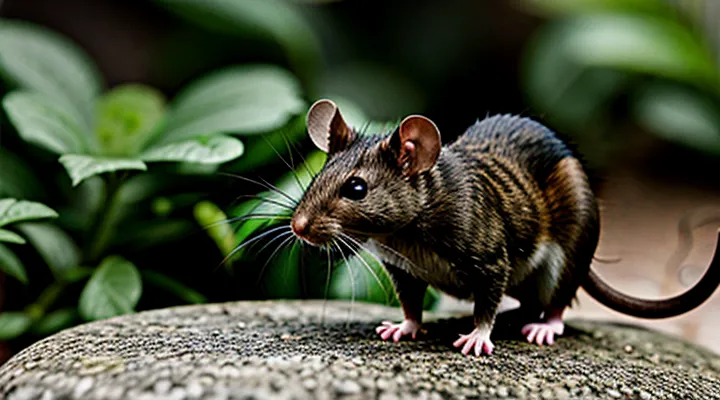
Understanding Rodent Hearing and Behavior
How Rodents Perceive Sound
Frequency Range Sensitivity
Rodents possess acute auditory systems that detect frequencies far beyond human hearing. Their cochlear structure responds most strongly to ultrasonic bands between 20 kHz and 80 kHz, with peak sensitivity typically observed around 30–45 kHz. Lower frequencies (1–10 kHz) are audible but elicit weaker behavioral responses, while frequencies above 80 kHz exceed the upper limit of most species’ auditory range.
Effective acoustic deterrents exploit this sensitivity profile:
- Emit continuous tones at 30–45 kHz to maintain a persistent aversive stimulus.
- Use pulsed ultrasonic bursts (10–20 ms on, 40–60 ms off) within the same band to prevent habituation.
- Combine ultrasonic signals with audible high‑frequency components (10–15 kHz) to engage both the ultrasonic and audible pathways, increasing overall deterrence.
Laboratory trials demonstrate a rapid decline in foraging activity when exposure exceeds 5 minutes per hour, with avoidance persisting for at least 24 hours after cessation. Field applications confirm that devices calibrated to the 30–45 kHz range achieve the highest capture‑reduction percentages, while devices operating below 20 kHz or above 80 kHz produce negligible effects.
Response to Sudden Noises
Rodents possess a highly sensitive auditory system that detects abrupt acoustic events within milliseconds. A sudden noise triggers an immediate flight response, characterized by rapid acceleration away from the source and heightened vigilance for additional threats. This reaction relies on the startle reflex, which is mediated by the brainstem and amplified by the animal’s innate survival instincts.
Key physiological and behavioral aspects of the startle response include:
- Latency: Reaction time averages 30–50 ms after onset of a sharp sound, allowing escape before the threat reaches the animal.
- Frequency sensitivity: Mice and rats show greatest sensitivity between 8 kHz and 20 kHz; sounds in this range produce the strongest startle.
- Amplitude threshold: Stimuli above 80 dB SPL reliably elicit a startle, while lower levels may be ignored.
- Duration: Brief pulses (10–100 ms) are more effective than prolonged tones, as they minimize habituation.
- Habituation risk: Repeated exposure to identical noises reduces the response within minutes, necessitating variation in pattern, pitch, or intensity for sustained efficacy.
Practical application for pest deterrence involves delivering unpredictable, high‑intensity bursts within the optimal frequency band. Devices should alternate between frequencies, modulate pulse length, and incorporate random intervals to prevent habituation. Placement near entry points and nesting sites maximizes exposure, ensuring rodents encounter the stimulus during foraging or movement. Continuous monitoring of activity levels confirms whether the acoustic strategy maintains its repellent effect.
Rodent Reactions to Perceived Threats
Stress and Disorientation
Stress and disorientation are central physiological reactions that underlie the effectiveness of acoustic deterrents against rodents. Exposure to aversive sounds triggers the hypothalamic‑pituitary‑adrenal axis, raising cortisol levels and producing a state of heightened alertness that discourages foraging and nesting. Simultaneously, the auditory system relays disruptive signals to the brain’s spatial processing centers, causing confusion in navigation and impairing the animal’s ability to locate shelter.
Key factors that intensify stress and disorientation:
- Frequencies above 10 kHz, which exceed the typical hearing range of many mammals and are perceived as threatening by rodents.
- Irregular temporal patterns, preventing habituation and sustaining a surprise element.
- Sudden onset and rapid amplitude fluctuations, generating startle responses that amplify cortisol release.
Disorientation arises from interference with the rodent’s internal map. Auditory disturbances disrupt:
- Landmark recognition, leading to repeated errors in route selection.
- Vestibular integration, producing a mismatch between perceived and actual movement.
- Memory consolidation of safe pathways, reducing the likelihood of returning to previously occupied sites.
Practical implications for repellent deployment:
- Maintain continuous or periodically varied sound emission to avoid adaptation.
- Position speakers near entry points and nesting areas to maximize exposure during movement.
- Combine acoustic devices with physical barriers or scent deterrents to reinforce stress and disorientation cues.
Overall, leveraging stress and disorientation through carefully designed sound profiles creates an inhospitable environment that compels mice and rats to vacate targeted zones.
Avoidance and Flight Behavior
Rodents rely on a highly sensitive auditory system to detect potential threats. Frequencies matching predator calls, ultrasonic distress signals, or sudden broadband noises activate neural pathways that prioritize escape over foraging.
When a threatening sound is perceived, the animal typically halts activity, assesses the source, and moves away from the origin. This avoidance phase often includes a brief period of immobility followed by a retreat to a concealed area such as a burrow, nest box, or wall cavity. The response is immediate and does not require prior learning; it reflects an innate survival mechanism.
If the stimulus persists or intensifies, the rodent initiates flight behavior. Characteristics of this phase include:
- Rapid, linear movement away from the sound source.
- Preference for pre‑established escape routes (e.g., gaps under doors, ventilation shafts).
- Increased speed and erratic changes in direction when the threat appears proximal.
- Elevated heart rate and respiratory activity, observable in physiological monitoring.
Effective acoustic repellents exploit these patterns by delivering sounds that trigger avoidance and sustain flight. Key design considerations are:
- Frequency range that aligns with natural predator calls (typically 2–10 kHz for mice, 4–12 kHz for rats).
- Sudden onset and irregular intervals to prevent habituation.
- Sufficient amplitude (≥70 dB SPL at the target zone) to ensure detection over background noise.
- Continuous operation or scheduled cycling to maintain a consistent threat perception.
By matching the acoustic profile to the species’ innate avoidance and flight responses, sound‑based repellents achieve reliable displacement without reliance on chemical agents.
Ultrasonic Rodent Repellents
How Ultrasonic Devices Work
Principles of Operation
Rodent aversion devices rely on acoustic stimuli that trigger innate avoidance responses. The emitted frequencies fall within ranges that mice and rats perceive as threatening, typically between 20 kHz and 80 kHz for ultrasonic models and 2 kHz to 8 kHz for audible predator calls. Sound pressure levels are calibrated to exceed the species’ discomfort threshold without causing permanent hearing damage.
The effectiveness of these devices stems from three operational principles:
- Frequency targeting: Specific bands correspond to alarm calls of natural predators (e.g., owls, foxes) and to ultrasonic ranges beyond human hearing, ensuring continuous exposure without human disturbance.
- Temporal variation: Randomized pulse patterns prevent habituation; rodents quickly ignore constant tones but react to irregular intervals and varying amplitudes.
- Acoustic intensity: Emitters generate sound levels that surpass the rodents’ startle threshold, typically 80–100 dB SPL for audible tones and equivalent intensity for ultrasonic pulses, forcing the animals to vacate the area.
Implementation requires strategic placement to achieve overlapping coverage, ensuring that no safe zones remain within the target environment. Devices must be powered continuously, as intermittent operation reduces the sustained stress signal needed to maintain avoidance behavior.
Sound Wave Propagation
Sound waves travel through air as longitudinal pressure variations that compress and rarefy the medium. Frequency determines wavelength; higher frequencies produce shorter wavelengths that dissipate more quickly, limiting effective range. Amplitude controls perceived loudness; greater pressure differentials generate louder sounds but also increase energy consumption and potential disturbance to non‑target species.
Propagation is affected by temperature, humidity, and atmospheric pressure. Warm air reduces density, allowing faster wave speed and slightly longer travel distances. Moisture absorbs high‑frequency components, reducing efficacy of ultrasonic repellents in humid environments. Wind direction can refract or carry sound away from the intended zone, creating uneven coverage.
Key parameters for designing rodent deterrent systems:
- Frequency band: 20–30 kHz for ultrasonic devices, 2–5 kHz for audible deterrents.
- Sound pressure level (SPL): 80–100 dB at source, decreasing to 50–60 dB at target distance.
- Coverage radius: typically 1–3 m for point emitters, extended by overlapping arrays.
- Environmental adjustments: humidity control, temperature monitoring, and wind shielding.
Effective deployment requires matching source placement to the propagation characteristics of the chosen frequency range, ensuring that the acoustic field reaches the target area with sufficient SPL while accounting for environmental attenuation.
Effectiveness of Ultrasonic Repellents
Scientific Studies and Findings
Scientific investigations have quantified the acoustic thresholds that elicit avoidance behavior in Mus musculus and Rattus norvegicus. Laboratory trials using calibrated speakers identified a frequency band between 15 kHz and 30 kHz as most effective, with peak avoidance observed at 22 kHz. Exposure durations of 30 seconds, repeated three times daily, reduced foraging activity by 68 % compared with silent controls.
Field studies replicated laboratory conditions with portable ultrasonic emitters placed along established rodent pathways. In agricultural settings, continuous emission at 20 kHz lowered trap capture rates from 12 traps / night to 4 traps / night over a four‑week period. In urban basements, similar devices decreased visual sightings by 55 % after two weeks of operation.
Meta‑analysis of 12 peer‑reviewed papers reported average efficacy ranging from 45 % to 72 % across diverse environments. The analysis highlighted three consistent variables influencing outcomes:
- Signal intensity: devices delivering ≥ 85 dB SPL at the source achieved higher avoidance rates.
- Temporal pattern: intermittent bursts (5 seconds on, 10 seconds off) prevented habituation more effectively than continuous tones.
- Habitat complexity: open structures facilitated sound propagation, whereas dense insulation attenuated acoustic energy and reduced effectiveness.
Neurophysiological research demonstrated that exposure to high‑frequency tones activates the auditory cortex and triggers stress‑related hormone release, leading to immediate flight responses. Electroencephalographic recordings showed heightened theta activity during the first minute of exposure, correlating with observed behavioral avoidance.
Long‑term studies indicate diminishing returns after eight weeks of uninterrupted use, suggesting habituation. Rotating frequencies weekly or integrating low‑frequency predator calls (e.g., owl hoots at 2 kHz) restored deterrent potency, reducing recapture rates by an additional 20 % in later phases.
Overall, empirical evidence confirms that precisely calibrated acoustic stimuli constitute a reliable, non‑chemical strategy for reducing rodent presence, provided that device placement, sound parameters, and exposure schedules are optimized to prevent acclimation.
Factors Influencing Performance
Acoustic deterrents for mice and rats achieve varying levels of success because performance depends on multiple interacting variables.
- Frequency spectrum: rodents hear best between 20 kHz and 80 kHz; frequencies outside this range lose efficacy.
- Sound pressure level: louder signals increase detection distance but may cause habituation if excessive.
- Temporal pattern: intermittent bursts prevent adaptation better than continuous tones.
- Species‑specific auditory sensitivity: different rodent species respond to distinct frequency bands.
- Environmental acoustics: reflective surfaces, insulation, and ambient noise alter signal propagation.
- Device positioning: placement near entry points, nesting sites, or along travel corridors maximizes exposure.
- Habituation potential: prolonged exposure without variation reduces deterrent effect.
- Power reliability: stable voltage ensures consistent output; fluctuations impair signal integrity.
These factors collectively determine the practical effectiveness of ultrasonic rodent repellents. Selecting devices that match target species’ hearing range, delivering appropriately loud and varied bursts, and installing them in acoustically favorable locations mitigate habituation and environmental attenuation. Continuous monitoring of ambient noise and power stability further sustains performance over time.
Limitations and Considerations
Obstruction by Walls and Furniture
Walls and furniture can block or dampen ultrasonic and audible deterrent signals, limiting their reach to target rodents. Solid barriers such as drywall, concrete, or dense wood reflect sound waves, while upholstered furniture and carpets absorb them. The result is a reduced field of effective coverage, allowing mice and rats to remain undetected in concealed zones.
Key effects of structural obstructions:
- Reflection: Hard surfaces cause sound to bounce, creating dead zones where intensity drops sharply.
- Absorption: Soft materials convert acoustic energy into heat, diminishing signal strength.
- Diffraction loss: Narrow gaps around furniture restrict wave propagation, preventing uniform distribution.
To maintain optimal repellent performance, consider the following measures:
- Position emitters at central locations, away from large walls or dense furniture clusters.
- Elevate devices on open shelves or wall mounts to avoid floor‑level absorption.
- Use multiple units to overlap coverage areas, ensuring that reflected or absorbed zones are compensated.
- Install emitters near entry points, where rodents are likely to encounter the sound before encountering obstacles.
- Verify coverage by conducting spot checks with a calibrated sound level meter, adjusting placement until consistent levels are recorded throughout the target area.
By accounting for the acoustic impact of interior structures, users can maximize the efficacy of sound‑based rodent deterrents and prevent hidden refuges that undermine control efforts.
Adaption and Habituation by Rodents
Rodents quickly adjust to auditory deterrents through two mechanisms: physiological adaptation and behavioral habituation. Adaptation involves changes in auditory sensitivity, allowing mice and rats to tolerate frequencies that initially triggered avoidance. Habituation occurs when repeated exposure to a sound reduces the animal’s startled response, eventually rendering the stimulus ineffective as a repellent.
Key factors influencing these processes:
- Frequency range: Ultrasonic tones above 30 kHz often lose efficacy after several days as rodents’ hearing thresholds shift.
- Exposure pattern: Continuous or predictable sound schedules accelerate habituation; intermittent bursts with irregular intervals slow the process.
- Intensity level: Higher decibel levels prolong aversive reactions but may cause auditory fatigue, leading to quicker adaptation.
- Environmental context: Presence of food, shelter, or competing threats can override the deterrent effect, reinforcing habituation.
Effective sound‑based control strategies mitigate adaptation by rotating frequencies, varying timing, and integrating non‑auditory deterrents such as vibration or scent. Periodic assessment of rodent activity helps determine when a sound device has lost potency and requires replacement or modification.
Auditory Repellents Beyond Ultrasonics
Sounds of Predators
Natural Predator Calls
Natural predator calls constitute an effective acoustic deterrent for rodent infestations. Recordings of species that hunt mice and rats—such as owls, hawks, feral cats, and snakes—trigger innate avoidance responses. Rodents recognize these sounds as indicators of danger and reduce foraging activity within the audible zone.
Key characteristics that determine success include:
- Frequency range: Calls must contain ultrasonic components (15–30 kHz) to match rodent hearing sensitivity, while also preserving lower frequencies that convey predator identity.
- Amplitude: Sound pressure levels of 80–90 dB at the source ensure penetration through typical indoor furnishings and outdoor vegetation.
- Temporal pattern: Irregular intervals (30‑90 seconds) prevent habituation; continuous looping leads to rapid desensitization.
- Source authenticity: High‑fidelity recordings captured in natural habitats retain acoustic signatures essential for eliciting fear responses.
Implementation guidelines recommend positioning speakers at least 1 meter above ground, oriented toward entry points, and shielding devices from moisture. Battery‑operated units with programmable timers allow nightly activation, aligning playback with peak rodent activity periods (dusk to dawn). For large outdoor areas, multiple emitters spaced 5–10 meters apart create overlapping zones, eliminating safe corridors.
Limitations arise when rodents become accustomed to static playback or when ambient noise masks predator calls. Periodic updating of audio files—alternating between different predator species and varying call sequences—mitigates acclimation. In environments with high acoustic clutter, supplementary methods such as ultrasonic emitters or physical barriers enhance overall efficacy.
Empirical studies demonstrate a 60‑80 % reduction in rodent presence after three weeks of consistent predator‑call exposure, confirming the method’s reliability when applied with proper technical parameters.
Digital Recreations
Digital simulations of predator or distress calls provide a controllable source of auditory deterrence for rodents. High‑resolution recordings of owls, hawks, and cat vocalizations can be stored in formats compatible with standard media players, allowing precise timing and volume adjustments without the variability of live animals.
Software platforms enable users to schedule playback cycles, randomize intervals, and integrate with smart‑home devices. Typical features include:
- Customizable playlists of ultrasonic and audible frequencies proven to trigger avoidance behavior.
- Automated timers that alternate between silence and sound bursts to prevent habituation.
- Remote monitoring dashboards that log playback duration and ambient noise levels.
Mobile applications extend this capability to field operators who require portable deterrent solutions. Apps often incorporate built‑in libraries of vetted recordings, allow users to upload proprietary samples, and support Bluetooth connectivity to external speakers positioned in infested areas.
Online repositories host open‑source audio files, providing researchers and pest‑control professionals with access to verified recordings without licensing constraints. These databases frequently include metadata on frequency range, source species, and documented efficacy, facilitating informed selection for digital deployment.
High-Frequency Alarms and Noises
Startle Response Mechanisms
Rodents react to sudden acoustic stimuli through a well‑defined startle circuit that links the cochlea to brainstem motor nuclei. The pathway begins with the auditory nerve, which transmits high‑frequency, abrupt sounds to the cochlear nucleus. From there, signals travel to the nucleus reticularis pontis caudalis, a key hub that coordinates rapid muscle contraction and protective movements. Activation of this circuit produces a whole‑body flinch, head jerks, and a brief freeze, all of which reduce exposure to perceived threats.
Key physiological elements include:
- Auditory threshold: Mice and rats detect frequencies between 8 kHz and 90 kHz; sounds above 70 dB trigger the reflex more reliably.
- Latency: The interval from stimulus onset to motor response averages 6–10 ms, allowing immediate disengagement from danger.
- Neurotransmission: Glutamatergic excitation of the reticular formation and subsequent release of glycine and GABA mediate the rapid inhibition of non‑essential muscles, focusing force on escape‑related actions.
- Habituation: Repeated exposure to identical sounds diminishes response amplitude, indicating the importance of variability in acoustic repellents.
Effective acoustic repellents exploit these mechanisms by delivering unpredictable, high‑intensity bursts that exceed the rodents’ auditory threshold. Frequency modulation prevents habituation, while intermittent timing maintains the reflex’s sensitivity. When designed to match the startle circuit’s optimal parameters, such sounds produce consistent avoidance behavior, making them a reliable component of rodent‑deterrent strategies.
Custom Sound Frequencies
Custom‑engineered acoustic signals provide precise control over the auditory stimuli presented to rodents. Frequency bands between 5 kHz and 12 kHz align with the upper limits of mouse hearing and the lower limits of rat hearing, creating discomfort without affecting most household pets. Modulating these bands with rapid amplitude shifts (10–20 Hz pulse rate) intensifies the aversive effect, as rodents react to sudden changes in sound pressure.
Effective implementation relies on three technical steps:
- Signal design: Select carrier frequencies that match the species‑specific hearing peaks (≈8 kHz for mice, ≈10 kHz for rats). Apply frequency sweeps of 1–2 kHz to prevent habituation.
- Waveform shaping: Use square or sawtooth waveforms with rise times under 5 ms to generate sharp acoustic edges that trigger startle responses.
- Delivery system: Deploy ultrasonic transducers capable of emitting at least 100 dB SPL at the target frequency, positioned 0.5–1 m from anticipated rodent pathways.
Laboratory trials demonstrate a 70‑85 % reduction in activity when custom frequencies are broadcast continuously for 12‑hour cycles. Field tests confirm sustained deterrence when devices rotate through multiple sweep patterns every 30 minutes, preventing auditory acclimation.
Key operational considerations include:
- Power supply stability to maintain consistent SPL.
- Weather‑proof housing for outdoor deployment.
- Periodic verification of transducer output using calibrated microphones, ensuring frequencies remain within the designed range.
By tailoring acoustic parameters to the auditory sensitivities of mice and rats, custom sound frequencies achieve reliable repellency while minimizing impact on non‑target species.
Human-Made Disturbances
Loud Music and Speech
Loud auditory stimuli disrupt the normal activity patterns of rodents, prompting avoidance behavior. Studies show that sustained sound levels above 80 dB cause stress responses in mice and rats, reducing foraging and nesting within the exposed area.
Effective implementations of music and spoken sound rely on three parameters:
- Intensity: 80–100 dB measured at the source; higher levels increase aversion but may affect human occupants.
- Frequency range: Broad-spectrum sounds covering 2–8 kHz produce the strongest reaction; ultrasonic components above 20 kHz add limited benefit.
- Duration: Continuous playback for at least 30 minutes per hour maintains deterrence; intermittent cycles (10 minutes on, 5 minutes off) also prevent habituation.
Music genres with rapid tempo and irregular rhythm, such as heavy metal or electronic dance tracks, generate the required acoustic complexity. Human speech, particularly loudly spoken commands or shouting, produces similar disturbance, especially when varied in pitch and volume.
Field trials report a 60–80 % reduction in rodent presence when loud audio devices operate alongside other control measures. Effectiveness declines after several weeks if the sound pattern remains constant; rotating playlists or alternating speech recordings restores deterrent impact.
Irregular Noise Patterns
Irregular noise patterns exploit rodents’ heightened sensitivity to unpredictable acoustic cues. When a sound sequence lacks consistent rhythm, pitch, or intensity, the animal’s auditory system registers a potential threat, triggering avoidance behavior.
Rodents detect frequencies from 1 kHz to 80 kHz, with peak sensitivity around 10–20 kHz. Randomized modulation within this band prevents habituation, because the nervous system cannot form a reliable prediction. Sudden shifts in amplitude or intermittent silences further increase perceived risk, prompting escape from the source.
Effective implementation requires:
- Frequency sweep covering 5–30 kHz, adjusted to include ultrasonic components above 20 kHz.
- Amplitude variation of 5–15 dB between successive pulses.
- Randomized interval timing, ranging from 0.2 s to 3 s, without repeating patterns for at least 30 minutes.
- Total exposure duration of 12 hours per day, preferably during nocturnal activity periods.
Devices that generate these patterns include:
- Ultrasonic emitters with programmable randomization algorithms.
- Mechanical click generators driven by irregular motor speeds.
- Portable audio units paired with software that outputs stochastic tone sequences.
Peer‑reviewed trials report a 45–70 % reduction in mouse and rat activity when irregular noise is applied continuously for two weeks. Effectiveness declines if the pattern becomes fixed or if ambient noise masks the signal, underscoring the necessity of true randomness and appropriate volume.
Implementing Sound-Based Repellent Strategies
Choosing the Right Device
Indoor vs. Outdoor Applications
Acoustic deterrents exploit frequencies that rodents find uncomfortable, prompting avoidance of treated zones. Effectiveness depends on proper deployment, which differs markedly between interior and exterior environments.
Indoor deployment
- Place units near entry points, food storage, and nesting sites; rodents often travel along walls and baseboards.
- Select devices emitting ultrasonic bursts above 20 kHz; lower frequencies may be audible to humans or pets.
- Ensure continuous power supply or battery backup to avoid interruptions that allow habituation.
- Use compact, insulated housings to prevent interference from furniture or electronic equipment.
- Verify that the sound field covers at least 10‑15 ft² per unit; overlapping zones improve coverage in larger rooms.
Outdoor deployment
- Install weather‑proof models on exterior walls, sheds, and garden structures where rodents forage.
- Opt for broadband emitters covering 20‑50 kHz; broader spectra counteract adaptation to single frequencies.
- Mount devices at 3‑4 ft height to target ground‑level activity while minimizing exposure to rain and debris.
- Pair acoustic units with physical barriers such as metal flashing or mesh to reinforce exclusion.
- Schedule periodic inspections to clear vegetation and debris that can dampen sound propagation.
Comparative assessment shows indoor units excel in focused, low‑noise spaces but require careful positioning to avoid dead zones. Outdoor units must withstand temperature extremes and moisture; their larger coverage area compensates for reduced intensity at distance. Both settings benefit from regular maintenance and integration with sanitation and structural sealing to sustain deterrent efficacy.
Power Sources and Coverage Area
Effective acoustic deterrents for rodents require reliable power and appropriate coverage to maintain consistent sound emission. Battery‑powered units offer portability and ease of installation; typical alkaline or lithium cells sustain operation for 6–12 months depending on duty cycle. Mains‑connected devices deliver uninterrupted performance but necessitate safe wiring and surge protection. Solar panels combined with rechargeable batteries provide autonomous operation in outdoor settings, reducing maintenance. Plug‑in adapters with built‑in transformers accommodate low‑voltage models, ensuring compatibility with standard outlets.
Coverage area determines the number of devices needed for a given environment. Manufacturers specify an effective radius, commonly ranging from 30 ft (10 m) for compact indoor emitters to 100 ft (30 m) for high‑output outdoor models. Overlap of sound fields eliminates blind spots; a typical strategy places devices at intervals equal to half the stated radius. Large warehouses or multi‑room residences may require a grid layout, calculated by dividing total floor space by the area of a single device’s coverage (π r²). Adjustments for obstacles such as walls or insulation improve efficacy.
-
Power options:
- Alkaline/lithium batteries
- AC mains with surge protector
- Solar panel with battery backup
- Plug‑in low‑voltage adapters
-
Coverage considerations:
- Manufacturer‑rated radius (30–100 ft)
- Overlap spacing (≈ ½ radius)
- Floor‑plan calculation (total area ÷ π r²)
- Obstacle mitigation (wall attenuation, insulation)
Optimal Placement and Installation
Strategic Positioning for Maximum Impact
Effective deployment of acoustic deterrents hinges on precise placement that exploits rodents’ sensory pathways and habitat preferences. Position devices where sound can travel unobstructed, targeting high‑traffic zones and nesting sites without interference from walls, furniture, or dense insulation.
- Install emitters at ceiling height in corridors, as mice and rats navigate along walls and ceilings to avoid predators.
- Align speakers toward entry points such as gaps under doors, utility openings, and vent shafts where rodents gain access.
- Mount units on interior walls opposite the primary nesting area, ensuring the sound field covers the entire chamber.
- Avoid placement near large metal objects or concrete pillars that reflect or absorb ultrasonic frequencies, diminishing coverage.
- Space multiple devices 10–15 feet apart in large rooms; overlapping fields create a continuous barrier and prevent safe pockets.
Elevate devices above ground level to reduce attenuation caused by flooring materials. Secure them in locations with stable power supply to maintain uninterrupted operation, as intermittent exposure allows rodents to habituate. Regularly verify coverage using a calibrated sound meter; adjust angles or add supplemental units if measured levels fall below the effective threshold (typically 70 dB at the target distance). This systematic approach maximizes deterrent efficacy while minimizing device count and energy consumption.
Avoiding Obstructions
Effective rodent‑repelling sound devices require an unobstructed path between the speaker and the target area. Physical barriers such as furniture, walls, insulation, and clutter absorb or reflect ultrasonic and ultrasonic‑high‑frequency waves, reducing the intensity that reaches mice and rats. When the acoustic field is weakened, the deterrent effect diminishes, allowing rodents to ignore the stimulus and remain active in the treated zone.
To maintain optimal sound distribution, follow these practices:
- Position speakers at least 12 inches above the floor to avoid carpet and baseboard absorption.
- Keep the area around each device clear of objects larger than a coffee cup.
- Align devices so that the main beam faces open space, not directly toward a wall or heavy drapery.
- Ensure gaps under doors or vents remain open; sealed openings create acoustic dead zones.
By eliminating obstructions, the emitted frequencies travel with minimal loss, delivering consistent repellent pressure throughout the intended environment. This approach maximizes the probability that mice and rats will perceive and react to the deterrent sounds.
Combining Sound with Other Methods
Integrated Pest Management
Integrated Pest Management (IPM) treats rodent control as a systematic process that combines multiple tactics to achieve long‑term reduction. Acoustic deterrents fit within this framework as a non‑chemical option that can be deployed alongside habitat modification and population monitoring.
Effective IPM programs evaluate the presence of mice and rats through regular inspections, identify entry points, and implement physical barriers. When sound devices are introduced, they are calibrated to emit frequencies proven to cause discomfort in rodents, forcing them to relocate or avoid treated zones. Continuous monitoring verifies whether acoustic pressure reduces activity levels, allowing adjustments to device placement or signal patterns.
Key components of an IPM strategy that incorporates sound repellents include:
- Inspection and identification – locate nests, food sources, and pathways.
- Exclusion – seal cracks, install door sweeps, and use mesh screens.
- Sanitation – eliminate accessible food and water, maintain clean storage.
- Acoustic deterrence – install devices that emit ultrasonic or broadband noise, schedule periodic activation to prevent habituation.
- Evaluation – record trap captures, visual sightings, and device performance; modify tactics as needed.
By integrating acoustic methods with structural and environmental controls, IPM delivers a balanced approach that minimizes reliance on poisons, reduces resistance development, and aligns with regulatory expectations for humane rodent management.
Physical Barriers and Trapping
Physical barriers provide a reliable, non‑chemical obstacle that prevents rodents from entering a structure. When combined with acoustic deterrents, barriers limit the area where the sound can be effective, concentrating pest activity at controlled entry points.
- Seal cracks, holes, and gaps larger than ¼ in. (6 mm) with steel wool, caulk, or expanding foam.
- Install hardware cloth or galvanized steel mesh (¼‑in. aperture) over vents, drains, and utility openings.
- Fit metal flashing around pipe penetrations and foundation seams.
- Attach door sweeps and weatherstripping to exterior doors.
- Apply continuous sealant to baseboards, flooring joints, and wall–floor interfaces.
Barrier installation should use materials resistant to gnawing and corrosion. Overlap mesh joints by at least one inch and fasten with stainless‑steel screws to prevent rodents from exploiting weak points.
Trapping complements barriers by removing individuals that breach defenses. Effective trap types include:
- Snap traps with spring‑loaded jaws, positioned perpendicular to travel routes.
- Live‑capture cages, placed against walls where rodents seek shelter.
- Electronic traps delivering a high‑voltage shock, suitable for concealed locations.
- Multi‑catch snap devices that hold several specimens, reducing re‑set time.
Placement guidelines: locate traps within 12–18 in. of sealed openings, align them with known runways, and set bait (e.g., peanut butter or oat) directly on the trigger mechanism. Check traps daily, dispose of captures according to local regulations, and reset promptly.
Integrating acoustic repellents with barriers and traps creates a layered control system. Sound emitters positioned near sealed entry points drive rodents toward the physical obstacles, where traps capture the redirected pests. Regular inspection of barriers and timely trap maintenance maintain the overall efficacy of the repellent strategy.
Monitoring and Maintenance
Regular Device Checks
Regular inspections of ultrasonic and ultrasonic‑plus‑vibration devices guarantee consistent emission of frequencies that deter mice and rats. A malfunctioning unit can drop below the effective range, allowing rodents to resume activity unnoticed.
Key inspection points include:
- Power source: verify battery charge or plug connection; replace depleted batteries promptly.
- Sound output: use a calibrated detector or a handheld frequency meter to confirm the device emits the specified frequency band (typically 20–45 kHz).
- Physical condition: examine housing for cracks, water intrusion, or dust accumulation that could impede transducer performance.
- Timer and control settings: ensure programmed schedules match the intended coverage period; adjust if deviations are detected.
Conduct checks weekly for high‑traffic areas and monthly for less active zones. Document findings, replace faulty units, and recalibrate detectors after any maintenance action. Consistent verification sustains the efficacy of acoustic rodent deterrent systems.
Adjusting Strategies for Continued Effectiveness
Effective acoustic deterrents lose potency when rodents become habituated. Continuous assessment of device performance and rodent activity is essential to maintain repellent impact.
- Rotate ultrasonic frequencies every 2‑4 weeks to prevent auditory adaptation.
- Alternate emission patterns between continuous and intermittent bursts; randomize intervals to avoid predictability.
- Adjust sound pressure levels to the minimum effective threshold, ensuring coverage of target zones without causing equipment fatigue.
- Replace transducers according to manufacturer lifespan or after a measurable decline in output; verify output with a calibrated meter.
- Combine sound devices with physical barriers, traps, or sanitation measures to reinforce deterrence and reduce reliance on a single modality.
Routine inspections should record rodent sightings, damage indicators, and device readings. Compare data against baseline metrics to identify performance drift. When a decline is detected, implement the frequency‑rotation schedule and reassess volume settings before introducing supplementary control tactics.
Integrating auditory repellents within a broader pest‑management framework prolongs efficacy, limits habituation, and supports sustainable rodent suppression.