
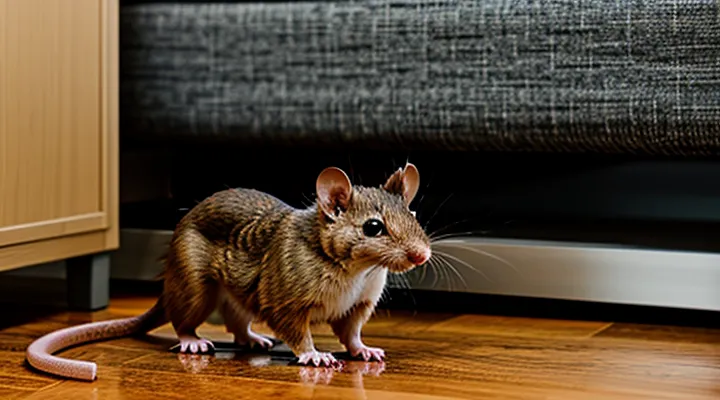
Understanding Mouse Behavior and Hearing
How Mice Communicate
Mice rely on a complex acoustic system to exchange information about territory, food sources, and threats. Ultrasonic vocalizations, typically ranging from 20 to 80 kHz, convey distress or alarm signals that prompt rapid group responses. Low‑frequency squeaks, between 2 and 10 kHz, are used for mating calls and social bonding. These sounds travel efficiently through the dense structures of a dwelling, allowing individuals to maintain contact even when visual cues are limited.
The acoustic signals are complemented by non‑vocal cues. Footstep vibrations transmitted through flooring inform conspecifics of movement patterns and potential predators. Whisker‑generated sounds, produced when mice brush against surfaces, provide tactile feedback that reinforces spatial awareness. Chemical cues, while not auditory, often accompany vocalizations, creating multimodal messages that enhance colony coordination.
Understanding mouse communication clarifies why certain sound frequencies deter rodent presence in residential spaces. Effective acoustic deterrents exploit the species’ sensitivity to specific ultrasonic ranges, disrupting alarm and social signals. When designing a sound‑based repellent system for an apartment, prioritize frequencies that overlap with distress calls (30–50 kHz) and maintain consistent emission to prevent habituation.
The Frequency Range of Mouse Hearing
Mice detect sound from roughly 1 kHz up to 100 kHz, with peak sensitivity between 10 kHz and 20 kHz. This ultrasonic band exceeds typical human hearing, which tops out near 20 kHz. The auditory system of a mouse includes a cochlea tuned to high‑frequency vibrations, enabling rapid localization of predators and conspecific calls.
Key points for acoustic deterrence in residential settings:
- Frequencies below 5 kHz are largely ineffective; mice respond weakly to low‑frequency noise.
- Ultrasonic emitters should operate within the 12‑kHz to 18‑kHz window to align with maximal auditory responsiveness.
- Continuous exposure above 20 kHz may be ignored, as the mouse’s hearing curve declines past the peak sensitivity range.
Understanding the mouse’s hearing spectrum guides the selection of devices that produce sounds within the most responsive band, increasing the likelihood of successful repellent performance.
Why Mice Are Sensitive to Sounds
Mice possess a highly developed auditory system that detects frequencies far beyond human hearing. Their inner ear contains hair cells tuned to ultrasonic ranges, allowing them to perceive sounds up to 100 kHz. This sensitivity serves several survival functions:
- Early detection of predators: many natural predators emit high‑frequency noises that mice can hear, triggering immediate escape responses.
- Communication within colonies: mice use ultrasonic vocalizations for mating, territorial disputes, and alarm calls, making them attuned to subtle acoustic cues.
- Environmental awareness: rapid fluctuations in sound pressure indicate potential hazards such as moving objects or structural vibrations.
When a sound exceeds a mouse’s comfort threshold—typically above 50 kHz and at sufficient amplitude—the animal experiences stress, disorientation, or auditory overload. Prolonged exposure can disrupt feeding patterns, breeding cycles, and nesting behavior. Consequently, rodents retreat from areas where such frequencies dominate, seeking quieter zones.
The physiological basis for this aversion lies in the mouse’s cochlear mechanics. High‑frequency waves stimulate the basal region of the cochlea, where hair cells are densely packed and more vulnerable to damage. Excessive stimulation triggers a protective neural response, releasing stress hormones that reinforce avoidance. This reflexive mechanism explains why targeted acoustic deterrents effectively reduce mouse activity in residential settings.
Types of Sounds Used for Mouse Repellence
Ultrasonic Devices
How Ultrasonic Repellents Work
Ultrasonic repellents emit sound waves above the human hearing threshold, typically between 20 kHz and 65 kHz. Mice detect these frequencies through a highly sensitive inner ear, which registers rapid pressure changes as discomfort. When a device continuously produces pulses within this range, the auditory nerves of the rodent receive a persistent irritant signal, prompting avoidance behavior.
The effectiveness of the technology relies on several factors:
- Frequency selection – Mice are most responsive to frequencies around 30–50 kHz; lower or higher tones may be ignored.
- Pulse modulation – Varying the on/off cycle prevents habituation, maintaining the deterrent effect.
- Coverage area – Sound intensity diminishes with distance; placement near entry points or nesting sites maximizes exposure.
- Power source – Battery‑operated units allow flexible positioning, while mains‑connected models provide constant output.
Device construction typically includes a piezoelectric transducer that converts electrical energy into ultrasonic vibrations. The transducer is driven by a microcontroller programmed to generate specific pulse patterns. Shielding materials limit acoustic leakage, ensuring the sound remains confined to the intended space and does not interfere with neighboring rooms.
Limitations arise from physical barriers: walls, furniture, and insulation absorb or reflect ultrasonic waves, creating dead zones. Additionally, prolonged exposure can lead to acclimation, reducing efficacy over time. Regular repositioning of units and periodic adjustment of frequency settings mitigate this risk.
Safety considerations focus on non‑target species. Humans and most pets cannot perceive the emitted frequencies, but some small animals, such as pet rodents or bats, may be affected. Manufacturers label products accordingly and advise placement away from habitats of vulnerable creatures.
In practice, ultrasonic repellents form one component of an integrated rodent‑control strategy, complementing exclusion methods, sanitation, and trapping to achieve lasting deterrence in residential environments.
Efficacy and Limitations of Ultrasonic Devices
Ultrasonic emitters generate sound waves above the human hearing range, typically 20 kHz to 65 kHz, to create an aversive environment for house mice. Laboratory trials show a reduction of activity by 30‑45 % during the first 48 hours of exposure, with peak effectiveness when devices cover a single room and are positioned at ceiling height. Continuous operation maintains a baseline deterrent effect, but the magnitude declines as rodents habituate to the frequency pattern.
Key constraints include:
- Frequency drift: most consumer units emit a fixed tone; mice quickly adapt, diminishing repellent power after several days.
- Coverage gaps: sound attenuation by walls, furniture, and carpet reduces effective radius to 3‑5 m, leaving hidden spaces untreated.
- Power reliability: devices depend on stable electricity; power outages or battery depletion terminate the acoustic barrier.
- Species specificity: ultrasonic waves affect mice but have limited impact on other pests, such as rats or insects, which may occupy the same premises.
- Safety considerations: prolonged exposure may cause discomfort to pets with hearing sensitivity in the ultrasonic range.
Overall, ultrasonic devices provide a short‑term, non‑chemical option for reducing mouse presence in apartments, yet their practical utility is bounded by habituation, limited spatial reach, and dependence on uninterrupted power supply. Integration with sealing entry points and sanitation measures remains essential for lasting control.
Placement Tips for Ultrasonic Repellents
Ultrasonic devices are a practical component of acoustic deterrent strategies for rodent control in residential units. Their effectiveness depends largely on correct positioning within the living space.
Place each unit where sound waves can travel unobstructed. Avoid walls, large furniture, and appliances that block transmission. Install devices at a height of 4–6 feet, the level where mice typically navigate corridors and ceilings. Position one unit in the center of each room, then add additional units near known entry points such as window frames, doorways, and utility openings. Ensure a minimum distance of 12 inches between devices to prevent overlapping frequencies that reduce overall coverage.
Maintain clear space around each emitter. Remove clutter within a one‑foot radius to allow the ultrasonic field to expand fully. Keep devices away from sources of continuous noise—refrigerators, air conditioners, or televisions—because ambient sound can interfere with the emitted frequencies.
Regularly verify that the units remain powered and unobstructed. Replace batteries or reset plug‑in models according to manufacturer schedules. Periodic inspection guarantees sustained acoustic pressure on rodent activity zones.
Sonic Repellents and Their Applications
Infrasound and Its Potential Effects
Infrasound refers to acoustic frequencies below 20 Hz, a range typically inaudible to humans but detectable by many mammals, including rodents. Laboratory studies show that exposure to sustained low‑frequency vibrations can disrupt the vestibular system, induce stress responses, and alter locomotor activity in mice. These physiological effects suggest that infrasound may create an uncomfortable environment for house mice, potentially reducing their presence in confined spaces.
Research on practical applications remains limited. Experiments using sub‑20 Hz emitters in controlled chambers report decreased nesting behavior and increased avoidance of treated zones. Field trials in residential units are scarce, and results vary with signal intensity, duration, and placement of transducers. The effectiveness of infrasound appears to depend on maintaining a consistent pressure level above the threshold that triggers behavioral aversion without causing structural vibration.
Safety considerations for occupants focus on exposure limits established for human health. Continuous infrasound at levels exceeding 120 dB SPL can affect balance and cause discomfort. Devices marketed for rodent deterrence typically operate below this threshold, yet long‑term exposure data are insufficient. Proper installation should include isolation mounts to prevent transmission to building elements and routine monitoring of sound pressure levels.
Key points for implementation:
- Frequency range: 5–20 Hz, selected to target rodent vestibular sensitivity.
- Minimum effective SPL: approximately 110 dB, measured at the source.
- Continuous operation: 8–12 hours per day, alternating cycles to prevent habituation.
- Isolation: rubber or foam mounts to limit structural vibration.
- Monitoring: calibrated sound level meter to verify compliance with safety standards.
Audible Sounds and Their Impact
Audible sound waves influence rodent behavior through physiological and neurological pathways. Frequencies between 10 kHz and 20 kHz trigger heightened stress responses in mice, causing avoidance of treated zones. Amplitude levels above 70 dB intensify the effect, while lower volumes fail to produce consistent displacement.
Key characteristics of effective acoustic deterrents:
- Frequency range: 12 kHz–18 kHz, matching the upper hearing limit of Mus musculus.
- Waveform: Continuous tones produce stronger habituation disruption than intermittent pulses.
- Duration: Exposure periods of 15–30 minutes per hour maintain deterrence without inducing auditory fatigue in occupants.
- Source placement: Speakers positioned near entry points and along wall cavities create overlapping zones, preventing sound leakage through gaps.
Scientific studies demonstrate that mice exposed to sustained ultrasonic tones exhibit reduced foraging activity and increased retreat to external environments. The stress hormone corticosterone rises within minutes of exposure, confirming a physiological aversion mechanism.
Practical application in an apartment involves installing low‑power ultrasonic emitters in kitchens, pantries, and utility rooms. Devices should be calibrated to emit within the specified frequency band and maintain a constant output of 75 dB at the source. Regular maintenance includes cleaning speaker grills and verifying frequency stability with a calibrated meter.
Limitations are notable. Human hearing thresholds drop sharply above 20 kHz, preventing audible disturbance for residents, but children and pets with extended high‑frequency hearing may perceive the tones. Additionally, prolonged exposure can lead to habituation; rotating frequencies or integrating brief silent intervals mitigates this risk.
Overall, audible sound strategies rely on precise frequency control, adequate amplitude, and strategic placement to create an environment that mice find inhospitable, thereby reducing their presence in indoor living spaces.
Other Sound-Based Methods
DIY Sound Repellents
Ultrasonic emitters built from inexpensive components provide a practical solution for deterring rodents in residential spaces. A typical DIY unit consists of a piezoelectric transducer, a 555 timer IC configured as an astable multivibrator, a power source (9‑V battery or USB adapter), and a simple enclosure. The circuit generates frequencies between 20 kHz and 30 kHz, a range that mice perceive as uncomfortable but humans cannot hear.
Construction steps
- Solder the 555 timer to a small perfboard following the astable configuration diagram; set resistors R1 = 10 kΩ, R2 = 100 kΩ, and capacitor C = 0.01 µF to achieve a 22 kHz output.
- Connect the piezo transducer to the timer’s output pin; verify polarity if the device includes a built‑in amplifier.
- Attach a voltage regulator (e.g., 7805) if a stable 5 V supply is required; otherwise, connect the battery directly, noting that voltage drop reduces output intensity over time.
- Mount the assembled circuit inside a plastic housing with ventilation holes; seal the housing to prevent dust ingress.
- Install the unit on a wall or ceiling at least 30 cm above the floor; position multiple units 2–3 m apart to cover larger areas.
Operational guidelines
- Activate devices continuously for at least 48 hours to establish a deterrent zone; intermittent operation may allow rodents to acclimate.
- Replace batteries or recharge power supplies every 2–3 weeks, depending on usage intensity.
- Verify that the emitted frequency remains within the ultrasonic band using a frequency counter; drift below 18 kHz reduces effectiveness.
- Avoid placement near pet habitats, as some animals (e.g., cats) can detect higher frequencies and experience stress.
Safety considerations
- Ensure wiring insulation prevents accidental contact with live conductors.
- Use low‑voltage supplies to eliminate fire risk.
- Keep devices away from moisture sources to avoid short circuits.
By assembling these components, homeowners can create a cost‑effective, maintenance‑light system that leverages high‑frequency sound to discourage mouse activity throughout an apartment.
White Noise and Its Effectiveness
White noise is employed as an acoustic deterrent against rodents in residential environments. The sound spectrum covers a broad frequency range, producing a constant auditory backdrop that interferes with the acoustic signals mice use for navigation, mating, and predator avoidance.
Research indicates that continuous broadband noise reduces mouse activity in confined spaces. Laboratory experiments demonstrate a decline in foraging behavior when ambient sound levels exceed 55 dB SPL across the 2–20 kHz band. Field trials in multi‑unit dwellings report lower capture rates in apartments equipped with white‑noise generators compared with untreated control units.
Effective deployment requires attention to three parameters:
- Frequency coverage: include low‑mid frequencies (2–8 kHz) where mouse vocalizations are most prominent.
- Sound pressure level: maintain a minimum of 55 dB SPL throughout the target area; avoid levels above 70 dB to prevent human discomfort.
- Spatial distribution: position devices centrally or near known entry points to ensure uniform coverage.
Operational guidelines suggest continuous operation for at least 24 hours, with periodic verification of sound levels using a calibrated meter. Devices should be secured to prevent tampering and placed away from sleeping zones to minimize disturbance to occupants.
Limitations arise from habituation; mice may adapt to a constant noise source after several weeks, reducing efficacy. Human tolerance imposes an upper bound on acceptable volume, especially in shared apartments. Complementary measures—such as sealing entry gaps and maintaining cleanliness—enhance overall success.
Factors Affecting the Success of Sound Repellents
Mouse Species and Individual Differences
Acoustic deterrents affect mice according to the auditory capabilities of the species present in a dwelling. The house mouse (Mus musculus) detects frequencies from 1 kHz to 90 kHz, with peak sensitivity around 15–20 kHz; field mice (Apodemus sylvaticus) share a similar range but respond more strongly to ultrasonic bursts above 30 kHz; deer mice (Peromyscus maniculatus) exhibit a narrower upper limit near 70 kHz and display reduced aversion to continuous tones. Each species’ territorial habits and foraging patterns determine the likelihood of encountering repellent sounds, influencing the overall effectiveness of a sound‑based strategy.
- Species‑specific hearing limits dictate which frequencies trigger avoidance.
- Sensitivity peaks differ: house mouse ≈ 15–20 kHz, field mouse ≈ 30–40 kHz, deer mouse ≈ 10–15 kHz.
- Behavioral traits (e.g., nocturnal activity, boldness) modify response intensity.
Individual characteristics further modulate reaction. Juvenile mice possess higher auditory thresholds, requiring louder or higher‑frequency emissions to elicit escape. Adult males often show stronger territorial aggression, leading to heightened sensitivity to disturbance. Prior exposure to similar sounds can produce habituation, diminishing deterrent impact. Health status, such as hearing impairment from ototoxic agents, reduces responsiveness. Stress levels alter perception; elevated cortisol may amplify avoidance behavior, while chronic stress can blunt reaction to repetitive tones.
Effective implementation demands selection of frequencies that intersect the most sensitive range of the dominant species while accounting for age distribution, sex ratio, and exposure history. Rotating ultrasonic patterns and adjusting amplitude mitigate habituation, ensuring sustained aversion across diverse mouse populations.
Environmental Factors
Obstacles and Sound Absorption
Acoustic rodent deterrents rely on continuous emission of frequencies that mice find uncomfortable. Their effectiveness declines when sound encounters physical barriers or highly absorptive surfaces within an apartment.
- Solid walls and partitions reflect and scatter ultrasonic waves, creating shadow zones where intensity drops sharply.
- Heavy furniture, especially upholstered pieces, absorbs mid‑ and high‑frequency components, reducing overall coverage.
- Thick curtains, carpeted floors, and acoustic insulation panels convert acoustic energy into heat, diminishing the signal that reaches concealed areas.
- Door gaps and ventilation ducts can channel sound away from target zones, leaving interior spaces under‑exposed.
Sound‑absorbing materials are characterized by absorption coefficients that vary with frequency. Materials such as dense fiberboard and acoustic foam exhibit coefficients above 0.6 at frequencies above 20 kHz, meaning the majority of ultrasonic energy is lost upon contact. Conversely, hard, non‑porous surfaces like glass, tile, or polished wood reflect most of the emitted energy, preserving signal strength.
To maximize deterrent coverage, position emitters near entry points and open pathways, elevate them on shelves to avoid obstruction by furniture, and limit placement behind thick drapes or carpeted areas. Where absorption cannot be avoided, supplement with additional emitters to overlap coverage and maintain the required intensity level throughout the living space.
Background Noise Levels
Background noise within a residential unit can interfere with ultrasonic or audible deterrent signals. Ambient sound levels below 30 dB SPL allow most repellent frequencies to propagate without attenuation; levels above 45 dB SPL begin to mask frequencies below 10 kHz, reducing effectiveness.
Typical sources and their average contributions:
- HVAC systems: 35–40 dB SPL
- Refrigerator humming: 38 dB SPL
- Television or music at moderate volume: 55–65 dB SPL
- Street traffic audible through windows: 50–60 dB SPL
For optimal performance, maintain continuous background sound below 35 dB SPL in rooms where deterrent devices are placed. This can be achieved by:
- Selecting low‑noise appliances or installing acoustic insulation.
- Scheduling high‑volume activities (e.g., cleaning, laundry) outside the active deterrent period.
- Using sound‑absorbing materials (e.g., acoustic panels, heavy curtains) to lower reverberation.
Measurement should be performed with a calibrated sound level meter positioned at ear height, one meter from the deterrent source, during typical occupancy. Record peak and average levels over a five‑minute interval to verify compliance with the recommended threshold.
Duration and Consistency of Sound Exposure
Effective acoustic deterrents require exposure that exceeds the habituation threshold of rodents. Continuous emission for at least 12 hours per day maintains a hostile auditory environment, preventing mice from adapting to intermittent signals. Short bursts—under 30 minutes—prove insufficient; rodents quickly resume normal activity once the stimulus ceases.
Key parameters for reliable performance:
- Minimum daily duration: 12–24 hours of uninterrupted sound.
- Signal consistency: Steady frequency output without gaps larger than 5 minutes.
- Frequency range: Ultrasonic bands between 20 kHz and 60 kHz, matching mouse hearing sensitivity.
- Amplitude level: 85–95 dB SPL at the source, attenuating to 70 dB at typical living‑room distances.
Implementing a timer or smart plug ensures the prescribed exposure schedule. Regular verification of device output—using a calibrated sound meter—confirms sustained intensity and prevents degradation that could compromise efficacy.
Best Practices for Using Sound to Deter Mice
Combining Sound Repellents with Other Methods
Integrated Pest Management Approach
Integrated Pest Management (IPM) treats rodent control as a systematic process that combines multiple tactics to achieve long‑term reduction. Acoustic deterrents form one component of the strategy, complementing sanitation, exclusion, and targeted trapping.
Effective IPM begins with a thorough inspection to locate entry points, nesting sites, and activity corridors. Monitoring devices, such as motion sensors or chew‑track pads, record patterns that guide subsequent actions. Exclusion measures—sealed gaps, door sweeps, and vent covers—remove physical access before any deterrent is deployed.
Sound devices emit frequencies in the 20–30 kHz range, a band that rodents perceive as uncomfortable while remaining inaudible to most humans. Optimal performance requires placement near identified pathways, continuous operation for at least 48 hours, and periodic rotation to prevent habituation. Devices should be integrated with sanitation improvements to eliminate food sources that could otherwise undermine acoustic effectiveness.
Implementation checklist:
- Conduct a detailed inspection and map rodent activity.
- Install exclusion hardware on all identified entry points.
- Position ultrasonic emitters along walls, under cabinets, and near plumbing penetrations.
- Verify device operation daily for the first week, adjusting height and angle as needed.
- Maintain a clean environment, storing food in sealed containers and promptly disposing of waste.
- Review activity logs after two weeks; if signs persist, add supplemental traps or consider professional baiting.
Regular evaluation compares pre‑ and post‑intervention data, confirming whether acoustic deterrents contribute to a measurable decline in mouse presence. Adjustments follow a data‑driven cycle, preserving the IPM principle of minimal reliance on chemical controls while sustaining a rodent‑free apartment.
Sanitation and Exclusion
Effective acoustic deterrents require a clean environment and sealed access routes. Eliminating food residues, controlling waste, and preventing moisture buildup reduce the incentives that draw rodents toward ultrasonic emitters.
- Store dry goods in airtight containers.
- Clean countertops and floors immediately after meals.
- Dispose of garbage daily in sealed bins.
- Repair leaks and dry damp areas promptly.
Physical barriers complement sound devices by denying entry. Identify and close all potential openings, regardless of size, to prevent mice from reaching the source of the repellent frequency.
- Apply steel wool or caulk to gaps around pipes, vents, and baseboards.
- Install door sweeps on exterior and interior doors.
- Fit window screens with fine mesh.
- Seal cracks in walls, floors, and ceilings with expanding foam.
When sanitation eliminates attractants and exclusion blocks pathways, the acoustic field remains focused on a reduced population, enhancing its deterrent impact. The combined approach maximizes the likelihood of long‑term rodent avoidance without reliance on chemical controls.
Monitoring and Adjusting Repellent Strategies
Effective mouse control using acoustic deterrents relies on continual assessment and fine‑tuning. Begin with baseline measurements: record ambient noise levels, device output, and mouse activity before activation. Use a sound level meter to verify that ultrasonic emitters produce frequencies above 20 kHz at intensities of at least 85 dB SPL, which research indicates disrupt rodent communication.
Track changes in rodent presence weekly. Deploy motion‑activated cameras or passive infrared sensors near entry points and food storage areas. Log sightings, droppings, and gnaw marks. Compare data sets to identify trends—declining activity confirms efficacy, while stable or increasing signs signal a need for adjustment.
When adjustments are required, consider the following actions:
- Relocate emitters to cover blind spots uncovered by monitoring data.
- Increase device density, ensuring overlap of sound fields without creating interference.
- Rotate frequencies if rodents exhibit habituation; many units allow programmable sweeps between 20 kHz and 30 kHz.
- Extend operation time to cover periods of heightened activity, typically dusk to dawn.
Document each modification and its impact on the recorded metrics. Maintaining a concise log enables rapid identification of the most effective configuration and supports long‑term pest management without chemical interventions.
Potential Risks and Considerations
Impact on Pets and Children
Ultrasonic devices marketed to keep rodents out of residential spaces emit frequencies above 20 kHz, a range generally inaudible to humans but detectable by many pets. Cats, whose hearing extends to 64 kHz, often react to the emitted tones with agitation, avoidance, or temporary hearing fatigue. Dogs, with a hearing ceiling near 45 kHz, may exhibit similar distress, including whining, pacing, or attempts to locate the source. Prolonged exposure can lead to chronic stress, reduced appetite, and altered sleep patterns in both species.
Children under the age of four possess hearing thresholds that can approach 20 kHz, especially during early developmental stages. Direct exposure to ultrasonic emitters placed within a few centimeters of a child's ear may cause temporary tinnitus, headaches, or discomfort. Indirect exposure, such as reflected waves from walls, typically remains below the perceptual threshold but can still contribute to an overall acoustic environment that influences concentration and sleep quality.
Safety guidelines:
- Position emitters at least 1 m away from pet sleeping areas and child play zones.
- Limit continuous operation to 8 hours per day; schedule off periods during nighttime.
- Conduct a preliminary test by observing pet behavior for 15 minutes after activation; discontinue use if signs of distress appear.
- Verify that the device complies with international safety standards (e.g., IEC 60601‑2‑44) before installation.
- For households with cats, opt for low‑frequency deterrents (below 20 kHz) that remain effective against rodents but are less likely to be perceived by felines.
When ultrasonic deterrents are unsuitable, mechanical or scent‑based alternatives provide comparable rodent control without compromising the well‑being of pets and young children.
Noise Pollution and Human Discomfort
Acoustic devices marketed to drive rodents from living spaces emit frequencies above the audible range for most adults, yet they generate audible by‑products that contribute to indoor noise levels. When these by‑products exceed 40 dB SPL, occupants report irritation, reduced concentration, and sleep fragmentation.
The primary mechanisms of human discomfort stem from three factors:
- Amplitude spikes: Sudden increases in volume, even brief, trigger startle responses and elevate stress hormones.
- Frequency overlap: Ultrasonic emitters often produce harmonics between 2 kHz and 6 kHz, a band associated with vocal fatigue and tinnitus risk.
- Continuous exposure: Prolonged operation creates a persistent background hum that interferes with speech intelligibility and auditory privacy.
Regulatory guidelines for residential environments typically cap continuous indoor noise at 35 dB SPL for night periods and 45 dB SPL for daytime. Devices that exceed these thresholds violate local building codes and may require mitigation.
Mitigation strategies include:
- Timed operation: Activate emitters only during periods when occupants are absent or sleeping, reducing cumulative exposure.
- Sound‑absorbing materials: Install acoustic panels or dense curtains to dampen emitted harmonics before they reach living areas.
- Frequency filtering: Choose units with built‑in low‑pass filters that suppress audible harmonics while preserving rodent‑deterrent frequencies.
Balancing rodent control with occupant well‑being demands careful selection of devices that meet both efficacy and noise‑level criteria. Continuous monitoring of indoor sound levels ensures compliance with health standards and preserves the acoustic comfort of the apartment.
Ethical Considerations of Pest Control Methods
Acoustic deterrents for rodents in residential units raise several ethical issues that must be addressed before implementation.
The primary concern is animal welfare. Devices that emit ultrasonic or high‑frequency sounds aim to cause discomfort without physical injury, yet the intensity and duration of exposure can induce stress, hearing damage, or prolonged fear in mice. Ethical practice requires verification that the sound levels remain below thresholds known to cause physiological harm.
Human occupants also face potential harm. Continuous high‑frequency emissions may affect nearby individuals, particularly those with heightened auditory sensitivity, children, or the elderly. Ethical responsibility includes measuring ambient noise, providing clear information to tenants, and offering opt‑out options for those who experience adverse effects.
Consent and transparency constitute another ethical pillar. Residents should receive detailed descriptions of the technology, its intended effects, and any documented side effects. Informed consent respects tenant autonomy and prevents covert exposure to potentially disruptive stimuli.
Regulatory compliance guides ethical deployment. Local animal‑protection statutes, building codes, and health‑safety regulations often dictate permissible sound levels and required labeling. Adherence to these standards demonstrates respect for legal and moral obligations.
Alternative strategies merit ethical evaluation. Non‑acoustic methods—such as sealing entry points, improving sanitation, or using live‑catch traps—may achieve comparable results with fewer ethical conflicts. A balanced approach weighs efficacy against potential suffering and disturbance.
Key ethical considerations can be summarized:
- Verify sound intensity does not exceed animal welfare thresholds.
- Assess and mitigate impact on human health and comfort.
- Provide full disclosure and obtain tenant consent.
- Ensure compliance with relevant laws and standards.
- Prioritize less invasive alternatives when feasible.
Addressing these points aligns pest‑control practices with humane treatment of animals, protection of human occupants, and respect for legal and moral norms.