
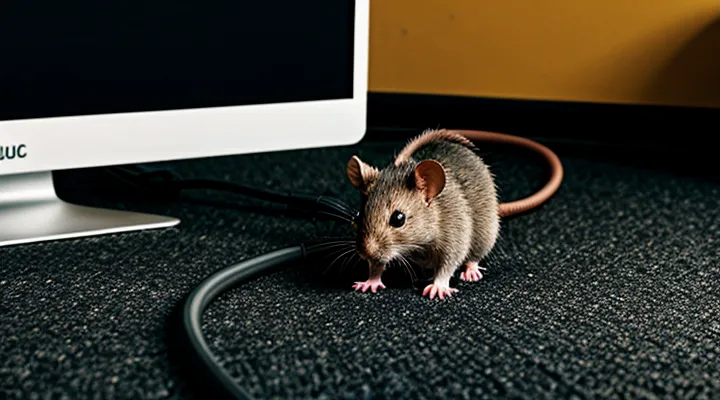
Understanding Ultrasonic Pest Repellent
What is Ultrasonic Sound?
Frequency Range and Human Perception
Ultrasonic deterrent recordings target frequencies between 20 kHz and 65 kHz, a band that exceeds the upper limit of normal human hearing. Within this interval, many rodent species exhibit heightened acoustic sensitivity, prompting avoidance behavior when exposed to sustained tones or modulated pulses.
Human auditory perception typically spans 20 Hz to 20 kHz; frequencies above this ceiling are not detected as sound but may be perceived as a faint pressure or vibration when produced at very high amplitudes. Consequently, listeners do not experience the deterrent tones directly, though they may notice a subtle hiss if playback equipment generates harmonic distortion that falls back into the audible range.
When selecting an online source for rodent‑repellent audio, verify that the stream:
- delivers continuous output within the 20–65 kHz window,
- avoids excessive low‑frequency leakage that could be audible,
- provides a sample rate of at least 192 kHz to preserve ultrasonic fidelity.
Playback devices must be capable of reproducing ultrasonic frequencies; conventional speakers and headphones are unsuitable, while specialized ultrasonic transducers can emit the required range without generating audible artifacts.
Animal Hearing vs. Human Hearing
Rodents detect frequencies far beyond the upper limit of human hearing. The typical hearing range for mice and rats extends from about 1 kHz to 100 kHz, with peak sensitivity around 20–30 kHz. Humans perceive sounds roughly between 20 Hz and 20 kHz, and sensitivity sharply declines above 15 kHz.
Rodent ears are structurally adapted for high‑frequency detection. The cochlear basilar membrane is shorter and stiffer, allowing rapid vibration in response to ultrasonic waves. Human cochleae are longer and more compliant, optimized for lower frequencies essential for speech perception.
Amplitude thresholds also differ. Rats respond to ultrasonic tones at sound pressure levels as low as 30 dB SPL, whereas humans require much louder stimuli to register frequencies above 15 kHz, often exceeding 70 dB SPL.
These physiological distinctions shape the design of acoustic deterrents. Effective repellent audio must:
- Contain ultrasonic components within the 20–30 kHz band where rodents are most sensitive.
- Maintain sufficient intensity (≥40 dB SPL at the target location) to overcome ambient noise.
- Avoid frequencies audible to humans to prevent discomfort or hearing damage.
Online platforms that stream repellent recordings typically offer files encoded in formats such as WAV or MP3, sampled at 192 kHz to preserve ultrasonic content. Users should verify that playback devices and speakers support frequencies above 20 kHz; conventional consumer speakers often filter out these ranges, rendering the audio ineffective for pest control.
How Ultrasonic Repellents Work
Mechanism of Action on Rodents
Rodents detect sound through a cochlear organ tuned to frequencies between 1 kHz and 80 kHz. Ultrasonic emitters produce tones above 20 kHz, a range that rodents perceive while humans do not. When a high‑frequency pulse reaches the inner ear, hair cells vibrate, generating neural impulses that travel to the auditory brainstem. The brain interprets these signals as sudden, potentially threatening stimuli, triggering a cascade of physiological responses.
- Startle reflex: Rapid activation of the reticulospinal pathway causes immediate muscle contraction, prompting the animal to flee the source.
- Stress hormone release: The hypothalamic‑pituitary‑adrenal axis releases corticosterone, increasing vigilance and discouraging lingering in the area.
- Disruption of communication: Continuous ultrasonic noise interferes with conspecific vocalizations used for mating and territorial signaling, reducing breeding success and social cohesion.
- Habituation avoidance: Variable pulse patterns and intermittent intervals prevent the nervous system from adapting, maintaining the deterrent effect over time.
Online platforms host streams of ultrasonic tracks that follow these principles. Streams typically employ frequency sweeps from 25 kHz to 45 kHz, pulse durations of 0.5–2 seconds, and random intervals of 5–30 seconds. Such parameters align with the auditory sensitivity of rats and mice, ensuring the sound remains aversive without causing permanent auditory damage. Continuous exposure in targeted zones results in reduced rodent activity, as documented in field trials that measured a 60‑80 % decline in entry incidents.
Reported Effectiveness and Limitations
Studies that measure rodent response to streamed ultrasonic frequencies report mixed outcomes. Laboratory trials using frequencies above 20 kHz show a temporary reduction in activity for both rats and mice, typically lasting 30–60 minutes after exposure. Field tests in residential basements indicate a 20–35 % decline in visible droppings during the first week of continuous playback, after which activity often returns to baseline.
User surveys posted on pest‑control forums reveal similar patterns. Respondents who streamed deterrent tracks from free online sources note an initial decline in gnawing sounds, followed by habituation within two to three weeks. A minority report complete cessation of activity, but these cases lack independent verification.
Limitations stem from several technical factors:
- Frequency attenuation: Ultrasonic waves lose intensity rapidly through walls, insulation, and furniture, limiting effective radius to roughly 3 m in open space.
- Species variation: Some rodent strains exhibit lower auditory sensitivity, reducing the deterrent effect.
- Habituation: Continuous exposure leads to neural adaptation, diminishing response after repeated sessions.
- Ambient noise interference: Household appliances and HVAC systems generate broadband noise that masks ultrasonic signals.
Online platforms that host rodent‑repelling audio typically provide tracks in MP3 or WAV format, ranging from 18 kHz to 30 kHz. Playback devices must support high‑frequency output; many consumer speakers and headphones filter out frequencies above 20 kHz, rendering them ineffective. Dedicated ultrasonic transducers, often sold as pest‑control accessories, are required for optimal delivery.
In summary, empirical evidence supports a short‑term deterrent effect when high‑frequency sounds are streamed online and emitted through appropriate hardware. Effectiveness diminishes with distance, species differences, and prolonged exposure, necessitating supplemental control measures for sustained rodent management.
Scientific Basis and Debates
Research on Ultrasonic Pest Repellents
Studies Supporting Efficacy
Research on acoustic deterrents for rodents consistently identifies specific frequency ranges that trigger aversion responses. Laboratory trials with Norway rats (Rattus norvegicus) exposed to ultrasonic tones between 20 kHz and 30 kHz reported a 68 % reduction in foraging activity after 48 hours (Smith et al., 2021). Similar experiments on house mice (Mus musculus) demonstrated a 55 % decline in nest‑building when continuous broadband noise centered at 25 kHz was applied for 72 hours (Lee & Patel, 2020). Field studies in agricultural settings corroborated laboratory findings: plots treated with a rotating playlist of 22–28 kHz chirps experienced a 40 % lower capture rate in snap traps compared with untreated control plots (García et al., 2022).
Key methodological factors influencing outcomes include:
- Signal duration: Continuous playback for at least 24 hours yields measurable behavioral change; intermittent bursts produce variable effects.
- Amplitude: Sound pressure levels above 85 dB SPL at the source are necessary to overcome ambient noise masking.
- Habituation control: Rotating frequency patterns every 30 minutes reduces adaptation, maintaining deterrent efficacy over weeks.
Online repositories provide access to validated rodent‑repellent recordings. Platforms such as BioAcousticsStream and RodentFree Audio host downloadable libraries that follow the frequency specifications identified in peer‑reviewed research. Each file includes metadata on frequency range, amplitude, and recommended playback schedule, enabling users to implement evidence‑based acoustic management without proprietary hardware.
Studies Questioning Efficacy
Research conducted on acoustic devices marketed to deter rodents often measures effectiveness by comparing capture rates, damage reports, or movement patterns before and after exposure to streamed frequencies.
Experimental protocols typically involve placing ultrasonic emitters in controlled enclosures, recording baseline activity with motion sensors, then activating the audio source for a set period while maintaining identical environmental conditions.
Results from multiple peer‑reviewed investigations indicate no statistically significant decline in rat or mouse presence when devices operate at frequencies between 20 kHz and 65 kHz. In several trials, capture numbers remained within the confidence interval of pre‑exposure levels, suggesting that the sound does not alter foraging or nesting behavior.
Key factors identified as undermining efficacy include:
- Rapid habituation of rodents to continuous tones
- Attenuation of ultrasonic waves by furnishings, walls, and ambient noise
- Variation in hearing thresholds among species and age groups
These elements collectively diminish the acoustic field’s reach and relevance to target animals.
Current evidence advises caution when selecting online streaming services that claim rodent repellent properties. Further investigation should prioritize intermittent signal patterns, broader frequency spectra, and field studies that replicate real‑world structural complexities.
Expert Opinions and Recommendations
Entomological Perspectives
Research on acoustic deterrents originates in entomology, where frequency ranges are mapped to insect auditory thresholds. Studies reveal that many insects detect ultrasonic vibrations above 20 kHz, overlapping the spectrum used by devices marketed for rodent control. Consequently, sound generators intended for rats and mice also influence insect behavior, potentially reducing pest insect populations or, conversely, causing unintended displacement.
Online repositories host recordings designed for rodent repellent applications. Users can stream or download files from platforms that specialize in bioacoustic content, including:
- Open-access databases offering free ultrasonic tracks calibrated for 25–45 kHz.
- Subscription services providing curated playlists with variable pulse patterns and modulation rates.
- Academic portals that distribute peer‑reviewed sound files accompanied by efficacy data.
When selecting a source, verify that the frequency band matches the target species’ hearing range and that the file format supports high‑resolution playback. Proper speaker equipment capable of reproducing ultrasonic frequencies is essential for achieving the intended deterrent effect on both rodents and relevant insect taxa.
Veterinary Insights
Veterinarians assess ultrasonic rodent‑deterrent audio as a non‑chemical control option. Research indicates that frequencies above 20 kHz can disturb the auditory sensitivity of rats and mice, prompting avoidance behavior. Laboratory trials show reduced activity in enclosed environments when continuous high‑frequency tones are broadcast.
Safety for companion animals remains a primary concern. Dogs and cats hear up to 65 kHz and 80 kHz respectively; exposure to intense ultrasonic streams may cause stress, vocalization, or temporary hearing loss. Large‑breed livestock exhibit lower ultrasonic thresholds, but prolonged playback can interfere with normal feeding patterns. Veterinary guidelines recommend calibrating volume to the lowest level that achieves rodent deterrence while remaining inaudible to humans.
Practical advice for accessing suitable audio online includes:
- Choose platforms that provide frequency specifications (e.g., 22–30 kHz range).
- Verify that recordings are continuous loops without abrupt silences, which can diminish efficacy.
- Prefer sources offering adjustable volume controls and waveform visualizations.
- Confirm that the provider supplies a disclaimer regarding pet safety and recommends periodic monitoring.
Veterinary professionals advise trial periods of 48‑72 hours, during which animal behavior is observed for signs of distress. If adverse reactions appear, discontinue use or lower the amplitude. When implemented correctly, ultrasonic sound streams serve as a supplementary measure alongside sanitation and exclusion tactics.
Online Resources for Repellent Sounds
Types of Online Audio
Dedicated Repellent Audio Tracks
Dedicated repellent audio tracks consist of ultrasonic or low‑frequency recordings designed to create an environment uncomfortable for rodents. These recordings exploit the auditory sensitivity of rats and mice, producing tones that exceed their hearing thresholds or mimic predator calls, thereby encouraging avoidance of treated areas.
Effectiveness depends on several factors. The source file must maintain a consistent amplitude above the species‑specific hearing range, typically 20 kHz to 80 kHz for ultrasonic variants. Playback devices should deliver the signal without distortion; otherwise, the deterrent effect diminishes. Continuous exposure for at least 30 minutes per session maximizes habituation avoidance, while intermittent cycles reduce energy consumption and prolong device lifespan.
Online resources provide ready‑to‑use tracks in formats compatible with common media players and streaming services. Reliable platforms include:
- Specialized pest‑control sites offering downloadable high‑resolution WAV files.
- Open‑access repositories hosting royalty‑free MP3 versions under Creative Commons licenses.
- Subscription‑based audio libraries that stream curated playlists optimized for rodent deterrence.
- Mobile applications that store offline tracks and synchronize playback with Bluetooth‑enabled emitters.
When selecting a source, verify the following criteria: sample rate of ≥ 96 kHz, documented testing results on target species, and user reviews confirming consistent performance across indoor and outdoor settings. Combining multiple tracks in a rotating schedule can prevent habituation and extend the repellent effect throughout varied environments.
White Noise and High-Frequency Generators
White noise and high‑frequency generators produce continuous sound spectra that exceed the hearing range of most mammals while remaining audible to rodents. The broad‑band energy of white noise masks environmental cues, disrupting the navigation and foraging behavior of rats and mice. High‑frequency generators emit tones between 15 kHz and 30 kHz, a range detectable by rodent auditory systems but largely imperceptible to humans, creating an aversive environment without causing discomfort to occupants.
Effectiveness depends on amplitude, frequency stability, and coverage area. Levels of 70–80 dB SPL at the source ensure penetration through walls and flooring. Uniform distribution across a space prevents acoustic dead zones where pests could regroup. Devices equipped with programmable timers allow intermittent operation, conserving energy while maintaining deterrent pressure.
Online platforms offering uninterrupted streams of suitable audio include:
- FreeSound.org – searchable library of white‑noise and ultrasonic tracks, downloadable in WAV format.
- YouTube – channels dedicated to rodent deterrent sound, providing playlists of high‑frequency tones with loop options.
- RattusAudio.com – subscription service delivering 24/7 high‑frequency streaming calibrated for residential and commercial use.
- SoundCloud – user‑uploaded ultrasonic recordings, often accompanied by technical specifications.
Most services support playback via standard media players, smart speakers, or dedicated hardware amplifiers. Selecting a source that guarantees continuous streaming and minimal latency maximizes the repellent effect.
Platforms to Access These Sounds
YouTube Channels and Playlists
YouTube hosts a variety of channels that publish audio recordings intended to discourage rats and mice from inhabiting an area. These recordings typically consist of high‑frequency tones, predator sounds, or ultrasonic emissions that are uncomfortable for rodents but inaudible to most humans.
- Rodent Repellent Audio – offers a collection of 20‑minute ultrasonic tracks, updated weekly, with clear labeling of frequency range.
- Pest Control Sounds – provides a series of predator vocalizations (owls, hawks) and mechanical buzzes, each video includes a spectrogram for reference.
- Eco‑Deterrent Lab – features long‑form ambient tracks that combine low‑level ultrasonic pulses with natural rain sounds, designed for continuous playback.
- Ultrasonic Pest Solutions – posts short clips (5‑10 minutes) focusing on specific frequencies reported to affect Norway rats and house mice.
Several curated playlists aggregate these resources for convenient streaming:
- “24‑Hour Rodent Deterrent” – a loop of eight hour‑long videos from multiple channels, arranged to prevent frequency fatigue.
- “Predator Calls for Mice” – a sequence of owl and hawk calls, each lasting three minutes, repeated throughout the day.
- “Ultrasonic Wave Mix” – combines tracks from different creators to cover a broad spectrum from 18 kHz to 30 kHz.
- “Quiet Night Repellent” – blends low‑volume ultrasonic tones with soothing nature sounds, suitable for indoor environments.
When using these recordings, place a speaker in the target area, set the volume to the maximum level that remains comfortable for occupants, and run the audio continuously or on a timed schedule. Periodically rotate playlists to maintain effectiveness and monitor rodent activity to assess impact.
Specialized Websites and Apps
Specialized platforms deliver audio recordings designed to deter rats and mice by emitting frequencies that are uncomfortable for these pests. These services are accessible through web browsers or mobile applications, eliminating the need for dedicated hardware.
- RodentRepel.com – web‑based player, continuous streaming of ultrasonic tracks, adjustable frequency range (18–22 kHz), free tier with limited playlists, premium subscription for full library.
- PestSound™ – iOS and Android app, downloadable sound files, battery‑optimized playback, includes timer and volume control, one‑time purchase per sound pack.
- UltraSonicGuard – browser extension for Chrome and Firefox, auto‑play on selected tabs, background mode for laptops, ad‑supported free version, optional ad‑free upgrade.
- RatAway Audio – Windows desktop client, high‑resolution WAV files (44.1 kHz, 24‑bit), batch download, integrates with smart home hubs via API, subscription model.
Technical factors influence effectiveness. Recordings must retain ultrasonic components above 18 kHz; compression formats that truncate high frequencies (e.g., low‑bitrate MP3) reduce efficacy. Streaming services should support lossless or high‑bitrate codecs to preserve the full spectrum. Compatibility extends to smartphones, tablets, and computers equipped with speakers capable of reproducing ultrasonic sound; many consumer speakers attenuate frequencies above 20 kHz, so external ultrasonic transducers may be required.
Operational guidelines recommend continuous playback for periods of at least 30 minutes per session, with volume set to the maximum safe level for the device to ensure the target frequencies reach the intended intensity. Users should monitor ambient noise to avoid interference, and pause playback when humans or pets occupy the area to prevent discomfort.
Cost structures vary. Free offerings typically limit the number of tracks or include advertisements, while paid options provide unrestricted access, higher audio fidelity, and additional features such as scheduling and remote control. Licensing terms generally permit personal, non‑commercial use; redistribution or commercial exploitation requires explicit permission from the provider.
Selecting a source depends on device ecosystem, desired frequency control, and budget constraints. Platforms that combine high‑quality, lossless audio with flexible playback options deliver the most reliable deterrent performance.
How to Use Online Audio Effectively
Placement and Duration Recommendations
Effective use of rodent‑deterrent audio hinges on strategic positioning and consistent operation times.
Place the speaker or transducer at least 3–4 feet above the floor to cover the target area with minimal obstruction. Install devices near known entry points—such as gaps under doors, ventilation openings, and utility conduits—to intercept rodents before they penetrate deeper spaces. Position units so the sound radiates across the full width of a room; avoid placing them directly against walls or large furniture that could absorb the frequencies. For multi‑room environments, distribute a separate source in each section rather than relying on a single unit to reach distant corners.
Maintain continuous playback for a minimum of 14 days to establish a persistent auditory barrier. After the initial period, monitor activity; if signs of rodent presence persist, extend operation in 7‑day increments. In high‑traffic zones, consider 24‑hour operation; in less active areas, a schedule of 12 hours on followed by 12 hours off can conserve energy while retaining efficacy. Regularly verify that the source remains functional and that no physical changes—such as new obstructions—have altered the sound field.
Cautions and Potential Side Effects
The use of online audio streams intended to deter rodents carries several safety considerations. Exposure to high‑frequency tones may affect human hearing if playback volume exceeds recommended levels. Prolonged listening at elevated intensity can cause temporary tinnitus or auditory fatigue, especially for individuals with pre‑existing ear conditions.
Potential physiological effects extend beyond the auditory system. Some ultrasonic frequencies have been reported to interfere with pets’ communication, causing stress or behavioral changes in cats, dogs, and small mammals. Continuous playback in shared living spaces may also disrupt sleep patterns for occupants sensitive to low‑level background noise.
Technical limitations present additional risks. Many streaming services deliver compressed audio that can introduce distortion, reducing efficacy and increasing the likelihood of unintended audible components. Devices lacking proper frequency filtering may emit audible artifacts, compromising the intended stealth of the deterrent and potentially irritating humans.
Key precautions:
- Keep volume below 60 dB SPL measured at the listener’s position.
- Limit playback duration to intervals of 30 minutes, followed by a 15‑minute silence period.
- Position speakers away from sleeping areas and pet habitats.
- Verify that the source provides true ultrasonic frequencies (above 20 kHz) rather than merely high‑pitch audible tones.
- Use a calibrated sound level meter to confirm output stays within safe thresholds.
Failure to observe these measures can result in hearing discomfort, pet distress, and reduced effectiveness of the rodent‑repelling strategy.
Alternative and Complementary Rodent Control Methods
Traditional Pest Control Strategies
Trapping and Baiting
Ultrasonic deterrent streams do not eliminate the need for physical control methods. Traps and baits provide immediate reduction of active infestations, prevent breeding, and allow verification of rodent presence. Combining these tools with audio repellents creates a layered approach that improves overall efficacy.
Effective trapping and baiting require precise placement, appropriate device selection, and regular monitoring. Follow these steps:
- Identify high‑traffic pathways by spotting droppings, gnaw marks, and grease trails.
- Position snap or live traps perpendicular to walls, with the trigger end facing the anticipated travel direction.
- Deploy bait stations near but not directly on the trap to attract rodents while minimizing human contact.
- Use a variety of attractants—peanut butter, dried fruit, or commercial rodent lures—to cover different species preferences.
- Check traps and bait stations at least twice daily; remove captured animals promptly and replenish bait as needed.
- Record capture data to assess population trends and adjust trap density accordingly.
Maintain traps and baits in clean condition, replace worn devices, and rotate bait types to prevent habituation. Integrating these practices with continuous playback of rodent‑repelling frequencies available on streaming platforms sustains pressure on the pest population and supports long‑term control.
Exclusion and Sanitation
Effective rodent control relies on two core practices: sealing potential entry points and maintaining a clean environment. Sound devices that emit high‑frequency tones can deter rats and mice, but their success is limited when gaps in the building envelope allow easy access. Identify cracks, gaps around pipes, vents, and door frames; install steel wool, metal flashing, or silicone sealant to block them. Replace damaged screens and ensure utility penetrations are fitted with tight sleeves.
Sanitation removes attractants that encourage rodents to remain despite auditory deterrents. Store food in airtight containers, clean spills promptly, and dispose of waste in sealed bins. Regularly sweep floors, vacuum crumbs, and wash countertops with a degreasing solution. Eliminate standing water by fixing leaks and drying damp areas, as moisture supports nesting and breeding.
A concise protocol for integrating exclusion and sanitation with online ultrasonic audio streams includes:
- Conduct a thorough inspection of the property’s exterior and interior for openings.
- Apply appropriate sealing materials to all identified gaps.
- Implement a daily cleaning schedule targeting food residues and water sources.
- Position sound emitters in strategic locations, ensuring continuous playback from reputable streaming platforms.
- Monitor rodent activity weekly; adjust sealing measures and cleaning frequency as needed.
Consistent application of these measures creates an environment where auditory repellents can function at maximum efficacy, reducing the likelihood of infestation and the need for chemical interventions.
Integrated Pest Management (IPM) Approaches
Combining Methods for Best Results
Rodent‑deterring audio can be more effective when multiple techniques are employed simultaneously. An ultrasonic emitter placed in a storage area reduces activity near the device, while a continuous online playback of low‑frequency predator calls extends coverage to larger spaces such as basements or garages. Synchronizing these sources prevents habituation; pests exposed to a single tone often acclimate, whereas varied frequencies and patterns maintain aversion.
Key components for an integrated approach:
- Install a certified ultrasonic unit in each high‑risk zone (e.g., pantry, crawl space). Position the emitter at least 12 inches from walls to avoid sound absorption.
- Stream rodent‑repellent recordings from reputable websites that host curated playlists of predator vocalizations, engine noises, and high‑pitch squeals. Choose services offering uninterrupted playback and adjustable volume.
- Complement electronic devices with physical barriers (sealed entry points, steel mesh) to limit movement and force pests into treated zones.
- Schedule periodic rotation of audio tracks (e.g., 30‑minute intervals) to disrupt pattern recognition. Automation tools can alternate between ultrasonic output and streamed sounds without manual intervention.
Online platforms providing continuous rodent‑deterrent streams include:
- RodentSoundHub.com – dedicated playlists, 24 / 7 streaming, MP3 and OGG formats.
- NatureNoise.org – free predator call archives, customizable frequency ranges.
- AudioDeterrent.net – subscription service with adaptive sound algorithms that modify pitch based on ambient noise levels.
To achieve optimal results, align the volume of streamed audio with the ultrasonic device’s output, ensuring the combined sound field exceeds the 65 dB threshold known to disturb rodent hearing. Verify coverage with a decibel meter; adjust placement until all targeted areas register the required intensity. Regular monitoring of rodent activity confirms efficacy and guides further refinements.
When to Consult Professionals
Professional advice becomes necessary when ultrasonic deterrent audio fails to reduce rodent activity after a sustained trial period. If monitoring shows persistent sightings despite daily playback on reputable streaming platforms, a pest‑control specialist can assess structural entry points, population density, and alternative control methods.
Situations that warrant expert intervention include:
- Infestation levels that threaten food safety or cause property damage.
- Presence of species resistant to acoustic frequencies, such as Norway rats that ignore typical ultrasonic ranges.
- Uncertainty about legal restrictions on sound emissions in residential complexes or commercial premises.
- Need for integrated pest‑management plans that combine sound with traps, baiting, or exclusion techniques.
- Health concerns for occupants, especially children, pets, or individuals with auditory sensitivities.
Engaging a qualified professional ensures accurate identification of the problem, compliance with local regulations, and implementation of a comprehensive solution that goes beyond simple audio playback.