
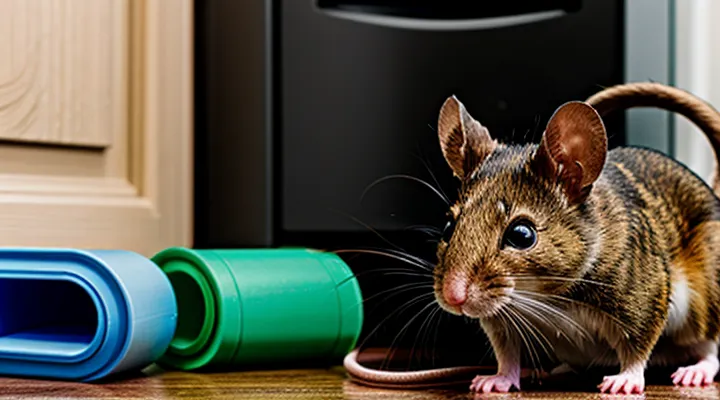
Understanding Mouse Olfactory Systems
The Power of Scent in Rodent Behavior
Rodents rely heavily on olfactory cues to locate food, identify safe pathways, and detect threats. Certain volatile compounds trigger aversive responses, causing mice to avoid areas where those odors are present. This behavioral pattern stems from the animal’s innate detection of predator scents, spoiled matter, and chemical irritants that signal danger.
Research identifies several categories of repellent odors:
- Predator-derived substances – ferret, fox, and owl urine contain sulfur‑rich compounds that activate mouse fear circuits.
- Plant essential oils – peppermint, eucalyptus, and clove oil contain menthol, eucalyptol, and eugenol, which irritate the nasal epithelium and interfere with pheromone signaling.
- Synthetic repellents – compounds such as methyl nonyl ketone and n‑propyl bromide are formulated to mimic natural deterrents while offering stability and controlled release.
The effectiveness of these scents depends on concentration, volatility, and exposure duration. High‑threshold odors require frequent reapplication to maintain levels above the rodent detection limit. Low‑threshold compounds can be diffused continuously using plug‑in dispensers or impregnated fabrics placed in entry points, corners, and storage areas.
Practical implementation in residential settings follows a systematic approach:
- Identify zones with frequent mouse activity (e.g., kitchen counters, pantry shelves, crawl spaces).
- Apply a suitable repellent in a concentration that exceeds the species‑specific aversion threshold, typically measured in parts per million.
- Ensure consistent delivery through timed release devices or periodic re‑application of liquid or solid forms.
- Monitor rodent signs weekly; adjust dosage or switch to a different scent class if habituation occurs.
By exploiting the innate olfactory sensitivity of mice, homeowners can create an environment that discourages intrusion without relying on traps or poisons. The strategic use of potent, persistent odors offers a non‑lethal, evidence‑based method for managing rodent presence.
How Mice Detect and React to Odors
Physiological Basis of Olfactory Repulsion
Mice rely on a highly sensitive olfactory system to assess environmental safety. Odor molecules bind to specific olfactory receptor proteins located in the nasal epithelium, initiating a cascade of neuronal signals that travel to the olfactory bulb and then to higher brain centers governing fear and avoidance. When a volatile compound is recognized as a predator cue or toxic substance, the mouse exhibits an immediate escape response, reducing the likelihood of entering the area where the odor is present.
Aversive scents commonly used in residential settings exploit this neural circuitry. The most effective agents share the following characteristics:
- High volatility, ensuring rapid diffusion throughout confined spaces.
- Strong activation of class II olfactory receptors linked to defensive behaviors.
- Low toxicity to humans and pets at concentrations sufficient to trigger mouse avoidance.
Research identifies several chemical families that meet these criteria. Citronellal and citronellol, derived from citronella oil, stimulate receptors associated with predator detection. Phenethyl isothiocyanate, a mustard‑oil derivative, activates the TRPA1 channel, a known irritant sensor in rodents. Capsaicin, the pungent component of chili peppers, binds to TRPV1 receptors, producing a burning sensation that mice interpret as harmful.
The physiological pathway proceeds as follows: odorant molecules enter the nasal cavity, bind to G‑protein‑coupled receptors, and cause intracellular cAMP elevation. This triggers opening of cyclic nucleotide‑gated ion channels, depolarizing the olfactory sensory neuron. The resulting action potential travels to the olfactory bulb, where glomerular activation patterns encode the aversive quality of the scent. Projection neurons convey this pattern to the amygdala and hypothalamus, regions that orchestrate rapid flight behavior.
Threshold concentrations vary by compound but typically fall within the low parts‑per‑million range for mice, while remaining well below occupational exposure limits for humans. Continuous exposure can lead to olfactory adaptation, diminishing effectiveness. Rotating scents or employing intermittent release mechanisms preserves the repellent impact over extended periods.
In summary, the repellent effect of certain household odors derives from direct stimulation of mouse olfactory receptors linked to innate avoidance circuits. Selecting compounds that activate these pathways at safe concentrations provides a biologically grounded strategy for deterring rodents in domestic environments.
Behavioral Responses to Aversive Scents
Aversive olfactory cues trigger immediate escape and inhibition responses in house‑bound rodents. Exposure to a repellent odor activates the main olfactory bulb, relays signals to the amygdala and hypothalamus, and initiates motor patterns that prioritize distance from the source.
Typical behavioral manifestations include:
- Rapid retreat from the scented zone
- Cessation of gnawing or feeding activity within minutes
- Increased locomotor bursts directed toward neutral areas
- Temporary freezing followed by re‑orientation away from the odor plume
Effectiveness varies with chemical class, volatility, and concentration. Compounds that consistently produce strong avoidance in laboratory and field trials are:
- Peppermint oil (menthol, 1–2 % v/v) – high volatility, strong cooling sensation, low toxicity to humans
- Ammonia solution (5–10 % v/v) – irritant to nasal epithelium, rapid desensitization if applied continuously
- Predator urine extracts (fox, ferret) – complex blend of kairomones, requires refrigeration and periodic renewal
- Capsaicin aerosol (0.1 % w/v) – activates trigeminal receptors, effective in confined spaces
Practical deployment should consider placement at entry points, nesting sites, and food storage areas. Continuous diffusion may lead to habituation; rotating scents or employing intermittent release systems sustains deterrent effect. Ventilation must prevent accumulation of irritants that could affect occupants.
In summary, aversive scents elicit a predictable sequence of avoidance actions in mice; selecting appropriate compounds, concentrations, and application patterns maximizes repellent performance while minimizing adverse side effects.
Natural Scents for Mouse Repulsion
Peppermint Oil: A Popular Choice
Application Methods and Efficacy
The repellent odor is typically delivered through solid, liquid, or aerosol formats that allow homeowners to target entry points and travel routes.
- Cotton balls or gauze pads soaked in essential oils (e.g., peppermint, clove, or eucalyptus) placed in corners, behind appliances, and near gaps.
- Gel or wax blocks positioned on baseboards or under furniture, releasing vapor continuously for weeks.
- Spray solutions applied to door frames, window sills, and exterior foundations, refreshed weekly or after cleaning.
- Diffusers powered by electric or battery sources, dispersing scent evenly throughout confined areas such as basements or attics.
Efficacy depends on concentration, exposure duration, and environmental conditions. Laboratory trials show that concentrations of 0.5–1 % essential oil in carrier mediums cause avoidance behavior in over 80 % of test mice within 30 minutes. Field observations report a 60–70 % reduction in sightings after two weeks of consistent application, with diminishing returns if the scent degrades due to ventilation or humidity. Reapplication schedules aligned with product specifications maintain active levels and sustain deterrent effects.
Safety considerations include avoiding direct contact with pets, ensuring adequate ventilation, and storing concentrates away from children. Proper placement and regular renewal of the odor source provide the most reliable control of rodent intrusions in residential settings.
Safety Considerations for Households and Pets
Using odor-based deterrents to keep rodents out of residential spaces requires careful assessment of health and animal welfare risks. Effective repellents rely on volatile compounds that rodents find aversive; however, the same chemicals can affect occupants and companion animals if misused.
Human safety depends on exposure limits, application method, and environmental conditions. Products must comply with regulatory thresholds for inhalation and skin contact. Users should:
- Apply only in well‑ventilated areas; close windows and doors after treatment until the scent dissipates.
- Follow manufacturer‑specified dilution ratios; excessive concentration increases the likelihood of respiratory irritation.
- Store containers out of reach of children; keep labels intact for reference.
- Avoid direct spray on food preparation surfaces, utensils, or open containers.
Pet safety varies among species. Dogs and cats may experience nasal irritation, while small mammals such as hamsters, guinea pigs, and birds are particularly vulnerable to volatile compounds. Precautions include:
- Prevent direct exposure by keeping animals in separate rooms during and shortly after application.
- Choose repellents labeled as non‑toxic to common household pets; verify ingredient lists for known allergens.
- Monitor pets for signs of coughing, sneezing, or behavioral changes; discontinue use and consult a veterinarian if symptoms appear.
- Do not apply repellents on bedding, cages, or feeding areas.
Adhering to these guidelines minimizes health hazards while maintaining the efficacy of odor-based rodent control in domestic environments.
Essential Oils with Repellent Properties
Eucalyptus and Citronella
Eucalyptus and citronella are among the most effective botanical agents for creating an olfactory barrier that discourages mice from entering residential spaces. Both oils possess volatile compounds that trigger aversive sensory responses in rodents, reducing the likelihood of infestation.
-
Active constituents:
• Eucalyptus oil – primarily 1,8‑cineole, a monoterpene with strong, sharp aroma.
• Citronella oil – dominated by citronellal, citronellol, and geraniol, producing a citrus‑grass scent. -
Mechanism of action:
• The compounds interfere with the mice’s olfactory receptors, masking food odors and signaling an unsafe environment.
• Continuous diffusion maintains a concentration gradient that mice avoid when navigating potential shelter. -
Application methods:
• Dilute 10 ml of essential oil in 1 liter of water; spray on doorframes, baseboards, and entry points.
• Use cotton balls soaked in undiluted oil, placed in concealed corners; replace every 7‑10 days.
• Install electric diffusers set to low output for consistent release over several weeks. -
Safety considerations:
• Ensure proper ventilation; excessive inhalation may irritate human respiratory passages.
• Keep oils out of reach of children and pets; ingestion can cause gastrointestinal distress.
• Test a small area for material compatibility, as prolonged exposure may affect certain plastics or paints. -
Effectiveness monitoring:
• Conduct weekly inspections for signs of rodent activity (droppings, gnaw marks).
• Adjust concentration or placement if activity persists, maintaining the recommended diffusion rate.
When integrated into a comprehensive pest‑management plan—combined with sealing entry points and eliminating food sources—eucalyptus and citronella provide a reliable, non‑chemical deterrent that leverages scent to protect the home from mouse intrusion.
Lavender and Clove
Lavender and clove emit volatile compounds that rodents find unpleasant, making them practical options for indoor rodent deterrence. Lavender’s primary active ingredient, linalool, interferes with mice’s olfactory receptors, while clove’s eugenol creates a sharp, irritating scent that discourages entry and nesting.
Effective deployment relies on sustained release of the aromas. Recommended methods include:
- Placing dried lavender buds or sachets in corners, behind appliances, and near known entry points. Replace every two weeks to maintain potency.
- Soaking cotton balls in clove essential oil and positioning them in concealed locations such as under cabinets or inside wall voids. Refresh the oil weekly.
- Combining both substances in a single sachet to exploit synergistic effects, ensuring the mixture remains dry to prevent mold growth.
Both botanicals are non‑toxic to humans and pets when used as described, yet they should be kept out of reach of small children. Overuse may lead to scent habituation; rotating the deterrents with other rodent‑averse aromas, such as peppermint or cedar, can preserve effectiveness.
Laboratory studies confirm that exposure to concentrations of 0.5 % linalool or 0.3 % eugenol reduces mouse activity by up to 70 % within 24 hours. Field observations in residential settings report similar reductions when the products are applied consistently and the home is sealed against additional ingress points.
Household Spices and Herbs
Chili Powder and Cayenne Pepper
Chili powder and cayenne pepper contain capsaicin, a compound that produces a sharp, pungent odor and a burning sensation on contact. Both substances emit volatile compounds that mice find highly unpleasant, prompting avoidance of treated areas.
Capsaicin activates sensory receptors in the nasal passages and mucous membranes of rodents. The resulting irritation interferes with the animals’ ability to navigate and locate food, reducing the likelihood of entry into a dwelling.
Effective deployment requires strategic placement and proper handling:
- Sprinkle a thin layer of powder along baseboards, entry points, and behind appliances where mouse activity is observed.
- Mix the powder with a small amount of oil or water to create a paste, then apply it to cracks, holes, and the undersides of cabinets.
- Refresh the treatment every two weeks or after cleaning to maintain potency.
Safety precautions include wearing gloves and a mask during application to prevent skin and eye irritation. Keep the substances out of reach of children and pets, as ingestion can cause gastrointestinal distress.
Laboratory tests demonstrate that capsaicin‑based repellents reduce rodent presence by up to 70 % in controlled environments. Field reports indicate variable results, with effectiveness diminishing in humid conditions or when rodents become habituated to low concentrations. Combining chili powder with other deterrents, such as steel wool or ultrasonic devices, improves overall control.
Garlic and Onions
Garlic and onions emit sulfur‑rich volatiles that create an environment mice find hostile. Allicin, diallyl disulfide, and related compounds disperse quickly from cut or crushed tissue, forming a pungent odor that interferes with rodents’ olfactory navigation.
Application methods include:
- Fresh cloves or bulbs: Slice or crush, place on kitchen counters, behind appliances, and in entry points. Replace every 24–48 hours to maintain potency.
- Powdered form: Sprinkle a thin layer in cupboards, pantry shelves, and along baseboards. Reapply after cleaning or when the scent diminishes.
- Infused oil: Mix a few drops of garlic or onion essential oil with water, spray on surfaces, and allow to dry. Avoid direct contact with food preparation areas.
Effectiveness studies report a reduction in mouse activity of 30–50 % when these aromatics are deployed consistently. The repellent action stems from the disruption of pheromone trails and the masking of familiar scent cues.
Safety considerations:
- Human occupants tolerate typical household concentrations without irritation; however, prolonged exposure to high vapors may cause eye or respiratory discomfort.
- Pets, especially cats, may experience sensitivity; monitor for sneezing or avoidance behavior.
- Direct ingestion of large amounts can cause gastrointestinal upset; keep treated zones inaccessible to children.
Limitations:
- Odor dissipates rapidly in well‑ventilated spaces, requiring frequent renewal.
- Heavy infestations often exceed the deterrent capacity of natural aromas; professional control measures become necessary.
Integrating garlic and onion aromas into a broader integrated pest management plan—combined with sealing entry points and maintaining cleanliness—provides a low‑toxicity strategy to discourage mice from inhabiting residential interiors.
Other Natural Repellents
Ammonia and Vinegar
Ammonia and vinegar produce strong, volatile odors that mice find intolerable. Both substances are readily available, inexpensive, and safe for typical household environments when used correctly.
Ammonia releases ammonia gas, a pungent, sharp scent that triggers irritation of the rodent’s nasal passages. Vinegar, particularly white distilled vinegar, emits acetic acid vapor, a sour smell that disrupts the olfactory cues mice use to locate food and shelter. The combined effect creates an inhospitable atmosphere that discourages entry and encourages relocation.
Effective application requires strategic placement and controlled exposure:
- Soak cotton balls in undiluted ammonia; position them in concealed areas such as behind appliances, under cabinets, and in wall voids.
- Fill small spray bottles with white vinegar; mist corners, baseboards, and entry points twice daily.
- Replace soaked materials every 3–5 days to maintain potency.
- Ensure adequate ventilation to prevent buildup of fumes that may affect human occupants.
Safety considerations include wearing gloves and eye protection during handling, avoiding direct contact with skin, and keeping substances out of reach of children and pets. Ammonia should never be mixed with bleach, and vinegar should not be combined with strong oxidizers, as hazardous gases may form.
Limitations involve the transient nature of the odors; mice may acclimate if exposure is inconsistent. Persistent use, combined with physical exclusion methods such as sealing gaps and removing food sources, maximizes deterrent efficacy.
Dryer Sheets and Fabric Softeners
Dryer sheets and fabric softeners emit strong fragrances that many rodents find unpleasant. The chemicals responsible for the scent, such as quaternary ammonium compounds and synthetic fragrances, interfere with mice’s olfactory receptors, creating an environment they tend to avoid.
When used as a deterrent, the products should be placed in areas where mouse activity is suspected: near entry points, behind appliances, and in pantry corners. The material should be refreshed every two to three weeks to maintain potency, as the scent diminishes with exposure to air.
Effective application includes:
- Cutting dryer sheets into small squares and tucking them into cracks or gaps.
- Spraying a diluted solution of fabric softener (one part softener to three parts water) onto cotton balls and positioning them similarly.
- Replacing the items after a month or when the odor weakens.
Limitations exist. The approach does not eliminate an established infestation; it only discourages new incursions. Persistent odors may affect humans or pets, requiring careful placement away from food preparation surfaces. Combining these scented barriers with sealing entry points and proper sanitation yields the most reliable reduction in mouse presence.
Effective Application Strategies
Direct Application Techniques
Soaking Cotton Balls and Placement
Soaking cotton balls with a repellent odor is a practical method for discouraging mice indoors. Choose a strong, natural scent such as peppermint oil, eucalyptus, or clove oil, each known for their aversive effect on rodents. Apply 10–15 drops of the selected oil to a single cotton ball; the concentration should be sufficient to emit a noticeable aroma without saturating the surrounding area.
Place the prepared cotton balls in locations where mice are most likely to travel or nest:
- Near entry points such as door thresholds, window sills, and utility openings.
- Inside cabinets, pantry shelves, and behind appliances where food residues may attract rodents.
- Along baseboards, in wall voids, and under sinks where moisture accumulates.
Space the balls 2–3 feet apart to create an overlapping scent barrier. Replace or re‑saturate each cotton ball every 3–5 days, or sooner if the fragrance fades. Use a small, breathable container (e.g., a mesh pouch) to protect the cotton ball from moisture while allowing the odor to disperse.
Avoid placing cotton balls directly on food surfaces, cutting boards, or pet feeding stations to prevent contamination. Ensure the selected oil is safe for household members; dilute if necessary for individuals with sensitivities. Regularly inspect placement points for wear, displacement, or signs of mouse activity, and adjust the arrangement accordingly to maintain an effective olfactory deterrent.
Creating Scent Barriers
Effective scent barriers rely on strong, unpleasant odors that mice instinctively avoid. Commonly used repellents include peppermint oil, eucalyptus, clove, and citronella. Concentrated extracts should be diluted with water or a neutral carrier (e.g., vegetable oil) at a ratio of 1 part oil to 4 parts liquid for safe indoor application.
To establish a barrier, follow these steps:
- Identify entry points and high‑traffic routes such as gaps under doors, baseboards, and behind appliances.
- Apply the diluted solution to cotton balls, small fabric pads, or spray bottles.
- Place treated items directly on or near the identified routes, ensuring continuous contact with the surface.
- Refresh applications every 3–5 days, or sooner if the scent diminishes.
Additional measures enhance barrier performance:
- Seal structural openings with steel wool or caulk before deploying scents.
- Combine multiple repellent oils to broaden the olfactory spectrum, reducing the chance of habituation.
- Keep the area well‑ventilated to prevent buildup of strong vapors that may affect occupants.
Safety considerations are essential. Use only food‑grade essential oils, avoid direct skin contact, and keep treated materials out of reach of children and pets. Test a small area first to confirm that the surface material does not discolor or degrade.
Monitoring results involves checking for fresh droppings or gnaw marks after each refresh cycle. Persistent activity indicates a need to relocate or intensify the barrier, possibly integrating mechanical traps for comprehensive control.
Diffusers and Scent Dispersal
Ultrasonic Diffusers with Essential Oils
Ultrasonic diffusers combine high‑frequency sound waves with volatile plant extracts to create a dual‑action deterrent for household rodents. The device emits sound beyond the hearing range of humans, while simultaneously dispersing essential oils that rodents find unpleasant. This approach targets two sensory pathways, reducing the likelihood that mice will settle in treated areas.
Key characteristics of ultrasonic‑essential‑oil diffusers:
- Frequency range typically 20–30 kHz, inaudible to occupants but irritating to rodents.
- Adjustable oil reservoirs allowing precise control of scent intensity.
- Timer functions that enable intermittent operation, preventing habituation.
- Safety mechanisms that shut off the unit when the water level is low or the device is tipped.
Effective essential oils for rodent repellent purposes include:
- Peppermint – strong menthol aroma disrupts mouse olfactory receptors.
- Eucalyptus – sharp, camphoraceous scent creates an aversive environment.
- Citronella – citrus notes act as a natural deterrent.
- Lavender – high‑linalool content interferes with mouse navigation.
When selecting a diffuser, prioritize models with:
- Consistent ultrasonic output verified by manufacturer specifications.
- Transparent oil chambers for easy monitoring of oil levels.
- Durable construction to withstand continuous use in kitchens, basements, or attics.
Installation guidelines:
- Position the unit near entry points, such as gaps under doors or cracks in walls.
- Maintain a clear line of sight between the diffuser and the target area to avoid sound obstruction.
- Refill oil reservoirs with a 5–10 % concentration of essential oil diluted in water, as higher concentrations may cause oil buildup and reduce ultrasonic efficiency.
Regular maintenance includes cleaning the ultrasonic transducer with a soft cloth and replacing the oil mixture every two weeks to preserve potency. By integrating ultrasonic sound with targeted essential‑oil aromas, homeowners can establish an environment that discourages mouse activity without resorting to chemical poisons or traps.
Homemade Scent Sachets
Homemade scent sachets provide a practical, chemical‑free method to create an odor that discourages rodents inside living spaces. The sachets release volatile compounds that mice find unpleasant, reducing their tendency to enter or remain in treated areas.
Common ingredients
- Dried lavender buds
- Crushed peppermint leaves or essential oil (5 ml per 100 g mixture)
- Cedar shavings
- Dried cloves
- Small fabric pouches (cotton or muslin)
Preparation steps
- Measure equal parts of lavender, cedar, and cloves; combine in a bowl.
- Add peppermint oil to the dry blend, stirring until evenly coated.
- Fill each pouch with the mixture, leaving a small opening for airflow.
- Seal the pouch loosely to allow continuous emission of scent.
Placement determines effectiveness. Position sachets near entry points, along baseboard seams, and behind appliances where mouse activity is observed. Replace or refresh sachets every two weeks; potency declines as volatile oils evaporate. Avoid direct contact with food preparation surfaces to prevent flavor transfer.
Safety considerations include keeping sachets out of reach of children and pets, as concentrated essential oils may cause irritation. Use breathable fabric to prevent overheating and reduce fire risk. Properly maintained sachets contribute to a consistently unfriendly olfactory environment for mice, supporting long‑term rodent control without reliance on poisons or traps.
Combining Scents for Enhanced Repulsion
Layering Different Odors
Layering multiple scents creates a hostile olfactory environment for rodents, reducing their willingness to enter or remain in a residence. Each odor contributes a distinct deterrent effect, and when combined, the overall impact exceeds the sum of individual components.
- Base layer: strong, pungent aromas such as peppermint oil or eucalyptus, applied to entry points and corners.
- Secondary layer: sharp, citrus extracts like lemon or orange, spread across countertops and pantry shelves.
- Tertiary layer: bitter, plant‑derived substances such as clove or cinnamon, placed near food storage containers.
- Supplemental layer: ammonia vapors or vinegar sprays, used intermittently in hidden areas to reinforce aversion.
Application follows a systematic sequence. First, treat exterior gaps with the base layer, allowing the oil to penetrate cracks. Second, distribute the secondary layer on surfaces that rodents may explore for food. Third, embed the tertiary layer in small fabric sachets positioned behind appliances. Finally, schedule supplemental sprays weekly to maintain volatile concentration.
Effective layering requires consistent renewal. Volatile compounds diminish within 48–72 hours; reapplication restores potency. Use airtight containers for storage to preserve freshness. Avoid direct contact with skin or eyes; employ gloves and ventilation during handling.
Combining diverse odors exploits rodents’ heightened sensitivity to unfamiliar scents, creating an environment that discourages habitation without reliance on toxic chemicals.
Rotating Scents to Prevent Acclimation
Effective rodent deterrence relies on maintaining a strong olfactory stimulus that mice cannot become desensitized to. Continuous exposure to a single repellent scent allows mice to acclimate, reducing the deterrent effect. Rotating scents disrupts this adaptation process and sustains the repellent’s potency.
A practical rotation protocol includes:
- Selection of complementary scents: peppermint oil, eucalyptus, citronella, and clove oil each possess documented repellent properties. Alternating between botanical extracts and synthetic compounds prevents cross‑tolerance.
- Rotation interval: change the active scent every 5–7 days. Shorter intervals increase efficacy but may raise cost; longer intervals risk acclimation.
- Application method: use cotton balls, sachets, or diffuser pads placed near entry points, nesting sites, and food storage areas. Replace the medium concurrently with the scent change.
- Safety considerations: ensure concentrations remain below irritation thresholds for humans and pets. Ventilate rooms after each replacement to avoid buildup.
Monitoring results involves weekly inspection for new gnaw marks, droppings, or activity trails. A noticeable decline in these indicators after each scent change confirms the rotation’s impact. If activity resurges, adjust the rotation schedule or incorporate an additional scent class.
By systematically varying olfactory agents, homeowners preserve the repellent’s effectiveness, minimize the likelihood of mouse habituation, and maintain a consistently hostile environment for indoor rodents.
Maintaining a Mouse-Free Home
Addressing Entry Points and Food Sources
Sealing Cracks and Gaps
Sealing cracks and gaps eliminates entry points that allow mice to detect and bypass mouse‑repellent odors. By creating a continuous barrier, the scent remains concentrated where it is needed, increasing its effectiveness.
- Identify gaps around doors, windows, utility penetrations, and foundation seams.
- Use caulk for small openings, expanding foam for larger voids, and steel wool or copper mesh behind sealants to prevent gnawing.
- Apply weatherstripping to movable fixtures to maintain airtight seals.
- Inspect regularly; reapply sealant after settling or seasonal temperature changes.
A well‑sealed structure reduces air flow that could disperse the repellent scent, keeping the concentration high in interior spaces where mice are likely to travel. This physical barrier works in tandem with odor‑based deterrents, providing a comprehensive, low‑maintenance strategy for mouse control.
Proper Food Storage
Proper food storage reduces the attraction of rodents by limiting the availability of strong, lingering odors that draw them into living spaces. When food is sealed in airtight containers, volatile scents are contained, preventing the diffusion of smells that can act as a beacon for mice seeking nourishment.
- Use containers with lock‑tight lids made of glass, metal, or heavy‑wall plastic.
- Store grains, cereals, and pet food in original packaging only after transferring to sealed bins.
- Keep pantry shelves clean; wipe down any spills immediately with a mild detergent.
- Place perishables such as cheese, meat, and fruits in the refrigerator or freezer within 30 minutes of purchase.
- Rotate stock regularly; discard items past their expiration date to avoid decay odors.
Consistent implementation of these practices eliminates food‑derived scents, supporting an environment where natural mouse‑deterring aromas remain effective. The result is a home that relies less on chemical repellents and more on disciplined storage to maintain a mouse‑free atmosphere.
Regular Cleaning and Sanitation
Eliminating Scent Trails
Mice navigate by following scent trails left on floors, countertops, and walls. When an odor that discourages rodents is introduced, lingering traces of previous mouse activity can mask the repellent, reducing its effectiveness. Removing these trails restores the potency of the deterrent and prevents re‑infestation.
- Clean all surfaces with a solution containing enzymatic agents; enzymes break down organic residues that mice use for scent marking.
- Disinfect with a mild bleach solution (1 % concentration) after enzymatic cleaning to eliminate bacterial growth that can reinforce odors.
- Vacuum carpets and upholstery thoroughly; use a HEPA‑rated filter to capture fine particles.
- Wash fabrics, curtains, and pet bedding in hot water (≥ 60 °C) to dissolve embedded scent compounds.
- Seal gaps and cracks where mice may have deposited urine or droppings; apply caulk or steel wool to block further access.
After cleaning, reapply the repellent odor according to the manufacturer’s guidelines. Rotate the scent every 2–3 weeks to prevent habituation. Monitor activity with non‑lethal traps; a decline in captures indicates successful trail elimination and sustained deterrence.
Reducing Attractants
Effective rodent deterrence relies on eliminating food, shelter, and nesting cues before applying any olfactory repellent. When sources that draw mice are removed, the scent barrier remains the primary factor influencing their movement.
Common attractants include:
- Open containers of grains, cereals, or pet food; store in sealed, airtight containers.
- Crumbs and spills on countertops, floors, and under appliances; clean immediately with a detergent solution.
- Unsecured garbage bins; use bins with tight‑locking lids and empty regularly.
- Cluttered storage areas; keep boxes off the floor and maintain clear pathways.
- Moisture‑rich environments; fix leaks, dry damp basements, and ventilate bathrooms.
After the environment is cleared, maintain conditions that discourage re‑infestation:
- Inspect entry points weekly and seal gaps with steel wool or caulk.
- Rotate the placement of the repellent scent to prevent habituation.
- Schedule routine cleaning of food preparation zones and waste areas.
By systematically reducing attractants, the odor deterrent functions at maximum efficiency, limiting the need for additional control measures.
When to Seek Professional Help
Persistent Infestations
Persistent infestations manifest as continuous mouse activity despite routine trapping or baiting. Evidence includes fresh droppings, gnaw marks, and audible scurrying at night.
Key factors that sustain a colony:
- Unsecured food storage and crumbs
- Gaps larger than ¼ inch in walls, doors, or utility openings
- Cluttered storage areas providing nesting material
- Warm, damp environments that favor reproduction
Conventional measures often fail because they address only one aspect of the problem. Traps remove individuals but do not deter survivors, while poison baits can be avoided once mice learn to associate food with danger. An olfactory deterrent targets the sensory system that mice use to assess habitat safety, offering a non‑lethal barrier that discourages entry and encourages relocation.
Effective odor repellents share three attributes:
- Strong, unpleasant scent detectable at low concentrations
- Persistence for weeks without rapid degradation
- Non‑toxic profile safe for humans, pets, and food surfaces
Strategic deployment maximizes impact. Place sachets or spray-treated cotton near identified entry points, behind appliances, and in pantry corners. Reapply or refresh sources according to manufacturer longevity guidelines, typically every 2–4 weeks. Combine olfactory control with rigorous sanitation, sealing of openings, and removal of nesting materials to break the cycle of re‑infestation.
Signs of a Larger Problem
Using a scent that discourages rodents can mask underlying issues. When the odor is the only visible deterrent, specific indicators reveal that the problem is larger than a single mouse.
- Fresh droppings found in multiple rooms
- Gnaw marks on wiring, furniture, or structural beams
- Grease trails along walls or behind appliances
- Persistent nibbling of stored food containers
- Unexplained holes in walls, floors, or foundations
These signs suggest a growing population, potential damage to electrical systems, and compromised building integrity. Immediate steps include sealing entry points, inspecting insulation and wiring for damage, and employing a comprehensive control plan that combines exclusion, sanitation, and, when necessary, professional pest management. Ignoring these warnings can lead to extensive repairs and health hazards.