
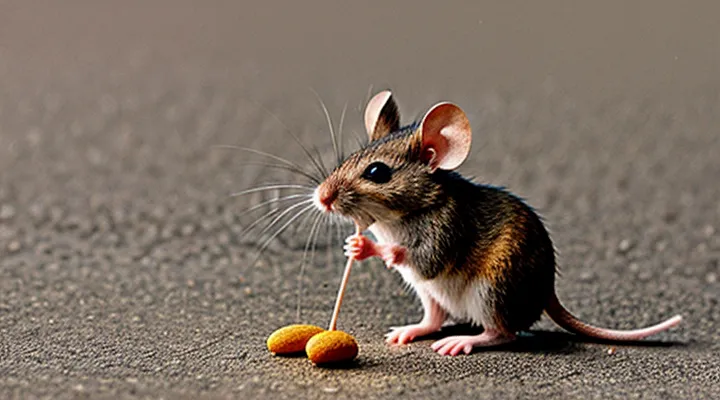
The Allure of Young Mice
Why We Are Captivated by Small Creatures
The allure of diminutive fauna manifests strongly when viewers encounter vivid images of juvenile rodents. Their reduced size triggers innate attentional mechanisms, prompting closer inspection and emotional engagement.
Key factors underlying this fascination include:
- Evolutionary bias – Human perception is tuned to notice small, vulnerable beings, a trait linked to caregiving instincts.
- Visual contrast – Compact bodies against detailed backgrounds create sharp focal points, enhancing aesthetic appeal.
- Anthropomorphic projection – Limited dimensions encourage observers to attribute human-like qualities, fostering empathy.
- Novelty of behavior – Young specimens display exploratory actions distinct from adult patterns, offering fresh observational content.
- Accessibility of detail – Close-up photography reveals textures and features otherwise invisible, satisfying curiosity about biological form.
When a curated series of charming juvenile mouse photographs is presented, these elements converge, producing a compelling experience that draws attention, elicits affection, and reinforces the broader human fascination with small creatures.
The Art of Capturing Cuteness
Essential Photography Equipment
Capturing the delicate details of juvenile rodents requires equipment that resolves fine textures and provides precise control over depth of field. A macro lens with a 1:1 reproduction ratio enables true close‑up rendering, while a lens offering a focal length between 90 mm and 105 mm balances working distance and magnification, reducing disturbance to the subjects.
Stable support is vital. A sturdy tripod equipped with a fluid head permits smooth adjustments and eliminates camera shake during long exposures. When natural light is insufficient, a continuous LED panel or a set of softbox lights delivers even illumination without generating heat that could affect the animals. A diffuser placed between the light source and the mouse softens shadows and highlights the fur’s subtle patterns.
Additional tools enhance consistency and safety:
- Remote shutter release or wireless trigger to avoid camera contact.
- Focus stacking software to combine multiple shots for extended depth of field.
- Small, quiet fans to create gentle airflow for natural whisker movement.
- Protective cages or enclosures that allow unobstructed view while preventing escape.
Together, these components create a reliable workflow for producing high‑resolution, aesthetically pleasing images of young mice.
Lighting Techniques for Small Subjects
Capturing the delicate features of juvenile mice demands precise control of illumination. Small subjects reflect light differently than larger ones; they often appear flat or lost in shadows without deliberate lighting strategies.
- Use a small, diffused light source positioned at a 45‑degree angle to the subject. Diffusion softens harsh highlights and reveals texture without overwhelming the tiny form.
- Employ a reflector or a second low‑intensity light on the opposite side to fill shadows and maintain depth. A white card or a piece of foam board works effectively for this purpose.
- Apply a narrow aperture (f/8‑f/11) to increase depth of field, ensuring the entire mouse stays in focus while preserving background separation.
- Select a low ISO setting (100‑200) to minimize noise, which becomes noticeable on the fine fur and whiskers of small mammals.
- Incorporate a colored gel on the key light for subtle mood shifts; warm tones accentuate the natural hue of the mouse’s coat, while cool tones can emphasize a clinical, scientific aesthetic.
Consistent white balance calibration prevents color casts that could distort the subject’s natural appearance. When shooting in a controlled environment, tether the camera to a stable platform and use remote release to avoid vibrations. Adjust exposure compensation based on the subject’s reflective eyes, which can produce localized hotspots. By adhering to these lighting practices, photographers can produce clear, engaging images that highlight the charm and detail of tiny rodent subjects.
Anatomy of Adorableness
Distinctive Features of Young Mice
Large Eyes and Ears
Young rodents display proportionally oversized ocular and auditory structures, a characteristic that dominates visual documentation of juvenile specimens. The expanded lenses enhance light capture, producing a vivid, glossy appearance that translates well into high‑resolution imagery. Similarly, the pronounced pinnae amplify sound reception while adding a distinctive silhouette that photographers exploit for compositional contrast.
Key visual effects resulting from these anatomical traits include:
- Intensified focus on the facial region, drawing viewer attention to the reflective surface of the eyes.
- Creation of soft, shadowed outlines around the ears, which accentuate depth and texture in close‑up shots.
- Natural framing of the subject, as the ears often flank the head, providing a balanced border without additional props.
Biological context reinforces the visual impact. Enlarged eyes facilitate early visual development, while expansive ears improve auditory acuity, both essential for survival in the early life stage. These functional adaptations inadvertently supply photographers with compelling visual cues that enhance the charm and appeal of the captured images.
Delicate Paws and Tails
The miniature paws of juvenile mice display a soft, velvety texture that contrasts sharply with the fine, translucent fur covering the rest of the body. Each paw consists of five tiny, flexible digits equipped with minute, retractable claws. The pads are pigmented a light pink, providing a visual cue for photographers seeking subtle detail. When captured in natural light, the curvature of the pads reveals the delicate musculature that supports swift, precise movements.
The tails of young mice are proportionally long, measuring roughly 75‑85 % of the animal’s total body length. They consist of a central vertebral column surrounded by a thin layer of skin and sparse, fine hairs. The tail’s surface exhibits a gradient of coloration, fading from a darker base near the body to a lighter tip. This gradation aids in balance and thermoregulation, while also creating a striking visual element in high‑resolution images.
Key characteristics observable in well‑composed photographs:
- Soft pink pads on the paws, each with a distinct claw tip
- Five slender digits, splayed slightly during locomotion
- Tail length relative to body size, showing a smooth, tapered profile
- Subtle hair patterning along the tail, transitioning from dark to light
- Slight curvature of the tail when the mouse is at rest, indicating muscular tension
Attention to lighting, depth of field, and macro lenses enhances the visibility of these features, allowing the delicate anatomy of young mice to be documented with scientific precision.
Behavioral Traits in Photography
Playfulness and Curiosity
The series of photographs captures young mice engaged in spontaneous exploration. Their movements illustrate a clear pattern of playfulness: rapid darting across textured surfaces, gentle nudges against objects, and coordinated tumbling that reveals balance development. Curiosity emerges through investigative gestures—sniffing, whisker probing, and deliberate pauses before approaching unfamiliar items. These actions demonstrate sensory integration and adaptive learning.
Key observations include:
- Frequent use of whiskers to assess spatial constraints.
- Repetitive climbing on low obstacles, indicating trial‑and‑error problem solving.
- Social interaction through gentle pawing, suggesting early communication skills.
- Persistent investigation of novel textures, reflecting innate exploratory drive.
The visual documentation provides concrete evidence of how youthful rodents acquire motor competence and environmental awareness. By analyzing posture, eye focus, and interaction with props, researchers can infer the developmental timeline of risk assessment and play behavior in small mammals.
Moments of Rest and Exploration
The photographic series captures young rodents in two distinct behavioral contexts: periods of inactivity and episodes of active investigation. Each image isolates a specific interaction between the animal and its surroundings, allowing close examination of physiological and environmental factors.
Resting scenes display a range of postures—curled, sprawled, or perched on soft substrates. The composition often includes muted lighting that emphasizes the mouse’s fur texture and breathing rhythm. Observations reveal consistent patterns: a preference for sheltered corners, the use of nesting material for insulation, and brief pauses between feeding cycles that support metabolic regulation.
Exploratory moments illustrate the subjects’ engagement with novel objects, vertical surfaces, and textured pathways. Photographs record rapid whisker movements, precise paw placement, and occasional pauses for scent assessment. The visual record highlights three recurring elements:
- Interaction with small debris (e.g., seeds, paper fragments) that serves as tactile stimuli.
- Navigation of elevated structures such as twigs or fabricated platforms, demonstrating balance and spatial awareness.
- Investigation of confined tunnels, illustrating instinctive burrowing behavior and environmental scanning.
Collectively, the images provide a concise visual taxonomy of juvenile murine behavior, emphasizing how brief intervals of stillness and brief bursts of activity together shape developmental trajectories.
Ethical Photography of Wild Mice
Respecting Their Natural Habitat
Avoiding Disturbance
The collection of charming juvenile mouse photographs captures delicate moments that can be easily disrupted. Maintaining a calm environment ensures the subjects remain natural and the images retain authenticity. Operators should limit sudden movements, loud noises, and bright flashes that could startle the animals.
Practical measures to prevent disturbance:
- Use low‑intensity, diffused lighting; avoid direct, harsh illumination.
- Employ silent shutters or remote triggers to eliminate audible clicks.
- Keep a safe distance; employ macro lenses that allow close framing without proximity.
- Stabilize the camera on a tripod to reduce the need for repeated adjustments.
- Schedule sessions during periods of reduced activity in the surrounding area to minimize external interruptions.
Consistent application of these guidelines preserves the integrity of the visual record and supports ethical handling of the young rodents throughout the photographic process.
Maintaining a Safe Distance
The collection of charming young mouse images captures delicate moments that are easily disturbed. Observers must keep a respectful buffer to avoid stressing the subjects and to preserve the natural behavior displayed in each photograph.
Guidelines for maintaining an appropriate distance:
- Position yourself at least one meter away from the mouse before taking a picture.
- Use a zoom lens rather than moving closer; this reduces the likelihood of intrusion.
- Move slowly and avoid sudden gestures that could startle the animal.
- Refrain from touching any prop or surface the mouse is using, as tactile contact can alter its posture and stress levels.
Consistent adherence to these practices ensures the integrity of the visual record and safeguards the well‑being of the young rodents featured in the series.
Responsible Engagement with Pet Mice
Ensuring Their Comfort
Ensuring the comfort of juvenile mice during photography requires precise environmental control, careful handling, and ongoing health observation.
Maintain stable temperature (22‑24 °C) and moderate humidity (45‑55 %). Provide soft, absorbent bedding that allows natural nesting behavior while preventing overheating. Ensure the enclosure is free of drafts and sharp objects.
Handle each mouse with a gloved fingertip or a small, padded cup. Limit contact time to under two minutes per session to reduce stress. Release the animal back to its nest promptly after each pose.
Supply fresh water and a balanced diet containing protein, fiber, and essential vitamins. Replace food and water daily to avoid contamination.
Observe for signs of distress: rapid breathing, excessive grooming, or loss of appetite. Record any deviations and adjust care protocols immediately.
Comfort checklist
- Temperature within target range
- Humidity at recommended level
- Soft, clean bedding present
- Handling tools sanitized and padded
- Session duration under two minutes
- Fresh water and nutritionally complete food available
- Health indicators monitored and logged
Safe Handling Practices
When photographing juvenile rodents, handlers must minimize stress and prevent injury. Direct contact should be brief, using gloved fingertips to support the animal’s body without restricting breathing. Hold the mouse by the base of the tail or the scruff of the neck, never by the limbs or ears. Keep the cage environment quiet, with low lighting levels that simulate natural conditions; excessive illumination can cause eye damage.
Maintain a clean work area. Disinfect surfaces before and after each session with a rodent‑safe sanitizer. Use disposable bedding and replace it regularly to reduce the risk of disease transmission. Store all equipment in a manner that prevents accidental drops onto the animal.
When moving mice between enclosures, follow these steps:
- Place a clean, soft hand towel on the work surface.
- Gently coax the mouse onto the towel using a small, smooth brush.
- Cover the animal with a lightweight cloth to limit movement.
- Transfer the mouse to a secure transport container with adequate ventilation.
- Release the mouse into the new enclosure, allowing it to explore before handling again.
Observe the animal for signs of distress—rapid breathing, vocalization, or attempts to escape. If any symptom appears, cease handling immediately and provide a calm recovery period. Document each handling session, noting duration, environmental conditions, and the mouse’s response to refine future practices.
Showcasing Mouse Diversity
Different Species, Different Charms
House Mouse (Mus musculus)
The house mouse (Mus musculus) is a small rodent that inhabits human dwellings worldwide. It reaches a body length of 6–10 cm, with a tail of comparable size, and displays a gray‑brown dorsal coat, a lighter ventral side, and large, rounded ears. Adult weight ranges from 15 to 30 g, reflecting rapid growth from birth to maturity within six weeks.
Reproductive capacity is high; a female can produce up to ten litters per year, each containing three to twelve pups. Gestation lasts 19–21 days, and newborns are altricial, relying on maternal care for thermoregulation and nutrition. This prolific breeding contributes to the species’ presence in domestic environments and provides ample opportunity for photographic documentation of juvenile stages.
Key biological traits relevant to visual study include:
- Nocturnal activity: peak movement occurs during twilight, influencing lighting conditions for photography.
- Social structure: mice form loose colonies, with hierarchical interactions that affect behavior captured in images.
- Sensory adaptation: acute whisker tactile sense and olfactory acuity guide exploration, producing characteristic poses and movements.
Understanding these attributes assists photographers in anticipating behavior, selecting appropriate equipment, and presenting accurate representations of young house mice within the broader context of charming rodent imagery.
Deer Mouse (Peromyscus maniculatus)
The deer mouse (Peromyscus maniculatus) is a small rodent native to North America, frequently encountered in forests, grasslands, and suburban yards. Adults measure 7–10 cm in head‑body length, with a tail nearly equal in length, and weigh 10–30 g. Their fur is gray‑brown on the dorsal side and white to pale gray ventrally, providing camouflage against both ground litter and open sky.
Reproductive cycles produce litters of three to six pups after a gestation of about 23 days. Juvenile deer mice develop a soft, downy coat that enhances the visual appeal of photographs aimed at showcasing youthful rodents. Their eyes are proportionally large, and whiskers are prominent, contributing to expressive facial features that attract viewers.
Key characteristics relevant to photographic documentation:
- Compact body size facilitates close‑up framing.
- Contrasting dorsal and ventral coloration creates visual depth.
- Rapid growth from neonatal to juvenile stage allows multiple developmental stages to be captured within a short period.
- High activity levels during twilight increase opportunities for dynamic, natural‑light images.
- Adaptability to captive environments enables controlled lighting and background settings.
Harvest Mouse (Micromys minutus)
The harvest mouse (Micromys minutus) is the smallest European rodent, typically measuring 5–8 cm in head‑body length and weighing less than 5 g. Its diminutive size and distinctive prehensile tail enable it to navigate dense grasses and reed beds with agility, making it a frequent subject for close‑up photography of juvenile mammals.
Habitat and distribution
- Occupies wet meadows, marshes, riverbanks, and agricultural fields across Europe and parts of western Asia.
- Prefers tall, reedy vegetation that provides cover and nesting material.
- Seasonal movements follow the availability of moist grasslands; populations decline during dry periods.
Physical characteristics relevant to imaging
- Fur coloration ranges from reddish‑brown on the back to pale gray‑white on the belly, offering contrast for natural‑light shots.
- The tail is long, slender, and capable of grasping stems, often appearing curled in photographs.
- Juveniles exhibit a softer, silvery coat that brightens under diffused illumination.
Behavioral traits captured in photographs
- Builds spherical nests woven from grasses, typically situated 5–15 cm above ground level; nest interiors reveal intricate architecture.
- Exhibits nocturnal foraging, feeding on seeds, insects, and plant material; motion blur can emphasize swift movements.
- Displays a characteristic “tail‑hold” posture when climbing, providing a dynamic pose for portraiture.
Reproduction and development
- Breeding season extends from April to September, with up to five litters per year.
- Litter size averages six to eight pups; newborns are hairless and blind, gaining fur within three days.
- Rapid growth results in independent juveniles by four weeks, a stage that produces particularly engaging visual subjects.
Conservation status
- Classified as “Least Concern” by the IUCN, yet local populations are vulnerable to habitat loss from drainage, intensive agriculture, and pesticide use.
- Conservation measures focus on preserving wet grassland ecosystems and maintaining traditional hay‑cutting regimes that support nesting sites.
For photographers seeking compelling images of young harvest mice, optimal conditions include early morning light in undisturbed reed beds, macro lenses with high resolution, and minimal disturbance to preserve natural behavior.
Recognizing Individual Personalities
Photographic collections of juvenile rodents provide a reliable basis for assessing distinct behavioral patterns among individuals. Careful observation of posture, movement, and interaction with objects reveals consistent traits that differentiate each mouse.
Key indicators of personality include:
- Exploratory tendency – frequent investigation of novel items, rapid approach to unfamiliar spaces.
- Social inclination – preference for proximity to conspecifics, initiation of grooming or play.
- Boldness – willingness to confront potential threats, minimal hesitation before entering open areas.
- Activity level – sustained locomotion versus periods of stillness, measured by distance covered in a fixed interval.
Quantitative analysis can be performed by tracking frame‑by‑frame locomotor paths, measuring latency to first contact with stimuli, and recording frequency of social gestures. Comparative data across multiple subjects establish a profile matrix that highlights each mouse’s dominant characteristics.
Interpretation of these profiles assists in selecting appropriate subjects for further study, ensuring that experimental groups reflect a balanced spectrum of behavioral types. The approach strengthens the validity of research outcomes by accounting for individual variability within the population.
Post-Processing for Perfection
Enhancing Natural Beauty
Color Correction and Exposure
When editing images of juvenile rodents, accurate color correction ensures that fur tones, whisker highlights, and background hues reflect the natural appearance of the subjects. Begin by calibrating the monitor to a known standard, then apply a neutral gray reference to set a baseline white balance. Adjust the midtones to preserve the subtle gradations in the mice’s coat, and fine‑tune the saturation to avoid oversaturation of pink or brown areas.
Effective exposure management preserves detail in both shadows and highlights, which is essential for small‑scale subjects with limited depth of field. Follow these steps:
- Capture images in RAW format to retain maximum dynamic range.
- Use a histogram to verify that the exposure curve does not clip at either end.
- Apply a gentle lift to the shadow region to reveal texture without introducing noise.
- Reduce highlights selectively to retain the sheen on eyes and whiskers while maintaining overall brightness.
Consistent application of these techniques produces images that are both technically sound and visually appealing, highlighting the delicate characteristics of young mice.
Cropping for Impact
Effective cropping transforms a simple mouse portrait into a compelling visual story. By removing extraneous background, the viewer’s attention shifts directly to the subject’s delicate features, fur texture, and expressive eyes. Controlled framing also balances negative space, allowing the composition to convey both intimacy and dynamism.
Key considerations for impactful cropping:
- Position the eye line near the upper third of the frame to create natural focus.
- Retain enough surrounding environment to suggest scale without diluting the subject’s presence.
- Apply a slight margin around the head to preserve whisker detail and prevent clipping.
- Adjust aspect ratio to match the intended display format, ensuring the mouse remains the dominant element.
Consistent application of these principles yields a cohesive series where each image highlights the unique charm of juvenile rodents while maintaining visual unity across the collection.
Sharing Your Photographic Journey
Online Galleries and Communities
Online galleries dedicated to juvenile rodent photography provide high‑resolution image hosting, metadata tagging, and searchable archives. Platforms typically support batch uploads, allowing photographers to share series that capture the developmental stages of young mice. Advanced filters enable users to locate images by age, breed, or environment, facilitating research and comparative analysis.
Communities built around these galleries foster interaction through comment threads, rating systems, and curated collections. Members exchange technical advice on lighting, macro lenses, and ethical handling of subjects. Regular contests and themed exhibitions encourage creative exploration while maintaining consistent quality standards.
Key characteristics of effective online spaces include:
- Secure storage with backup redundancy to preserve original files.
- Structured taxonomy that categorizes images by species, developmental stage, and habitat.
- Moderation tools that enforce guidelines on animal welfare and image authenticity.
- Integration with social media for broader dissemination and collaborative projects.
These elements combine to create a reliable ecosystem for sharing and studying charming photographs of young mice.
Storytelling Through Images
The visual narrative of a series featuring youthful rodents relies on deliberate composition, sequencing, and contextual cues. Each photograph captures a distinct moment, yet together they construct a coherent story about growth, exploration, and interaction within a miniature world.
Effective storytelling through still images incorporates several key practices:
- Consistent perspective – maintaining a uniform camera angle ties individual frames together, reinforcing the sense of a shared environment.
- Progressive framing – arranging shots to follow a logical sequence, such as a mouse discovering a new object, then interacting with it, and finally resting, guides the viewer through a temporal arc.
- Emotive detail – close-ups of whiskers, paws, or eyes convey subtle feelings without requiring textual explanation.
- Environmental context – including elements like foliage, grain, or play structures situates the subject, adding layers of meaning about habitat and behavior.
- Contrast and lighting – varying light intensity and shadow patterns highlight shifts in mood, from curiosity to calm.
Narrative clarity emerges when visual elements align with the intended theme of endearing juvenile mouse photography. By controlling focal points, arranging chronological progression, and emphasizing expressive details, the image series communicates a story that resonates without reliance on captions or external commentary. This approach transforms a collection of cute animal pictures into a purposeful visual essay.