
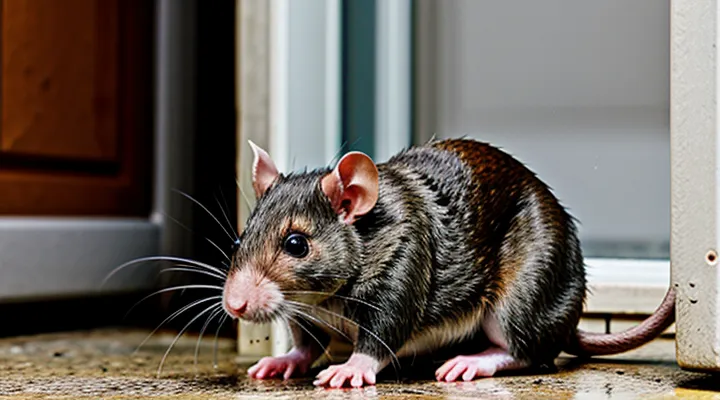
The Nature of Rat-Human Bonds
Understanding Rat Behavior
Rats exhibit a range of social signals that reveal their level of comfort with a specific caretaker. When a rat perceives an individual as a trusted companion, its behavior shifts from cautious exploration to relaxed interaction, providing clear evidence of recognition.
Typical indicators of familiarity include:
- Approaching the person voluntarily, often from a distance of several centimeters.
- Initiating physical contact by climbing onto the hand, shoulder, or lap without hesitation.
- Maintaining eye contact or gently gazing at the caretaker while remaining still.
- Exhibiting tail‑wagging or subtle tail flicks that accompany positive anticipation.
- Allowing gentle handling, such as being lifted or repositioned, with minimal resistance.
- Producing soft vocalizations, including high‑pitched squeaks or chirps, during close proximity.
- Displaying relaxed body posture, characterized by a loose, elongated stance and reduced grooming frequency in the presence of the owner.
These behaviors arise from the rat’s innate social structure, which prioritizes safety and hierarchy within its group. Recognizing these cues enables owners to assess the depth of the bond, adjust handling techniques, and provide enrichment that reinforces trust. Consistent, gentle interaction strengthens the relationship, leading to improved welfare and more reliable participation in training or research activities.
The Importance of Socialization
Socialization shapes a rat’s ability to recognize and respond to its caretaker, directly influencing behavior, health, and welfare. Early, regular interaction teaches the animal to associate human presence with safety, reducing stress‑induced illnesses such as gastrointestinal upset. Consistent handling conditions the rat to accept gentle restraint, facilitating veterinary examinations and grooming without aggression.
Effective socialization yields observable outcomes that signal familiarity:
- Approach of the hand when offered, often accompanied by a relaxed posture.
- Gentle nibbling or grooming of the caregiver’s fingers.
- Vocalizations that differ from alarm calls, typically soft chirps.
- Tail‑up posture and willingness to climb onto the lap or shoulder.
These behaviors reflect a trusted bond, which in turn encourages exploration, improves nutritional intake, and supports cognitive enrichment. Neglecting socialization can lead to chronic fear responses, increased cortisol levels, and heightened risk of injury during handling. Therefore, structured, daily contact is a non‑negotiable component of responsible rat ownership.
Behavioral Indicators of Familiarity
Approaching and Seeking Interaction
Coming to the Cage Door
Rats that recognize their caretaker often display a distinct pattern when they approach the cage entrance. The behavior is purposeful, not random, and reveals a level of comfort with the human presence.
- The animal moves directly toward the door as soon as the owner is within sight, bypassing exploratory circuits that would otherwise dominate its path.
- It pauses at the threshold, head tilted, eyes fixed on the owner, indicating focused attention rather than mere curiosity.
- The rat may emit soft vocalizations or gentle squeaks at the door, a sound pattern linked to anticipation of interaction.
- Body posture remains relaxed: ears are forward, whiskers are slightly spread, and the tail is held low, all signs of reduced stress.
- If the owner extends a hand, the rat often reaches out, placing its forepaws on the door or the bar, demonstrating a willingness to make contact.
These actions collectively signal that the rat has formed a positive association with the person and expects interaction at the cage opening. The consistency and immediacy of the response differentiate familiar recognition from occasional, exploratory visits.
Climbing on the Owner
Rats that feel comfortable with a human often seek direct physical contact, and climbing onto the owner is a clear indicator of that comfort. When a rat voluntarily jumps onto a hand, shoulder, or lap, it demonstrates trust that the person will not cause harm. The animal’s posture during the climb—relaxed muscles, steady footing, and occasional grooming of the owner’s skin—reinforces the interpretation of familiarity.
Typical patterns include:
- Approaching the owner’s body without hesitation, then using its hind legs to push upward.
- Remaining perched for extended periods, shifting weight calmly rather than darting away at the slightest movement.
- Initiating the climb after eye contact, suggesting recognition and a desire for interaction.
- Repeating the behavior across multiple sessions, indicating that the action has become a regular part of the rat’s routine.
These actions differ from brief exploratory hops that occur when a rat is merely curious. In the latter case, the animal quickly retreats, displays alert ears, and avoids prolonged contact. Consistent climbing, coupled with relaxed body language, signals that the rat perceives the owner as a safe, familiar companion.
Owners who notice this behavior should respond with gentle support, avoiding sudden pulls that could startle the rat. Providing a stable surface for the animal to rest on encourages further bonding and reduces stress. Over time, such interactions strengthen the mutual trust that underpins a healthy human‑rat relationship.
Vocalizations and Sounds
Happy Squeaks and Boggles
Rats communicate their comfort level through distinct vocalizations and body cues that appear consistently when they recognize a caretaker as a trusted figure.
A happy squeak is a brief, high‑frequency chirp emitted during close contact or gentle handling. The sound lacks the sharp, alarmed quality of distress calls and often coincides with relaxed posture, indicating the animal feels safe.
A boggle manifests as a rapid, rhythmic head bob combined with subtle ear flicks. This movement accompanies exploratory sniffing and is observable when the rat anticipates interaction with a familiar person.
Typical patterns linked to these signals include:
- Frequent squeaking during grooming or feeding sessions.
- Head bobs synchronized with gentle petting.
- Soft, continuous chirps while the rat rests on the owner’s lap.
- Ear twitches that cease when the caretaker steps away.
These behaviors provide reliable evidence that the rodent has formed a positive association with its human companion, allowing owners to assess the effectiveness of their bonding efforts.
Purring-like Noises
Rats emit a soft, rhythmic sound that resembles a cat’s purr when they feel safe and secure with a human caretaker. The noise is low‑frequency, steady, and often accompanied by relaxed body posture—flattened ears, loose whiskers, and a calm tail. Unlike the high‑pitched squeaks associated with alarm or excitement, this purring‑like vocalization occurs during gentle petting, hand‑feeding, or when the rat is resting near the owner’s hand.
Key characteristics of the purring‑like noise:
- Continuous, short bursts lasting several seconds without abrupt interruptions.
- Volume low enough to be heard only when in close proximity.
- Occurs in conjunction with slow, deliberate breathing.
- Frequently paired with a slight vibration of the throat, perceptible if the hand is placed near the mouth.
When the sound appears consistently during interaction, it signals that the rat recognizes the owner as a source of comfort and has formed a bond. Absence of this vocalization does not imply a lack of familiarity, but its presence provides a reliable indicator of a positive, trusting relationship.
Body Language Cues
Relaxed Posture
Rats display a range of body‑language cues when they feel safe around a human caretaker. Among the most reliable indicators is a relaxed posture, which replaces the tense, defensive stance typical of an unfamiliar animal.
A relaxed rat will spread its limbs, lower its back, and allow its body to rest on a surface without gripping it tightly. The tail may drape loosely, and the ears will lie flat rather than being pinned forward. Muscle tone diminishes, and the animal may even appear sleepy while remaining alert.
Typical manifestations of a calm stance include:
- Hind legs splayed outward, feet flat on the bedding or cage floor.
- Abdomen exposed, with the rat lying on its back or side without attempts to curl up.
- Tail hanging loosely, sometimes gently swaying without tension.
- Ears relaxed, not rotated forward or backward.
- Whiskers positioned forward but not stiff, indicating curiosity without alarm.
When these postural elements appear together, they signal that the rat recognizes the owner as a non‑threatening presence and is comfortable enough to let its guard down. Observers should treat such moments as opportunities for gentle handling and enrichment, reinforcing the bond between pet and keeper.
Tail Wags and Quivers
Tail movement provides a reliable indicator that a rat recognizes and feels comfortable with its caretaker. When the animal anticipates interaction, the tail often exhibits subtle rhythmic motions rather than the abrupt flicks seen in stressed individuals.
- A slow, sweeping wag that occurs as the caretaker approaches signals anticipation and trust.
- Brief, low‑amplitude quivers while the rat is being handled indicate relaxation and a positive association.
- Repeated tail sweeps during feeding sessions reflect expectation of food delivery by the same person.
- Combined tail wagging with gentle grooming of the caretaker’s hand reinforces the interpretation of familiarity.
These behaviors differ from defensive tail flicks, which are rapid, high‑frequency, and directed away from the source of perceived threat. Consistent, gentle tail activity, especially when paired with other affiliative actions such as sniffing or grooming, confirms that the rat has formed a recognizable bond with its owner.
Grooming the Owner
When a rat begins to groom its caretaker, it signals a high level of trust and social bonding. Grooming is a behavior rats reserve for members of their own colony; extending it to a human demonstrates that the animal perceives the person as part of its social group.
Observable aspects of this behavior include:
- The rat approaches the hand or arm and uses its teeth or paws to clean fur, skin, or clothing.
- Grooming occurs repeatedly during a single interaction, not just a brief nibble.
- The rat maintains a relaxed posture, with ears forward and whiskers steady, while grooming.
- The activity is accompanied by soft vocalizations or gentle squeaks, indicating contentment.
These patterns differentiate genuine affiliative grooming from casual nibbling or exploratory bites. Recognizing them helps owners assess the depth of their rat’s attachment and adjust handling practices accordingly.
Playing and Engagement
Following the Owner
Rats that recognize and trust a caretaker often display a clear tendency to stay close while the person moves through the environment. This behavior manifests in several observable ways.
- The animal positions itself directly behind the owner’s feet, adjusting its speed to match each step.
- When the caretaker turns a corner or enters a new room, the rat immediately follows, maintaining visual contact.
- The rat pauses at doorways, waiting for the owner to open the passage before proceeding, indicating anticipation of the person’s actions.
- During routine activities such as feeding or cleaning, the rat walks alongside, mirroring the caretaker’s pace without being prompted.
These patterns reflect a learned association between the rat’s safety and the owner’s presence. Consistent following demonstrates that the rodent has formed a reliable expectation that the caretaker will provide resources and protection, reinforcing the bond.
Accepting Treats Gently
When a rat takes a treat from a human hand without snapping or pulling away, the animal demonstrates trust and calm interaction. The gentle acceptance indicates that the rat recognizes the owner’s presence as safe and rewarding.
Key characteristics of this behavior include:
- The rat reaches forward with a relaxed posture, eyes focused but not tense.
- The mouth opens slowly to receive the food, showing no sudden jerks.
- After eating, the rat may remain close to the hand, occasionally licking the fingertips.
These responses develop as the rat learns that the owner consistently provides pleasant experiences. Consistency in offering small, preferred foods reinforces the association, encouraging the rat to approach and take treats with composure.
Trust and Comfort Signals
Sleeping in the Open
Napping Near the Owner
Rats that feel comfortable with a human often choose the owner’s lap, pillow, or nearby surface as a resting place. This behavior reflects trust, as the animal relinquishes vigilance while asleep. The proximity also allows the rat to monitor the owner’s breathing and movements, reinforcing the bond.
Typical manifestations include:
- Settling on the owner’s clothing or blanket within minutes of being placed in the same room.
- Remaining still for extended periods, even when the owner changes position or stands up.
- Adjusting posture to align with the owner’s body, such as curling around a leg or draping over a shoulder.
- Resuming sleep after brief disturbances caused by the owner’s activity, indicating reduced startle response.
These patterns demonstrate that the rat perceives the owner as a safe, predictable presence and prioritizes close contact during rest.
Accepting Petting and Handling
Allowing Belly Rubs
Rats that allow belly rubs demonstrate a high level of trust toward their caretaker. The behavior indicates that the animal feels safe enough to expose its most vulnerable area, a clear marker of familiarity.
When a rat presents its abdomen, several observable cues confirm comfort: relaxed muscles, slow breathing, and a steady, low‑frequency tail flick. The animal may also remain still, eyes half‑closed, and exhibit a gentle purring‑like sound produced by the throat.
Additional signs often accompany the acceptance of belly rubs:
- Head tilting toward the hand delivering the rub.
- Light grooming of the fur after the session.
- Absence of sudden escape attempts or defensive posturing.
Owners should approach the belly gently, using a soft fingertip motion and maintaining a calm voice. Begin with brief, light strokes and increase duration only if the rat remains relaxed. Consistent, respectful handling reinforces the bond and encourages the rat to repeat the behavior.
Remaining Calm During Handling
Remaining composed while handling a rat signals that the animal perceives the caretaker as non‑threatening. A rat that trusts its owner will display physical and behavioral cues that differ markedly from those of a nervous or unfamiliar individual.
- Body relaxed, muscles loose, tail hanging naturally.
- Voluntary approach, climbing onto the hand without hesitation.
- Soft, low‑volume vocalizations or complete silence.
- Slow blinking and steady gaze, indicating comfort.
- Absence of frantic escape attempts or frantic scratching.
To foster these responses, the handler should:
- Breathe evenly, maintaining a steady rhythm.
- Move deliberately, avoiding sudden gestures.
- Speak in a calm, consistent tone.
- Keep hands warm and steady, presenting them as a stable platform.
- Allow the rat to initiate contact, withdrawing only when the animal signals discomfort.
By sustaining a tranquil demeanor, the caretaker reinforces the rat’s confidence, encouraging the animal to exhibit the signs listed above and confirming a growing familiarity.
Eating in the Owner's Presence
Not Hiding Food
Rats that trust their caretaker often leave food exposed rather than conceal it. This behavior reflects confidence that the environment is safe and that the owner will not threaten the supply.
When a rat places a morsel on the cage floor, on a platform, or in an open corner, it signals that the animal perceives no imminent danger. The rat does not need to protect its resources from a perceived predator because it recognizes the human presence as non‑threatening.
Key observations include:
- Food placed in the open, without being tucked under bedding or behind objects.
- Consistent feeding in the same visible spot, even when the owner is nearby.
- Absence of rapid hoarding or transport of food to hidden corners after the caretaker enters the room.
These actions demonstrate that the rat has formed a reliable association with its owner, allowing it to relax its natural instinct to guard food.
General Demeanor
Reduced Fear Responses
When a rat no longer reacts with alarm to a person’s presence, the animal’s fear response has diminished. This change appears as calmer body language, slower breathing, and a willingness to stay within arm’s reach without retreating.
Observable signs include:
- Minimal flinching when the owner approaches or makes sudden movements.
- Acceptance of gentle handling without attempting to escape or vocalize distress.
- Preference for the owner’s hand as a resting spot, even when the cage is open.
- Reduced startle reflex to noises or shadows that previously triggered rapid fleeing.
Physiological indicators reinforce these behaviors. Lower cortisol levels, steadier heart rate, and relaxed musculature suggest the rat perceives the caretaker as a source of safety rather than threat. Over time, the animal may initiate contact, such as approaching the owner’s feet or climbing onto a lap, confirming that fear has been supplanted by familiarity.
Overall Contentment
Rats that feel secure and satisfied with their human companion display a set of consistent behaviors indicating overall contentment. These signs go beyond isolated actions, reflecting a stable emotional state that emerges from repeated positive interactions.
- Relaxed posture while being handled, including a limp tail and loose muscles.
- Frequent grooming of the owner’s hands or clothing, suggesting trust and a desire for social contact.
- Preference for spending time near the caretaker, even when food or other stimuli are available elsewhere.
- Calm vocalizations, such as soft squeaks, during close proximity, contrasting with high‑pitched alarm calls in stressful situations.
- Consistent willingness to explore new environments alongside the owner, showing reduced fear of novel contexts.
When these indicators appear together, they collectively demonstrate that the rat experiences a level of well‑being that stems from a familiar and trusted relationship with its caregiver. The animal’s demeanor remains steady across different settings, confirming a durable sense of security and satisfaction.
Fostering a Stronger Bond
Consistent Interaction
Consistent interaction reveals a rat’s recognition of its caretaker. Regular, predictable contact builds a mental association between the animal and the person, reducing stress and encouraging approach behavior. When a rat anticipates daily handling, feeding, or play sessions, it demonstrates that the individual has become a reliable presence in its environment.
Observable outcomes of steady engagement include:
- Approaching the hand or cage opening without hesitation.
- Seeking eye contact and maintaining it briefly.
- Initiating contact by climbing onto the owner’s lap or shoulder.
- Showing relaxed body language, such as flattened ears and a calm tail position, during routine handling.
These responses emerge only after repeated, reliable encounters. The rat learns to differentiate the caretaker from unfamiliar humans, using the pattern of interaction as a cue for safety and comfort. Consequently, consistent engagement serves as a clear indicator that the rat has formed a familiar bond with its owner.
Positive Reinforcement
Positive reinforcement involves delivering a desirable outcome immediately after a rat performs a specific action, thereby increasing the likelihood that the action will recur. In interactions with a caretaker, this method shapes the animal’s responses and promotes clear indications of recognition.
Typical indicators that a rat associates a person with rewarding experiences include:
- Approaching the individual without hesitation.
- Seeking contact by climbing onto the hand or lap.
- Displaying relaxed body language, such as stretched posture and soft vocalizations.
- Responding to the caretaker’s voice or scent with anticipatory movements.
- Repeating learned tricks or routines when the person is present.
Applying reinforcement effectively requires consistency and timing. Offer a small treat, gentle petting, or a brief play session the instant the rat exhibits any of the listed behaviors. Maintain a predictable schedule so the rat links the owner’s presence with positive outcomes. Gradually increase the difficulty of the desired response—such as rewarding a brief pause before climbing—while preserving immediate reward delivery. Over successive sessions, the rat’s repertoire of familiar‑owner signals expands, reinforcing the bond through measurable, observable actions.
Providing a Safe Environment
A secure habitat encourages a rat to relax and display behaviors that indicate trust in its caretaker. When the enclosure eliminates hazards, the animal can focus on social interaction rather than survival instincts.
- Choose a cage with solid walls and a secure lid to prevent escape.
- Use chew‑resistant materials for bars and accessories.
- Provide a stable temperature (20‑24 °C) and a quiet location away from drafts and loud noises.
- Install a reliable ventilation system that does not create strong drafts.
- Offer hiding places such as tunnels, huts, or stacked boxes that allow the rat to retreat when needed.
- Keep the substrate clean and dust‑free; replace it regularly to avoid respiratory issues.
- Ensure all toys and enrichment items are free of sharp edges and are regularly inspected for wear.
A well‑managed environment reduces stress, which in turn makes the rat more likely to approach, accept handling, and engage in grooming or play with the owner. Observing these interactions in a safe setting confirms the animal’s familiarity and confidence in its human companion.