
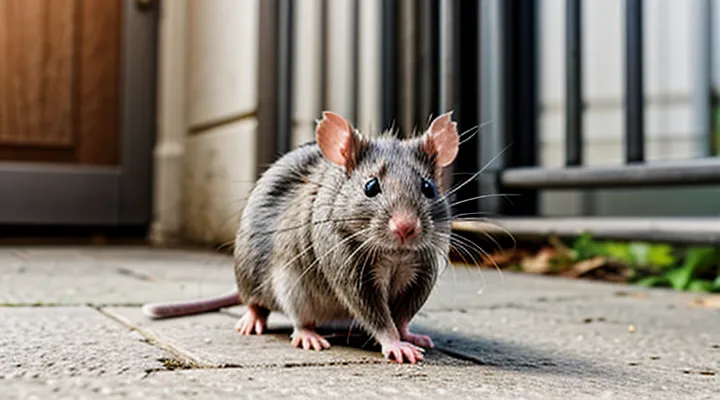
Understanding Rat Behavior and Health
Typical Lifespan of a Rat
Rats generally live between two and three years, though variations depend on species, environment, and care. Laboratory strains such as the Sprague‑Dawley or Wistar often reach the upper limit of this range under optimal conditions, while wild or feral individuals may survive shorter periods due to predation, disease, and fluctuating food supplies.
Key factors influencing longevity include:
- Genetics: Certain breeds possess inherent health advantages that extend life expectancy.
- Nutrition: Balanced diets rich in protein, vitamins, and minerals reduce metabolic stress.
- Housing: Clean, spacious cages with proper ventilation lower infection risk.
- Medical care: Routine health checks and prompt treatment of illnesses prevent premature loss.
Understanding the typical lifespan provides a baseline for assessing mortality cues. When a rat approaches or exceeds the expected age range, subtle changes—such as reduced activity, weight loss, or altered grooming habits—may signal declining health. Recognizing these patterns early distinguishes normal aging from acute death indicators, enabling timely intervention or accurate post‑mortem evaluation.
Recognizing Healthy Rat Signs
Physical Indicators of a Healthy Rat
A healthy rat displays distinct physical characteristics that differentiate it from an animal approaching death. Recognizing these traits enables accurate assessment of welfare and early detection of problems.
- Eyes: clear, bright, and responsive to light; absence of cloudiness or discharge.
- Fur: smooth, evenly colored, and free of bald patches or excessive shedding.
- Weight: stable body mass appropriate for age and strain; no sudden loss.
- Activity level: alert, inquisitive, and capable of rapid movement; no lethargy or prolonged immobility.
- Respiratory pattern: steady, audible only when listening closely; no labored or noisy breathing.
- Skin: supple, pinkish‑red, with minimal bruising or ulceration; temperature consistent with ambient conditions.
- Teeth: well‑aligned, sharp, and regularly worn; no overgrowth or cracks.
- Tail: firm, straight, with intact skin; no swelling, discoloration, or loss of sensation.
Consistent observation of these indicators confirms physiological stability and provides a baseline for identifying deviations that may signal impending mortality.
Behavioral Indicators of a Healthy Rat
A rat that is thriving displays a consistent pattern of activity, social interaction, and physiological responses. Observers can rely on these behaviors to differentiate normal vitality from the onset of fatal conditions.
Typical signs of a robust rat include:
- Regular grooming of fur and whiskers, indicating self‑care and thermoregulation.
- Prompt response to gentle tactile or auditory stimuli, such as moving away or investigating the source.
- Continuous exploration of the enclosure, including climbing, burrowing, and manipulation of objects.
- Frequent and well‑coordinated locomotion, with smooth transitions between walking, running, and jumping.
- Engaging with cage mates through play, nesting, or mutual grooming, reflecting social stability.
- Consistent intake of food and water, evidenced by steady weight maintenance and normal fecal output.
- Normal respiration rate and rhythm, without audible distress or irregular pauses.
When these behaviors diminish or disappear, the likelihood of a life‑threatening issue rises, prompting immediate veterinary assessment. Recognizing the baseline of healthy activity provides a reliable reference for identifying the early stages of mortality in rats.
Direct Signs of Rat Death
Visual Cues of a Deceased Rat
Rigor Mortis and Body Stiffness
Rigor mortis denotes the post‑mortem stiffening of a rat’s musculature. It begins within 30–60 minutes after death, starting in the jaw and neck, then progressing to the forelimbs, trunk, and hind limbs. Full rigidity typically appears by two to three hours, persists for 12–24 hours, and then gradually dissipates as enzymatic breakdown resumes.
Body stiffness can be evaluated by gentle manipulation. A firm, unyielding response when the tail, paws, or torso are bent indicates active rigor. In contrast, pliable limbs suggest that the process has passed or that the carcass is still in the early stage of onset. Visual inspection of the abdomen may reveal a flattened posture, with the spine appearing straight rather than curved.
Key observations for identifying rigor in a deceased rat:
- Timing – onset within the first hour, peak stiffness at 2–4 hours, decline after a day.
- Location sequence – jaw → forelimbs → trunk → hind limbs.
- Physical response – resistance to bending, reduced joint mobility.
- Temperature correlation – cooler ambient conditions slow the progression; warmer environments accelerate it.
Recognizing these characteristics helps differentiate true post‑mortem rigidity from muscular contraction caused by handling or environmental factors. Accurate assessment of rigor mortis contributes to determining the time since death and confirming that mortality has occurred.
Unnatural Body Position
Rats that have died often lie in positions that differ markedly from the relaxed posture seen in living animals. An unnatural body position typically includes stiff limbs, twisted torso, or a head angled far from the normal forward orientation. This arrangement suggests that the carcass experienced sudden trauma, muscular rigidity, or loss of control over body tension before death.
Key characteristics of an abnormal posture:
- Limbs extended outward or folded unnaturally, often at right angles to the torso.
- Spine visibly curved or twisted, creating a sharp bend rather than a gentle arch.
- Head positioned upward, sideways, or inverted, indicating loss of neck muscle tone.
- Rigid, glossy fur that does not lay flat, reflecting post‑mortem stiffening.
Such configurations arise from predation, accidental crushing, or severe internal injury. Recognizing these signs enables quick assessment of rodent mortality and informs appropriate sanitation measures. Remove the carcass promptly, disinfect the area, and monitor for additional deaths that could signal a broader health issue.
Lack of Movement or Breathing
A rat that no longer moves or breathes exhibits the most immediate indication of death. When a rodent lies still for several minutes, gently prod the hindquarters or whiskers; absence of any twitch or reaction confirms loss of consciousness. Observe the thoracic region: no rise and fall of the ribcage signals cessation of respiration. Place a hand near the nostrils; lack of airflow confirms that breathing has stopped.
To verify the condition, follow these steps:
- Touch the tail or footpad with a soft object; no withdrawal response indicates neuromuscular shutdown.
- Watch the abdomen for any subtle expansion; a completely static abdomen proves respiration has ceased.
- Attempt to detect a pulse by pressing lightly on the femoral artery; an absent pulse corroborates cardiac arrest.
If all observations align—no movement, no chest movement, no airflow, and no pulse—the rat is definitively dead. Immediate disposal or necropsy should be arranged according to local regulations.
Olfactory Cues
Odor of Decomposition
The smell of decay serves as a primary indicator that a rat has died. A strong, sour, ammonia‑like odor emerges as tissues break down, often accompanied by a faint sweet or putrid note reminiscent of rotting meat. The intensity rises quickly within 24‑48 hours and can permeate surrounding rooms, especially in confined spaces such as walls, attics, or crawl spaces.
Identifying the odor requires attention to its specific characteristics:
- Sharp, acrid scent similar to spoiled dairy or fermented waste.
- Underlying sweet rot that intensifies when warm air circulates.
- Persistence despite ventilation, suggesting an internal source.
Distinguishing decomposition odor from common household smells involves comparing it to typical cooking fumes, pet litter, or mold. Decay odor remains constant, does not dissipate with ordinary cleaning, and is often strongest near the suspected carcass location.
When the odor is detected, follow these steps:
- Locate the source by tracing the strongest scent concentration.
- Inspect gaps, insulation, and ventilation ducts for visible signs of a carcass.
- Remove the dead rat using gloves and sealed bags to prevent further contamination.
- Clean the area with enzymatic cleaners that break down organic residues.
- Decontaminate surrounding surfaces and replace any compromised insulation.
Prompt action eliminates health risks, prevents secondary infestations, and restores normal indoor air quality.
Indirect Signs Suggesting a Rat Has Died
Absence from Usual Haunts
Lack of Droppings or Urine
A sudden drop in visible rat feces or urine signals a critical health issue. Healthy rodents excrete small, frequent droppings and wet spots, often scattered near feeding areas, burrows, or nesting sites. When these signs disappear, it typically indicates that the animal has ceased normal bodily functions.
- No fresh droppings on surfaces that were previously marked.
- Absence of urine stains on bedding, corners, or near water sources.
- Existing droppings become dry, brittle, and discolored, suggesting they are old.
These observations suggest the rat is either immobilized or deceased. To verify, inspect the suspected area:
- Gently press a clean cloth on the floor; a lack of moisture confirms no recent urination.
- Use a flashlight to examine hidden corners for stale droppings; prolonged absence strengthens the assessment.
- Observe the animal’s body for rigidity, pallor, or lack of breathing movements.
If the lack of excrement persists for 24‑48 hours, the most probable conclusion is death. Prompt removal of the carcass prevents disease spread and eliminates attractants for pests.
Unused Food Sources
Unused food supplies often reveal the presence of a dead rat. When a carcass decomposes, surrounding provisions become inaccessible, stale, or contaminated. Observing these changes provides reliable evidence of mortality.
Typical indications linked to abandoned edibles include:
- Food left untouched for an extended period, despite regular consumption patterns.
- Unusual odors emanating from stored items, indicating decay or bacterial growth.
- Visible mold, discoloration, or foul slime on surfaces that were previously clean.
- Presence of insect activity, such as flies or beetles, attracted to decomposing material.
- Accumulation of rodent droppings or urine near the food source, suggesting a recent death and subsequent abandonment.
These markers, when combined with other mortality cues—such as reduced movement, silence in previously active areas, and the appearance of a foul smell—allow precise identification of a rat’s demise. Prompt removal of contaminated food prevents secondary health risks and limits attractants for surviving pests.
Missing from Nesting Sites
The absence of a rat from its usual nesting area often signals mortality. When a rodent no longer occupies a burrow, nest box, or concealed shelter, the void can be observed directly and serves as a primary indicator of death.
Key observations linked to a missing rat include:
- No fresh droppings, urine stains, or scent markings within the nest.
- Unused bedding material remains dry and undisturbed.
- Absence of gnaw marks or chew activity on nearby objects.
- Lack of movement or audible sounds that rats normally produce during nocturnal foraging.
Additional signs that reinforce the conclusion are:
- Stagnant food supplies left untouched for several days.
- Accumulation of dust or debris where the animal once moved.
- Presence of carrion insects or maggots in the vicinity of the empty nest.
These criteria allow rapid assessment of rodent loss without relying on external confirmation. Prompt identification enables appropriate sanitation measures and prevents the spread of disease.
Decreased Rodent Activity
Fewer Gnaw Marks
Fewer gnaw marks on food, wires, or building materials often indicate that a rat has died. Living rodents continuously test their environment, leaving fresh bite evidence as they search for sustenance and shelter. When a rat ceases activity, the frequency of new gnawing drops sharply, leaving only older, weathered marks.
Key observations that accompany reduced gnawing include:
- Absence of fresh bite marks on recently stored food.
- Diminished damage to insulation, cables, or wooden structures.
- Presence of old, shallow gnaw scars without accompanying fresh shavings.
These patterns suggest that the animal is no longer alive, as the instinctual need to gnaw for survival has ceased. Monitoring the rate and freshness of gnaw marks provides a reliable, non‑invasive method for confirming rat mortality.
Reduced Squeaking or Scratching Sounds
Rats normally emit frequent high‑pitched squeaks and produce audible scratching while moving through bedding or equipment. A noticeable decline in these sounds often signals that the animal has ceased activity, which can be an early indicator of mortality.
- Squeaking frequency drops from constant or intermittent to sporadic or absent.
- Scratching noises become faint, irregular, or disappear altogether.
- The remaining sounds, if any, are typically low‑volume and lack the usual urgency.
- Absence of vocalization persists despite attempts to stimulate the rat (e.g., gentle handling or food presentation).
These auditory changes should be evaluated alongside other signs—such as loss of movement, lack of response to stimuli, and changes in body temperature—to confirm that death has occurred. Prompt observation of reduced squeaking or scratching helps differentiate between temporary quiet periods and the final stage of life.
Presence of Other Scavengers
Insects Attracted to a Carcass
Insect activity provides reliable evidence of a dead rodent. When a rat dies, its body releases volatile compounds that attract specific arthropods. The succession of species follows a predictable pattern, allowing observers to gauge the stage of decomposition.
Blowflies (Calliphoridae) are the first visitors, arriving within minutes to a few hours. Females lay eggs on exposed tissue; larvae develop rapidly, producing a noticeable white or creamy mass. Presence of active larvae indicates a very recent death, typically less than 24 hours old.
Flesh flies (Sarcophagidae) follow shortly after blowflies. Adults deposit live larvae (larviposition) directly onto the carcass. Their larvae are larger and often coexist with blowfly larvae, extending the active feeding period to 2–3 days.
Carbophilous beetles, especially hide beetles (Dermestidae), appear when soft tissue is largely consumed. These beetles feed on dried remains, hair, and cartilage. Their presence suggests the carcass has been exposed for several days, often 4–7 days.
Ants (Formicidae) may congregate around the carcass, scavenging both tissue and waste produced by other insects. Their activity intensifies as the body dries, indicating a later stage of decomposition, generally beyond one week.
Mites (Acari) and predatory beetles (Staphylinidae) often inhabit the microhabitat created by the primary colonizers. Their numbers increase as the carcass transitions to the dry stage, providing additional confirmation of prolonged exposure.
Key observations for identification:
- Live blowfly larvae: death within 24 hours.
- Mixed blowfly and flesh fly larvae: 24–72 hours.
- Hide beetles and increased ant traffic: 4–7 days.
- Predatory beetles and mites: beyond one week.
Recording insect species, developmental stage, and abundance yields a precise timeline for a rat’s demise, facilitating timely response and appropriate cleanup measures.
Predators Investigating an Area
Predators often arrive where a rat has died, drawn by the scent of decay and the opportunity for a secondary meal. The presence of feral cats, foxes, or birds of prey near a suspected carcass is a reliable indicator that a rodent has recently perished.
Typical signs left by these scavengers include:
- Fresh tracks or paw prints converging on a single point;
- Displaced or partially consumed tissue, recognizable by irregular bite marks;
- Feather or fur remnants mixed with surrounding debris;
- Droppings from the predator species, often found close to the source.
Observing the timing of predator activity helps narrow the death window. Rapid arrival, within a few hours, suggests a strong olfactory cue, while delayed presence may indicate decomposition progressing to a stage attractive to larger scavengers.
Documenting predator evidence alongside other mortality cues—such as odor, discoloration, and insect activity—provides a comprehensive assessment of the situation and supports accurate identification of the rat’s demise.
Dealing with a Deceased Rat
Safety Precautions for Handling
Wearing Protective Gear
When examining a deceased rodent, protective equipment shields the investigator from disease vectors, chemical residues, and sharp fragments. Proper gear also prevents contamination of samples, preserving the integrity of observable signs such as discoloration, tissue breakdown, or parasite presence.
Essential items include:
- Disposable gloves resistant to puncture and chemicals.
- Nitrile or latex masks covering nose and mouth to block aerosolized particles.
- Protective goggles or face shields to guard eyes from splatter.
- Lab coat or disposable coveralls with sealed cuffs.
- Closed-toe shoes or boot covers to avoid foot exposure.
Wearing this equipment enables safe handling of the carcass, allowing close inspection of external and internal markers without risk of infection. It also facilitates accurate documentation of odor, body condition, and any abnormal lesions, which are critical for determining cause of death. Failure to use appropriate protection can compromise data quality and expose personnel to zoonotic hazards.
Disinfection Procedures
When a rodent carcass is found, immediate sanitation prevents disease transmission and secondary contamination. Follow a systematic disinfection protocol:
- Wear disposable gloves, mask, and eye protection before handling the dead animal or any contaminated material.
- Remove the carcass with a sealed plastic bag; tie the bag tightly and dispose of it according to local hazardous waste regulations.
- Sweep the area to collect debris, hair, and droppings; place all waste in a second sealed bag.
- Apply an EPA‑registered disinfectant with broad‑spectrum efficacy (e.g., a 10% bleach solution, quaternary ammonium compound, or hydrogen peroxide). Follow the manufacturer’s contact time, typically 5–10 minutes, to ensure viral and bacterial inactivation.
- Scrub surfaces with a stiff brush or cloth, then wipe clean with a damp rag. Rinse if the disinfectant requires dilution removal.
- Allow the area to air‑dry completely before reoccupation.
After disinfection, document the procedure: date, time, disinfectant used, concentration, and personnel involved. Record any observed signs of rat mortality—such as rigor mortis, discoloration, or odor—to assist future investigations and support epidemiological tracking. Regularly review and update the disinfection plan to incorporate new guidelines and emerging pathogens.
Proper Disposal Methods
Sealing and Bagging
When a rodent corpse is discovered, proper containment prevents disease spread and preserves evidence of mortality cues. Sealing and bagging constitute the final stage of safe handling.
First, select a disposable, puncture‑resistant bag rated for biohazard material. Place the animal inside without excessive manipulation to avoid damaging observable signs such as lesions, discoloration, or internal rupture. Close the bag using a zip‑lock or heat‑seal mechanism, ensuring no gaps remain. Apply an additional outer layer—another sealed bag or a rigid container—to create a double barrier.
Second, label the outer package with the date, location, and any pertinent observations (e.g., presence of fecal staining, odor intensity). Attach a biohazard symbol if required by local regulations. Store the sealed package in a refrigerated environment (4 °C or lower) if analysis will be delayed; otherwise, proceed directly to incineration or approved disposal.
Key steps for effective sealing and bagging:
- Use a puncture‑proof, single‑use bag.
- Insert the carcass without crushing external features.
- Secure the closure with a zip‑lock or heat seal.
- Add a secondary sealed container for redundancy.
- Label with date, site, and notable findings.
- Apply biohazard marking as mandated.
- Refrigerate if immediate disposal is not possible.
Adhering to these procedures safeguards health personnel, maintains the integrity of diagnostic signs, and complies with waste management standards.
Local Regulations for Disposal
Detecting rat mortality often leads to the need for proper disposal, which is governed by municipal and state statutes. Compliance protects public health, prevents environmental contamination, and reduces the risk of disease transmission.
Typical local requirements include:
- Placement of the carcass in a sealed, leak‑proof container or double‑bagged plastic before removal.
- Immediate notification of the local health department or authorized pest‑control agency when the death occurs in public spaces, schools, or food‑handling establishments.
- Use of licensed waste‑removal services for bulk or repeated incidents; private individuals may be restricted to a limited number of disposals per month.
- Prohibition of discarding dead rodents in regular trash bins, storm drains, or waterways; special biohazard collection points are designated for this purpose.
- Documentation of disposal, including date, location, and method, for inspection by regulatory officials.
Failure to follow these rules can result in fines, mandatory remediation orders, and heightened scrutiny during health inspections. Adhering to established protocols ensures that the removal of deceased rats does not create secondary hazards.
Preventing Future Infestations
Identifying Entry Points
Identifying how rodents gain access to a structure is essential when evaluating mortality indicators. Inspect the building envelope for openings that exceed ¼ inch, as such gaps permit entry and may conceal dead animals. Examine the following locations:
- Foundation cracks and gaps around pipe penetrations
- Gaps beneath doors and windows, including weather‑stripping deterioration
- Openings around utility conduits, vent pipes, and chimney flues
- Roof eaves, soffits, and attic ventilation grills
- Exterior wall seams, siding cracks, and damaged screens
Use a flashlight and mirror to view concealed areas. Apply a thin layer of silicone or steel wool to seal identified openings; steel wool resists gnawing, while silicone provides an airtight barrier. Record each sealed point to track changes in rodent activity and to correlate with any subsequent discovery of carcasses. Regularly repeat the inspection after seasonal weather shifts, as expansion and contraction can create new entry routes.
Sanitation Practices
Sanitation practices provide reliable indicators that a rodent has died, because decomposition alters the surrounding environment in predictable ways. Accumulation of foul odors, the appearance of fluid stains, and the presence of insects are directly linked to poor waste management and the breakdown of a carcass.
Effective monitoring of cleanliness reveals these signs:
- Persistent ammonia‑like smell in storage areas or near food containers.
- Dark, wet patches on surfaces where the body has leaked fluids.
- Sudden increase in flies, beetles, or maggots around garbage bins and drainage points.
- Residual blood or tissue fragments on shelving, equipment, or flooring.
- Rapid growth of mold or bacterial colonies on nearby organic matter.
Maintaining regular waste removal, thorough cleaning of all surfaces, and prompt disposal of any suspect material eliminates the conditions that mask these indicators, allowing swift identification of a dead rat.