
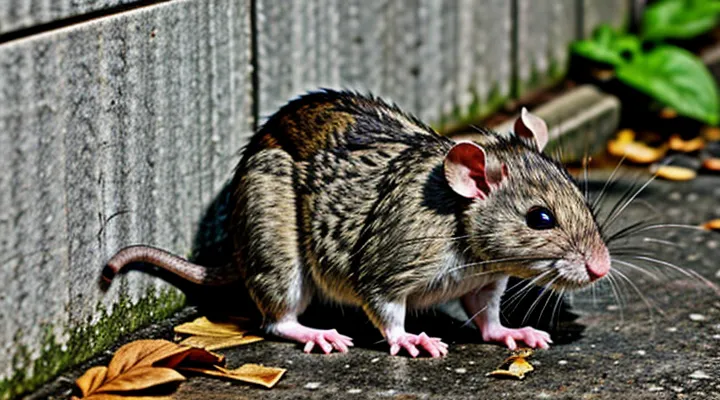
Understanding Rat Lifespan and Health
Typical Lifespan of a Pet Rat
Pet rats usually live between two and three years, with most individuals reaching the 2‑year mark before health begins to deteriorate. The lifespan can vary according to genetics, diet, housing conditions, and veterinary care. Recognizing the normal aging timeline allows owners to differentiate between expected senescence and early warning signs of impending death.
Key factors influencing longevity:
- Genetic line: outbred strains tend to live longer than inbred varieties.
- Nutrition: balanced, high‑quality feed reduces metabolic stress.
- Environment: clean cages, appropriate temperature, and enrichment lower disease risk.
- Health management: regular veterinary check‑ups and prompt treatment of infections extend life span.
When a rat approaches the end of its typical lifespan, subtle changes often precede more obvious decline. Early indicators include:
- Reduced activity and reluctance to explore.
- Decreased appetite or irregular feeding patterns.
- Weight loss exceeding 10 % of body mass within a short period.
- Labored breathing or irregular respiratory rhythm.
Understanding the expected lifespan establishes a baseline for normal behavior. Deviations from this baseline, especially rapid onset of the symptoms listed above, signal that the animal may be entering a terminal phase. Prompt assessment by a veterinarian can confirm the condition and guide humane decision‑making.
Factors Affecting Rat Health
Genetic Predispositions
Genetic predispositions can accelerate the onset of fatal conditions in rodents, making early detection of decline more challenging. Certain inherited traits affect organ function, immune response, and metabolic stability, which in turn influence the visibility of life‑threatening symptoms.
- Mutations in the G6PD gene reduce red blood cell resilience, leading to rapid anemia and lethargy.
- Defects in MHC complexes weaken pathogen resistance, causing swift onset of infectious signs such as nasal discharge and respiratory distress.
- Polymorphisms in CYP450 enzymes impair detoxification pathways, resulting in heightened sensitivity to toxins and abrupt neurological decline.
- Inherited cardiac arrhythmia genes (e.g., SCN5A) predispose rats to sudden heart failure, often manifested by fainting and irregular breathing.
These genetic factors shape the presentation of critical signs. Rats with compromised hemoglobin synthesis may exhibit pallor and reduced activity before overt illness appears. Immune‑deficient genotypes often display fever and weight loss within days of infection, while metabolic deficiencies can cause rapid dehydration and loss of coat condition. Recognizing these patterns allows caretakers to differentiate between normal age‑related slowdown and genetically driven deterioration, enabling timely intervention or humane decision‑making.
Environmental Influences
Environmental conditions shape how early deterioration appears in laboratory and pet rats. Subtle changes in the surrounding habitat often precede or amplify observable symptoms, making accurate assessment dependent on a controlled setting.
- Temperature extremes: cold drafts trigger shivering, reduced activity, and a drop in body temperature; excessive heat leads to rapid breathing, panting, and loss of appetite.
- Humidity levels: high humidity promotes respiratory irritation, resulting in nasal discharge and coughing; low humidity dries mucous membranes, increasing susceptibility to infections.
- Air quality: poor ventilation concentrates ammonia and carbon dioxide, causing eye irritation, lethargy, and reduced grooming.
- Lighting cycles: irregular light exposure disrupts circadian rhythms, producing erratic feeding patterns and diminished alertness.
- Noise and vibration: persistent loud sounds elevate stress hormones, leading to trembling, reduced social interaction, and weight loss.
- Cage density: overcrowding intensifies competition for resources, accelerating weight decline, fur loss, and aggressive behavior.
- Substrate cleanliness: contaminated bedding harbors parasites and pathogens, manifesting as diarrhea, scratching, and lethargy.
- Chemical exposure: pesticides, cleaning agents, or heavy metals provoke tremors, ataxia, and abnormal posturing.
Each factor can either mask typical warning signs or generate additional symptoms that mimic disease progression. For instance, a rat exposed to cold temperatures may appear listless, a condition that could be misinterpreted as early systemic failure if ambient temperature is not recorded. Conversely, high ammonia levels may produce ocular discharge, a symptom often associated with respiratory infection, yet the root cause remains environmental.
Effective early detection requires systematic monitoring of temperature, humidity, ventilation, lighting schedules, noise levels, population density, bedding condition, and chemical use. Recording these parameters alongside behavioral and physiological observations creates a baseline that highlights deviations attributable to health decline rather than environmental fluctuation. Maintaining optimal conditions reduces false positives and ensures that genuine signs of terminal illness are recognized promptly.
Nutritional Impact
Nutritional decline often precedes other physiological failures in rats that are approaching death. Reduced appetite appears first; a rat that consistently refuses fresh food or shows selective eating patterns signals a compromised metabolic state. Concurrently, rapid weight loss becomes measurable within days, reflecting catabolism of muscle and fat reserves.
Observable nutritional symptoms include:
- Decreased consumption of pellets or soft diet for more than 24 hours.
- Visible emaciation, especially along the spine and hindquarters.
- Dry, brittle fur indicating inadequate moisture intake.
- Darkened, scant feces that may contain undigested particles.
- Reduced water intake, leading to concentrated urine and lethargy.
Effective early detection relies on systematic monitoring:
- Record daily food and water quantities offered and consumed.
- Weigh the animal at consistent intervals, noting any drop of 5 % or more of body mass.
- Inspect coat condition and skin elasticity during routine handling.
- Observe stool consistency and frequency; any abrupt change warrants attention.
- Maintain a log of behavior and appetite to correlate nutritional trends with other health indicators.
Prompt identification of these nutritional signs enables timely veterinary intervention, potentially easing discomfort and informing humane decisions.
Early Behavioral Changes
Decreased Activity Levels
Rats typically explore, climb, and interact with their environment for several hours each night. A noticeable reduction in these behaviors often signals a serious health decline.
Observe the animal’s routine for the following patterns:
- Shorter periods of movement during active phases.
- Reluctance to climb or use familiar structures such as wheels or tunnels.
- Preference for remaining in one spot, even when food or enrichment is offered.
- Decreased response to handling or gentle stimulation.
These changes may appear gradually over a few days or become abrupt after an acute event. Early identification relies on regular baseline monitoring; compare current activity levels with the rat’s usual range of motion and engagement.
When reduced activity is detected, assess additional indicators such as appetite loss, weight change, or respiratory irregularities. Prompt veterinary consultation is advisable, as decreased locomotion often accompanies organ failure, severe infection, or terminal disease progression. Early intervention can alleviate discomfort and inform humane decisions regarding end‑of‑life care.
Social Withdrawal
Rats nearing the end of life often isolate themselves from the colony. A dying individual will spend extended periods alone in a corner, behind equipment, or under bedding, avoiding the usual communal activities such as grooming, nesting, or feeding alongside peers. This behavior contrasts sharply with the normal social dynamics of a healthy rat, which relies on constant interaction for thermoregulation and stress reduction.
Key observations of withdrawal include:
- Persistent avoidance of contact with other rats, even when resources are abundant.
- Reduced participation in group grooming sessions; the rat may refuse to be groomed or to groom others.
- Preference for hidden or elevated spots, indicating a desire to remain unseen.
- Diminished vocalizations and lack of response to conspecific calls or alarms.
Monitoring these patterns allows caretakers to detect deteriorating health before overt physical symptoms appear, enabling timely veterinary intervention and humane end‑of‑life care.
Changes in Appetite and Thirst
Refusal to Eat or Drink
Refusal to eat or drink is a critical indicator that a rat’s health is rapidly declining. When a rat stops consuming food and water, metabolic processes weaken, leading to dehydration, hypoglycemia, and organ failure. The behavior often appears suddenly and persists despite attempts to provide preferred foods or fresh water.
Key observations include:
- No interest in fresh pellets, treats, or fresh produce for more than 12 hours.
- Ignoring water bottles or droppers, even when the bottle is placed within easy reach.
- Lack of grooming or activity while the animal remains in a corner or nest, suggesting lethargy.
- Weight loss measurable on a scale within a day or two after the onset of anorexia.
Veterinarians consider prolonged anorexia a prognostic factor because it reduces the body’s ability to fight infection and recover from underlying disease. Immediate intervention, such as syringe feeding or subcutaneous fluids, may temporarily sustain the animal, but persistent refusal often signals that the rat is approaching the end of life. Monitoring intake closely and documenting the duration of refusal provide essential data for making humane care decisions.
Picky Eating Habits
Changes in a rat’s feeding patterns often precede critical health deterioration. When an otherwise healthy animal suddenly becomes selective about food, the behavior signals underlying distress that may progress toward fatal outcomes.
Typical manifestations of selective eating include:
- Refusal of staple pellets while accepting only treats or fresh produce.
- Preference for soft or liquid foods over standard dry kibble.
- Consumption of markedly smaller portions than the established daily average.
- Repetitive nibbling without swallowing, indicating oral discomfort.
Such alterations usually reflect pain, gastrointestinal blockage, dental disease, or systemic organ failure. Early identification of these patterns enables timely veterinary assessment, which can differentiate reversible conditions from irreversible decline.
To monitor and address picky eating:
- Record baseline diet composition and daily intake for each rat.
- Note any deviation from normal preferences, especially reduced volume or texture shifts.
- Offer easily digestible alternatives—soft mash, soaked pellets, or specialized recovery formulas—while maintaining a clean feeding environment.
- Contact a veterinarian promptly if selective eating persists beyond 24–48 hours, accompanies lethargy, or coincides with weight loss.
Prompt response to selective feeding behavior contributes significantly to the accurate interpretation of life‑threatening signs in rats.
Altered Grooming Habits
Unkempt Fur
Unkempt fur is a reliable indicator that a rat’s health is rapidly declining. Healthy rats maintain a glossy coat through regular grooming; a sudden loss of sheen, matting, or excessive shedding signals a systemic problem.
- Appearance: Dull, tangled hair replaces the usual smooth texture. Patches of missing fur may appear, especially around the back and hindquarters.
- Behavioral correlation: Rats with deteriorating coats often neglect self‑grooming, become lethargic, and display reduced appetite.
- Physiological cause: Underlying illness—such as severe infection, organ failure, or metabolic disorder—disrupts normal grooming routines and impairs skin health, resulting in the observed coat changes.
- Diagnostic value: Early detection of coat degradation enables prompt veterinary assessment, increasing the chance of identifying treatable conditions before irreversible decline.
- Immediate action: Isolate the affected rat, examine for additional symptoms (e.g., weight loss, respiratory distress), and arrange a veterinary appointment without delay.
Monitoring fur condition provides a practical, non‑invasive method to recognize critical health deterioration in rats at its earliest stage.
Excessive Grooming in Specific Areas
Excessive grooming in specific body regions signals a critical health decline in rats. Veterinary observations link this behavior to severe discomfort, pain, or neurological impairment that precedes mortality.
Typical areas affected include:
- Head and facial fur, especially around the eyes and ears
- Tail base and dorsal surface
- Hindquarters and perianal region
- Forepaws and inner limbs
When a rat repeatedly licks, bites, or pulls hair from these zones, the coat often appears thinned, uneven, or missing. Skin may show redness, ulceration, or scabbing. Such lesions frequently coexist with reduced activity, weight loss, and altered eating patterns, confirming a systemic problem.
Early detection requires daily visual checks of the coat and skin. If excessive grooming persists for more than 24 hours, or if visible damage emerges, immediate veterinary assessment is warranted. Prompt intervention can clarify whether the behavior stems from treatable pain sources or reflects an irreversible decline, guiding humane care decisions.
Physical Indicators of Illness
Respiratory Distress
Labored Breathing
Labored breathing in a rat signals severe physiological distress and often precedes death. The animal’s respiratory effort becomes visibly strained, with the chest and abdomen moving irregularly and with increased amplitude. Rapid, shallow breaths alternate with prolonged pauses, and the nostrils may flare during each inhalation. Audible wheezing, whistling, or gurgling sounds accompany the effort, especially when the rat is at rest.
Observable indicators include:
- Elevated respiratory rate exceeding the normal 70–120 breaths per minute.
- Noticeable effort in the neck or throat muscles during inhalation.
- Intercostal retractions, where the skin between the ribs is pulled inward with each breath.
- Persistent open-mouth breathing, even when the rat is not thermally stressed.
- Cyanotic discoloration of the gums or extremities, reflecting inadequate oxygenation.
Underlying causes often involve respiratory infections, pulmonary edema, heart failure, or severe anemia. When labored breathing appears, immediate isolation of the affected rat prevents stress to cage mates and allows close monitoring. Veterinary assessment should be sought without delay; diagnostic imaging and blood work can confirm the underlying pathology. Supportive care may include supplemental oxygen, gentle warming, and fluid therapy, but prognosis remains poor when respiratory distress persists despite intervention. Early detection of these breathing abnormalities offers the only chance to provide humane relief or timely euthanasia.
«Porphyrin Staining» Around Eyes and Nose
Porphyrin staining appears as reddish‑brown discoloration around a rat’s eyes and nose. The pigment is produced by the Harderian gland and released in tears and nasal secretions when the animal is stressed, ill, or approaching the end of life. The coloration is distinct from normal clear secretions and intensifies as the underlying condition worsens.
The staining results from increased secretion of porphyrin‑rich fluids, which occur when the rat’s immune system is compromised and the body cannot regulate gland activity. Elevated levels indicate systemic failure and are often accompanied by lethargy, loss of appetite, and rapid weight loss.
To identify porphyrin staining accurately, observe the following characteristics:
- Dark, rust‑colored smears on the whisker pads, eyelids, or around the nostrils.
- Persistence of the discoloration after cleaning; normal tears dry clear.
- Presence of the stain on both sides of the face, suggesting bilateral gland involvement.
- Accompanying signs such as drooping posture, unsteady gait, or reduced responsiveness.
When porphyrin staining is detected, immediate veterinary assessment is advisable. Early intervention may alleviate discomfort, but the presence of this pigment often signals that the rat’s health is deteriorating rapidly and palliative care may be required. Monitoring the intensity and spread of the stain provides a reliable metric for evaluating the animal’s condition and determining the appropriate course of action.
Sneezing and Congestion
Respiratory disturbances often signal that a rat’s health is rapidly deteriorating. Persistent sneezing and nasal blockage appear before more obvious systemic failure, making them valuable early warnings.
Sneezing that occurs several times per minute, continues for extended periods, or is accompanied by audible wheezing indicates irritation of the upper airway. The presence of blood or mucus on the whiskers or fur confirms that the nasal passages are compromised. Frequent sneezing in an otherwise active rat suggests that the underlying infection or inflammation is progressing toward a critical stage.
Congestion manifests as visible swelling around the nose, difficulty breathing through the nostrils, and a constant open-mouth posture to obtain air. Rats may exhibit a dry, crusted nose or a wet, discharge‑laden one; both conditions reduce oxygen intake. When the animal repeatedly sniffs or appears to struggle to inhale, the respiratory system is likely failing to maintain adequate ventilation.
To act on these signs, observe the animal at least twice daily, record the frequency and duration of sneezing episodes, and assess nasal patency by gently lifting the snout. If sneezing exceeds ten bouts within five minutes or congestion prevents normal breathing, seek veterinary intervention immediately. Early treatment, such as antimicrobial therapy or supportive oxygen, can prevent irreversible decline.
Weight Loss and Muscle Atrophy
Prominent Spinal Column
The spinal column is a reliable indicator of severe decline in a rodent’s health. When a rat approaches the end of its life, the vertebral alignment often becomes visibly compromised. Observe a pronounced curvature of the back, commonly described as a hunch or kyphosis, which signals loss of muscular support and weakening of the spine. Rigid, immobile posture—where the animal cannot straighten its back even when gently lifted—also points to advanced deterioration.
Key spinal‑related signs to monitor include:
- Noticeable arching or sagging of the dorsal region.
- Inability to maintain a flat, relaxed back while resting.
- Persistent tremor or shaking localized along the vertebral line.
- Reduced flexibility when the rat is gently turned onto its side.
- Visible thinning of the musculature surrounding the spine, creating a sharp, angular silhouette.
Prompt identification of these spinal changes enables timely intervention, whether for humane euthanasia or supportive care, and reduces unnecessary suffering.
Sunken Flanks
Sunken flanks appear as a noticeable concave indentation along the sides of the body, often visible when the rat is lying on a flat surface. The contour contrasts sharply with the normally rounded outline of a healthy animal, indicating a loss of sub‑cutaneous fat and muscle mass.
To evaluate this sign, place the rat on a clean, level surface and observe the lateral profile from a side angle. The flank should present a smooth, outward curve; any inward dip of more than a centimeter suggests significant tissue depletion. Palpation confirms the observation: gentle pressure reveals a hollow, less resilient area compared to the surrounding flesh.
The underlying cause is rapid catabolism triggered by severe illness, dehydration, or prolonged starvation. As metabolic demands exceed nutrient intake, the body mobilizes stored fat and muscle, leading to the characteristic recession of the flanks. This process often coincides with other systemic failures, such as organ dysfunction and weakened immune response.
Practical monitoring steps:
- Position the rat on a flat surface daily and photograph the side view for comparison.
- Measure the depth of the flank indentation with a thin ruler or caliper; record any increase.
- Combine flank assessment with body weight checks; a loss of more than 10 % of initial weight reinforces the concern.
- If sunken flanks are detected, initiate immediate veterinary consultation and supportive care, including fluid therapy and nutrient supplementation.
Changes in Coat and Skin
Dull or Oily Fur
A rat’s coat reflects its health; loss of shine and a greasy texture are early warnings of severe decline. When the fur becomes matte, it no longer repels water and feels slick to the touch. This change often accompanies reduced grooming behavior, indicating pain, weakness, or metabolic disruption. Additional observations support the assessment:
- Fur clumps together, especially around the tail and hindquarters.
- Skin beneath the coat appears pale or discolored.
- The animal shows reluctance to move, preferring to stay still for extended periods.
- Appetite diminishes, and drooling may increase.
Prompt veterinary evaluation is essential once these signs appear, as they frequently precede organ failure or terminal illness. Early intervention can clarify prognosis and guide humane care decisions.
Lumps or Bumps
Lumps or bumps on a rat’s body often signal serious health decline. They may appear as firm, rounded protrusions under the skin, typically on the abdomen, limbs, or near joints. Rapid growth within a few days, especially when accompanied by swelling or discoloration, indicates underlying infection, tumor development, or internal organ failure.
Key observations include:
- Size increase of more than 2 mm per day.
- Hard, immobile texture compared to surrounding tissue.
- Redness or ulceration on the surface.
- Associated signs such as loss of appetite, lethargy, or abnormal gait.
When a lump is detected, isolate the rat to prevent stress on companions, then conduct a gentle visual inspection. Record the location, dimensions, and any changes over 24‑hour intervals. Contact a veterinarian promptly; diagnostic imaging (ultrasound, X‑ray) and fine‑needle aspiration are standard procedures for confirming the cause.
Early detection of abnormal masses improves the likelihood of effective intervention, whether through surgical removal, targeted medication, or palliative care. Continuous monitoring and swift veterinary consultation are essential components of responsible rat health management.
Hair Loss
Hair loss in rats often signals severe health decline. The condition appears as thinning fur, bald patches, or complete coat loss, usually beginning on the back, tail, or ears. When fur becomes brittle and breaks easily, it indicates compromised nutrition, stress, or systemic disease.
Underlying causes include:
- Advanced organ failure (renal, hepatic) disrupting protein synthesis.
- Persistent infections or parasitic infestations that damage skin integrity.
- Chronic pain or immobility leading to reduced grooming behavior.
- Hormonal imbalances, such as adrenal or thyroid disorders, affecting hair growth cycles.
Observation tips:
- Examine the coat daily for uneven density or discoloration.
- Feel the skin for smoothness; rough or scaly texture often accompanies alopecia.
- Note any accompanying symptoms: weight loss, lethargy, abnormal drooling, or changes in stool.
Prompt veterinary assessment is essential. Diagnostic steps typically involve blood panels to evaluate organ function, skin scrapings for parasites, and imaging to detect internal pathology. Early detection of hair loss, combined with other clinical signs, improves the likelihood of timely intervention or humane decision‑making.
Ocular and Nasal Discharge
Ocular and nasal discharge often appear together as a late‑stage symptom in rats suffering from severe illness. The presence, color, and consistency of the fluids provide direct clues about underlying pathology and the animal’s deteriorating condition.
- Clear, watery eye secretions indicate irritation or early infection; progression to thick, yellow or green pus suggests bacterial involvement and systemic spread.
- Nasal discharge follows a similar pattern: clear mucus may precede a cold, while thick, discolored sputum signals advanced respiratory infection or organ failure.
- Both eyes and nostrils may become crusted or swollen, limiting the rat’s ability to see and breathe, which accelerates weight loss and weakness.
- Accompanying signs include lethargy, loss of appetite, and reduced grooming; together they confirm that the animal is approaching the end of life.
Veterinary assessment is advisable when discharge becomes purulent, persistent, or is accompanied by fever, as these factors indicate a high risk of rapid decline. Immediate treatment may alleviate discomfort but often confirms a terminal prognosis when systemic infection is established.
Weakness and Lethargy
Difficulty Moving
Difficulty moving is a critical indicator that a rat’s health is rapidly declining. The animal may exhibit reduced agility, reluctance to explore, or an inability to climb familiar structures. Observe the following behaviors:
- Stiffness in the spine or limbs that prevents normal posture.
- Frequent pauses while attempting to run, often followed by collapse.
- Preference for staying in one spot, even when food or water is nearby.
- Visible tremors or shaking when the rat tries to lift its body.
Underlying causes include severe internal infection, organ failure, or advanced neurological disease. These conditions impair muscular coordination and reduce energy reserves, making even short movements exhausting.
Early detection requires regular monitoring of activity levels. Compare current mobility with baseline observations taken when the rat was healthy. A noticeable decline over a short period—hours to a few days—warrants immediate veterinary consultation. Prompt professional assessment can determine whether humane euthanasia is necessary, preventing unnecessary suffering.
Inability to Stand or Balance
Rats that cannot maintain a stable posture often signal a terminal condition. Loss of standing ability typically appears as frequent falls, reluctance to climb, or an evident wobble when the animal attempts to move. The underlying mechanisms include severe muscular weakness, neurological degeneration, or acute organ failure that impairs coordination.
Observable indicators:
- Repeated collapses on flat surfaces
- Inability to grasp or cling to cage bars
- Unsteady gait with a wide, uncoordinated stride
- Persistent leaning to one side or rolling over when placed on its back
- Lack of response to gentle prodding aimed at encouraging movement
When these behaviors emerge, the rat’s prognosis is poor. Immediate veterinary assessment is advisable to confirm the cause and to provide humane care. If treatment options are limited, consider end‑of‑life measures to minimize suffering, such as providing a soft, supportive bedding and ensuring easy access to food and water.
Recognizing Pain and Discomfort
Hunched Posture
A rat that is approaching the end of its life often adopts a pronounced curvature of the back. The spine arches downward, the head drops close to the chest, and the animal may appear unusually small in stature. This posture results from weakened musculature, joint pain, or internal discomfort that prevents the rat from maintaining a normal, upright stance.
Key observations include:
- Spine clearly arched, with the tail positioned low and often tucked against the body.
- Reduced ability to straighten the back when lifted or encouraged to move.
- Reluctance to stand, preferring to stay curled on the floor or in a nest.
- Visible tension in the neck and shoulder area as the animal attempts to support its head.
The hunched shape signals severe physiological stress. Muscular atrophy, osteoarthritis, or abdominal organ failure commonly underlie the condition. When this posture appears, the rat’s capacity for normal feeding, grooming, and mobility declines sharply, increasing the risk of secondary complications such as dehydration and pressure sores.
Recommended actions:
- Minimize handling to avoid additional stress.
- Provide soft, low‑profile bedding that supports the spine without forcing the animal to flatten.
- Ensure easy access to fresh water and easily consumable food, such as softened pellets or soaked mash.
- Consult a veterinarian promptly to assess pain sources and discuss palliative options.
Recognizing a pronounced curvature early enables timely supportive care, which can improve the animal’s comfort during its final days.
Guarding Behavior
Guarding behavior emerges when a rat experiences severe discomfort or imminent decline. The animal positions itself protectively over a specific body part, often the abdomen, hindquarters, or a wound, and resists any attempt to move that area. This posture signals that the rat is trying to minimize pain and preserve limited energy.
Typical manifestations include:
- Lying on the side opposite the affected region while keeping the injured side elevated.
- Pressing forepaws or tail against the sore spot, creating a rigid shield.
- Refusing to be handled or turned, reacting with growls, bites, or sudden flinches.
- Maintaining the guarded posture for extended periods, even during feeding or grooming attempts.
Observation of these signs should prompt immediate veterinary assessment. Early intervention may alleviate pain, but persistent guarding often indicates that the underlying condition is irreversible and the rat is approaching the final stage of life. Continuous monitoring of posture, response to handling, and changes in activity level provides reliable early warning of deteriorating health.
Vocalizations
Squeaking or Chattering
Squeaking or chattering often indicates severe distress in a rat approaching the end of life. When a normally quiet animal suddenly produces high‑pitched, repetitive sounds, it may be reacting to pain, respiratory compromise, or neurological decline. The vocalizations become louder, less structured, and may persist even when the animal is handled gently.
Key characteristics to watch for include:
- Sudden increase in frequency or volume compared to normal communication.
- Loss of the usual rhythmic pattern; sounds become erratic or continuous.
- Accompanying signs such as labored breathing, reduced mobility, or a glazed eye appearance.
These auditory cues usually appear alongside other critical indicators, such as loss of appetite, severe weight loss, and a decline in grooming behavior. Recognizing the shift from normal chatter to distress vocalizations enables prompt veterinary assessment, which can alleviate suffering or confirm the terminal stage. Immediate observation and documentation of the sound pattern help professionals determine the appropriate course of action.
Grinding Teeth
Rats often exhibit bruxism—continuous or intermittent grinding of their incisors—when they approach the end of life. The behavior results from muscle spasms, neurological decline, or severe pain, and it typically appears before other overt signs such as lethargy or loss of appetite.
Observation requires close monitoring of cage activity. Look for:
- Audible clicking or squeaking when the animal is at rest.
- Visible wear on the front teeth beyond normal gnawing patterns.
- Repeated jaw movements without accompanying food intake.
The grinding may be accompanied by:
- Reduced responsiveness to handling.
- Unsteady gait or inability to climb.
- Darkening of the fur around the muzzle due to stress‑induced grooming.
When bruxism is detected, immediate steps include:
- Providing soft, easily chewable food to reduce strain.
- Ensuring a quiet, low‑stress environment to limit agitation.
- Consulting a veterinarian for pain assessment and possible humane end‑of‑life care.
Reluctance to Be Handled
Rats that are nearing the end of life often become unusually resistant to being touched or moved. This change reflects a decline in energy reserves and heightened discomfort, prompting the animal to protect vulnerable areas. The reluctance appears suddenly and intensifies with each attempted handling.
Typical manifestations include:
- Immediate retreat when a hand approaches the cage opening.
- Rigid posture, stiff limbs, and avoidance of contact with bedding or toys.
- Vocalizations such as high‑pitched squeaks or prolonged silence, indicating stress.
- Reduced grooming and a tendency to hide in corners or tunnels.
When a rat consistently refuses handling, assess the environment for additional stressors. Verify that food, water, and temperature remain stable, as fluctuations can exacerbate the response. Observe the animal’s breathing; shallow or irregular patterns combined with handling avoidance strengthen the prognosis of severe decline.
If the reluctance persists for several hours or days, limit direct contact to essential care only. Provide a quiet, dimly lit area, and consider a humane endpoint evaluation by a veterinarian. Early recognition of this behavior helps prevent unnecessary distress and allows timely intervention.
When to Seek Veterinary Care
Importance of Prompt Medical Attention
When a rodent exhibits signs of severe decline, immediate veterinary intervention can determine the difference between recovery and irreversible damage. Early treatment addresses underlying causes before they progress to organ failure, reduces pain, and improves the likelihood of a full return to health.
Key benefits of swift medical response include:
- Rapid identification of infectious agents, toxins, or metabolic disorders through diagnostic testing.
- Prompt administration of antidotes, antibiotics, or fluid therapy, which restores physiological balance and prevents secondary complications.
- Stabilization of vital functions such as respiration and circulation, limiting tissue injury and shortening the recovery period.
- Accurate assessment of prognosis, allowing owners to make informed decisions about continued care or humane euthanasia.
Delays often result in hidden conditions becoming overt, limiting therapeutic options and increasing the risk of mortality. Veterinary professionals rely on timely observation reports to tailor interventions; without early data, treatment protocols may be less effective or entirely unsuitable.
Therefore, owners should contact a qualified veterinarian at the first indication of abnormal behavior, weight loss, respiratory distress, or changes in grooming habits. Prompt professional evaluation maximizes therapeutic potential and safeguards the animal’s welfare.
Preparing for a Vet Visit
Documenting Symptoms
Documenting the progression of a rat’s health decline provides a reliable basis for timely intervention and accurate assessment of terminal signs. Precise records reduce uncertainty, enable comparison across days, and support communication with veterinary professionals.
When observing a rat, note each symptom with the following details: date and time, environmental conditions (temperature, humidity, cage changes), behavior (activity level, grooming, social interaction), physical signs (fur appearance, posture, breathing pattern), and any changes in intake (food, water). Record observations in a consistent format, such as a simple table or spreadsheet, to facilitate trend analysis.
Key elements to capture include:
- Weight fluctuations – weigh the animal daily; a loss of 5–10 % of body weight within 48 hours signals rapid deterioration.
- Respiratory changes – document breath rate, effort, and audible sounds; labored or irregular breathing often precedes fatal outcomes.
- Mobility and coordination – note stumbling, reluctance to move, or loss of balance; these indicate neurological decline.
- Grooming and coat condition – record any neglect of self‑grooming or fur loss; poor coat quality reflects systemic weakness.
- Appetite and hydration – log the amount of food and water consumed; a marked decrease predicts imminent death.
Maintain the log in a location easily accessible during routine checks. Review entries each evening to identify patterns, such as a steady weight drop combined with increasing respiratory effort. When multiple critical signs converge, consult a veterinarian without delay.
Consistent documentation transforms subjective observations into objective data, allowing caretakers to recognize fatal indicators early and make informed decisions about humane care.
Transporting Your Rat Safely
Transporting a rat that is showing severe health decline requires preparation, stability, and minimal stress. Use a small, well‑ventilated carrier that fits the animal comfortably without excess space. Line the carrier with soft, absorbent material to protect against spills and to provide cushioning. Secure the lid with a latch that cannot be opened inadvertently during movement.
Prepare the carrier in advance:
- Place a familiar scent item, such as a piece of bedding, to reduce anxiety.
- Ensure the carrier is clean and free of strong odors that could irritate the animal’s respiratory system.
- Keep the carrier upright and stable on a flat surface during transport.
During travel, maintain a quiet environment and avoid sudden motions. Hold the carrier level, supporting both the front and rear to prevent tilting. Keep the temperature moderate; avoid direct sunlight or drafts. If the journey exceeds 30 minutes, pause briefly in a safe, temperature‑controlled area to check the rat’s condition and adjust ventilation if necessary. Upon arrival at the veterinary facility, open the carrier calmly, allowing the rat to exit on its own terms.
Providing Comfort for a Sick Rat
Creating a Supportive Environment
Warm and Quiet Space
Rats nearing the end of life instinctively withdraw to areas that minimize stress and conserve energy. Recognizing this behavior helps caretakers intervene promptly and improve the animal’s comfort.
A warm environment reduces the metabolic burden of maintaining body temperature. Aim for a stable ambient temperature between 22 °C and 25 °C (71 °F–77 °F). Use a soft, insulated bedding material such as fleece or shredded paper, and avoid drafts or direct exposure to cooling vents.
Quiet surroundings eliminate auditory stressors that can exacerbate fatigue. Place the rat’s enclosure in a low‑traffic room, away from loud appliances, conversations, or sudden noises. Dim lighting and the absence of sudden movements further decrease agitation.
Practical steps to create a suitable setting:
- Relocate the cage to a quiet corner or spare room.
- Cover the cage partially with a breathable cloth to dampen sound.
- Add a heat pad set to low, ensuring the rat can move away if it becomes too warm.
- Monitor temperature with a digital thermometer; adjust heating as needed.
- Keep the enclosure free of unnecessary accessories that could generate noise or vibration.
Accessible Food and Water
Rats that cannot reach food or water quickly deteriorate. Reduced intake is often the first measurable indicator of a life‑threatening condition. Owners should track daily consumption; a drop of more than 20 % signals possible organ failure or severe infection.
- Decreased food consumption: pellets left untouched, empty feeding platform.
- Diminished water intake: dry bottle, lack of droplets on the rim, dry mouth.
- Rapid weight loss: loss of 5 % body weight within 48 hours.
- Lethargy: reluctance to move, prolonged sleep, reduced grooming.
- Dehydration signs: sunken eyes, tacky skin, loss of elasticity in the tail.
Early detection relies on consistent monitoring. Weigh the rat each morning, compare to baseline, and record water bottle levels. Inspect bedding for spilled food or water, which may indicate the animal’s inability to reach the source. If consumption falls below normal thresholds, provide supplemental nutrition via syringe or gel packs and seek veterinary care immediately. Prompt intervention can prevent irreversible decline and improve the chances of recovery.
Managing Pain and Stress
When a rat begins to exhibit terminal indicators, pain and stress become primary concerns. Uncontrolled discomfort can accelerate decline and obscure other warning signs. Prompt alleviation supports humane care and provides clearer observation of the animal’s condition.
Typical manifestations of distress include a flattened back, trembling, reduced appetite, and vocalizations when handled. These behaviors often coincide with physiological changes such as rapid breathing and pale gums. Recognizing them early allows timely intervention before the animal’s condition worsens.
Effective management relies on three core actions:
- Administer appropriate analgesics prescribed by a veterinarian; dosage must reflect the rat’s weight and health status.
- Minimize environmental stressors: keep the cage quiet, maintain stable temperature, and limit handling to gentle, brief interactions.
- Provide supportive care: offer softened food, ensure easy access to water, and use soft bedding to reduce pressure on joints.
Monitoring should continue after each intervention. Improvements in posture, increased willingness to eat, or reduced vocalization indicate relief. Lack of response may require dosage adjustment or alternative pain relief methods. Consistent, low‑stress handling combined with veterinary‑guided medication ensures the animal experiences the least possible suffering during its final phase.
End-of-Life Considerations
Quality of Life Assessment
Assessing a rat’s quality of life is essential when early deterioration becomes apparent. Objective evaluation reduces uncertainty and guides humane decisions.
Key indicators to monitor include:
- Weight loss: A reduction of more than 10 % of baseline body mass within a week signals metabolic decline.
- Activity level: Persistent lethargy, inability to explore or climb, and reduced responsiveness to stimulation.
- Grooming behavior: Neglected coat, matted fur, or a dull appearance reflects discomfort or illness.
- Appetite and hydration: Minimal or absent food and water intake for 48 hours suggests systemic failure.
- Respiratory pattern: Labored breathing, audible wheezing, or irregular rhythm indicate respiratory distress.
- Pain signs: Vocalization, guarding, or reluctance to move when handled.
To quantify quality of life, apply a structured scoring system. Assign numeric values (0 = normal, 1 = mild alteration, 2 = moderate, 3 = severe) to each indicator, then sum the scores. Thresholds guide action:
- Total 0–4: Stable condition; continue supportive care.
- Total 5–9: Declining state; intensify monitoring, consider veterinary intervention.
- Total ≥10: Critical condition; discuss humane euthanasia with a veterinarian.
Regular documentation of observations ensures trends are visible. Record measurements daily, noting any rapid changes. Consistent data collection provides a factual basis for evaluating whether the animal’s remaining time will be marked by suffering or manageable discomfort.
Humane Euthanasia
Recognizing that a rat is nearing the end of life demands prompt, compassionate action. When clinical signs such as severe weight loss, persistent lethargy, uncontrolled bleeding, or inability to eat or drink appear, the animal’s quality of life deteriorates rapidly. In these circumstances, humane euthanasia offers a responsible solution that prevents unnecessary suffering.
The decision to proceed should be based on objective assessment:
- Persistent anorexia lasting more than 24 hours despite supportive care.
- Marked respiratory distress or labored breathing that does not improve with treatment.
- Uncontrolled hemorrhage or severe internal injuries evident on examination.
- Profound weakness or immobility preventing the rat from performing basic functions.
Once criteria are met, the euthanasia process must follow established veterinary standards. Injectable agents, typically a barbiturate such as pentobarbital, are administered intravenously or intraperitoneally at a dose that ensures rapid loss of consciousness followed by cardiac arrest. The drug must be sourced from a licensed supplier, stored according to regulations, and disposed of safely after use.
Practitioners should observe the following protocol:
- Verify the animal’s condition against the assessment checklist.
- Discuss the decision with the caregiver, outlining expected outcomes and addressing concerns.
- Prepare a sterile injection site, confirm correct dosage, and administer the solution smoothly.
- Monitor for cessation of heartbeat and respiration; confirm death by checking for lack of pulse and reflexes.
- Provide a respectful disposal method, such as cremation or burial in compliance with local laws.
Documentation of the procedure, including signs observed, dosage administered, and confirmation of death, is essential for legal compliance and professional accountability. By adhering to these guidelines, caregivers and veterinarians ensure that the final stage of a rat’s life is handled with dignity and minimal distress.