
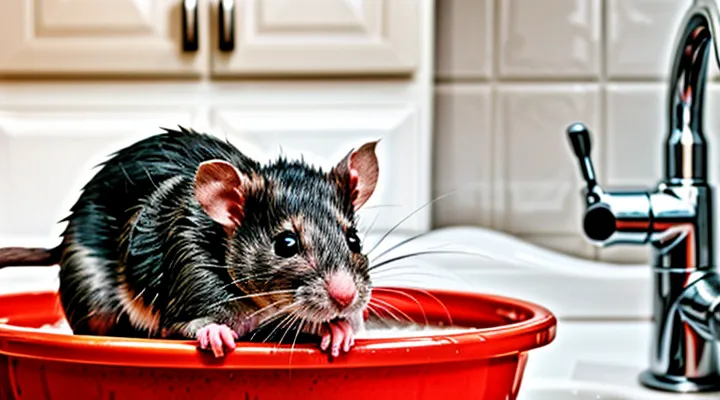
Understanding Your Domestic Rat's Grooming Needs
Natural Grooming Behavior
Domestic rats spend a significant portion of each day grooming themselves and each other. This activity serves several physiological and social functions:
- Removal of debris: Rats use their teeth and forepaws to dislodge dust, loose fur, and food particles from their coat.
- Parasite control: Self‑grooming and mutual grooming (allogrooming) help detect and reduce ectoparasite loads before infestations become severe.
- Thermoregulation: By arranging fur, rats maintain optimal insulation and dissipate excess heat.
- Social bonding: Grooming exchanges reinforce hierarchy and group cohesion, reducing stress levels.
These behaviors are instinctual and highly efficient. When a rat’s coat appears clean after routine grooming, external bathing offers limited additional benefit. Bathing can strip natural oils, disrupt skin pH, and increase the risk of hypothermia if not performed correctly. Moreover, frequent water exposure may provoke stress responses, leading to immunosuppression.
If a rat exhibits a persistent odor, visible matting, or a confirmed parasite problem, targeted cleaning—such as spot‑washing with a damp cloth or using a rat‑specific dry shampoo—may be appropriate. In such cases, limit water contact to brief, lukewarm rinses, dry the animal thoroughly, and monitor for signs of distress.
Overall, the rat’s inherent grooming routine provides adequate maintenance for most healthy pets. Intervening with full baths should be reserved for exceptional circumstances, not as a routine hygiene practice.
When a Rat Might Need a Bath: Exceptions
Mild Dirt or Stains
Mild dirt and light stains on a pet rat typically arise from bedding, food residue, or brief exposure to damp surfaces. These contaminants do not penetrate the skin and can be removed without a full bath.
- Use a damp, soft cloth to wipe the fur gently; avoid saturating the animal.
- Apply a small amount of warm water to the cloth, not directly to the rat.
- Pat the area dry with a lint‑free towel immediately after cleaning.
If the stain persists, a brief soak in lukewarm water (no more than a few minutes) may be necessary. Ensure the water temperature is between 35‑37 °C, and keep the rat’s head above the surface. After soaking, rinse with clean water, then dry thoroughly to prevent hypothermia.
Regular grooming with a soft brush reduces the frequency of mild stains, maintaining coat condition and minimizing the need for full washes.
Unpleasant Odors
Rats produce strong odors from urine, feces, and sebaceous secretions. These scents accumulate on the fur and skin, especially in cages with inadequate ventilation. The odor intensifies when waste is not removed promptly or when the animal is not bathed regularly.
Bathing a pet rat reduces volatile compounds that cause the smell. A warm, shallow water bath with a mild, fragrance‑free shampoo loosens dirt and dilutes urine residues. Rinse thoroughly to prevent residue that could irritate the skin and re‑emit odor.
After washing, dry the rat with a soft towel and keep it in a draft‑free area until completely dry. A clean cage, regular litter changes, and proper ventilation further diminish unpleasant smells.
Key steps for odor control:
- Daily spot cleaning of cage corners and bedding
- Weekly full cage cleaning with mild disinfectant
- Monthly grooming session that includes a brief bath
- Monitoring diet; high‑protein foods can increase urine odor
Implementing these practices maintains a cleaner environment and minimizes the characteristic rat odor.
Parasite Treatment (Under Vet Guidance)
Bathing a pet rat can expose it to parasites that thrive in moist environments. Effective parasite control requires veterinary supervision to prevent harm to the animal and ensure complete eradication.
Veterinarians assess the rat’s health, identify the specific parasite species, and prescribe appropriate medication. They also advise on safe bathing frequencies, temperature, and drying techniques to minimize stress and infection risk.
Key points for parasite treatment under professional guidance:
- Obtain a diagnosis before any treatment.
- Use only medications approved for rodents; dosage is weight‑specific.
- Follow the vet’s schedule for repeat doses, if necessary.
- Maintain a clean cage, replace bedding regularly, and disinfect accessories.
- Monitor the rat for adverse reactions such as lethargy, loss of appetite, or skin irritation; report concerns promptly.
Adhering to these protocols protects the rat’s health while allowing occasional cleaning when needed.
The Risks of Bathing a Domestic Rat
Stress and Fear
Bathing a pet rat can trigger acute stress and fear, which may compromise immune function and behavior. Rats perceive water as an unfamiliar stimulus; sudden exposure often elicits a fight‑or‑flight response. Elevated cortisol levels accompany the reaction, leading to reduced appetite, grooming deficits, and heightened aggression toward handlers.
Typical indicators of distress include:
- Rapid breathing or panting
- Vocalizations such as high‑pitched squeaks
- Attempts to escape the water source
- Hunched posture and reduced movement
- Excessive grooming or self‑biting after the session
To reduce anxiety, introduce water gradually. Begin with a shallow, lukewarm basin for a few seconds, allowing the rat to explore voluntarily. Pair the experience with a favored treat to create a positive association. Limit exposure to under two minutes, and dry the animal promptly with a soft towel to prevent chilling.
If the rat shows persistent fear, replace full baths with spot cleaning using a damp cloth. Regular cage maintenance—frequent litter changes, provision of chewable enrichment, and routine health checks—maintains hygiene without exposing the animal to the stressor of immersion.
Respiratory Issues
Bathing a pet rat can introduce respiratory complications if performed improperly. Wet fur retains moisture, creating an environment where mold and bacteria thrive. Inhalation of these microorganisms may trigger upper‑airway inflammation, nasal discharge, and wheezing. The risk escalates when a rat is exposed to harsh shampoos containing fragrances or detergents that irritate the mucosa.
Key factors that aggravate respiratory health during cleaning include:
- High humidity in the cage after a wash; damp bedding releases ammonia, a known irritant.
- Residual soap on the skin; chemical residues can be inhaled during grooming.
- Inadequate drying; prolonged dampness encourages fungal growth.
Signs of respiratory distress appear quickly. Common indicators are labored breathing, audible clicks or crackles, nasal sneezing, and reduced activity. Early detection prevents progression to pneumonia, which can be fatal in small rodents.
Preventive measures focus on minimizing moisture and chemical exposure. Use a damp cloth to spot‑clean the fur instead of full immersion, limit cleaning frequency to when the animal is visibly soiled, and ensure thorough drying with a low‑heat source or a warm, dry room. Replace bedding daily, maintain ventilation to reduce ammonia buildup, and select fragrance‑free, rodent‑safe grooming products when necessary.
Skin Irritation and Dryness
Washing a pet rat can disturb the protective lipid layer on its skin, making irritation and dryness more likely. Frequent or harsh cleaning removes sebum, reduces moisture retention, and leaves the epidermis vulnerable to environmental stressors.
Excessive bathing also alters the microbiome that normally competes with pathogenic organisms. When the balance shifts, inflammation increases and the skin becomes prone to flaking and reddening.
Typical indicators of skin problems include:
- Red or pink patches that do not fade quickly
- Rough, scaly texture on the back, neck, or tail
- Visible hair loss or thinning in localized areas
- Scratching or grooming behavior that seems excessive
Preventive and remedial measures:
- Limit full-body baths to once a month or less; spot-clean with a damp cloth for minor messes.
- Use a mild, fragrance‑free cleanser formulated for small mammals; avoid human shampoos and antibacterial soaps.
- Rinse thoroughly to eliminate residue that can irritate the skin.
- Pat dry with a soft towel; do not rub aggressively.
- Apply a thin layer of a veterinary‑approved moisturizer or lanolin ointment to dry spots, following the product’s dosage guidelines.
Monitoring skin condition after each wash helps identify early signs of trouble. If irritation persists despite these steps, consult a veterinarian for targeted treatment.
Hypothermia
Washing a pet rat involves direct contact with water, which can lower the animal’s core temperature and precipitate hypothermia.
Hypothermia occurs when body temperature falls below the normal range of 36‑38 °C (97‑100 °F). The condition slows metabolic processes, reduces heart rate, and impairs neurological function.
Water removes the insulating layer of fur, and evaporation extracts heat from the skin. Even brief exposure to cool water, followed by inadequate drying, can reduce a rat’s temperature enough to trigger hypothermia.
Observable signs
- Shivering or tremors
- Lethargy, reduced responsiveness
- Cold extremities, pale or bluish skin
- Slow or irregular breathing
Preventive actions
- Use lukewarm water (approximately 30 °C / 86 °F)
- Limit bathing time to a few minutes
- Pat dry immediately with a soft, absorbent towel
- Keep the rat in a warm, draft‑free environment after washing
- Monitor ambient temperature; maintain room temperature above 22 °C (72 °F)
If hypothermia is suspected, place the rat in a heated enclosure (e.g., a box with a low‑wattage heating pad set to safe temperature) and seek veterinary assistance without delay. Prompt warming and professional care improve survival prospects.
Proper Cleaning Techniques for Domestic Rats
Spot Cleaning: The Preferred Method
Using Damp Cloths or Wipes
Cleaning a pet rat with a damp cloth or wipes provides a practical alternative to full baths. This method removes surface dirt, urine stains, and mild odors without immersing the animal in water, which can cause stress and hypothermia.
A proper approach includes:
- Selecting a soft, lint‑free cloth or disposable pet‑safe wipes. Products containing alcohol, strong fragrances, or harsh chemicals must be avoided.
- Moisten the cloth with lukewarm water (approximately 37 °C). Excess water should be wrung out so the material is only slightly damp.
- Gently wipe the rat’s fur, focusing on the head, paws, and tail. Use light strokes to prevent pulling hair or irritating sensitive skin.
- Pay attention to the ventral area, where urine may accumulate. A brief, careful swipe can reduce odor and prevent skin irritation.
- After wiping, pat the animal dry with a clean towel. Allow the rat to move freely in a warm environment until the fur is completely dry.
When using disposable wipes, verify that the label specifies “vet‑approved” or “for small mammals.” Avoid wipes designed for human skin care, as they may contain ingredients toxic to rodents.
Frequency depends on the rat’s lifestyle. Animals housed in clean cages with regular bedding changes typically require spot cleaning once or twice a week. Rats that engage in frequent foraging or have a tendency to roll in bedding may need daily attention.
Safety considerations:
- Inspect the cloth or wipe for loose fibers that could be ingested.
- Monitor the rat’s reaction; signs of distress indicate the need to stop and reassess the technique.
- Do not substitute wipes for a thorough bath when the rat is heavily soiled or has a skin condition requiring medicated cleansing.
Using damp cloths or wipes offers a low‑stress, efficient means to maintain hygiene for domestic rats, complementing regular cage cleaning and occasional full baths when necessary.
Focus on Dirty Areas
Domestic rats accumulate debris in specific body regions that can become sources of odor, infection, or skin irritation. Identifying and addressing these zones reduces health risks and maintains a comfortable environment for the animal.
The most commonly contaminated areas include:
- Tail base and ventral fur – fecal residue and urine often collect where the tail meets the hindquarters, creating a damp, smelly mat.
- Perianal region – direct contact with stool leads to irritation, bacterial overgrowth, and potential dermatitis.
- Forepaws and hind paws – contact with bedding, food spillage, and cage surfaces deposits grit and organic matter, which can cause cracking of pads.
- Facial whisker pads – inhaled dust and food particles settle on the sensitive skin surrounding the whiskers, fostering fungal growth.
- Ear openings – wax and debris accumulate, especially in rats with longer fur, increasing the likelihood of ear infections.
Cleaning these zones requires targeted methods. Use a soft, damp cloth or a cotton swab moistened with warm water to gently remove visible waste from the tail base and perianal area. For paws, soak a small piece of gauze in lukewarm water, press lightly, and wipe each pad, ensuring no residual moisture remains. Facial pads can be cleared with a fine, damp brush, taking care not to disturb the whiskers. Ear canals should be inspected; a cotton tip lightly dampened with saline solution can remove excess wax, but insertion must be shallow to avoid damage.
If a rat exhibits persistent soiling, underlying health issues such as gastrointestinal upset or urinary tract infection may be present. In such cases, consult a veterinarian before implementing regular washing routines. Properly addressing dirty areas minimizes the need for full-body baths, which can stress the animal and disrupt its natural oil balance.
The «Shallow Dish» Method (If Necessary)
Lukewarm Water Only
Bathing a pet rat requires water that is neither cold nor hot. Lukewarm water preserves the animal’s body temperature and prevents shock.
The ideal temperature lies between 30 °C and 35 °C (86 °F‑95 °F). Water below this range can cause hypothermia; water above it may burn delicate skin and damage respiratory mucosa.
Preparation begins with a shallow basin that allows the rat to stand without submerging its head. Fill the basin with the measured lukewarm water, then test the temperature with a thermometer or the inner wrist. Dry towels, a soft brush, and a mild, rodent‑safe soap should be within reach.
- Place the rat gently in the water, supporting its body.
- Keep the head above water at all times.
- Use a soft brush to remove debris; avoid vigorous scrubbing.
- Apply a few drops of rodent‑safe soap, if needed, and rinse quickly with fresh lukewarm water.
- Lift the animal, pat dry with a towel, and keep it warm until fully dry.
After the bath, inspect the coat for injuries, ensure the rat is warm, and return it to its enclosure. Regular use of lukewarm water maintains hygiene without compromising health.
Supervised Short Soaks
Supervised short soaks provide a controlled method for cleaning pet rats without exposing them to the stress of a full bath. The technique involves immersing the animal in lukewarm water for a limited period while a handler maintains constant visual contact and support.
The procedure consists of the following steps:
- Prepare a shallow container with water at 30‑32 °C (86‑90 °F).
- Place a non‑slip mat at the bottom to prevent slipping.
- Gently lower the rat into the water, ensuring the head remains above the surface.
- Keep the immersion time between 30 seconds and 2 minutes, depending on the animal’s tolerance.
- Use a soft cloth or pet‑safe shampoo sparingly on the fur, avoiding the eyes and ears.
- Rinse briefly with clean lukewarm water.
- Dry the rat with a low‑heat hair dryer or a soft towel, monitoring for signs of chill.
Key considerations:
- Supervision eliminates the risk of drowning; the handler must keep a hand ready to lift the rat instantly.
- Short duration prevents hypothermia and limits stress hormones.
- Water temperature must remain stable; cold water can cause vasoconstriction, while hot water may burn sensitive skin.
- Use only products formulated for small mammals; human shampoos can disrupt skin pH.
- After the soak, observe the rat for abnormal behavior, excessive shaking, or signs of respiratory distress.
When applied correctly, supervised short soaks clean fur, remove debris, and reduce odor without the drawbacks of prolonged bathing. The method is suitable for routine grooming, veterinary preparation, or occasional cleaning when the animal’s health permits.
Gentle Drying
After a rat is bathed, immediate drying prevents heat loss, reduces the risk of respiratory infection, and maintains coat condition. Use a low‑temperature, low‑air‑flow source to avoid chilling.
- Place the rat on a clean, absorbent towel; pat the fur gently, avoiding vigorous rubbing that can damage delicate hair.
- Apply a second dry towel, covering the body and limbs; press lightly for 30–60 seconds to remove excess moisture.
- If a hair‑dryer is employed, set it to the coolest or warmest comfortable setting, hold it at least six inches away, and move it continuously to prevent localized heating.
- Allow the rat to remain on the towel until the coat feels dry to the touch; typical drying time ranges from five to ten minutes, depending on ambient temperature and fur length.
A quiet, draft‑free area with a stable temperature (20–24 °C) supports efficient drying. Avoid direct sunlight, fans, or open windows that create drafts. Ensure the surface is non‑slippery to prevent falls.
Observe the rat for signs of discomfort: shivering, excessive grooming, or lethargy indicate insufficient drying or overheating. Adjust the drying method promptly, then return the animal to its enclosure with fresh bedding and access to water.
Products to Avoid
Human Shampoos and Soaps
Human shampoos and soaps are formulated for a skin pH of 5.5 – 6.0, whereas the typical rat’s skin pH ranges from 7.0 – 8.0. This mismatch can disrupt the rodent’s acid‑mantle, leading to irritation, increased susceptibility to infection, and loss of natural oils that protect fur integrity. Many commercial products contain fragrances, preservatives, and surfactants such as sodium lauryl sulfate, which are known irritants for small mammals. Residual detergent can also be absorbed through the skin, potentially causing systemic toxicity.
Key considerations when evaluating human cleansing agents for rats:
- pH compatibility – Products with neutral or slightly alkaline pH (7.0 – 7.5) are less likely to disturb skin balance.
- Ingredient simplicity – Formulations limited to mild, biodegradable surfactants, without added dyes or strong fragrances, reduce the risk of dermatitis.
- Rinse efficacy – Complete removal of product residues is essential; incomplete rinsing leaves surfactant films that attract dirt and promote bacterial growth.
- Toxicity profile – Ingredients classified as non‑toxic to rodents (e.g., hypoallergenic baby shampoo) are preferable to those containing parabens, sulfates, or essential oils.
For routine grooming, veterinary‑approved rodent shampoos provide pH‑adjusted, low‑irritant formulations designed to preserve the cutaneous microbiome and maintain coat quality. When a human product must be used in an emergency, select a fragrance‑free, sulfate‑free baby wash, dilute it 1 : 10 with warm water, apply briefly, and rinse thoroughly with deionized water. Follow with a gentle towel dry and monitor the animal for signs of redness, scratching, or behavioral changes.
Harsh Chemicals
Washing a pet rat often involves cleaning agents, but many of these substances pose serious health risks to the animal.
Harsh chemicals commonly found in household cleaners include:
- Sodium hypochlorite (bleach) – corrosive to skin and mucous membranes.
- Ammonia – irritates respiratory tract and eyes.
- Strong detergents with high‑pH surfactants – disrupts natural skin oils, leading to dryness and infection.
- Alcohol‑based solutions – cause rapid dehydration of skin and can be absorbed systemically.
- Essential‑oil blends and scented soaps – contain compounds toxic to rodents in small doses.
These agents can penetrate the thin epidermis of a rat, resulting in dermatitis, respiratory distress, and gastrointestinal upset if the animal licks residues. They also alter the balance of normal skin flora, increasing susceptibility to opportunistic pathogens.
Safe cleaning practices recommend:
- Use only water‑based, fragrance‑free pet shampoos formulated for small mammals.
- Verify that the product’s pH is close to neutral (6.5–7.5).
- Apply a minimal amount, massage gently, and rinse thoroughly to remove all traces.
- Allow the rat to dry in a warm, draft‑free environment before returning it to its cage.
Avoiding harsh chemicals eliminates preventable injuries and supports the rat’s overall health during grooming.
Perfumed Products
Perfumed grooming products are sometimes considered for pet rats to mask odors or provide a pleasant scent. Their composition typically includes essential oils, synthetic fragrances, alcohol, and preservatives. Rats possess a highly sensitive olfactory system; exposure to strong scents can trigger stress, respiratory irritation, or loss of appetite.
When cleaning a pet rat, the following points are critical:
- Choose unscented, hypoallergenic shampoos formulated for small mammals; avoid any product labeled “perfumed” or “fragrance‑free.”
- If a scented product is deemed necessary, verify that each ingredient is listed as safe for rodents; substances such as citrus oil, eucalyptus, and tea tree oil are documented irritants.
- Apply the product sparingly; a few drops diluted in warm water are sufficient for a brief rinse. Rinse thoroughly to eliminate residue.
- Observe the animal for signs of discomfort—rapid breathing, excessive grooming, or avoidance of food—within the first hour after bathing.
Alternatives to scented cleaners include:
- Plain warm water with a soft cloth for spot cleaning.
- Veterinary‑approved dry‑shampoo powders that contain no fragrance.
- Regular cage cleaning to reduce the need for frequent baths.
The primary goal of any grooming routine is to maintain hygiene without compromising the rat’s natural scent cues, which are essential for social interaction and environmental navigation. Perfumed products, when misapplied, undermine this balance and present unnecessary health risks.
Maintaining a Clean Environment to Prevent Odor
Regular Cage Cleaning
Regular cage cleaning is a fundamental component of maintaining a healthy environment for a pet rat. Accumulated waste, urine, and food debris create conditions that promote bacterial growth, respiratory irritation, and skin problems for the animal. Consistent removal of contaminants reduces the risk of disease and supports the rat’s natural grooming behavior.
Effective cleaning routine:
- Empty the cage completely, discarding all bedding, nesting material, and uneaten food.
- Rinse the interior with warm water; avoid harsh detergents that may leave residues.
- Apply a pet‑safe disinfectant, following the manufacturer’s dilution instructions.
- Scrub surfaces with a non‑abrasive brush to eliminate biofilm.
- Rinse thoroughly to remove any chemical traces.
- Dry the cage completely before adding fresh bedding and accessories.
Frequency guidelines:
- Spot‑clean daily: remove soiled bedding, droppings, and leftover food.
- Perform a full clean weekly for standard cages; increase to twice weekly for larger or heavily used enclosures.
- Inspect ventilation openings and water bottles during each cleaning session; replace or sanitize as needed.
Additional considerations:
- Use absorbent, low‑dust bedding such as paper or aspen shavings; these materials simplify waste removal and minimize respiratory irritants.
- Rotate toys and enrichment items periodically; wash them with the same disinfectant protocol to prevent cross‑contamination.
- Monitor the rat’s behavior after cleaning; a calm, active animal indicates that the environment is comfortable and safe.
By adhering to a disciplined cleaning schedule, owners eliminate the need for frequent bathing of the rat itself, allowing the animal’s own grooming mechanisms to function efficiently while preserving overall health.
Appropriate Bedding Materials
Choosing the right substrate directly influences a pet rat’s skin condition and the likelihood that a bath will be necessary. A clean, absorbent, low‑dust environment minimizes moisture buildup, prevents skin irritation, and reduces the risk of fungal or bacterial infections that might otherwise require washing.
- Paper‑based bedding (e.g., shredded paper, recycled newspaper): high absorbency, low dust, easy to replace, unlikely to cling to fur.
- Aspen shavings: low aromatic oils, moderate dust, provides good ventilation, suitable for long‑term use.
- Coconut fiber (coir): excellent moisture control, natural antimicrobial properties, but requires regular replacement to avoid mold.
- Hemp bedding: biodegradable, low dust, good odor control, compatible with most cage designs.
Materials that should be avoided:
- Pine or cedar shavings: contain phenols that can irritate respiratory passages and skin.
- Dusty straw or hay: excessive particles cling to fur, increase grooming effort, and may introduce parasites.
- Scented or chemically treated substrates: risk of allergic reactions and skin sensitivity.
Maintenance recommendations:
- Replace bedding completely every 1–2 weeks, or sooner if dampness is observed.
- Spot‑clean soiled sections daily; remove urine pads and feces promptly.
- Use a shallow dish of clean water for drinking; avoid large water bowls that may soak bedding.
- Monitor the cage for wet spots after feeding or misting; dry immediately to prevent fur saturation.
Proper substrate selection and diligent cage upkeep keep the rat’s coat dry and healthy, thereby reducing the need for bathing.
Dietary Considerations
When evaluating whether to bathe a pet rat, the animal’s diet directly influences skin health, odor, and the likelihood of contamination. Nutrient deficiencies weaken the integumentary system, increasing susceptibility to infections that may appear as grime or discharge. A well‑balanced regimen—high‑quality rodent pellets supplemented with fresh vegetables and limited treats—provides essential proteins, vitamins A and E, and omega‑3 fatty acids, all of which support a resilient coat and reduce the need for external cleaning.
Excessive fat or sugary foods promote oily skin secretions and can lead to sticky fur, creating the impression that a bath is necessary. Conversely, a diet lacking in fiber impairs digestion, resulting in fecal matter adhering to the tail and hindquarters, which owners might mistake for dirt. Regular provision of roughage, such as timothy hay or small amounts of whole grain, encourages proper grooming behavior and minimizes debris accumulation.
Key dietary practices that diminish bathing requirements include:
- Feeding commercially formulated rat pellets as the primary source of nutrition.
- Offering a daily portion of fresh leafy greens (e.g., kale, romaine) for vitamins and antioxidants.
- Limiting high‑sugar treats to no more than 5 % of total caloric intake.
- Ensuring constant access to clean water to maintain hydration and skin moisture balance.
- Incorporating a modest amount of omega‑3–rich foods (e.g., flaxseed oil) once or twice weekly.
By maintaining optimal nutrition, owners reduce the incidence of oily fur, odor, and visible waste, thereby lessening the justification for frequent washing. Proper diet also promotes natural self‑grooming, which is the most effective method for keeping a domestic rat clean.
Consulting a Veterinarian
Consult a veterinarian before bathing a pet rat to ensure the procedure does not jeopardize health. A professional assessment identifies skin conditions, respiratory sensitivity, or underlying illnesses that could be aggravated by water exposure.
When contacting the clinic, provide:
- Rat’s age, weight, and breed
- Recent health history, including signs of dermatitis, sneezing, or lethargy
- Current diet and any supplements
- Frequency of previous baths, if any, and observed reactions
- Specific concerns about water temperature, type of cleanser, and drying method
The veterinarian may recommend:
- Deferring baths entirely if the rat has a compromised immune system or respiratory issues
- Using a damp cloth or specialized grooming wipes instead of full immersion
- Selecting a hypoallergenic, fragrance‑free cleanser formulated for small rodents
- Implementing a gradual acclimation protocol to reduce stress during cleaning
Follow the professional guidance precisely. Adjust grooming practices according to the vet’s instructions to maintain the rat’s well‑being while preserving hygiene.