
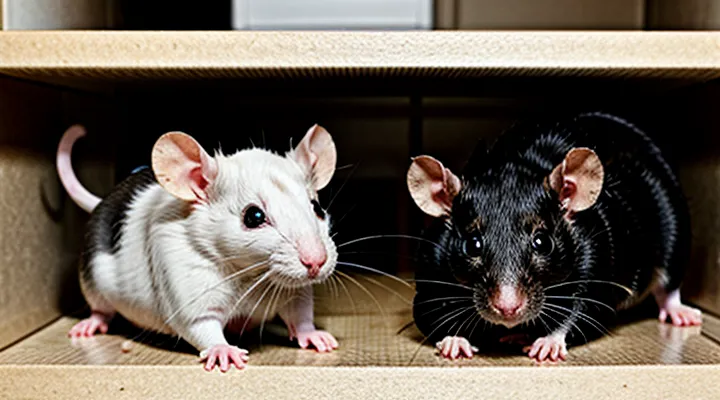
Understanding Rats as Pets
Rat Characteristics and Behavior
Intelligence and Trainability
Rats demonstrate problem‑solving abilities comparable to those of dogs and some primates. They navigate mazes, remember routes, and adapt to new obstacles after a few exposures. Their capacity for abstract learning enables them to distinguish between different shapes, colors, and sounds, which underpins reliable training outcomes.
Training a rat relies on consistent positive reinforcement. Simple commands—such as “come,” “stay,” or “target” (touching a designated object)—can be mastered within weeks. Rats also learn tricks like climbing obstacles, retrieving small items, and performing timed runs on agility courses. Their short attention span necessitates brief, frequent sessions; reward timing must be immediate to cement the association.
Advantages of rat intelligence and trainability
- Rapid acquisition of new tasks reduces the time required for basic obedience.
- Ability to perform complex behaviors enriches owner interaction and stimulation.
- High adaptability allows rats to adjust to changes in environment or routine.
Limitations of rat intelligence and trainability
- Short memory retention may cause learned behaviors to fade without regular reinforcement.
- Sensitivity to stress can impair learning if handling is inconsistent or harsh.
- Physical size restricts the scope of tricks compared with larger companion animals.
Social Nature
Rats are highly social mammals that thrive on interaction with conspecifics and humans. In a domestic setting, they form strong bonds with owners, respond to vocalizations, and display cooperative behaviors such as grooming and shared nesting.
-
Positive aspects of social nature
- Enhanced mental stimulation when provided with a companion rat or regular human contact.
- Reduced stress levels observable through decreased cortisol and increased exploratory activity.
- Ability to learn simple tricks and respond to hand‑feeding, indicating receptiveness to training.
- Frequent vocalizations and body language enable owners to interpret needs and emotions.
-
Potential drawbacks of social nature
- Single rats may develop loneliness, leading to stereotypic behaviors like excessive chewing or self‑injury.
- Pair housing requires compatible personalities; mismatched pairings can result in aggression and injury.
- High social demand may necessitate daily interaction, increasing caretaker time commitment.
- Social hierarchy can cause dominance disputes, requiring vigilant monitoring and possible separation.
Understanding the species‑specific need for companionship informs the decision to adopt a rat. Prospective owners should plan for either a bonded pair or a schedule that guarantees multiple daily interactions to satisfy the animal’s innate sociability.
Grooming Habits
Rats require regular grooming to stay healthy and comfortable. Their fur sheds naturally; brushing once a week with a soft pet brush reduces loose hair and prevents matting. A gentle comb can remove debris from the undercoat, especially after baths.
Bathing a rat is optional but useful for odor control. Use lukewarm water and a mild, animal‑safe shampoo; limit sessions to a few minutes to avoid stress. After bathing, dry the animal with a low‑heat hair dryer or a soft towel, then apply a light mist of hypoallergenic conditioner if the coat appears dry.
Nail trimming prevents overgrowth that can interfere with movement and cause injury. Trim the distal portion of each toe with small animal nail clippers, avoiding the quick—a pink line visible in lighter‑colored rats. Perform this task every four to six weeks or when nails become sharp.
Ear cleaning removes excess wax and debris. Inspect the ear canal weekly; if wax accumulates, use a cotton swab dampened with a veterinarian‑approved ear cleaner, never inserting it deep into the canal.
Dental health is critical because rats’ incisors grow continuously. Provide chew toys made of untreated wood or safe mineral blocks to wear down teeth naturally. Schedule veterinary checks every six months to monitor tooth length and alignment.
Key grooming responsibilities
- Weekly brushing and occasional combing
- Bathing only when necessary, using mild shampoo
- Nail trimming every 4–6 weeks
- Weekly ear inspection and cleaning if needed
- Continuous dental wear through appropriate chew items
Adhering to this routine minimizes health risks, reduces odor, and enhances the rat’s overall well‑being, making the animal a more manageable companion.
The Commitment of Rat Ownership
Lifespan
Pet rats generally live between two and three years, though individual outcomes vary. Genetic background, diet quality, and environmental conditions are the primary determinants of longevity. A balanced feed rich in protein, low in excessive fats, and supplemented with fresh vegetables can extend the expected lifespan by several months. Clean housing, regular cage cleaning, and proper ventilation reduce the risk of respiratory infections, a common cause of premature death.
Factors that may shorten a rat’s life include:
- Overcrowding, which increases stress and disease transmission.
- Inadequate enrichment, leading to chronic boredom and self‑injury.
- Exposure to extreme temperatures, which compromises immune function.
- Lack of veterinary care for common ailments such as tumors or dental problems.
Owners should anticipate a relatively short commitment compared with larger mammals. The limited lifespan may appeal to individuals seeking a brief, manageable pet experience, but it also requires readiness for inevitable loss within a few years. Planning for end‑of‑life care, including humane euthanasia options, is an essential component of responsible rat ownership.
Time Investment
Rats require a consistent daily schedule. Feeding, water refreshment, and health checks must occur at least once every 24 hours. Neglecting this routine can lead to dehydration, weight loss, or illness.
- Morning: Provide fresh food, replace water, inspect cage for signs of damage or waste buildup.
- Midday: Offer enrichment items (toys, tunnels) and brief handling to maintain social bonds.
- Evening: Conduct a thorough cleaning of the cage floor, replace bedding, and perform a quick health scan (eyes, nose, fur condition).
Interaction time is essential for mental stimulation. Rats thrive on social contact; 15–30 minutes of gentle handling or supervised play each day supports habituation and reduces stress‑related behaviors.
Weekly tasks include deep cleaning of the entire enclosure, sterilizing food dishes, and rotating enrichment objects to prevent boredom. These activities typically demand 1–2 hours, depending on cage size and the number of rats.
Overall, prospective owners must allocate roughly 30 minutes daily and several hours weekly to maintain a healthy, engaged rat. Failure to meet these time commitments compromises welfare and may increase veterinary costs.
The Pros of Owning a Pet Rat
Companionship and Affection
Unique Bonds with Owners
Rats form relationships that differ markedly from those of typical household pets. Their social nature drives frequent interaction; a single rat will seek eye contact, follow its owner around the room, and initiate gentle nibbling as a sign of trust. This behavior reflects a capacity for reciprocal affection that rivals that of larger mammals.
Communication with a rat relies on a combination of vocalizations, body posture, and scent marking. High‑frequency squeaks often indicate excitement, while a relaxed posture and slow grooming signals contentment. Owners who learn to interpret these cues can respond appropriately, reinforcing the bond through consistent, positive reinforcement.
Training reinforces connection. Simple tasks—such as navigating a maze or retrieving a small object—can be taught within weeks, provided the owner uses clear, repeatable cues and rewards. Successful training sessions produce mutual satisfaction: the rat experiences mental stimulation, and the owner observes measurable progress.
Emotional benefits extend to the caretaker. Studies show that interacting with a small rodent reduces cortisol levels and promotes a sense of companionship, especially for individuals living in limited space. The rat’s need for regular handling creates routine, encouraging owners to maintain a structured daily schedule.
Key elements of the rat‑owner bond:
- Mutual grooming or gentle nibbling that signals trust
- Recognition of specific vocal patterns linked to emotional states
- Cooperative problem‑solving tasks that engage both parties
- Consistent, brief handling sessions that strengthen familiarity
Understanding these dynamics helps prospective owners evaluate whether a rat’s distinctive companionship aligns with personal expectations and lifestyle constraints.
Interactive and Playful
Rats thrive on human contact and respond quickly to gentle handling. They recognize individual voices, seek attention, and often follow owners around cages or play areas.
- Accept petting and lap time without aggression.
- Exhibit curiosity toward new objects, prompting exploration.
- Learn simple tricks such as target training, spin, or fetch.
- Show affection by grooming each other and occasionally nibbling gently.
Play behavior defines rat companionship. They manipulate toys, navigate mazes, and solve puzzles, demonstrating problem‑solving skills that keep owners engaged.
- Prefer tunnels, chew blocks, and climbing structures.
- Engage in rapid bursts of movement, chasing balls or rolling objects.
- Perform social games with cage mates, including wrestling and chasing.
- Adapt to interactive devices like treat dispensers and puzzle wheels.
Interactive and playful nature requires consistent enrichment. Owners must provide fresh toys, regular cage rearrangement, and daily supervised out‑of‑cage time; neglect leads to boredom, stress, and destructive chewing.
- Time commitment: multiple short sessions each day.
- Risk of damage to furniture or cords if supervision lapses.
- Need for safe, chew‑resistant materials to prevent injury.
- Potential for noisy activity during nighttime hours.
Ease of Care
Relatively Small Space Requirements
Rats require cages that are significantly smaller than those needed for dogs or cats. A single adult can thrive in a cage measuring roughly 45 × 30 × 30 cm, provided the enclosure includes multiple levels or platforms to exploit their climbing instinct. The compact footprint makes rats suitable for apartments, dorm rooms, or any household where floor space is limited.
Key considerations for space:
- Minimum floor area: 0.15 m² per rat; additional space improves welfare.
- Vertical enrichment: ladders, tubes, and shelves increase usable volume without expanding the floor plan.
- Bedding depth: 2–3 cm of absorbent substrate prevents odor buildup and supports hygiene.
- Accessibility: cage must fit through standard doorways and allow easy cleaning without disassembly.
- Co‑habitation: multiple rats share the same enclosure, eliminating the need for separate cages and further reducing spatial demand.
Dietary Needs
Rats require a balanced diet that mimics their natural omnivorous habits while meeting the nutritional standards of a domestic pet. A typical daily regimen includes:
- High‑quality commercial rodent pellets as the staple source of protein, fat, vitamins, and minerals.
- Fresh vegetables such as carrots, broccoli, kale, and bell peppers, offered in small quantities to supply fiber and antioxidants.
- Limited fruit portions (e.g., apple, banana, berries) to provide natural sugars, avoiding citrus and avocado due to toxicity.
- Occasional protein treats like cooked egg, lean chicken, or mealworms, not exceeding 10 % of total intake.
- Fresh water available at all times, refreshed daily.
Nutritional deficiencies arise when the diet relies heavily on seeds, nuts, or sugary snacks, which can lead to obesity, dental problems, and metabolic disorders. Excess calcium from dairy products or hard‑shell foods may cause kidney strain. Grain‑based treats should be minimized to prevent gastrointestinal upset.
Monitoring body condition, coat quality, and activity levels offers practical indicators of dietary adequacy. Adjustments should be made promptly if weight fluctuations exceed 5 % of ideal body mass or if the rat exhibits lethargy, hair loss, or abnormal stool. Regular veterinary check‑ups reinforce proper nutrition management and identify hidden health issues early.
Educational Value
Teaching Responsibility
Owning a rat introduces daily tasks that directly develop responsible behavior. Feeding a rat requires measuring precise portions and providing fresh water each day; neglecting either can lead to health problems. Cleaning the cage on a regular schedule eliminates odor, prevents disease, and reinforces a habit of maintaining a living environment. Monitoring the animal’s health—checking for signs of illness, administering medication when needed, and scheduling veterinary visits—teaches attention to detail and proactive care.
These routines create a predictable structure. When a caretaker consistently meets the animal’s needs, they experience tangible results: a lively, healthy pet and a clear link between effort and outcome. This feedback loop strengthens accountability and time‑management skills.
Potential challenges include:
- Unexpected schedule changes that disrupt feeding or cleaning.
- The need to balance the rat’s requirements with personal commitments.
- Handling the emotional impact of illness or loss.
Addressing these obstacles requires planning, such as setting reminders, arranging backup caregivers, and learning basic first‑aid procedures. By meeting these demands, individuals gain practical experience that translates to broader life responsibilities, from household management to workplace duties.
Learning About Animal Behavior
When evaluating a rat as a companion, knowledge of rodent behavior supplies essential data for care planning. Understanding natural activity cycles, social preferences, and environmental needs clarifies expectations and informs responsible ownership.
- Activity peaks occur during twilight hours; rats explore, chew, and groom extensively during these periods.
- Social structure favors pair or group living; isolation can trigger stress‑related behaviors.
- Foraging instincts drive frequent manipulation of objects; enrichment items reduce stereotypic actions.
- Hierarchical interactions may produce dominance displays; balanced group composition mitigates aggression.
Behavioral patterns influence household arrangements. Rats require secure cages with vertical space, chew‑resistant materials, and regular interaction to maintain mental health. Their propensity for nocturnal activity may affect noise levels and lighting schedules in shared living spaces.
Health outcomes correlate with behavior. Proper grooming reduces skin infections; social housing lowers incidence of respiratory issues linked to stress. Enrichment that satisfies exploratory drives supports immune function and weight stability.
Social dynamics extend to human interaction. Rats exhibit curiosity toward humans, respond to gentle handling, and can learn simple tasks. Consistent, positive engagement strengthens trust, reduces fear responses, and enhances overall welfare.
The Cons of Owning a Pet Rat
Health Considerations
Common Health Issues
Pet rats are prone to several health conditions that owners should recognize promptly.
-
Respiratory infections – Often caused by Mycoplasma pulmonis or viral agents. Symptoms include sneezing, nasal discharge, labored breathing, and reduced activity. Early veterinary assessment and appropriate antibiotics or supportive care improve outcomes.
-
Skin disorders – External parasites such as mites and fleas, as well as fungal infections like ringworm, manifest as hair loss, itching, or crusty lesions. Regular grooming, clean bedding, and routine parasite control reduce incidence.
-
Tumors – Mammary adenomas and fibrosarcomas are common in adult females. Palpable masses in the mammary chain or abdomen warrant immediate veterinary examination; surgical removal is the primary treatment.
-
Dental problems – Continuously growing incisors can overgrow if diet lacks sufficient chew material, leading to malocclusion, difficulty eating, and facial swelling. Providing fresh vegetables, wooden chew toys, and regular dental checks prevent severe complications.
-
Gastrointestinal issues – Diarrhea, constipation, or bloating may result from dietary imbalances, stress, or bacterial overgrowth. Monitoring stool consistency, offering high‑fiber foods, and avoiding sudden diet changes help maintain gut health.
-
Metabolic disorders – Obesity and diabetes emerge from excessive high‑calorie treats and limited exercise. Maintaining a balanced diet, measuring portions, and encouraging activity through enrichment items mitigate these risks.
Preventive measures include a clean cage environment, a diet rich in fresh produce and low‑fat pellets, regular health checks, and prompt veterinary consultation at the first sign of abnormal behavior or physical changes.
Veterinary Care Costs
Rats require regular veterinary attention to maintain health and prevent costly emergencies. Routine examinations typically range from $30 to $60 per visit, covering weight checks, dental inspection, and basic blood work. Preventive care includes vaccinations where available, parasite control, and annual health screens; these services add $20‑$40 each year. Common ailments such as respiratory infections, tumors, and dental overgrowth can demand specialized treatment, with medication and procedures costing $50‑$150 per incident. Emergency interventions, for example severe injuries or acute illness, often exceed $200, especially if hospitalization or surgery is required.
Owners should allocate a monthly budget of $10‑$15 for routine care, plus a contingency fund of $200‑$300 for unexpected health issues. Purchasing pet‑insurance plans specific to small mammals may offset expenses, though premiums usually start at $10 per month and cover a portion of veterinary fees after deductibles.
Key cost considerations:
- Annual wellness exam: $30‑$60
- Vaccinations/parasite prevention: $20‑$40
- Common illness treatment: $50‑$150 per case
- Emergency care: $200+
- Optional insurance: $10‑$15 per month
Accurate budgeting ensures that financial constraints do not compromise the rat’s well‑being.
Maintenance and Upkeep
Cage Cleaning
Cleaning a rat’s cage is a critical factor when evaluating the suitability of a rat as a domestic animal. Rats produce waste rapidly, and their small enclosures can become unsanitary within hours if not maintained. Regular cleaning prevents odor, disease transmission, and stress for the animal, directly influencing the owner’s workload and ongoing expenses.
Effective cage maintenance follows a repeatable routine.
- Daily: Remove leftover food, replace water, spot‑clean soiled bedding, and inspect for droppings.
- Weekly: Empty the entire cage, discard all bedding, wash all surfaces with mild detergent, rinse thoroughly, and allow to dry before adding fresh substrate.
- Monthly: Inspect structural components for wear, replace chew‑proof liners, and deep‑clean accessories such as tunnels and wheels.
Materials and costs are predictable. Standard bedding (paper or wood pulp) costs roughly $5–$10 per pound and lasts one to two weeks per cage. Detergents and disinfectants add $0.50–$1 per cleaning session. Time investment averages 10–15 minutes daily and 30–45 minutes weekly, assuming a standard 20‑inch cage.
Failure to adhere to this schedule results in ammonia buildup, respiratory irritation, and heightened risk of bacterial infections. Prospective owners must weigh these responsibilities against the benefits of rat companionship, recognizing that cage hygiene demands consistent effort and modest financial outlay.
Odor Management
Rats emit a musky scent that intensifies when their cages are not cleaned regularly. Effective odor control depends on routine maintenance, appropriate bedding, and ventilation.
- Remove droppings and uneaten food daily; waste is the primary source of ammonia.
- Replace soiled bedding at least once a week; paper-based or aspen shavings absorb moisture better than pine, which releases aromatic oils.
- Provide a well‑ventilated cage; mesh sides or a small fan reduce stagnant air.
- Use an enzymatic cleaner on cage surfaces; enzymes break down organic compounds that cause odor.
- Store food in sealed containers; exposure to air accelerates spoilage and smell.
A healthy rat will produce minimal odor if its environment remains clean. Neglecting these practices leads to persistent unpleasant smells that can affect the entire household.
Potential Challenges
Escape Artists
Rats possess a remarkable capacity for escaping confinement, a characteristic that directly influences the decision to adopt one as a companion. Their bodies can compress to pass through openings smaller than a coin, and continuously growing incisors enable them to gnaw through plastic, wood, and even thin metal. These traits demand cages with reinforced metal bars, latch mechanisms that require deliberate pressure, and solid flooring that eliminates gaps.
Secure enclosures must feature bar spacing no greater than half an inch, hinges that close inward, and locks that cannot be disengaged by a single paw. Reinforced corners and mesh coverings prevent rats from exploiting weak points. Regular inspection of hinges, screws, and seals identifies wear before an escape becomes possible.
Uncontrolled escape presents several concerns. An escaped rat may infiltrate household wiring, chew cables, or contaminate food supplies. Outside the home, it can become a pest, compete with native species, and increase exposure to predators and pathogens. Owners also face increased stress and potential liability if the animal is found in public spaces.
Mitigation measures include:
- Selecting cages rated for small rodents with certified lock systems.
- Adding a secondary enclosure or playpen that can be sealed during unsupervised periods.
- Providing enrichment such as tunnels, chew toys, and foraging opportunities to reduce motivation to flee.
- Implementing a daily routine of cage checks, focusing on latch integrity and bar alignment.
Understanding the escape‑prone nature of rats equips prospective owners with the knowledge needed to balance the animal’s intelligence and social benefits against the practical demands of containment. Proper preparation minimizes risk while preserving the rewarding aspects of rat companionship.
Social Needs and Multiples
Rats are highly social mammals; isolation can lead to chronic stress, reduced activity, and increased aggression. A solitary rat often exhibits repetitive behaviors such as bar‑bending, excessive grooming, or self‑injury, indicating unmet social needs.
Keeping more than one rat addresses these issues directly. Multiple rats provide mutual grooming, play, and hierarchy formation, which promote mental stimulation and physical exercise. The presence of a companion reduces cortisol levels and encourages natural foraging and nesting behaviors.
Key considerations when opting for a pair or group:
- Space: Each adult rat requires at least 2 gallons of floor area; a group needs a cage large enough to allow separate territories.
- Gender balance: Same‑sex groups avoid breeding; opposite‑sex pairs require sterilization to prevent unwanted litters.
- Introduction protocol: Gradual, supervised meetings in neutral territory prevent fights and facilitate bond formation.
- Resource distribution: Multiple water bottles, food dishes, and hideouts prevent competition and ensure equal access.
Financial implications rise with additional animals: higher feed consumption, more bedding, and increased veterinary expenses. However, the health benefits and behavioral stability often offset these costs by reducing the need for medical intervention caused by stress‑related ailments.
In summary, the social nature of rats makes companionship a critical factor in their welfare. Prospective owners should evaluate cage capacity, gender dynamics, and budget before committing to multiple pets to ensure a harmonious and healthy environment.
Making an Informed Decision
Evaluating Your Lifestyle
Time Availability
Rats demand a predictable daily routine. Feeding, watering, and cage cleaning must occur at least once every 24 hours; neglect for more than a day can lead to health issues. Interaction time is equally critical: rats thrive on social contact, requiring 30–60 minutes of focused handling or supervised play each day to maintain mental well‑being.
- Feeding: 5–10 minutes, twice daily
- Water refill and bottle check: 2–3 minutes, once daily
- Cage spot‑cleaning: 10–15 minutes, every 2–3 days
- Full deep‑clean: 30–45 minutes, weekly
- Social interaction: 30–60 minutes, daily
Time constraints influence the decision to keep a rat. Owners with irregular schedules or long work hours may struggle to meet the daily interaction quota, increasing stress for the animal and risk of behavioral problems. Conversely, individuals with flexible routines can integrate care tasks into short intervals, minimizing disruption.
- Advantages of sufficient time: stable health, strong bond, reduced aggression, lower likelihood of escape attempts
- Disadvantages of limited time: compromised hygiene, weakened immune response, heightened anxiety, potential for abandonment
Assessing personal availability against these benchmarks determines whether a rat can be responsibly housed as a companion.
Living Situation
Rats require relatively little floor space; a single‑size cage (approximately 24 × 12 inches) fits comfortably in most apartments, dorm rooms, or small houses. The cage can be placed on a sturdy shelf or under a desk, leaving the rest of the living area unaffected.
- Space constraints – Multi‑rat households need larger cages (minimum 30 × 18 inches) to prevent overcrowding, which may limit placement options in compact dwellings.
- Noise considerations – Rats are nocturnal and may generate soft scurrying sounds. In shared living environments, such as student housing, this noise is generally low enough not to disturb roommates.
- Odor management – Proper cleaning (weekly spot cleaning, full change every two weeks) eliminates typical rodent odor. Failure to maintain hygiene can lead to noticeable smells, especially in confined spaces.
- Pet policies – Many landlords and housing complexes prohibit rodents. Verify lease agreements before acquiring a rat to avoid violations or unexpected fees.
- Safety – Cages must be securely positioned away from high‑traffic areas to prevent accidental knocks that could injure the animal or cause cage escape.
Overall, a rat fits well into modest living quarters provided that cage size, cleanliness, and housing regulations are addressed. Ignoring these factors can result in space incompatibility, increased noise, or odor issues that compromise both pet welfare and occupant comfort.
Financial Aspects
Initial Setup Costs
When evaluating the financial commitment of adding a rat to a household, the initial outlay centers on equipment, health assessment, and basic supplies.
- Cage or habitat: sturdy plastic or glass enclosure, 20–30 inches long, $50–$120.
- Bedding: absorbent, dust‑free material, 5 lb bag, $10–$20.
- Food bowl and water bottle: durable plastic, $5–$12 each.
- Hideout or shelter: wooden or ceramic hut, $8–$15.
- Enrichment toys (chew blocks, tunnels, ladders): $5–$15 per set.
- Initial veterinary check‑up and health screening: $30–$60.
These items constitute the one‑time expense required to create a safe, hygienic environment before the rat arrives.
Recurring costs—daily feed, occasional bedding replacement, and periodic veterinary visits—add to the budget but are separate from the upfront investment. Planning for the full spectrum of expenses ensures a sustainable ownership experience.
Ongoing Expenses
Owning a rat involves regular financial commitments that extend beyond the initial purchase of the animal and its cage.
- Daily feed: commercial rat pellets, occasional fresh vegetables, and occasional treats; typical expense $10–$20 per month.
- Bedding: absorbent material such as paper or wood shavings; replacement every 1–2 weeks, costing $5–$15 monthly.
- Enrichment items: chew toys, tunnels, climbing structures; replacement or addition every few months, averaging $5–$10 per month.
- Health care: routine veterinary check‑ups, vaccinations if available, and occasional treatment for common ailments; annual cost $30–$100, plus emergency fees as needed.
- Cleaning supplies: mild disinfectants, cage liners, and laundry detergent for washable accessories; recurring cost $3–$8 per month.
These figures represent average US prices; regional variations and personal preferences can shift totals upward or downward. Consistent budgeting for food, substrate, and preventive health care is essential to avoid unexpected expenses that could compromise the animal’s welfare.
Ethical Considerations
Sourcing Your Rat
When acquiring a rat, prioritize sources that guarantee health, temperament, and ethical treatment. Reputable breeders maintain clean facilities, conduct regular health screenings, and provide documentation of lineage. Contact breeders who specialize in domesticated strains, ask for vaccination records, and request a brief overview of the parents’ behavior.
Pet stores vary widely in standards; select locations that display clear hygiene protocols, quarantine areas for new arrivals, and staff knowledgeable about rodent care. Verify that the store sources animals from accredited suppliers rather than mass‑production farms.
Rescue organizations and rat‑specific shelters offer adopted animals that have often been socialized and examined by veterinarians. Adoption fees typically include spaying/neutering, initial veterinary assessment, and a health guarantee.
Legal considerations differ by jurisdiction. Research local regulations to confirm that rats are permitted as pets and identify any required permits or restrictions on specific breeds.
Key steps for sourcing a rat:
- Identify a breeder, store, or rescue with positive reviews and transparent health policies.
- Request health certificates, vaccination history, and information on the animal’s background.
- Inspect the environment for cleanliness, adequate ventilation, and appropriate enrichment.
- Confirm compliance with local animal‑keeping laws before finalizing the purchase or adoption.
By following these guidelines, prospective owners can secure a rat that is healthy, well‑socialized, and legally compliant, reducing future complications and supporting responsible pet ownership.
Responsible Ownership
Responsible ownership of a pet rat begins with understanding the animal’s basic needs. Provide a spacious cage with solid flooring, regular cleaning, and appropriate bedding to prevent respiratory issues. Supply a balanced diet of commercial rat pellets, fresh vegetables, and occasional protein sources; avoid sugary treats that can cause obesity.
Health management requires routine veterinary check‑ups, monitoring for signs of illness such as nasal discharge, lethargy, or abnormal grooming. Maintain a schedule for parasite prevention and vaccinations where available. Keep the rat’s environment at a stable temperature (18–24 °C) and protect it from drafts and extreme heat.
Legal and social responsibilities include verifying local regulations that may restrict rat ownership, obtaining any required permits, and respecting neighbors’ concerns about noise or hygiene. Ensure the rat does not escape into the community, as stray rodents can impact public health and ecosystems.
Key responsibilities:
- Secure, enriched housing
- Consistent nutrition and water supply
- Regular health inspections
- Compliance with local laws and community standards
- Commitment to lifelong care, recognizing the rat’s lifespan of 2–3 years.