
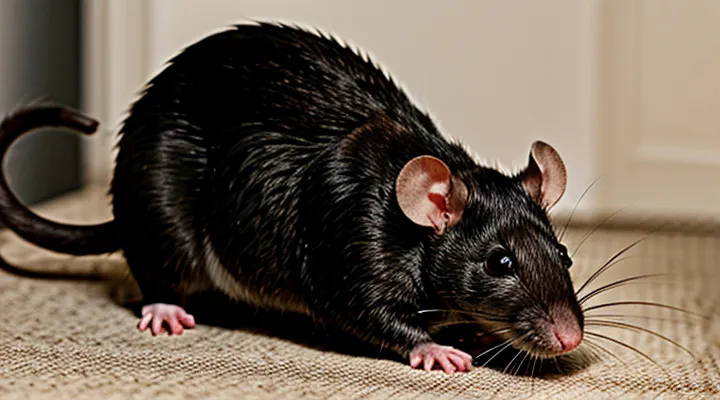
Understanding Rat Nails
The Natural State of Rat Nails
Function of Healthy Nails
Healthy nails serve several physiological purposes that directly affect a rat’s well‑being. The keratinized plates protect the distal phalanges from trauma, distributing pressure during climbing, digging, and locomotion. Their curved shape enables precise grip on surfaces, enhancing stability on narrow or vertical substrates. Sensory receptors located at the nail bed transmit tactile information, allowing the animal to detect subtle changes in texture and vibration. Moreover, nail growth reflects internal health; abnormal growth patterns often signal nutritional deficiencies, metabolic disorders, or infection.
Key functional aspects include:
- Mechanical protection: Shields bone and soft tissue from abrasion and puncture.
- Locomotor support: Provides leverage for efficient movement across varied terrain.
- Sensory feedback: Conveys fine tactile cues essential for environmental navigation.
- Health indicator: Serves as a visible marker of systemic condition.
When nails become overgrown, these functions deteriorate. Excess length can alter gait, increase the risk of skin lesions, and impair sensory input. Trimming, therefore, restores the natural length required for optimal protection, locomotion, and sensory performance, while also offering a practical method for monitoring health through regular inspection.
Natural Wear and Tear
Rats maintain nail length primarily through interaction with their environment. Climbing, digging, and moving across rough surfaces generate friction that gradually shortens the keratin plates. In a natural setting, this constant abrasion prevents excessive growth and reduces the risk of injury.
When an animal is confined to a cage with smooth flooring, the frequency and intensity of abrasive contact decline. Under such conditions, nails may extend beyond the protective sheath, leading to:
- Difficulty in locomotion
- Potential for self‑trauma when the claw catches on bedding or obstacles
- Increased susceptibility to infections at the nail base
The rate of natural wear depends on several variables:
- Substrate texture – coarse wood or wire mesh accelerates shortening.
- Activity level – active rats experience more frequent nail contact with surfaces.
- Age – younger rats exhibit faster growth, requiring more abrasion to stay within normal limits.
If natural wear fails to keep nails at functional length, manual trimming becomes a preventative measure. Trimming should replicate the gradual reduction achieved by environmental wear, preserving the nail’s protective curvature while eliminating overgrowth. Regular assessment of nail condition, combined with appropriate cage enrichment, ensures that the animal’s own activity continues to provide sufficient wear.
When Nail Trimming Becomes Necessary
Signs of Overgrown Nails
Overgrown nails in pet rats present clear, observable problems.
Physical discomfort becomes evident when the animal hesitates to run, clambers, or climbs. A noticeable limp or reduced activity often indicates that the claws are impeding normal movement.
Nails that extend beyond the toe pads may curl around the foot, catching on bedding or cage bars. Repeated snagging leads to torn tissue or bleeding at the nail base.
Visible swelling or redness around the digit suggests inflammation caused by pressure from excessive nail length.
Changes in posture, such as a flattened back or altered gait, frequently accompany chronic nail overgrowth.
Weight distribution shifts when the rat avoids placing pressure on the affected foot, which can result in uneven wear on the opposite limbs.
Regular observation of these signs enables timely nail maintenance, preventing pain and potential infection.
Potential Problems Caused by Long Nails
Long claws can interfere with a rat’s normal activities and health. Overgrown nails may snag on cage bars, bedding, or grooming tools, leading to injury or restricted movement.
- Self‑injury: Sharp tips can puncture skin, causing cuts, bleeding, and secondary infections.
- Joint stress: Excess length forces the toe joints to bend unnaturally, increasing the risk of arthritis and chronic pain.
- Impaired locomotion: Rats may adopt an abnormal gait to avoid discomfort, which can strain muscles and reduce agility.
- Difficulty grooming: Overly long nails hinder effective self‑cleaning, allowing debris and parasites to accumulate around the paws.
- Reduced feeding efficiency: When claws touch food containers, rats may struggle to grasp or manipulate food, leading to decreased intake.
Prompt nail maintenance prevents these complications and supports overall well‑being.
Injuring Themselves
Proper claw care is essential for preventing self‑inflicted injuries in pet rodents. Overgrown nails can curl into the foot pad, creating pressure points that cause bleeding, ulceration, or infection. When a rat attempts to navigate its cage, the sharp tips may snag on bedding or chew toys, leading to torn skin and subsequent wound contamination.
Key risks associated with neglected nail length include:
- Puncture wounds on the hind limbs or abdomen.
- Chronic inflammation of the toe pads.
- Secondary bacterial infections that may spread systemically.
- Impaired locomotion, resulting in reduced activity and stress.
Regular trimming reduces these hazards. A suitable schedule involves checking nail length weekly and clipping only the free edge, avoiding the quick, which contains blood vessels. Using a small animal nail clipper and a bright light source improves accuracy. After each session, inspect the toes for signs of bleeding or swelling; apply a sterile powder if minor bleeding occurs.
In summary, maintaining appropriate claw length directly mitigates the likelihood of rats harming themselves, preserves foot health, and supports overall wellbeing.
Injuring Owners
Trimming a pet rat’s claws reduces the likelihood of accidental puncture wounds to the handler. Overgrown nails can catch on clothing, furniture, or skin, producing deep scratches that may become infected.
Key injury mechanisms include:
- Direct puncture – sharp, elongated claws can penetrate flesh during routine handling.
- Secondary infection – broken skin from scratches provides an entry point for bacteria, potentially leading to cellulitis or septicemia.
- Allergic reaction – repeated exposure to rat saliva and blood from nail injuries may sensitize owners, causing dermatitis.
Conversely, improper trimming techniques pose a separate risk. Excessive clipping can expose the quick, a vascular tissue within the nail, resulting in painful bleeding that may injure both animal and owner. Proper restraint, use of a small animal nail clipper, and immediate application of styptic powder mitigate this danger.
Implementing a regular nail‑maintenance schedule—every four to six weeks—balances the need to prevent owner injury while avoiding complications from mishandled clipping.
Damaging Furniture or Fabric
Rats with untrimmed claws can cause significant wear to household items. Their sharp nails puncture wood, leaving visible gouges that compromise structural integrity. Soft furnishings, such as upholstery and curtains, are vulnerable to tearing when a rat scrapes its paws across the fabric. Repeated contact creates frayed edges, reduces aesthetic appeal, and accelerates material fatigue.
Key damage mechanisms include:
- Penetration of wooden surfaces, resulting in splintered boards and compromised joints.
- Ripping of woven fabrics, producing holes and loose threads that diminish durability.
- Scratching of leather and synthetic leather, leading to surface abrasion and loss of finish.
- Chewing of soft padding, which weakens cushion support and encourages sagging.
Regular nail maintenance reduces the force exerted during movement, limiting the depth of scratches and preventing the formation of new tears. Trimmed claws maintain a lower profile, decreasing the likelihood of accidental contact with delicate surfaces. Consequently, routine grooming directly protects furniture and fabric from avoidable deterioration.
The Process of Trimming Rat Nails
Preparation for Trimming
Gathering Supplies
Proper preparation is essential for safe and effective claw maintenance in pet rats. Assemble the required tools before beginning the procedure to minimize stress for both the animal and the handler.
- Small animal nail clippers or precision scissors designed for rodents
- Styptic powder or a cornstarch‑based hemostatic agent to control bleeding
- Soft, lint‑free gauze pads for cleaning and applying pressure
- Gentle restraining device such as a breathable tube or a padded hand‑hold
- High‑contrast flashlight or LED lamp to illuminate the nail bed
Additional items improve efficiency and safety:
- A magnifying visor or handheld loupe for clear visibility of the quick
- Disposable gloves to maintain hygiene and prevent accidental bites
- A calming scent or a few drops of a rodent‑safe essential oil to reduce anxiety
Verify that each component is clean, functional, and appropriately sized for the animal’s small paws. Store the collection in a dedicated, labeled container to ensure rapid access for future grooming sessions.
Nail Clippers for Small Animals
Nail clippers designed for small animals are essential tools for maintaining the health of pet rodents. Their compact size allows precise cutting of the delicate keratin on rat paws, reducing the risk of over‑cutting and bleeding. The cutting edges are typically made of hardened stainless steel, providing a clean slice that minimizes tissue trauma.
Key characteristics to consider when selecting a pair include:
- Blade length of 10–15 mm, suitable for the short nails of rats.
- Curved or angled tip, enabling access to the nail’s underside without stressing the animal.
- Non‑slip grip, often rubber‑coated, to ensure steady pressure during the procedure.
- Locking mechanism for safe storage and transport.
Proper technique involves restraining the rat gently, locating the transparent nail tip, and clipping only the dark, hardened portion. Regular trimming, performed every two to three weeks, prevents overgrowth that can lead to foot deformities or difficulty walking. After each session, inspect the nail beds for signs of bleeding and apply a styptic powder if necessary.
Maintenance of the clippers requires cleaning with an antiseptic solution after each use and occasional sharpening of the blades to preserve cutting efficiency. Storing the tool in a dry environment prolongs its lifespan and prevents rust formation.
Styptic Powder or Cornstarch
When a rat’s claws are clipped, a small incision can occur, producing bleeding that must be stopped promptly to prevent anemia or infection. Two readily available agents—styptic powder and cornstarch—provide rapid hemostasis, but their mechanisms and safety profiles differ.
Styptic powder contains astringent salts, typically aluminum sulfate, that contract blood vessels and accelerate clot formation. Application requires only a brief dab on the bleeding tip; the powder turns the site white, indicating vessel constriction. The compound is chemically inert to rodent tissue, does not provoke irritation, and remains effective after multiple uses. However, the fine particles can be inhaled if applied excessively, posing a respiratory risk for both the animal and the handler.
Cornstarch works by absorbing blood and creating a physical barrier that encourages clotting. A pinch of dry starch placed on the wound stops flow within seconds and is harmless if some residue remains on the fur. The material is inexpensive, non‑toxic, and easy to source. Its limitation lies in reduced efficacy on larger vessels; heavy bleeding may persist longer than with a chemical astringent.
Comparison
- Speed of hemostasis: styptic powder (immediate) vs. cornstarch (seconds to a minute)
- Safety: both non‑toxic; powder may cause respiratory irritation if over‑applied
- Cost and availability: cornstarch (low cost, household staple) vs. styptic powder (specialty product, higher price)
- Effectiveness on heavy bleeding: styptic powder superior; cornstarch adequate for minor cuts
For routine claw maintenance, cornstarch offers a practical, low‑risk solution. In cases of pronounced bleeding or when rapid control is essential, a dedicated styptic powder provides more reliable results. Users should keep a small supply of each agent, applying the appropriate one based on the severity of the bleed.
Treats for Reinforcement
Trimming a rat’s claws requires cooperation; treats provide the most reliable method to encourage calm behavior during the procedure.
Effective reinforcement hinges on immediate delivery, high value, and consistency. A treat must be small enough to swallow quickly, nutritionally appropriate, and sufficiently appealing to outweigh the discomfort of handling.
Recommended treats for nail‑trimming sessions include:
- Tiny pieces of fresh fruit (e.g., banana, apple) no larger than 2 mm × 2 mm.
- Commercial rodent gel bites formulated for high palatability.
- Soft, low‑fat cheese cubes cut to bite‑size.
- Small portions of unsweetened yogurt frozen into miniature cubes.
Implementation steps:
- Offer a preferred treat before handling to create a positive association.
- Present a second treat immediately after each successful grip of a claw.
- Deliver a final treat once all nails are trimmed, reinforcing the completed task.
Consistent use of these high‑value, bite‑size rewards reduces stress, shortens handling time, and improves overall claw‑maintenance outcomes.
Creating a Calm Environment
When addressing the question of rat nail maintenance, the animal’s stress level directly influences the safety and effectiveness of the procedure. A calm setting reduces sudden movements, preventing accidental injury to both the rat and the handler.
Key elements for establishing a tranquil environment:
- Quiet room: Eliminate loud sounds and abrupt noises; use a space away from high‑traffic areas.
- Soft lighting: Dim overhead lights; provide gentle, indirect illumination to avoid startling the animal.
- Temperature control: Keep ambient temperature within the species’ comfort range (20‑24 °C) to prevent shivering or overheating.
- Familiar scents: Place a piece of the rat’s bedding or a worn cloth in the work area to convey a known odor.
- Gentle handling: Approach slowly, support the body with both hands, and use a calm voice at a low volume.
Implementing these measures creates a predictable atmosphere, allowing the rat to remain still while the nails are trimmed. The result is a smoother procedure, lower risk of bleeding, and a more positive experience for future grooming sessions.
Techniques for Safe Nail Trimming
Holding Your Rat Securely
Properly securing a rat is essential before any nail‑trimming procedure. The animal must feel supported yet unrestrained, reducing stress and preventing injury.
Hold the rat with the following technique:
- Place the rat on the palm, thumb and index finger forming a gentle cup that supports the torso.
- Use the middle finger to cradle the hindquarters, keeping the legs relaxed.
- Position the remaining fingers behind the shoulders, applying light pressure to prevent sudden movements.
- Keep the wrist stable; avoid squeezing or twisting.
Maintain a calm environment, use a non‑slippery surface, and have trimming tools within easy reach. Observe the rat’s breathing; any signs of distress require immediate release. This grip allows precise nail access while protecting delicate skin and bone structures.
Identifying the Quick
Trimming a rat’s claws requires precise identification of the quick, the vascular tissue that runs within the nail. Damage to the quick causes bleeding, pain, and possible infection, so recognizing its location is essential for safe grooming.
The quick appears as a pale, translucent area at the base of the nail. In light‑colored claws, the quick is visible as a pinkish line extending from the nail’s root. Dark‑colored claws obscure the quick; in these cases, the safe approach is to trim only the tip, leaving at least 1 mm of nail length untouched.
Practical steps for locating the quick:
- Hold the rat gently but securely to prevent sudden movement.
- Use a bright light source to enhance visibility of the nail structure.
- Examine the nail edge; the quick ends where the nail color changes from translucent to opaque.
- If uncertainty remains, trim a very small amount (0.5 mm) and observe for a small white dot, indicating proximity to the quick.
When the quick is accidentally cut, apply a sterile styptic powder or cornstarch to the bleeding site and monitor the rat for signs of distress. Regular, conservative trimming—once every four to six weeks—maintains nail length without repeatedly approaching the quick.
Making the Cut
Trimming the nails of pet rodents prevents overgrowth that can lead to painful injuries, impaired locomotion, and damage to enclosure furnishings. Overgrown claws may curl into the foot pad, causing ulceration and infection; regular maintenance eliminates this risk.
Effective nail management follows a consistent protocol:
- Inspect claws weekly; healthy nails appear translucent with a small, sharp tip.
- Use a pair of rodent‑sized nail clippers or a fine rotary grinder.
- Restrain the animal gently but securely, minimizing stress.
- Trim only the transparent portion, avoiding the pink vascular tissue (the quick) that induces bleeding.
- Apply a styptic powder or cornstarch to any accidental cuts to stop hemorrhage.
Veterinary guidance recommends a trimming interval of four to six weeks for most breeds, adjusting based on individual growth rates. Young rats may require more frequent sessions as their claws develop rapidly.
Failure to perform routine nail care can result in secondary complications, including bacterial colonization and reduced ability to climb, which compromises the animal’s overall welfare. Proper technique, regular schedule, and immediate response to minor injuries constitute best practice for maintaining healthy claw length.
What to Do If You Cut the Quick
If a rat’s nail is trimmed too close and the quick is exposed, immediate action reduces pain and prevents infection. Apply gentle pressure with a clean, dry gauze pad to stem bleeding; the gauze’s absorbency helps clot formation. If bleeding persists after a minute, press a small amount of styptic powder or cornstarch onto the wound; both agents promote coagulation without harming tissue.
After hemostasis, inspect the nail for any remaining debris. Rinse the area with a mild saline solution to remove blood and reduce bacterial load. Pat the foot dry with a sterile gauze, then apply a thin layer of a veterinary‑approved antiseptic ointment. Avoid human antiseptics containing alcohol or hydrogen peroxide, which can cause irritation.
Monitor the rat for signs of distress: excessive licking, swelling, or limping. If any of these symptoms appear, or if bleeding resumes, contact a veterinarian promptly. In the meantime, keep the cage clean and limit the animal’s activity for 24‑48 hours to allow the nail to heal.
Steps to follow after cutting the quick:
- Press gauze on the nail for 1 minute.
- Apply styptic powder or cornstarch if bleeding continues.
- Rinse with sterile saline solution.
- Dry gently and apply veterinary antiseptic ointment.
- Observe for abnormal behavior; seek professional care if needed.
Alternatives to Manual Trimming
Providing Rough Surfaces
Providing rats with abrasive substrates directly influences nail length. Continuous contact with textured surfaces creates natural wear, reducing the frequency of manual clipping. This approach aligns with the broader discussion of whether routine nail trimming is necessary for domestic rodents.
Rough materials such as untreated wood, mineral stone, or specially designed chew blocks create friction against the claw edges each time the animal moves or gnaws. The wear rate depends on surface hardness, texture depth, and the animal’s activity level. Softer textures produce minimal shortening, while coarser surfaces accelerate reduction without causing injury.
Effective implementation requires attention to material safety and placement. Non‑toxic, chemically inert substances prevent health risks, and secure attachment to the cage prevents displacement. Surfaces should be positioned where the rat naturally runs, climbs, or chews, ensuring regular interaction without forcing unnatural behavior.
- Select wood (e.g., untreated pine) with a rough bark or sand‑blasted finish.
- Offer mineral stone blocks with a gritty surface; replace when worn smooth.
- Include chewable ceramic or silicone pads that combine texture and durability.
- Anchor each item to the cage wall or floor to maintain stability.
- Observe claw length weekly; adjust surface roughness if wear is insufficient.
Monitoring remains essential. If nails continue to overgrow despite abrasive provisions, supplemental trimming may still be required. Conversely, excessive wear can lead to shortened claws that affect balance; in such cases, reduce texture aggressiveness or provide smoother alternatives.
Encouraging Activity and Play
Trimming a rat’s claws is closely tied to its willingness to explore and engage in play. Overgrown nails can cause discomfort, limiting a rodent’s ability to climb, burrow, and manipulate objects. When the animal moves freely, it naturally exercises its muscles and stimulates cognitive function, reducing stress and preventing injury.
Encouraging activity and play while maintaining proper nail length involves several practical steps:
- Provide a variety of enrichment items such as tunnels, chew blocks, and climbing structures that require the rat to grasp and maneuver with its paws.
- Schedule short, daily sessions of supervised free‑range time outside the cage, allowing the rat to navigate unfamiliar surfaces and practice nail wear.
- Incorporate interactive toys that respond to the rat’s touch, promoting paw use and reinforcing the habit of keeping claws clean.
- Perform regular nail checks and trim any sharp tips that impede the animal’s ability to grasp or climb, using a small animal clipper and a styptic powder for quick hemostasis if bleeding occurs.
Consistent grooming combined with stimulating environments creates a feedback loop: healthy nails enable more vigorous play, and active play naturally wears down nails, reducing the frequency of trimming. Owners who integrate these practices sustain both the physical well‑being and the behavioral vitality of their pet rats.
Addressing Common Concerns
Frequency of Trimming
Proper nail maintenance is essential for the health and mobility of pet rats. Overgrown claws can cause pain, interfere with grooming, and lead to injuries.
Frequency depends on activity level, substrate, and individual growth rate. Rats that run on abrasive surfaces may require less frequent trimming than those kept on soft bedding.
Recommended trimming intervals:
- Young, rapidly growing rats: every 2–3 weeks.
- Adult rats with moderate activity: every 4–6 weeks.
- Senior or less active rats: every 6–8 weeks, with regular inspection for signs of overgrowth.
Adjust the schedule if claws appear curved, catch on fabric, or cause the animal to limp. Regular checks ensure timely intervention without unnecessary handling.
Dealing with a Reluctant Rat
Regular claw maintenance prevents injury, overgrowth, and interference with movement in pet rodents. Resistance during the procedure is common, requiring a systematic approach to ensure safety and effectiveness.
Identify reluctance by observing avoidance of handling, vocalizations, or attempts to escape when the cage is opened. These behaviors indicate heightened stress and signal the need for a calm, controlled environment before attempting any trimming.
Prepare the workspace by gathering a pair of rodent‑sized nail clippers, a soft towel, and a treat for positive reinforcement. Choose a quiet area, dim the lights slightly, and keep the rat’s favorite bedding nearby to reduce anxiety.
Handle the rat using the following steps:
- Wrap the animal gently in the towel, leaving one forepaw exposed.
- Apply light pressure to the paw to extend the claw, exposing the transparent nail and the pink growth zone.
- Clip only the sharp tip, staying clear of the growth zone to avoid bleeding.
- Release the paw briefly, offer a treat, and repeat for each claw.
- If the rat struggles, pause, allow it to settle, and resume after a short rest.
After trimming, examine each claw for signs of bleeding; apply a styptic powder if necessary. Return the rat to its cage, provide additional treats, and monitor for any signs of discomfort over the next 24 hours. Consistent, low‑stress sessions gradually reduce resistance, making future maintenance faster and safer.
When to Seek Professional Help
Regular nail maintenance is essential for the health of pet rats, but owners should recognize situations that exceed routine care and require veterinary or professional intervention.
Seek expert assistance when any of the following occurs:
- Nails have grown so long they curl and embed into the foot pads, causing bleeding or infection.
- The rat shows signs of persistent pain, limping, or reluctance to move after a trimming attempt.
- Excessive bleeding cannot be stopped with simple pressure or styptic powder within a few minutes.
- The animal exhibits extreme stress, aggression, or attempts to escape during the procedure, indicating that safe handling is compromised.
- A visible tumor, cyst, or abnormal growth is present on or near the claw, suggesting a medical condition that must be evaluated.
Professional care ensures proper anesthesia, precise cutting tools, and immediate treatment of complications, reducing the risk of injury and promoting overall well‑being. Owners should schedule a veterinary appointment promptly when any of these indicators appear, rather than attempting further self‑trimming.