
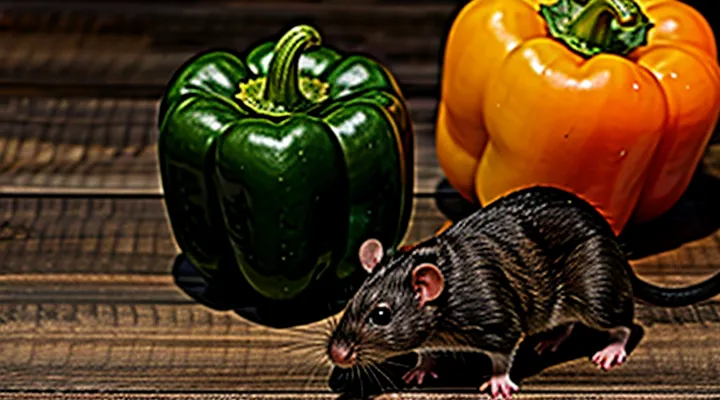
Nutritional Value of Bell Peppers
Vitamins and Minerals
Bell peppers contain a range of micronutrients that can contribute to a rat’s dietary profile. The fruit supplies vitamin C (approximately 80 mg per 100 g), vitamin A in the form of β‑carotene, vitamin B6, and folate. Mineral content includes potassium (≈ 210 mg), magnesium (≈ 12 mg), and small amounts of calcium, iron, and phosphorus. These nutrients support antioxidant defenses, vision, neural function, and bone metabolism.
Rats require vitamin C only if their diet lacks sufficient natural sources; bell peppers can serve as a supplemental source. Vitamin A and B‑complex vitamins are essential for epithelial health and energy metabolism, respectively, and the levels present in bell peppers align with recommended intake for laboratory rodents when offered in modest portions. Potassium aids osmotic regulation, while magnesium participates in enzymatic reactions critical for muscle and nerve activity.
Potential concerns arise from the high water and fiber content, which may induce loose stools if the fruit is introduced rapidly or in large quantities. Capsaicin, present in some pepper varieties, can irritate the gastrointestinal tract; therefore, only the sweet (non‑spicy) cultivars should be considered. Excessive vitamin C may lead to urinary stone formation in susceptible individuals, so monitoring intake is advisable.
Key points for inclusion in a rat diet
- Provide small, bite‑size pieces (no more than 5 % of total daily food weight).
- Use only sweet bell peppers; avoid hot or smoked varieties.
- Introduce gradually to assess tolerance.
- Combine with a balanced staple diet to ensure complete nutrient coverage.
When administered according to these guidelines, bell peppers can enrich a rat’s diet with beneficial vitamins and minerals without compromising health.
Antioxidants
Bell peppers contain high levels of vitamin C, carotenoids, and flavonoids, all classified as antioxidants. Antioxidants neutralize free radicals, reducing oxidative stress in mammalian cells. In laboratory rats, dietary antioxidant intake correlates with lower markers of lipid peroxidation and improved hepatic function.
When evaluating bell pepper as a supplement for rodents, consider the following factors:
- Nutrient density – A 100‑g serving provides approximately 80 mg of vitamin C and 1 mg of β‑carotene, exceeding the typical daily requirement for a 250‑g rat.
- Digestibility – Rats efficiently extract water‑soluble antioxidants from raw vegetables; cooking diminishes vitamin C but may increase bioavailability of certain carotenoids.
- Potential adverse effects – High fiber content can cause gastrointestinal upset if introduced abruptly; gradual inclusion mitigates this risk.
- Dosage guidelines – Incorporating bell pepper at 5–10 % of total feed weight supplies sufficient antioxidant levels without displacing essential protein and fat sources.
Research indicates that antioxidant‑rich diets support immune competence in rats, enhancing resistance to bacterial challenges. However, excessive antioxidant consumption may interfere with physiological signaling pathways that rely on controlled oxidative cues. Balanced inclusion of bell pepper aligns with standard rodent nutrition protocols and offers measurable health benefits without compromising dietary balance.
Potential Benefits for Rats
Hydration
Rats require a daily fluid intake of approximately 10‑15 ml per 100 g of body weight to maintain normal physiological functions. Their water consumption is influenced by diet, ambient temperature, and activity level.
Bell peppers contain a high proportion of moisture, ranging from 92 % in red varieties to 95 % in green ones. The edible portion supplies about 30‑35 g of water per 100 g of fresh weight, along with modest amounts of electrolytes such as potassium and sodium.
When bell peppers are included in a rat’s diet, they can:
- Contribute up to one‑third of the animal’s daily water requirement, depending on portion size.
- Provide electrolytes that aid in fluid balance.
- Reduce the need for separate water sources if offered regularly in fresh form.
Effective use of bell peppers for hydration demands:
- Fresh, unblemished produce to prevent bacterial growth.
- Portion control to avoid excess calories from sugars.
- Continuous access to clean drinking water as a primary fluid source.
In summary, the moisture content of bell peppers makes them a viable supplemental source of hydration for rats, provided that the vegetables are fresh and presented alongside unrestricted water availability.
Dental Health
Bell peppers provide a high‑fiber, low‑calorie food that can contribute to the natural wear of a rat’s continuously growing incisors. The crunchy texture forces the animal to gnaw, promoting enamel abrasion and preventing overgrowth that may lead to malocclusion.
Nutritional components of bell peppers support oral health:
- Vitamin C enhances collagen synthesis, strengthening gingival tissue.
- Antioxidants reduce oxidative stress in periodontal cells.
- Low sugar content minimizes the growth of cariogenic bacteria.
Potential concerns include:
- Small pieces may pose a choking hazard if not appropriately sized.
- Excessive intake could introduce gastrointestinal upset, indirectly affecting dental comfort.
Balanced inclusion of bell pepper in a rat’s diet—offered in bite‑size cubes a few times per week—provides mechanical stimulation for teeth while delivering nutrients that support gum integrity. Regular monitoring of tooth length and oral tissue condition remains essential to ensure the food’s benefits outweigh any risks.
Risks and Considerations
Oxalates and Calcium Absorption
Bell peppers contain measurable amounts of oxalic acid, typically ranging from 30 to 70 mg per 100 g of fresh tissue. Oxalate exists primarily as soluble salts that can chelate divalent cations, most notably calcium, forming insoluble calcium oxalate crystals.
When oxalate binds calcium in the gastrointestinal tract, the resulting complex resists enzymatic digestion and is excreted. This process lowers the net calcium availability from the diet, even if the food source supplies adequate calcium content.
Rats require approximately 0.5 % calcium in their dry diet to support skeletal growth and metabolic functions. Introducing a food item high in oxalates without compensating calcium can lead to:
- Reduced calcium absorption efficiency
- Potential hypocalcemia in rapidly growing or breeding individuals
- Increased urinary calcium oxalate, a risk factor for renal stone formation
Studies on rodent nutrition indicate that modest inclusion of low‑oxalate vegetables does not impair calcium status, whereas diets where oxalate contributes more than 10 % of total intake show measurable declines in serum calcium and bone mineral density.
Given the oxalate concentration in bell peppers and the sensitivity of rat calcium metabolism, feeding bell peppers should be limited to small, occasional portions, and the overall diet must be fortified with additional calcium sources to offset the chelating effect.
Pesticide Residues
Bell peppers frequently undergo pesticide applications to control insects and fungal diseases. Residues remaining on the fruit vary with the active ingredient, application timing, and pre‑harvest interval. Common compounds include neonicotinoids, organophosphates, and pyrethroids; maximum residue limits (MRLs) in many jurisdictions range from 0.01 mg kg⁻¹ to 2 mg kg⁻¹, depending on the pesticide.
Laboratory studies show that rodents metabolize many insecticides more efficiently than humans, yet toxicity thresholds differ markedly among compounds. Acute oral LD₅₀ values for neonicotinoids in rats typically exceed 500 mg kg⁻¹, whereas organophosphates may cause lethal effects at 30–100 mg kg⁻¹. Sub‑lethal exposure can impair hepatic function, alter behavior, and suppress immune responses, even at concentrations below regulatory MRLs.
Key considerations for offering bell peppers to rats:
- Verify that the produce complies with local MRLs; residues above limits increase health risk.
- Prefer organic or untreated peppers to eliminate synthetic pesticide exposure.
- Rinse and peel peppers thoroughly; surface residues concentrate on skin, while peel removal reduces intake.
- Limit portion size; even low‑level residues accumulate with chronic feeding.
When pesticide residues remain within established safety margins, occasional inclusion of bell peppers does not present a documented hazard to laboratory or pet rats. Persistent exposure to residues near or above MRLs, however, warrants exclusion to avoid potential toxic effects.
Digestive Upset
Bell peppers contain high levels of fiber, sugars, and capsicum compounds that differ markedly from typical rodent chow. When introduced abruptly, these components can overwhelm the rat’s gastrointestinal system, leading to measurable disturbances.
Research on laboratory rats shows that sudden inclusion of raw bell pepper material often produces:
- Loose, watery feces
- Reduced food intake
- Abdominal swelling or discomfort
- Weight loss over a short period
These signs indicate irritation of the intestinal lining and altered microbial balance. The underlying mechanisms involve rapid fermentation of soluble sugars and the mild irritant effect of capsaicinoids, which can increase gut motility and provoke inflammation.
To minimize risk, follow these guidelines:
- Offer only a small portion (no more than 5 % of total daily intake) and observe the animal for any adverse reaction.
- Introduce the vegetable gradually over several days, increasing the amount only if no symptoms appear.
- Prefer cooked, de‑seeded bell pepper to reduce fiber load and remove the hottest compounds.
- Maintain a balanced diet that supplies essential nutrients from proven rodent feed sources.
If any of the listed symptoms emerge, discontinue bell pepper provision immediately and provide supportive care, such as hydration and a bland diet, until normal stool consistency returns.
Feeding Guidelines
Preparation
Feeding bell peppers to rats requires careful preparation to prevent contamination and digestive upset.
- Rinse peppers under running water to eliminate pesticide residues.
- Trim stems and discard the core, which contains higher concentrations of capsaicin.
- Slice the flesh into ½‑inch pieces to match the typical bite size of a laboratory rat.
- Optional: blanch for 30 seconds in boiling water, then cool rapidly to soften texture and reduce fiber load.
After cutting, inspect pieces for visible seeds and remove them, as seeds may cause intestinal blockage. Offer no more than one to two small pieces per day; excessive intake can lead to diarrhea due to the fruit’s sugar content.
Store prepared portions in an airtight container in the refrigerator; use within 48 hours to maintain freshness and nutrient integrity. Discard any pieces that develop mold or an off‑odor.
Quantity and Frequency
Bell peppers can be incorporated into a rat’s diet as a source of vitamin C, fiber, and antioxidants. Their low calorie content makes them suitable for occasional supplementation without displacing essential protein and fat sources.
- Small rat (≈200 g): ½ – 1 cm³ of fresh bell pepper per serving.
- Medium rat (≈300 g): 1 – 2 cm³ per serving.
- Large rat (≈400 g): up to 3 cm³ per serving.
These portions correspond to roughly 5 % of daily caloric intake, ensuring the vegetable does not dominate the diet.
Offer bell peppers no more than three times per week. Spacing servings by 48 hours allows the gastrointestinal system to adjust and prevents excess fiber from causing loose stools. Monitor body weight and stool consistency; reduce frequency or quantity if adverse effects appear.
Introduction to Diet
Bell peppers constitute a vegetable source rich in vitamin C, beta‑carotene, and dietary fiber. Rats, as omnivorous rodents, can digest these nutrients when the fruit is prepared appropriately. Raw bell pepper flesh is soft enough for a rat’s dentition, and the skin contains negligible toxic compounds.
Key considerations for inclusion in a rat’s diet:
- Nutrient contribution – supplements vitamin C and antioxidants, supporting immune function and ocular health.
- Fiber content – aids gastrointestinal motility, preventing constipation.
- Caloric impact – low energy density; excessive amounts may dilute overall caloric intake.
- Preparation – wash thoroughly, remove seeds, and cut into bite‑size pieces to avoid choking.
- Frequency – offer 1–2 grams per 100 g of body weight, 2–3 times weekly, to maintain variety without displacing essential protein and fat sources.
Introducing bell peppers should follow a gradual schedule: start with a minimal portion, observe for signs of digestive upset, and adjust the quantity based on the individual’s tolerance. Consistent monitoring ensures the vegetable enhances, rather than compromises, the overall nutritional balance for laboratory or pet rats.
Alternatives to Bell Peppers
Other Safe Vegetables
Bell peppers are sometimes considered for rat diets, yet a broader range of vegetables provides essential nutrients without risk.
- Carrots – high in beta‑carotene, low in sugar; offer raw, sliced thinly.
- Broccoli – rich in vitamin C and calcium; serve steamed briefly to soften fibers.
- Zucchini – moisture source, contains vitamin A; feed raw, diced.
- Spinach – source of iron and folate; give in limited portions due to oxalates.
- Kale – supplies vitamin K and antioxidants; offer raw, shredded, no more than a few leaves weekly.
- Sweet potato – provides complex carbs and vitamin B6; cook thoroughly, cool, and cut into small cubes.
Prepare all vegetables by washing thoroughly, removing any pesticide residues, and cutting into bite‑size pieces. Introduce new items gradually, observing for digestive upset. Limit total vegetable intake to 10‑15 % of daily caloric consumption to maintain balanced nutrition.
Commercial Rat Foods
Commercial rat foods are formulated to meet the complete nutritional requirements of laboratory and pet rodents. Protein levels range from 15 % to 22 % of the diet, with soy, fish meal, or dried insects providing essential amino acids. Carbohydrate sources include wheat, corn, and barley, while fiber is supplied by beet pulp and cellulose. Vitamins and minerals are added in premixed blends to prevent deficiencies.
Bell peppers supply high concentrations of vitamin C, moderate amounts of vitamin A, and soluble fiber, yet they contribute minimal protein and fat. Their nutrient profile complements, rather than replaces, the balanced composition of commercial rat diets. The low caloric density of peppers can aid in weight management for overweight rodents, provided the overall energy intake remains within species‑specific limits.
Common commercial rat foods suitable for integration with fresh produce include:
- Standard pellet diets (e.g., LabDiet 5001, Purina Rat Chow) – dense, nutritionally complete, stable storage.
- Extruded mash formulas – higher moisture content, easier to blend with fresh vegetables.
- Seed‑based mixes – enriched with sunflower and pumpkin seeds for added fat and omega‑3 fatty acids.
When introducing bell peppers, the following protocol ensures safety and efficacy:
- Offer a maximum of 5 % of the total daily food weight as fresh pepper pieces.
- Observe rodents for signs of digestive upset during the first 48 hours.
- Adjust portion size based on weight trends and activity levels.
Integrating bell peppers into a diet that already includes a high‑quality commercial rat food can enhance vitamin intake without compromising the diet’s essential protein and energy balance. Continuous monitoring of health indicators confirms that the addition remains beneficial.
Observing Your Rat's Reaction
Signs of Discomfort
Rats may react negatively when bell peppers are introduced into their diet. Observable indicators of unease provide the most reliable basis for assessing suitability.
- Refusal to approach or consume the vegetable
- Rapid, shallow breathing or audible wheezing
- Excessive licking or grooming of the mouth and paws
- Diarrhea, loose stools, or blood-tinged feces
- Reduced activity, prolonged periods of immobility
- Scratching or biting at the perianal region
Each symptom reflects a specific physiological response. Immediate avoidance suggests an aversive taste or texture. Respiratory changes point to irritation from capsaicin compounds. Over‑grooming may indicate oral discomfort or irritation of the mucous membranes. Digestive disturbances reveal intolerance or hypersensitivity. Lethargy and self‑injury behaviors often accompany systemic stress or pain.
To determine whether bell peppers are appropriate, caregivers should introduce the food gradually, observe the described behaviors, and discontinue feeding at the first sign of distress. Alternative vegetables with lower capsaicin content, such as carrots or cucumber, can provide comparable nutritional benefits without provoking the same reactions. Continuous monitoring ensures that dietary choices support the animal’s health rather than compromise it.
Allergic Reactions
Bell peppers contain capsaicinoids, carotenoids, and proteins that can trigger immune responses in some rodents. Evidence from laboratory studies indicates that certain rat strains develop hypersensitivity to pepper-derived proteins, manifesting as dermal inflammation, respiratory distress, or gastrointestinal upset. The reaction is mediated by IgE antibodies that recognize specific epitopes in the pepper’s protein matrix.
Key considerations for evaluating the safety of feeding bell peppers to rats include:
- Species‑specific allergy prevalence: Wild‑type rats show lower incidence than selectively bred laboratory strains.
- Dose‑response relationship: Small, infrequent portions reduce the likelihood of sensitization, while larger, repeated servings increase risk.
- Monitoring signs: Redness around the muzzle, sneezing, coughing, diarrhea, or reduced activity signal an adverse response.
- Cross‑reactivity: Rats allergic to other nightshade vegetables (e.g., tomatoes, eggplant) may also react to bell peppers.
When planning to introduce bell peppers into a rat’s diet, conduct a gradual trial with a minimal amount and observe for any of the listed symptoms. If an allergic response occurs, discontinue exposure and consult a veterinary professional for appropriate management.