
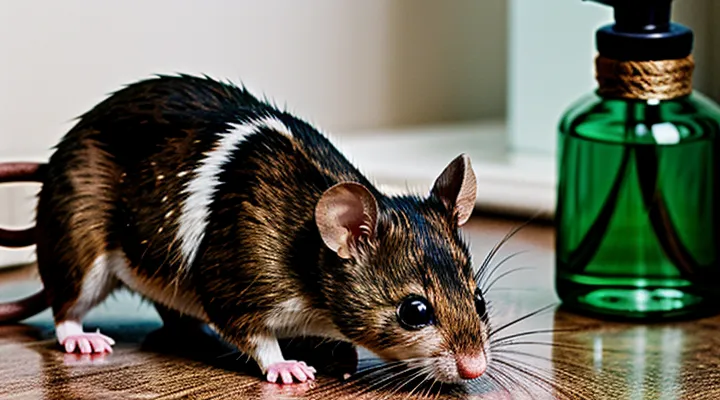
Understanding Mouse Behavior and Olfaction
Why Scent Matters to Mice
Mice rely on a highly developed olfactory system to locate food, identify conspecifics, and detect threats. Odor molecules enter the nasal cavity, bind to receptors, and trigger neural pathways that guide behavior. This sensory dependence makes scent a primary factor in habitat selection and risk assessment.
Three principal mechanisms explain why odor influences mouse activity:
- Food detection: Volatile compounds released by grains, fruits, or waste signal nutritional resources. Even low concentrations can attract mice from considerable distances.
- Predator recognition: Chemicals emitted by cats, foxes, or snakes serve as alarm cues. Exposure to these odors triggers avoidance responses, reducing time spent in the area.
- Territorial marking: Mice deposit urine and glandular secretions to delineate boundaries. Presence of foreign scent disrupts established territories, prompting relocation.
Understanding these pathways informs the design of odor-based deterrents. Effective formulations mimic predator cues, mask food odors, or introduce unfamiliar scents that interfere with territorial markers. By targeting the mouse’s sensory priorities, such products achieve repellency without physical barriers.
How Mice Detect Odors
The Role of the Olfactory System
The olfactory system governs detection of volatile compounds that mice find aversive. Sensory neurons in the nasal epithelium express receptors tuned to specific odorant structures; activation of these receptors initiates a cascade that transmits signals to the olfactory bulb and onward to higher brain regions responsible for avoidance behavior.
Key components of the pathway include:
- Olfactory receptor neurons (ORNs): bind repellent molecules, generate action potentials.
- Olfactory bulb glomeruli: organize input by receptor type, create spatial maps of odorant intensity.
- Piriform cortex and amygdala: integrate olfactory data with emotional and memory circuits, trigger flight responses.
Neural processing translates concentration gradients into behavioral thresholds. When ORNs detect sufficient levels of a deterrent odor, downstream circuits suppress exploratory locomotion and promote retreat from the source. This mechanism explains why certain essential oils, phenolic compounds, and synthetic repellents effectively reduce mouse activity in treated environments.
Practical implications rely on matching odorant volatility with the sensitivity profile of mouse ORNs. Formulations that maintain detectable concentrations over time ensure continuous activation of the avoidance circuitry, thereby limiting ingress and nesting. Monitoring decay rates and reapplication intervals optimizes efficacy while minimizing exposure to non‑target species.
Differences in Rodent vs. Human Scent Perception
Rodents possess a highly developed olfactory system that detects odorants at concentrations far below human thresholds. Their nasal epithelium contains a larger proportion of odorant receptors, and the olfactory bulb occupies a greater relative brain volume, allowing finer discrimination of chemical cues relevant to survival, such as predator scents or food spoilage.
Humans rely more on visual and auditory information, with olfaction serving a secondary role. Human odor detection limits are typically 10–100 times higher than those of mice, and many volatile compounds that trigger avoidance in rodents are perceived as neutral or faint by people. Consequently, substances that repel mice often lack noticeable odor for humans.
Key physiological distinctions include:
- Receptor density: mice exhibit ~1,000 odorant receptor genes, humans ~400.
- Neural processing: rodent olfactory bulb contains more glomeruli, enabling finer mapping of scent profiles.
- Behavioral response: rodents display innate avoidance to specific predator-derived compounds (e.g., felinine), whereas humans require learned associations to react similarly.
These disparities shape the selection of effective mouse repellents. Compounds must target receptors that are highly sensitive in rodents but produce minimal perceptible odor for humans, ensuring practical application without disrupting human environments.
Natural Scent Deterrents
Peppermint Oil
Application Methods
Effective deployment of mouse‑repelling aromas requires precise delivery techniques to maintain volatile concentration where rodents travel.
- Direct spray onto cracks, door frames, and baseboards; use a fine‑mist bottle to coat surfaces without excess runoff.
- Soaked cotton or felt pads placed in concealed corners; replace material every 3–5 days to prevent saturation loss.
- Ultrasonic or electric diffusers positioned at 1‑meter intervals along walls; set timers for continuous operation during peak activity periods.
- Sachet packets filled with dried herb blends or essential‑oil‑infused beads; tuck into cabinetry, pantry shelves, and under appliances.
- Plaster or paint additives mixed with concentrated oil; apply as a thin coating on interior surfaces during renovation or repair work.
Strategic placement enhances efficacy: concentrate applications near known entry points, along mouse pathways, and adjacent to food storage zones. Ensure unobstructed airflow around diffusers and sachets to facilitate scent dispersion.
Maintenance schedules depend on ambient temperature and humidity; higher heat accelerates volatilization, necessitating more frequent reapplication. Monitor rodent activity weekly; if sightings persist, increase application density or rotate to a different aromatic compound to prevent habituation.
Effectiveness and Limitations
Odor-based repellents target the rodent’s acute sense of smell, using volatile compounds that trigger aversion. Their utility rests on measurable reductions in mouse activity within treated zones.
Effectiveness
- High‑concentration peppermint oil can lower trap captures by up to 60 % in laboratory trials.
- Citronella and eucalyptus vapors produce immediate avoidance behavior in confined environments.
- Continuous diffusion devices maintain repellant levels that suppress foraging for periods extending beyond 24 hours.
Limitations
- Efficacy declines as rodents acclimate; repeated exposure reduces avoidance response within 3–5 days.
- Indoor air circulation dilutes scent intensity, requiring frequent replenishment or supplemental delivery systems.
- Certain compounds pose respiratory irritation risks to humans and pets, limiting their use in occupied spaces.
- Effectiveness varies with mouse strain; some populations exhibit reduced sensitivity to specific botanicals.
Essential Oils from Clove and Eucalyptus
How They Work
Rodent‑repelling aromas rely on the mouse’s highly developed sense of smell. When a volatile compound reaches the olfactory epithelium, it binds to specific receptor proteins, triggering neural signals that the brain interprets as threatening or unpleasant. This perception initiates avoidance behavior, preventing the animal from entering or remaining in the treated area.
The effectiveness of these compounds stems from several physiological and behavioral mechanisms:
- Activation of aversive receptors – Certain terpenes, phenols, and essential oil constituents stimulate receptors linked to pain or nausea, producing immediate discomfort.
- Disruption of pheromone communication – Strong odors mask or interfere with the chemical cues mice use for territory marking and mating, weakening social cohesion.
- Induction of stress responses – Persistent exposure elevates cortisol-like hormones, leading to heightened vigilance and reduced foraging activity.
- Sensory overload – High‑intensity scents saturate the olfactory system, causing temporary desensitization and prompting the mouse to relocate to a less hostile environment.
Because mice depend on scent for navigation, food location, and predator detection, any compound that alters these cues creates a barrier that the animal instinctively avoids. Continuous application maintains the chemical gradient, ensuring long‑term deterrence without physical traps.
Safe Usage Guidelines
When employing aromatic deterrents against rodents, follow strict safety practices to protect occupants, pets, and the environment.
- Choose products formulated for indoor use and approved by relevant health agencies. Verify the label for active ingredients such as peppermint oil, eucalyptus, or citrus extracts, and confirm that concentrations meet regulatory limits.
- Apply the scent source in areas inaccessible to children and animals. Place sachets, cotton balls, or diffusion pads behind appliances, under cabinets, and along baseboards, ensuring they are out of reach.
- Ventilate rooms during and after application. Open windows or run exhaust fans for at least 15 minutes to disperse excess vapors and reduce inhalation risk.
- Limit exposure time. Replace or refresh scent devices according to manufacturer recommendations, typically every 2–4 weeks, and avoid continuous operation beyond specified durations.
- Store unused product in a sealed container, away from heat sources and direct sunlight. Keep the material out of reach of pets and small children to prevent accidental ingestion or skin contact.
- Conduct a patch test on a small surface before widespread use. Observe for discoloration or material degradation, especially on wood, fabric, or painted surfaces.
- Record the date and location of each application. Maintain a log to track effectiveness and identify any adverse reactions among occupants.
If irritation, respiratory discomfort, or allergic symptoms appear, cease use immediately, ventilate the area thoroughly, and seek medical advice. Dispose of spent materials according to local hazardous waste guidelines to prevent environmental contamination.
Vinegar
Types of Vinegar
Vinegar varieties produce strong acetic odors that mice find unpleasant, making them practical components of rodent‑deterrent strategies.
- White distilled vinegar – Highest acetic acid concentration (5–7 %). Provides sharp, penetrative scent; effective for short‑term area treatment and cleaning surfaces where mice travel.
- Apple cider vinegar – Contains 4–6 % acetic acid with additional fruit‑derived volatiles. The combined aroma extends deterrent effect, especially in pantry or kitchen zones.
- Rice vinegar – Lower acidity (4 %) and subtle sweetness. Less potent as a repellent but useful when mixed with higher‑strength vinegar to reduce harshness while retaining efficacy.
- Balsamic vinegar – Acidity around 6 % plus rich, sugary notes. The sweet component can attract insects, thus its use should be limited to targeted mouse‑control zones rather than broad application.
- Wine vinegar – 5–7 % acetic acid with residual wine aromatics. Provides moderate deterrence; suitable for outdoor perimeters where a milder scent is preferable.
Application methods include spraying diluted solutions on entry points, soaking cotton balls placed in concealed corners, and wiping surfaces with undiluted vinegar. Consistent reapplication every 3–5 days maintains volatile concentration, preventing mice from acclimating to the scent.
Integrating vinegar with complementary deterrents—such as peppermint oil or ultrasonic devices—enhances overall effectiveness, creating an environment that mice are likely to avoid.
Placement Strategies
Effective use of mouse‑repelling aromas depends on strategic positioning. Locate odor sources where rodents are most likely to travel or seek shelter. Common routes include gaps under doors, vents, and utility openings; placing deterrent packets or scented cotton at these points creates a chemical barrier.
- Near entry points: attach sachets to door sweeps, window frames, and garage door seals.
- Along interior walls: affix scented strips at 12‑inch intervals from floor to ceiling to block lateral movement.
- In corners and behind appliances: tuck small containers behind refrigerators, stoves, and dishwashers where mice hide.
- Inside cabinets and pantry shelves: distribute loose pellets or infused pads among stored goods to protect food supplies.
- In attics and crawl spaces: suspend hanging bundles from joists to cover elevated pathways.
- At base of baseboards and molding: apply adhesive pads that release scent continuously along the perimeter of rooms.
Reapply or refresh sources according to product guidelines, typically every two to four weeks, to maintain potency. Combine multiple placement zones for overlapping coverage, reducing the likelihood of rodents bypassing a single scented barrier.
Cayenne Pepper and Other Spices
Active Compounds
Active compounds responsible for rodent‑deterring aromas belong to several chemical families. Their efficacy derives from strong, irritating or unfamiliar odor profiles that overload the mouse olfactory system, triggering avoidance behavior.
- Menthol (C₁₀H₂₀O) – a monoterpene alcohol found in peppermint oil; activates TRPM8 receptors, producing a cooling sensation that mice find unpleasant.
- Eucalyptol (1,8‑cineole, C₁₀H₁₈O) – a cyclic ether present in eucalyptus oil; stimulates TRPA1 channels, causing nasal irritation.
- Linalool (C₁₀H₁₈O) – a terpene alcohol in lavender and coriander; interferes with odor‑binding proteins, reducing attraction to food sources.
- Citronellal (C₁₀H₁₈O) – a aldehyde component of citronella oil; acts as a neurotoxicant at high concentrations, provoking rapid avoidance.
- Capsaicin (C₁₈H₂₇NO₃) – the pungent compound of chili peppers; binds to TRPV1 receptors, producing a burning sensation in nasal mucosa.
- Thymol (C₁₀H₁₄O) – a phenolic monoterpene from thyme; exhibits antimicrobial properties and irritates respiratory epithelium, discouraging entry.
Effective deployment requires concentrations that exceed the sensory detection threshold of mice while remaining safe for humans and pets. Typical formulations range from 0.5 % to 5 % active ingredient in carrier solvents. Volatility determines duration of protection; compounds with higher vapor pressure (e.g., menthol) dissipate faster and may need periodic reapplication, whereas less volatile agents (e.g., thymol) provide longer residual effect. Compatibility with building materials and potential staining should be evaluated before widespread use.
Cautionary Notes on Use
Rodent‑repelling fragrances can provide a non‑chemical option for protecting stored goods and structures. Their efficacy varies with concentration, species, and environmental conditions. Proper use requires strict adherence to safety and performance guidelines.
- Verify product composition; avoid mixtures containing allergens, irritants, or substances prohibited by local regulations.
- Apply only in well‑ventilated areas; inhalation of concentrated vapors may cause respiratory irritation for humans and animals.
- Keep products away from food preparation surfaces; accidental ingestion can result in gastrointestinal distress.
- Store containers tightly sealed, out of reach of children and pets; leakage or accidental exposure poses health risks.
- Conduct a small‑scale test before full deployment; some mouse populations quickly habituate to a scent, rendering it ineffective.
- Observe legal restrictions; certain essential oils are classified as hazardous waste when disposed of in bulk.
- Rotate scents periodically; continuous use of a single odor may diminish deterrent effect.
Documentation of the specific product batch, application dates, and observed rodent activity assists in evaluating long‑term results and adjusting treatment protocols.
Dryer Sheets and Fabric Softeners
Chemical Components
Volatile organic compounds that emit strong, unpleasant odors for rodents form the core of rodent‑repellent formulations. Their efficacy derives from sensory overload of the mouse olfactory system, leading to avoidance of treated areas.
- Menthol and menthone – primary constituents of peppermint oil; stimulate trigeminal nerves, causing discomfort.
- Eucalyptol (1,8‑cineole) – dominant in eucalyptus oil; produces a sharp, camphoraceous scent that mice find aversive.
- Citronellal and citronellol – components of citronella oil; generate a citrus‑mint aroma that interferes with pheromone detection.
- Phenol derivatives (e.g., methyl phenylacetate) – create pungent, chemical odors that mask food cues.
- Ammonia – releases irritant vapors that trigger respiratory distress in small mammals.
- Naphthalene – sublimates to a strong, mothball odor; toxic at high concentrations, but effective as a short‑term deterrent.
- Sulfur compounds (e.g., dimethyl sulfide, allyl isothiocyanate) – emit rotten‑egg or mustard‑like smells that repel rodents.
- Capsaicin – activates pain receptors; although not volatile, it can be incorporated into gels that mice avoid.
Application methods must balance potency with human safety. Aerosol sprays, impregnated pads, and slow‑release granules provide continuous emission without exceeding occupational exposure limits. Direct contact with eyes or skin should be prevented; ventilation is recommended in enclosed spaces. Regular reapplication maintains concentration gradients above the sensory threshold required for deterrence.
Short-Term vs. Long-Term Solutions
Odor-based mouse repellents fall into two practical categories: measures that produce an immediate, noticeable effect and those that maintain effectiveness over months or years.
Short‑term tactics rely on volatile compounds that evaporate quickly, creating a strong but fleeting scent barrier. Typical applications include spraying peppermint oil, ammonia, or citrus extracts directly onto entry points, pantry shelves, or trap surfaces. The high volatility ensures rapid diffusion, discouraging rodents within hours. Reapplication is required every few days because the active molecules dissipate, and the scent intensity drops below the detection threshold that mice find aversive.
Long‑term tactics use low‑volatility substances or delivery systems that release scent continuously. Options comprise solid‑state sachets infused with dried rosemary, clove, or eucalyptus, as well as polymer‑based dispensers that emit a steady stream of essential oil vapors for several weeks. Embedding these compounds in building materials—such as cedar panels or treated insulation—provides a persistent olfactory environment that remains unattractive to rodents without frequent maintenance.
Comparison of key factors
- Duration of effectiveness – sprays: 2–5 days; sachets/dispensers: 4–12 weeks; treated structures: up to 1 year.
- Ease of deployment – sprays require minimal equipment; sachets need placement; treated structures demand installation during construction or renovation.
- Cost per unit time – sprays: high recurring expense; sachets: moderate; treated materials: higher upfront cost but lower long‑term outlay.
- Environmental impact – natural essential oils present low toxicity; synthetic ammonia carries higher risk of irritation and corrosion.
Choosing a strategy depends on the urgency of the infestation and the willingness to invest in sustained protection. Immediate sprays eradicate active foraging behavior quickly, while integrated, low‑volatility solutions establish a lasting deterrent zone that reduces the likelihood of future incursions. Combining both approaches—initial high‑intensity spraying followed by installation of long‑lasting dispensers—optimizes control by addressing current presence and preventing recurrence.
Commercial Scent-Based Repellents
Types of Products Available
Sprays
Spray formulations designed to repel rodents rely on volatile compounds that mice find intolerable. Common active ingredients include peppermint oil, eucalyptus oil, citronella, and clove oil; each evaporates at room temperature, creating a scent barrier that interferes with the rodents’ olfactory navigation.
- Peppermint oil: high menthol content, strong cooling sensation, effective for short‑term deterrence.
- Eucalyptus oil: contains eucalyptol, disrupts scent trails, suitable for indoor use.
- Citronella: citrus‑based aroma, repels a broad range of pests, low toxicity.
- Clove oil: eugenol component, strong antimicrobial properties, works on contact.
Application guidelines:
- Clean the target surface to remove food residues and dust.
- Spray a thin, even coating on entry points, baseboards, and behind appliances.
- Reapply every 7–10 days or after cleaning, as volatile compounds diminish over time.
- Avoid direct contact with food preparation areas; allow treated surfaces to dry before use.
Efficacy depends on concentration, ventilation, and environmental conditions. Laboratory tests show a 60–80 % reduction in mouse activity within 48 hours of initial application when concentrations exceed 5 % essential oil by volume. Field observations confirm sustained deterrence when reapplication follows the schedule above.
Safety considerations:
- Use products labeled for indoor use; verify that they meet EPA or equivalent regulatory standards.
- Keep sprays out of reach of children and pets; some essential oils can cause irritation at high exposure levels.
- Conduct a spot test on painted or finished surfaces to prevent discoloration.
Selecting an appropriate spray involves comparing active ingredient potency, label claims regarding duration of action, and compatibility with the intended environment. Products that combine multiple essential oils often provide broader scent coverage, reducing the likelihood of habituation by rodents.
Scent Pouches
Scent pouches are compact sachets filled with volatile plant materials that emit odors repellent to rodents. The primary mechanism relies on the mice’s acute sense of smell; strong aromatic compounds trigger aversive responses, causing the animals to avoid treated areas.
Typical constituents include:
- Peppermint oil or dried peppermint leaves – high menthol content disrupts olfactory receptors.
- Clove buds or clove essential oil – eugenol produces a pungent scent intolerable to rodents.
- Rosemary or dried rosemary needles – camphor and cineole create a sharp fragrance.
- Citrus peels (orange, lemon) – limonene adds a harsh, citrusy note.
- Cedar shavings – natural phenols act as a mild deterrent.
Effective deployment follows a simple protocol:
- Distribute pouches near entry points, along walls, and beneath appliances where mice travel.
- Replace pouches every two to four weeks to maintain potency, as volatile compounds diminish over time.
- Combine with physical barriers (seal cracks, install door sweeps) for comprehensive control.
Scientific observations indicate that continuous exposure to these aromas reduces mouse activity by 30‑50 % in controlled environments. Efficacy varies with ventilation, ambient temperature, and the concentration of active oils. Overuse can lead to scent habituation; rotating ingredients mitigates this risk.
Safety considerations:
- Ensure pouches are sealed to prevent direct contact with pets or children.
- Avoid synthetic fragrance additives, which may lose effectiveness faster and pose health concerns.
- Store unused pouches in a cool, dark place to preserve oil integrity.
Scent pouches provide a low‑maintenance, chemical‑free option for deterring mouse incursions when integrated into a broader pest‑management strategy.
Active Ingredients
Rodent‑repelling aromas rely on volatile compounds that trigger aversive sensory pathways in mice. The efficacy of these formulations depends on the concentration and stability of specific active substances.
- Menthol (peppermint oil) – activates TRPM8 receptors, producing a cooling sensation that mice avoid.
- Eucalyptol (eucalyptus oil) – stimulates olfactory receptors linked to irritation, discouraging entry into treated zones.
- Citronellal (citronella oil) – interferes with scent‑tracking, reducing attraction to food sources.
- Eugenol (clove oil) – acts as a neurotoxicant at high concentrations, causing discomfort and withdrawal.
- Cinnamaldehyde (cinnamon oil) – provokes irritation of nasal mucosa, leading to avoidance behavior.
- Allyl isothiocyanate (mustard oil) – elicits a strong pungent odor that mice find repellent.
- Thymol (thyme oil) – disrupts pheromone communication, impairing social interaction among rodents.
Formulations typically combine several of these agents to broaden the spectrum of deterrence and to mitigate habituation. Proper dilution ensures the scent remains perceptible without causing toxicity to humans or pets. Continuous application maintains volatile levels above the behavioral threshold, sustaining the repellent effect.
Efficacy and Safety Concerns
Rodent‑repelling aromas such as peppermint oil, eucalyptus, and clove extract have demonstrated variable effectiveness in controlled studies. Laboratory trials show a reduction in mouse activity of 30–70 % when concentrations exceed 0.5 % (v/v) in the application medium. Field applications report lower impact, often limited to short‑term avoidance rather than population control. Efficacy declines as mice habituate to the odor, especially when the scent is continuously present at sub‑lethal levels.
Safety considerations focus on human exposure, domestic animals, and environmental impact. Key points include:
- Human health: High concentrations can cause respiratory irritation, skin sensitization, or ocular discomfort. Occupational exposure limits for menthol and eucalyptol guide safe indoor use; concentrations above 1 % may exceed these limits.
- Pets: Cats and dogs are susceptible to essential‑oil toxicity; ingestion of even small amounts can lead hepatotoxicity or neurologic signs. Products intended for rodent deterrence must carry clear warnings and dosage instructions.
- Surface compatibility: Certain oils degrade rubber, plastics, and painted finishes, potentially compromising equipment or infrastructure.
- Ecological effects: Release of volatile compounds into wastewater may affect aquatic organisms; biodegradability varies among oil types.
When selecting a rodent‑repelling scent, balance documented avoidance rates against the documented risk thresholds for occupants and the environment. Continuous monitoring of efficacy and adverse reactions is essential for responsible application.
Best Practices for Scent Deterrent Application
Strategic Placement of Deterrents
Effective use of rodent‑repelling aromas depends on precise positioning. Place odor sources along pathways rodents habitually travel, such as wall seams, baseboard gaps, and entry points behind appliances. Concentrate deterrents near potential food sources, including pantry shelves, garbage bins, and countertop edges. Distribute scent emitters at intervals of 3–5 feet to maintain uninterrupted olfactory barriers.
Key locations for deployment:
- Underside of cabinets and drawers, where mice often hide.
- Exterior of exterior doors and windows, especially around weather‑stripping.
- Interior of crawl spaces and attic access panels.
- Near utility lines and pipe chases that provide concealed routes.
- Inside wall cavities, using perforated tubes or sachets inserted through small openings.
Maintain consistent potency by replacing or reactivating scent devices every 2–4 weeks, depending on product specifications. Avoid placing strong odors directly on food‑contact surfaces to prevent contamination. Monitor mouse activity; if signs persist, adjust spacing or add additional emitters in identified hotspots.
Regular Reapplication
Regular reapplication is essential for maintaining the effectiveness of odor‑based mouse repellents. The volatile compounds in these products evaporate quickly, reducing concentration on surfaces within hours. Without periodic renewal, the scent level falls below the threshold that deters rodents, allowing mice to resume activity in previously protected areas.
Reapplication schedules depend on product type and environmental conditions:
- Aerosol sprays: apply every 3–5 days in high‑traffic zones such as kitchens, basements, and entry points.
- Solid sachets or pads: replace weekly or when the fragrance becomes faint.
- Diffusers: refill or reset every 7–10 days, especially in humid environments where evaporation accelerates.
Factors influencing frequency include temperature, air circulation, and cleaning routines. Warmer temperatures and strong drafts increase scent dissipation, requiring more frequent treatment. Consistent monitoring of scent intensity and immediate renewal after cleaning ensures continuous deterrence.
Combining Scent Deterrents with Other Methods
Sealing Entry Points
Effective control of rodent‑repelling aromas begins with eliminating the pathways mice use to enter a building. Identifying and sealing these openings prevents the scent from merely being a temporary barrier.
Common entry points include gaps around utility pipes, cracks in foundation walls, openings beneath doors, and unsealed vents. Each should be inspected regularly, especially after seasonal temperature changes that can expand or contract building materials.
To seal entry points:
- Clean the area of debris, dust, and loose material.
- Apply a durable sealant such as silicone caulk for small cracks (≤¼ in) and expanding foam for larger gaps (up to 2 in).
- Install metal flashing or steel wool backed with caulk around utility penetrations to deter chewing.
- Fit door sweeps and weatherstripping on all exterior doors and garage entries.
- Cover vent openings with fine mesh (≥1 mm) that resists gnawing, then seal edges with adhesive.
After sealing, verify integrity by conducting a visual check and, if available, a smoke test to confirm no air movement through the repaired sites. Re‑apply sealant annually or after any structural repairs.
Maintaining a sealed envelope ensures that mouse‑repellent fragrances remain effective, as the chemicals can act directly on rodents that encounter them inside the structure rather than being lost through uncontrolled ingress points.
Maintaining Cleanliness
Clean environments directly amplify the effectiveness of odor-based mouse deterrents. Food residues, grease, and spilled liquids create attractive scent cues that mask or overwhelm repellent aromas. Removing these cues eliminates competing odors and forces rodents to rely on the intended deterrent scent.
Practical steps to sustain a hygienic setting:
- Sweep and vacuum daily to clear crumbs and dust that may serve as food sources.
- Mop floors with a mild, unscented detergent weekly; avoid strong fragrances that could interfere with repellent compounds.
- Store dry goods in sealed containers; inspect packaging for tears or gaps.
- Dispose of garbage in tightly sealed bins; empty bins regularly to prevent odor buildup.
- Clean appliances, especially ovens and refrigerators, after each use; wipe interiors with a solution of water and vinegar to remove lingering food smells.
Consistent application of these measures reduces the need for higher concentrations of repellent substances, prolongs their active period, and supports long‑term rodent avoidance.
Trapping and Removal Considerations
Effective mouse control requires coordination between olfactory deterrents and physical capture methods. Traps must complement scent-based strategies by targeting activity zones identified through rodent tracking. Placement at wall edges, behind appliances, and near entry points maximizes encounter rates. Ensure traps are anchored to prevent displacement by curious pets.
Key considerations for trapping and removal:
- Trap type selection – Choose snap, electronic, or live-catch devices based on desired speed, humane standards, and downstream disposal procedures.
- Bait compatibility – Pair traps with non‑food attractants that do not counteract odor repellents; use peanut butter, dried fruit, or synthetic pheromones that remain effective in the presence of deterrent scents.
- Safety protocols – Wear gloves, keep children and non‑target animals away, and follow manufacturer instructions to avoid accidental injury.
- Disposal guidelines – Seal captured rodents in airtight containers, label for waste management, and follow local regulations for biohazard disposal.
- Monitoring frequency – Inspect traps daily, record capture data, and adjust placement if activity shifts.
- Integration with scent barriers – Position traps just inside the perimeter of odor-treated zones to intercept mice attracted by residual curiosity.
- Environmental sanitation – Eliminate food residues, seal storage containers, and repair structural gaps to reduce reinfestation risk.
- Regulatory compliance – Verify that chosen traps meet regional pest‑control standards and that disposal methods adhere to public‑health directives.
Combining precise trap deployment with consistent scent application creates a layered defense that reduces mouse populations while minimizing collateral damage. Continuous evaluation of trap performance and environmental conditions ensures long‑term effectiveness.
Potential Risks and Considerations
Pet and Child Safety
Mice‑repelling aromas are often marketed for household use, yet their impact on children and pets requires careful assessment. Many products contain essential oils such as peppermint, eucalyptus, or citronella, which interrupt rodents’ scent trails. While these compounds deter mice, they can irritate mucous membranes, provoke allergic reactions, or cause gastrointestinal upset when ingested by pets or young children.
Safety guidelines:
- Choose formulations that list concentrations below 0.5 % for essential oils; higher levels increase toxicity risk.
- Apply repellents in sealed containers or diffusers placed out of reach of pets and children, preferably in areas inaccessible to toddlers.
- Avoid direct spray on surfaces where animals lick or chew, such as wooden toys or pet bedding.
- Monitor for signs of irritation—excessive scratching, coughing, or vomiting—and discontinue use if symptoms appear.
Alternative strategies that eliminate chemical exposure include:
- Physical barriers: steel mesh or copper tape around entry points.
- Habitat modification: removing food sources, sealing cracks, and maintaining dry environments.
- Ultrasonic devices: emit frequencies uncomfortable for rodents while remaining inaudible to most mammals.
When integrating scent‑based deterrents into a home with vulnerable occupants, prioritize products with third‑party safety certifications, verify ingredient lists for known pet‑toxins (e.g., clove oil, wintergreen), and conduct a brief exposure test on a small area before full deployment. Regular inspection of repellent zones ensures that residues do not accumulate to hazardous levels.
Allergic Reactions
Rodent‑repelling fragrances often contain essential oils, botanical extracts, or synthetic compounds designed to create an environment unpleasant to mice. While effective for pest control, many of these substances can trigger hypersensitivity reactions in humans and pets.
Common allergens found in mouse‑deterrent scents include:
- Peppermint oil – may cause skin irritation, respiratory distress, or contact urticaria.
- Eucalyptus oil – associated with dermatitis, asthma exacerbation, and allergic rhinitis.
- Citronella oil – can provoke wheezing, eye irritation, and hives.
- Clove oil – linked to contact dermatitis and, in rare cases, anaphylaxis.
- Synthetic pyrethroids – known to induce allergic contact dermatitis and respiratory symptoms.
Typical manifestations of an allergic response are:
- Skin: redness, itching, swelling, or blistering at the point of contact.
- Respiratory: coughing, wheezing, shortness of breath, or nasal congestion.
- Ocular: tearing, redness, or itching of the eyes.
- Systemic: hives, low blood pressure, or, in severe cases, anaphylactic shock.
Risk mitigation strategies:
- Conduct a patch test before widespread application; apply a small amount of the product to intact skin and observe for 24 hours.
- Use ventilated areas when dispersing volatile oils; avoid confined spaces that concentrate airborne particles.
- Select formulations labeled hypoallergenic or those using low‑allergen carrier oils.
- Wear protective gloves and eye protection during handling and mixing.
- Keep products out of reach of children and animals; store in sealed containers to prevent accidental exposure.
If an allergic reaction occurs, immediate measures should include removing the source, washing the affected area with mild soap and water, and administering antihistamines for mild symptoms. Severe reactions require emergency medical attention and administration of epinephrine. Continuous monitoring of exposure levels and adherence to safety guidelines minimize health risks while maintaining the efficacy of rodent‑repelling scents.
Odor Persistence in Homes
Odor persistence determines how long mouse‑repellent fragrances remain effective in a household. Short‑lived volatiles dissipate before rodents can be deterred, while long‑lasting compounds maintain a continuous olfactory barrier.
Chemical properties that extend scent life include high molecular weight, low vapor pressure, and strong adsorption to interior surfaces. Compounds such as menthol‑derived esters, eucalyptol, and certain phenolic aldehydes exhibit these traits, allowing them to linger for weeks after application.
Environmental conditions modify persistence. Elevated temperature accelerates evaporation; high humidity reduces vapor diffusion; frequent air exchange removes scent molecules. Porous materials (carpet, upholstery) absorb odors, releasing them slowly, whereas smooth, non‑absorbent surfaces (laminate, glass) permit rapid loss.
Delivery methods that maximize longevity:
- Gel matrices with polymeric binders release fragrance at a controlled rate.
- Microencapsulated beads embedded in paint or sealant provide months of emission.
- Fibrous diffusers (e.g., treated wool or synthetic fibers) sustain low‑level release through passive diffusion.
- Solid blocks of scented wax or resin, positioned in low‑traffic corners, reduce volatilization by limiting surface area exposure.
Monitoring involves periodic odor assessment, either by sensory inspection or by using portable gas‑chromatography devices calibrated for target compounds. Reapplication schedules depend on measured decay rates; typical intervals range from two weeks for high‑volatility sprays to three months for microencapsulated installations. Maintaining consistent concentration prevents gaps in the olfactory barrier, preserving deterrent efficacy.