
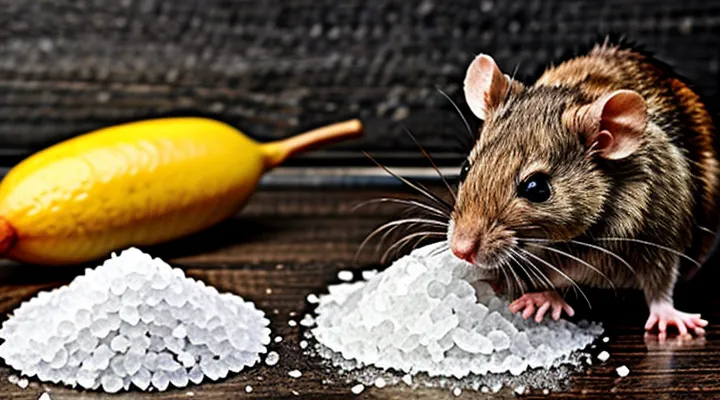
Understanding Sodium for Rats
The Role of Sodium in Biological Functions
Sodium ions are indispensable for maintaining electrochemical gradients that enable rapid nerve signaling. By establishing a voltage difference across neuronal membranes, sodium influx initiates depolarization, which propagates action potentials essential for sensory perception and motor coordination in rats.
Fluid homeostasis depends on sodium-driven osmotic pressure. The kidneys regulate extracellular fluid volume by adjusting sodium reabsorption, thereby controlling blood pressure and tissue hydration. Inadequate sodium intake leads to hyponatremia, impairing cellular function, while excessive consumption overwhelms renal excretory capacity, resulting in hypernatremia and edema.
Muscle contraction requires sodium to trigger the release of calcium from sarcoplasmic stores. The sodium‑calcium exchanger restores intracellular calcium levels after each contraction cycle, ensuring sustained performance during locomotion and feeding behaviors.
Enzymatic activity often relies on sodium as a cofactor. Specific transport proteins, such as Na⁺/K⁺‑ATPase, use sodium gradients to drive active transport of nutrients, maintaining intracellular ion balance and supporting metabolic pathways.
Acid‑base regulation incorporates sodium buffers. Bicarbonate ions, paired with sodium, neutralize excess acids, preserving pH stability crucial for enzymatic reactions and cellular integrity.
Key physiological parameters for rats
- Minimum dietary sodium requirement: 0.1 % of feed weight (≈1 g NaCl kg⁻¹ diet).
- Adequate intake range: 0.2–0.5 % of feed weight, supporting normal growth and reproduction.
- Toxic threshold: >2 % of feed weight; chronic exposure leads to hypertension, renal dysfunction, and reduced lifespan.
Understanding these functions clarifies why precise sodium levels are critical when evaluating the safety of salt supplementation in experimental rat diets. Proper dosing aligns with physiological needs, minimizes adverse effects, and ensures reliable experimental outcomes.
Essential vs. Excessive Intake
Electrolyte Balance
Salt provides sodium and chloride, the primary ions that maintain extracellular fluid volume and osmotic pressure in rats. Adequate intake supports nerve impulse transmission, muscle contraction, and acid‑base regulation.
Electrolyte balance depends on coordinated control of sodium, potassium, chloride, and water. Sodium concentration drives fluid retention; potassium counteracts sodium to preserve intracellular volume; chloride follows sodium to preserve electroneutrality. The kidneys filter and reabsorb these ions according to hormonal signals, chiefly aldosterone and antidiuretic hormone.
Laboratory diets typically contain 0.2–0.5 % NaCl. Levels above 1 % increase serum sodium, raise blood pressure, and impose renal load. Chronic excess reduces potassium uptake, predisposes to arrhythmias, and disrupts pH homeostasis.
- Elevated sodium → hypernatremia, increased plasma osmolality, dehydration risk.
- Reduced potassium → hypokalemia, impaired muscle function, cardiac instability.
- High chloride → metabolic acidosis, altered bicarbonate balance.
- Excessive salt → renal tubular injury, proteinuria, diminished glomerular filtration.
Researchers should measure serum electrolytes at baseline and after dietary modifications. Adjustments include:
- Limiting NaCl to ≤0.5 % of feed weight.
- Providing potassium‑rich supplements when sodium is increased.
- Ensuring free access to water to prevent dehydration.
- Monitoring blood pressure and renal biomarkers throughout the study.
Strict control of dietary salt preserves electrolyte equilibrium, minimizes physiological stress, and yields reliable experimental outcomes.
Nerve and Muscle Function
Sodium intake directly influences the excitability of neuronal membranes. Elevated extracellular sodium reduces the threshold for action‑potential initiation, enhancing signal transmission in peripheral and central pathways. In rats, dietary sodium concentrations above physiological levels increase the amplitude of nerve impulses, which may improve reflex speed but also predispose to hyperexcitability and aberrant firing patterns.
Muscle fibers depend on sodium gradients to generate contractile force. Sodium influx through voltage‑gated channels triggers depolarization, calcium release, and subsequent contraction. Controlled dietary sodium supports optimal twitch tension and endurance; however, excess sodium can cause prolonged depolarization, impaired relaxation, and fatigue due to disrupted ion homeostasis.
Key observations from controlled feeding experiments:
- Moderate sodium enrichment (0.5–1 % of diet) maintains normal nerve conduction velocity and muscle contractility.
- Levels exceeding 2 % produce heightened neuromuscular excitability, observed as tremors and reduced grip strength.
- Chronic high‑sodium diets correlate with altered expression of Na⁺/K⁺‑ATPase and voltage‑gated sodium channel subunits, indicating adaptive but potentially maladaptive remodeling.
Potential Risks of Salt in Rat Diets
Hypertension and Cardiovascular Issues
Mechanisms of Salt-Induced Hypertension
Excess dietary sodium elevates arterial pressure through several interrelated pathways. Acute intake raises extracellular fluid volume, increasing cardiac output and, consequently, systolic pressure. The kidneys respond by retaining water and sodium, but chronic high‑salt exposure impairs natriuretic capacity, sustaining volume expansion.
Renal mechanisms involve altered pressure‑natriuresis curves. Elevated sodium shifts the set point for tubular sodium reabsorption, reducing the effectiveness of glomerular filtration pressure in promoting excretion. Sodium‑sensitive transporters in the proximal tubule and distal nephron become up‑regulated, perpetuating retention.
Vascular effects stem from endothelial dysfunction and altered smooth‑muscle tone. High sodium reduces nitric‑oxide bioavailability, promoting vasoconstriction. Simultaneously, sympathetic nervous system activity rises, increasing peripheral resistance. The renin‑angiotensin‑aldosterone system (RAAS) may become dysregulated; despite suppressed renin, angiotensin II levels can remain elevated due to enhanced tissue conversion, further constricting vessels.
Key mechanisms can be summarized:
- Volume expansion via extracellular fluid increase
- Impaired pressure‑natriuresis and tubular transporter up‑regulation
- Endothelial nitric‑oxide reduction leading to vasoconstriction
- Heightened sympathetic outflow raising peripheral resistance
- Tissue‑specific angiotensin II production sustaining vascular tone
These processes collectively generate the hypertensive response observed in rodent models fed high‑salt diets, informing risk assessments of sodium exposure in laboratory animals.
Long-term Effects on Heart Health
Long‑term exposure to elevated sodium levels in rodent feeding regimens produces measurable alterations in cardiovascular physiology. Chronic high‑salt intake raises arterial pressure, induces left‑ventricular hypertrophy, and accelerates myocardial fibrosis. These changes arise from sustained activation of the renin‑angiotensin‑aldosterone system, endothelial dysfunction, and increased oxidative stress.
Key observations from extended studies include:
- Persistent systolic and diastolic pressure elevation exceeding baseline by 15‑30 mm Hg after six months of a 4 % NaCl diet.
- Enlargement of left‑ventricular wall thickness by 20‑35 % relative to control groups, confirmed via echocardiography.
- Collagen deposition in myocardial tissue increasing by 40‑60 % as quantified by histological staining.
- Elevated plasma biomarkers such as brain natriuretic peptide (BNP) and troponin I, indicating myocardial strain and injury.
Mechanistic investigations reveal that excess dietary sodium impairs nitric‑oxide production, promotes vascular smooth‑muscle proliferation, and triggers inflammatory cytokine release. These pathways collectively contribute to the progression of hypertensive heart disease in the animal model.
Translational relevance rests on the similarity of salt‑induced hemodynamic responses between rats and humans. Data suggest that prolonged high‑sodium consumption can predispose to chronic cardiac remodeling, arrhythmogenic substrate formation, and eventual heart failure if unmitigated. Consequently, experimental designs evaluating sodium safety must incorporate cardiovascular endpoints over extended periods to capture these cumulative effects.
Kidney Damage and Renal Dysfunction
Salt's Impact on Kidney Filtration
Dietary sodium directly modifies renal filtration by altering extracellular fluid volume and systemic pressure, which in turn changes glomerular filtration rate (GFR). Elevated plasma sodium expands intravascular volume, raises arterial pressure, and forces the glomeruli to filter more plasma per unit time.
In rats fed a high‑salt regimen, studies report an initial rise in GFR followed by progressive hyperfiltration injury. Histological analysis shows glomerular hypertrophy, basement‑membrane thickening, and focal segmental sclerosis after several weeks of exposure. Low‑salt diets (≈0.2 % NaCl) maintain stable GFR and preserve normal glomerular architecture.
Key observations from dose‑response experiments:
- 0.5 % NaCl diet: modest GFR increase (≈10 % above baseline), no detectable histopathology after 4 weeks.
- 2 % NaCl diet: sustained GFR elevation (≈25 % above baseline), early signs of mesangial expansion at 6 weeks.
- 4 % NaCl diet: marked hyperfiltration (≈40 % above baseline), evident glomerular lesions and proteinuria by 8 weeks.
The physiological cascade begins with suppression of renin‑angiotensin‑aldosterone activity, reduced sympathetic tone, and enhanced nitric‑oxide production, which collectively dilate afferent arterioles. Simultaneously, sodium reabsorption in proximal tubules increases, raising tubular pressure and contributing to glomerular stress.
Safety assessment of rodent feeding protocols must therefore include regular measurement of GFR, urinary protein excretion, and renal histology. Limiting dietary sodium to ≤0.5 % NaCl prevents maladaptive hyperfiltration while allowing normal growth and metabolic function.
Signs of Kidney Stress
Elevated dietary sodium can overload the renal filtration capacity of laboratory rats, leading to observable stress markers. Early detection relies on monitoring physiological and behavioral changes that directly reflect compromised kidney function.
Typical indicators include:
- Increased water consumption and urine output, often measured as polyuria and polydipsia.
- Presence of protein or blood in urine, detectable through dip‑stick analysis or microscopic examination.
- Weight loss despite unchanged food intake, suggesting catabolic processes linked to renal inefficiency.
- Elevated serum creatinine and blood urea nitrogen levels, identified via blood chemistry panels.
- Lethargy or reduced activity, reflecting systemic fatigue associated with toxin accumulation.
Additional observations may arise during necropsy. Enlarged kidneys, cortical pallor, and interstitial fibrosis confirm chronic stress. Histological evaluation often reveals tubular degeneration and inflammatory infiltrates, corroborating functional impairments noted in live animals.
Consistent recording of these parameters enables researchers to assess the safety threshold for sodium inclusion in rat diets and to intervene before irreversible renal damage occurs.
Other Health Concerns
Bone Density and Calcium Metabolism
High dietary sodium alters calcium handling in rodents. Excessive salt increases urinary calcium excretion, reducing the amount available for skeletal deposition. Consequently, bone mineral density declines, particularly in trabecular regions prone to rapid turnover.
Key physiological responses include:
- Elevated parathyroid hormone secretion stimulated by reduced serum calcium.
- Enhanced renal calcium loss driven by sodium‑chloride co‑transport mechanisms.
- Increased bone resorption markers such as C‑telopeptide of type I collagen.
These mechanisms collectively compromise skeletal integrity, indicating that elevated salt levels in rat feed pose a risk to bone health.
Behavioral Changes
Research on dietary sodium chloride in laboratory rats frequently measures behavioral outcomes to evaluate safety. Experiments typically compare groups receiving standard feed with groups receiving added salt at concentrations ranging from 0.5 % to 5 % by weight. Observations are recorded over periods of 2 weeks to several months, allowing detection of acute and chronic effects.
Behavioral alterations reported in salt‑supplemented rats include:
- Reduced exploration of novel objects, measured by decreased time spent investigating in open‑field tests.
- Increased latency to initiate grooming, indicating possible discomfort or altered motivation.
- Elevated aggression toward cage mates, evidenced by a higher frequency of biting incidents.
- Diminished locomotor activity, reflected in lower total distance traveled in activity monitors.
- Altered feeding patterns, such as prolonged intervals between meals and reduced overall intake.
These changes suggest that excessive sodium intake can disrupt normal rodent behavior, potentially confounding experimental results and raising concerns about welfare. When assessing the safety of sodium chloride as a dietary component, investigators should incorporate behavioral metrics alongside physiological markers to obtain a comprehensive risk profile.
Recommended Sodium Intake for Rats
Dietary Guidelines and Standards
Lab Rat Feed Composition
Laboratory rat chow is formulated to meet precise nutritional requirements for growth, reproduction, and experimental consistency. A typical composition includes:
- Protein: 18–20 % (casein, soy isolate, or animal-derived sources)
- Carbohydrate: 45–55 % (corn starch, maltodextrin, wheat flour)
- Fat: 4–6 % (vegetable oil blends)
- Fiber: 3–5 % (cellulose, beet pulp)
- Vitamins and trace minerals: premixed premix meeting AIN‑93G standards
- Electrolytes: sodium, potassium, calcium, magnesium in defined ratios
Sodium chloride is the primary source of chloride and sodium in the diet. Standard formulations contain 0.2–0.5 % NaCl, delivering approximately 300–750 mg sodium per kilogram of feed. Regulatory bodies and institutional animal care committees specify these limits to align with the physiological needs of adult Sprague‑Dawley or Wistar rats.
Excessive sodium intake can elevate blood pressure, induce renal stress, and alter behavior, whereas deficiency may impair nerve transmission and fluid balance. Controlled studies demonstrate that intake above 1 % NaCl in the diet produces measurable hypertension and renal pathology within weeks. Conversely, diets below 0.1 % NaCl result in reduced plasma sodium concentrations and impaired growth rates.
Formulating safe rat diets requires:
- Verifying sodium concentration in each batch of chow.
- Adjusting NaCl levels when experimental protocols demand altered electrolyte balance.
- Monitoring animal health through regular weight checks, blood chemistry, and urine analysis.
Adherence to established nutrient guidelines, combined with routine analytical testing, ensures that the inclusion of salt remains within safe physiological boundaries for laboratory rats.
Differences Based on Strain and Life Stage
Sodium requirements vary markedly among rat strains and across developmental stages. Inbred strains such as Sprague‑Dawley, Wistar, and Long‑Evans exhibit distinct renal handling of sodium; Sprague‑Dawley rats typically maintain plasma sodium within a narrow range, whereas Wistar rats display greater tolerance to elevated dietary salt before hypertensive markers appear. Long‑Evans rats often develop renal pathology at lower sodium concentrations, reflecting genetic predisposition to salt‑sensitive hypertension.
Life stage influences sodium metabolism through hormonal regulation, organ maturation, and metabolic rate. Neonatal rats possess immature renal tubules, limiting sodium excretion and necessitating lower dietary salt to avoid hypernatremia. Juvenile rats experience rapid growth, increasing sodium demand for tissue expansion and enzymatic activity. Adult rats achieve stable sodium balance, but chronic high‑salt intake can provoke blood pressure elevation, particularly in strains with known salt sensitivity. Aged rats exhibit reduced glomerular filtration and altered aldosterone response, rendering them vulnerable to both sodium deficiency and excess, which may exacerbate cardiovascular decline.
Key differences can be summarized:
-
Strain-specific renal response:
• Sprague‑Dawley – moderate tolerance, delayed hypertension onset.
• Wistar – higher tolerance, later onset of renal damage.
• Long‑Evans – low tolerance, early hypertension signs. -
Developmental stage impact:
• Neonates – limited excretory capacity, require minimal salt.
• Juveniles – increased demand for growth, moderate intake acceptable.
• Adults – balanced intake critical to prevent chronic hypertension.
• Seniors – diminished clearance, heightened risk from both deficit and excess.
Research indicates that experimental designs must align sodium levels with the specific strain and age group to avoid confounding physiological outcomes. Adjusting dietary salt according to these variables ensures reproducible results and animal welfare.
Recognizing Symptoms of Sodium Imbalance
Signs of Deficiency
Low sodium intake in laboratory rats produces measurable physiological and behavioral changes. Deficiency manifests primarily through alterations in fluid balance, nerve function, and metabolic processes.
- Reduced water consumption and concentrated urine indicate impaired renal reabsorption of sodium.
- Decreased blood pressure and tachycardia result from inadequate extracellular fluid volume.
- Muscle weakness, tremors, and impaired coordination reflect disrupted neuromuscular transmission.
- Loss of appetite and weight reduction accompany diminished metabolic efficiency.
- Elevated plasma potassium levels emerge as the body attempts to maintain electrolyte equilibrium.
- Increased mortality rates in severe cases confirm the critical nature of sodium for survival.
These indicators provide reliable criteria for assessing whether a rat’s diet supplies sufficient salt. Monitoring them enables researchers to adjust formulations promptly and maintain animal health.
Signs of Toxicity
Excessive sodium intake can produce observable toxicity in laboratory rats. Early manifestations include reduced water consumption, rapid weight loss, and lethargy. Neurological disturbances may appear as tremors, seizures, or unsteady gait. Cardiovascular strain presents through elevated heart rate, arrhythmias, and edema of the limbs.
Renal impairment is evident from increased urine output, proteinuria, and discoloration of urine. Gastrointestinal irritation may cause vomiting, diarrhea, and loss of appetite. Dermatological signs include dry, flaky skin and hair loss around the tail and hindquarters.
Typical clinical indicators
- Polyuria with dilute urine
- Persistent dehydration despite fluid access
- Hyperexcitability or convulsive episodes
- Swollen paws or facial edema
- Elevated respiratory rate and labored breathing
Monitoring these parameters enables early detection of salt‑induced toxicity and informs adjustments to dietary formulations.
Safe Sodium Sources and Management
Naturally Occurring Sodium in Food
Naturally occurring sodium is present in most plant and animal tissues, resulting from the mineral composition of soils, water, and biological metabolism. Typical concentrations range from 10 mg Na per 100 g in low‑sodium vegetables to over 400 mg Na per 100 g in seafood and organ meats. These values represent the baseline sodium intake before any supplemental salt is added to a rat’s feed.
In laboratory rodent diets, the intrinsic sodium content influences electrolyte balance, nerve impulse transmission, and renal function. When formulating a control diet, researchers must account for this background level to avoid unintentionally exceeding the species‑specific sodium tolerance. For example, a standard chow containing 0.2 % sodium by weight provides approximately 2 g Na per kilogram of diet, a figure that aligns with the recommended intake for adult rats.
Key considerations for evaluating safety include:
- Baseline sodium: Measure the natural sodium content of each feed ingredient using atomic absorption spectroscopy or inductively coupled plasma analysis.
- Total dietary sodium: Sum intrinsic sodium with any added NaCl to determine the final concentration in the finished diet.
- Physiological thresholds: Compare the total to established upper limits (≈0.5 % Na by weight) that prevent hypertension, renal strain, and altered behavior in rats.
- Long‑term monitoring: Record blood sodium, plasma osmolality, and urinary excretion to detect deviations from normal homeostasis.
Accurate accounting of naturally occurring sodium ensures that experimental diets remain within safe parameters, thereby protecting animal welfare and preserving the validity of toxicological or nutritional studies.
Avoiding High-Sodium Treats
Processed Foods
Processed foods commonly contain added sodium compounds that can significantly raise the overall salt intake of laboratory rats. When formulating a diet for safety assessments, researchers must quantify the sodium contributed by each ingredient, including preservatives, flavor enhancers, and cured meats. Failure to account for these sources leads to inaccurate dosing and may mask toxicological thresholds.
Key factors to evaluate in processed diets include:
- Sodium concentration per kilogram of feed, expressed as mg NaCl.
- Presence of other electrolytes that influence osmotic balance.
- Stability of sodium during storage and autoclaving.
- Potential interactions with micronutrients such as potassium and calcium.
Accurate measurement of these variables enables determination of whether the observed physiological responses stem from the experimental salt level or from background sodium in processed components. This distinction is essential for reliable conclusions about the safety of sodium supplementation in rodent nutrition studies.
Human Snacks
Human snack products contain sodium concentrations that often exceed the amounts recommended for laboratory rodents. Commercial chips, pretzels, and seasoned nuts typically provide 300–800 mg of sodium per 28 g serving, corresponding to 1.1–2.9 % sodium chloride by weight.
- Salted potato chips: ~350 mg Na per 30 g (≈1.4 % NaCl)
- Pretzels: ~400 mg Na per 30 g (≈1.6 % NaCl)
- Flavored popcorn: ~500 mg Na per 30 g (≈2.0 % NaCl)
- Seasoned nuts: up to 800 mg Na per 30 g (≈3.2 % NaCl)
Rodent dietary guidelines limit sodium chloride to 0.2–0.5 % of total feed mass. Exceeding this range can elevate plasma osmolarity, increase blood pressure, and alter renal function in rats. Experimental evidence shows that chronic intake above 1 % NaCl leads to measurable hypertensive responses and reduced weight gain.
Researchers incorporating human snack-derived salt must adjust formulations to remain within safe limits. Practical steps include:
- Quantify sodium content of the snack source using analytical methods.
- Dilute or blend the snack salt with a low‑sodium carrier to achieve ≤0.5 % NaCl in the final diet.
- Monitor physiological parameters (blood pressure, serum electrolytes, renal markers) throughout the study.
- Document sodium levels in publications to ensure reproducibility.
Adhering to these practices preserves animal welfare and maintains experimental integrity when evaluating the effects of sodium from human snack sources on rodent health.
Strategies for a Balanced Diet
Consulting Veterinary Advice
When a rat’s diet is being adjusted to include sodium, professional veterinary input is required to determine safe levels.
Veterinarians evaluate species‑specific electrolyte needs, existing medical conditions, and the impact of sodium on renal and cardiovascular function. Their assessment prevents excess intake that could lead to hypertension, dehydration, or electrolyte imbalance.
Typical procedure for obtaining advice includes:
- Scheduling a consultation with a small‑animal or exotic‑pet specialist.
- Presenting a detailed record of the rat’s current feed, water consumption, and any observed symptoms.
- Requesting a recommended daily sodium allowance based on the animal’s weight, age, and health status.
- Discussing potential adjustments to commercial diets or the use of supplemental salt.
Providing the veterinarian with accurate diet logs and health histories enables precise recommendations.
After receiving guidance, owners should monitor the rat for changes in behavior, appetite, or urine output and report any concerns during follow‑up appointments. Continuous veterinary oversight ensures that sodium inclusion remains within safe limits throughout the animal’s life.
Monitoring Water Intake
Monitoring water consumption is a critical component of any investigation into dietary sodium for laboratory rodents. Accurate assessment of fluid balance allows researchers to detect physiological responses to altered salt intake, such as osmotic regulation, renal function, and potential dehydration.
Common approaches for quantifying intake include:
- Gravimetric measurement: weigh bottles before and after a defined interval, subtract residual volume.
- Automated lickometers: record each lick event, provide high‑resolution temporal data.
- Metabolic cages: integrate water bottles with balance sensors, enable continuous monitoring alongside urine output.
- Volumetric sensors: measure displacement in a calibrated reservoir, suitable for group housing.
Baseline values should be established for each strain under standard chow before introducing salt modifications. Daily records must capture diurnal fluctuations, as rodents typically increase drinking during the dark phase. When sodium concentration rises, a proportional increase in water intake often occurs; deviations from expected patterns may signal impaired renal concentrating ability or excessive fluid loss.
Interpretation of the data follows a logical framework:
- Consistent elevation of intake correlates with higher dietary sodium, indicating successful osmotic compensation.
- Sudden spikes or declines, absent changes in diet, suggest pathological conditions such as renal insufficiency or hypernatremia.
- Comparative analysis across experimental groups clarifies whether observed behavioral changes stem from the salt regimen or external variables.
For reliable outcomes, protocols should stipulate:
- Daily measurement at the same time to reduce circadian bias.
- Calibration of weighing equipment before each session.
- Documentation of ambient temperature and humidity, factors that influence drinking behavior.
- Inclusion of control groups receiving standard sodium levels to benchmark normal intake.
Adhering to these practices ensures that water consumption data accurately reflect the physiological impact of sodium supplementation, supporting robust conclusions about its safety in rodent nutrition studies.