
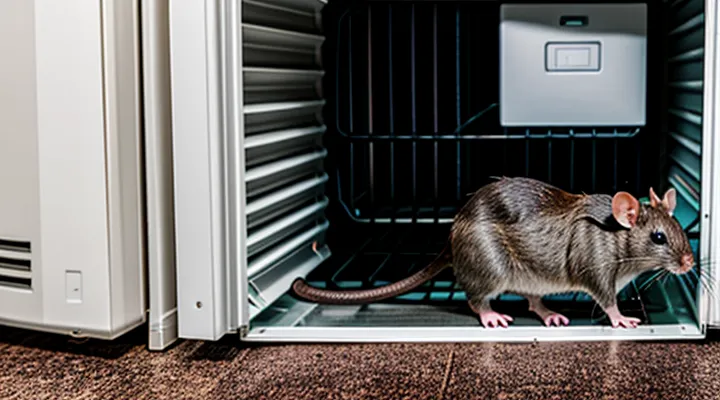
Understanding the Rat Problem in Ventilation Systems
Identifying the Presence of Rats
Common Signs of Infestation
Rats that have entered a building’s ventilation network leave distinct evidence that can be identified without specialist equipment. Recognizing these indicators early prevents damage to duct insulation, spreads of disease, and costly repairs.
- Fresh droppings, typically dark and pellet‑shaped, found on grilles, inside ducts, or near access panels.
- Gnaw marks on metal, plastic, or foam components, especially at seams, joints, and vent covers.
- Strong, musky odor that intensifies near intake or exhaust points, caused by urine and glandular secretions.
- Presence of shredded insulation, nesting material, or shredded paper lodged in ductwork.
- Audible scratching, scurrying, or squeaking sounds heard through vents, especially at night.
- Unexplained airflow reduction or uneven distribution, often resulting from blockages created by nests or debris.
These signs collectively confirm rodent occupation of the ventilation system. Immediate inspection and professional remediation are required to eliminate the infestation and restore the integrity of the air distribution network.
Sounds of Rats in Vents
Rats moving through building ventilation produce distinct acoustic signatures that can be identified by residents and maintenance personnel. Typical noises include:
- Scratching on metal ducts, heard as rapid, high‑pitched clicks.
- Gnawing on insulation or plastic components, producing dull, intermittent thuds.
- Squeaking vocalizations, especially during mating season, sounding like short, sharp chirps.
- Rapid footfalls when traversing vertical shafts, creating a faint, rhythmic patter.
The timing of these sounds often correlates with rat activity patterns. Nighttime recordings reveal increased scratching and gnawing, while daytime detection usually indicates foraging or nest construction. Frequency analysis shows that scratching peaks between 3 kHz and 6 kHz, whereas vocalizations concentrate around 1 kHz to 2 kHz.
Detecting these audio cues enables early intervention. Professionals employ directional microphones or ultrasonic detectors to locate infestations without dismantling ducts. Once identified, targeted sealing of entry points and strategic placement of traps reduce the population and prevent further acoustic disturbances.
Odor of Rats
The presence of rodents within residential ductwork produces a distinctive odor that signals infestation. This smell originates from a combination of urine, feces, secretions, and decomposing food particles left by the animals. The scent is often described as musky, ammonia‑like, and sometimes sweetly pungent, varying with the size of the colony and the duration of contamination.
Odor detection serves as an early warning system for homeowners and maintenance personnel. When the smell becomes noticeable in living spaces, it indicates that rodents have entered the ventilation network and are likely nesting or traveling through the ducts. Persistent detection suggests that the infestation has progressed beyond a few individuals and may require professional intervention.
Key characteristics of rodent odor in duct systems:
- Strong, sharp ammonia notes from urine deposits
- Earthy, oily undertones from glandular secretions
- Sweet, rancid hints from decomposed food residues
- Intensification during warm weather or when ventilation fans operate
Effective response includes sealing entry points, cleaning affected ducts, and installing barriers to prevent re‑entry. Chemical neutralizers can mask the smell temporarily but do not eliminate the source; thorough removal of contaminated material is essential to eradicate the odor permanently.
How Rats Enter Ventilation Systems
Entry Points in Apartments
Rats gain access to residential ductwork primarily through structural gaps and utility connections. Identifying these openings is essential for preventing infestations and protecting indoor air quality.
Typical ingress routes include:
- Unsealed gaps around pipe penetrations, especially where plumbing, gas, or electrical lines intersect the vent shaft.
- Cracks or gaps in the exterior wall cladding, siding, or brick veneer adjacent to the ventilation stack.
- Openings around vent covers, louvers, or roof hatches that lack weather‑tight flashing.
- Unfinished attic or crawl‑space insulation that leaves voids between joists and the ductwork.
- Open or poorly fitted bathroom and kitchen exhaust fans that connect directly to the vent system.
- Utility chases and conduit sleeves that are not wrapped with metal or mesh screening.
- Damaged or missing sealant around window air‑conditioning units and balcony doors that share the same cavity as the vent ducts.
Each point represents a direct path for rodents to travel from the building envelope into the air distribution network. Sealing with steel wool, copper mesh, or approved rodent‑proof caulking eliminates the most vulnerable routes. Regular inspection of these locations, combined with maintenance of exterior barriers, reduces the likelihood of rodent presence within the ventilation infrastructure.
Entry Points in Buildings
Rodents frequently exploit structural openings to infiltrate residential ductwork, compromising indoor air quality and causing damage. Identifying and sealing these ingress routes is essential for effective control.
Typical pathways include:
- Gaps around plumbing, gas, and electrical penetrations that intersect the ventilation network.
- Unscreened roof and wall vents, especially those with deteriorated mesh.
- Cracks in exterior walls, foundation slabs, and around window frames that connect to interior shafts.
- Openings in utility chases, crawl spaces, and attic access points that lead directly to duct runs.
- Unsealed service openings for HVAC equipment, such as condensate drains and filter compartments.
Mitigation requires precise inspection of the building envelope, application of durable sealants, metal flashing, or hardware cloth to cover vulnerable sites, and routine maintenance to detect new breaches. Integrating these measures into the building’s design and upkeep schedule reduces the likelihood of rodents entering the ventilation system.
Structural Vulnerabilities
Rodents can enter residential duct networks through numerous construction weaknesses. Open seams, unsealed joints, and penetrations for utilities provide direct pathways from the building envelope to the ventilation interior. When duct sections are assembled without continuous gasketing, small openings as narrow as a few millimeters remain, allowing rats to squeeze through.
- Gaps at branch‑point connections where supply and return ducts merge
- Unprotected openings around pipe sleeves, conduit entries, and fire‑stop collars
- Deteriorated metal sheeting or rusted seams that lose structural integrity
- Inadequate insulation covers that detach and expose the duct surface
- Access doors or service panels lacking latch mechanisms or tamper‑resistant fasteners
These structural flaws create a continuous route for rodents to travel throughout multiple apartments, facilitating nesting, food storage, and waste deposition inside the air handling system. Accumulated debris compromises airflow, increases pressure differentials, and can overload fans. Furthermore, gnawing activity damages duct walls, leading to leaks that degrade indoor air quality and promote mold growth.
Remediation requires sealing all identified gaps with fire‑rated caulk, installing metal mesh guards over utility penetrations, and reinforcing junctions with continuous tape or clamp systems. Periodic inspection of duct integrity, especially after building renovations, helps detect emerging vulnerabilities before they become conduits for infestation.
Health Risks and Damages Caused by Rats
Health Concerns for Residents
Diseases Carried by Rats
Rats that gain access to residential ductwork introduce a range of pathogenic agents capable of spreading through airborne particles and dust. Their presence in ventilation shafts creates a direct pathway for microorganisms to reach occupants’ living spaces.
- Leptospirosis – bacterial infection transmitted via urine‑contaminated aerosols; symptoms include fever, headache, and potential kidney damage.
- Hantavirus Pulmonary Syndrome – virus carried in rodent saliva, urine, and feces; inhalation of contaminated droplets can cause severe respiratory distress and high mortality.
- Salmonellosis – bacteria shed in feces; aerosolized dust may lead to gastrointestinal illness characterized by diarrhea, abdominal cramps, and fever.
- Lymphocytic Choriomeningitis Virus (LCMV) – spread through excreta; inhalation can result in meningitis, encephalitis, or flu‑like illness.
- Plague (Yersinia pestis) – rare but possible; fleas on rats may deposit bacteria into ducts, leading to pneumonic forms with rapid onset of fever, chills, and cough.
These pathogens survive in moist, dust‑laden environments typical of ventilation systems, allowing prolonged exposure. Regular inspection, sealing of entry points, and professional pest‑control interventions are essential to prevent rodent colonization and reduce disease risk.
Allergens and Respiratory Issues
Rats that colonize building ventilation shafts introduce biological contaminants that become airborne throughout residential units. Their feces, urine, and hair shed microscopic particles that trigger immune responses in sensitive occupants. Damage to ductwork created by gnawing permits moisture accumulation, fostering mold growth that adds fungal spores to the indoor air mix.
Common airborne allergens associated with rodent intrusion include:
- Dried fecal fragments
- Urine proteins that aerosolize when disturbed
- Hair and skin flakes
- Bacterial endotoxins from contaminated droppings
- Mold spores proliferating on compromised ducts
Exposure to these agents correlates with a range of respiratory conditions. Asthmatic individuals experience increased bronchial hyper‑responsiveness, leading to more frequent attacks and higher medication use. Non‑asthmatic residents may develop allergic rhinitis, characterized by nasal congestion and sneezing, or hypersensitivity pneumonitis, marked by cough, fever, and shortness of breath. Chronic inhalation of endotoxins can provoke low‑grade inflammation, reducing lung function over time.
Mitigation requires sealing entry points, regular duct inspection, and professional decontamination. Removal of rodent nests eliminates the primary source of allergens, while thorough cleaning of ventilation components reduces residual particles. After remediation, air‑filter upgrades and humidity control help maintain a healthier indoor environment.
Damage to Property
Chewing Through Ductwork
Rats frequently target the flexible and insulated components of residential ventilation ducts, using their incisors to create openings that grant access to hidden spaces. The chewing activity is driven by the need to enlarge pathways for movement, to gnaw on building materials for dental wear, and to reach food sources that may collect in vents.
Typical signs of ductwork damage include:
- Irregular holes or frayed insulation visible behind vent covers.
- Accumulation of droppings, urine stains, or gnaw marks along duct surfaces.
- Unexplained odors, often musky or ammonia‑like, emanating from vents.
- Increased airflow noise caused by compromised duct integrity.
Consequences of rodent‑induced perforations extend beyond structural degradation. Airborne contaminants can bypass filtration systems, entering living areas and elevating health risks. Pressure imbalances may develop, reducing heating and cooling efficiency and raising energy consumption. Prompt identification and sealing of damaged sections, combined with exclusion measures such as mesh screens and sealants, are essential to restore duct performance and prevent further infestation.
Contamination of Air Quality
Rodent activity within residential ventilation ducts introduces biological contaminants that directly degrade indoor air quality. Excreta, urine, and shed hair become trapped in ductwork, providing a source of allergens and pathogens that are subsequently distributed throughout living spaces by the forced‑air system. The presence of these materials elevates concentrations of particulate matter, endotoxins, and microbial spores, increasing the risk of respiratory irritation and infection for occupants.
Key mechanisms of air‑quality contamination include:
- Accumulation of droppings and urine residues on duct surfaces, which aerosolize when air flows.
- Growth of mold and bacteria on moist excreta, releasing spores and volatile organic compounds.
- Shedding of fur and skin fragments that act as allergenic particles.
- Damage to duct insulation by gnawing, creating gaps that allow external pollutants to enter the airflow.
Mitigation requires sealing entry points, regular inspection of duct interiors, and professional cleaning to remove biological waste. Documentation of contamination levels through air sampling and visual assessment supports compliance with health‑based ventilation standards.
Structural Damage to Vents
Rodent intrusion in residential ventilation ducts frequently results in measurable structural degradation. Chewed metal grilles lose integrity, allowing air leakage and compromising fire‑rating certifications. Burrowing through insulated panels creates gaps that reduce thermal efficiency and increase condensation risk.
Common damage mechanisms include:
- Severed or frayed metal supports, weakening the overall framework.
- Punctured fiberglass or foam insulation, diminishing acoustic dampening and heat retention.
- Displaced duct joints, producing misalignment that impedes airflow and raises system pressure.
Repair protocols demand removal of all contaminated material, replacement of compromised components with corrosion‑resistant alternatives, and thorough sealing of joints. Post‑repair inspections should verify compliance with building codes and confirm that no residual gnaw marks remain.
Prevention and Extermination Strategies
Proactive Prevention Measures
Sealing Entry Points
Sealing potential openings blocks rodent access to duct networks, eliminating a primary pathway for infestation. Effective closure reduces the likelihood of nests forming within vents and limits damage to insulation, wiring, and air quality.
- Inspect all exterior wall penetrations, including pipe sleeves, cable conduits, and utility openings.
- Apply stainless‑steel mesh or hardware cloth (minimum ¼‑inch gauge) over gaps larger than ¼ inch.
- Use expanding polyurethane foam formulated for pest control to fill irregular voids, then trim excess.
- Install metal flashing around roof‑mounted vents and seal with high‑temperature silicone caulk.
- Secure vent covers with tamper‑resistant screws; replace damaged grilles promptly.
Material selection must consider durability, temperature resistance, and compatibility with building codes. Metal screens resist chewing, while approved sealants maintain elasticity under thermal cycling. Regular inspections, at least biannually, verify the integrity of closures and identify new entry points caused by settlement or renovation work. Prompt repair of compromised seals sustains a rodent‑free ventilation system.
Maintaining Cleanliness
Rodent intrusion through building ventilation pathways creates sanitation hazards and compromises indoor air quality. Maintaining a clean duct environment reduces food sources, nesting material, and travel routes that attract these pests.
Key actions for effective sanitation:
- Conduct visual inspections of accessible vent covers and shafts monthly; note droppings, gnaw marks, or accumulated dust.
- Remove debris, leaf litter, and stored items from vent openings and surrounding exterior areas.
- Install fine mesh screens on external grilles to block entry while allowing airflow.
- Seal cracks, gaps, and utility penetrations around ducts with appropriate sealants or metal flashing.
- Implement a scheduled cleaning program using HEPA‑rated vacuums or wet‑wipe methods to eliminate residue inside ducts.
- Manage waste by placing sealed containers away from vent locations and disposing of garbage regularly.
- Deploy rodent traps or bait stations near identified entry points, checking and resetting them according to manufacturer guidelines.
Facility managers should document inspection results, track cleaning intervals, and adjust preventative measures based on observed conditions. Consistent adherence to these practices sustains a hygienic ventilation network and deters rodent activity.
Regular Inspections
Regular inspections of residential ventilation networks are essential for early detection of rodent activity. Inspectors should examine accessible duct sections, vent caps, and surrounding insulation at least twice a year, increasing frequency in high‑density buildings or during warm months when rodents are most active.
Key inspection tasks include:
- Visual scanning for gnaw marks, droppings, or nesting material.
- Use of flashlight and mirror to view interior surfaces.
- Verification that vent grills remain intact and free of gaps.
- Assessment of moisture levels that may attract pests.
- Documentation of any evidence and immediate reporting to property management.
When signs of intrusion are identified, prompt sealing of entry points and placement of traps or bait stations are required. Recording the location, type of evidence, and corrective actions creates a traceable maintenance log, facilitating compliance with local health and safety regulations.
Consistent inspection schedules reduce the likelihood of extensive damage to ductwork, lower the risk of airborne contamination, and prevent costly repairs. A structured program, supported by trained personnel and proper equipment, provides reliable protection against rodent incursions in apartment ventilation systems.
Professional Extermination Methods
Trapping and Removal
Rodent activity within residential ventilation ducts creates health hazards and structural damage. Effective control begins with accurate assessment of entry points, population size, and movement patterns inside the duct network.
- Conduct a visual inspection of accessible duct sections, noting gnaw marks, droppings, and nesting material.
- Seal all external openings larger than ½ inch with steel wool, concrete, or metal flashing to prevent new ingress.
- Install snap traps or electronic kill devices at strategic locations: near suspected entry points, at junctions where ducts intersect, and in areas with visible activity. Position traps perpendicular to the airflow to increase capture rates.
- Use bait formulated for rats, such as high‑protein pellets or peanut butter, and replace it every 48 hours to maintain attractiveness.
- Monitor traps daily, record captures, and remove carcasses promptly to avoid secondary contamination.
After a sustained trapping period, evaluate remaining signs of activity. If evidence persists, consider live‑capture cages placed in the same locations, followed by humane relocation in accordance with local regulations. Finally, schedule routine maintenance checks to verify that all seals remain intact and that no new gnaw damage has occurred, ensuring long‑term prevention of rodent re‑infestation.
Rodenticide Application
Effective rodenticide deployment in residential ventilation networks requires a systematic approach that addresses delivery, safety, and efficacy.
Initial assessment identifies infestation hotspots by inspecting duct grilles, access panels, and downstream sections where droppings or gnaw marks accumulate. Sampling with bait stations confirms species and activity levels, informing product selection.
Product choice follows regulatory guidelines and considers the following criteria:
- Active ingredient compatible with indoor air quality standards.
- Formulation that resists degradation by dust and humidity.
- Low secondary toxicity to non‑target occupants and pets.
Application techniques include:
- Bait placement – secure bait blocks or pellets behind removable panels, ensuring they are inaccessible to children and pets while remaining reachable for rodents.
- Gel or paste injection – introduce gel into duct cavities through pre‑drilled ports, allowing the substance to coat interior surfaces and create a persistent barrier.
- Aerosol fogging – employ calibrated foggers to disperse fine particles throughout the airflow path, targeting concealed nesting sites.
Safety protocols mandate personal protective equipment, ventilation isolation, and post‑application signage. Operators must document dosage, location, and expiration dates for each bait unit.
Monitoring continues for at least three weeks, with weekly inspections of bait integrity and capture rates. Declining activity triggers a reduced follow‑up treatment, while persistent signs prompt a reassessment of bait placement density.
Properly executed rodenticide programs minimize rodent presence in ventilation conduits, protect indoor air quality, and reduce the risk of structural damage caused by chewing and contamination.
Exclusion Techniques
Effective exclusion of rodents from residential ventilation networks requires a systematic approach that combines structural modification, material selection, and ongoing maintenance.
Physical barriers form the core of any exclusion program. Installing stainless‑steel or heavy‑gauge aluminum mesh with openings no larger than ¼ inch blocks entry while preserving airflow. Mesh should be welded or securely fastened to ductwork, flanges, and vent caps to eliminate gaps. Where ducts intersect walls or ceilings, apply expandable polyurethane foam or cement‑based sealant to fill voids around pipe sleeves and conduit penetrations. Steel or copper flashing around vent openings reinforces the barrier and resists gnawing.
Pressure management reduces the incentive for rodents to explore duct interiors. Installing a slight negative pressure in supply ducts, achieved with low‑capacity exhaust fans, discourages entry by creating airflow opposite to typical rodent movement. Balance must be maintained to avoid compromising ventilation performance.
Regular inspection and maintenance complete the strategy. Schedule quarterly visual checks of vent grilles, duct seams, and access panels. Replace damaged mesh, reseal compromised joints, and trim vegetation that could provide climbing routes to vent openings. Document findings in a maintenance log to track recurring issues and guide corrective actions.
Key exclusion techniques
- Mesh screening (≤¼‑inch openings) on all vent faces and duct sections
- Welded or bolted steel flashing around vent caps and pipe penetrations
- Expandable foam or cement sealant for gaps around conduit sleeves
- Negative pressure installation in supply ducts
- Quarterly visual inspections and prompt repair of wear
Implementing these measures creates a continuous physical and environmental barrier, preventing rodents from exploiting ventilation pathways in multi‑unit dwellings.
Post-Extermination Actions
Cleaning and Sanitization
Rats can contaminate ductwork with urine, feces, and hair, creating health hazards and compromising airflow. Effective cleaning and sanitization remove biological residues, eliminate odors, and restore system performance.
First, isolate the affected ventilation section by sealing supply and return registers. Wear respiratory protection, disposable gloves, and coveralls to prevent exposure. Remove visible debris with a vacuum equipped with a HEPA filter, then disassemble duct sections that show signs of infestation.
- Scrape interior surfaces to release dried deposits.
- Apply an enzymatic cleaner to break down organic matter; allow the solution to dwell for the manufacturer‑specified contact time.
- Rinse with hot water, ensuring runoff does not enter occupied spaces.
- Disinfect using a registered antimicrobial agent (e.g., quaternary ammonium or chlorine‑based product) at the concentration recommended for airborne system sanitation.
- Allow the disinfectant to remain on surfaces for the full exposure period before drying.
After chemical treatment, dry the ducts with forced air or low‑temperature heaters to inhibit mold growth. Reassemble components, reinstall filters, and perform a functional test to verify airflow rates and pressure balances.
Routine maintenance should include quarterly visual inspections, filter replacement, and periodic sanitization of high‑risk zones. Document all procedures, chemical concentrations, and personnel protective equipment to meet regulatory requirements and to support future audits.
Repairing Damaged Vents
Rats that gnaw on ductwork create holes, collapsed sections, and compromised seals, which reduce airflow and increase fire risk. Immediate repair restores ventilation efficiency and prevents further structural damage.
Inspect each vent for signs of chewing, rust, or misalignment. Mark compromised areas before disassembly. Remove damaged sections, clean debris, and disinfect with a rodent‑safe antimicrobial solution. Replace missing or broken components with metal or reinforced PVC pieces that match the original dimensions. Re‑seal joints using high‑temperature silicone or fire‑rated tape to ensure airtight connections.
Key steps for a reliable repair:
- Shut off the HVAC system and isolate the affected zone.
- Detach the vent cover and examine the underlying duct.
- Cut away all gnawed material with a tin snip or metal saw.
- Fit a new duct segment, securing it with clamps or screws.
- Apply sealant around joints and around the vent housing.
- Reinstall the cover, restore power, and test airflow with a calibrated anemometer.
After completion, schedule periodic inspections to detect early signs of rodent activity. Install steel mesh or vent guards at intake points to block entry, reducing the likelihood of repeat damage. Proper maintenance preserves indoor air quality and extends the lifespan of the building’s ventilation infrastructure.
Ongoing Monitoring
Effective surveillance of rodent activity within residential ductwork requires continuous data collection, rapid analysis, and immediate response. Sensors placed at strategic points—such as air intake grills, exhaust vents, and junction boxes—detect movement, heat signatures, and acoustic patterns associated with pest presence. The system transmits readings to a central server where algorithms differentiate between normal airflow fluctuations and genuine incursions.
Key components of an ongoing monitoring program include:
- Real‑time detection devices (infrared motion detectors, vibration sensors, ultrasonic microphones) calibrated for the size and behavior of common urban rodents.
- Automated alert mechanisms that email or text maintenance staff the moment a threshold is exceeded.
- Scheduled data audits performed weekly to verify sensor accuracy, replace batteries, and update firmware.
- Integrated pest‑management software that logs incidents, tracks trends, and generates reports for property managers.
Continuous monitoring reduces the latency between infestation onset and mitigation. By maintaining a live feed of activity, building operators can prioritize interventions, allocate resources efficiently, and document compliance with health‑safety regulations. The approach also enables predictive modeling: historical patterns reveal peak periods, allowing pre‑emptive sealing of vulnerable duct sections before rodents exploit them.
Challenges include sensor durability in harsh airflow environments, false positives from pets or debris, and the need for secure data transmission to prevent tampering. Addressing these issues involves selecting ruggedized hardware, implementing multi‑sensor validation, and encrypting communications.
Overall, a systematic, always‑on surveillance framework provides the only reliable means of detecting and controlling rodent intrusion in apartment ventilation networks, preserving indoor air quality and protecting structural integrity.