
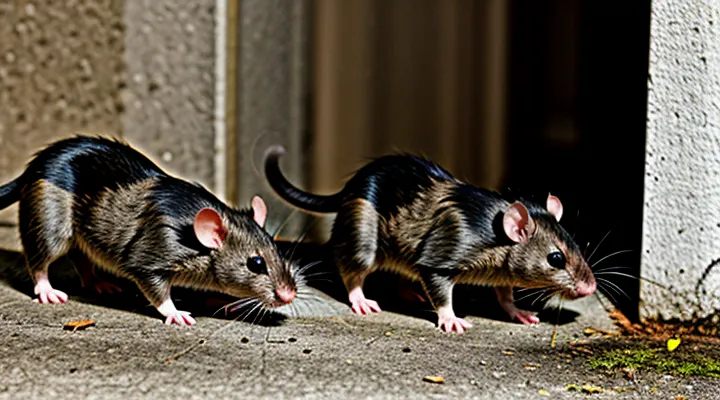
Understanding Bruxism in Rats
What is Bruxism?
Normal vs. Abnormal Teeth Grinding
Rats gnash their incisors as a routine part of oral maintenance. Continuous wear prevents overgrowth, preserves sharp edges for gnawing, and stimulates blood flow to the jaw muscles. This activity occurs primarily during brief, low‑intensity episodes while the animal is awake or lightly sleeping.
Abnormal grinding manifests as persistent, high‑frequency chattering that interferes with normal behavior. Indicators include audible squeaking, visible wear patterns inconsistent with normal incisor length, weight loss, and signs of stress such as excessive grooming or aggression. Underlying triggers often involve dental malocclusion, pain, neurological disorders, or environmental stressors such as overcrowding and inadequate enrichment.
- Normal grinding: short, occasional, maintains tooth length, no distress signs.
- Abnormal grinding: prolonged, frequent, accompanied by pain indicators, linked to health or environmental issues.
Addressing abnormal gnawing requires dental examination, pain assessment, and habitat optimization. Corrective measures may involve trimming overgrown teeth, providing appropriate chew objects, and reducing stressors to restore normal chewing patterns.
Common Causes of Rats Grinding Their Teeth
Dental Issues
Malocclusion
Malocclusion, the misalignment of the incisors and molars, is a primary factor that triggers tooth grinding in rats. When the upper and lower jaws fail to close properly, the incisors experience uneven wear, prompting the animal to gnaw continuously in an attempt to achieve a functional bite. This self‑stimulating behavior often manifests as audible grinding and visible wear patterns on the teeth.
Key characteristics of malocclusion‑induced grinding include:
- Overgrowth of the incisors on one side, creating a tilted bite.
- Uneven enamel wear, leading to sharp edges that irritate oral tissues.
- Increased frequency of nocturnal grinding episodes.
- Difficulty handling food, resulting in reduced intake and weight loss.
Management focuses on correcting the dental alignment and preventing recurrence. Regular veterinary examinations allow early detection of bite abnormalities. Intervention typically involves:
- Trimming the overgrown incisors under anesthesia to restore proper occlusion.
- Providing chew toys with appropriate hardness to promote natural wear.
- Adjusting cage enrichment to encourage balanced gnawing activity.
- Monitoring dietary texture to ensure sufficient abrasive content for tooth wear.
Prompt correction of malocclusion eliminates the mechanical trigger for grinding, reduces stress on oral structures, and restores normal feeding behavior.
Overgrown Teeth
Rats constantly grind their incisors to prevent excessive growth. When the teeth become overgrown, the animal experiences discomfort, difficulty chewing, and impaired sensory feedback, prompting more frequent gnashing. Overgrowth occurs when the natural wear from gnawing is insufficient, often due to a diet lacking hard materials or limited access to appropriate chewing objects. The condition also arises from genetic factors that affect enamel development and from injuries that alter normal wear patterns.
Key points linking overgrown incisors to increased grinding:
- Soft or processed food reduces natural abrasion, allowing teeth to lengthen beyond functional limits.
- Inadequate environmental enrichment deprives rats of suitable gnawing substrates such as wood blocks or chew toys.
- Genetic mutations can produce malformed enamel, leading to uneven wear and rapid lengthening.
- Dental trauma or malocclusion disrupts the alignment of opposing teeth, causing one side to grow faster.
Prompt identification of overgrown teeth and provision of appropriate chewing materials can mitigate excessive gnashing and prevent secondary health issues. Regular veterinary examinations are essential for early detection and corrective trimming.
Abscesses
Abscesses are localized collections of pus that develop when bacterial infection spreads into tissue, often following trauma or dental disease. In rodents, infection of the incisors or surrounding jawbone creates pressure on the pulp, generates chronic pain, and provokes involuntary tooth‑clenching as the animal attempts to alleviate discomfort.
The persistent pain and inflammation associated with an oral abscess stimulate the central nervous system, leading to repetitive grinding motions. The behavior reduces pressure on the affected tooth, temporarily lessening nociceptive signals, and therefore becomes a common observable response in affected rats.
Typical clinical indicators of a dental abscess include:
- Swelling of the cheek or jaw region
- Purulent discharge from the mouth or gums
- Decreased food consumption
- Weight loss and reduced activity
- Audible grinding sounds, especially during rest periods
Veterinary assessment relies on visual examination, palpation of the facial area, and radiographic imaging to confirm the presence of a pus‑filled cavity. Treatment protocols involve systemic antibiotics, surgical drainage or extraction of the infected tooth, and analgesics to control pain. Prompt intervention prevents progression to systemic infection and reduces the incidence of grinding behavior.
Stress and Anxiety
Environmental Stressors
Environmental stressors are a primary factor influencing the development of dental wear in laboratory rodents. Exposure to unsuitable temperature ranges, for example, triggers physiological responses that increase muscle tension and result in repetitive mandibular movements. Elevated ambient heat or sudden cold shocks both raise metabolic demands, leading to heightened activity of the masticatory muscles.
Acoustic disturbances contribute directly to oral motor patterns. Persistent high‑frequency noise, sudden loud sounds, or continuous vibration stimulate the central nervous system, producing involuntary clenching and grinding. The effect intensifies when the noise level exceeds the species‑specific auditory threshold for prolonged periods.
Social dynamics within the cage also affect dental behavior. Overcrowding reduces personal space, elevates aggression, and creates constant competition for resources. These conditions generate chronic anxiety, which correlates with increased bruxism frequency. Conversely, isolation can produce stress through lack of social interaction, producing a similar outcome.
Lighting conditions influence circadian regulation of muscle activity. Erratic light‑dark cycles, exposure to bright light during the dark phase, or insufficient illumination disrupt melatonin secretion, leading to altered sleep architecture and heightened nocturnal grinding episodes.
Nutritional factors intersect with environmental cues. Diets low in fiber or hardness fail to provide adequate mechanical stimulation for the incisors, prompting compensatory grinding to maintain dental wear. Conversely, overly hard pellets can cause discomfort, also leading to excessive occlusal activity.
Humidity and air quality modulate respiratory comfort, indirectly affecting jaw tension. Low humidity dries mucosal membranes, provoking irritability; high levels of ammonia from waste accumulation irritate the respiratory tract, both scenarios increasing stress‑induced grinding.
Predator cues, such as exposure to cat urine or recorded predator vocalizations, elicit innate fear responses. The resulting heightened alertness translates into sustained muscular contraction of the jaw, observable as continuous tooth grinding.
Key environmental stressors linked to dental grinding in rats:
- Temperature extremes (heat, cold)
- Continuous or intermittent loud noise
- Overcrowded or excessively isolated housing
- Irregular light‑dark cycles
- Inadequate or overly hard diet
- Low humidity or high ammonia concentrations
- Presence of predator odors or sounds
Mitigating these variables through controlled temperature, sound insulation, appropriate stocking density, stable photoperiods, balanced diet composition, regular cage cleaning, and elimination of predator cues reduces the incidence of mandibular bruxism and promotes dental health in rodent colonies.
Social Stress
Social stress is a primary driver of dental chattering in laboratory rats. Crowding, hierarchy disputes, and frequent changes in group composition elevate cortisol levels, which in turn increase muscle tension in the jaw. Elevated cortisol also disrupts normal sleep cycles, a condition closely linked to nocturnal grinding episodes.
Key mechanisms through which social tension induces grinding:
- Activation of the hypothalamic‑pituitary‑adrenal axis, raising systemic stress hormones.
- Heightened sympathetic nervous system activity, causing involuntary contraction of masticatory muscles.
- Disruption of circadian rhythms, leading to irregular chewing motions during rest periods.
Experimental observations confirm that rats housed in stable, low‑density groups exhibit significantly lower incidence of tooth wear compared with those subjected to frequent rearrangements or aggressive encounters. Mitigation strategies—such as providing enrichment objects, maintaining consistent cage mates, and limiting group size—effectively reduce the prevalence of grinding behavior.
Pain or Discomfort
Internal Organ Pain
Internal organ discomfort can trigger the repetitive jaw movements observed in laboratory rodents, often recorded as teeth‑grinding episodes. Physiological stress arising from abdominal or thoracic pathology generates sympathetic activation, which translates into heightened masticatory muscle activity.
Typical internal sources of discomfort include:
- Gastric ulceration or inflammation, producing visceral pain that stimulates reflexive mandibular clenching.
- Hepatic congestion or cholestasis, leading to systemic nociceptive signals that augment neuromuscular excitability.
- Renal colic or obstructive uropathy, causing acute pain spikes that are reflected in increased bite force.
- Pulmonary distress, such as pleuritis or severe bronchoconstriction, which elevates respiratory effort and secondary muscular tension in the jaw.
Experimental data demonstrate a correlation between elevated plasma cortisol levels—indicative of internal pain—and the frequency of grinding bouts. Analgesic administration targeting visceral pain pathways reduces grinding intensity, confirming the causal link.
Understanding this relationship assists researchers in distinguishing behavioral artifacts caused by underlying organ pathology from primary dental or neurological disorders, thereby improving the validity of rodent models in biomedical investigations.
Injuries
Rats frequently grind their incisors, a behavior driven by stress, dietary hardness, and environmental factors. Continuous occlusal contact generates forces that exceed normal wear thresholds, leading to tissue damage.
Injury types include:
- Excessive enamel erosion, exposing dentin and increasing sensitivity.
- Periodontal recession, reducing gum attachment and compromising tooth stability.
- Mandibular microfractures, resulting from repetitive stress on the jawbone.
- Soft‑tissue lacerations inside the oral cavity caused by sharp tooth edges.
- Secondary infections, arising from exposed dentin and compromised mucosa.
Clinical observation reveals reduced food intake, weight loss, and altered grooming patterns. Radiographic assessment often shows irregular tooth contours and bone remodeling. Untreated injuries may progress to malocclusion, impairing chewing efficiency and accelerating systemic health decline.
Mitigation strategies focus on environmental enrichment, provision of appropriate chew objects, and dietary adjustments to reduce excessive hardness. Regular veterinary examinations enable early detection of dental pathology and timely intervention.
Nutritional Deficiencies
Lack of Essential Vitamins and Minerals
Insufficient intake of specific vitamins and minerals predisposes laboratory and pet rats to abnormal mandibular activity, including the repetitive gnashing of incisors. Deficiencies disrupt neuromuscular regulation and compromise dental structures, creating conditions that trigger bruxism.
- Vitamin D: deficiency reduces calcium absorption, leading to weakened alveolar bone and altered bite force.
- Calcium: low levels impair enamel mineralization, causing tooth sensitivity that rats alleviate by grinding.
- Magnesium: inadequate supply interferes with neurotransmitter balance, increasing muscle tension in the jaw.
- B‑complex vitamins (B1, B6, B12): shortfalls affect nerve conduction and may provoke involuntary chewing motions.
- Vitamin C: deficiency hampers collagen synthesis, weakening periodontal ligaments and prompting compensatory grinding.
Physiological pathways connect nutrient scarcity to tooth grinding. Poor calcium and vitamin D status diminish bone density, altering the occlusal plane and forcing the animal to adjust mandibular positioning through repetitive grinding. Magnesium and B‑vitamin deficits elevate excitatory neurotransmitter activity, producing heightened jaw muscle tone. Inadequate vitamin C weakens connective tissue, reducing periodontal stability and encouraging mechanical self‑adjustment.
Effective prevention requires diets formulated to meet established rodent nutritional standards. Regular analysis of feed composition ensures adequate levels of the listed nutrients. Monitoring serum markers for calcium, magnesium, and vitamin D provides early detection of deficiencies. Adjusting supplementation based on these metrics reduces the incidence of bruxism and promotes overall oral health in rats.
When to Seek Veterinary Attention
Signs Indicating a Problem
Changes in Appetite
Changes in appetite frequently accompany the dental grinding observed in laboratory and pet rats. Reduced food intake often precedes the onset of nocturnal chattering, suggesting that insufficient chewing material may trigger the behavior. Conversely, hyperphagia can lead to excessive wear of incisors, prompting compensatory grinding to restore optimal bite alignment.
Typical appetite alterations include:
- Decreased consumption of standard pellets, sometimes limited to selective nibbling.
- Preference for softer or high‑moisture foods, indicating discomfort with hard textures.
- Sudden increase in foraging activity, reflected by hoarding or frequent gnawing on non‑nutritive objects.
- Irregular feeding patterns, such as prolonged fasting followed by binge eating.
Physiological mechanisms link these patterns to oral health. Inadequate mastication reduces salivary flow, lowering enamel protection and stimulating the central nervous system to generate grinding movements. Overeating high‑carbohydrate diets accelerates enamel demineralization, which can also provoke repetitive tooth motion.
Monitoring food intake provides an early indicator of dental distress. Consistent documentation of daily consumption, food type, and feeding schedule enables timely intervention, such as adjusting diet texture or providing supplemental chewable enrichment.
Weight Loss
Weight loss frequently appears in studies of rodent dental chattering, indicating a direct relationship between reduced body mass and the emergence of involuntary tooth grinding. Declining caloric intake lowers the mechanical load on the mandible, prompting compensatory neuromuscular activity that manifests as persistent gnashing.
Key mechanisms linking reduced mass to dental grinding include:
- Energy deficit triggers heightened stress hormone release, which stimulates repetitive jaw movements.
- Insufficient nutrient absorption impairs bone remodeling, weakening periodontal support and causing the animal to grind to alleviate discomfort.
- Rapid loss of adipose tissue reduces thermal insulation, leading to increased shivering movements that involve the masticatory muscles.
- Altered gut microbiota associated with malnutrition influences central nervous system pathways that regulate oral motor patterns.
Recognizing weight loss as a contributory factor refines diagnostic criteria for abnormal rodent jaw activity and guides nutritional interventions aimed at stabilizing body composition, thereby diminishing the incidence of grinding behavior.
Lethargy
Lethargy frequently accompanies the dental grinding observed in laboratory and pet rats. When a rat exhibits reduced activity, it often signals discomfort or systemic illness that may trigger the grinding response. Dental pain, resulting from overgrown incisors or malocclusion, forces the animal to grind its teeth in an effort to alleviate pressure, while the accompanying discomfort diminishes motivation for movement and exploration. Metabolic disturbances, such as hypoglycemia or electrolyte imbalance, reduce energy availability, leading to both grinding and a sluggish demeanor. Infections of the oral cavity or surrounding tissues generate inflammation, producing pain‑induced grinding and a noticeable decline in activity levels. Neurological disorders, including seizures or peripheral neuropathy, can manifest as involuntary tooth grinding accompanied by generalized weakness or reduced responsiveness.
Typical factors linking lethargy to tooth grinding in rats include:
- Dental overgrowth or misalignment causing chronic pain
- Nutritional deficiencies that impair energy metabolism
- Systemic infections producing fever and malaise
- Hormonal imbalances affecting muscle tone and alertness
- Stressors such as overcrowding that provoke both grinding and withdrawal behavior
Recognizing lethargy as a concurrent symptom enables early identification of the underlying condition driving the grinding behavior, allowing timely veterinary intervention.
Drooling
Drooling frequently accompanies the involuntary grinding of incisors in laboratory and pet rats. Excessive salivation reflects heightened activity of the salivary glands, which often occurs when the animal experiences oral discomfort or neuromuscular stress.
The grinding motion creates friction against the enamel, stimulating mechanoreceptors in the periodontal ligament. These receptors trigger a reflex arc that activates the parasympathetic nuclei, leading to increased secretion of saliva. The resulting drool serves to lubricate the bite surface, reduce tissue irritation, and aid in the removal of debris generated by the grinding action.
Typical factors that provoke both tooth grinding and drooling include:
- Dental malocclusion or overgrown incisors that obstruct normal chewing.
- Chronic pain from pulpitis, abscesses, or periodontal disease.
- Neurological disorders such as epilepsy or stress‑induced seizures.
- Exposure to toxic substances that affect the central nervous system.
- Nutritional deficiencies, particularly of calcium and vitamin D, that weaken tooth structure.
Observation of drooling provides a practical indicator for veterinarians and researchers. Persistent salivation, especially when coupled with audible grinding, signals the need for oral examination, radiographic imaging, and possible dental correction to prevent further deterioration of dental health and overall welfare.
Facial Swelling
Facial swelling frequently accompanies the habit of rats gnashing their incisors. The repetitive pressure exerted by the mandible can irritate the temporomandibular joint and surrounding soft tissues, leading to fluid accumulation and edema. Inflammation may extend to the masseter, buccinator, and perioral skin, producing visible puffiness that can impair feeding and breathing.
Key mechanisms include:
- Mechanical trauma to the gingival and mucosal surfaces, triggering local inflammatory cascades.
- Overuse of masticatory muscles, causing micro‑tears and subsequent cytokine release.
- Secondary bacterial infection of ulcerated areas, which amplifies vascular permeability.
- Stress‑induced hormonal changes that heighten inflammatory responses.
Clinicians should assess the following signs:
- Symmetrical or unilateral bulging of the cheek or jaw region.
- Warmth, tenderness, and limited jaw opening.
- Redness or purulent discharge from oral lesions.
- Weight loss or reduced food intake due to discomfort.
Diagnostic steps involve visual inspection, palpation of the swollen area, and, when necessary, radiographic imaging to rule out bone involvement. Microbial cultures guide antibiotic selection if infection is confirmed.
Management strategies focus on eliminating the grinding behavior and reducing inflammation:
- Provide appropriate chew toys and environmental enrichment to satisfy dental wear needs.
- Apply cold compresses for 10‑15 minutes, three times daily, to limit edema.
- Administer non‑steroidal anti‑inflammatory drugs at veterinary‑recommended dosages.
- Treat bacterial infection with a targeted antibiotic course based on culture results.
- Monitor weight and adjust diet to ensure adequate nutrition during recovery.
Prompt intervention prevents chronic swelling, preserves oral function, and supports overall health in affected rodents.
Prevention and Management
Environmental Enrichment
Adequate Space and Stimulation
Adequate cage dimensions and environmental enrichment directly influence the prevalence of dental attrition and bruxism in laboratory and pet rats. When rats are confined to cramped enclosures, limited locomotion reduces natural foraging behavior, leading to increased stress and repetitive jaw movements. Conversely, spacious habitats permit full expression of climbing, running, and nesting activities, which distribute muscular effort across the jaw and diminish the frequency of involuntary grinding.
Enrichment items that encourage chewing, such as wooden blocks, cardboard tubes, and gnawable toys, provide essential wear for continuously growing incisors. Regular interaction with these objects reduces the need for rats to grind their teeth against hard surfaces in the cage walls or metal bars. Moreover, rotating enrichment materials prevents habituation, sustaining engagement and promoting consistent dental wear patterns.
Key considerations for preventing excessive grinding include:
- Minimum floor area of 0.5 m² per rat, allowing unrestricted movement.
- Vertical space of at least 30 cm to accommodate climbing structures.
- Daily provision of chewable substrates with varying textures.
- Weekly alteration of enrichment layout to maintain novelty.
- Monitoring of cage cleanliness to avoid accumulation of sharp debris that could provoke abnormal chewing.
Implementing these spatial and stimulatory standards creates an environment that satisfies the rats’ natural exploratory drive, supports proper incisor maintenance, and lowers the incidence of pathological tooth grinding.
Chew Toys
Chew toys provide essential wear for a rat’s continuously growing incisors, reducing the likelihood of dental strain that leads to tooth grinding. Properly selected toys encourage regular gnawing, distribute occlusal forces evenly, and maintain natural tooth alignment.
Effective chew toys share common characteristics:
- Hard, non‑toxic materials such as untreated wood, mineral blocks, or natural corn cob.
- Textured surfaces that promote varied bite angles.
- Size appropriate to the animal’s mouth, preventing accidental ingestion of large fragments.
Choosing suitable items involves evaluating durability, safety, and enrichment value. Durable toys withstand repetitive gnawing without splintering; safety ensures no toxic coatings or sharp edges; enrichment value offers mental stimulation, which can diminish stress‑induced grinding behaviors.
Routine inspection and replacement are critical. Signs that a toy has become ineffective include excessive wear, splinter formation, or loss of structural integrity. Replacing compromised items restores proper gnawing opportunities and prevents abnormal tooth wear.
Integrating a rotation schedule—alternating between hardwood blocks, natural fiber bundles, and mineral chew sticks—maintains interest and promotes balanced dental activity. This systematic approach supports healthy incisor maintenance and reduces the incidence of grinding episodes in pet rats.
Dietary Considerations
Proper Nutrition
Proper nutrition directly influences dental health in laboratory and pet rats, reducing the incidence of involuntary tooth grinding. Adequate mineral balance supports enamel integrity, while appropriate fiber content promotes natural wear patterns that prevent overgrowth.
Key dietary components:
- Calcium (1,000–1,200 mg/kg feed) strengthens dentin and enamel.
- Phosphorus (800–1,000 mg/kg feed) works synergistically with calcium to maintain mineralization.
- Vitamin D3 (2,500–4,000 IU/kg feed) enhances calcium absorption.
- Hard, fibrous ingredients (e.g., timothy hay, untreated wheat bran) encourage gnawing, ensuring continuous tooth filing.
- Low‑sugar, low‑fat formulations prevent metabolic disturbances that can lead to stress‑related bruxism.
Implementation guidelines:
- Formulate pelleted diets with the specified calcium‑phosphorus ratio (approximately 1.2:1).
- Include a daily supply of fresh, untreated hay or wooden chew blocks.
- Monitor feed intake to avoid overconsumption of soft, high‑carbohydrate foods.
- Provide clean water continuously to support overall metabolism.
- Conduct regular weight and dental examinations to adjust nutrient levels promptly.
By meeting these nutritional standards, owners and researchers can minimize the physiological triggers of tooth grinding, maintain oral health, and improve overall well‑being in rats.
Avoiding Sugary Treats
Rats often exhibit dental chattering when their diet includes high‑sugar foods. Sugary treats elevate blood glucose, stimulate rapid growth of enamel‑softening bacteria, and increase the frequency of acid attacks on the incisors. These physiological shifts can cause discomfort, prompting the animal to grind its teeth in an attempt to alleviate pressure.
Avoiding sugary items reduces the risk of dental wear and associated grinding. The following measures are effective:
- Replace candy, fruit juices, and sweetened pellets with plain grain‑based feed.
- Limit access to fruit skins, honey, and molasses, which contain concentrated sugars.
- Provide fresh water to flush residual sugars from the oral cavity.
- Monitor treats for hidden sugars, including flavored nuts and commercial rat snacks.
Implementing these steps stabilizes oral pH, diminishes bacterial proliferation, and lessens the need for compensatory grinding behavior.