
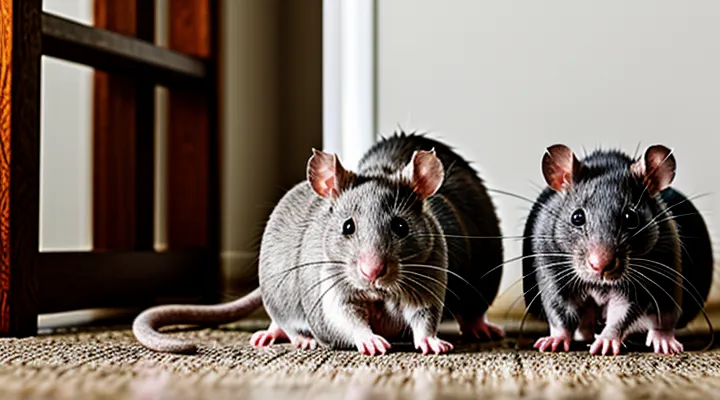
«Why Choose a Rat as a Pet?»
«Intelligence and Trainability»
Domestic rats demonstrate rapid problem‑solving abilities comparable to those of larger mammals. Laboratory studies reveal that individuals can navigate mazes, remember solutions for weeks, and adapt strategies when obstacles change. This cognitive flexibility underpins their capacity for learning complex tasks in a home environment.
Training sessions exploit positive reinforcement to shape desired actions. Rats readily associate a distinct sound, such as a clicker, with subsequent food rewards, enabling precise control over behavior. Consistent, short sessions produce reliable results, while variation in cues maintains engagement.
Typical behaviors that can be conditioned include:
- Responding to a target cue by approaching a specific object.
- Executing simple tricks, such as rolling onto the back or navigating a miniature obstacle course.
- Performing retrieval tasks, like carrying a small item to a designated location.
- Communicating a need for care by pressing a lever that triggers a feeder.
The combination of high learning speed and strong motivation for social interaction makes rats exceptionally trainable companions. Researchers attribute these traits to their natural curiosity and the social structure of wild ancestors, which favor cooperative problem solving. Consequently, owners who apply structured reinforcement can achieve a wide range of functional and entertaining performances from their pets.
«Social Nature»
Rats kept as companion animals demonstrate a highly developed «Social Nature». Their interactions rely on hierarchy, mutual grooming, and coordinated play, which together sustain group cohesion.
Hierarchical structures emerge quickly, with dominant individuals establishing access to preferred resources. Subordinate members respond by yielding space, reducing conflict. Mutual grooming reinforces bonds and reduces parasite load, while play behaviors—such as chasing, wrestling, and tunnel exploration—promote motor development and stress relief.
Owners must accommodate these social requirements. Group housing provides opportunities for hierarchy formation and grooming, preventing isolation‑induced stress. Environmental enrichment, including tunnels, chewable objects, and opportunities for cooperative tasks, stimulates natural interaction patterns.
Key social characteristics include:
- Structured dominance hierarchy
- Reciprocal grooming sessions
- Vocal exchanges signaling distress or excitement
- Cooperative problem‑solving during foraging activities
Providing consistent companionship and appropriate group dynamics supports the well‑being of pet rats, aligning their environment with innate social tendencies.
«Cleanliness and Low Odor»
Cleanliness and low odor are critical considerations for owners of rodent companions. Proper hygiene reduces health risks for both animals and humans, while minimizing unpleasant smells enhances the living environment.
Regular cage maintenance forms the foundation of odor control. A schedule that includes daily spot‑cleaning and complete substrate replacement weekly prevents the buildup of ammonia and bacterial growth. Removing droppings, uneaten food, and soiled bedding each day eliminates primary odor sources.
Selection of appropriate bedding influences both cleanliness and scent. Materials such as paper‑based or aspen chips provide absorbency without releasing strong fragrances. Avoid cedar or pine, which emit volatile oils that can irritate respiratory systems and mask waste odors.
Dietary management contributes to waste quality. High‑fiber, low‑protein formulations produce drier feces, reducing moisture‑related odors. Offering fresh vegetables in limited quantities prevents rapid spoilage within the enclosure.
Key practices for maintaining a fresh habitat:
- Spot‑clean daily: discard droppings and leftover food.
- Replace substrate weekly: use absorbent, low‑odor bedding.
- Rotate toys and accessories: wash with mild detergent monthly.
- Monitor water supply: change daily to avoid bacterial growth.
- Conduct health checks: address gastrointestinal issues promptly, as they can increase odor output.
Consistent application of these measures ensures a hygienic setting, supporting the well‑being of rodent companions and preserving a pleasant indoor atmosphere.
«Preparing for Your Pet Rat»
«Cage Requirements»
«Size and Bar Spacing»
When keeping rats as companions, cage dimensions and bar spacing determine the animal’s ability to move, explore, and remain injury‑free.
The recommended floor area exceeds 1 ft² (≈ 0.09 m²) per individual, with a minimum total of 2 ft² for a pair. Height should allow upright posture and climbing, typically at least 12 in (30 cm). A practical layout includes:
- Minimum floor space: 0.09 m² per rat
- Minimum total floor space for two rats: 0.18 m²
- Minimum height: 30 cm
- Minimum overall volume: 0.5 m³ for a small group
Bar spacing directly affects the risk of entrapment and escape. The gap between wires must not exceed ½ in (12 mm); smaller gaps reduce the chance of a rat’s tail or limbs becoming caught. Ideal spacing ranges from ¼ in (6 mm) to ½ in (12 mm), with the narrower end preferred for juvenile or smaller breeds.
Adhering to the standards outlined in «Size and Bar Spacing» ensures a secure environment that supports natural behaviors and minimizes health hazards.
«Location Considerations»
When selecting a living space for companion rodents, several practical factors determine suitability and animal welfare.
Space dimensions matter; a cage should provide at least 0.5 sq ft of floor area per individual, allowing free movement, climbing, and nesting. Multi‑level enclosures increase usable area without expanding the footprint.
Ventilation influences respiratory health. Cages constructed of metal bars or ventilated plastic panels prevent humidity buildup and limit ammonia accumulation from urine. Avoid sealed containers that restrict airflow.
Temperature stability is essential. Maintain ambient temperature between 18 °C and 24 °C; extreme heat or cold stresses the animal’s metabolism. Position the enclosure away from direct sunlight, drafts, and heating vents.
Noise levels affect stress responses. Place the habitat in a quiet room, distant from loud appliances, televisions, or frequent foot traffic.
Safety from predators and toxins requires a secure location. Keep the enclosure on a stable surface to prevent tipping, and ensure cords, chemicals, and small objects are out of reach.
A brief checklist of location considerations:
- Floor area ≥ 0.5 sq ft per rat, with vertical enrichment.
- Continuous airflow through bars or mesh panels.
- Ambient temperature 18 °C–24 °C, free from direct sun or drafts.
- Low ambient noise; away from loud devices.
- Stable, tip‑resistant placement; free of hazardous substances.
Adhering to these criteria creates an environment that supports health, natural behaviors, and longevity for pet rats.
«Bedding and Substrate»
«Safe Options»
Safe options for keeping rats as companions focus on enclosure security, nutrition, health monitoring, and environmental enrichment.
A solid cage should be constructed from stainless steel or heavy‑duty plastic, with a secure latch that cannot be opened by the animal. Mesh panels must have a gauge no larger than ¼ inch to prevent escapes.
Nutrition requires a balanced commercial pellet formulated for rodents, supplemented with fresh vegetables such as carrots, broccoli, and leafy greens. Treats should be limited to small portions of fruit or nuts, avoiding high‑sugar items that can lead to metabolic issues.
Health monitoring includes weekly inspection of fur, eyes, and nose for signs of irritation or discharge. A routine veterinary check‑up every six months ensures early detection of common conditions such as respiratory infections or skin lesions.
Environmental enrichment is achieved by providing chewable objects, tunnels, and climbing structures made from untreated wood or safe plastics. Rotating these items weekly maintains interest and encourages natural foraging behavior.
Safe options also encompass handling practices. Clean hands with mild soap before contact, and support the rat’s body fully to prevent stress or injury. Short, gentle sessions build trust without compromising the animal’s well‑being.
«Unsafe Options»
Keeping rats as companions involves specific responsibilities. Certain practices jeopardize animal welfare and owner safety. Identifying «unsafe options» prevents avoidable harm.
Feeding human snack foods introduces excessive salt, sugar, and fat, leading to obesity, gastrointestinal distress, and metabolic disorders. Providing raw meat without proper handling raises the risk of bacterial contamination such as Salmonella, which can affect both animal and human.
Housing rats in cages lacking adequate ventilation creates ammonia buildup, respiratory irritation, and heightened susceptibility to infections. Metal enclosures without non‑corrosive coating may cause skin burns and toxic metal exposure.
Using adhesive traps or glue boards for rodent control results in severe injuries, prolonged suffering, and potential transmission of pathogens when wounds become infected. Poison baits, even when intended for other pests, present acute toxicity if accidentally ingested.
Neglecting routine veterinary examinations eliminates early detection of common conditions such as respiratory infections, tumors, and dental malocclusion. Absence of professional guidance leads to misdiagnosis and inappropriate treatments.
Improper handling techniques, such as gripping by the tail or sudden restraint, provoke stress responses, spinal injuries, and defensive bites. Training without positive reinforcement increases fear and aggression, compromising the bond between animal and caretaker.
Adhering to species‑appropriate diet, cage design, humane pest management, regular health monitoring, and gentle handling eliminates these «unsafe options», supporting a safe and healthy environment for rat companions.
«Food and Water»
«Commercial Rat Food»
Commercial rat diets are formulated to meet the specific nutrient profile required for healthy domestic rodents. Protein levels typically range from 18 % to 22 % of the diet, supporting growth and tissue repair. Fiber content, often between 5 % and 8 %, aids gastrointestinal motility and dental health. Fat supplies essential fatty acids, while vitamins and minerals are added to prevent deficiencies.
Common product categories include:
- Pelleted mash: uniform texture, reduces selective feeding.
- Extruded pellets: high digestibility, lower dust production.
- Freeze‑dried mixes: enriched with natural ingredients, suitable for occasional supplementation.
Label information should list guaranteed analysis, ingredient sources, and any added supplements such as omega‑3 fatty acids or probiotics. Compliance with pet food regulations ensures safety; manufacturers must conduct batch testing for contaminants and microbial load.
Feeding recommendations:
- Offer a measured portion twice daily to prevent obesity.
- Supplement with fresh vegetables (e.g., carrots, leafy greens) for additional micronutrients.
- Provide unlimited access to clean water; replace daily.
Storage guidelines advise keeping products in a cool, dry environment, sealed to preserve freshness and prevent rancidity. Regularly inspect packaging for signs of spoilage, such as off‑odors or discoloration.
«Commercial rat food should meet specific nutrient standards to support the health and longevity of pet rats».
«Fresh Foods and Treats»
Fresh foods and treats provide essential vitamins, minerals, and enrichment for companion rats. A balanced diet combines a commercial base with daily portions of appropriate fresh items.
- Leafy greens: romaine lettuce, kale, spinach, dandelion leaves.
- Root vegetables: carrot, beetroot, sweet potato (cooked, unseasoned).
- Fruits: apple (seedless), pear, berries, melon (in moderation).
- Herbs: parsley, cilantro, basil, mint.
Treats should supplement, not replace, the staple diet. Offer 1–2 teaspoons of fresh food per rat per day, divided into two small servings. Store cut produce in a sealed container in the refrigerator; discard leftovers after 24 hours to prevent bacterial growth.
Avoid toxic items such as chocolate, caffeine, citrus peels, onions, and raw beans. Monitor for signs of digestive upset; reduce or eliminate problematic foods immediately. Consistent feeding times reinforce routine and support stable weight management.
«Water Bottle vs. Bowl»
Pet rats require a reliable source of clean water to maintain health and hydration. Two common delivery methods are a suspended water bottle and an open bowl. Each system presents distinct advantages and drawbacks that influence hygiene, accessibility, and cage design.
Suspended water bottle
- Provides sealed environment, reducing contamination from bedding or food.
- Limits spillage, preserving dry substrate and preventing mold growth.
- Requires regular cleaning of the bottle tip and tubing to prevent biofilm.
- May be difficult for younger or dental‑impaired rats to access if the nozzle is too narrow.
Open water bowl
- Allows unrestricted drinking, suitable for all ages and dental conditions.
- Facilitates easy cleaning; the bowl can be rinsed and refilled daily.
- Increases risk of debris, droppings, and bedding entering the water.
- Promotes evaporation, potentially leading to frequent refilling in dry climates.
When selecting a system, prioritize the following criteria: contamination control, ease of maintenance, and the specific needs of the rat colony. For most adult rodents, a high‑quality bottle with a wide‑mouth nozzle offers superior hygiene. For litters, elderly rats, or setups where frequent monitoring is possible, a shallow bowl may be preferable. Balancing these factors ensures consistent water availability while minimizing health risks.
«Enrichment and Toys»
«Chew Toys»
Chew toys provide essential gnawing opportunities for domesticated rats, supporting dental wear and preventing overgrowth. Continuous tooth grinding maintains proper alignment and reduces the risk of oral injury.
Effective chew options fall into three material categories:
- Untreated hardwood blocks such as apple or willow, offering durability and natural scent.
- Compressed cardboard cylinders, delivering lightweight texture and easy shredding.
- Mineral-based sticks, supplying calcium and phosphorus while resisting rapid wear.
Selection criteria prioritize non‑toxic composition, absence of sharp edges, and size appropriate for the animal’s mouth. Items treated with chemicals, paints, or adhesives must be excluded to avoid ingestion hazards.
Regular sanitation extends toy lifespan and limits bacterial buildup. Cleaning methods include warm water rinses for wood, occasional wiping of cardboard surfaces, and sterilization of mineral sticks according to manufacturer instructions. Replacement is recommended when structural integrity declines.
Incorporating a variety of «Chew Toys» into the enclosure enriches exploratory behavior, promotes mental stimulation, and contributes to overall health without reliance on supplemental enrichment devices.
«Climbing Structures»
Climbing structures provide essential enrichment for domesticated rats, encouraging natural behaviors such as exploration, foraging, and vertical movement. Properly designed apparatus supports muscular development, mental stimulation, and reduces stress‑related activities.
Key design elements include:
- Stable base to prevent tipping when multiple animals climb simultaneously.
- Non‑toxic materials, such as untreated wood, stainless steel, or safe plastics, to avoid health hazards.
- Varied surface textures—rope, mesh, and rough wood—to engage tactile senses.
- Adjustable height levels, ranging from low platforms (5 cm) to elevated ledges (15 cm), allowing gradual progression.
- Integrated tunnels or hideaways that mimic burrow environments, promoting instinctual nesting behavior.
Maintenance considerations:
- Weekly inspection for wear, loose connections, or chewed components.
- Regular cleaning with mild, pet‑safe disinfectants to inhibit bacterial buildup.
- Replacement of damaged parts promptly to maintain structural integrity and safety.
Implementing «Climbing Structures» in a rat enclosure enhances overall welfare, aligns with species‑specific needs, and contributes to a more dynamic, engaging habitat.
«Hiding Spots»
Providing appropriate concealment areas is essential for the well‑being of domestic rats. Properly designed refuges reduce stress, support natural burrowing instincts, and encourage healthy activity patterns.
Effective concealment areas share several characteristics: they are enclosed, allow ventilation, are easy to clean, and contain materials that are safe for gnawing. Placement should consider the cage’s layout, ensuring the animal can retreat without obstruction.
Typical concealment options include:
- Small wooden houses with removable roofs for inspection.
- Ceramic tunnels featuring multiple chambers.
- Fabric hammocks positioned in quiet corners.
- PVC pipe sections cut to length, with drilled ventilation holes.
- Stacked cardboard boxes with cut‑out entrances.
Each option should be positioned away from high‑traffic zones, providing a quiet environment where the rat can rest and explore without disturbance. Regular rotation of hiding spots maintains interest and promotes natural exploratory behavior.
«Daily Care and Maintenance»
«Feeding Schedule»
Pet rats require a consistent feeding routine to maintain optimal health and behavior. Adult individuals should receive fresh food twice daily, ideally in the morning and evening, with the interval between meals ranging from six to eight hours. Juvenile rats benefit from three smaller feedings per day to support rapid growth.
Portion sizes depend on body weight and activity level. A typical adult consumes approximately 20–30 grams of a balanced grain‑based pellet mix per day. This amount can be divided evenly between the two daily feedings. Supplementary foods—such as fresh vegetables, fruits, and occasional protein sources—should not exceed 10 percent of total intake to prevent digestive upset.
Water must be available at all times. A sealed bottle with a stainless‑steel nozzle reduces contamination risk and should be inspected daily for leaks and cleanliness. Replace the water supply at least once every 24 hours.
Treats serve as enrichment but must be limited. Small pieces of unsalted nuts, boiled egg, or commercial rat treats can be offered once or twice a week, not exceeding 5 percent of daily caloric intake. Record any changes in appetite, weight, or stool consistency, and adjust the schedule accordingly.
Seasonal variations may affect metabolism. During colder months, increase pellet portions by up to 10 percent to compensate for higher energy expenditure. Conversely, reduce portions slightly in warm periods to avoid obesity.
A written log documenting feeding times, quantities, and observed health indicators supports consistent care and facilitates veterinary consultations when necessary.
«Water Changes»
Pet rats require a constant supply of fresh, uncontaminated water to maintain hydration and support renal function. Stagnant water can foster bacterial growth, leading to illness and reduced appetite. Regular replacement eliminates pathogens and prevents biofilm formation inside the dispenser.
Effective water management includes the following practices:
- Replace water daily, or more often if the bottle shows signs of leakage or cloudiness.
- Clean the bottle with warm, soapy water after each replacement; rinse thoroughly to remove detergent residue.
- Disinfect weekly using a dilute solution of white vinegar (1 part vinegar to 4 parts water) or a pet‑safe sanitizer; rinse well before refilling.
- Inspect the drinking tube for cracks or blockages; replace the tube at the first indication of wear.
- Store water in a covered container to protect it from dust and insects before filling the bottle.
Monitoring water intake provides early detection of health issues. A sudden decrease may indicate dental problems, respiratory infection, or dehydration. Consistent water changes, combined with vigilant observation, promote optimal well‑being for companion rats.
«Cage Cleaning Routine»
«Daily Spot Cleaning»
Daily spot cleaning maintains a healthy environment for rats kept as companions. Regular removal of urine, droppings, and food remnants prevents bacterial growth and reduces odor, directly supporting the animals’ respiratory and digestive health.
- Remove visible waste from the cage floor each day.
- Replace soiled bedding in high‑traffic zones with fresh material.
- Wipe feeding bowls, water bottles, and toys using a mild, pet‑safe disinfectant.
- Inspect corners and hideouts for moisture accumulation; dry or clean as needed.
- Dispose of waste in a sealed container to avoid cross‑contamination.
Cleaning should occur once every 24 hours, with additional checks after meals or when a rat exhibits increased activity in a specific area. Use soft cloths, non‑abrasive brushes, and disinfectants labeled for small mammals. Rinse all items thoroughly to eliminate residue before returning them to the cage. Consistent daily spot cleaning minimizes disease risk and promotes a stable, comfortable habitat.
«Weekly Deep Cleaning»
Weekly deep cleaning is essential for maintaining a healthy environment for companion rodents. Regular removal of waste, residue, and microbial growth prevents illness, reduces odor, and preserves the integrity of cage components.
Key objectives of a weekly deep cleaning routine include:
- Complete removal of all bedding and substrate.
- Disinfection of cage walls, bars, and accessories with a rodent‑safe sanitizer.
- Inspection and replacement of worn or damaged items such as tunnels, wheels, and nesting boxes.
- Thorough cleaning of food and water dispensers to eliminate biofilm formation.
The recommended procedure follows a structured sequence:
- Transfer the animals to a secure temporary enclosure.
- Empty the cage, discarding all bedding and debris.
- Wash the interior with warm water, then apply an approved disinfectant, allowing the contact time specified by the manufacturer.
- Rinse thoroughly to remove any chemical residue.
- Dry all surfaces completely before reassembling.
- Introduce fresh, absorbent bedding and reinstall cleaned accessories.
- Return the rodents to the cleaned enclosure and monitor for any signs of stress.
Safe cleaning agents include diluted hydrogen peroxide (3 % solution), enzymatic cleaners formulated for small mammals, and veterinary‑grade disinfectants free of harsh chemicals. Avoid bleach, phenol‑based products, and scented detergents, as they may irritate the respiratory system of the animals.
Consistent adherence to this weekly protocol supports optimal hygiene, promotes longevity, and ensures a comfortable habitat for pet rats.
«Social Interaction»
«Handling Techniques»
Effective handling of pet rats requires consistent, gentle techniques that promote trust and minimize stress. Begin each interaction by allowing the animal to approach the hand voluntarily; sudden movements increase the likelihood of defensive bites. Once the rat is comfortable, support its body with both hands—one under the chest and the other supporting the hindquarters—to distribute weight evenly and prevent injury.
Key practices include:
- Gradual desensitization: introduce handling sessions of increasing duration, starting with a few seconds and extending to several minutes as confidence builds.
- Soft grip: avoid squeezing; apply a light, steady pressure that mimics natural holding.
- Positive reinforcement: reward calm behavior with a brief treat or gentle vocal praise immediately after release.
- Routine hygiene: wash hands before and after handling to reduce the risk of transmitting pathogens and to maintain the animal’s scent familiarity.
During lift, keep the rat’s head level with the body to preserve balance and reduce the chance of falls. When placing the rat back into its enclosure, lower it gently onto a solid surface rather than dropping it. Regular handling, performed at the same time each day, reinforces predictable patterns and strengthens the bond between caretaker and companion.
«Playtime Outside the Cage»
Pet rats benefit from regular supervised sessions of «Playtime Outside the Cage». Outdoor exposure complements cage enrichment by offering varied textures, scents, and spatial challenges that stimulate natural foraging and climbing instincts.
A secure, escape‑proof area is required. Use a plastic or glass enclosure with fine mesh venting, seal all gaps, and place the setup on a non‑slip surface. Remove hazardous objects such as cords, small chewable plastics, and toxic plants. Provide a shallow layer of natural substrate—coconut fiber, untreated wood shavings, or paper bedding—to encourage digging.
Essential items for safe outdoor sessions include:
- Climbing branches or wooden dowels securely anchored.
- Small tunnels and hideaways made from untreated cardboard or natural logs.
- Chew toys of untreated hardwood to promote dental health.
- Water dish with a low‑profile rim to prevent tipping.
Supervision must be continuous. Observe the rat’s behavior for signs of stress, such as excessive freezing or frantic pacing. Limit each session to 15–30 minutes, adjusting duration according to the individual’s activity level and acclimation progress. After playtime, return the rat to its primary enclosure, inspect for injuries, and replenish fresh water and food.
Consistent outdoor enrichment improves muscular development, reduces stereotypic behaviors, and enhances overall wellbeing, reinforcing the rat’s role as a confident and engaged companion.
«Health and Wellness»
«Common Health Issues»
«Respiratory Infections»
Domestic rats kept as companion animals are susceptible to a range of respiratory diseases. The term «Respiratory Infections» denotes conditions that affect the nasal passages, trachea, and lungs, often leading to morbidity in housed rodents.
Common etiological agents include:
- Mycoplasma pulmonis, the primary bacterial pathogen in laboratory and pet rats.
- Streptococcus pneumoniae, capable of causing acute pneumonia.
- Sendai virus, a paramyxovirus responsible for viral bronchiolitis.
- Pasteurella spp., secondary invaders that exacerbate primary infections.
Clinical signs typically present as nasal discharge, sneezing, labored breathing, and reduced activity. Diagnosis relies on physical examination, radiographic imaging, and laboratory identification of the causative organism through culture or PCR.
Preventive measures focus on environmental control and health monitoring:
- Maintain low humidity and adequate ventilation to limit aerosol transmission.
- Implement strict quarantine for new arrivals, observing a minimum 30‑day isolation period.
- Provide a balanced diet rich in vitamin C to support immune function.
- Conduct regular health checks and promptly treat identified cases with appropriate antibiotics or antivirals.
Effective management reduces mortality and supports the welfare of rats kept as pets.
«Tumors»
Pet rats present a range of health considerations, among which the development of neoplastic growths demands particular attention. Understanding the characteristics of «Tumors» facilitates early detection, appropriate intervention, and informed decision‑making for owners and veterinarians.
Common neoplasms observed in companion rats include:
- Mammary adenocarcinoma, frequently occurring in females after sexual maturity;
- Endocrine tumors such as adrenal pheochromocytoma and pituitary adenoma;
- Soft‑tissue sarcomas, often arising in the subcutis or musculature;
- Hepatocellular carcinoma, less frequent but clinically significant.
Visible indications of neoplastic disease may involve:
- Progressive enlargement of a mass, palpable through the skin;
- Unexplained weight loss despite adequate nutrition;
- Lethargy, reduced activity, or altered grooming behavior;
- Hematuria or abnormal discharge when urinary or reproductive organs are affected.
Diagnostic protocols typically combine physical examination with imaging techniques (radiography, ultrasonography) and cytological or histopathological sampling. Biopsy specimens provide definitive classification, guiding therapeutic choices.
Therapeutic options comprise:
- Surgical excision, preferred for localized, accessible lesions;
- Chemotherapy protocols, employed in metastatic or unresectable cases;
- Palliative care, including analgesics and anti‑inflammatory agents, to maintain quality of life.
Preventive measures focus on regular health monitoring, balanced diet, and minimizing exposure to known carcinogens. Routine veterinary check‑ups enable identification of suspicious growths before clinical deterioration.
Accurate knowledge of «Tumors» in pet rats enhances the capacity to manage these conditions effectively, supporting the welfare of these small companion animals.
«Parasites»
Pet rats frequently encounter parasites that affect their health and longevity. Recognizing common species and implementing control measures reduces morbidity and prevents transmission to owners.
• External parasites
– Mites (e.g., Myobia musculi) cause pruritus and dermatitis.
– Fleas (Ctenocephalides felis) may infest cages and bite hosts.
– Lice (Polyplax spinulosa) produce feathered irritation and anemia.
• Internal parasites
– Pinworms (Syphacia muris) inhabit the intestinal tract, leading to weight loss and irritation.
– Tapeworms (Hymenolepis nana) develop in the small intestine, causing nutrient malabsorption.
– Coccidia (Eimeria spp.) produce diarrhoea and dehydration, especially in young animals.
Parasite burden compromises immune function, predisposes to secondary infections, and may result in fatal outcomes if untreated. Preventive protocols include routine veterinary examinations, quarterly fecal examinations, strategic deworming, regular cage cleaning with disinfectants, and quarantine of newly acquired rodents. Maintaining these practices sustains the well‑being of companion rats and safeguards household hygiene.
«Signs of Illness»
Recognizing early indicators of disease in domestic rats enables timely veterinary intervention and improves recovery prospects.
Common physical and behavioral changes include:
- Reduced activity or reluctance to explore familiar environments
- Noticeable weight loss or a markedly thinner appearance
- Abnormal respiratory sounds, such as wheezing or persistent sneezing
- Discharge from eyes, nose, or mouth, especially if thick or colored
- Excessive scratching, biting, or hair loss indicating skin irritation or parasites
- Diarrhea or abnormal stool consistency, often accompanied by a foul odor
- Unusual lethargy, prolonged sleeping periods, or diminished response to stimuli
Additional signs that may suggest systemic issues:
- Elevated or irregular body temperature, observable through touch of the ears or abdomen
- Swelling of limbs, abdomen, or facial area, potentially indicating infection or organ dysfunction
- Blood in urine or feces, signaling urinary or gastrointestinal trauma
Monitoring these symptoms daily and documenting any deviations from normal behavior assists owners in providing accurate information to veterinary professionals. Prompt assessment based on observed changes can prevent the progression of serious health conditions in pet rats.
«Finding a Rat-Friendly Vet»
Finding a veterinarian with experience in rat health requires targeted research. Begin by searching online directories that filter practices by exotic‑animal expertise. Include terms such as “small‑animal specialist,” “exotic pet clinic,” and “rodent‑trained vet” to narrow results.
When a potential clinic appears, verify credentials. Request proof of recent continuing‑education courses covering rodent medicine. Ask whether the practice routinely treats rats, and confirm availability of appropriate diagnostic equipment, such as small‑animal radiography and anesthesia protocols designed for tiny mammals.
Contact the clinic before scheduling an appointment. Prepare a concise list of questions:
- Does the veterinarian hold a license to treat exotic mammals?
- How many rat patients does the practice see annually?
- What postoperative pain‑management options are offered for rodents?
- Are emergency services accessible for small‑animal cases?
Local pet‑owner groups and rat‑enthusiast forums often share recommendations. Combine community feedback with the verified professional criteria to select a vet that provides safe, knowledgeable care for rat companions.
«Preventative Care»
Preventative care for companion rats focuses on minimizing disease risk and promoting long‑term health. Regular veterinary examinations, ideally every six months, enable early detection of respiratory infections, skin conditions, and dental problems. A balanced diet consisting of high‑quality rodent pellets, limited fresh fruits and vegetables, and constant access to clean water supports immune function and prevents obesity.
Environmental management reduces exposure to pathogens. Cage bedding should be changed weekly, and all accessories disinfected with a mild, pet‑safe solution. Providing adequate ventilation prevents the buildup of ammonia, a common irritant for the respiratory tract. Enrichment items must be inspected regularly for wear that could cause injury.
Parasite control includes routine screening for ectoparasites such as mites and lice, with treatment administered promptly when needed. Internal parasites are uncommon but can be monitored through fecal analysis during veterinary visits.
Dental health requires attention because rats’ incisors grow continuously. Supplying chewable toys and hard foods encourages natural wear, reducing the risk of overgrowth and associated pain.
A concise checklist for preventive maintenance:
- Schedule semi‑annual veterinary check‑ups.
- Maintain a clean, well‑ventilated cage; replace bedding weekly.
- Offer a nutritionally balanced diet and fresh water daily.
- Inspect and replace worn enrichment items.
- Conduct regular parasite screenings and treat as indicated.
- Provide chewable materials to promote proper tooth wear.
«Understanding Rat Behavior»
«Body Language»
Domestic rats rely heavily on visual and tactile cues to convey their emotional state and intentions. Understanding their «Body Language» enables caretakers to recognize comfort, curiosity, anxiety, or aggression without misinterpretation.
- Tail posture: a relaxed, loosely held tail indicates ease; a tightly curled or puffed tail signals alertness or fear.
- Ear position: ears flattened against the head suggest submission or stress; forward‑facing ears denote interest and attentiveness.
- Whisker orientation: whiskers swept forward reflect exploration; whiskers pressed backward accompany defensive behavior.
- Body posture: a crouched, low‑to‑ground stance with a tucked tail shows apprehension; an upright, stretched stance with a raised tail demonstrates confidence and readiness to interact.
- Grooming movements: self‑grooming while stationary reflects contentment; rapid, frantic grooming may precede nervousness.
Interpretation of these signals guides appropriate responses. When a rat displays relaxed tail and forward ears, gentle handling reinforces trust. Conversely, a tight tail combined with flattened ears warrants a calm environment and reduced stimulation. Regular observation of these patterns allows owners to adjust enclosure enrichment, feeding schedules, and social interaction, fostering a stable and healthy relationship with their companion rodents.
«Vocalizations»
Pet rats communicate through a diverse array of vocalizations that serve specific social and environmental functions. Each sound conveys distinct information about the animal’s emotional state, health, and intentions.
Common vocalizations include:
- «squeak» – high‑frequency alarm call emitted when the rat perceives a threat or experiences sudden stress.
- «chirp» – short, rapid series of tones produced during exploratory behavior or mild excitement.
- «purr» – low‑frequency rumble generated during contentment, often heard when the rat is being petted or rests in a secure enclosure.
- «trill» – continuous, soft vibration associated with social bonding, typically observed during grooming interactions between cage mates.
Acoustic characteristics differ by context: alarm calls possess a peak frequency between 10 kHz and 20 kHz, while purrs occupy the 5 kHz‑8 kHz range. Frequency modulation and amplitude provide additional cues, allowing caretakers to distinguish between distress and pleasure.
Understanding these vocal patterns enhances caretaker responsiveness, facilitates early detection of health issues, and supports enrichment strategies that promote natural communication behaviors.
«Social Dynamics in Groups»
Pet rats living together form structured communities characterized by clear dominance hierarchies, reciprocal grooming, and coordinated play. Dominance is established through brief confrontations that result in a stable ranking; the highest‑ranking individual gains priority access to food and nesting sites, while subordinate members adjust their behavior to avoid conflict. This hierarchy reduces aggression and promotes group cohesion.
Communication relies on ultrasonic vocalizations, scent marking, and tactile signals. Ultrasonic calls convey alarm or excitement, whereas scent deposits on bedding and gnawing surfaces provide information about individual identity and reproductive status. Physical contact during grooming reinforces social bonds and distributes scent markers that maintain group recognition.
Group composition influences stress levels and reproductive success. Mixed‑sex groups exhibit increased territorial disputes during breeding periods, whereas same‑sex groups display lower aggression but may experience heightened competition for limited resources. Optimal group size for domestic rats typically ranges from three to six individuals; larger groups can lead to resource scarcity and elevated cortisol, while smaller groups may suffer from social deprivation.
Key considerations for managing social dynamics in captive rat colonies:
- Provide multiple enrichment items (tunnels, chew toys) to disperse activity and limit competition.
- Ensure abundant nesting material to allow subordinate individuals secure resting areas.
- Monitor hierarchy stability; frequent rank changes often indicate overcrowding or inadequate resources.
- Separate breeding pairs from the main group to prevent aggression and protect offspring.
- Rotate cage mates periodically, maintaining a core group to preserve established social bonds while introducing novelty.
Understanding these mechanisms enables caretakers to create environments that support natural social behavior, reduce stress, and enhance overall health of rats kept as companions.
«Adopting or Buying a Rat»
«Reputable Breeders»
Reputable breeders maintain high standards of animal welfare, genetic health, and transparency. They operate under licensed facilities, provide adequate space, ventilation, and enrichment to prevent stress and disease. Breeding pairs are selected based on health clearances, temperament assessments, and adherence to breed standards established by recognized rodent societies.
Key indicators of a trustworthy breeder include:
- Documentation of health screenings such as tests for respiratory infections, parasites, and genetic disorders.
- Availability of a detailed pedigree chart that traces lineage for at least two generations.
- Clear policies on animal care, including quarantine procedures for new litters and regular veterinary check‑ups.
- Commitment to responsible placement, with contracts that outline buyer responsibilities, return policies, and follow‑up support.
- Membership in professional organizations that enforce ethical breeding practices and provide ongoing education.
Prospective owners should request references from previous customers, verify the breeder’s registration with a recognized rodent association, and inspect the breeding environment for cleanliness and adequate enrichment. A breeder who openly shares records, answers questions promptly, and demonstrates a genuine concern for the well‑being of each animal aligns with best practices for acquiring healthy pet rats. «Quality breeding is defined by the health, behavior, and humane treatment of each animal, not by volume of sales.»
«Rescue Organizations»
Rescue organizations dedicated to companion rats focus on three core objectives: removing animals from neglectful or unsuitable environments, providing medical and behavioral rehabilitation, and matching each rat with a suitable permanent home.
The intake process begins with a health assessment that includes physical examination, parasite screening, and vaccination when necessary. A quarantine period follows to prevent disease transmission, after which experienced volunteers conduct socialization sessions to rebuild trust and encourage natural behaviors. Adoption candidates receive detailed care guidelines, including dietary requirements, cage enrichment, and regular health monitoring.
- Medical treatment and preventive care
- Behavioral enrichment and socialization programs
- Screening and matching of prospective owners
- Ongoing support for adopters, including advice on nutrition and housing
Collaboration with veterinary clinics ensures access to specialized care, while partnerships with animal shelters expand outreach and public education on responsible rat ownership. Legal compliance includes adherence to local wildlife and animal welfare regulations, documentation of rescue provenance, and transparent adoption contracts.
«What to Look For in a Healthy Rat»
«What to Look For in a Healthy Rat»
A healthy domestic rat displays bright, unclouded eyes and a clean, glossy coat without bald patches. The animal should move confidently, explore its environment, and show curiosity when approached. Body condition is evident from a smooth, firm abdomen and a weight appropriate for its age and breed; excessive thinness or obesity signals nutritional or health issues.
Dental health is critical. Incisors must be even, sharp, and free of overgrowth; uneven or broken teeth affect chewing and may cause weight loss. Respiratory signs include clear nasal passages, absence of sneezing or wheezing, and no nasal discharge. The skin should be free of lesions, scabs, or parasites, and the tail must be intact, without swelling or discoloration.
Key indicators of wellness:
- Clear, alert eyes without discharge
- Even, well‑trimmed fur covering the whole body
- Active, inquisitive behavior and normal grooming
- Stable body weight and firm abdomen
- Properly aligned incisors with no overgrowth
- Clean nasal passages, no audible breathing difficulties
- Unblemished skin and tail, no signs of parasites or wounds
Regular observation of these characteristics enables early detection of problems and supports responsible care of companion rats.
«Common Misconceptions About Rats»
«Rats and Disease»
Pet rats can carry several pathogens that pose health risks to owners and household members. Understanding the most common agents, transmission routes, and preventive measures enables safe companionship.
Common zoonotic agents include:
- Salmonella spp. – transmitted through fecal contamination; causes gastrointestinal illness.
- Leptospira interrogans – spread via urine; may lead to kidney damage and flu‑like symptoms.
- Streptobacillus moniliformis – the cause of rat‑bite fever; enters the body through bites, scratches, or contaminated secretions.
- Hantavirus – rare in domestic settings but possible through inhalation of aerosolized droppings; can result in severe respiratory disease.
Transmission typically occurs through direct contact with oral secretions, urine, or feces, and through contaminated bedding or food dishes. Proper hygiene reduces exposure:
- Wash hands with soap for at least 20 seconds after handling rats, cleaning cages, or touching supplies.
- Use disposable gloves when cleaning soiled bedding or handling waste.
- Disinfect cages and accessories with a dilute bleach solution (1 part bleach to 10 parts water) weekly.
- Store food in sealed containers to prevent contamination.
Vaccination of rats against common rodent diseases is not standard practice; health monitoring relies on regular veterinary examinations. Signs of infection in rats—such as weight loss, nasal discharge, or lethargy—should prompt immediate veterinary assessment to prevent zoonotic spread.
«Effective control of rat‑borne diseases depends on rigorous sanitation, careful handling, and prompt veterinary care». Adhering to these practices allows owners to enjoy the companionship of rats while minimizing health hazards.
«Rats and Aggression»
Pet rats can display aggressive behavior toward conspecifics or humans. Aggression manifests as biting, chasing, or territorial posturing, and may arise from stress, inadequate socialization, or underlying health issues.
Factors influencing aggression include:
- Genetic predisposition: certain strains exhibit higher baseline hostility.
- Social environment: isolation or overcrowding disrupts normal hierarchy.
- Handling practices: inconsistent or rough interaction induces fear‑based attacks.
- Health status: pain, illness, or parasites elevate irritability.
Mitigation strategies focus on environmental enrichment, proper housing, and behavioral conditioning. Providing multi‑level cages with hiding places reduces territorial disputes. Cohabiting compatible individuals, monitored for dominance hierarchies, prevents isolation‑driven aggression. Regular veterinary checks identify pain sources that may trigger hostile responses. Positive reinforcement—rewarding calm behavior with treats—shapes a tolerant disposition.
«Aggression in rats is often a response to perceived threat», a finding supported by numerous ethological studies, underscores the necessity of minimizing stressors to maintain harmonious companion animals.