
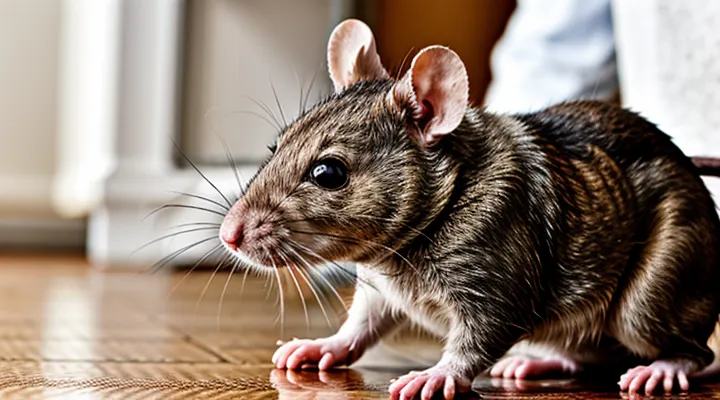
Understanding Rat Wheezing
What is Wheezing?
Wheezing is a high‑pitched, musical sound produced during breathing when air passes through narrowed or obstructed airways. The tone results from turbulent airflow that vibrates the walls of the respiratory tract, most often audible during exhalation but sometimes during inhalation.
The sound arises when airway diameter decreases because of inflammation, mucus accumulation, smooth‑muscle contraction, or external compression. Reduced lumen size accelerates airflow, creating the characteristic whistle. The intensity of wheezing correlates with the degree of obstruction and the speed of airflow.
Clinically, wheezing may be detected without equipment; a stethoscope can localize the sound to specific lung fields. It signals respiratory distress, prompting further evaluation of underlying pathology.
In rats, wheezing indicates similar pathophysiological processes as in other mammals. Common precipitants include:
- Allergic airway inflammation
- Bacterial or viral respiratory infection
- Exposure to dust, smoke, or chemical irritants
- Neoplastic growth compressing bronchi
- Congestive heart failure leading to pulmonary edema
Recognition of wheezing in rodents guides diagnostic testing and therapeutic decision‑making aimed at relieving airway obstruction and addressing the primary cause.
How to Identify Wheezing in Rats
Observing a rat’s respiratory sounds requires quiet conditions and direct proximity. When a rat is at rest, listen for a high‑pitched, musical noise that intensifies during exhalation. The sound may be intermittent or continuous; a persistent tone suggests a more severe airway obstruction.
Key visual cues accompany audible wheeze:
- Rapid breathing rate exceeding 150 breaths per minute in an adult rat.
- Open‑mouth breathing or flaring of the nostrils.
- Reduced activity, reluctance to move, or a hunched posture.
- Subtle tremors of the chest wall synchronized with each breath.
To confirm wheezing, use a small stethoscope or a pediatric auscultation device. Place the diaphragm gently against the thorax, avoiding excessive pressure that could alter the animal’s breathing pattern. A clear, whistling resonance during expiration confirms the presence of wheeze.
Video or audio recording equipment can aid documentation. Position a microphone a few centimeters from the cage, capture several minutes of baseline breathing, then compare recordings after any therapeutic intervention. Consistency in the frequency and amplitude of the wheeze provides an objective measure for monitoring progress.
If wheezing is detected, immediate veterinary assessment is warranted to determine underlying causes such as infection, allergic reaction, or environmental irritants. Early identification reduces the risk of respiratory failure and improves treatment outcomes.
Common Causes of Rat Wheezing
Respiratory Infections
Mycoplasma pulmonis
Mycoplasma pulmonis is a primary bacterial agent linked to respiratory wheezing in laboratory rats. The organism adheres to the respiratory epithelium, causing chronic inflammation, ciliary dysfunction, and mucus hypersecretion. These changes reduce airway caliber and generate audible wheeze during respiration.
Transmission occurs through direct contact, aerosolized secretions, and contaminated bedding. Colonization often follows stressors such as overcrowding, poor ventilation, or immunosuppression. Infected animals may display nasal discharge, sneezing, and reduced activity in addition to wheeze.
Diagnostic confirmation relies on:
- Culture of respiratory samples on specialized mycoplasma media
- Polymerase chain reaction targeting species‑specific DNA sequences
- Serologic testing for antibodies against M. pulmonis
Effective management combines antimicrobial therapy and environmental control. First‑line antibiotics include tetracyclines (e.g., doxycycline) and macrolides (e.g., tylosin). Treatment courses last 7–14 days, with dosage adjusted for body weight. Supportive measures comprise:
- Enhanced ventilation to lower aerosol load
- Regular cage cleaning to remove contaminated bedding
- Isolation of affected individuals to prevent spread
Preventive strategies emphasize pathogen‑free breeding stocks, routine screening, and strict quarantine for new arrivals. Implementing these measures reduces incidence of wheezing and improves overall colony health.
Other Bacterial Infections
Respiratory distress in laboratory and pet rats frequently involves bacterial pathogens beyond the well‑known Mycoplasma pulmonis. Species such as Streptococcus pneumoniae, Klebsiella pneumoniae, Pseudomonas aeruginosa, and Bordetella bronchiseptica can colonize the upper and lower airways, producing inflammation that manifests as wheezing, labored breathing, and audible crackles.
These organisms are identified through a combination of clinical observation and diagnostic testing. Nasal swabs, bronchoalveolar lavage, or post‑mortem lung tissue should be cultured on selective media; polymerase chain reaction assays provide rapid confirmation for Bordetella and Pseudomonas. Hematology may reveal neutrophilic leukocytosis, while radiographs often show diffuse interstitial infiltrates.
Effective treatment relies on targeted antimicrobial therapy. Recommended regimens include:
- Streptococcus pneumoniae: high‑dose amoxicillin or penicillin G, administered for 7–10 days.
- Klebsiella pneumoniae: third‑generation cephalosporin (e.g., ceftriaxone) or carbapenem for resistant strains.
- Pseudomonas aeruginosa: fluoroquinolone (ciprofloxacin) or extended‑spectrum β‑lactam (piperacillin‑tazobactam), adjusted according to susceptibility results.
- Bordetella bronchiseptica: macrolide (azithromycin) or tetracycline, with supportive care.
Adjunctive measures improve outcomes. Nebulized saline reduces mucus viscosity, while humidified environments facilitate airway clearance. Monitoring body temperature, weight, and respiratory rate guides therapy duration and detects relapse. Early intervention, accurate pathogen identification, and appropriate antimicrobial selection are essential to resolve wheezing caused by these secondary bacterial infections in rats.
Viral Infections
Respiratory wheezing in rats frequently results from viral infections that target the upper and lower airways. These pathogens compromise mucosal integrity, provoke inflammation, and generate bronchoconstriction, producing the characteristic high‑pitched sounds during breathing.
Common viral agents include:
- Sendai virus, a paramyxovirus known for causing severe bronchiolitis in laboratory rodents.
- Rat coronavirus (RCV), which induces interstitial pneumonia and airway hyperreactivity.
- Murine adenovirus, associated with diffuse alveolar damage and persistent cough.
Pathophysiology centers on viral replication within epithelial cells, triggering cytokine release (e.g., IL‑6, TNF‑α) that recruits neutrophils and lymphocytes. The ensuing edema narrows air passages, while smooth‑muscle spasm further restricts airflow, manifesting as wheeze.
Diagnostic work‑up relies on clinical observation of audible wheezing, followed by:
- Nasal or tracheal swab collection for PCR detection of viral genomes.
- Radiographic imaging to assess lung fields for infiltrates.
- Histopathological examination of lung tissue when necropsy is performed.
Treatment strategies emphasize antiviral therapy, supportive care, and inflammation control:
- Antiviral agents such as ribavirin administered intraperitoneally for confirmed paramyxovirus infection.
- Broad‑spectrum antibiotics reserved for secondary bacterial pneumonia.
- Corticosteroid injections to reduce airway swelling, dosed according to body weight.
- Supplemental oxygen and humidified air to alleviate hypoxia and ease breathing.
Preventive measures include strict quarantine of new arrivals, routine viral screening, and vaccination where available, reducing the incidence of viral‑induced wheezing in rat colonies.
Environmental Factors
Ammonia Levels
Elevated ammonia concentrations in rodent housing can irritate the respiratory tract, leading to wheezing and other breathing difficulties. Ammonia originates from the breakdown of urine and feces, and its accumulation is accelerated by inadequate ventilation, high animal density, and infrequent cage cleaning.
When ammonia levels exceed 25 ppm, the mucosal lining of the airways becomes inflamed, reducing airway caliber and increasing resistance to airflow. This physiological response manifests as audible wheezing during expiration. Chronic exposure may predispose rats to secondary infections and exacerbate pre‑existing respiratory conditions.
Effective management of ammonia involves both environmental control and direct therapeutic measures:
- Increase air exchange rates to maintain concentrations below 10 ppm.
- Implement daily spot cleaning and weekly deep cleaning of bedding and cages.
- Use absorbent bedding materials that limit urine saturation.
- Install ammonia‑binding filters or activated charcoal systems in ventilation ducts.
- Monitor ammonia with calibrated handheld meters or continuous sensors.
If wheezing persists despite environmental improvements, pharmacologic intervention may be warranted. Bronchodilators (e.g., albuterol) can relieve airway constriction, while anti‑inflammatory agents (e.g., corticosteroids) reduce mucosal swelling. Supportive care, such as humidified oxygen, assists in maintaining adequate oxygenation during acute episodes.
Regular assessment of ammonia levels, combined with prompt ventilation adjustments and targeted medical therapy, minimizes respiratory distress and promotes recovery in affected rats.
Dust and Bedding
Dust and bedding are primary environmental contributors to respiratory irritation in rats. Fine particles released from common substrates settle in the airway, provoking inflammation that manifests as wheezing.
When bedding fibers become airborne, they contact the nasal passages and lower respiratory tract. The resulting mucosal irritation triggers bronchoconstriction and excess mucus production, both of which generate audible wheeze. Materials such as pine shavings, cedar chips, and untreated cotton generate higher dust loads than paper-based or aspen products.
Preventive actions focus on minimizing airborne particles and maintaining air quality:
- Choose low‑dust bedding (e.g., paper pulp, hemp, or compressed wood shavings).
- Replace bedding regularly; remove soiled sections before dust accumulates.
- Provide adequate ventilation; use filtered cages or external air filters.
- Keep cage humidity between 40 % and 60 % to reduce static lift of particles.
- Limit supplemental nesting material to dust‑free options.
If wheezing occurs, treatment combines medical and environmental strategies. Antihistamines or bronchodilators prescribed by a veterinarian can alleviate bronchoconstriction. Concurrently, replace the existing bedding with a low‑dust alternative, increase cage ventilation, and perform thorough cleaning to eliminate residual particles. Supportive care—such as humidified air and hydration—facilitates mucosal recovery. Continuous monitoring of respiratory sounds ensures timely adjustment of therapy.
Allergens and Irritants
Allergens and irritants are primary triggers of respiratory distress in laboratory and pet rats. Inhaled proteins from mold spores, dust mites, and rodent bedding can provoke hypersensitivity reactions, leading to bronchoconstriction and audible wheeze. Chemical vapors—such as cleaning agents, nicotine, and aerosolized oils—act as irritants that damage airway epithelium, exacerbate inflammation, and precipitate acute wheezing episodes.
Common sources include:
- Moldy bedding or cages
- Dust accumulated in enclosure corners
- Feather or straw enrichment materials
- Household cleaning sprays containing ammonia or bleach
- Tobacco smoke and e‑cigarette vapor
- Perfumes or scented oils used near the habitat
Management focuses on eliminating exposure and controlling inflammation. Replace contaminated bedding with low‑dust, non‑allergenic substrates; maintain humidity below 60 % to inhibit mold growth; store cages in well‑ventilated areas away from smoke and strong odors. Pharmacologic intervention may involve bronchodilators (e.g., albuterol) administered via nebulization and short‑course corticosteroids to reduce airway swelling. Regular health monitoring enables early detection of wheeze, allowing prompt adjustment of environmental controls and therapeutic measures.
Heart Conditions
Respiratory wheezing in rats frequently signals underlying cardiac pathology. Elevated left‑ventricular pressure can transmit to pulmonary vessels, producing fluid accumulation that narrows airways and generates audible wheeze. Right‑sided heart failure similarly raises central venous pressure, impairing venous return from the lungs and contributing to airway obstruction. Arrhythmias that reduce cardiac output decrease tissue perfusion, trigger hypoxia, and exacerbate bronchial tone, further intensifying wheeze.
Key cardiac contributors to wheezing include:
- Left‑ventricular hypertrophy leading to pulmonary congestion.
- Right‑ventricular dilation causing systemic venous stasis.
- Chronic atrial fibrillation that lowers stroke volume and promotes hypoxemia.
- Congenital septal defects that create shunts, increasing pulmonary blood flow.
Effective management integrates cardiovascular therapy with respiratory support. Recommended interventions:
- Diuretics (e.g., furosemide) to remove excess pulmonary fluid and relieve airway compression.
- ACE inhibitors or angiotensin‑II receptor blockers to lower afterload, improve ventricular function, and reduce pulmonary pressure.
- Anti‑arrhythmic agents (e.g., amiodarone) to stabilize heart rhythm and maintain adequate cardiac output.
- Supplemental oxygen combined with bronchodilators to address transient airway narrowing while cardiac treatment takes effect.
- Regular echocardiographic monitoring to assess ventricular dimensions, wall thickness, and pulmonary artery pressure, ensuring timely adjustment of drug dosages.
Addressing heart conditions directly mitigates the physiological cascade that produces wheezing, thereby improving respiratory sound quality and overall health in affected rats.
Tumors and Growths
Tumor‑induced wheezing in rats arises when neoplastic tissue obstructs or compresses the airway. Primary lung carcinomas, mediastinal masses, and metastatic lesions can narrow bronchi, reduce airflow, and generate turbulent breathing sounds. In addition, tumors that infiltrate the trachea or larynx may cause partial blockage, leading to audible wheeze during inspiration and expiration.
Diagnostic evaluation should include imaging (radiography, computed tomography), bronchoscopy, and histopathologic sampling. Once a neoplasm is confirmed, treatment options are:
- Surgical excision of localized masses when anatomical access permits.
- Radiation therapy for unresectable tumors or residual disease after surgery.
- Chemotherapeutic protocols tailored to the tumor type, often employing alkylating agents or targeted inhibitors.
- Palliative care with bronchodilators, anti‑inflammatory drugs, and supplemental oxygen to alleviate respiratory distress.
Effective management depends on early detection, accurate tumor classification, and a multimodal therapeutic plan that addresses both the neoplastic burden and the resulting airway obstruction.
Other Potential Causes
Rats may exhibit wheezing for reasons beyond infectious bronchitis or pneumonia. Recognizing these alternatives is essential for accurate diagnosis and effective intervention.
Environmental irritants frequently provoke airway narrowing. Dust from bedding, wood shavings, or powdered feed can infiltrate the lower respiratory tract, triggering inflammation and audible wheeze. Poor ventilation amplifies exposure, especially in enclosed cages where ammonia from urine accumulates to irritant levels.
Allergic reactions represent another non‑infectious source. Sensitization to common allergens such as mold spores, pollen, or specific food proteins can lead to eosinophilic airway inflammation, producing intermittent wheezing that worsens after exposure.
Cardiovascular disorders sometimes manifest as respiratory sounds. Congestive heart failure elevates pulmonary pressure, causing fluid transudation into alveolar spaces. The resulting pulmonary edema restricts airflow and generates wheeze during expiration.
Metabolic imbalances may influence respiratory mechanics. Severe hypocalcemia or electrolyte disturbances impair smooth‑muscle function in the bronchi, leading to constriction and audible breathing difficulties.
Toxic exposure should be considered when wheezing appears abruptly. Inhalation of volatile chemicals—such as cleaning agents, nicotine vapor, or rodenticide fumes—can cause acute bronchospasm, often accompanied by labored breathing and cyanosis.
Other potential causes include:
- Chronic exposure to dust and ammonia
- Allergic sensitization to mold, pollen, or food proteins
- Congestive heart failure with pulmonary edema
- Electrolyte or calcium disturbances affecting bronchial tone
- Acute inhalation of toxic vapors or fumes
Each factor demands targeted assessment, including environmental audit, allergy testing, cardiovascular evaluation, and toxicology screening, to guide appropriate therapeutic measures.
Diagnosis of Rat Wheezing
Veterinary Examination
Physical Assessment
Physical assessment of a wheezing rat provides essential data for diagnosing underlying respiratory pathology and directing therapeutic measures. The clinician begins with observation of general condition: posture, activity level, coat quality, and signs of distress such as open‑mouth breathing or audible wheeze at rest. Body temperature, heart rate, and respiratory rate are recorded using a rectal thermometer and a stethoscope or a small animal pulse oximeter; deviations from normal ranges (temperature 36.5‑38.5 °C, heart rate 250‑400 bpm, respiratory rate 70‑120 breaths/min) indicate systemic involvement.
A systematic auscultation follows. The examiner places the diaphragm of the stethoscope on the thorax in three regions—anterior, middle, and posterior—to localize wheeze intensity, duration, and timing relative to the respiratory cycle. Presence of crackles or diminished breath sounds suggests alveolar or airway obstruction beyond simple bronchospasm. Palpation of the thoracic wall detects tenderness, crepitus, or subcutaneous emphysema, which may accompany severe infection or trauma.
The oral cavity and nasal passages are inspected for discharge, ulceration, or foreign material that could obstruct airflow. Nasal swabs for cytology and culture, and oropharyngeal lavage for pathogen identification, are collected when infection is suspected. Assessment of hydration status includes skin turgor and mucous membrane moisture; dehydration can exacerbate mucus viscosity and worsen wheezing.
A brief neurological check confirms that the wheeze is not secondary to central respiratory depression. Reflexes (righting, palpebral) and response to tactile stimulation are evaluated quickly to rule out neuromuscular causes.
The following checklist summarizes the key components of the physical examination:
- Observe behavior, posture, and audible respiratory sounds.
- Measure temperature, heart rate, respiratory rate.
- Auscultate thorax in anterior, middle, posterior zones; note wheeze characteristics.
- Palpate thoracic wall for tenderness, crepitus, emphysema.
- Inspect nasal and oral cavities; collect samples for microbiology if indicated.
- Evaluate hydration via skin turgor and mucous membrane moisture.
- Perform rapid neurological reflex test.
Data gathered through this structured assessment enable differentiation among common etiologies—such as allergic airway inflammation, bacterial pneumonia, parasitic lung migration, or environmental irritants—and inform selection of pharmacologic agents (bronchodilators, antibiotics, antiparasitics) and supportive care (humidified oxygen, fluid therapy). Accurate physical findings also serve as baseline metrics for monitoring response to treatment and adjusting therapeutic protocols.
Auscultation
Auscultation provides direct auditory access to the rat’s respiratory tract, allowing clinicians to detect wheeze patterns that signal underlying pathology. By placing a calibrated pediatric stethoscope on the thoracic wall, the examiner listens for high‑frequency, musical sounds that vary in intensity and timing during the respiratory cycle. Proper technique includes gentle compression of the chest wall, systematic coverage of all lung fields, and synchronization with the animal’s breathing rhythm to avoid artifacts.
Key auscultatory findings associated with respiratory wheezing in rats include:
- Continuous high‑pitched wheeze throughout inspiration and expiration – suggests severe airway obstruction.
- Intermittent wheeze limited to expiration – typical of bronchoconstriction.
- Variable wheeze intensity across lung quadrants – indicates localized lesions or infiltrates.
- Absence of wheeze despite clinical signs – may point to non‑airway causes such as pleural effusion.
Interpretation of these sounds guides differential diagnosis. Persistent, bilateral wheeze often reflects inflammatory airway disease, while focal wheeze may arise from neoplastic obstruction or foreign body presence. Correlating auscultation results with radiographic imaging and laboratory data refines the identification of etiologic agents, such as viral infection, bacterial pneumonia, allergen exposure, or environmental irritants.
Treatment decisions rely on auscultatory evidence. When wheeze signifies reversible bronchoconstriction, bronchodilators and anti‑inflammatory agents are indicated. Persistent obstructive sounds despite therapy prompt further investigation, possibly leading to surgical intervention or targeted antimicrobial therapy. Continuous auscultation throughout the therapeutic course provides objective feedback on treatment efficacy, enabling timely adjustments to improve respiratory outcomes in affected rodents.
Diagnostic Tests
X-rays
X‑ray imaging provides direct visualization of the thoracic cavity in laboratory rats, allowing clinicians to identify structural and functional contributors to respiratory noise. Radiographs reveal pulmonary infiltrates, pleural effusion, tracheal collapse, and mediastinal masses that may obstruct airflow and generate wheezing sounds. By comparing inspiratory and expiratory views, clinicians can assess dynamic airway narrowing, a common cause of intermittent wheeze.
Interpretation of rat thoracic radiographs requires attention to species‑specific anatomy: the small thoracic volume, thin rib cage, and high heart rate demand high‑resolution settings and precise positioning. Typical findings include:
- Alveolar patterns indicating pneumonia or edema
- Hyperinflated lung fields suggestive of obstructive disease
- Enlarged lymph nodes or masses compressing the trachea
- Cardiac silhouette changes that may reflect heart failure contributing to pulmonary congestion
When abnormal radiographic signs are detected, targeted therapy can be administered. Antimicrobial agents address infectious infiltrates; diuretics reduce fluid accumulation; anti‑inflammatory drugs mitigate airway swelling; and surgical excision is considered for neoplastic compression. Follow‑up X‑rays evaluate treatment efficacy, confirming resolution of infiltrates or stability of structural lesions. Regular imaging schedules, combined with clinical monitoring, optimize management of wheezing in rats.
Blood Tests
Blood analysis is essential for evaluating wheezing in laboratory rats. A complete blood count reveals leukocytosis or eosinophilia that may indicate allergic airway inflammation or bacterial infection. Differential leukocyte counts help distinguish between bacterial pneumonia, viral bronchiolitis, and parasitic infestations that can trigger noisy respiration.
Arterial blood gas measurement provides direct assessment of oxygenation and carbon dioxide retention. Low PaO₂ or elevated PaCO₂ confirms respiratory compromise and guides supplemental oxygen or ventilatory support decisions. Blood pH and bicarbonate levels indicate metabolic compensation for chronic hypoxia.
Serum biochemistry panels detect organ dysfunction that can exacerbate respiratory distress. Elevated hepatic enzymes suggest toxic exposure, while increased creatinine or urea points to renal impairment that may limit drug clearance. Electrolyte disturbances, particularly hypokalemia, can affect smooth muscle tone and worsen airway constriction.
Specific serological tests identify pathogens responsible for lower airway disease. Enzyme‑linked immunosorbent assays (ELISA) for Mycoplasma spp., Sendai virus, or rat coronavirus provide rapid confirmation, allowing targeted antimicrobial or antiviral therapy. Antibody titers track exposure history and vaccine efficacy.
When interpreting results, consider the animal’s age, strain, and housing conditions. Repeated sampling at 24‑hour intervals after initiating treatment monitors therapeutic response and detects adverse drug effects. Adjustments to anti‑inflammatory agents, bronchodilators, or antibiotics should be based on trends rather than single measurements.
Swabs and Cultures
Swab specimens and subsequent culture procedures constitute the primary laboratory approach for identifying infectious agents responsible for respiratory wheezing in rats. Accurate diagnosis relies on obtaining uncontaminated samples from the upper and lower airways, followed by growth of potential pathogens under controlled conditions.
To collect a swab, the animal is restrained, the nasal vestibule or tracheal opening is visualized, and a sterile polyester‑tipped swab is rotated gently against the mucosal surface. The swab is immediately placed in transport medium that preserves viability without encouraging overgrowth. For lower‑respiratory sampling, a bronchoalveolar lavage can be performed; the retrieved fluid is transferred to a sterile container for culture.
The culture phase includes:
- Inoculation of swab material onto selective and non‑selective agar plates (e.g., blood agar, MacConkey agar, Mycoplasma selective media).
- Incubation at temperatures matching the rat’s body temperature (37‑38 °C) for 24‑72 hours, with aerobic and anaerobic conditions as indicated.
- Observation of colony morphology, hemolysis patterns, and pigment production.
- Performance of Gram staining, biochemical panels, and, when necessary, molecular identification (PCR) to confirm species.
Interpretation of culture results guides therapeutic choices. Identification of bacterial agents such as Streptococcus pneumoniae, Pasteurella multocida, or Mycoplasma pulmonis directs specific antimicrobial regimens, while detection of fungal elements or viral nucleic acids may warrant antifungal therapy or supportive care. Negative cultures, when coupled with clinical signs, suggest non‑infectious etiologies and prompt consideration of environmental factors or allergic inflammation.
In practice, timely swab collection, rigorous aseptic technique, and comprehensive culture analysis reduce diagnostic uncertainty and enable targeted treatment for wheezing rats.
Biopsy
Biopsy provides definitive tissue evidence when evaluating respiratory distress in rats that present with wheezing. By extracting a sample from the affected airway or lung parenchyma, clinicians can identify inflammatory infiltrates, neoplastic growths, infectious agents, or fibrotic changes that underlie the audible breathing abnormality.
Key aspects of the procedure include:
- Selection of site: bronchoscopy‑guided sampling for central lesions; needle aspiration for peripheral nodules.
- Anesthetic protocol: inhalational isoflurane or injectable medetomidine to ensure immobility and analgesia.
- Specimen handling: immediate fixation in formalin for histopathology; separate portion placed in sterile transport medium for microbiological culture.
Histological findings direct therapeutic choices. For example:
- Predominant eosinophilic inflammation suggests an allergic or hypersensitivity component, prompting corticosteroid therapy.
- Granulomatous lesions with acid‑fast bacilli indicate mycobacterial infection, requiring targeted antimicrobials.
- Malignant epithelial cells confirm neoplasia, leading to surgical excision or chemotherapeutic regimens.
When biopsy results are negative for overt pathology, clinicians may focus on environmental modifications, such as improving ventilation and reducing aerosolized irritants, to alleviate wheezing. Regular follow‑up imaging and repeat sampling are advised if symptoms persist or recur.
Treatment Options for Rat Wheezing
Antibiotics
Types of Antibiotics
Antibiotic selection for respiratory infections that cause wheezing in rats depends on the likely bacterial agents and the drug’s spectrum, tissue penetration, and safety profile.
Broad‑spectrum penicillins such as ampicillin and amoxicillin, often combined with a β‑lactamase inhibitor (e.g., clavulanic acid), target common Gram‑positive and some Gram‑negative respiratory pathogens. They achieve high concentrations in lung tissue and are well tolerated in rodents when dosed appropriately.
Cephalosporins provide an alternative when penicillin intolerance is suspected. First‑generation agents (cefazolin) cover staphylococci and streptococci, while third‑generation compounds (ceftriax‑one, cefotaxime) extend activity to many Gram‑negative organisms, including Haemophilus spp., frequently isolated from rat respiratory tracts.
Fluoroquinolones (enrofloxacin, ciprofloxacin) exhibit excellent lung penetration and potent activity against Pseudomonas aeruginosa and other resistant Gram‑negative bacteria. Their use requires monitoring for potential cartilage toxicity in young rats.
Tetracyclines (doxycycline, tetracycline) are effective against atypical pathogens such as Mycoplasma pulmonis, a common contributor to wheezing. They also possess anti‑inflammatory properties that may alleviate airway irritation.
Macrolides (azithromycin, erythromycin) target atypical and some Gram‑positive organisms, offering a convenient dosing schedule and minimal renal excretion, advantageous for compromised animals.
When selecting an agent, consider:
- Likely pathogen based on clinical signs and culture results.
- Drug’s ability to reach therapeutic concentrations in pulmonary tissue.
- Species‑specific pharmacokinetics and toxicity thresholds.
- Potential for resistance development; avoid prolonged empiric use without microbiological confirmation.
Proper dosing, duration, and monitoring of clinical response are essential to resolve wheezing and prevent relapse.
Administration and Duration
Effective management of wheezing in rats requires precise delivery of therapeutic agents and adherence to an appropriate treatment timeline. Clinicians should select the route that maximizes drug absorption while minimizing stress to the animal. Common delivery methods include:
- Oral gavage for liquid formulations, ensuring accurate volume per kilogram body weight.
- Subcutaneous injection for depot preparations, allowing gradual release.
- Inhalation via nebulization chambers, targeting the respiratory tract directly.
Dosage calculations must account for the rat’s weight, metabolic rate, and the pharmacokinetic profile of the drug. Standard practice involves administering the calculated dose at consistent intervals—typically every 12 to 24 hours—unless the medication’s half‑life dictates a different schedule.
Treatment duration depends on the underlying cause of the wheeze and the response observed. General guidelines are:
- Acute bronchospasm: 3–5 days of therapy, reassessing airway resistance after each course.
- Chronic inflammatory airway disease: 2–4 weeks, followed by a tapering phase to prevent rebound symptoms.
- Infectious etiologies: full course of antimicrobial agents, usually 7–14 days, regardless of symptom resolution.
Monitoring should continue throughout the prescribed period, with adjustments made only on objective findings such as respiratory rate, auscultation results, and imaging studies. Early discontinuation risks relapse, while prolonged exposure may lead to drug toxicity.
Anti-inflammatory Medications
Anti‑inflammatory drugs reduce airway inflammation that contributes to wheezing in rats. By inhibiting prostaglandin synthesis and cytokine release, they lessen mucosal edema and improve airflow.
Commonly used agents include:
- Non‑steroidal anti‑inflammatory drugs (NSAIDs) such as meloxicam and carprofen; oral doses range from 0.2 to 1 mg/kg once daily.
- Glucocorticoids like prednisolone and dexamethasone; administered orally or via injection at 0.5–2 mg/kg per day, depending on severity.
- Cyclooxygenase‑2 selective inhibitors (e.g., celecoxib) for cases where broad‑spectrum NSAIDs provoke gastrointestinal side effects; typical dose 5 mg/kg twice daily.
Therapeutic protocols require gradual dose escalation to avoid adrenal suppression with steroids and renal toxicity with NSAIDs. Monitoring includes daily respiratory rate, auscultation for wheeze intensity, and periodic blood work to assess liver enzymes, kidney function, and white‑blood‑cell counts.
Adjunctive measures—humidified environment, avoidance of airborne irritants, and bronchodilators—enhance the effectiveness of anti‑inflammatory therapy. Discontinuation should follow a tapering schedule to prevent rebound inflammation. Evidence from rodent studies demonstrates significant reduction in wheeze frequency and severity when anti‑inflammatory medication is combined with supportive care.
Bronchodilators
Bronchodilators are pharmacological agents that relax smooth muscle in the airway lumen, thereby increasing airway diameter and reducing resistance to airflow. In rodents, these drugs counteract bronchoconstriction caused by inflammatory mediators, allergen exposure, or irritant inhalation, which are common triggers of wheezing episodes.
The most frequently employed bronchodilators for laboratory rats include:
- β2‑adrenergic agonists (e.g., albuterol, terbutaline) – stimulate cyclic AMP production, leading to muscle relaxation.
- Anticholinergics (e.g., ipratropium, tiotropium) – block muscarinic receptors, preventing acetylcholine‑induced constriction.
- Methylxanthines (e.g., theophylline) – inhibit phosphodiesterase, raising intracellular cAMP levels and exerting a modest anti‑inflammatory effect.
Dosing regimens are calculated on a milligram‑per‑kilogram basis, with administration routes ranging from inhalation via nebulizer to intraperitoneal injection. Acute dosing aims for rapid symptom relief, while chronic protocols maintain airway patency during prolonged studies. Adjustments account for the animal’s weight, strain susceptibility, and concurrent use of corticosteroids or antihistamines.
Potential adverse effects encompass tachycardia, tremor, and hypokalemia for β2‑agonists; dry mouth and urinary retention for anticholinergics; and gastrointestinal upset or arrhythmia for methylxanthines. Monitoring includes heart rate, respiratory pattern, and serum electrolyte levels. Selecting a bronchodilator aligns with the underlying pathophysiology of the wheezing episode and the experimental objectives, ensuring effective airway management without compromising animal welfare.
Environmental Management
Improving Air Quality
Improving air quality directly reduces the incidence of wheezing in laboratory and pet rats. Contaminants such as dust, ammonia from urine, mold spores, volatile organic compounds, and tobacco smoke irritate the respiratory tract, trigger inflammation, and exacerbate existing pulmonary conditions. By lowering the concentration of these irritants, the frequency and severity of wheezing episodes decline, supporting both preventive care and therapeutic outcomes.
Key pollutants affecting rodent respiration:
- Dust particles from bedding and feed
- Ammonia generated by urine decomposition
- Mold spores from damp surfaces
- Volatile organic compounds from cleaning agents
- Second‑hand smoke and other combustion by‑products
Effective air‑quality interventions include:
- Installing high‑efficiency particulate air (HEPA) filters to capture dust and spores
- Ensuring continuous ventilation with fresh‑air exchange rates of at least 10 air changes per hour
- Maintaining humidity between 40 % and 60 % to limit ammonia volatilization and mold growth
- Selecting low‑dust, absorbent bedding and storing feed in sealed containers
- Eliminating indoor smoking and restricting use of strong chemicals near cages
Regular monitoring of ambient parameters—particulate count, ammonia level, relative humidity, and temperature—provides objective feedback for corrective actions. Routine calibration of sensors and periodic cleaning of ventilation ducts sustain optimal conditions. Consistent application of these measures creates an environment that minimizes respiratory irritation, facilitating faster recovery and reducing the need for pharmacologic intervention.
Bedding Changes
Changing the substrate in a rat’s cage directly influences the incidence of wheezing. Dust‑laden bedding releases fine particles that irritate the lower airways, triggering bronchoconstriction and mucus production. Moisture‑absorbing materials reduce humidity, limiting fungal growth that can exacerbate respiratory inflammation. Regular replacement of contaminated bedding removes accumulated allergens, decreasing the load of inhalable irritants.
Effective bedding modification involves three steps:
- Select low‑dust, non‑allergenic material such as paper‑based or aspen shavings.
- Maintain a dry environment by monitoring moisture levels and removing wet spots promptly.
- Implement a schedule for complete bedding change every 5–7 days, with spot cleaning of soiled areas daily.
Monitoring the rat’s respiratory pattern after each bedding adjustment provides feedback on therapeutic efficacy. A reduction in audible wheeze, normal respiratory rate, and absence of labored breathing indicate successful mitigation. Persistent symptoms despite bedding changes suggest the need for additional interventions, such as aerosolized bronchodilators or veterinary assessment.
Supportive Care
Hydration and Nutrition
Adequate fluid intake prevents mucus from becoming overly viscous, which reduces airway resistance and eases breathing in wheezing rodents. Regular access to clean water, supplemented with electrolytes when loss is high, maintains plasma volume and supports mucociliary clearance.
Balanced nutrition supplies the substrates needed for immune function and tissue repair. Diets rich in high‑quality protein provide amino acids for surfactant production, while omega‑3 fatty acids modulate inflammatory pathways. Vitamins A, C, and E act as antioxidants, protecting airway epithelium from oxidative damage.
Practical measures:
- Offer water bottles with low‑resistance sippers to encourage consumption.
- Add a modest amount of unsweetened electrolyte solution during heat stress or after diuretic treatment.
- Provide a pelleted diet formulated for laboratory rats, containing at least 18 % protein and essential fatty acids.
- Include fresh vegetables (e.g., carrots, broccoli) for additional vitamins and fiber.
- Consider a daily supplement of vitamin C (10–20 mg/kg) and vitamin E (5 IU/kg) for antioxidant support.
When wheezing persists despite environmental control, administer subcutaneous isotonic saline to correct dehydration, then monitor respiratory rate. Combine fluid therapy with a short course of high‑protein, easily digestible feed to accelerate recovery. Continuous evaluation of intake ensures that both hydration and nutrition remain optimal throughout treatment.
Stress Reduction
Stress reduction directly influences respiratory health in laboratory and pet rodents. Elevated cortisol levels impair immune function, increase airway inflammation, and worsen wheezing episodes. Minimizing physiological stress therefore addresses a primary aggravating factor of respiratory distress.
Effective stress mitigation strategies include:
- Providing nesting material and shelter to allow natural burrowing behavior.
- Maintaining consistent lighting cycles and ambient temperature to avoid environmental fluctuations.
- Limiting handling to brief, gentle interactions and using habituation protocols before procedures.
- Enriching cages with chewable objects, tunnels, and climbing structures to promote exploratory activity.
- Implementing quiet zones away from loud equipment and high‑traffic areas.
In therapeutic protocols, stress reduction complements pharmacological interventions. By stabilizing the animal’s neuroendocrine response, adjunctive measures lower the required dosage of bronchodilators and anti‑inflammatory agents, reduce the risk of adverse drug reactions, and accelerate recovery. Continuous monitoring of behavioral indicators—such as grooming frequency, vocalization patterns, and activity levels—provides objective data to adjust environmental modifications promptly.
Surgical Intervention
Surgical intervention is reserved for cases where medical management fails to resolve persistent wheezing in rats or when an underlying structural abnormality is identified. Indications include irreversible airway obstruction, severe tracheal collapse, or neoplastic lesions that compromise breathing.
Pre‑operative evaluation requires radiographic or endoscopic confirmation of the lesion, complete blood count, and assessment of anesthetic risk. Imaging guides the choice of procedure, while laboratory values ensure the animal can tolerate surgery.
Typical surgical options are:
- Tracheal stenting to maintain lumen patency in collapse cases.
- Resection of localized tumors followed by primary anastomosis.
- Laryngeal cartilage reconstruction for congenital malformations.
Each technique demands microsurgical precision and appropriate instrumentation to minimize tissue trauma. Intra‑operative monitoring of oxygen saturation and heart rate is mandatory to detect early signs of hypoxia.
Post‑operative care focuses on airway protection, analgesia, and infection prevention. Nebulized saline or bronchodilators may be administered to reduce mucosal edema. Daily observation for signs of stridor, coughing, or respiratory distress guides timely intervention.
Complications can include stent migration, anastomotic dehiscence, infection, and postoperative bleeding. Prompt identification and treatment of these events are critical to preserve respiratory function.
When surgical risks outweigh benefits, alternative measures such as long‑term bronchodilator therapy, environmental modifications, or palliative care should be considered.
Long-Term Management
Effective long‑term management of chronic wheezing in rats focuses on controlling airway inflammation, preventing exacerbations, and maintaining overall health. The plan combines environmental modification, pharmacologic therapy, nutrition, and regular veterinary evaluation.
Continuous assessment is essential. Objective measures such as respiratory rate, wheeze intensity, and activity level should be recorded weekly. Laboratory tests—including complete blood count and serum IgE—assist in detecting underlying allergic or infectious processes.
- Maintain low‑dust bedding, avoid strong fragrances, and ensure adequate ventilation.
- Administer anti‑inflammatory agents (e.g., inhaled corticosteroids) at the lowest effective dose; adjust based on symptom trends.
- Provide a balanced diet rich in omega‑3 fatty acids to support immune regulation.
- Schedule veterinary examinations every three months, with chest radiographs or bronchoscopy as indicated.
- Monitor body weight and adjust caloric intake to prevent obesity, a known aggravator of respiratory distress.
Therapeutic regimens must be titrated according to response. If wheeze frequency rises despite stable dosing, consider adding a bronchodilator or revising environmental controls. Conversely, successful control may allow gradual dose reduction to minimize side effects.
Owner involvement determines success. Caregivers should receive clear instructions on medication administration, environmental cleaning, and symptom tracking. Maintaining a log of daily observations enables timely intervention and supports evidence‑based adjustments.
Prevention of Rat Wheezing
Maintaining a Clean Environment
A clean habitat reduces airborne irritants that provoke respiratory distress in rodents. Dust, urine, and fecal particles accumulate quickly in cages; their presence increases the likelihood of wheezing episodes.
Daily removal of waste prevents buildup. Replace bedding with low‑dust substrates such as paper or wood pellets. Disinfect surfaces weekly using a rodent‑safe solution (e.g., diluted chlorhexidine). Avoid aerosolized disinfectants that generate additional particulates.
- Empty and clean food and water containers each day.
- Scrub cage walls and bars with a mild detergent, rinse thoroughly.
- Rotate bedding to maintain a fresh layer, discarding the lower portion.
- Use a HEPA filter in the room’s ventilation system to capture fine particles.
Adequate airflow dilutes residual odors and moisture, limiting mold growth. Maintain room temperature between 68–74 °F (20–23 °C) and relative humidity below 60 % to discourage bacterial proliferation. Schedule regular health examinations to detect early signs of respiratory compromise.
Consistent implementation of these sanitation measures directly lowers exposure to triggers of rodent wheezing, supporting overall respiratory health.
Proper Ventilation
Proper ventilation is essential for controlling respiratory disturbances in laboratory or domestic rodents. Adequate airflow dilutes airborne irritants, maintains stable temperature, and prevents accumulation of ammonia from urine, all of which can provoke wheezing episodes.
Effective ventilation requires a minimum exchange rate of 15–20 air changes per hour in cages or housing units. Fresh air should be filtered to remove dust and pathogens, while exhaust vents must be placed to avoid dead‑space pockets where contaminants linger.
Reduced concentrations of particulate matter, ammonia, and excess humidity directly lower the incidence of bronchial constriction in rats. Consistent airflow also prevents the development of mold and bacterial colonies that exacerbate respiratory inflammation.
- Install high‑efficiency particulate air (HEPA) filters on intake vents.
- Position exhaust fans at the top of the enclosure to promote upward air movement.
- Monitor temperature and relative humidity, keeping humidity below 60 % to inhibit fungal growth.
- Verify airflow with an anemometer weekly; adjust fan speed to maintain target air‑change rates.
- Replace filters according to manufacturer recommendations or when pressure drop exceeds 10 %.
Routine inspection of ductwork and fan performance ensures sustained ventilation efficiency. Recording airflow metrics and ammonia levels enables early detection of ventilation failures, allowing prompt corrective action before respiratory symptoms worsen.
Selecting Appropriate Bedding
Choosing bedding that supports respiratory health is essential when addressing wheezing in laboratory or pet rats. The material must minimize dust production, resist mold growth, and provide a comfortable substrate for nesting.
Suitable options include:
- Paper‑based products (e.g., shredded paper, compressed paper pads). These generate low airborne particles and absorb moisture effectively.
- Aspen shavings. Soft, low‑scent wood fibers create minimal dust compared to pine or cedar, which release volatile compounds.
- Hemp or coconut fiber. Natural fibers offer good absorbency; however, quality control is required to ensure low dust content.
Materials to avoid:
- Pine or cedar shavings. High levels of aromatic oils and fine dust exacerbate airway irritation.
- Straw or hay. Loose fibers increase inhalable particles and can harbor fungi.
- Scented or chemically treated bedding. Added fragrances or preservatives introduce irritants.
Maintenance practices reinforce bedding selection. Replace the substrate at least twice weekly, monitor humidity to stay below 60 %, and clean the enclosure thoroughly after each replacement. Observe rats for changes in breathing patterns after bedding changes; rapid improvement suggests the previous substrate contributed to respiratory distress.
Integrating low‑dust bedding with regular cleaning creates an environment that reduces the likelihood of wheezing episodes and supports overall treatment strategies for affected rodents.
Regular Veterinary Check-ups
Regular veterinary examinations provide early detection of respiratory distress in pet rats, allowing prompt identification of underlying causes such as infectious agents, allergic reactions, or environmental irritants. Veterinarians assess auscultation findings, nasal discharge, and overall behavior, which together reveal the presence and severity of wheezing.
During each visit, clinicians perform:
- Comprehensive physical assessment, including lung sounds and throat inspection.
- Diagnostic sampling (e.g., nasal swabs, radiographs) when abnormal sounds are detected.
- Evaluation of housing conditions, diet, and exposure to dust or smoke that may exacerbate airway inflammation.
Early diagnosis guides targeted treatment strategies, including antimicrobial therapy for bacterial infections, antihistamines for allergic components, and environmental modifications to reduce irritants. Timely intervention reduces the risk of chronic pulmonary damage and improves recovery rates.
Consistent check‑ups also establish a health baseline for each rat, enabling veterinarians to distinguish new respiratory issues from pre‑existing conditions. This baseline facilitates accurate monitoring of treatment efficacy and adjustment of therapeutic protocols as needed.
Quarantine for New Rats
Quarantine isolates newly acquired rats from established colonies, reducing the risk of introducing pathogens that can trigger respiratory distress. A dedicated enclosure should remain separate for a minimum of fourteen days, during which health monitoring focuses on nasal discharge, audible wheezing, and changes in activity. Temperature, humidity, and ventilation must stay within optimal ranges (20‑24 °C, 40‑60 % relative humidity) to prevent stress‑related immune suppression.
During isolation, handlers should wear disposable gloves and wash hands before and after each interaction. All bedding, food, and water must be sterilized or replaced daily. Any rat displaying wheezing, sneezing, or labored breathing must be removed from the quarantine area and evaluated by a veterinarian familiar with rodent respiratory disorders. Early diagnosis enables targeted antimicrobial therapy and supportive care, limiting disease spread to the main population.
Quarantine protocol checklist
- Assign a separate cage with filtered airflow.
- Maintain environmental parameters (temperature, humidity).
- Provide fresh, sterilized bedding, food, and water each day.
- Conduct twice‑daily visual inspections for respiratory signs.
- Record weight, temperature, and behavior for each rat.
- Use personal protective equipment for all cage maintenance.
- Isolate any symptomatic animal immediately and seek veterinary assessment.
Implementing strict isolation for incoming rats minimizes the introduction of agents that cause wheezing and supports overall colony health.