
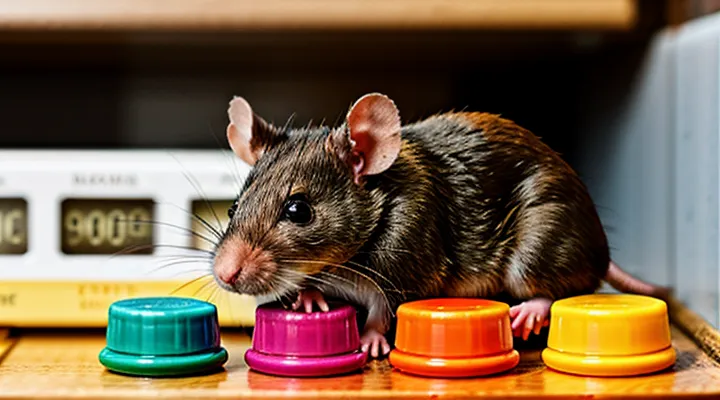
The Importance of Vitamins for Rats
Why Rats Need Vitamins
Essential Nutrients for Health
Rats require a defined set of nutrients to maintain physiological functions, support growth, and prevent disease. The nutrient profile includes vitamins, minerals, specific amino acids, and essential fatty acids, each serving a distinct biochemical purpose.
Deficiencies in these nutrients manifest as measurable health problems. Lack of vitamin A leads to impaired vision and skin lesions; insufficient vitamin D results in weakened bone structure; inadequate vitamin E causes oxidative damage to cellular membranes. Similar patterns appear with mineral shortages, such as hypocalcemia producing skeletal abnormalities and iron deficiency causing anemia.
Choosing an appropriate supplement involves evaluating several factors. Products must deliver nutrients in forms readily absorbed by rodents, cover the full spectrum of required vitamins and minerals, provide dosages aligned with established nutritional guidelines, maintain stability under typical storage conditions, and be free from contaminants such as heavy metals or mycotoxins.
Key nutrients for rat health:
- Vitamin A (retinol) – vision, immune function
- Vitamin D3 (cholecalciferol) – calcium regulation, bone health
- Vitamin E (tocopherol) – antioxidant protection
- Vitamin K – blood coagulation
- B‑complex (B1, B2, B3, B5, B6, B7, B9, B12) – energy metabolism, neural function
- Vitamin C – collagen synthesis, immune support
- Calcium – skeletal development, muscle contraction
- Phosphorus – energy transfer, cell membrane integrity
- Magnesium – enzymatic reactions, nerve transmission
- Zinc – immune response, wound healing
- Iron – oxygen transport, cellular respiration
- Selenium – antioxidant enzyme activity
When assessing a formulation, verify that the label cites concentrations per kilogram of feed, confirms the use of bioavailable sources (e.g., chelated minerals), and includes expiration dates. Store the product in a cool, dry environment to preserve potency. Regular monitoring of animal health parameters, combined with adherence to these selection criteria, ensures that rats receive the nutrients necessary for optimal physiological performance.
Preventing Deficiencies
Proper nutrition prevents vitamin deficiencies in laboratory and pet rats. Balanced diets supply all essential nutrients, eliminating the need for ad‑hoc supplementation. Commercial rodent chow formulated to meet established nutritional standards provides a reliable baseline.
Key vitamins prone to deficiency and their consequences include:
- Vitamin C: scurvy‑like symptoms, joint pain, poor wound healing.
- Vitamin D: rickets, weakened bone structure, calcium imbalance.
- Vitamin E: muscular degeneration, oxidative stress, reduced fertility.
- B‑complex vitamins (B1, B2, B6, B12): neurological disorders, reduced appetite, anemia.
Preventive measures:
- Select feed that lists complete vitamin profiles and meets the nutritional requirements for the rat’s age and physiological status.
- Verify storage conditions; exposure to light, heat, and moisture degrades vitamins, especially A and D. Keep feed in airtight containers in a cool, dark environment.
- Supplement only when analytical testing shows suboptimal levels. Use water‑soluble vitamin mixes for short‑term needs; avoid over‑supplementation, which can cause toxicity.
- Conduct regular health assessments: monitor weight, coat condition, activity level, and dental health. Early detection of subtle changes prompts dietary adjustment before severe deficiency develops.
- Provide fresh water daily; dehydration impairs absorption of fat‑soluble vitamins and accelerates loss of water‑soluble vitamins.
Routine laboratory analysis of feed batches confirms vitamin concentrations remain within target ranges. Documentation of feed composition, storage logs, and health observations creates a traceable system that supports consistent nutrient adequacy.
Common Vitamin Deficiencies in Rats
Symptoms of Vitamin A Deficiency
Vitamin A deficiency in rats presents a distinct set of clinical signs that can be recognized without extensive diagnostics. The most immediate manifestation is impaired vision, often observed as night blindness or reduced responsiveness to low‑light conditions. Conjunctival and corneal abnormalities follow, including dryness, ulceration, and keratinization of the ocular surface.
Dermatological changes appear early and include:
- Rough, scaly skin, especially on the ears and tail.
- Loss of hair or thinning fur, typically beginning on the dorsal region.
- Hyperkeratosis of the footpads, leading to cracking or ulcer formation.
Respiratory and immune functions deteriorate as the deficiency progresses. Affected rats may exhibit:
- Chronic nasal discharge and susceptibility to secondary infections.
- Delayed wound healing and increased frequency of skin lesions.
- Reduced capacity to mount effective immune responses, resulting in higher morbidity from opportunistic pathogens.
Growth retardation and reproductive impairment are also associated with insufficient vitamin A. Stunted weight gain, delayed sexual maturation, and decreased litter size serve as indirect indicators of the nutrient shortfall. Early identification of these symptoms enables timely dietary correction and prevents irreversible damage.
Symptoms of Vitamin D Deficiency
Vitamin D is essential for calcium absorption and bone mineralization in laboratory and pet rats; inadequate intake leads to measurable physiological disturbances. Deficiency manifests primarily through musculoskeletal and metabolic signs that can be observed during routine health assessments.
- Rickets‑type bone softening, evident as bowed limbs or deformities in growing rats
- Delayed growth or weight stagnation despite adequate caloric intake
- Increased incidence of spontaneous fractures, particularly in the femur and tibia
- Dental abnormalities, including enamel hypoplasia and malocclusion
- Muscle weakness, expressed by reduced activity, tremors, or difficulty navigating tunnels
- Elevated serum alkaline phosphatase levels, indicating altered bone turnover
- Hypocalcemia symptoms such as tetany, seizures, or abnormal gait
Early detection of these indicators allows timely dietary correction and prevents long‑term skeletal damage.
Symptoms of B Vitamin Deficiencies
Rats that lack adequate B‑complex vitamins display distinct clinical signs that can be observed during routine health checks. Deficiencies affect metabolism, nervous function, and integumentary health, producing observable changes in behavior, appearance, and physiological performance.
- Thiamine (B1) deficiency: reduced appetite, lethargy, loss of coordination, tremors, and rapid weight loss.
- Riboflavin (B2) deficiency: pale or flaky skin, eye discharge, diminished growth rate, and decreased activity.
- Niacin (B3) deficiency: dermatitis around the snout and tail, diarrhea, reduced fertility, and sluggish movement.
- Pantothenic acid (B5) deficiency: impaired wound healing, weakness, and occasional respiratory distress.
- Pyridoxine (B6) deficiency: seizures, irritability, abnormal gait, and reduced litter size.
- Biotin (B7) deficiency: alopecia, scaling of the footpads, dermatitis, and poor coat condition.
- Folate (B9) deficiency: anemia, poor embryonic development, and stunted growth.
- Cobalamin (B12) deficiency: neurological degeneration, ataxia, anemia, and decreased appetite.
Early identification of these signs enables corrective supplementation, preventing progression to more severe systemic disorders. Regular monitoring of dietary intake and periodic veterinary assessment are essential for maintaining optimal B‑vitamin status in laboratory and pet rat populations.
Sources of Vitamins for Rats
Natural Dietary Sources
Rats require a balanced intake of vitamins to support growth, reproduction, and immune function. Natural foods provide the essential micronutrients without the risk of over‑supplementation associated with synthetic products.
- Vitamin A – carrots, sweet potatoes, pumpkin, kale, and red bell peppers.
- Vitamin D – exposure to sunlight combined with dietary sources such as fortified fish oil and egg yolk.
- Vitamin E – sunflower seeds, almonds, wheat germ, and spinach.
- Vitamin K – leafy greens (collard, mustard, romaine), broccoli, and fermented foods like kefir.
- B‑complex vitamins – whole grains (oats, barley), legumes (lentils, chickpeas), organ meats, and dairy.
- Vitamin C – citrus fruits, strawberries, bell peppers, and broccoli; supplementation is rarely needed because most commercial rat diets already contain adequate levels.
Incorporating a variety of these items ensures adequate vitamin coverage while maintaining palatability. Rotate fresh produce daily, monitor for spoilage, and limit high‑oxalate or high‑sugar foods to prevent renal or metabolic issues. Regular assessment of body condition and coat quality offers practical indicators of vitamin status.
Commercial Rat Foods
Commercial rat diets dominate the market for laboratory and pet rodents, offering balanced macronutrients and a predefined vitamin profile. Formulations typically contain a blend of grains, legumes, seeds, and fortified premixes designed to meet the species‑specific nutrient requirements established by regulatory bodies.
Key vitamins commonly fortified in these products include:
- Vitamin A (retinol or β‑carotene) for vision and epithelial health.
- Vitamin D₃ for calcium absorption and bone mineralization.
- Vitamin E (α‑tocopherol) as an antioxidant protecting cellular membranes.
- Vitamin K₁ for coagulation cascade function.
- B‑complex vitamins (B₁, B₂, B₆, B₁₂, niacin, pantothenic acid, folic acid) supporting metabolism, nerve function, and hematopoiesis.
- Vitamin C, often omitted because rats synthesize it endogenously, though some formulations include it for specific research models.
Selection criteria focus on vitamin adequacy and stability:
- Verify that the label lists vitamin concentrations matching the National Research Council (NRC) recommendations for the rat’s life stage.
- Prefer premixes using stabilized forms (e.g., retinyl palmitate, cholecalciferol) to prevent degradation during storage.
- Assess the presence of natural sources (e.g., liver powder, fish oil) that provide synergistic micronutrients alongside synthetic additives.
- Ensure the product undergoes batch‑wise quality control, with certificates of analysis confirming vitamin content.
- Consider the intended use—research protocols may require vitamin‑deficient or excess formulations, while pet owners need a comprehensive blend.
When a commercial diet meets these standards, it supplies the essential vitamins without the need for supplemental tablets or powders. Regular monitoring of feed intake and periodic health assessments confirm that the chosen product maintains adequate vitamin status throughout the rat’s lifespan.
Supplements: When and How
Rats require a balanced diet to maintain metabolic health, yet certain conditions or life stages demand targeted supplementation. Recognize the need for supplements when:
- Growth spurts in juveniles or pregnant females increase nutrient demand.
- Laboratory or breeding colonies exhibit signs of deficiency (e.g., alopecia, impaired wound healing, reduced activity).
- Dietary restrictions limit natural vitamin intake, such as low‑fat or grain‑free formulations.
- Chronic illnesses or gastrointestinal disorders impair absorption.
Selecting appropriate supplements involves a systematic approach:
- Identify the deficiency – Conduct blood panels or observe clinical indicators to pinpoint specific vitamins (e.g., vitamin C, B‑complex, vitamin D).
- Choose a reputable product – Verify manufacturer credentials, third‑party testing, and absence of unnecessary additives.
- Match the formulation to the species – Ensure the product is formulated for rodents, with dosage calibrated for the average body weight of a laboratory rat (approximately 250 g).
- Determine the dosage – Follow established guidelines from veterinary nutrition references; adjust for age, reproductive status, and health condition.
- Implement a monitoring protocol – Record baseline metrics, administer the supplement for a defined period, and reassess biochemical markers to confirm efficacy.
Proper administration minimizes risk. Dissolve water‑soluble vitamins in the drinking supply only if stability is guaranteed; otherwise, incorporate fat‑soluble vitamins into a small amount of palatable food. Avoid over‑supplementation, as excess vitamins can lead to toxicity, particularly with fat‑soluble compounds.
Regular evaluation ensures that supplementation remains necessary and effective, supporting optimal growth, reproduction, and overall vitality in rat populations.
Selecting the Right Vitamins for Your Rat
Understanding Rat Dietary Needs
Age-Specific Requirements
Rats exhibit distinct vitamin requirements at each stage of development, and meeting these needs is essential for optimal health and performance.
Neonatal rats depend heavily on vitamin K for coagulation, vitamin E for membrane protection, and vitamin D for skeletal formation. Their diets, typically maternal milk, must contain sufficient concentrations of these nutrients, as endogenous synthesis is limited.
Juvenile rats experience rapid growth and require higher levels of vitamin A to support vision and cellular differentiation, vitamin C for collagen synthesis, and B‑complex vitamins—particularly thiamine (B1), riboflavin (B2), and pyridoxine (B6)—to sustain metabolic acceleration. Adequate intake prevents stunted growth and neurological deficits.
Adult rats maintain stable physiological functions; therefore, vitamin needs shift toward maintenance doses. Vitamin B12 supports red blood cell production, while vitamin E continues to guard against oxidative stress. Consistent supply of vitamin D ensures calcium balance and bone density.
Senior rats face diminished absorption efficiency and increased oxidative damage. Elevated vitamin C and vitamin E levels help mitigate cellular aging, and higher vitamin D assists in preventing osteoporosis. Supplementation of B‑vitamins, especially B6 and B12, counters cognitive decline and supports nervous system integrity.
Key age‑specific vitamin considerations
- Neonates: high vitamin K, E, D; maternal milk as primary source
- Juveniles: increased vitamin A, C, B‑complex (B1, B2, B6)
- Adults: maintenance levels of B12, E, D; balanced intake
- Seniors: boosted vitamin C, E, D; additional B6 and B12
Accurate formulation of rat feeds, aligned with these age‑related requirements, ensures physiological stability and reduces the risk of deficiency‑related disorders.
Breed-Specific Considerations
Vitamin requirements differ among rat breeds, demanding tailored supplementation strategies. Smaller breeds, such as dwarf rats, exhibit higher metabolic rates per gram of body weight and often require greater concentrations of B‑complex vitamins to sustain energy production. Hairless varieties experience accelerated skin turnover, making vitamin A and biotin essential for epidermal integrity and wound healing. Long‑haired fancy rats are prone to matting and skin infections; supplemental vitamin E supports antioxidant protection and reduces inflammation in the coat and dermal layers. Breeding colonies with pregnant or lactating females need increased levels of folic acid and vitamin D to facilitate fetal skeletal development and milk synthesis. Elderly rats, regardless of breed, show diminished absorption efficiency; fortified diets with higher doses of vitamin C and selenium compensate for age‑related declines in immune function.
Key breed‑specific considerations:
- Dwarf rats: Elevated B‑vitamin density; monitor for hyperactivity.
- Hairless rats: Emphasize vitamin A, biotin, and omega‑3 fatty acids for skin health.
- Long‑haired fancy rats: Increase vitamin E and zinc to maintain coat condition.
- Reproductive females: Boost folic acid, vitamin D, and calcium‑phosphate balance.
- Senior rats: Enhance vitamin C, selenium, and probiotic support for gut absorption.
Accurate assessment of breed characteristics, life stage, and health status guides precise vitamin selection, ensuring optimal physiological function across the rat population.
Health Conditions and Vitamin Needs
Rats with specific health challenges demand adjusted vitamin intake to support physiological functions and prevent disease progression. Nutritional plans should reflect the altered requirements associated with each condition.
- Rapid growth or weaning – increased need for vitamin A (vision, epithelial integrity), vitamin D₃ (calcium absorption, bone development), and vitamin K (coagulation). Supplement levels may be 1.5–2 times standard rates.
- Reproductive activity – elevated demand for vitamin E (antioxidant protection of gametes) and vitamin B‑complex (energy metabolism, hormone synthesis). Dosage often ranges from 10 mg to 30 mg of vitamin E per kilogram of feed.
- Respiratory or gastrointestinal infection – higher consumption of vitamin C (immune cell function) and riboflavin (mucosal repair). Recommended supplementation adds 50–100 mg of vitamin C per kilogram of diet.
- Bone disorders (osteopenia, rickets) – amplified requirement for vitamin D₃ and vitamin K₂ to enhance mineralization and matrix quality. Typical adjustments increase vitamin D₃ by 200 IU/kg feed.
- Metabolic syndromes (obesity, diabetes) – need for biotin and niacin to support carbohydrate metabolism and lipid regulation. Inclusion of 2–5 mg biotin and 20 mg niacin per kilogram of feed is common.
When formulating rat diets, verify that vitamin sources are stable, bioavailable, and free from excess that could cause toxicity. Regular health assessments enable fine‑tuning of supplementation to match the animal’s current condition.
Types of Vitamin Supplements
Multivitamin Drops
Multivitamin drops provide a concentrated source of essential nutrients that support the overall health of laboratory and pet rats. The liquid form ensures easy administration and rapid absorption through the gastrointestinal tract.
Key nutrients typically found in rat multivitamin drops include:
- Vitamin A (retinol) – supports vision and epithelial tissue integrity.
- Vitamin D3 (cholecalciferol) – regulates calcium metabolism and bone development.
- Vitamin E (α‑tocopherol) – protects cell membranes from oxidative damage.
- B‑complex vitamins (B1, B2, B6, B12, niacin, pantothenic acid) – facilitate energy production and nervous system function.
- Vitamin C – enhances immune response and collagen synthesis.
- Trace minerals (zinc, copper, selenium, manganese) – contribute to enzymatic activity and immune competence.
When selecting a multivitamin drop product, consider the following criteria:
- Bioavailability – ingredients should be presented in forms readily absorbed by rats, such as chelated minerals and oil‑soluble vitamins.
- Dosage accuracy – the concentration must allow precise dosing based on the animal’s weight, preventing hypervitaminosis.
- Purity – formulas should be free of artificial colors, flavors, and unnecessary fillers that could interfere with dietary studies.
- Stability – the solution must retain potency under typical storage conditions; amber bottles and refrigeration extend shelf life.
Administration guidelines recommend delivering the prescribed volume directly onto the animal’s palate using a calibrated pipette. Observe the rat for a few minutes to ensure ingestion and monitor for adverse reactions, such as gastrointestinal upset or changes in behavior. Adjust dosage only after consulting a veterinarian or a qualified laboratory animal specialist.
Fortified Treats
Fortified treats serve as a practical vehicle for delivering essential micronutrients to pet rats, complementing daily feed and reducing the risk of deficiencies. These products combine palatable ingredients with concentrated vitamin blends, allowing owners to meet nutritional requirements without altering the core diet.
When evaluating fortified treats, consider the following criteria:
- Complete vitamin spectrum – inclusion of A, D, E, K, B‑complex, and trace minerals such as zinc and selenium.
- Bioavailability – nutrients presented in chelated or esterified forms that rats can absorb efficiently.
- Ingredient integrity – minimal use of artificial flavors, colors, or preservatives; primary components should be natural grains, nuts, or dried fruit.
- Guaranteed analysis – clear labeling of vitamin concentrations per serving, with reference to established rat dietary guidelines.
- Safety margin – dosage that stays within the upper safe limits to prevent hypervitaminosis, especially for fat‑soluble vitamins.
Manufacturers that employ third‑party testing and adhere to Good Manufacturing Practices provide an additional layer of confidence. Verify batch numbers and expiration dates; vitamins degrade over time, diminishing efficacy.
Incorporating fortified treats should complement, not replace, a balanced staple diet. Adjust the quantity based on the rat’s age, weight, and activity level, and monitor for any adverse reactions. Regular veterinary assessment ensures that the supplementation strategy remains appropriate throughout the animal’s life cycle.
Specialized Supplements
Rats require a balanced intake of essential nutrients, yet standard diets may lack specific micronutrients needed for particular health conditions or life stages. Specialized supplements address these gaps by delivering concentrated forms of vitamins, minerals, and bioactive compounds tailored to the animal’s physiological demands.
Targeted formulations include:
- Vitamin‑D3 enrichment for skeletal health in young or indoor‑kept rats prone to deficiency.
- B‑complex blends that support metabolic efficiency during rapid growth or recovery from illness.
- Antioxidant complexes containing vitamin E, selenium, and lutein to mitigate oxidative stress in aging populations.
- Joint‑support kits that combine glucosamine with vitamin C and manganese for enhanced cartilage maintenance.
Selection criteria should focus on:
- Purity and bioavailability – products must list active ingredient percentages and use sources proven to be absorbable by rodents.
- Absence of harmful additives – avoid formulations containing artificial colors, excessive sugars, or allergens such as soy or dairy.
- Dosage precision – follow manufacturer guidelines calibrated for the rat’s weight and activity level; over‑supplementation can cause toxicity.
- Regulatory compliance – choose supplements manufactured under veterinary‑grade quality standards (e.g., GMP, ISO‑9001).
When integrating a specialized supplement, monitor the rat’s response over a two‑week period. Record changes in weight, coat condition, and behavior. Adjust dosage or switch products if adverse effects appear. A systematic approach ensures that the supplement enhances, rather than disrupts, the animal’s overall nutritional regimen.
Administering Vitamins to Rats
Dosage Guidelines
Vitamin supplementation for rats requires precise dosing to avoid deficiency and toxicity. Dosage calculations start with the animal’s body weight, expressed in grams, and adjust for life stage—juvenile, adult, or senior. Healthy individuals receive baseline amounts; compromised health conditions demand veterinary consultation.
Typical daily allowances (per kilogram of body weight) for essential vitamins are:
- Vitamin A: 0.5–1 IU
- Vitamin D₃: 40–80 IU
- Vitamin E (α‑tocopherol): 5–10 mg
- Vitamin C: 25–50 mg
- Vitamin B‑complex (thiamine, riboflavin, niacin, pyridoxine, cobalamin): 0.5–2 mg each
These values represent the lower end of the safe spectrum; exceeding the upper limits increases the risk of hypervitaminosis.
Special physiological states modify requirements. Pregnant or lactating females need 20–30 % more of fat‑soluble vitamins and an additional 10 % of water‑soluble B vitamins. Rapid growth phases in weanlings justify a 25 % increase across all nutrients. Illnesses affecting absorption (e.g., gastrointestinal parasites) may necessitate higher supplemental doses, but only under professional guidance.
Routine monitoring includes observation of coat condition, activity level, and ocular health, complemented by periodic blood assays for serum vitamin concentrations. Early signs of excess—hypercalcemia, liver enlargement, or neurological disturbances—must prompt immediate dosage reduction. Deficiency indicators such as poor growth, skeletal abnormalities, or bleeding disorders require dose escalation. Continuous record‑keeping of administered amounts ensures reproducibility and facilitates adjustments.
Methods of Administration
Vitamin supplementation for laboratory and pet rats can be delivered through several practical routes. Selecting an appropriate method depends on the specific vitamin, required dosage accuracy, and the animal’s handling tolerance.
-
Mixed into diet – powder or liquid vitamins blended with standard chow or fresh food. Provides continuous intake, minimizes stress, but requires uniform mixing and monitoring of food consumption to avoid under‑ or overdosing.
-
Added to drinking water – soluble vitamins dissolved in the water supply. Suitable for water‑soluble nutrients, allows easy adjustment of concentration, yet demands regular water change to maintain potency and prevent microbial growth.
-
Gel or paste carriers – flavored gelatin or agar blocks containing concentrated vitamins. Enables precise dose placement, useful for short‑term supplementation or for animals reluctant to consume medicated food.
-
Injectable administration – subcutaneous or intraperitoneal injection of liquid vitamin solutions. Delivers exact dose rapidly, bypasses gastrointestinal degradation, but increases handling stress and requires sterile technique.
-
Topical application – vitamin‑enriched ointments or oil‑based gels applied to the skin. Limited to fat‑soluble vitamins with proven transdermal absorption; primarily experimental and not routine.
When choosing a route, consider the vitamin’s stability (light, heat, oxidation), the required frequency of dosing, the risk of gastrointestinal irritation, and the animal’s welfare. Oral routes dominate for routine maintenance due to ease of use and low stress, while injections reserve for precise dosing, rapid correction of deficiencies, or when oral absorption is compromised.
Monitoring for Side Effects
Effective vitamin supplementation for laboratory and pet rats demands systematic observation for adverse reactions. Side‑effect monitoring protects animal welfare, ensures data integrity in research, and prevents waste of resources on ineffective or harmful formulations.
Key indicators to record include:
- Reduced food or water intake
- Weight loss exceeding 5 % of baseline within a week
- Lethargy, abnormal grooming, or altered social behavior
- Gastrointestinal disturbances such as diarrhea or constipation
- Respiratory changes, including increased rate or audible wheezing
- Dermatological signs: erythema, hair loss, or excessive scratching
- Laboratory abnormalities: elevated liver enzymes, altered electrolyte balance, or abnormal hematology
When any sign appears, follow a structured response:
- Verify dosage accuracy and source of the vitamin product.
- Suspend supplementation pending evaluation.
- Conduct a physical examination and, if necessary, collect blood or urine samples for diagnostic testing.
- Adjust the vitamin regimen based on findings—reduce dose, switch to a different formulation, or discontinue entirely.
- Document the event, corrective actions, and outcomes in the animal’s health record.
Routine monitoring schedules—daily visual checks, weekly weight measurements, and monthly laboratory panels—provide early detection and enable timely intervention, maintaining the balance between nutritional benefit and safety.
Potential Risks and Over-Supplementation
Dangers of Excessive Vitamins
Hypervitaminosis A
Hypervitaminosis A occurs when rats ingest excessive amounts of pre‑formed vitamin A, typically from over‑supplemented diets or accidental exposure to retinol‑rich feeds. The condition results from accumulation of retinyl esters in the liver, leading to systemic toxicity.
Clinical manifestations include:
- Weight loss despite adequate food intake
- Dermatitis with scaling or crusting
- Joint swelling and reduced mobility
- Hepatomegaly and liver dysfunction, evident by elevated enzymes
- Bone abnormalities such as premature epiphyseal closure
Diagnosis relies on a combination of dietary history, observation of characteristic signs, and laboratory analysis confirming serum retinol concentrations above the established safe range for rats (generally > 200 µg/dL).
Therapeutic measures involve immediate cessation of vitamin A supplementation, reduction of dietary retinol to sub‑toxic levels, and supportive care. Liver function should be monitored weekly; severe cases may require hepatic protectants and anti‑inflammatory agents.
Prevention centers on precise formulation of vitamin mixes. Recommended guidelines specify that supplemental vitamin A should not exceed 5 IU/g of feed for adult rats, with lower limits for juveniles. Regular analysis of commercial feed batches helps ensure compliance with these limits. Adjustments to vitamin content must consider the bioavailability of different retinoid sources, as pre‑formed retinol poses a higher risk than provitamin A carotenoids.
In research settings, documenting the exact dosage and source of vitamin A in experimental diets eliminates inadvertent hypervitaminosis, preserving animal welfare and data integrity.
Hypervitaminosis D
Vitamin D excess in laboratory and pet rats results from over‑supplementation or ingestion of highly fortified feeds. The narrow margin between adequate and toxic levels makes precise dosing essential.
Typical clinical signs include:
- Polyuria and polydipsia
- Weight loss despite normal appetite
- Lethargy and reduced activity
- Softening or deformation of the skull and long bones
- Calcification of soft tissues, especially kidneys and heart
Laboratory confirmation relies on serum 25‑hydroxyvitamin D concentrations markedly above the reference range (often >200 ng/mL) and concurrent hypercalcemia. Radiographs may reveal metastatic calcifications; histopathology shows mineral deposits in renal tubules and vascular walls.
Management starts with immediate cessation of vitamin D sources, followed by fluid therapy to promote renal excretion of calcium. Pharmacologic agents such as bisphosphonates or corticosteroids can be employed to limit bone resorption and reduce calcium levels. Regular monitoring of serum calcium and vitamin D metabolites guides the duration of treatment.
Prevention depends on accurate calculation of dietary vitamin D based on body weight (approximately 200–400 IU per kilogram per day for adult rats) and avoidance of combined supplements that could push intake into the toxic range. Commercial rodent diets are formulated to meet physiological needs; additional supplementation should be reserved for documented deficiencies and administered under veterinary supervision.
Other Overdose Risks
Excessive supplementation in rodents can trigger a range of adverse effects beyond the well‑known hypervitaminosis.
High doses of fat‑soluble vitamins (A, D, E, K) tend to accumulate in hepatic tissue, leading to liver enlargement, necrosis, and impaired clotting. Vitamin A toxicity may also cause skeletal deformities and skin desquamation. Over‑supplementation with vitamin D raises serum calcium, precipitating renal calcification and cardiovascular dysfunction.
Water‑soluble vitamins are not exempt from harm. Large amounts of vitamin C increase oxalate production, fostering kidney stone formation. Excessive B‑complex vitamins, particularly B₆, can produce peripheral neuropathy and sensory deficits.
Synergistic interactions amplify risk. High vitamin C combined with iron accelerates oxidative stress, damaging intestinal mucosa. Concurrent high levels of vitamin E and anticoagulant agents intensify bleeding tendencies.
Additional overdose concerns include:
- Gastrointestinal irritation and ulceration from irritant vitamin formulations.
- Altered behavior such as hyperactivity or lethargy, reflecting neurochemical imbalance.
- Suppressed appetite, leading to weight loss and secondary malnutrition.
- Immune modulation that may predispose to infections or auto‑immunity.
Monitoring plasma concentrations, adjusting doses to species‑specific requirements, and rotating supplementation schedules mitigate these hazards.
Recognizing Over-Supplementation Symptoms
Behavioral Changes
Adequate vitamin intake influences rat activity, social interaction, and learning performance. Observable changes provide a practical means to assess nutritional adequacy without invasive testing.
- Reduced exploration, prolonged inactivity, or reluctance to climb indicates possible deficiency of B‑complex vitamins, which support energy metabolism.
- Diminished grooming, alopecia, or increased aggression may reflect inadequate vitamin E or vitamin C, compromising antioxidant defenses.
- Hyperactivity, repetitive pacing, or heightened startle responses suggest excess of fat‑soluble vitamins, particularly vitamin D, leading to neuroexcitability.
Excessive vitamin supplementation can produce toxicity signs such as weight loss, tremors, or impaired coordination. Persistent lethargy, poor coat condition, and decreased food consumption are typical of chronic deficiency.
When behavioral cues emerge, adjust the diet by selecting premixed rat vitamin formulations that match the observed deficit, or supplement with single‑vitamin additives at recommended levels. Re‑evaluate behavior after a 7‑ to 14‑day adjustment period; improvement confirms appropriate dosing, while continued abnormalities warrant further dietary revision or veterinary consultation.
Physical Symptoms
Physical manifestations of inadequate or excessive vitamin intake in laboratory and pet rats are readily observable. Deficiencies often present as:
- Dull, brittle fur that sheds excessively
- Reduced growth rate and stunted body length
- Delayed wound healing and frequent skin lesions
- Impaired vision, including cataract formation or retinal degeneration
- Skeletal abnormalities such as bowed limbs or demineralized bone structure
- Decreased activity levels and poor coordination
Conversely, hypervitaminosis may cause:
- Hyperkeratosis of footpads and tail
- Gastrointestinal irritation, manifested by diarrhoea or vomiting
- Calcification of soft tissues, particularly in the kidneys and heart
- Irregular heart rhythm and elevated blood pressure
Accurate identification of these signs enables targeted adjustment of the rat’s vitamin regimen. Selecting a balanced supplement that matches the species‑specific requirements—considering age, reproductive status, and health condition—prevents both deficiency and toxicity. Regular monitoring of weight, coat condition, and locomotor function, coupled with periodic veterinary assessment, ensures the vitamin plan remains effective and safe.
Consulting a Veterinarian
When to Seek Professional Advice
Understanding when a veterinarian’s input becomes necessary can prevent deficiencies, toxicities, and unnecessary expenses. Recognize the following indicators and act promptly:
- Sudden weight loss or failure to gain weight despite a balanced diet.
- Persistent diarrhea, constipation, or abnormal stool consistency.
- Visible signs of malnutrition, such as dull fur, flaky skin, or delayed wound healing.
- Reproductive issues, including infertility, irregular cycles, or poor litter outcomes.
- Chronic respiratory or urinary problems that may be aggravated by improper supplementation.
- Unexplained lethargy, tremors, or seizures after introducing a new vitamin product.
- History of previous nutrient-related disorders or known metabolic disorders in the lineage.
If any of these conditions appear, schedule a veterinary consultation before adjusting or adding supplements. The professional will evaluate clinical signs, perform laboratory testing if needed, and prescribe a formulation tailored to the individual’s health status. Relying on a qualified practitioner ensures that vitamin regimens support optimal growth, immune function, and overall wellbeing without risking overdose or imbalance.
Personalized Vitamin Plans
A personalized vitamin regimen addresses the individual health status, age, and reproductive condition of each rat, ensuring that supplementation aligns with specific physiological demands. Baseline assessment should include body condition scoring, blood work for micronutrient levels, and observation of coat quality, activity, and dental health.
Key components of a customized plan:
- Macronutrient synergy – balance of vitamins A, D, E, and K with essential fatty acids to support skin, vision, and immune function.
- Growth and reproduction – elevated B‑complex and folic acid for juveniles and breeding females; reduced vitamin D for senior rats to avoid hypercalcemia.
- Stress and disease – antioxidant vitamins C and E supplemented during illness, surgery, or environmental stressors.
Formulation adjustments rely on periodic re‑evaluation. After six weeks, repeat blood panel; modify dosages if markers indicate deficiency or excess. Record all changes in a log to track trends and prevent toxicity.
When selecting a commercial product, prioritize formulations that list vitamins as isolated nutrients rather than as part of a generic “multivitamin” blend, because isolated additives allow precise dosing. Verify that the product provides bioavailable forms (e.g., retinyl palmitate for vitamin A, methylcobalamin for B12) and that it is free of unnecessary fillers that could skew dosage calculations.
Implementing a tailored vitamin schedule reduces the risk of over‑supplementation, supports optimal growth, and enhances overall vitality in pet and laboratory rats.