
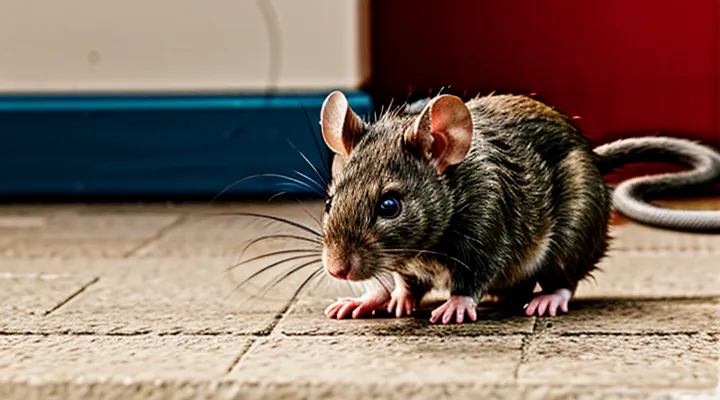
Understanding Your Rat's Intelligence
Why Rats Make Great Trainees
Rats excel as trainees because they combine high intelligence with rapid learning cycles. Their ability to form associations after just a few repetitions enables efficient acquisition of complex tricks. Cognitive flexibility allows them to adapt to varied cues, whether visual, auditory, or tactile, and to modify behavior when conditions change.
- Strong memory retention supports long‑term recall of trained sequences.
- Social hierarchy encourages observation; inexperienced individuals often imitate skilled peers, accelerating group learning.
- High motivation for food rewards and exploratory play drives consistent engagement during training sessions.
- Small size and low maintenance costs make them practical subjects for repeated practice in confined environments.
- Tolerance for diverse stimuli permits incorporation of novel apparatuses, expanding the range of possible performances.
These characteristics create a reliable foundation for structured training programs that blend entertainment and skill development, demonstrating why rats are among the most capable animal trainees available.
Recognizing Your Rat's Learning Style
Signs of Engagement
Observing a rat’s response during training reveals clear indicators of mental involvement. An alert posture, with ears forward and whiskers spread, signals that the animal is processing the task. Rapid, purposeful movements toward a target, such as a puzzle feeder or a click‑trained cue, demonstrate focus and willingness to act.
Vocal output provides additional data. Short, sharp squeaks often accompany successful attempts, while a series of low chirps can indicate anticipation. Conversely, prolonged silence may suggest disengagement or stress.
Problem‑solving behavior is a reliable metric. When a rat repeatedly manipulates an object, tries alternative approaches, or revisits a previously mastered trick after a pause, it shows sustained interest. Repeated initiation of play—chasing a ball, climbing a tunnel, or engaging with a companion—further confirms engagement.
Typical signs can be organized as follows:
- Forward‑leaning stance, ears oriented toward the trainer or stimulus
- Whisker extension and rapid eye movement
- Targeted, purposeful locomotion toward a reward or cue
- Short, sharp vocalizations linked to successful actions
- Persistent attempts to solve a novel puzzle or modify a known trick
- Initiation of play behaviors without prompting
Monitoring these cues enables precise adjustment of training protocols, ensuring that each session remains stimulating and effective for the intelligent rodent.
Identifying Stress Signals
Rats display clear physiological and behavioral cues when experiencing stress. Recognizing these signals enables trainers to adjust protocols promptly, preserving animal welfare and maintaining performance.
Physiological indicators include elevated heart rate, rapid breathing, and pupil dilation. Cortisol spikes can be measured through saliva or fecal samples, providing objective confirmation of chronic stress.
Behavioral signs are observable without instrumentation. Common manifestations are:
- Aggressive lunges or biting directed at handlers or conspecifics.
- Repetitive pacing or excessive grooming that deviates from normal play behavior.
- Withdrawal into corners, reduced exploration, and refusal to engage with enrichment items.
- Vocalizations such as high‑frequency squeaks that differ from typical communication tones.
Contextual triggers often involve sudden changes in routine, inadequate cage space, or insufficient social interaction. Monitoring schedules should incorporate daily visual checks and periodic physiological assessments. Immediate corrective actions—such as restoring predictable routines, providing additional hiding spaces, or moderating training intensity—reduce stress accumulation and support sustained learning outcomes.
The Basics of Rat Training
Essential Training Equipment
Treats and Rewards
Treats serve as primary reinforcement in rodent conditioning programs. Effective reinforcement requires foods that are nutritionally appropriate, easily consumable, and highly palatable for the animal.
- Small, soft pieces reduce choking risk and allow rapid consumption.
- High‑protein or low‑sugar options support health while maintaining motivation.
- Natural flavors (e.g., fruit puree, cheese, insect larvae) increase scent appeal.
- Commercially formulated rodent treats provide consistent caloric content and ingredient transparency.
Reward delivery must occur within a few seconds of the desired behavior to establish a clear association. Immediate reinforcement strengthens the link between action and outcome, while delayed delivery weakens it. Consistency in timing enhances learning speed.
Training sessions should integrate treats in a graduated schedule. Begin with continuous reinforcement, providing a treat after each correct response. Transition to variable‑ratio reinforcement, offering treats after a predetermined number of successful trials. This shift maintains engagement and prevents satiation. Gradual reduction of treat frequency, accompanied by verbal praise or gentle petting, preserves the learned behavior without reliance on constant food rewards.
Clickers and Their Use
Clickers are small, hand‑held devices that emit a distinct, brief sound when pressed. The sound serves as an immediate marker that a specific behavior has just occurred, allowing precise communication between trainer and rodent.
When introducing a clicker to a rat, follow a three‑phase protocol:
- Association – repeatedly press the clicker and immediately reward with a preferred treat until the animal links the sound with a positive outcome.
- Shaping – present the clicker the moment the rat performs a target action, such as approaching a cue, touching a sensor, or navigating a tunnel.
- Reinforcement – continue using the clicker to signal successful attempts, gradually reducing treat frequency while maintaining the sound as a reliable indicator.
Key advantages of clicker use include:
- Temporal precision – the sound occurs within milliseconds of the behavior, eliminating ambiguity.
- Consistency – the same acoustic cue is delivered regardless of the trainer’s voice tone or body language.
- Versatility – applicable to basic commands (e.g., “come,” “stay”) and complex tricks (e.g., obstacle‑course navigation, object manipulation).
Effective clicker training requires compatible equipment. Choose models that produce a clear, high‑frequency tone audible to rodents but not startling. Batteries should be fresh; a weak click can confuse the animal and impede learning. Store the device in a dry environment to prevent moisture damage.
Common issues and solutions:
- No response to the click – verify that the rat has completed the association phase; increase treat frequency until the sound alone elicits anticipation.
- Overuse of treats – transition to intermittent reinforcement after the behavior is stable; this strengthens long‑term retention.
- Habituation to the sound – vary the clicker’s location during sessions to maintain novelty, or introduce a secondary cue (e.g., a hand signal) to reinforce the association.
Integrating clickers into enrichment routines enhances cognitive stimulation. Pair the device with puzzle feeders, maze challenges, or timed tasks to encourage problem‑solving and maintain engagement. Regular, short sessions (5–10 minutes) prevent fatigue and sustain motivation.
Overall, clickers provide a reliable, low‑stress method for shaping intelligent rodent behavior, supporting both training objectives and entertainment activities. Proper implementation maximizes learning efficiency while ensuring the animal’s welfare.
Foundation Skills
Litter Training
Litter training provides a reliable method for maintaining a clean habitat while reinforcing desirable habits in pet rats. The process begins with selecting an appropriate substrate—paper‑based pellets or fine wood shavings work best because they absorb moisture and are easy for rats to manipulate. Place the chosen material in a designated corner of the cage, preferably where the rats naturally congregate, and keep it consistently stocked.
Key steps for successful training:
- Observe the rats’ natural elimination spots during the first few days and adjust the litter area to match these tendencies.
- Introduce a small amount of soiled bedding from the preferred spot into the litter zone to create a scent cue.
- Reward each successful use of the litter with a brief treat or a gentle pet, reinforcing the behavior without delay.
- Clean accidental messes promptly, using a mild, unscented cleaner to prevent lingering odors that could confuse the rats.
- Rotate the litter material weekly to maintain freshness and prevent bacterial buildup.
Consistent application of these actions reduces odor, simplifies cage maintenance, and supports the overall enrichment program aimed at stimulating intelligent rodents through structured training and play.
Name Recognition
Name recognition is a fundamental component of cognitive enrichment for highly trainable rodents. Trainers teach rats to associate a spoken or visual label with an individual animal, enabling precise identification during group activities, health assessments, and performance tasks. The process relies on consistent auditory cues, positive reinforcement, and controlled exposure.
Implementation steps:
- Select a short, distinct name for each rat; avoid phonetic overlap.
- Pair the name with a brief clicker or food reward immediately after the animal appears.
- Conduct three short sessions per day, each lasting 5 minutes, focusing on one rat at a time.
- Gradually increase distance and background noise to test reliability.
- Record response accuracy; aim for 80 % correct identification before advancing to complex tasks.
Benefits include reduced handling stress, streamlined data collection, and enhanced social interaction training. When name recognition is mastered, rats can follow individualized commands, participate in targeted problem‑solving challenges, and assist in experimental protocols that require precise subject tracking.
Positive Reinforcement Techniques
Luring and Shaping Behaviors
Luring directs a rat’s attention toward a specific stimulus, creating a predictable point of contact for subsequent training. Effective lures combine visual, auditory, or olfactory cues that the animal finds intrinsically rewarding. Common lures include a small piece of food, a moving object, or a high‑frequency click. Consistency in the cue’s presentation ensures the rat associates the signal with the desired action, such as approaching a target platform or reaching for a lever.
Shaping builds complex behaviors by reinforcing successive approximations of the final goal. The trainer identifies the ultimate response, then rewards any movement that brings the rat closer to that response. Each step is supported by a positive reinforcer—typically a food pellet or a brief tactile reward—delivered immediately after the approximation. The process proceeds through the following stages:
- Observe the animal’s natural tendencies and select a baseline behavior that approximates the target.
- Reinforce the baseline behavior repeatedly until it occurs reliably.
- Introduce a slight variation that moves the behavior nearer to the final form; reinforce only this variation.
- Continue adding incremental modifications, maintaining a tight interval between action and reinforcement.
- Once the complete behavior emerges, transition to a variable‑ratio schedule to strengthen persistence.
Timing of reinforcement is critical; a delay of more than a few seconds reduces the association between the action and the reward. The magnitude of the reward should match the difficulty of the approximation—larger rewards for more demanding steps, smaller ones for minor adjustments. Over‑reinforcement of early approximations can stall progress, so the trainer must gradually decrease reward frequency as the behavior stabilizes.
Integrating luring with shaping accelerates learning. A lure can present the initial cue that prompts the rat to perform the first approximation, after which shaping takes over to refine the response. For example, a moving light may draw the rat toward a tunnel entrance; once inside, the trainer rewards the rat for pausing, then for turning toward a target, and finally for pressing a lever. This sequence leverages the animal’s natural curiosity while systematically extending its repertoire.
Effective rat training therefore relies on precise cue selection, systematic reinforcement of incremental progress, and careful management of reward timing. Mastery of luring and shaping enables the development of sophisticated tricks, problem‑solving tasks, and enrichment activities that stimulate the cognitive abilities of intelligent rodents.
Timing and Consistency
Timing governs the success of any behavior taught to rats. A cue delivered too early can confuse the animal, while a cue given after the desired action fails to reinforce the link between signal and response. Consistent intervals between cue, execution, and reward create a predictable pattern that rats quickly internalize. This predictability reduces stress, accelerates learning curves, and stabilizes performance across sessions.
Consistency reinforces the neural pathways that underlie learned behaviors. Repeating the same hand signal, verbal command, or click sound for a specific trick ensures that the rat associates one distinct stimulus with the intended action. Uniform reward size, type, and timing after the correct response prevents the animal from developing alternative expectations that could dilute the training outcome.
Key practices for maintaining timing and consistency:
- Deliver the cue at the same moment in each trial, using a metronome or timer if necessary.
- Allow a fixed latency (e.g., 0.5 seconds) between the rat’s correct response and the reward.
- Use identical reward portions for each successful execution.
- Record session durations and pause lengths to detect inadvertent variations.
- Review video footage weekly to verify that cue‑response‑reward sequences remain uniform.
Adhering to these principles yields reliable trick execution, improves the rat’s engagement, and enhances the overall entertainment value of the program.
Advanced Rat Tricks
Agility Training
Tunnel Navigation
Tunnel navigation offers a practical framework for developing spatial awareness and problem‑solving abilities in intelligent rodents. The activity involves constructing a series‑of interconnected passages that vary in length, curvature, and obstacle placement. Rats learn to locate entry points, choose optimal routes, and adapt to changes in the maze layout.
Training proceeds in stages.
- Simple straight tunnels with a single exit reinforce basic directionality.
- L‑shaped passages introduce turns, requiring the animal to recognize and negotiate angles.
- Complex networks combine multiple junctions, dead ends, and removable barriers, testing decision‑making under uncertainty.
Performance metrics include latency to reach the goal, error count (incorrect turns or backtracking), and consistency across repeated trials. Data collection can be automated with motion sensors or video tracking software, enabling precise analysis of learning curves and individual differences.
Safety considerations mandate smooth interior surfaces, rounded corners, and adequate ventilation. Materials should be non‑toxic and easy to clean, preventing pathogen buildup. Regular inspection of tunnel integrity reduces the risk of collapse or injury during active sessions.
Weave Poles
Weave poles provide a compact agility obstacle that challenges a rat’s coordination, balance, and problem‑solving abilities. The apparatus consists of a series of vertical dowels spaced closely enough for a rodent to thread its body through while maintaining forward motion.
Construction guidelines:
- Use hardwood or bamboo dowels 1–2 cm in diameter; length of each pole 10–15 cm.
- Secure poles to a sturdy base (e.g., acrylic sheet or wooden board) with a spacing of 3–5 cm.
- Ensure all surfaces are sanded smooth to prevent splinters.
- Anchor the base to a non‑sliding mat to maintain stability during rapid movement.
Training methodology:
- Introduce the rat to the base without poles; reward calm exploration.
- Add a single pole; encourage the animal to touch it with its nose, rewarding each contact.
- Incrementally increase the number of poles, allowing the rat to navigate the gap before adding the next.
- Use a clicker or verbal cue to mark successful passage; follow with a small treat.
- Gradually reduce the distance between poles to increase difficulty, monitoring for signs of stress.
Benefits observed in rodent enrichment programs:
- Enhanced muscular strength in forelimbs and hind limbs.
- Improved spatial awareness and decision‑making speed.
- Increased willingness to engage in novel tasks, indicating higher motivation levels.
- Reduced stereotypic behaviors when incorporated regularly into a daily routine.
Ladder Climbing
Ladder climbing engages a rat’s natural climbing instinct while providing a structured challenge that reinforces coordination, strength, and problem‑solving abilities. The activity integrates physical exercise with cognitive stimulation, making it a valuable component of advanced rodent training programs.
Training protocol begins with a low‑profile, stable ladder placed at a gentle angle. Initial sessions last 5–7 minutes, allowing the animal to explore the rungs without pressure. Once the rat reliably traverses the basic setup, incremental adjustments increase height, steepness, and rung spacing. Each modification should be introduced no more than one level per day, ensuring the rat adapts without stress.
Key considerations for safe and effective ladder climbing:
- Use non‑slip materials such as textured wood or coated plastic for rungs.
- Secure the ladder base to prevent wobbling; a weighted base or wall anchor is recommended.
- Provide a soft landing surface (e.g., fleece pad) at the top and bottom to reduce impact.
- Monitor for signs of fatigue or reluctance; pause training if the rat hesitates for more than a few seconds.
- Incorporate positive reinforcement—small food rewards or brief petting—immediately after successful climbs.
Progressive variations maintain engagement:
- Sideways traversal – rotate the ladder 90° to require lateral movement.
- Timed challenges – set a brief countdown for the rat to reach the top, encouraging quicker decision‑making.
- Obstacle integration – attach lightweight tunnels or platforms between rungs to create a multi‑step puzzle.
Regular ladder climbing sessions, performed 3–4 times weekly, improve muscular development, enhance spatial awareness, and contribute to overall behavioral wellbeing. Consistent application within a broader enrichment framework yields measurable gains in agility and confidence for intelligent rodents.
Problem-Solving Activities
Object Retrieval
Object retrieval is a fundamental skill that engages a rat’s natural foraging instincts while providing a structured learning task. The activity requires the animal to locate, grasp, and transport a designated item to a predetermined spot, reinforcing problem‑solving abilities and fine motor coordination.
Training sessions typically follow a progressive sequence:
- Introduce a lightweight, easily graspable object (e.g., a small wooden block).
- Place the object within the rat’s enclosure and reward any interaction with a high‑value treat.
- Add a target zone marked by a distinct cue (such as a colored mat).
- Prompt the rat to move the object to the cue by shaping behavior with successive approximations and immediate reinforcement.
- Increase difficulty by varying object size, shape, or distance between start and target locations.
Equipment should be safe, non‑toxic, and sized appropriately for the animal’s mouth. Simple items—plastic beads, cork pieces, or custom‑cut acrylic shapes—serve effectively. Ensure that objects lack sharp edges and cannot be broken into hazardous fragments.
Progress monitoring relies on consistent data collection: record latency to retrieve, number of successful transfers per session, and any error patterns. An upward trend in speed and accuracy indicates cognitive development and strengthens the rat’s confidence in performing complex tasks.
Beyond training, object retrieval functions as enrichment. The task occupies the animal’s attention, reduces stereotypic behaviors, and offers a tangible demonstration of the rat’s intelligence to caretakers and observers alike.
Puzzles and Mazes
Puzzles and mazes provide structured mental challenges that stimulate problem‑solving abilities in rats. Designed with varying complexity, they encourage exploration, spatial reasoning, and memory retention. Continuous exposure to new configurations prevents habituation and promotes adaptive learning.
Typical implementations include:
- Adjustable labyrinths with interchangeable walls that create novel pathways.
- Food‑rewarded puzzle boxes requiring sequential actions to access treats.
- Multi‑level mazes that combine vertical and horizontal navigation.
- Interactive digital mazes projected onto surfaces, allowing remote control of variables.
Effective use involves regular rotation of designs, monitoring performance metrics such as completion time and error rate, and adjusting difficulty to match the individual’s progress. Data collected during sessions can inform tailored training protocols and enhance overall engagement.
Creative Performances
Spin and Twirl
Spin and twirl tricks engage a rat’s natural agility while reinforcing focus and body awareness. The maneuver requires the animal to rotate on its vertical axis, either in place or while moving along a short path. Successful execution demonstrates precise motor control and can be incorporated into performance routines or enrichment sessions.
Training proceeds through incremental stages:
- Target acquisition: Place a small, brightly colored disc on the floor. Encourage the rat to touch the disc with its nose, rewarding each contact with a favorite treat.
- Guided rotation: Hold a lightweight, cylindrical wand at the rat’s mid‑body and gently turn it clockwise. Pair the motion with a verbal cue such as “spin.” Offer a treat immediately after the rat follows the turn for a half‑second.
- Extended turn: Increase the rotation angle by 90° each session, maintaining the cue and reward schedule. Monitor the rat’s balance; stop if signs of dizziness appear.
- Freestyle twirl: Once the rat reliably completes a full 360° turn, remove the wand and use only the cue. Reinforce spontaneous spins with a treat and brief praise.
Safety considerations include a non‑slippery surface, short training intervals (3–5 minutes), and regular health checks to ensure no joint strain. Consistent reinforcement accelerates learning and reduces stress, while varied cue tones prevent habituation. Incorporating spin and twirl into a broader repertoire of tricks enhances cognitive stimulation and provides observable metrics for progress evaluation.
High Five and Paw Shake
Training rats to perform a high five or a paw shake provides a clear indicator of cognitive engagement and strengthens the bond between animal and handler. The behavior relies on the animal’s natural tendency to seek tactile contact and can be shaped with consistent reinforcement.
The training sequence consists of three phases.
- Acquisition: Present a treat just above the rat’s forepaws while the handler’s hand is open. When the rat lifts a paw to touch the hand, deliver the reward immediately.
- Shaping: Gradually require the rat to raise the paw higher or to touch a specific surface of the hand before rewarding. Reduce the frequency of treats as the action becomes reliable.
- Maintenance: Introduce a verbal cue such as “high five” or “shake” and a brief pause before the reward. Practice in varied locations to ensure the response generalizes beyond the original training area.
A paw shake follows the same structure, differing only in the hand’s orientation. The handler holds the palm upward; the rat learns to place its forepaw on the palm. Once the contact is established, a quick release of the paw accompanied by a treat reinforces the gesture.
Common errors include premature rewarding, which can solidify incomplete movements, and inconsistent cue timing, which confuses the animal. Correction involves resetting the criterion to the last fully successful attempt and resuming reinforcement only after the correct response.
Integrating these tricks into regular enrichment sessions increases mental stimulation, reduces stereotypic behavior, and provides measurable progress for owners who track skill acquisition.
Playing Dead
Playing dead, also known as “feigning mortality,” is a standard trick for intelligent rodents. The behavior mimics a natural defense mechanism and can be taught using positive reinforcement.
The training sequence typically follows these steps:
- Conditioning the cue – Pair a distinct sound or hand signal with a brief pause in activity. Deliver a high‑value treat immediately after the cue to create an association.
- Shaping the response – Reward any reduction in movement, then progressively require longer periods of immobility. Use clicker or marker to mark each successful increment.
- Adding the “dead” posture – Encourage the rat to lie on its side or back, a position that appears lifeless. Reinforce with treats and gentle praise.
- Generalization – Practice in varied environments and with different cues to ensure the behavior transfers outside the training area.
Benefits of the trick include mental stimulation, enhanced bond between owner and pet, and a demonstrable example of the species’ capacity for complex learning. Proper execution avoids stress: sessions should last no longer than five minutes, and the rat must be allowed to resume normal activity immediately after the cue is released.
Common issues and corrective actions:
- Partial compliance – If the rat stops moving but does not assume the “dead” pose, reinforce the posture separately with a secondary cue.
- Loss of interest – Rotate rewards, introduce novel treats, and vary the training location to maintain motivation.
- Fear response – Ensure the cue is never paired with negative stimuli; maintain a calm tone and gentle handling throughout.
When implemented correctly, playing dead becomes a reliable, entertaining demonstration of a rat’s cognitive abilities and enriches its daily routine.
Enrichment and Entertainment Beyond Tricks
Environmental Enrichment
Toys and Chews
Toys and chews provide essential enrichment for intelligent rodents undergoing training and entertainment programs. Properly selected items stimulate natural foraging, gnawing, and problem‑solving behaviors, reducing stress and encouraging engagement with learned tasks.
Effective enrichment items fall into three categories:
- Manipulable toys – puzzle boxes, treat‑dispensing balls, and lightweight wooden structures that rats can move, rotate, or dismantle.
- Chewable materials – natural wood branches, sisal ropes, and safe mineral blocks that satisfy dental wear requirements and promote oral health.
- Sensory accessories – fabric tunnels, textured mats, and scent‑infused pads that enhance tactile and olfactory exploration.
When choosing toys and chews, prioritize non‑toxic, durable materials and size appropriate for the animal’s body length. Rotate items weekly to maintain novelty and prevent habituation. Clean reusable components with mild, unscented soap and rinse thoroughly before reuse.
Integrating toys into training sessions improves motivation. Present a puzzle toy immediately before a cue, allowing the rat to earn a treat through manipulation. Pair chewable objects with positive reinforcement to reinforce calm behavior during handling. Consistent use of varied enrichment supports cognitive development and reinforces desired performance in training protocols.
Digging Boxes and Foraging
Digging boxes provide a controlled environment where rats can express natural burrowing behavior. By filling a shallow, non‑toxic container with safe substrate—such as shredded paper, coconut fiber, or low‑dust wood chips—owners create a tactile arena that stimulates problem‑solving and motor coordination. Regular exposure enhances muscle development, reduces stereotypic pacing, and reinforces the animal’s capacity to manipulate objects.
Foraging tasks complement digging activities by engaging olfactory and cognitive skills. Hiding small, nutritionally balanced treats within maze‑like compartments, rolled towels, or sealed tubes forces rats to locate, extract, and consume rewards. This process strengthens scent discrimination, fine motor control, and persistence. When paired with timed intervals, foraging can be shaped into a training cue that signals the transition from rest to active engagement.
Key implementation points:
- Choose substrate that is easy to clean and free of sharp edges.
- Rotate box dimensions and depth weekly to prevent habituation.
- Introduce foraging items gradually, starting with visible placement and progressing to concealed locations.
- Record latency to retrieve the reward; decreasing times indicate learning.
- Combine digging and foraging in a single session by placing hidden treats within the substrate, encouraging simultaneous excavation and discovery.
Consistent use of these enrichment strategies supports mental agility, physical health, and the overall welfare of intelligent rodents.
Social Interaction
Playtime with Owners
Playtime with owners constitutes a structured interaction that merges mental challenges with physical movement, fostering a robust bond between the rat and its caretaker.
During these sessions, rats display heightened problem‑solving abilities, improved muscular coordination, and increased willingness to cooperate in subsequent training tasks.
Suggested activities include:
- Puzzle boxes that require the rat to retrieve a treat by manipulating levers or sliding doors.
- Target training, where the animal learns to touch a designated marker for a reward.
- Agility courses built from safe, low‑profile obstacles such as tubes, ramps, and balance beams.
- Gentle hand‑tug games that encourage the rat to grasp a soft toy and release on command.
Safety measures demand a clutter‑free area, supervision at all times, and toys made from non‑toxic, chew‑resistant materials.
Optimal sessions last 10–15 minutes, repeated two to three times daily, allowing sufficient recovery while maintaining engagement.
Interaction with Other Rats
Rats are highly social mammals; their interactions shape learning, motivation, and well‑being. When a rat engages with conspecifics during trick training, it receives immediate feedback through body language, vocalizations, and scent cues. These signals reinforce desired behaviors, accelerate skill acquisition, and reduce stress.
Key aspects of peer interaction include:
- Observational learning – a naïve rat watches a trained partner perform a trick, then imitates the sequence with reduced latency.
- Social reinforcement – successful execution often triggers affiliative gestures such as grooming or gentle nuzzling, which act as natural rewards.
- Cooperative tasks – puzzles that require two rats to coordinate (e.g., pulling opposite ends of a lever) promote problem‑solving and strengthen group cohesion.
Effective implementation strategies:
- Pair compatible individuals – assess temperament, age, and hierarchy to avoid aggression.
- Introduce gradually – allow short, supervised sessions before extending duration.
- Provide shared enrichment – install multi‑rat climbing structures, tunnels, and manipulatives that encourage joint exploration.
- Monitor vocal and olfactory cues – high‑frequency squeaks often indicate excitement, while excessive scent marking may signal tension.
- Record performance metrics – track each rat’s progress separately and as a dyad to identify synergistic effects.
Safety considerations remain paramount. Separate feeding stations prevent competition over treats, and ample escape routes reduce the likelihood of dominance disputes. Regular health checks ensure that parasites or illnesses do not spread through close contact.
Integrating peer interaction into training regimens yields faster mastery of complex tricks, enriches the captive environment, and aligns with the natural social structure of intelligent rodents.
Health and Well-being Considerations
Exercise for Mental and Physical Health
Exercise is essential for maintaining both cognitive function and muscular condition in highly trainable rodents. Regular physical activity stimulates neurogenesis, improves problem‑solving ability, and prevents obesity‑related complications.
Effective exercise routines include:
- Obstacle courses that require climbing, jumping, and squeezing through tunnels.
- Puzzle wheels offering variable resistance to promote sustained effort.
- Interactive foraging stations that combine locomotion with scent discrimination.
- Structured play sessions with toys that encourage digging and manipulation.
Implementation guidelines:
- Begin with low‑intensity tasks; increase difficulty only after the animal reliably completes the current level.
- Provide a safe environment free of sharp edges and gaps larger than the animal’s body length.
- Schedule sessions for 10‑15 minutes, two to three times daily, to avoid fatigue.
- Monitor weight, coat condition, and activity patterns; adjust calorie intake and exercise duration accordingly.
Consistent physical challenges produce observable improvements in agility, attention span, and responsiveness to training cues. Enhanced mental stimulation reduces stereotypic behaviors and supports long‑term engagement in complex trick sequences.
Avoiding Over-Training
Over‑training diminishes motivation, increases stress, and can lead to injuries in highly intelligent rodents. Recognize the following warning signs: loss of interest in previously enjoyed tasks, erratic or hesitant movements, excessive grooming, and reduced appetite. When any of these appear, reduce session length immediately.
A balanced training program incorporates three essential components:
- Session duration: Limit active instruction to 5–10 minutes per day, depending on the animal’s age and experience.
- Rest intervals: Provide at least 30 minutes of downtime between practice bouts; longer breaks are required after intensive skill acquisition.
- Variety: Alternate between physical challenges, puzzle solving, and social play to prevent mental fatigue.
Progression should follow a graduated schedule. Increase task difficulty only after the rat completes the current level with a success rate of 80 % or higher across three consecutive sessions. Document performance metrics to verify consistent improvement before adding new elements.
Environmental factors influence recovery. Maintain a quiet, temperature‑controlled space, supply fresh water, and ensure the cage includes enrichment items that allow self‑initiated exploration during off‑training periods.
If signs of over‑training persist despite adjustments, pause structured instruction for a minimum of 48 hours. Resume with reduced intensity and monitor behavior closely. Consistent adherence to these guidelines preserves health, sustains enthusiasm, and maximizes the effectiveness of training for intelligent rodents.
Troubleshooting and Common Challenges
Dealing with Frustration
Patience and Short Sessions
Patience and short training sessions are fundamental for teaching rodents complex behaviors. Rats have limited attention spans; extending a session beyond five to ten minutes reduces focus and increases frustration. Maintaining a calm demeanor prevents the animal from perceiving the trainer as a source of stress, which can hinder learning.
Effective practice follows a predictable pattern:
- Begin each session with a brief cue to signal the start.
- Introduce a single trick or component.
- Reward the correct response immediately.
- End the session before signs of fatigue appear.
Consistent timing reinforces the association between cue, effort, and reward. Repeating brief sessions daily yields faster acquisition than occasional lengthy attempts. The approach also safeguards the animal’s well‑being, as excessive duration can lead to exhaustion and disengagement.
When a rat fails to respond, pause for several seconds before repeating the cue. This pause gives the animal time to process the instruction without pressure. If progress stalls, reduce the session length further and resume once the rat shows renewed interest.
Re-evaluating Training Methods
Re‑examining how intelligent rodents are taught to perform tricks reveals several shortcomings in conventional approaches. Traditional conditioning relies heavily on repetitive food rewards and basic click‑train cues, which often neglect the animals’ capacity for problem‑solving and social learning. Recent studies suggest that integrating variable‑ratio reinforcement, environmental enrichment, and multi‑modal signaling improves both skill acquisition speed and retention.
Key findings from recent experiments include:
- Variable‑ratio schedules produce higher response rates than fixed‑ratio plans, reducing habituation to predictable rewards.
- Puzzle‑based enrichment encourages spontaneous exploration, leading to spontaneous emergence of novel behaviors that can be shaped into tricks.
- Social modeling, where a trained conspecific demonstrates a task, accelerates learning in observers by up to 40 % compared to solitary training.
- Multi‑sensory cues (auditory, visual, tactile) enhance discrimination accuracy, allowing more complex sequences without increasing error rates.
Ethical considerations demand that training protocols minimize stress. Physiological markers such as cortisol levels and heart‑rate variability should be monitored throughout sessions. When stress indices remain within baseline ranges, performance gains correlate positively with the animal’s willingness to engage voluntarily.
Implementation guidelines for practitioners:
- Begin with a brief enrichment phase to establish a low‑stress baseline.
- Introduce a variable‑ratio reward system, adjusting the interval based on real‑time performance data.
- Incorporate a trained demonstrator whenever possible, allowing observers to acquire the task through observation.
- Employ a combination of auditory tones, colored lights, and textured surfaces to signal each step of the trick.
- Record physiological data continuously; suspend training if stress markers exceed predetermined thresholds.
Re‑evaluating training methods with these evidence‑based adjustments aligns instructional practices with the cognitive abilities of intelligent rodents, resulting in more reliable trick performance and a higher quality of animal welfare.
Addressing Behavioral Issues
Biting and Nipping
Biting and nipping are natural defensive responses that may appear during rodent training sessions. They indicate discomfort, fear, or overstimulation and can jeopardize both animal welfare and handler safety. Recognizing the triggers—sudden movements, unfamiliar hands, or inadequate socialization—allows immediate correction before escalation.
Effective management relies on gradual desensitization, consistent handling, and positive reinforcement. Key steps include:
- Start with brief, gentle contact; increase duration only when the rat remains calm.
- Pair touch with preferred foods to create an association between handling and reward.
- Use a calm voice and steady posture; avoid abrupt gestures that can provoke a bite.
- Provide chewable toys and safe tunnels to satisfy the animal’s natural gnawing instinct, reducing the likelihood of redirected aggression.
Monitoring body language—flattened ears, tense whiskers, rapid tail flicks—provides early warning signs. Promptly redirecting attention to a treat or a familiar object reduces stress and reinforces cooperative behavior, fostering a safe and enjoyable training environment for intelligent rodents.
Lack of Motivation
Motivation determines whether a rat engages in training sessions and interactive play. When motivation wanes, performance declines, and the animal may ignore cues or refuse tasks.
Typical indicators include reduced approach to food rewards, slower completion of learned tricks, and avoidance of the training area. Physical health problems—illness, dental pain, or nutritional deficiencies—often underlie these symptoms. Environmental factors such as monotony, lack of novel stimuli, or excessive handling can also diminish interest.
Effective interventions focus on three areas:
- Reward optimization: Adjust portion size, flavor, or texture to match the rat’s preferences; rotate between high‑value treats and low‑calorie options to prevent satiation.
- Enrichment variation: Introduce new obstacles, puzzles, or scent trails weekly; alternate between short, intense sessions and longer exploratory periods.
- Health assessment: Conduct regular veterinary checks, monitor weight, and ensure a balanced diet rich in protein and fiber; treat any medical issues promptly.
Consistency in applying these measures restores engagement, improves learning speed, and sustains enjoyment during training and play.
When to Seek Professional Advice
Professional guidance becomes essential when a rat’s behavior or health deviates from normal expectations. Indicators that warrant consultation with a veterinarian or a certified animal behaviorist include persistent aggression, sudden loss of appetite, chronic wheezing or sneezing, unexplained weight loss, and refusal to engage in previously enjoyed activities. Signs of stress—such as excessive grooming, self‑mutilation, or persistent hiding—also suggest the need for expert assessment.
Complex training objectives may exceed the capabilities of a hobbyist. When attempting advanced tricks that require precise timing, specialized equipment, or conditioning that could strain the animal’s musculoskeletal system, a professional should evaluate the feasibility and safety of the program. Likewise, any plan involving dietary changes, supplementation, or medication to support performance should be reviewed by a qualified practitioner.
Legal and ethical considerations demand professional input in specific circumstances. Ownership of rats in jurisdictions with strict animal welfare regulations may require documentation of proper care standards. Breeding programs, especially those aimed at producing rats for performance, must adhere to health screening protocols overseen by a veterinarian to prevent the propagation of genetic disorders.
In summary, seek professional advice when:
- Behavioral or health symptoms appear abruptly or persist despite basic interventions.
- Training goals involve high‑risk maneuvers or equipment beyond standard enrichment.
- Nutritional or medical modifications are proposed to enhance performance.
- Legal compliance or breeding ethics are in question.