
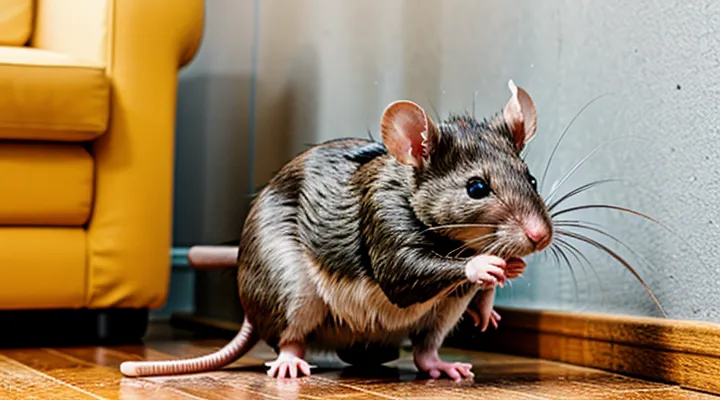
Understanding Rat Behavior and Cognition
Why Train Your Rat?
Strengthening the Bond
Building a strong relationship with a pet rat enhances learning, reduces stress, and encourages consistent cooperation. Trust develops through predictable interactions, gentle handling, and positive reinforcement.
Consistent daily routines create a sense of security. Offer food, water, and enrichment at the same times each day. When the rat anticipates predictable care, anxiety diminishes and confidence rises.
Physical contact should be gradual. Begin with short, calm sessions of hand‑feeding or offering treats from the palm. Progress to gentle petting along the back and sides, always observing the animal’s body language for signs of comfort or tension.
Positive reinforcement accelerates bond formation. Pair desired behaviors—such as stepping onto a hand or entering a tunnel—with immediate rewards, such as a favorite seed or a small piece of fruit. Deliver the reward within one second of the action to create a clear association.
Enrichment activities reinforce connection while stimulating natural instincts:
- Exploratory tunnels: Place the rat in a short, safe tunnel and guide it with a treat at the far end.
- Puzzle feeders: Use a simple dispenser that requires light manipulation; assist the rat initially, then allow independent problem‑solving.
- Interactive play: Offer safe chew toys and rotate them regularly to maintain interest.
Verbal cues, spoken softly and consistently, help the rat recognize the owner’s presence. Use a brief, distinct word or phrase before offering a treat or initiating handling; repetition builds recognition.
Monitoring health and hygiene signals respect for the animal’s well‑being. Clean the cage regularly, provide fresh bedding, and check for signs of illness. A healthy rat is more receptive to training and bonding activities.
By integrating routine care, gentle handling, timely rewards, and stimulating enrichment, owners create a reliable, trusting partnership that supports effective training in a domestic environment.
Mental Stimulation
Mental stimulation keeps pet rats engaged, reduces stress, and supports learning during domestic training. Without varied challenges, rodents may develop repetitive behaviors that hinder progress.
- Puzzle feeders that require manipulation to release food.
- Foraging stations using shredded paper, cardboard tubes, or small containers.
- Adjustable obstacle courses featuring tunnels, ramps, and platforms.
- Scent trails with essential‑oil drops or herb fragments to encourage tracking.
- Short, targeted command sessions using clicker cues or hand signals.
Sessions should last 5–10 minutes, repeated 2–3 times daily. Begin with simple tasks, then increase complexity as the animal demonstrates proficiency. Adjust difficulty by altering step count, hiding locations, or introducing new textures.
Track success rates and latency to solve each task. A decline in engagement signals the need for novel puzzles or a brief rest period. Consistent measurement ensures the mental regimen remains effective and aligned with the rat’s evolving capabilities.
Practical Benefits
Training rats within a household yields measurable advantages. Consistent conditioning improves the animal’s responsiveness to cues, enabling reliable execution of desired actions such as retrieving objects, navigating obstacle courses, or participating in enrichment activities. Enhanced obedience reduces accidental damage to furniture, cords, and food containers, thereby protecting property and minimizing cleanup.
Practical outcomes include:
- Space efficiency – Trained rats occupy minimal area compared to larger pets, allowing owners to integrate behavioral programs into apartments or modest rooms without extensive modifications.
- Behavioral predictability – Repeated cue–response cycles create consistent patterns, decreasing the likelihood of unexpected chewing or escape attempts.
- Health monitoring – Structured training sessions provide regular observation opportunities, facilitating early detection of illness, weight fluctuations, or injuries.
- Stress mitigation – Engaging rats in routine tasks promotes mental stimulation, which correlates with lower cortisol levels and reduced stereotypic behaviors.
- Social interaction – Structured activities foster stronger human‑rat bonds, enhancing owner satisfaction and encouraging responsible pet ownership.
Implementing home‑based rat conditioning therefore contributes directly to safety, welfare, and efficient household management.
Rat Intelligence and Learning Capabilities
Natural Curiosity
Rats possess an innate drive to explore unfamiliar objects, textures, and scents. This drive can be directed toward learning when the environment is arranged to present safe, stimulating challenges. By positioning novel items within a familiar enclosure, owners can trigger investigative behavior that reinforces desired actions.
Effective use of natural curiosity includes:
- Rotating small, scent‑free toys every few days to maintain interest.
- Introducing puzzle feeders that require manipulation before food is released.
- Placing temporary obstacles (e.g., cardboard tunnels) that encourage problem‑solving.
- Offering varied substrate layers (paper, fabric, wood shavings) for tactile investigation.
When a rat interacts with a new stimulus, immediate positive reinforcement—such as a treat or gentle verbal praise—strengthens the association between exploration and reward. Consistency in timing and reward type ensures the animal links the behavior to a predictable outcome, facilitating faster acquisition of targeted commands.
Gradual escalation of difficulty preserves engagement. Start with single‑step tasks, then combine multiple elements (e.g., navigate a tunnel to reach a puzzle feeder). Monitoring the rat’s response allows adjustment of complexity, preventing frustration while capitalizing on the species’ curiosity‑driven learning style.
Memory and Problem Solving
Effective domestic rat training relies on strengthening both memory retention and problem‑solving capacity. Consistent exposure to specific cues enables rats to form durable associations, while varied challenges encourage flexible thinking.
Training sessions should incorporate short, repeatable cue‑response cycles. Present a stimulus (e.g., a click, a hand signal, or a scent) followed by a clear reward within a few seconds. Repetition across days consolidates the cue in long‑term memory, allowing the animal to anticipate the outcome without hesitation.
Introduce problem‑solving tasks that require the rat to manipulate objects to obtain food. Simple puzzles, such as a treat hidden under a lightweight container that must be lifted, or a series of tubes that must be navigated, stimulate spatial reasoning and sequential planning.
Key practices for home environments:
- Use distinct, consistent signals for each desired behavior.
- Limit each training episode to 5‑10 minutes to maintain focus.
- Provide immediate, high‑value rewards (e.g., small pieces of fruit or seed) after correct responses.
- Rotate puzzle designs weekly to prevent habituation and promote adaptive learning.
- Record performance metrics (time to solve, number of errors) to track progress objectively.
Gradual escalation of task difficulty preserves motivation while expanding cognitive capacity. Starting with single‑step actions, then adding intermediate steps, and finally requiring multi‑step solutions, mirrors natural foraging challenges and reinforces both memory consolidation and analytical skills.
Consistent application of these principles yields rats that reliably recall cues and demonstrate inventive approaches to novel obstacles, enhancing overall trainability within a household setting.
Essential Tools and Preparations for Training
Setting Up the Training Space
Quiet Environment
A quiet setting reduces stress and enhances a rat’s ability to focus on cues. Noise spikes trigger the animal’s flight response, causing missed commands and slower learning progress.
To maintain low acoustic levels in a residential training area, consider the following actions:
- Choose a room away from street traffic, appliances, and entertainment devices.
- Install heavy curtains or acoustic panels on walls and windows to dampen external sounds.
- Place a rug or carpet on the floor; it absorbs footfall and reduces echo.
- Schedule sessions during periods when household activity is minimal, such as early mornings or late evenings.
- Use white‑noise generators at a modest volume to mask intermittent disturbances without overwhelming the rat.
Consistent quietness allows the rat to associate specific signals with desired behaviors, leading to quicker acquisition of commands and stronger retention.
Safe and Secure Area
A safe and secure area is essential for effective rat training in a residential environment. Choose a quiet corner away from high‑traffic zones, such as a hallway or spare bedroom, to reduce stress and prevent accidental escapes. The space must be enclosed with a sturdy, escape‑proof cage or playpen that features a tight‑fitting lid, reinforced bars, and smooth interior surfaces to avoid injuries.
Materials used for the enclosure should be non‑toxic, easy to clean, and resistant to gnawing. Recommended options include stainless‑steel mesh, acrylic panels, and thick plastic flooring. Provide a solid base that can be removed for regular sanitation; replace bedding with washable, hypoallergenic fabrics. Ensure ventilation without compromising security by installing fine mesh vents that rats cannot breach.
Key safety measures include:
- Locking mechanisms on all doors and latches, tested daily for reliability.
- Placement of the enclosure on a stable, level surface to prevent tipping.
- Removal of hazardous objects such as cords, small decorations, and toxic plants from the surrounding area.
- Installation of a secondary containment barrier, like a pet‑gate, to create a double‑layered defense.
Implementing these specifications creates a controlled environment where training activities can proceed without risk to the animal or the household.
Necessary Equipment
Clicker or Verbal Marker
Clicker and verbal markers serve as conditioned reinforcers that signal correct behavior to a pet rat. The clicker provides an audible, consistent cue that can be heard over ambient household noise, while a verbal word (e.g., “yes”) offers a portable signal that does not require a handheld device. Both methods rely on the principle that the animal associates the marker with an imminent reward, typically a small food treat.
Effective use of either marker demands three steps: (1) pair the marker with a reward until the rat anticipates the treat upon hearing the cue; (2) apply the marker precisely at the moment the desired action occurs; (3) deliver the reward immediately after the marker. Consistency in timing prevents confusion and accelerates learning.
Clicker advantages
- Uniform sound frequency reduces variance across sessions
- Easy to distinguish from household sounds
Verbal marker advantages
- No equipment needed, freeing the trainer’s hands
- Can be whispered for discreet training in shared living spaces
Choosing between the two depends on the trainer’s environment and personal preference. In noisy apartments, a clicker may outperform a spoken cue; in quiet homes, a verbal marker eliminates the risk of misplacing the device. Both markers achieve comparable results when applied with exact timing and consistent reward delivery.
High-Value Treats
High‑value treats are the most motivating rewards for rats during indoor training sessions. These foods should be small, aromatic, and highly palatable, prompting rapid and enthusiastic consumption. Ideal choices include bits of cooked chicken, boiled egg, cheese, or commercial rodent treats formulated with strong flavors such as peanut butter or salmon. Fresh fruit pieces (e.g., banana or apple) work well for occasional reinforcement but must be limited due to sugar content.
When selecting treats, prioritize items that:
- Are easily broken into 1–2 mm pieces to avoid overfeeding.
- Contain minimal additives or preservatives that could irritate a rat’s digestive system.
- Offer a distinct scent that differentiates them from everyday kibble.
Store treats in airtight containers in the refrigerator or freezer to preserve freshness and prevent spoilage. Label each batch with the preparation date; discard any items older than two weeks.
In practice, reserve high‑value treats for the most challenging behaviors, such as recalling a rat from a distant corner or maintaining focus during extended sessions. Use a low‑value reward (e.g., standard pellet) for routine commands, switching to the premium treat only when the animal hesitates or loses motivation. This contrast enhances the perceived value of the premium reward and accelerates learning.
Limit total treat intake to less than 10 % of the rat’s daily caloric requirement. Track consumption by counting pieces offered versus eaten, adjusting portion size accordingly. Overuse can lead to weight gain and reduced health, undermining training objectives.
Finally, monitor each rat for allergic reactions or digestive upset after introducing a new treat. If adverse signs appear, discontinue the item and consult a veterinarian. Consistent use of carefully chosen, high‑value rewards supports rapid skill acquisition while maintaining the animal’s well‑being.
Training Props and Obstacles
Training props and obstacles are essential components of effective home-based rat training. Selecting appropriate items enhances motivation, promotes physical health, and facilitates the acquisition of targeted behaviors.
Commonly used props include:
- PVC tunnels: lightweight, easy to clean, and configurable into multiple lengths. Ensure internal diameter exceeds the rat’s shoulder width by at least 2 cm to prevent compression.
- Wooden ladders: low‑profile rungs spaced 2–3 cm apart encourage climbing and coordination. Sandpaper the edges to eliminate splinters.
- Balance beams: narrow wooden or acrylic strips positioned 5–10 cm off the floor develop proprioception. Begin with a stable base, then increase height gradually.
- Elevated platforms: solid surfaces 15–20 cm high provide stepping practice and a perch for reward delivery. Secure with non‑slip pads to avoid sliding.
- Chewable obstacles: untreated natural wood blocks, sisal rope, and safe plastic toys satisfy gnawing instincts while reinforcing handling skills.
Placement considerations:
- Locate obstacles in low‑traffic zones to reduce stress and accidental disturbance.
- Arrange a clear pathway that guides the rat through a logical sequence—tunnel → ladder → beam → platform—facilitating progressive learning.
- Maintain a consistent distance of 10–15 cm between items during initial sessions; increase spacing as competence improves.
Safety protocols:
- Inspect all props for cracks, sharp edges, or loose components before each use.
- Use pet‑safe adhesives and non‑toxic finishes; avoid painted surfaces that may leach chemicals.
- Supervise sessions to intervene if the rat exhibits signs of fatigue or entrapment.
Training progression:
- Introduce a single obstacle per session, rewarding successful navigation with a high‑value treat within 5 seconds of completion.
- Once the rat reliably traverses the initial item, add a second prop, creating a short obstacle course.
- Increase complexity by varying angles, heights, and surface textures, ensuring each addition challenges but does not overwhelm the animal.
By systematically integrating well‑chosen props and obstacles, owners can cultivate agility, confidence, and obedience in domestic rats while maintaining a safe, stimulating environment.
Core Training Principles
Positive Reinforcement Techniques
Reward-Based Learning
Reward‑based learning relies on the systematic pairing of a desired behavior with a positive consequence, strengthening the behavior through repetition. In a domestic environment, the method begins with identifying a highly motivating reward for the individual rat, such as a small piece of fruit, a seed, or a specially formulated treat. The reward must be presented immediately after the target action to preserve the association; a delay of more than two seconds reduces effectiveness.
The training cycle consists of three essential stages:
- Acquisition – Introduce a simple cue (e.g., a click or a verbal marker) followed instantly by the reward when the rat performs the desired response. Repeat until the animal anticipates the reward upon hearing the cue.
- Shaping – Gradually increase the complexity of the behavior by rewarding successive approximations. For example, start with rewarding the rat’s approach to a hand, then its touch, and finally the lift of a paw.
- Maintenance – Reduce reward frequency while maintaining occasional reinforcement to prevent extinction. Variable‑ratio schedules (reward after an unpredictable number of correct responses) sustain high performance without overfeeding.
Key practical considerations for home settings include:
- Safety of food items – Use low‑fat, low‑sugar treats to avoid health issues; rotate flavors to prevent satiation.
- Consistent signaling – Employ a distinct clicker or consistent tone; avoid changing the cue mid‑program.
- Environment control – Conduct sessions in a quiet, distraction‑free area; limit the presence of other pets that could interrupt focus.
- Record‑keeping – Log each session’s duration, cue used, and number of successful responses to monitor progress and adjust difficulty.
By adhering to these principles, owners can shape complex tasks—such as navigating a miniature maze, retrieving objects, or responding to name cues—using only positive reinforcement, thereby fostering reliable, humane cooperation from their pet rats.
Timing and Consistency
Effective rat training in a domestic environment relies on precise timing and unwavering consistency. When a behavior is rewarded within seconds of occurrence, the animal forms a clear association between the action and the outcome. Delayed reinforcement weakens this link, leading to confusion and slower learning.
Key practices for maintaining optimal timing and consistency:
- Deliver food or clicker signal no later than one to two seconds after the desired behavior.
- Use the same cue word or hand signal for each specific command.
- Conduct short training sessions (5‑10 minutes) at the same time each day to establish a predictable routine.
- Record successful and missed attempts to adjust timing intervals and reinforce patterns.
Consistency extends beyond immediate reinforcement. It encompasses the trainer’s demeanor, the environment, and the reinforcement schedule. Uniform tone of voice, identical hand gestures, and a quiet, distraction‑free area prevent mixed signals. Gradually introduce variable‑ratio reinforcement only after the behavior is stable; this solidifies the habit while preserving the original timing precision.
Failure to adhere to these principles typically results in erratic responses, prolonged training periods, and increased stress for the rat. By enforcing exact timing and a disciplined schedule, owners achieve reliable, repeatable performance in everyday home training scenarios.
Short and Engaging Sessions
Preventing Boredom
Keeping pet rats mentally engaged prevents the development of repetitive behaviors that can lead to stress and health issues. In a domestic setting, mental stimulation is as critical as physical exercise because rats explore their environment primarily through scent, touch, and problem‑solving.
- Provide a variety of chewable and manipulable objects; rotate items weekly to maintain novelty.
- Introduce puzzle feeders that require the rat to navigate obstacles before accessing food.
- Schedule short, daily training sessions that teach simple commands such as “come” or “target.”
- Create foraging opportunities by scattering small food pieces in bedding or hiding them inside safe containers.
- Offer vertical space with climbing structures and tunnels that mimic natural burrows.
Training periods should last no longer than ten minutes per session to match the rat’s attention span. Alternate between active tasks (e.g., target training) and passive enrichment (e.g., new toys) to avoid habituation. Monitor the animal’s response; increased exploration, reduced stereotypic circling, and consistent appetite indicate effective boredom prevention.
Consistent implementation of these practices supports cognitive health, reduces aggression, and enhances the rat’s willingness to cooperate during further training. The result is a more adaptable, content companion that thrives within the household environment.
Building Focus
Training rats to maintain concentration in a household environment requires a structured approach that balances stimulus control, session length, and reward timing. Begin each session by eliminating extraneous noises and visual distractions; close doors, silence televisions, and dim lights if necessary. Establish a consistent cue—such as a gentle tap on the cage or a specific word—so the animal associates the signal with the start of training.
Use short, frequent drills lasting two to three minutes. Within each drill, present a single target behavior (e.g., touching a cue stick) and reward the correct response immediately with a preferred treat. Delay between trials should be brief but sufficient for the rat to reset its attention, typically 30–60 seconds. Gradually increase the interval between the cue and the reward to strengthen focus without relying on constant reinforcement.
Maintain a log of each session, noting the cue used, duration, number of successful responses, and any signs of distraction. Review the data weekly to adjust session length, reward value, or environmental conditions. Consistency in timing and environment, combined with precise cue‑reward pairing, builds sustained attention and improves the efficacy of home‑based rat training programs.
Handling and Trust Building
Gentle Interaction
Gentle interaction forms the foundation of successful rat training in residential environments. It establishes trust, reduces stress, and enables the animal to focus on learning tasks.
Key components of a calm approach include:
- Slow, deliberate movements – avoid sudden gestures that may startle the rat.
- Soft vocal tone – maintain a steady, low‑volume voice to signal safety.
- Consistent hand placement – offer the palm open, fingers relaxed, allowing the rat to climb voluntarily.
- Gradual proximity – begin with brief, close observations, then increase contact duration as confidence grows.
- Positive reinforcement timing – deliver treats immediately after desired behavior to reinforce the association.
Environmental preparation supports gentle interaction. Provide a quiet area free from loud appliances, keep lighting dim during initial sessions, and ensure the cage is within easy reach to minimize disruptions.
Routine practice solidifies the bond. Conduct short training periods (5–10 minutes) twice daily, maintaining the same sequence of signals and rewards. Over time, the rat learns to anticipate interaction cues, resulting in reliable compliance with commands such as coming when called, navigating obstacles, or performing simple tricks.
Desensitization
Desensitization prepares a rat to remain calm when exposed to stimuli that ordinarily provoke fear or stress. The technique reduces reactivity by pairing the stimulus with a neutral or positive experience, allowing the animal to adjust gradually.
Effective desensitization in a household environment follows a structured progression:
- Identify the trigger (e.g., handling, carrier, loud noises).
- Introduce the trigger at a low intensity, far enough away that the rat shows no signs of distress.
- Pair each exposure with a preferred reward such as a treat or gentle petting.
- Increase intensity or proximity incrementally, monitoring the rat’s behavior after each step.
- Maintain a consistent schedule, typically several short sessions per day, to reinforce tolerance.
Key considerations ensure safety and success:
- Keep sessions brief (2–5 minutes) to prevent overload.
- Observe body language; signs of tension (raised fur, rapid breathing) indicate the need to step back.
- Use a calm voice and steady movements; abrupt actions can reset progress.
- Record the highest intensity tolerated without stress, then use that level as the new baseline for further increments.
- Combine desensitization with basic obedience cues (e.g., “come,” “stay”) to embed the calm response within broader training.
Applying these steps enables owners to manage common household challenges—transport, grooming, and interaction with children—while fostering a confident, well‑adjusted pet rat.
Basic Commands and Tricks
Litter Training
Understanding Rat Elimination Habits
Rats establish elimination zones based on scent, safety, and accessibility. Recognizing these patterns is essential for effective domestic training. Elimination typically occurs in corners, under furniture, or near food sources where the animal feels concealed and can quickly retreat.
Key factors influencing habit formation:
- Scent marking: Rats deposit urine and feces to claim territory; repeated use reinforces the location.
- Surface texture: Soft, absorbent materials encourage deposit, while smooth, non‑absorbent surfaces deter it.
- Proximity to resources: Areas adjacent to food or water stations attract elimination due to convenience.
Managing habits requires consistent environmental cues and structured reinforcement:
- Provide a designated litter area with appropriate substrate (e.g., paper‑based bedding) that mimics natural absorbent surfaces.
- Position the litter near, but not directly beside, feeding stations to separate food and waste zones.
- Keep alternative surfaces clean and unscented; regularly remove stray droppings to eliminate secondary attractants.
- Use positive reinforcement—brief treats or gentle praise—immediately after the rat uses the litter, establishing a clear association between the behavior and reward.
Monitoring progress involves daily inspection of the litter box and surrounding areas. Adjust substrate depth or placement if avoidance signs appear, such as frequent accidents outside the designated zone. Consistent application of these principles shapes reliable elimination behavior, supporting overall training objectives within a home environment.
Step-by-Step Training
Training a pet rat in a home environment requires a structured approach that builds trust, reinforces desired behaviors, and minimizes stress. Consistency, patience, and clear signals are essential components of an effective program.
- Establish a safe space – Provide a secure cage with bedding, hiding places, and regular access to fresh water and food. Allow the rat to explore the cage without interruption for several minutes each day to reduce anxiety.
- Introduce handling – Begin with brief, gentle sessions. Place a hand inside the cage, let the rat sniff, then lightly scoop the animal onto the palm. Keep the contact short, gradually extending the duration over successive sessions.
- Create a cue word – Choose a single word (e.g., “Come”) and pair it with a treat each time the rat approaches. Repeat the cue consistently; the rat will associate the sound with a positive outcome.
- Teach target training – Use a small stick with a colored tip as a target. Touch the tip to the rat’s nose, then reward when the animal follows the tip with its head. Progress to having the rat touch the tip with its nose on command.
- Shape simple tricks – Break each desired action into small steps. For a “spin,” reward the rat for turning its head slightly, then for a larger turn, and finally for a full 360-degree rotation. Deliver treats immediately after each successful increment.
- Reinforce reliability – Conduct short practice sessions (5–10 minutes) twice daily. Alternate between known commands and new challenges to maintain engagement and prevent habituation.
- Phase out treats – Once the behavior is stable, reduce treat frequency while maintaining verbal praise. This transition preserves the learned response without dependence on food rewards.
Regular assessment of progress ensures that the rat remains motivated and that any signs of stress are addressed promptly. By adhering to this sequential protocol, owners can develop well‑behaved rats capable of performing a variety of tasks within a domestic setting.
Recall Training («Come»)
Lure and Reward
Lure and reward constitute the core mechanism for shaping desired behaviors in domestic rats. The lure, a small piece of preferred food or a scented object, captures attention and initiates movement toward a target location. The reward, delivered immediately after the correct response, reinforces the action and increases the likelihood of repetition.
Effective implementation follows a precise sequence:
- Identify a high‑value food item (e.g., sunflower seeds, dried fruit) that the rat readily accepts.
- Present the lure just beyond the desired behavior (such as stepping onto a platform or entering a tunnel).
- As the rat completes the action, deliver the reward instantly, using a hand‑fed treat or a click‑train marker paired with the treat.
- Repeat the cycle, gradually extending the distance between lure and target to build independence.
Consistency, timing, and clear association between the cue and the payoff are essential for rapid acquisition. Adjust lure size and reward frequency to maintain motivation without creating dependency on excessive treats. Over time, the rat learns to perform the behavior on cue, allowing reliable training within a household environment.
Increasing Distance
Increasing the distance a rat can reliably travel during a cue‑based exercise is essential for developing reliable recall and spatial awareness in a household environment. Begin with a short, clear target line—approximately 0.5 m—marked by a low‑profile tape or a narrow strip of cardboard. Use a consistent auditory or tactile signal (e.g., a clicker or soft whistle) to indicate the start of the run. Reward the rat immediately upon reaching the endpoint with a high‑value treat to reinforce the association between the cue and the distance.
Once the rat completes the short line without hesitation, extend the target by 0.25 m increments. Maintain the same cue and reward timing; avoid altering the signal or treat type, as consistency prevents confusion. If the rat hesitates or stops, reduce the distance to the previous successful length and repeat until confidence returns. Gradual extension minimizes stress and preserves the animal’s motivation.
Key steps for systematic distance expansion:
- Set initial distance (≈ 0.5 m) and establish cue‑reward link.
- Increase distance by 0.25 m only after three consecutive successful runs.
- Monitor body language; pause progress if signs of anxiety appear.
- Keep training sessions short (5–10 minutes) to maintain focus.
- Record each session’s distance to track progress and adjust increments accordingly.
Consistent application of these principles enables a pet rat to navigate larger spans within a home setting, supporting advanced commands and improving overall obedience.
Name Recognition
Associating Sound with Self
Training rats in a domestic environment requires clear auditory cues that the animal can link to its own behavior. A consistent sound, such as a short tone or a click, becomes a marker for actions the rat performs, enabling precise conditioning without visual prompts.
The sound must meet three criteria: distinct frequency, brief duration, and reproducibility. Choose a tone that does not overlap with household noises; a 4 kHz beep lasting 100 ms is effective for most rodents. Use a digital audio player or a programmable pet‑training device to generate the cue reliably.
Implementation follows a structured sequence:
- Introduce the cue – Play the tone while the rat is stationary, then immediately reward with a high‑value treat. Repeat five times, ensuring the rat associates the sound with a positive outcome.
- Pair with action – Prompt the desired behavior (e.g., stepping onto a platform). As soon as the rat initiates the movement, emit the tone and deliver the reward. Consistency reinforces the link between self‑initiated motion and the auditory signal.
- Increase interval – Gradually extend the time between cue and reward, encouraging the rat to perform the action before hearing the sound. This strengthens internal motivation and reduces reliance on external prompts.
- Test independence – Occasionally withhold the treat after the cue, observing whether the rat still executes the behavior. Successful performance indicates the rat has internalized the sound–self association.
Maintain a training schedule of 5–10 minutes per session, twice daily, to prevent fatigue. Record response latency after each cue; a decreasing trend confirms learning progress. Adjust tone frequency if the rat shows signs of confusion or stress, as auditory sensitivity varies among individuals.
By adhering to these guidelines, owners can develop a reliable sound–self connection, facilitating advanced tasks such as obstacle navigation, target pressing, or timed retrieval without constant visual supervision. The method enhances the rat’s cognitive engagement and integrates seamlessly into typical household routines.
Simple Reinforcement
Simple reinforcement relies on immediate, consistent rewards to increase the likelihood of a desired behavior. In a domestic setting, the most effective reward is a small, high‑value food item that the rat readily accepts, such as a piece of sunflower seed or a tiny piece of fruit. Deliver the reward within one to two seconds of the target action; the short interval creates a clear association between the behavior and the consequence.
Positive reinforcement can be complemented by a secondary signal, such as a clicker or a brief spoken cue. The signal should be introduced before the food reward, then paired repeatedly so the rat learns that the sound predicts a treat. Once the association is established, the click can replace the food in some instances, allowing the trainer to reinforce multiple behaviors without excessive feeding.
Key practices for successful simple reinforcement at home:
- Timing: reward no later than two seconds after the behavior.
- Consistency: apply the reward every time the behavior occurs during the acquisition phase.
- Magnitude: keep treats small to prevent obesity and maintain motivation.
- Signal: use a distinct, consistent cue (clicker, word) to mark the exact moment of correct performance.
- Environment: conduct sessions in a quiet, low‑distraction area to focus the rat’s attention.
During the shaping stage, break complex actions into incremental steps. Reward the rat for approximations that move it closer to the final goal, then gradually raise the criteria. Once the behavior is reliable, transition to a variable‑ratio schedule, providing rewards intermittently to strengthen persistence.
Monitoring the rat’s response to each reward type helps fine‑tune the protocol. If a particular treat loses appeal, replace it with an alternative of comparable value. Adjust session length to five‑minute intervals, ending before the rat shows signs of fatigue. Consistent application of these principles yields reliable, repeatable behaviors in a home environment.
Simple Agility («Jump», «Climb»)
Utilizing Household Objects
Training rats in a residential setting can rely on common household items, eliminating the need for specialized equipment. Everyday objects provide the tactile variety and structural challenges required for effective conditioning.
- Cardboard tubes (toilet paper, paper towel) serve as tunnels for navigating exercises and reward retrieval.
- Plastic containers with secure lids function as temporary cages for target training and scent discrimination.
- Wooden dowels or chopsticks act as low‑profile obstacles for balance and jump drills.
- Small fabric pouches or old socks become scent carriers for food reward association.
- Kitchen tongs, when modified with soft padding, enable gentle handling during precision tasks.
Preparation guidelines ensure safety and consistency. Select items free of sharp edges, toxic coatings, or loose parts that could be ingested. Clean all objects with mild detergent and rinse thoroughly before each session. Size each object to match the rat’s body length, allowing free movement without restriction. Anchor unstable items to a sturdy surface to prevent accidental collapse.
A typical training sequence might involve: placing a treat inside a fabric pouch, positioning the pouch at the far end of a cardboard tunnel, prompting the rat to navigate the tunnel, retrieve the pouch, and deliver it to a designated spot marked by a wooden dowel. Repetition of this pattern reinforces problem‑solving skills and strengthens the animal‑handler bond.
By converting readily available materials into functional training tools, owners can maintain a structured program that promotes mental stimulation, physical agility, and reliable response to cues without incurring additional costs.
Progressive Difficulty
Progressive difficulty is essential for maintaining a rat’s engagement and ensuring steady skill development in a domestic setting. Begin with simple tasks that require minimal effort, such as targeting a stationary cue or retrieving a treat from an open container. These initial exercises establish the animal’s confidence and reinforce the association between the cue and reward.
Increase complexity by adding one variable at a time. Introduce a moving target, extend the distance between the rat and the cue, or require the animal to manipulate a latch before accessing a treat. Each modification should be mastered before another is introduced, preventing frustration and preserving motivation.
Advance to multi‑step sequences that combine previously learned elements. For example, a routine might involve:
- Responding to a visual cue.
- Navigating a short maze to reach the cue.
- Performing a specific action, such as pulling a lever, to unlock a food compartment.
Throughout the progression, monitor the rat’s performance metrics—latency, accuracy, and willingness to attempt the task. Adjust the difficulty incrementally based on these observations, reducing the challenge if errors increase sharply, or advancing more rapidly if success rates remain high.
Consistent reinforcement, precise timing, and clear signals sustain the learning curve. By structuring training sessions around gradual difficulty escalation, owners can cultivate reliable behaviors while preserving the rat’s enthusiasm for ongoing challenges.
Advanced Training and Problem Solving
Complex Tricks and Behaviors
Object Retrieval
Training rats to retrieve objects can be integrated into a home environment with minimal equipment and clear reinforcement strategies. Begin with a safe, quiet area where distractions are limited. Introduce a lightweight, easily graspable item such as a plastic bead or small wooden block. Allow the rat to explore the object freely, then reward any contact with a high‑value treat delivered immediately after the interaction.
Progression follows a structured sequence:
- Targeting – Teach the rat to touch a designated cue (e.g., a fingertip or a stick) with its nose. Reinforce each successful touch.
- Pickup – Present the object within reach of the target cue. Reward the moment the rat lifts the item off the surface.
- Carry – Encourage the rat to move the object toward a predetermined location, such as a shallow dish. Provide a treat only after the object is deposited.
- Release – Condition the rat to drop the item into the receptacle on command. Use a verbal cue (“drop”) paired with a hand signal; reinforce the correct release with a treat.
Consistency in timing of rewards is essential; deliver reinforcement within two seconds of the desired behavior to strengthen the association. Use a variable‑ratio schedule after the behavior is stable to maintain motivation without overfeeding.
Safety considerations include selecting objects without sharp edges, avoiding toxic materials, and supervising the session to prevent accidental ingestion. If a rat hesitates to pick up an item, reduce the object's size or increase its tactile appeal by adding a scent the animal finds attractive.
Maintenance of the skill requires brief daily sessions of five to ten minutes. Rotate objects periodically to prevent habituation and to generalize the retrieval ability across different shapes and textures.
Solving Puzzle Toys
Puzzle toys serve as essential tools for developing a rat’s problem‑solving abilities while reinforcing training routines within a household environment. By requiring a rat to manipulate objects to obtain a reward, the toys stimulate natural foraging instincts and promote mental agility.
Key attributes for selecting appropriate toys include:
- Size compatible with the animal’s body and whisker span.
- Durable, non‑toxic materials such as untreated wood, solid plastic, or stainless steel.
- Adjustable difficulty levels to allow gradual escalation.
- Secure construction that prevents ingestion of small parts.
Implementation proceeds in three phases. First, present the toy without food to allow the rat to explore its shape and mechanisms. Second, place a small treat inside the device and demonstrate the required action, such as sliding a door or rotating a compartment. Third, withdraw assistance, observing the rat’s attempts and rewarding successful extraction promptly with a preferred snack.
Training sessions should be brief—five to ten minutes—and repeated two to three times daily. Rotate multiple toys to maintain novelty and prevent habituation. Increment difficulty by adding extra barriers, increasing the number of steps, or using timed locks once the rat reliably solves the initial configuration.
Continuous observation is critical. Signs of frustration, such as excessive gnawing on the toy’s exterior or abandonment of the task, indicate the need to lower difficulty temporarily. Conversely, rapid completion suggests readiness for a more complex challenge. Record progress to tailor future puzzles and ensure consistent cognitive development.
Addressing Common Challenges
Lack of Motivation
Rats trained in domestic environments often cease to engage with exercises when motivation wanes. The primary indicators include reduced frequency of cage‑exploration, diminished response to cue signals, and reluctance to approach reward stations. Without consistent drive, progress stalls and learned behaviors may deteriorate.
Typical causes are:
- Inadequate reward value relative to the effort required.
- Predictable routines that eliminate novelty.
- Excessive stress from overcrowding, loud noises, or irregular feeding schedules.
- Physical fatigue stemming from overly long sessions or insufficient rest.
To restore engagement, apply the following measures:
- Rotate treat types weekly, ensuring each reward exceeds the rat’s current preference threshold.
- Introduce variable‑ratio reinforcement, delivering rewards after an unpredictable number of correct responses.
- Shorten training bouts to 5‑10 minutes, then increase frequency to maintain attention without fatigue.
- Enrich the environment with new toys, tunnels, and scent cues to renew curiosity.
- Monitor health indicators (weight, coat condition) to rule out illness that could suppress activity.
Consistent implementation of these adjustments reestablishes the incentive structure, prompting rats to resume active participation in home‑based training programs.
Distractions
Distractions are any stimuli that pull a rat’s attention away from the training task. Typical sources in a residential environment include sudden sounds (doorbells, vacuum cleaners), visual movement (television, passing foot traffic), other household pets, and frequent human interaction.
When a rat’s focus is broken, the animal may pause, exhibit stress signals, or revert to previously learned behaviors, which slows the acquisition of new commands. Consistent interruptions also weaken the association between the cue and the desired response.
Effective control of distractions relies on three practical measures:
- Environmental isolation: Choose a quiet room, close doors, and turn off unrelated electronic devices during sessions. Place the training cage on a stable surface to prevent wobble or vibrations.
- Gradual exposure: Begin training in a completely silent setting, then introduce low‑level background noises or visual movement in short increments. Increase intensity only after the rat maintains performance.
- Predictable schedule: Conduct sessions at the same time each day, aligning with periods when household activity is minimal (e.g., early morning or late evening). Consistency reduces unexpected interruptions.
- Cue reinforcement: Pair the training signal with a distinct, short sound (clicker) that overpowers ambient noise, ensuring the rat can differentiate the command from surrounding sounds.
Maintaining a distraction‑free zone, progressively acclimating the rat to mild disturbances, and adhering to a fixed training timetable together create conditions where the animal can focus reliably, accelerating skill development in a home setting.
Fear or Shyness
Rats that exhibit fear or shyness often freeze, retreat, or display rapid breathing when introduced to new objects, people, or environments. These responses indicate heightened stress and can impede learning, making consistent training difficult. Recognizing the signs early allows the caregiver to adjust the training approach before the animal becomes entrenched in avoidance behavior.
To reduce fear, begin with a predictable routine. Place the rat’s cage in a quiet area, limit sudden noises, and keep handling sessions brief (one to two minutes). Offer a familiar scent, such as a piece of soft cloth previously used during feeding, to create a stable olfactory cue. Gradually introduce novel stimuli while maintaining the same routine, ensuring the rat can predict the sequence of events.
Practical steps for addressing shyness:
- Habituation – expose the rat to the trainer’s hand for several days without attempting any commands; simply allow the animal to sniff and explore.
- Positive reinforcement – reward calm behavior with a small food treat immediately after the rat approaches or tolerates a new object.
- Incremental challenge – increase the difficulty of the task by adding a slight variation (e.g., moving a familiar toy a few centimeters) only after the rat reliably accepts the previous level.
- Environment control – keep lighting steady, avoid reflective surfaces, and remove loud appliances during training sessions.
Consistent application of these techniques builds confidence, lowers stress hormones, and creates a foundation for more complex training tasks within a home environment.
Maintaining Skills and Continued Learning
Regular Practice
Consistent training sessions are essential for developing reliable behavior in pet rats. A schedule that includes short, daily practice periods yields the fastest progress while preventing fatigue. Aim for 5‑10 minutes per session, two to three times a day, and maintain the same routine every day to reinforce memory pathways.
During each session, focus on a single command or skill. Begin with a clear cue, deliver an immediate reward, and repeat the sequence until the animal responds without hesitation. Record the number of successful attempts to monitor improvement and adjust difficulty when the rat achieves a success rate above 80 %.
Maintain a stable environment for practice. Use the same training area, lighting, and background noise to reduce distractions. Keep the rat’s food and water schedule separate from training times to ensure motivation remains high.
Typical elements of a regular practice program include:
- Warm‑up: Brief handling to settle the rat and establish eye contact.
- Core exercise: Repetition of the targeted behavior with prompt reinforcement.
- Cool‑down: Gentle petting or a short free‑play period to end the session on a positive note.
Gradual variation prevents stagnation. Once the rat reliably performs the initial task, introduce minor changes such as a different cue tone, a new location, or a slightly longer distance. Consistency in timing combined with incremental challenges builds both confidence and adaptability in the animal.
Introducing New Challenges
Introducing fresh obstacles keeps pet rats mentally engaged and reinforces learned behaviors. When a routine becomes predictable, performance plateaus; novel tasks stimulate problem‑solving pathways and strengthen the bond between owner and animal.
Design new challenges with three principles: relevance, safety, and gradual difficulty. Choose tasks that build on existing commands, ensure all materials are non‑toxic and free of sharp edges, and increase complexity only after the rat reliably completes the previous level. Record progress to adjust timing and intensity.
Practical examples suitable for a residential environment:
- Maze variations – rearrange cardboard tunnels or add removable walls to an existing labyrinth, encouraging navigation in altered routes.
- Puzzle feeders – attach small containers with sliding lids or twist‑open caps that require the rat to manipulate multiple mechanisms to access treats.
- Target training upgrades – replace a stationary target with a moving one attached to a lightweight lever, prompting the rat to follow dynamic cues.
- Sensory enrichment – hide scented objects (e.g., vanilla, citrus) beneath bedding layers, requiring the rat to locate them using olfactory cues.
- Balance challenges – place a low, sturdy plank across two books, encouraging the rat to traverse while maintaining equilibrium.
Integrate each new task for short sessions (5–10 minutes) several times a week. Observe the rat’s response; discontinue any activity that elicits stress signals such as excessive freezing or avoidance. Consistent, measured introduction of varied challenges sustains cognitive health and reinforces training outcomes in a home setting.