
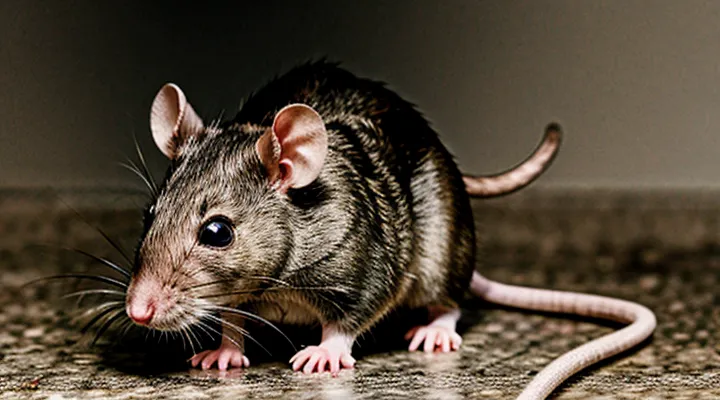
Understanding Rat Teeth Chattering
The Anatomy of Rat Teeth
Rats possess a specialized dental system adapted for gnawing and processing a wide range of foods. The dentition consists of four incisors and three molar‑premolar pairs in each jaw. Incisors are large, chisel‑shaped, and lack true roots; they erupt continuously, maintaining length through constant wear. Enamel covers only the anterior surface, while the posterior surface consists of softer dentin, creating a self‑sharpening edge as the softer tissue erodes more quickly. Molars are multicuspid, rooted, and composed of enamel, dentin, and pulp, providing crushing power for seeds and insects.
Key anatomical features include:
- Open‑rooted incisors – perpetual growth compensates for rapid abrasion.
- Self‑sharpening mechanism – differential wear between enamel and dentin produces a cutting edge.
- Robust molar structure – rooted teeth enable high bite forces for grinding.
- Periodontal ligament – flexible attachment allows precise occlusion during gnawing cycles.
- Sensory innervation – dense nerve supply in the pulp detects pressure and vibration, contributing to the audible chattering observed in social or stress contexts.
The continuous eruption of incisors is regulated by the dental follicle’s stem cells, which differentiate into ameloblasts and odontoblasts. Nutritional deficiencies or dental disease can disrupt this balance, leading to malocclusion and altered chattering patterns. Understanding the anatomy of rat teeth therefore informs interpretations of dental vibrations as indicators of physiological state, hierarchy, or environmental stress. «Rodent dentition is continuously growing», a principle that underlies both functional performance and communicative behavior.
Common Sounds Rats Make
Bruxing vs. Chattering
Rats exhibit two distinct dental movements that often cause confusion: involuntary grinding of the incisors and rapid clacking of the teeth. The former, commonly termed bruxing, occurs primarily during periods of heightened stress or while the animal is asleep. Continuous pressure between the upper and lower incisors produces flattened wear facets and may lead to enamel loss. The latter, known as chattering, involves swift side‑to‑side contact that generates audible clicks. This behavior typically accompanies social signaling, territorial displays, or reactions to cold environments.
Key distinctions:
- Trigger: bruxing arises from internal tension or sleep cycles; chattering responds to external stimuli such as temperature changes or social cues.
- Acoustic output: grinding produces a low‑frequency rumble, often imperceptible without close monitoring; chattering creates a high‑frequency clatter audible to human observers.
- Dental impact: bruxing wears tooth surfaces uniformly, potentially shortening incisors; chattering leaves minimal wear, focusing on the edges where contact occurs.
- Behavioral context: bruxing correlates with solitary stress states; chattering frequently appears in group interactions or as a physiological response to cold.
Understanding these differences aids in accurate health assessments and behavioral interpretations of laboratory and pet rodents.
Interpreting Rat Body Language
Contextual Cues
Rats often produce a rapid clicking of their incisors, a behavior that can convey multiple messages depending on surrounding circumstances. Interpreting this acoustic signal requires attention to several contextual cues that modify its significance.
Key indicators include:
- Environmental stressors – Presence of predators, sudden loud noises, or unfamiliar objects frequently triggers heightened chattering as a defensive response.
- Social dynamics – Dominance hierarchies, mating rituals, and territorial disputes influence the intensity and frequency of the clicks; subordinate individuals may emit softer, repetitive sounds when challenged.
- Health status – Dental discomfort, respiratory infections, or neurological conditions can alter the pattern, producing irregular or prolonged chattering episodes.
- Temporal patterns – Activity cycles, such as increased nocturnal activity, often correlate with more frequent acoustic displays, reflecting natural foraging and exploration periods.
- Physical proximity – Direct contact with conspecifics or humans typically results in softer, communicative clicks, whereas distant observation may elicit louder, alerting sounds.
Analyzing these factors together enables a precise assessment of the underlying cause. For instance, a sudden spike in chattering accompanied by a novel object in the cage likely signals stress, whereas consistent low‑intensity clicks during mating season suggest a reproductive function. Accurate interpretation therefore depends on systematic observation of the surrounding conditions rather than isolated assessment of the sound itself.
Reasons Behind Teeth Chattering
Contentment and Happiness
Grooming and Social Interaction
Teeth chattering in rats frequently appears while individuals engage in grooming or interact with conspecifics. The rapid, audible grinding of incisors signals a specific physiological and social state.
During grooming, chattering serves several purposes:
- Facilitates removal of debris and parasites from the fur.
- Indicates a relaxed posture that permits prolonged cleaning sessions.
- Reinforces dominance hierarchies when higher‑ranking individuals groom subordinates.
In social contexts, the same acoustic signal conveys information about emotional condition and group cohesion. A quiet, steady chatter often accompanies:
- Mutual sniffing and nuzzling, denoting trust and affiliation.
- Submission displays, where a subordinate signals acceptance of a dominant partner’s presence.
- Coordinated activities such as nest building, where synchronized behavior enhances efficiency.
Observational studies confirm that rats emitting consistent chattering while grooming are more likely to maintain stable social bonds and experience reduced stress markers. The behavior thus functions as both a hygienic tool and a communication mechanism within rat colonies.
Stress and Anxiety
Environmental Factors
Rats emit rapid tooth vibrations primarily as a response to external conditions that affect their physiological comfort and sensory perception. Temperature fluctuations, humidity levels, and ambient noise directly influence the frequency and intensity of this behavior, prompting adjustments that maintain optimal oral and auditory function.
Key environmental contributors include:
- Elevated ambient temperature, which accelerates metabolic rate and may trigger increased dental activity.
- Low humidity, leading to dry oral mucosa and stimulating compensatory tooth movements.
- Persistent low‑frequency sounds, causing heightened auditory vigilance and associated dental tremors.
- Sudden changes in lighting intensity, affecting circadian rhythms and indirectly modulating oral motor patterns.
- Presence of strong odors or chemical irritants, provoking reflexive chattering as a protective mechanism.
Pain or Discomfort
Rats often produce a rapid grinding of their incisors, a behavior commonly linked to discomfort. The sound typically emerges when an animal experiences dental pain, gastrointestinal distress, or stress‑related tension. Recognizing this sign enables timely intervention and prevents escalation of health problems.
Key indicators associated with the chattering include:
- Reduced food intake, suggesting oral pain or difficulty chewing.
- Abnormal posture, such as a hunched back, reflecting abdominal discomfort.
- Increased grooming of the mouth area, indicating irritation or infection.
- Elevated respiratory rate, often accompanying severe pain.
Dental issues represent the most frequent cause. Overgrown incisors can create uneven pressure, leading to sore gums and inflammation. Regular inspection of tooth length and shape helps identify early stages before pain intensifies.
Gastrointestinal disturbances, such as bloating or constipation, may also trigger the behavior. Monitoring stool consistency and abdominal palpation provides additional diagnostic clues.
Stressful environments—excessive noise, overcrowding, or abrupt changes in routine—can provoke muscular tension in the jaw, resulting in chattering without direct pain. Mitigating stressors through environmental enrichment and stable housing reduces the likelihood of this response.
Prompt veterinary evaluation is advisable when chattering persists, especially if accompanied by weight loss or lethargy. Treatment may involve dental trimming, analgesic administration, or dietary adjustments to alleviate underlying discomfort.
Aggression and Warning
Dominance Displays
Teeth chattering among rats frequently functions as a visual and auditory signal of hierarchical status. When an individual raises its incisors and produces rapid clicks, the behavior conveys confidence and readiness to assert control over resources such as food, nesting sites, or mating opportunities. Observers often note that the intensity and frequency of the chatter increase during confrontations, indicating heightened dominance motivation.
Key aspects of dominance-related chattering include:
- Elevated pitch and rapid tempo compared to baseline vocalizations.
- Simultaneous body posturing, such as upright stance, tail elevation, and forward lunges.
- Persistent repetition during territorial incursions or when defending a nest.
- Correlation with increased testosterone levels measured in blood samples.
Physiologically, the behavior originates in the central nervous system, where the amygdala and hypothalamus coordinate motor output to the jaw muscles. Neurotransmitter fluctuations, particularly dopamine surges, amplify the propensity to produce the sound during competitive encounters. The resulting acoustic output serves both as a deterrent to rivals and as a reinforcement mechanism for the dominant rat’s own confidence.
From an ethological perspective, consistent observation of chattering patterns enables accurate assessment of social hierarchy within a colony. Elevated chatter frequency reliably predicts the individual’s rank, while a decline often precedes submission or displacement. Understanding this signal assists researchers and caretakers in managing group dynamics, preventing aggression, and promoting stable social structures.
Fear Responses
Rats exhibit teeth chattering as a rapid, audible movement of incisors that often signals acute fear. The behavior emerges when a rodent perceives an immediate threat, triggering a cascade of physiological and behavioral responses designed to increase survival odds.
Physiological components include heightened adrenal activity, elevated heart rate, and rapid release of catecholamines. These changes prepare the animal for quick escape or defensive action. Muscular tension in the jaw muscles enables the characteristic chattering, while respiratory rate accelerates to supply oxygen for potential flight.
Behavioral manifestations associated with the sound are:
- Freezing in place, reducing visibility to predators.
- Sudden sprinting toward a refuge or burrow.
- Aggressive posturing, such as lunging or biting, when escape is impossible.
- Emission of ultrasonic alarm calls that alert conspecifics.
Contextual factors modulate the intensity of the response. Novel environments, exposure to predator scents, and abrupt loud noises amplify chattering frequency and duration. Repeated exposure to non‑threatening stimuli can diminish the reaction through habituation, reflecting adaptive plasticity in the fear circuitry.
Understanding the link between dental vibration and fear circuitry aids in interpreting laboratory observations and in designing enrichment protocols that minimize chronic stress. Proper assessment of chattering patterns provides a reliable, non‑invasive indicator of acute anxiety in experimental and captive settings.
When to Be Concerned
Persistent Chattering
Persistent chattering describes a continuous, high‑frequency movement of the incisors that lasts beyond brief, situational episodes. The behavior appears as a rapid, rhythmic grinding that persists for minutes to hours, often detectable without direct interaction.
Key physiological triggers include:
- acute stressors such as predator cues or overcrowding;
- ambient temperature fluctuations below the thermoneutral zone;
- hormonal cycles influencing metabolic rate;
- neurological activation linked to vestibular or auditory stimuli.
Clinically, persistent chattering serves as a reliable marker of underlying pathology. Frequent observation correlates with:
- dental malocclusion or excessive wear;
- systemic infections that provoke fever;
- neurodegenerative conditions affecting motor control;
- nutritional deficiencies that alter enamel integrity.
Diagnostic protocol recommends:
- continuous video surveillance to quantify duration and frequency;
- assessment of cage environment for temperature, humidity, and enrichment adequacy;
- veterinary examination focusing on oral cavity, neurological reflexes, and blood panels for inflammatory markers.
Management strategies prioritize elimination of precipitating factors and restoration of health:
- adjust ambient temperature to maintain a stable, species‑appropriate range;
- provide chewable enrichment items to promote natural dental wear;
- conduct regular health screenings to detect early signs of infection or metabolic imbalance;
- initiate veterinary treatment when dental or neurological disorders are confirmed.
Recognition of «persistent chattering» as a distinct, measurable behavior enhances early detection of health issues and supports targeted interventions that improve welfare and research reliability.
Other Accompanying Symptoms
Changes in Appetite or Activity
Teeth chattering in rats often signals a shift in physiological drive. When an animal experiences heightened hunger, the nervous system may trigger rapid mandibular movements as a preparatory response to increased food intake. Conversely, reduced appetite can suppress this behavior, leading to fewer or absent chattering episodes.
Changes in activity level also influence the pattern. Elevated locomotor activity, such as during exploration or escape attempts, frequently coincides with intensified chattering, reflecting heightened arousal. Periods of rest or lethargy typically correspond with diminished mandibular activity.
Key observations include:
- Increased frequency of chattering during the onset of a feeding cycle.
- Decreased chattering when food availability is limited or when the rat exhibits signs of satiety.
- Correlation between vigorous movement (running, climbing) and short bursts of rapid teeth vibration.
- Absence of chattering during prolonged inactivity or sleep phases.
Monitoring these variations provides a reliable indicator of underlying metabolic or behavioral states, allowing caretakers to adjust feeding schedules and environmental enrichment accordingly.
Abnormal Breathing
Abnormal breathing in rats appears as irregular, shallow, or labored respiration that deviates from the steady, rhythmic pattern typical of healthy individuals. Observable indicators include rapid respiratory rate, audible wheezing, flaring nostrils, and visible effort during inhalation or exhalation.
When a rat exhibits dental chatter, the presence of abnormal breathing often signals heightened stress or underlying physiological distress. The rapid movement of incisors can be a reflexive response to hypoxia, pain, or neurological irritation, amplifying the audible chattering.
Clinical relevance of this association includes:
- Immediate assessment of respiratory rate and depth
- Inspection of nasal passages for congestion or discharge
- Monitoring for accompanying signs such as lethargy, loss of appetite, or tremors
- Consultation with a veterinarian if breathing irregularities persist beyond a few minutes
Caretakers should maintain an environment that minimizes respiratory irritants, provide adequate ventilation, and ensure temperature stability. Prompt detection of irregular breathing coupled with dental chatter warrants veterinary evaluation to prevent progression to severe respiratory compromise.
Consulting a Veterinarian
Diagnostic Procedures
Diagnostic evaluation of rapid mandibular vibrations in rodents begins with a thorough clinical examination. The practitioner inspects the oral cavity for signs of malocclusion, enamel wear, or periodontal disease. Palpation of the jaw muscles assesses tone and tenderness, while observation of the animal’s behavior records the frequency and duration of the vibrations.
Imaging techniques provide objective data on dental and skeletal structures. Commonly employed modalities include:
- Dental radiography – visualizes tooth roots, alveolar bone, and possible fractures.
- Cone‑beam computed tomography – offers three‑dimensional reconstruction of the maxillofacial region, revealing subtle asymmetries.
- Standard radiography of the skull – detects abnormal bone remodeling or lesions affecting the temporomandibular joint.
Laboratory analysis supports the identification of systemic contributors. Blood tests evaluate calcium, phosphorus, and vitamin D levels, which influence dentition integrity. Hormonal panels, such as parathyroid hormone measurement, help rule out metabolic disorders.
Neurological assessment distinguishes primary dental causes from central nervous system involvement. Reflex testing, gait analysis, and response to sensory stimuli identify potential neuropathies or brain lesions that may manifest as mandibular tremors.
When imaging and laboratory results are inconclusive, a biopsy of suspicious tissue may be performed. Histopathological examination determines the presence of neoplastic or inflammatory processes affecting the jaw.
Integration of clinical findings, imaging data, laboratory results, and neurological evaluation yields a comprehensive diagnosis, guiding targeted therapeutic interventions.
Treatment Options
The phenomenon of rapid dental vibrations in rodents can indicate underlying health or behavioral issues. Effective management requires a combination of medical, nutritional, and environmental interventions.
Veterinary assessment is the first step. Professional examination determines whether dental wear, infection, or neurological conditions are present. If pathology is identified, treatment may involve:
- Dental cleaning and polishing to remove plaque and prevent decay.
- Extraction of severely damaged incisors under anesthesia.
- Orthodontic appliances to correct misalignment when structural abnormalities are evident.
- Prescription analgesics or anti‑inflammatory medication to alleviate pain that can trigger the behavior.
Nutritional adjustments support oral health. Providing a diet rich in fibrous materials encourages natural tooth wear and reduces overgrowth. Hard‑shelled foods, such as untreated wheat bran or wooden chew blocks, promote proper gnawing activity.
Environmental enrichment addresses the behavioral component. Introducing varied textures, tunnels, and chewable objects lowers stress‑induced dental chatter. Regular rotation of enrichment items maintains novelty and prevents habituation.
Behavioral therapy may complement physical treatments. Positive reinforcement for calm chewing patterns, combined with consistent handling protocols, reduces anxiety that often manifests as dental vibration.
In cases where chronic pain or neurological disorders persist, long‑term monitoring by a veterinarian ensures timely adjustments to the therapeutic plan. Continuous evaluation of dental health, diet, and environmental conditions maximizes the likelihood of symptom resolution.