
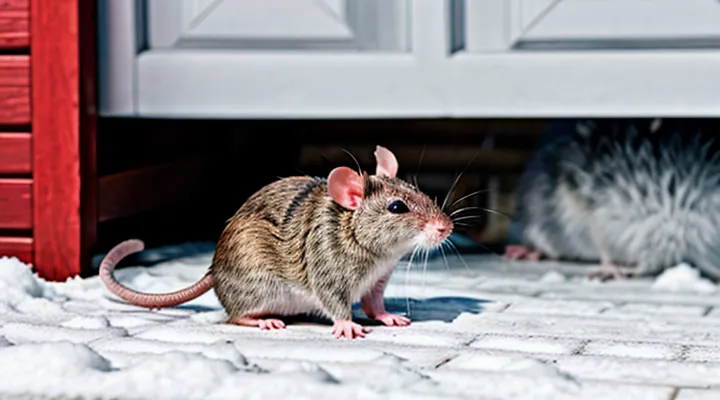
Understanding Rat Sneezing
Normal Rat Sneezing
Environmental Factors
Environmental conditions directly affect the severity and duration of respiratory irritation in pet rats. Poor air quality, extreme temperatures, and inadequate humidity create stress on the nasal passages, encouraging sneezing and mucus buildup.
Low temperatures accelerate mucosal drying, while excessive heat promotes inflammation. Ideal ambient temperature ranges between 68‑72 °F (20‑22 °C). Relative humidity should be maintained at 45‑55 %; values below this range dry the nasal lining, and higher levels encourage mold growth, which can trigger allergic reactions.
Airflow is crucial. Stagnant environments allow dust, bedding particles, and volatile organic compounds to accumulate. Regular ventilation reduces airborne irritants. Avoid using scented cleaning agents, aerosol sprays, or strong fragrances near the cage, as these chemicals irritate the respiratory tract.
Preventive actions
- Monitor thermostat and humidifier settings; adjust to recommended ranges.
- Place the cage away from drafts, direct sunlight, and heating vents.
- Use low‑dust bedding such as paper or aspen shavings; replace it weekly.
- Install a small fan or air purifier with a HEPA filter to circulate clean air.
- Keep the enclosure free from mold by cleaning surfaces with mild, unscented soap and drying thoroughly.
- Limit exposure to smoke, incense, and strong household cleaners.
Implementing these environmental controls reduces the likelihood of prolonged sneezing episodes and supports faster recovery when a cold develops.
Dust and Allergens
A rat that is sneezing frequently may be suffering from a respiratory infection, and environmental particles can aggravate the condition. Dust that settles on cage surfaces, feed trays, and bedding creates an irritant layer that contacts the nasal passages each time the animal breathes. The fine particles trigger inflammation, increase mucus production, and prolong recovery.
Common allergens include wood shavings, paper bedding, and powdered feed. Some rats react to the proteins in certain bedding types or to mold spores that develop in damp corners of the enclosure. Even low‑level dust from treats can act as a trigger when the respiratory system is already compromised.
To reduce exposure, implement the following measures:
- Clean the cage thoroughly at least twice weekly, removing all debris and wiping surfaces with a mild, unscented disinfectant.
- Choose low‑dust bedding such as aspen wood chips, recycled paper, or specialized low‑allergen substrates; avoid pine or cedar, which release volatile compounds.
- Store dry food in airtight containers; sift out any powder that may become airborne during feeding.
- Place the cage in a well‑ventilated area away from drafts, heaters, or humidifiers that can disperse particles.
- Install a small HEPA filter or an air purifier nearby to capture airborne allergens.
Observe the rat’s breathing pattern, frequency of sneezes, and overall activity. If symptoms persist beyond a few days, worsen, or are accompanied by nasal discharge, lethargy, or loss of appetite, seek veterinary assessment promptly.
Stress-Related Sneezing
Rats under physiological stress often exhibit sneezing that mimics symptoms of an upper‑respiratory infection. The reflex originates from heightened sensitivity of the nasal mucosa to cortisol‑induced inflammation, leading to sudden expulsions of air without the presence of pathogens.
Identifying stress‑related sneezing requires observation of accompanying factors: recent cage relocation, abrupt temperature shifts, predator cues, or handling intensity. Absence of nasal discharge, fever, or lethargy supports a non‑infectious cause.
Management focuses on reducing stressors and supporting nasal health:
- Stabilize the environment: maintain consistent temperature (20‑22 °C) and humidity (45‑55 %).
- Minimize handling frequency; use gentle restraint techniques when necessary.
- Provide enrichment items that allow natural foraging and nesting behaviors.
- Ensure a balanced diet rich in omega‑3 fatty acids to modulate inflammatory responses.
- Monitor for progression; if sneezing persists beyond 48 hours or is accompanied by discharge, evaluate for infection.
By eliminating the primary stress triggers and reinforcing mucosal integrity, most stress‑induced sneezing episodes resolve without medical intervention. Continuous observation remains essential to differentiate between stress responses and genuine respiratory illness.
When Sneezing is a Concern
Signs of Illness Beyond Sneezing
Rats with a respiratory infection often display more than occasional sneezing. Observe the animal for reduced activity, loss of appetite, or reluctance to drink; these behaviors indicate systemic involvement. Notice any changes in grooming habits—unusual fur loss or a dull coat signals discomfort. Monitor nasal and ocular secretions; thick, colored discharge or watery eyes suggest infection progression. A fever may be inferred from warm extremities or a rapid heartbeat. Weight loss, even slight, confirms metabolic strain.
When multiple signs appear, isolate the rat to prevent spread, then contact a veterinarian promptly. Record temperature, food intake, and fluid consumption for accurate diagnosis. Administer prescribed medication according to the veterinarian’s schedule; do not adjust dosages without professional guidance. Ensure the cage environment remains dry, well‑ventilated, and free of drafts, while providing fresh bedding and easy access to water.
Regular health checks reduce the risk of complications. A brief daily assessment—checking breathing rhythm, ear position, and overall demeanor—allows early detection of issues that extend beyond sneezing. Prompt intervention improves recovery chances and protects other pets in the household.
Types of Nasal Discharge
When a rodent shows signs of a respiratory infection, the character of its nasal secretions offers essential clues for diagnosis and care.
- Clear, watery fluid – Indicates early-stage inflammation or a mild viral irritation. The discharge is thin, non‑sticky, and typically does not contain debris.
- White or gray mucus – Suggests a progressing infection, often viral or early bacterial involvement. The consistency becomes thicker, but the color remains neutral.
- Yellow or green pus‑like material – Signals bacterial colonization. The discharge is viscous, may emit an odor, and can be accompanied by nasal crusting.
- Blood‑tinged fluid – Reflects severe irritation, trauma to the nasal passages, or a secondary infection that has damaged tissue. Immediate veterinary assessment is required.
- Mixed discharge – A combination of clear, mucous, and purulent elements indicates a fluctuating condition, possibly transitioning from viral to bacterial phases.
Monitoring the evolution of these patterns helps determine whether supportive measures—such as humidified environments, saline nasal rinses, and nutritional support—are sufficient, or whether targeted antimicrobial therapy and professional intervention become necessary. Early identification of a shift toward purulent or bloody discharge reduces the risk of complications and promotes faster recovery.
Changes in Behavior
When a rat develops a respiratory infection, its routine actions shift noticeably. Activity levels drop, and the animal may spend extended periods in the nest, showing reluctance to explore the cage. Grooming frequency declines, resulting in a rougher coat. Eating and drinking patterns become irregular; the rat may take smaller bites or pause frequently while consuming food and water.
Additional behavioral alterations include:
- Reduced social interaction with cage mates, often staying isolated.
- Increased vocalizations such as soft squeaks or whines, especially when startled.
- Hesitation to climb or use usual play structures, indicating discomfort or weakness.
- Rapid, shallow breathing evident during rest periods, sometimes accompanied by audible wheezing.
Monitoring these changes allows prompt intervention. If multiple signs appear concurrently, consult a veterinarian experienced with rodents to address the underlying infection and prevent complications.
Addressing a Rat's Cold
Immediate Actions
Isolating the Affected Rat
When a rat begins to sneeze, immediate separation from the colony prevents the spread of respiratory pathogens. Place the symptomatic animal in a clean, well‑ventilated cage that is not shared with other pets. Keep the enclosure away from food and water supplies used by the group to eliminate indirect transmission.
Key actions for isolation:
- Transfer the rat to a cage with fresh bedding, avoiding reused material that may harbor viruses or bacteria.
- Provide a separate water bottle and food dish; sterilize them daily.
- Maintain temperature between 68–72 °F (20–22 °C) and humidity around 50 % to support respiratory comfort.
- Monitor the isolated rat for changes in sneezing frequency, nasal discharge, or lethargy; record observations twice daily.
- Limit handling to essential care; wear disposable gloves and wash hands before and after contact.
If the isolated rat shows worsening symptoms—such as labored breathing, loss of appetite, or weight loss—consult a veterinarian promptly. Continued segregation until the animal remains symptom‑free for at least 48 hours reduces the likelihood of reinfection within the group.
Providing a Warm and Humid Environment
A warm, moist atmosphere eases nasal congestion and reduces irritation of a rat’s respiratory passages. Moist air prevents the mucous membranes from drying, allowing cilia to clear secretions more efficiently.
To maintain appropriate temperature, position the cage away from windows, doors, and air‑conditioning vents. A low‑wattage heating pad placed under one side of the enclosure creates a temperature gradient; the animal can move to a cooler area if needed. Aim for a stable ambient range of 68–74 °F (20–23 °C) and check with a digital thermometer twice daily.
Increasing humidity can be achieved by:
- Installing a small ultrasonic humidifier nearby, set to maintain 50–60 % relative humidity.
- Adding a shallow water dish large enough for the rat to stand in briefly, which releases vapor as it warms.
- Hanging a damp, clean cloth in the cage’s upper corner, ensuring it does not touch the bedding to avoid mold growth.
Monitor humidity with a hygrometer; adjust the humidifier output if levels exceed 65 % to prevent respiratory fungi. Ensure the cage remains well‑ventilated to avoid stale air while preserving moisture.
Avoid overheating by providing a cooler zone within the enclosure. Observe the rat for signs of distress, such as rapid breathing or lethargy, and adjust temperature or humidity immediately if symptoms worsen. Regularly clean and replace bedding to prevent excess dampness that could foster bacterial growth.
Offering Hydration and Nutrition
Proper fluid intake prevents dehydration, which can worsen respiratory distress in a sick rat. Offer fresh water at all times; a shallow dish or a water bottle with a clean sipper reduces spillage and encourages drinking. Supplement water with low‑sodium chicken broth (cooled) or diluted electrolyte solution (1 % sugar, 0.9 % saline) to increase consumption when the animal shows reduced thirst.
Nutrient density supports immune function and maintains body weight during illness. Provide easily chewable, high‑calorie foods that are gentle on the nasal passages. Recommended items include:
- Soft boiled egg, finely shredded
- Small pieces of cooked chicken breast, skin removed
- Plain yogurt (unsweetened, low‑fat) for probiotic benefit
- Commercial rodent formula softened with warm water
Introduce new foods gradually; monitor for signs of gagging or reduced appetite. If intake remains low after 24 hours, consider syringe‑feeding a balanced nutritional gel to sustain energy levels while the respiratory symptoms resolve.
Consulting a Veterinarian
When to Seek Professional Help
A rat with persistent sneezing may be experiencing more than a simple cold. Immediate veterinary evaluation is warranted if any of the following occur:
- Nasal discharge becomes thick, colored, or foul‑smelling.
- Breathing is labored, rapid, or accompanied by audible wheezing.
- The animal shows loss of appetite, rapid weight loss, or dehydration.
- Eyes become watery, crusted, or develop a discharge.
- Lethargy progresses to collapse or inability to move normally.
- Symptoms persist beyond three to five days despite supportive care.
These indicators suggest secondary infection, allergic reaction, or underlying disease that requires diagnostic testing and targeted treatment. A veterinarian can perform a physical exam, imaging, and laboratory analysis to identify bacterial, viral, or fungal agents and prescribe appropriate medication. Delaying professional care increases the risk of complications such as pneumonia, sinusitis, or systemic illness, which can be fatal in small rodents. Prompt intervention improves recovery odds and reduces suffering.
Diagnostic Procedures
When a pet rat exhibits frequent sneezing, a systematic diagnostic approach is essential to identify the underlying cause and guide treatment.
A veterinarian typically follows these steps:
- Visual inspection of the nasal passages and oral cavity for discharge, lesions, or foreign material.
- Palpation of the lymph nodes and thoracic region to detect swelling or abnormal sounds.
- Collection of a nasal or oropharyngeal swab for microscopic examination and bacterial or viral culture.
- Radiographic imaging of the skull and thorax to reveal sinusitis, pneumonia, or structural abnormalities.
- Complete blood count and biochemical panel to assess inflammatory markers and organ function.
- If initial tests are inconclusive, advanced imaging such as computed tomography may be employed for detailed evaluation.
Each procedure provides specific data that, when combined, clarifies whether the sneezing results from infection, allergy, dental disease, or other respiratory issues. Accurate diagnosis enables targeted therapy and improves the rat’s recovery prospects.
Medications and Treatments
When a pet rat exhibits frequent sneezing, it is often a sign of an upper‑respiratory infection. Prompt therapeutic intervention reduces the risk of complications and promotes recovery.
Medication options fall into two categories: antimicrobial agents and symptomatic relief.
- Antibiotics – indicated when bacterial pathogens such as Streptococcus or Klebsiella are suspected. Common choices include enrofloxacin, trimethoprim‑sulfonamide, and doxycycline, administered according to the veterinarian’s dosage schedule.
- Antifungals – required for infections caused by Pneumocystis or Aspergillus. Trimethoprim‑sulfamethoxazole and itraconazole are typical.
- Bronchodilators – alleviate airway constriction; albuterol inhalation can be delivered via a small nebulizer mask.
- Analgesics/anti‑inflammatories – meloxicam or buprenorphine manage pain and inflammation, improving breathing comfort.
Supportive treatments complement pharmacology. Maintain ambient temperature between 18–22 °C and humidity around 50 % to ease mucosal irritation. Provide fresh, high‑quality water and a diet rich in vitamin C to bolster immune function. Use a humidifier or place a shallow dish of warm water in the cage to increase moisture in the air. Regularly clean bedding and eliminate drafts to reduce pathogen load.
If symptoms persist beyond three days, worsen, or are accompanied by nasal discharge, lethargy, or weight loss, seek veterinary reassessment. Adjustments to drug choice, dosage, or duration may be necessary based on culture results or clinical response.
Supportive Care at Home
Monitoring Symptoms
Monitoring a rat’s respiratory condition requires systematic observation and documentation. Record the frequency, duration, and intensity of sneezes each day. Note any changes in breathing pattern, such as rapid or labored breaths, and compare them to the animal’s baseline behavior.
Key indicators to watch include:
- Nasal discharge: color (clear, cloudy, bloody) and amount.
- Eye condition: presence of watery or crusted eyes.
- Appetite and water intake: reduction may signal systemic involvement.
- Activity level: lethargy or reluctance to move.
- Body temperature: a rise above normal (approximately 99‑101 °F) suggests infection progression.
If any sign escalates—particularly increased discharge, persistent coughing, or a noticeable temperature spike—prompt veterinary consultation is warranted. Continuous tracking enables early detection of complications and supports effective treatment decisions.
Maintaining Cage Hygiene
When a rat exhibits sneezing and other signs of a cold, the cleanliness of its environment becomes a critical factor in recovery and prevention of secondary infections. Contaminants such as dust, urine residue, and mold spores can irritate the respiratory tract, prolonging symptoms and increasing stress.
Maintain cage hygiene by following a structured routine:
- Remove all bedding, food, and water dishes each evening. Dispose of soiled material in a sealed bag.
- Wash the cage interior with warm water and a mild, fragrance‑free detergent. Rinse thoroughly to eliminate soap residue.
- Disinfect surfaces using a diluted bleach solution (1 part bleach to 30 parts water) or a veterinary‑approved disinfectant. Allow a contact time of at least 10 minutes before rinsing again.
- Replace bedding with a low‑dust, absorbent substrate such as paper‑based pellets. Avoid wood shavings that release volatile oils.
- Clean water bottles and food containers daily. Use a bottle brush to remove biofilm and replace the water each morning.
- Inspect the cage for signs of mold, droppings accumulation, or damaged equipment. Repair or replace compromised items promptly.
Implement these measures consistently. A clean cage reduces airborne irritants, supports immune function, and creates a stable environment that facilitates healing in a rat suffering from a respiratory infection.
Stress Reduction Techniques
When a pet rat displays sneezing and other signs of a respiratory infection, the animal’s stress level can exacerbate the condition. Elevated cortisol interferes with immune function, prolonging recovery. Reducing stress therefore becomes a practical component of care.
Environmental stability supports calmness. Maintain a consistent temperature (20‑22 °C) and humidity (45‑55 %). Place the cage in a quiet area, away from loud appliances and frequent foot traffic. Provide nesting material that allows the rat to build a secluded burrow; this mimics natural shelter and encourages restful behavior.
Dietary adjustments also mitigate stress. Offer fresh, high‑quality pellets supplemented with small amounts of vitamin C‑rich fruits such as blueberries. Ensure continuous access to clean water; dehydration can increase physiological strain.
Targeted techniques can be applied daily:
- Gentle handling: limit handling sessions to 2‑3 minutes, using slow movements and a soft voice.
- Enrichment rotation: introduce a new chew toy or tunnel each 3‑4 days to prevent boredom without overwhelming the animal.
- Aromatic calming: place a few drops of diluted chamomile oil on a cotton ball outside the cage; avoid direct exposure to prevent respiratory irritation.
- Routine cleaning: perform spot cleaning twice daily and a full cage change weekly to reduce ammonia buildup, which can irritate nasal passages.
Monitoring remains essential. Record sneezing frequency, nasal discharge, and activity levels. If symptoms persist beyond five days or worsen, seek veterinary assessment. Integrating these stress‑reduction measures with appropriate medical treatment improves the likelihood of a swift recovery.
Preventing Future Colds
Optimal Environment Management
Air Quality and Ventilation
Proper airflow reduces the concentration of airborne pathogens that can exacerbate a rodent’s nasal irritation. Maintaining a clean, well‑ventilated environment limits the spread of viral particles and prevents secondary bacterial infections.
- Place the cage in a room with regular air exchange; open windows briefly each day while avoiding direct drafts on the enclosure.
- Install a HEPA‑rated air purifier near the cage to capture dust, dander, and microbial aerosols.
- Ensure the ventilation system does not create turbulent airflow that could chill the animal.
Air quality parameters directly affect mucosal health. Keep relative humidity between 40 % and 60 % to prevent drying of nasal passages while discouraging mold growth. Eliminate sources of irritants such as tobacco smoke, scented candles, strong cleaning chemicals, and aerosol sprays. Replace soiled bedding promptly and use low‑dust substrates to minimize particulate load.
Monitor environmental conditions with a hygrometer and thermometer. Maintain ambient temperature at 18–22 °C and avoid rapid temperature fluctuations that can trigger sneezing episodes. Observe the rat for increased respiratory effort; if symptoms persist despite optimal air conditions, seek veterinary evaluation.
Substrate Choices
When a rat shows signs of a cold, the bedding material can influence airway irritation and recovery speed. Dust‑free, low‑allergen substrates reduce nasal inflammation and support clearer breathing.
Recommended substrates:
- Paper‑based bedding (e.g., shredded paper, cellulose pads). Minimal dust, easy to replace.
- Aspen wood shavings. Low resin content, virtually dust‑free compared to pine or cedar.
- Hemp fiber. Soft texture, moderate absorbency, low particulate release.
Substrates to avoid:
- Pine or cedar shavings. Aromatic oils generate respiratory irritation.
- Dust‑heavy wood chips or straw. High particle load aggravates sneezing.
- Scented or chemically treated bedding. Additives can trigger mucosal sensitivity.
Maintain a dry environment by changing the bedding daily and monitoring humidity. Replace soiled sections promptly to prevent mold growth, which further compromises respiratory health.
Cage Cleaning Schedule
A consistent cleaning routine directly reduces airborne irritants and bacterial load, which can aggravate a rat’s respiratory infection and prolong sneezing episodes. Maintaining a spotless environment limits the exposure to dust, mold spores, and ammonia—common triggers for nasal congestion and coughing in afflicted rodents.
- Daily: Remove uneaten food, replace soiled bedding fragments, wipe cage surfaces with a damp cloth, and check water bottles for leaks.
- Every 3 days: Perform a full bedding change, scrub the cage floor and accessories with a mild, non‑toxic detergent, rinse thoroughly, and allow to dry completely before refilling.
- Weekly: Disassemble all removable parts, soak them in a diluted white‑vinegar solution (1:4 ratio) for 15 minutes, scrub to eliminate biofilm, rinse, and reassemble. Inspect ventilation openings for blockage and clean with a soft brush.
- Monthly: Replace any worn wire mesh, examine structural integrity of the cage, and sanitize the entire unit using an approved veterinary‑grade disinfectant, following the manufacturer’s contact time.
Regular adherence to this schedule sustains low humidity and ammonia levels, supports mucosal recovery, and minimizes the risk of secondary infections. Owners who implement the outlined timetable report faster symptom resolution and healthier overall conditions for their rats.
Diet and Immune Support
Balanced Nutrition
When a pet rat begins sneezing and displays other cold symptoms, dietary quality directly affects immune efficiency and tissue repair.
A balanced diet for a recovering rat should contain:
- High‑quality protein (e.g., cooked chicken, boiled egg, commercial rat pellets with ≥ 18 % protein) to support antibody production.
- Vitamin C‑rich foods (fresh bell pepper, kale, broccoli) because rats cannot synthesize this vitamin and it accelerates mucosal healing.
- Vitamin A sources (carrot puree, sweet potato) to maintain epithelial integrity in the respiratory tract.
- Zinc‑enriched items (pumpkin seeds, lean meat) that enhance leukocyte function.
- Adequate hydration (fresh water, low‑salt broth) to thin mucus and prevent dehydration.
Implement the following steps:
- Increase portion size by 10‑15 % while monitoring body condition to avoid excess weight gain.
- Offer small, frequent meals to encourage intake when the rat’s appetite is reduced.
- Add a calibrated supplement of vitamin C (50–100 mg per kilogram of body weight) if fresh produce is limited.
- Eliminate high‑fat treats and sugary foods that can suppress immune activity.
- Observe stool consistency and energy level daily; adjust protein and calorie levels if signs of fatigue or diarrhea appear.
Consistent provision of these nutrients reduces recovery time, minimizes secondary infections, and restores normal respiratory function.
Supplements for Immune Health
When a pet rat begins to sneeze, the likelihood of an upper‑respiratory infection increases. Supporting the animal’s immune system with targeted nutrients can reduce the severity and duration of symptoms.
Key supplements that bolster rodent immunity include:
- Vitamin C – antioxidant that enhances leukocyte function; 10‑20 mg per 100 g body weight administered daily.
- Vitamin E – protects cell membranes from oxidative damage; 5‑10 IU per kilogram of body weight.
- Zinc – essential for lymphocyte proliferation; 1‑2 mg per kilogram, provided as zinc gluconate.
- Probiotic blends – contain Lactobacillus and Bifidobacterium strains; 0.5 ml of a high‑potency suspension twice a day improves gut‑associated immunity.
- Echinacea purpurea extract – stimulates macrophage activity; 0.1 ml per kilogram every 12 hours for a maximum of five days.
- Beta‑glucans – derived from yeast cell walls; 5 mg per kilogram supports innate defenses.
Administration guidelines:
- Verify dosage with a veterinarian familiar with exotic mammals.
- Introduce one supplement at a time to monitor tolerance.
- Combine supplements with a balanced, high‑protein diet and fresh water.
Monitoring:
- Record sneezing frequency, nasal discharge, and activity level.
- Adjust supplement quantities if adverse reactions such as diarrhea or lethargy appear.
- Re‑evaluate after a week; improvement in symptoms typically coincides with reduced sneezing episodes.
Proper supplementation, alongside environmental hygiene and stress reduction, creates a physiological environment where the rat’s immune response can effectively counter respiratory pathogens.
Regular Health Checks
Daily Observation
Observing a pet rat that exhibits sneezing provides the first reliable indicator of an upper‑respiratory infection. Note the frequency of sneezes, presence of nasal discharge, changes in breathing pattern, and any accompanying lethargy. Record these details at the same time each day to track progression and evaluate treatment effectiveness.
When a pattern emerges—multiple sneezes per minute, thick mucus, or audible wheezing—initiate immediate care. Maintain a stable environment: keep the cage temperature between 68‑72 °F, reduce drafts, and ensure humidity stays near 50 %. Provide fresh water and a high‑quality diet rich in vitamin C, as rodents cannot synthesize this nutrient.
Recommended daily actions:
- Clean the cage thoroughly, replacing bedding to eliminate irritants.
- Inspect the nasal area for crusting; gently remove debris with a damp cotton swab.
- Offer a small amount of warmed, diluted broth to encourage fluid intake.
- Monitor weight; a loss of more than 5 % within 48 hours warrants veterinary consultation.
- Administer any prescribed medication at the same hour each day, following dosage instructions precisely.
If symptoms persist beyond three days, worsen, or are accompanied by loss of appetite, seek professional veterinary assessment without delay. Continuous, systematic observation combined with prompt intervention maximizes recovery chances and minimizes the risk of complications.
Routine Vet Check-ups
Routine veterinary examinations are essential for rats that exhibit nasal discharge or sneezing. Early professional assessment distinguishes a mild upper‑respiratory irritation from a progressing infection, preventing unnecessary complications and reducing the need for emergency treatment.
During a standard visit, the veterinarian will:
- Conduct a full physical inspection, focusing on the nasal passages, eyes, and throat.
- Measure body weight and compare it to growth charts to detect subtle loss.
- Evaluate dental alignment, as malocclusion can impair breathing and feeding.
- Perform auscultation of the lungs to identify hidden pneumonia or fluid buildup.
- Review vaccination status and administer boosters if indicated.
- Discuss housing conditions, humidity levels, and bedding choices that influence respiratory health.
Frequency guidelines recommend:
- Initial health check at 4–6 weeks of age, followed by a second assessment at 8 weeks.
- Quarterly examinations for mature rats, with additional visits during seasonal changes when respiratory illnesses are more common.
- Immediate consultation if sneezing persists for more than 48 hours, is accompanied by mucus, wheezing, or lethargy.
Veterinary diagnostics, such as nasal swabs or radiographs, enable precise identification of bacterial, viral, or fungal agents. Prompt treatment based on laboratory results shortens recovery time and lowers the risk of chronic airway damage.
Owners should maintain daily observation of breathing patterns, keep cages clean, provide balanced nutrition, and ensure adequate ventilation. Combining vigilant home care with scheduled professional evaluations creates a reliable defense against respiratory disorders in pet rats.