
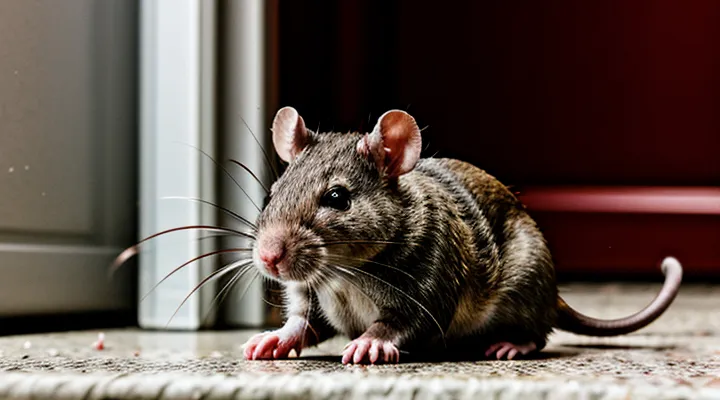
«Common Causes of Sneezing in Rats»
«Environmental Factors»
Environmental conditions directly influence respiratory irritation and epistaxis in laboratory and pet rats. Pollutants, temperature fluctuations, and humidity levels create a hostile airway environment that can trigger sneezing and compromise nasal mucosa integrity.
Typical environmental contributors include:
- Accumulated dust from bedding or feed
- Elevated ammonia from urine breakdown
- Inadequate ventilation causing stagnant air
- Low relative humidity leading to mucosal drying
- Extreme temperatures, both heat and cold stress
- Exposure to aerosolized chemicals or disinfectants
Irritant particles stimulate mechanoreceptors in the nasal passages, initiating the sneeze reflex. Persistent exposure to ammonia damages epithelial cells, causing inflammation and capillary rupture, which manifests as nosebleeds. Dry air reduces mucosal moisture, increasing susceptibility to micro‑tears, while thermal stress weakens vascular walls, facilitating hemorrhage.
Mitigation strategies focus on environmental control: replace dusty bedding with low‑dust alternatives, implement frequent cage cleaning to limit ammonia buildup, ensure continuous airflow through filtered ventilation, maintain humidity between 40 % and 60 %, regulate ambient temperature within the species‑specific comfort range, and select non‑irritating cleaning agents. Consistent monitoring of these parameters reduces the incidence of sneezing and nasal bleeding in rat populations.
«Allergies and Irritants»
Allergies and irritants are frequent contributors to respiratory distress and nasal hemorrhage in laboratory and pet rats. Environmental proteins such as dust mite allergens, rodent bedding components, and mold spores trigger IgE‑mediated responses that cause nasal mucosal inflammation, leading to sneezing and, when vessels become fragile, bleeding. Chemical irritants—including ammonia from urine accumulation, cleaning agents, and aerosolized disinfectants—directly damage the delicate epithelium, producing similar symptoms without an immune component.
Common sources of allergic and irritant exposure:
- Dust‑laden wood shavings or cellulose bedding
- Mold growth on humidified cages or food containers
- Perfumed or scented bedding additives
- Ammonia buildup from inadequate ventilation
- Sprays, detergents, or essential oils used for sanitation
- Pollen or outdoor plant material introduced inadvertently
Management strategies focus on elimination or reduction of the identified triggers. Replace high‑dust bedding with paper or hemp alternatives, maintain ammonia levels below 25 ppm through regular cleaning and proper airflow, and avoid scented products. When an allergic component is suspected, antihistamines such as diphenhydramine may be administered under veterinary guidance, and environmental testing can confirm specific allergens. Continuous monitoring of respiratory signs ensures timely adjustment of husbandry practices to prevent recurrence of sneezing and nasal bleeding.
«Respiratory Infections»
Respiratory infections are a primary factor behind sneezing and epistaxis in laboratory and pet rats. Pathogens that target the upper airway provoke inflammation of the nasal mucosa, increase vascular fragility, and trigger reflexive expulsions.
Common infectious agents include:
- Bacterial agents: Streptococcus pneumoniae, Klebsiella pneumoniae, and Pasteurella multocida cause purulent rhinitis, leading to frequent sneezing and occasional bleeding.
- Viral agents: Sendai virus, rat coronavirus, and adenovirus produce interstitial pneumonia and rhinitis, often accompanied by nasal discharge and bleeding.
- Fungal agents: Aspergillus spp. and Pneumocystis carinii generate chronic rhinitis, with mucosal ulceration that predisposes to epistaxis.
Clinical presentation typically features repetitive sneezing, serous or purulent nasal exudate, and small fresh blood spots on the fur or cage bedding. Systemic signs may include lethargy, weight loss, and mild fever, reflecting the spread of infection beyond the nasal passages.
Diagnostic approach relies on nasal swabs for culture and PCR, radiographic evaluation of the thoracic cavity, and histopathology of nasal tissue when necropsy is performed. Early identification of the specific pathogen guides antimicrobial or antiviral therapy, reduces the risk of secondary complications, and limits transmission within a colony.
«Bacterial Infections»
Bacterial infections are a frequent source of respiratory irritation and hemorrhagic nasal discharge in laboratory and pet rats. Pathogens colonize the upper airway, provoke inflammation, and damage the delicate mucosal vasculature, leading to frequent sneezing and occasional epistaxis.
Common bacterial agents include:
- Streptococcus pneumoniae: adheres to nasal epithelium, induces purulent rhinitis, can erode capillaries.
- Klebsiella pneumoniae: produces thick exudate, often accompanied by hemorrhage.
- Pseudomonas aeruginosa: thrives in moist environments, generates toxins that compromise vascular integrity.
- Mycoplasma pulmonis: lacks a cell wall, spreads rapidly through respiratory secretions, triggers chronic rhinitis with intermittent bleeding.
Mechanisms of damage:
- Direct invasion of epithelial cells, disrupting barrier function.
- Release of exotoxins that increase vascular permeability.
- Induction of neutrophilic inflammation, causing tissue edema and fragile blood vessels.
- Secondary bacterial overgrowth following viral or fungal infection, amplifying mucosal injury.
Clinical presentation typically consists of:
- Repeated, forceful sneezing episodes.
- Moist, blood‑tinged nasal discharge.
- Nasal crusting and mild facial swelling.
- Reduced appetite and lethargy in severe cases.
Diagnostic approach relies on:
- Culture of nasal swabs on selective media.
- Polymerase chain reaction (PCR) targeting species‑specific genes.
- Radiographic or CT imaging to assess sinus involvement.
Effective management includes:
- Targeted antimicrobial therapy based on sensitivity testing (e.g., enrofloxacin for Pseudomonas, doxycycline for Mycoplasma).
- Supportive care such as humidified environment and saline nasal irrigation.
- Isolation of affected individuals to prevent colony‑wide spread.
Prompt identification and treatment of bacterial respiratory disease reduce the risk of persistent sneezing and prevent progression to life‑threatening nosebleeds.
«Viral Infections»
Viral pathogens are a frequent origin of respiratory irritation and hemorrhagic episodes in laboratory and wild rodents. Infection of the nasal mucosa triggers epithelial cell destruction, edema, and increased vascular permeability, which together generate sneezing and occasional epistaxis.
Typical agents include:
- Paramyxoviruses (e.g., Sendai virus) – replicate in the upper airway, provoke severe mucosal inflammation and necrosis.
- Adenoviruses – cause focal ulceration of the nasal epithelium, leading to blood‑tinged discharge.
- Coronaviruses – induce diffuse rhinitis, weakening capillary walls and precipitating minor bleeding.
- Parvoviruses – though primarily associated with gastrointestinal disease, some strains invade respiratory tissue, resulting in sneezing and bleeding.
Pathogenesis follows a consistent pattern: viral entry → replication in ciliated cells → destruction of the protective mucus layer → exposure of fragile capillaries → leakage of blood during forceful expiratory events. Secondary bacterial colonization may exacerbate hemorrhage, but the primary trigger remains the viral insult.
Diagnostic confirmation relies on PCR detection of viral genomes from nasal swabs, immunohistochemistry of respiratory tissue, or virus isolation in cell culture. Treatment focuses on supportive care, isolation to prevent spread, and, where available, antiviral agents specific to the identified virus. Prevention emphasizes strict biosecurity, regular health monitoring, and vaccination programs for susceptible colonies.
«Mycoplasma pulmonis»
Mycoplasma pulmonis is a primary bacterial agent responsible for respiratory disease in laboratory and pet rats. The organism colonizes the nasal passages, trachea, and lung tissue, producing inflammation that manifests as frequent sneezing and occasional epistaxis. Infection begins with direct contact or aerosol transmission; colonized animals shed the pathogen in nasal secretions, facilitating rapid spread within a cage or colony.
Pathogenic mechanisms include adhesion to ciliated epithelium, inhibition of mucociliary clearance, and induction of chronic bronchitis. The resulting mucosal irritation triggers reflex sneezing, while fragile capillaries in the inflamed nasal mucosa may rupture, causing nosebleeds. Secondary bacterial infections often exacerbate hemorrhagic episodes.
Key diagnostic and management points:
- Culture or PCR of nasal swabs confirms Mycoplasma pulmonis presence.
- Radiographic examination reveals bronchial thickening and lung consolidation.
- Treatment relies on macrolide antibiotics (e.g., tylosin, azithromycin) administered for several weeks to achieve bacterial clearance.
- Supportive care includes humidified environments and nasal saline drops to reduce irritation.
- Preventive measures involve quarantine of new arrivals, regular health monitoring, and maintenance of low-density housing to limit aerosol exposure.
Understanding the role of Mycoplasma pulmonis clarifies why sneezing and nasal hemorrhage frequently co‑occur in affected rats and guides effective control strategies.
«Exploring the Reasons Behind Rat Nosebleeds»
«Trauma and Injury»
Trauma to the nasal passages or surrounding facial structures can directly provoke sneezing and bleeding in rats. Mechanical impact, such as a blunt force to the snout, disrupts mucosal vessels and triggers an immediate expulsion of air, manifesting as a sneeze. The same disruption often ruptures capillaries, resulting in epistaxis.
Common injury sources include:
- Accidental collisions with cage bars or enclosure fittings.
- Improper handling that compresses the nose or jaw.
- Bite wounds from conspecifics during aggressive encounters.
- Penetrating objects, for example, stray debris or sharp enrichment items.
Each of these incidents can cause:
- Mucosal abrasion, leading to irritation and reflex sneezing.
- Vascular rupture, producing visible blood flow from the nostrils.
- Inflammation, which may prolong both sneezing episodes and bleeding.
Prompt veterinary assessment is essential to determine the extent of tissue damage, control hemorrhage, and prevent secondary infection. Treatment typically involves gentle nasal tamponade, topical antiseptics, and analgesics to reduce pain and further trauma.
«Upper Respiratory Tract Issues»
Rats experience sneezing and epistaxis primarily when the upper airway is compromised. Inflammation of the nasal mucosa, bacterial or viral infections, and allergic reactions irritate the lining, leading to frequent sneezes and occasional bleeding. Chronic exposure to dust, ammonia, or strong odors aggravates the mucosal vessels, increasing the likelihood of rupture.
Common contributors include:
- Upper respiratory infections – pathogens such as Mycoplasma pulmonis or Streptococcus species provoke mucosal swelling and discharge.
- Allergic sensitivities – pollen, bedding materials, or food additives trigger histamine release, causing vasodilation and fragile capillaries.
- Environmental irritants – high humidity, poor ventilation, and accumulated waste produce particulate matter that irritates the nasal passages.
- Trauma – aggressive handling or cage fights can damage the delicate nasal tissue.
- Neoplastic growths – nasal tumors compress vessels, resulting in intermittent bleeding.
Diagnostic evaluation should combine physical examination, nasal swabs for microbiology, and imaging (radiography or CT) to identify structural abnormalities. Treatment protocols focus on eliminating the underlying irritant, administering appropriate antimicrobial or antihistamine therapy, and providing supportive care such as humidified air and soft bedding. Persistent hemorrhage warrants hematologic assessment to rule out clotting disorders.
«Systemic Health Problems»
Systemic health disorders frequently underlie respiratory irritation and epistaxis in laboratory and pet rats. Vascular abnormalities, such as hypertension or fragile capillary walls, increase the likelihood of nasal hemorrhage. Coagulopathies—including platelet deficiencies, clotting factor deficiencies, and anticoagulant toxicity—impair clot formation, allowing minor mucosal trauma to produce persistent bleeding.
Infectious agents that disseminate beyond the respiratory tract can provoke both sneezing and bleeding. Bacterial sepsis, viral hemorrhagic fevers, and systemic mycotic infections disrupt endothelial integrity and trigger inflammatory mediators that irritate nasal passages. Neoplastic processes, particularly hematopoietic malignancies or metastatic tumors, may infiltrate nasal mucosa and vascular structures, resulting in spontaneous epistaxis and chronic sneezing.
Metabolic disturbances also contribute. Severe hypocalcemia weakens smooth muscle tone, promoting vasodilation and mucosal edema that precipitate sneezing episodes. Diabetes mellitus compromises immune defenses and impairs wound healing, extending the duration of nasal lesions and bleeding. Renal failure leads to uremic platelet dysfunction, further reducing clotting efficiency.
Relevant systemic conditions can be summarized:
- Hypertension and vascular fragility
- Platelet or coagulation factor deficiencies
- Anticoagulant drug toxicity
- Systemic bacterial, viral, or fungal infections
- Hematopoietic cancers and metastatic tumors
- Severe hypocalcemia or electrolyte imbalances
- Diabetes mellitus with secondary immunosuppression
- Chronic renal insufficiency with uremic coagulopathy
Recognition of these underlying problems is essential for accurate diagnosis and effective treatment of sneezing and nasal bleeding in rats.
«Blood Clotting Disorders»
Blood clotting disorders are a significant factor in unexplained epistaxis and respiratory irritation in laboratory rats. Impaired hemostasis can predispose animals to spontaneous bleeding from the nasal mucosa, which may be aggravated by sneezing that increases intranasal pressure.
Common hereditary and acquired coagulopathies observed in rats include:
- Von Willebrand disease – deficiency or dysfunction of the von Willebrand factor, leading to prolonged platelet adhesion.
- Hemophilia A and B – reduced activity of clotting factors VIII or IX, resulting in delayed fibrin formation.
- Platelet function defects – abnormalities in aggregation or secretion pathways, often secondary to genetic mutations or drug exposure.
- Disseminated intravascular coagulation – systemic consumption of clotting proteins, frequently triggered by severe infection or trauma.
- Liver insufficiency – impaired synthesis of multiple clotting factors, causing a global reduction in coagulation capacity.
Pathophysiology involves inadequate formation of the primary platelet plug and/or insufficient generation of fibrin, which fails to stabilize the clot. When a rat sneezes, the rapid airflow creates shear stress on fragile capillaries; without proper clotting, these vessels rupture, producing visible bleeding.
Diagnostic evaluation should combine clinical observation with laboratory testing:
- Complete blood count – assesses platelet number and morphology.
- Prothrombin time and activated partial thromboplastin time – measure extrinsic and intrinsic pathway function.
- von Willebrand factor antigen assay – confirms quantitative deficiency.
- Factor activity assays – determine specific deficiencies in factors VIII, IX, or others.
- Coagulation factor inhibitor screens – detect acquired antibodies that neutralize clotting proteins.
Management strategies focus on correcting the underlying deficiency and preventing further hemorrhage. Options include:
- Replacement therapy with plasma-derived or recombinant clotting factors.
- Administration of desmopressin to enhance endogenous von Willebrand factor release.
- Platelet transfusions for severe thrombocytopenia or functional defects.
- Supportive measures such as humidified environments to reduce nasal mucosal irritation and careful handling to minimize mechanical stress.
Monitoring coagulation parameters after intervention ensures therapeutic efficacy and guides dosage adjustments. Recognizing blood clotting disorders as a root cause of nasal bleeding and sneezing enables targeted treatment, reduces animal morbidity, and improves the reliability of experimental outcomes.
«Organ Dysfunction»
Sneezing accompanied by epistaxis in laboratory rats often signals systemic organ impairment rather than an isolated nasal event.
Respiratory tract pathology can disrupt mucosal integrity. Inflammatory lesions of the nasal cavity, sinusitis, or upper airway infection increase vascular permeability, leading to bleeding during forceful exhalation.
Hematologic abnormalities directly affect bleeding propensity. Thrombocytopenia, platelet aggregation defects, or reduced clotting factor levels produce prolonged bleeding times, making minor mucosal trauma manifest as nosebleeds.
Cardiovascular dysfunction contributes to hemorrhagic episodes. Elevated systemic arterial pressure exerts shear stress on delicate nasal vessels; hypertension combined with vascular fragility can precipitate spontaneous bleeding during sneezing.
Renal insufficiency introduces uremic toxins that impair platelet function. Accumulation of waste products diminishes platelet adhesion, increasing the likelihood of epistaxis when nasal mucosa is irritated.
Hepatic compromise reduces synthesis of coagulation proteins such as fibrinogen, prothrombin, and factors V, VII, IX, and X. Deficient clotting cascades extend bleeding duration, allowing a sneeze to trigger observable hemorrhage.
Endocrine disturbances, particularly excess glucocorticoids, thin mucosal epithelium and suppress immune responses, facilitating infection and subsequent bleeding.
Key organ systems implicated in the presentation include:
- Nasal mucosa and sinus epithelium
- Blood components (platelets, clotting factors)
- Cardiovascular system (blood pressure regulation)
- Kidneys (uremic toxin clearance)
- Liver (coagulation factor production)
- Endocrine glands (stress hormone balance)
Recognizing organ dysfunction as the underlying driver of sneezing‑induced nosebleeds guides diagnostic work‑up and therapeutic intervention in affected rodents.
«Tumors and Polyps»
Tumors and polyps within the nasal cavity or adjacent sinuses are frequent contributors to respiratory irritation and hemorrhage in rodents. Neoplastic growths compress mucosal vessels, disrupt normal airflow, and provoke persistent sneezing. When a tumor invades the delicate epithelium, it breaches the protective barrier, exposing capillaries to mechanical trauma and leading to epistaxis. Benign polyps, although non‑cancerous, can enlarge enough to obstruct nasal passages, increase turbulence, and cause repetitive mucosal abrasion, which also results in bleeding.
Key pathological mechanisms include:
- Direct pressure on blood vessels, causing rupture.
- Disruption of epithelial integrity, facilitating hemorrhage.
- Inflammatory response triggered by tumor secretions, heightening mucosal sensitivity.
- Secondary infection due to impaired clearance, exacerbating sneezing episodes.
Diagnostic evaluation typically involves imaging (radiography, CT) to locate masses, followed by histopathological examination to differentiate malignant tumors from benign polyps. Treatment options range from surgical excision to targeted chemotherapy, depending on the lesion’s nature and extent. Early identification reduces the risk of chronic nasal bleeding and improves overall respiratory function in affected rats.
«When to Seek Veterinary Care»
«Recognizing Warning Signs»
Recognizing early indicators of respiratory distress and nasal bleeding in rats is essential for prompt intervention.
Key warning signs include:
- Repeated or forceful sneezing episodes.
- Visible blood staining around the nostrils or on bedding.
- Nasal discharge that changes from clear to pink or red.
- Labored breathing, wheezing, or audible wheeze.
- Decreased activity, loss of appetite, or weight loss.
- Frequent rubbing of the face or nose with paws.
These observations signal possible underlying infections, allergic reactions, traumatic injury, or coagulopathy. Immediate veterinary assessment can prevent progression to severe hemorrhage or systemic illness. Monitoring the listed behaviors daily allows caretakers to detect problems before they become critical.
«Importance of Early Diagnosis»
Sudden sneezing accompanied by nasal hemorrhage in laboratory or pet rats frequently signals respiratory infection, coagulopathy, or environmental irritation. Recognizing these signs promptly directs attention to underlying conditions before they progress.
Early detection limits disease severity, shortens recovery time, and reduces the risk of secondary complications such as pneumonia or systemic bleeding. Immediate intervention also minimizes the need for extensive therapeutic regimens and lowers mortality rates in affected colonies.
Typical diagnostic workflow includes:
- Physical examination focusing on nasal discharge, mucosal color, and respiratory rate.
- Hematologic analysis to assess platelet count and clotting parameters.
- Microbiological sampling (nasal swab, tissue culture) for bacterial or viral identification.
- Radiographic or CT imaging to evaluate sinus and lung involvement.
Implementing this protocol within 24 hours of symptom onset improves treatment specificity, preserves animal welfare, and supports reliable experimental outcomes.
«Preventative Measures and Management»
«Optimizing Habitat Conditions»
Optimizing the living environment directly influences the frequency of sneezing and nasal bleeding in laboratory and pet rats. Poor air quality, excessive dryness, and fluctuating temperatures irritate the delicate mucosal membranes, increasing the risk of hemorrhage. By controlling these variables, caretakers can reduce the incidence of respiratory distress.
Key environmental parameters to monitor include:
- Dust and particulate matter – Use low‑dust bedding, such as paper or aspen shavings, and clean cages regularly to prevent airborne irritants.
- Relative humidity – Maintain humidity between 45 % and 55 % to keep nasal passages moist without fostering mold growth.
- Ventilation – Ensure adequate airflow without creating drafts; filtered ventilation systems reduce pathogen load.
- Temperature stability – Keep ambient temperature within 20‑24 °C; avoid sudden spikes or drops that stress the respiratory system.
- Allergen exposure – Eliminate strong fragrances, cleaning agents, and scented bedding that can trigger mucosal inflammation.
Practical steps for habitat optimization:
- Replace high‑dust bedding with certified low‑residue alternatives; change bedding at least twice weekly.
- Install hygrometers and thermostats in each rack; adjust humidifiers or dehumidifiers to stay within target ranges.
- Use HEPA‑filtered air circulation units; clean filters according to manufacturer recommendations.
- Conduct routine health checks for signs of nasal discharge or bleeding; isolate affected individuals to prevent spread of infectious agents.
- Store food and enrichment items in sealed containers to avoid contamination with mold spores or dust.
Consistent application of these measures creates a stable, low‑irritant environment that mitigates the primary triggers of sneezing and nosebleeds in rats, supporting overall respiratory health.
«Nutritional Support»
Nutritional deficiencies can exacerbate respiratory irritation and vascular fragility in laboratory and pet rats, contributing to frequent sneezing and occasional epistaxis. Adequate dietary composition supports mucosal integrity, stabilizes capillary walls, and reduces inflammatory responses that trigger these symptoms.
Key nutrients to address include:
- Vitamin C: Enhances collagen synthesis, strengthening nasal blood vessels; supplement at 10 mg kg⁻¹ day⁻¹ for adult rats.
- Vitamin A: Maintains epithelial health of the nasal passages; provide 2,000 IU kg⁻¹ day⁻¹ through fortified feed.
- Omega‑3 fatty acids: Modulate inflammation, decreasing nasal mucosa swelling; incorporate 1 % fish‑oil enriched diet.
- Zinc: Supports immune function and tissue repair; supply 30 mg kg⁻¹ day⁻¹ via mineral mix.
- B‑complex vitamins: Aid in metabolic processes that sustain mucosal cell turnover; ensure complete B‑vitamin premix in the diet.
Additional measures:
- Offer fresh water enriched with electrolytes to prevent dehydration, which can thin mucosal secretions and predispose to bleeding.
- Replace high‑dust bedding with low‑particle alternatives to reduce inhalation of irritants that provoke sneezing.
- Rotate protein sources to prevent food‑borne allergens that may trigger nasal inflammation.
Monitoring serum levels of the listed nutrients, alongside clinical observation of sneezing frequency and nasal discharge, allows timely dietary adjustments. Consistent implementation of these nutritional strategies reduces the incidence of respiratory irritation and bleeding episodes in rats.
«Stress Reduction»
Stress influences the autonomic and immune systems of laboratory rats, elevating histamine release and vascular fragility, which can trigger sneezing episodes and nasal bleeding. Elevated cortisol levels correlate with increased inflammatory mediators that compromise nasal mucosa integrity, creating a direct pathway from psychological stress to respiratory disturbances.
Empirical studies demonstrate that environmental enrichment, predictable handling schedules, and reduced noise levels lower corticosterone concentrations, thereby decreasing the frequency of nasal irritation and hemorrhage. Rats exposed to calming protocols exhibit fewer sneezing bouts and a measurable reduction in mucosal lesions.
- Provide nesting material and shelter to encourage natural behaviors.
- Implement regular, gentle handling at consistent times.
- Maintain ambient noise below 55 dB and limit sudden sounds.
- Schedule periodic quiet periods with dim lighting to promote rest.
- Introduce olfactory enrichment (e.g., cedar chips) to reduce anxiety.
Adopting these stress‑mitigation practices directly addresses physiological triggers of sneezing and nosebleeds, improving overall respiratory health in rodent models.