
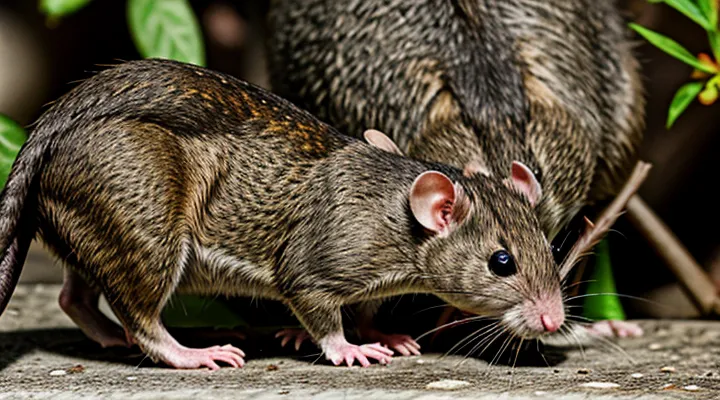
Understanding Rat Reproductive Biology
The Estrous Cycle in Female Rats
Hormonal Regulation of Estrus
Estrus in female rats is a tightly regulated physiological state that prepares the animal for copulation and conception. The onset and duration of estrus are governed by a cascade of hormonal signals originating in the hypothalamus, pituitary, and ovaries.
The hypothalamus secretes gonadotropin‑releasing hormone (GnRH) in a pulsatile pattern. GnRH pulses stimulate the anterior pituitary to release luteinizing hormone (LH) and follicle‑stimulating hormone (FSH). LH and FSH act on ovarian follicles, inducing estradiol synthesis. Rising estradiol concentrations provide positive feedback to the hypothalamus, increasing GnRH pulse frequency and amplitude, which in turn amplifies LH surge. The LH surge triggers ovulation and the transition from proestrus to estrus.
Key hormonal components include:
- GnRH: initiates the reproductive axis.
- LH: drives ovulation and luteal development.
- FSH: supports follicular growth and estradiol production.
- Estradiol: provides feedback to modulate GnRH and LH release.
- Progesterone: rises after ovulation, signaling the end of estrus and entry into diestrus.
Estradiol levels peak shortly before the LH surge, marking the fertile window. Progesterone concentrations increase post‑ovulation, suppressing further GnRH pulses and terminating estrus. This hormonal interplay ensures that mating behavior aligns with optimal reproductive timing, maximizing the probability of successful fertilization.
Behavioral Changes During Estrus
Female rats exhibit a distinct set of behaviors once they enter estrus, a short period of sexual receptivity that triggers mating activity. Hormonal shifts, primarily the rise in estradiol, drive these changes, preparing the animal for successful copulation and subsequent fertilization.
Observable modifications include:
- Increased locomotor activity, especially near male scent sources.
- Frequent lordosis posture in response to male mounting attempts.
- Elevated vocalizations and ultrasonic emissions that attract males.
- Reduced aggression toward conspecific females, facilitating group cohesion during the fertile window.
- Enhanced grooming of the anogenital region, which improves pheromone dissemination.
These adaptations maximize the likelihood of sperm transfer, synchronize reproductive timing, and contribute to the overall reproductive success of the population.
Evolutionary Drivers of Female Mating Strategies
The Role of Pheromones and Olfactory Cues
Pheromonal communication governs the initiation of mating in female rats. Volatile compounds released by estrous females, such as estrus-specific urinary metabolites, activate olfactory receptors in the main olfactory epithelium and the vomeronasal organ. Activation of these receptors triggers a cascade of neural activity in the accessory olfactory bulb, which projects to the hypothalamic nuclei responsible for sexual behavior. The resulting hormonal feedback amplifies luteinizing hormone release, preparing the reproductive system for copulation.
Key olfactory mechanisms include:
- Detection of estrus-associated volatiles by trace amine‑associated receptors, providing rapid assessment of a male’s reproductive status.
- Integration of pheromone signals with vomeronasal inputs, producing a synchronized pattern of neuronal firing that correlates with mating readiness.
- Modulation of the medial preoptic area by olfactory cues, influencing locomotor patterns that facilitate approach and solicitation behaviors.
Experimental removal of the vomeronasal organ or blockade of specific pheromone receptors markedly reduces female receptivity, confirming that chemical signaling directly drives mating decisions. Consequently, pheromones and related olfactory cues constitute the primary sensory pathway through which female rats evaluate and respond to potential mates.
Mate Choice and Genetic Diversity
Avoiding Inbreeding
Female rats exhibit behaviors that reduce the probability of mating with close relatives, thereby protecting offspring from the detrimental effects of inbreeding. Genetic studies show that homozygosity resulting from sibling or parent‑offspring pairings lowers survival rates, impairs immune function, and increases the incidence of hereditary disorders. Natural selection therefore favors strategies that promote genetic diversity.
One mechanism relies on olfactory cues. Females detect major urinary proteins (MUPs) and volatile compounds secreted by males, which encode individual and kin identity. When a male’s scent profile matches that of the female’s natal littermates, the female’s receptivity declines, and she postpones copulation. This chemosensory discrimination operates during the estrus window, when hormonal changes heighten sensory acuity.
Dispersal patterns complement chemical recognition. Juvenile males typically leave the natal burrow before sexual maturity, reducing the pool of potential kin mates. Females, in contrast, remain within the familiar environment but preferentially encounter unrelated males that have migrated from neighboring colonies. Spatial segregation thus reinforces genetic mixing.
Empirical data support these observations. Laboratory experiments demonstrate a 30 % reduction in successful matings when females are presented with siblings versus unrelated males. Field studies of wild Rattus norvegicus populations reveal higher heterozygosity in litters born to females that exercised mate choice based on scent discrimination. Genetic analyses confirm lower inbreeding coefficients in colonies where male dispersal is unrestricted.
Collectively, scent‑based kin recognition and male dispersal create a robust framework that guides female mating decisions away from close relatives. This framework enhances offspring viability, sustains population health, and illustrates the evolutionary pressure on female rats to prioritize genetic heterogeneity when selecting mates.
Selecting for Superior Genes
Female rats engage in copulation primarily to increase the likelihood that offspring inherit genetic attributes that enhance survival and reproductive success. Males with traits such as robust body condition, efficient sperm production, and resistance to pathogens are more attractive because their genomes are likely to convey these advantages to the next generation.
Selection for superior genes operates through several observable mechanisms:
- Mate choice based on olfactory cues – pheromonal profiles reflect immune competence and hormonal balance, allowing females to assess male quality.
- Preference for dominant males – social hierarchy correlates with access to resources and reduced parasite load, traits that improve offspring fitness.
- Timing of estrus – females synchronize receptivity with periods of peak male vigor, ensuring conception occurs when male genetic quality is highest.
By favoring partners that exhibit these indicators, female rats maximize the probability that their progeny possess enhanced physiological resilience, competitive ability, and reproductive potential.
Sperm Competition and Multiple Paternity
Benefits of Mating with Multiple Males
Female rats frequently copulate with several partners during a single estrus cycle. This strategy generates genetic and physiological advantages that increase reproductive success.
- Genetic diversity – Offspring inherit a broader set of alleles, enhancing resistance to pathogens and environmental stressors.
- Sperm competition – Multiple ejaculates stimulate competition among sperm, favoring the most viable cells and improving fertilization efficiency.
- Reduced inbreeding risk – Access to unrelated males lowers the probability of deleterious homozygous traits.
- Maternal health benefits – Exposure to diverse seminal fluids can modulate the female’s immune response, promoting uterine conditions favorable for embryo implantation.
- Enhanced offspring vigor – Studies show litters sired by multiple males exhibit higher growth rates and survival probabilities compared with single‑sire litters.
Physiological Adaptations for Sperm Competition
Female rats exhibit a suite of physiological mechanisms that enhance the success of sperm from multiple males, thereby intensifying competition after copulation. These adaptations operate at the level of hormone secretion, reproductive tract morphology, and cellular signaling, creating conditions that favor selective sperm transport and storage.
Key adaptations include:
- Estrous cycle modulation – Elevated estradiol and progesterone levels narrow the fertile window, prompting females to mate with several partners within a limited timeframe, increasing the probability that the most competitive sperm will reach the ova.
- Cervical mucus alteration – Hormone‑driven changes in viscosity and pH adjust the permeability of the cervical canal, allowing rapid passage of motile sperm while impeding less vigorous rivals.
- Uterine contractility patterns – Coordinated myometrial contractions, timed by oxytocin pulses, direct sperm toward the uterotubal junction, preferentially advancing sperm from recent matings.
- Sperm storage tubules (spermathecae) – Specialized epithelial folds in the oviduct retain sperm for extended periods; selective apoptosis of older sperm reduces competition from earlier ejaculates.
- Immune tolerance shifts – Transient suppression of local leukocyte activity during the peri‑ovulatory phase prevents premature sperm clearance, extending the viability of competing sperm populations.
Collectively, these physiological traits enable female rats to influence which male’s genetic material achieves fertilization, despite the apparent lack of overt mate choice. By regulating the internal environment of the reproductive tract, females exert a covert but decisive role in sperm competition.
Social and Environmental Factors
Group Dynamics and Dominance Hierarchies
Rats organize into stable social groups where individuals occupy positions along a dominance gradient. Dominant individuals acquire priority access to resources such as food, nesting sites, and preferred mates, while subordinate members experience limited access. This hierarchy emerges through repeated aggressive encounters, chemical signaling, and spatial segregation within the colony.
Female mating decisions align with their rank. High‑ranking females encounter more frequent male approaches and exhibit elevated estrous activation, whereas low‑ranking females receive fewer copulatory attempts and often delay ovulation. Rank‑dependent stress hormone levels modulate receptivity, reinforcing the link between social status and reproductive output.
Group composition shapes mating patterns through several mechanisms:
- Male density increases competition, prompting dominant males to monopolize receptive females.
- Subordinate males adopt alternative tactics, such as sneaking copulations with lower‑ranked females.
- Female pheromones convey reproductive readiness; dominant females emit stronger signals, attracting more suitors.
- Spatial clustering of dominant individuals concentrates mating activity in preferred microhabitats.
These dynamics influence overall fecundity. Colonies with clear hierarchies produce higher offspring numbers because dominant females contribute disproportionately to the litter pool, while subordinate females supplement population growth during periods of reduced competition. Understanding the interplay between social ranking and mating behavior clarifies why female rats engage in copulation within structured groups.
Resource Availability and Reproductive Success
Resource abundance directly determines the timing and intensity of female rat mating activity. When caloric intake meets or exceeds metabolic demands, females enter estrus more frequently, exhibit heightened pheromonal signaling, and allocate greater energy to gamete production. Elevated nutrient levels accelerate follicular development, shorten the interval between cycles, and increase the probability of successful copulation.
Abundant food correlates with larger litters and higher pup survival. Empirical studies show that females feeding on protein‑rich diets produce 20–30 % more offspring per litter than those on restricted diets. Enhanced maternal condition also improves milk quality, extending the period of viable growth for neonates and reducing early mortality.
Conversely, limited resources trigger reproductive restraint. Energy deficits delay the onset of estrus, suppress ovulation, and reduce the number of viable ova released. Litters born under scarcity contain fewer embryos, and offspring exhibit lower birth weights, which predispose them to slower growth and higher susceptibility to disease. In extreme cases, females may forgo breeding altogether until environmental conditions improve.
Adaptive mechanisms link resource perception to endocrine pathways. Elevated leptin and insulin signals stimulate gonadotropin‑releasing hormone (GnRH) release, promoting ovulation. Reduced circulating nutrients diminish GnRH activity, extending anestrus. These hormonal responses enable females to match reproductive output with the capacity of the environment to support offspring.
Key relationships between resource availability and reproductive success:
- Sufficient nutrition → increased estrus frequency, larger litter size, higher pup survival.
- Nutrient shortage → delayed estrus, reduced ovulation, smaller litters, elevated juvenile mortality.
- Hormonal mediators (leptin, insulin, GnRH) translate environmental cues into reproductive decisions.
Understanding this linkage clarifies why female rats initiate mating primarily under conditions that maximize the likelihood of producing viable progeny.
Stress and its Impact on Mating Behavior
Stress profoundly alters female rat mating behavior through hormonal, neural, and behavioral pathways. Acute exposure to predator odor, crowding, or forced swimming raises circulating corticosterone, which suppresses luteinizing hormone release and delays the onset of estrus. Consequently, females display reduced lordosis intensity and longer latency to approach a male.
Key physiological effects of stress include:
- Inhibition of gonadotropin‑releasing hormone pulsatility, leading to lower estrogen peaks.
- Activation of the amygdala‑hypothalamic axis, increasing anxiety‑related behaviors that interfere with sexual receptivity.
- Down‑regulation of oxytocin receptors in the ventromedial hypothalamus, diminishing motivation to engage in copulation.
Behavioral observations from controlled experiments confirm these mechanisms. Rats subjected to chronic mild stress exhibit fewer lordosis bouts during the proestrus phase, while control groups maintain typical mating frequencies. Stress‑exposed females also emit altered urine pheromones, reducing male attraction and further decreasing mating opportunities.
Mitigation strategies demonstrate reversibility. Administration of glucocorticoid antagonists restores estrous cycle regularity and normalizes lordosis scores. Enriched environments that lower baseline corticosterone similarly improve sexual responsiveness.
Overall, stress exerts a multi‑level suppressive effect on female rat mating, linking environmental pressures to reproductive output. Understanding these interactions informs both laboratory breeding practices and broader ecological models of population dynamics.
Unique Aspects of Rat Reproduction
Postpartum Estrus
Post‑parturient estrus in rats occurs shortly after delivery, typically within 12–24 hours, and lasts for 12–36 hours. The surge in luteinizing hormone (LH) and prolactin, combined with a rapid decline in progesterone, triggers ovulation while the dam is still nursing. This brief fertile window enables a second conception before the first litter reaches independence.
The physiological profile of postpartum estrus includes:
- Elevated estradiol levels that stimulate the hypothalamic‑pituitary‑gonadal axis.
- Suppressed maternal aggression, allowing the dam to accept a new male.
- Maintenance of lactational amenorrhea in other mammals, but not in rats, due to the unique neuroendocrine feedback.
Adaptive advantages for the female involve:
- Maximizing reproductive output during the short lifespan of laboratory and wild populations.
- Reducing inter‑litter interval, thereby increasing the number of offspring produced per breeding season.
- Providing genetic diversity within a single breeding cycle when multiple males sire offspring from successive litters.
Behavioral observations show that dams in postpartum estrus display increased locomotor activity, heightened receptivity to male mounting, and reduced nest‑building. Males detect estrus cues through pheromonal signals present in the dam’s urine and vaginal secretions, prompting rapid copulatory attempts.
Experimental data demonstrate that removal of the litter or interruption of nursing eliminates the postpartum estrus, confirming the necessity of suckling‑induced hormonal changes. Conversely, artificial administration of prolactin or LH mimics the estrus without litter presence, reinforcing the endocrine basis.
In summary, postpartum estrus provides rats with a rapid, hormonally driven opportunity to produce additional litters, aligning reproductive timing with the species’ high‑fecundity strategy.
Induced Ovulation vs. Spontaneous Ovulation
In rats, the decision of a female to copulate hinges on the physiological pathway that brings the oocyte to a fertilizable state. Two distinct mechanisms operate: ovulation that requires a copulatory stimulus (induced ovulation) and ovulation that proceeds on a regular cycle without external trigger (spontaneous ovulation).
Induced ovulation occurs when sensory input from the male’s intromission activates neuroendocrine circuits. The tactile and pheromonal signals stimulate the hypothalamus to release gonadotropin‑releasing hormone (GnRH), which in turn prompts a surge of luteinizing hormone (LH). The LH surge initiates follicular rupture within minutes to hours after mating, ensuring that ova are present precisely when sperm are deposited. This tight temporal coupling maximizes fertilization probability in environments where mating opportunities are unpredictable.
Spontaneous ovulation follows an intrinsic estrous cycle. The hypothalamic–pituitary axis generates a pre‑programmed GnRH pulse pattern that produces a predictable LH surge once per cycle, typically every four to five days in laboratory strains. Ovulation therefore precedes or coincides with the fertile window, and females may exhibit sexual receptivity (lordosis) before the release of ova. The cycle proceeds even in the absence of a male, allowing females to maintain reproductive readiness independent of immediate mating cues.
Key contrasts between the two strategies include:
- Trigger: external copulatory stimulus vs. internal endocrine rhythm
- Timing: ovulation aligns with sperm delivery vs. ovulation precedes or overlaps with receptivity
- Hormonal pattern: brief, mating‑induced LH peak vs. cyclic, predictable LH surge
- Adaptive context: advantageous in low‑density populations vs. advantageous in stable, high‑density environments
Laboratory rats (Rattus norvegicus) predominantly exhibit induced ovulation, though certain strains display mixed traits, with spontaneous cycles emerging under specific hormonal manipulations. Understanding the balance between these mechanisms clarifies why female rats engage in mating behavior: the physiological architecture ensures that ovulation—and thus the chance of conception—occurs only when conditions favor successful fertilization.