
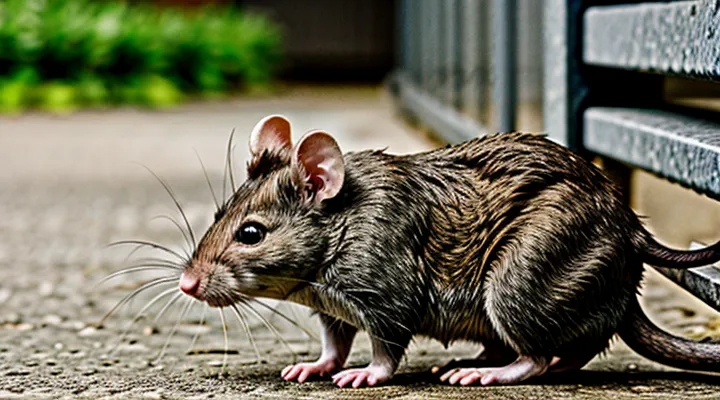
Understanding Rat Behavior and Repeller Principles
Why Rats Are a Problem
Rats pose significant threats to human health, property, and food supplies. Their saliva, urine, and feces carry pathogens such as Leptospira, hantavirus, and salmonella, which can contaminate surfaces, water, and food items, leading to outbreaks of disease. Direct contact or inhalation of aerosolized particles from dried droppings can cause respiratory infections and allergic reactions.
Structural damage results from gnawing behavior. Rats chew through electrical wiring, insulation, and plumbing, creating fire hazards, short circuits, and water leaks. Their nests, constructed from shredded materials, weaken building components and increase repair costs.
Food stores suffer loss through consumption and contamination. Stored grains, produce, and packaged goods become unsuitable for consumption after exposure to rat droppings or urine, forcing disposal and financial waste. Rapid breeding cycles—up to 12 offspring per litter, several litters per year—allow populations to expand quickly, magnifying all adverse effects.
Key reasons rats are problematic:
- Transmission of multiple zoonotic diseases
- Contamination of food and water sources
- Damage to electrical, structural, and plumbing systems
- High reproductive capacity leading to swift population growth
- Economic losses from spoiled goods and repair expenses
Understanding these impacts informs the selection of a repeller capable of preventing infestations before damage occurs.
How Repellers Work: The Science Behind Them
Rat deterrent devices rely on sensory disruption to create an environment rats find intolerable. The core mechanisms fall into three categories: acoustic, electromagnetic, and chemical.
-
Acoustic: Ultrasonic emitters generate frequencies above 20 kHz, beyond human hearing but within the rodent auditory range. Continuous waves produce a persistent high‑pitch tone that interferes with communication, navigation, and stress regulation, prompting avoidance behavior. Some models pulse the signal to prevent habituation, varying duty cycles and frequency sweeps to maintain effectiveness.
-
Electromagnetic: Devices equipped with low‑frequency electromagnetic fields (EMF) target the nervous system. Alternating currents induce mild muscle contractions and disorient the animal’s vestibular system. The field strength remains below safety thresholds for humans and pets while remaining perceptible to rodents, which possess heightened sensitivity to electromagnetic fluctuations.
-
Chemical: Repellents release volatile compounds such as peppermint oil, capsicum extract, or synthetic pheromones. These substances trigger olfactory receptors linked to aversion pathways. Continuous diffusion maintains a concentration gradient that rats detect as a hostile scent, discouraging entry and foraging.
Effectiveness depends on three factors: signal intensity, coverage area, and exposure duration. Adequate intensity ensures the stimulus reaches the target species; proper coverage eliminates blind spots where rats could shelter; sustained exposure prevents acclimation. Devices that integrate multiple modalities—e.g., ultrasonic plus scent diffusion—address variability in individual rat tolerance, increasing overall deterrence.
Types of Rat Repellers
Ultrasonic Repellers
How They Function
Rat repellers operate on three principal mechanisms: acoustic emission, electromagnetic field disruption, and olfactory or visual deterrence. Each method targets a specific sensory response in rats, causing avoidance behavior without physical harm.
- Ultrasonic emitters generate sound waves above 20 kHz, a frequency range rats perceive but humans cannot hear. Continuous pulses create an uncomfortable environment, prompting rodents to vacate the area. Effective units adjust frequency and duty cycle to prevent habituation.
- Electromagnetic devices produce low‑frequency electromagnetic fields that interfere with rats’ nervous systems. The fields affect muscle coordination and sensory perception, leading to disorientation and retreat.
- Scent‑based repellents release compounds such as predator urine, capsicum extract, or ammonia. The strong odor triggers innate fear responses, deterring rats from entering treated zones.
- Visual deterrents employ flashing LEDs or moving laser patterns. Sudden light changes stimulate startle reflexes, discouraging nesting and foraging.
Integration of multiple mechanisms enhances reliability. Devices that combine ultrasonic and electromagnetic output reduce the likelihood of rats adapting to a single stimulus. Placement considerations—covering entry points, nesting sites, and food storage areas—ensure the emitted signals reach all vulnerable zones. Power sources vary; mains‑connected units provide constant coverage, while battery‑operated models offer portability but require regular replacement.
Maintenance involves cleaning transducer surfaces, verifying signal strength with a detector, and rotating scent cartridges according to manufacturer schedules. Regular inspection confirms that the repeller continues to produce effective output, preserving its deterrent capability over time.
Pros and Cons
Choosing a rat deterrent device involves weighing its advantages against its drawbacks.
Advantages
- Ultrasonic emitters operate silently, eliminating noise complaints.
- Battery‑powered units remain functional during power outages.
- Portable models allow placement in multiple locations without wiring.
- Adjustable frequency settings target different rodent species.
- Low maintenance requirements reduce long‑term costs.
Disadvantages
- Effectiveness diminishes as rodents become habituated to the sound.
- Walls and furniture can block ultrasonic waves, creating blind spots.
- Devices may interfere with pet hearing, especially in small animals.
- Battery life varies; frequent replacement can increase operational expenses.
- Lack of physical barriers means rats can still access food sources if sanitation is poor.
A balanced assessment of these factors guides the selection of a repeller that aligns with specific environmental conditions and pest‑control objectives.
Factors Affecting Effectiveness
Effective rodent deterrence depends on several measurable variables. Device type determines the primary mechanism: ultrasonic emitters rely on frequency range, while electromagnetic units depend on field strength. Selecting a model with a frequency band that matches the target species’ hearing sensitivity maximises repellent action.
Placement influences coverage. Position units near entry points, food storage, and nesting areas. Ensure line‑of‑sight is unobstructed for ultrasonic devices; obstacles can attenuate sound. For magnetic systems, maintain a distance of at least one meter from metal objects that could shield the field.
Environmental conditions affect performance. Temperature extremes can alter battery output and speaker efficiency. Humidity may degrade electronic components over time. Choose models rated for the local climate and verify that power supplies are compatible with seasonal variations.
Maintenance practices shape long‑term efficacy. Regularly inspect batteries, clean transducer surfaces, and replace units according to manufacturer schedules. Documenting inspection dates prevents lapses in protection and supports consistent results.
Electromagnetic Repellers
How They Function
Rat repellent devices deter rodents by emitting stimuli that interfere with their sensory systems or disrupt their nesting habits.
Ultrasonic units generate high‑frequency sound waves above human hearing range. Rodents detect these waves through their acute hearing, experience discomfort, and avoid the area.
Electromagnetic models produce low‑intensity electromagnetic fields that affect the nervous system of rats, causing disorientation and prompting relocation.
Chemical dispensers release volatile compounds such as peppermint oil, predator urine, or synthetic pheromones. The odors mask food cues and trigger innate avoidance behavior.
Physical barriers, including motion‑activated sprinklers and shock mats, deliver immediate tactile feedback when contact is made, preventing further entry.
Effective operation relies on continuous coverage of the target zone, proper placement near entry points, and maintenance of power sources or consumables. Failure to address these factors reduces efficacy and may allow rodents to habituate to the stimulus.
Pros and Cons
Choosing a reliable rodent deterrent requires weighing its advantages against its drawbacks.
Advantages
- Ultrasonic devices operate silently, avoiding disturbance to humans and pets that are not sensitive to high‑frequency sound.
- Motion‑activated repellents deliver a brief burst of sound or vibration only when activity is detected, conserving energy and reducing continuous exposure.
- Solar‑powered units eliminate wiring and lower operating costs, especially in outdoor settings.
- Models with adjustable frequency ranges can target specific species, increasing efficacy for rats while minimizing impact on non‑target wildlife.
Disadvantages
- Effectiveness diminishes if rats become habituated to a constant frequency, necessitating periodic adjustments or supplemental methods.
- Devices relying solely on sound may be ineffective in dense vegetation, cluttered interiors, or insulated structures where waves are blocked.
- Battery‑dependent units require regular replacement or recharging, introducing maintenance overhead.
- High‑intensity ultrasonic emitters can cause discomfort for certain small pets, limiting placement options in mixed‑animal environments.
A balanced assessment of these points guides the selection of a repeller that aligns with the specific layout, occupancy, and long‑term pest‑control strategy.
Scent-Based Repellers
Natural Options
Natural deterrents provide a chemical-free alternative for managing rodent intrusion. Their effectiveness depends on proper application, concentration, and environmental compatibility.
- Peppermint oil: Concentrated extract applied to cotton balls or spray solutions creates a volatile scent that rodents avoid. Replace every few days to maintain potency.
- Clove oil: Strong aromatic compound disrupts sensory receptors. Dilute with water and mist around entry points and nesting areas.
- Eucalyptus oil: Similar to peppermint, its volatile compounds repel rodents. Use in diffusers or impregnate fabric strips.
- Citronella: Emits a sharp odor that interferes with rat olfactory navigation. Apply to perimeter surfaces or incorporate into granulated form.
- Ammonia: Vaporizes into a pungent gas that mimics predator urine. Place open containers in concealed locations, ensuring ventilation to avoid human irritation.
- Cayenne pepper or chili powder: Sprinkled along walls and cracks creates an irritant barrier. Reapply after cleaning or rain.
When assessing natural solutions, verify the following criteria: sustained release of active compounds, non-toxicity to pets and humans, ease of reapplication, and compatibility with existing sanitation practices. Combine multiple agents only after confirming that their chemical interactions do not diminish repellent strength. Regular monitoring of rodent activity will indicate whether the chosen natural method achieves the desired reduction.
Chemical Options
Chemical rat deterrents rely on volatile compounds that irritate the sensory systems of rodents, prompting avoidance of treated areas. Common active ingredients include methyl bromide, ammonia, and sulfur-based formulations. Methyl bromide releases a pungent vapor that disrupts respiratory function; it is effective in confined spaces but requires ventilation after application due to toxicity. Ammonia solutions generate a strong odor that rats find offensive; they are inexpensive, easy to apply, and safe for humans when diluted appropriately, though the effect diminishes quickly in open environments. Sulfur powders emit a sharp smell that interferes with the rats’ olfactory receptors; they can be spread along walls and entry points, offering extended protection while remaining non‑flammable.
When selecting a chemical option, evaluate the following criteria:
- Concentration of active ingredient relative to the target area size.
- Persistence of the odor or vapor under the prevailing temperature and humidity.
- Compatibility with surrounding materials (e.g., metal, wood, plastic).
- Regulatory status and required safety precautions (personal protective equipment, ventilation).
- Potential impact on non‑target species, including pets and wildlife.
Proper application involves sealing entry points, applying the compound uniformly, and monitoring for signs of rodent activity. Re‑treatment may be necessary after a few weeks, especially in high‑traffic zones. Documentation of usage dates and quantities aids in assessing effectiveness and ensuring compliance with safety regulations.
Pros and Cons
When evaluating a rodent deterrent, weigh the advantages against the drawbacks to determine suitability for a given environment.
Advantages
- Ultrasonic emission targets rats without chemicals, eliminating residue concerns.
- Battery‑operated models provide placement flexibility, free from wiring constraints.
- Devices often include motion sensors that activate only when activity is detected, conserving power.
- Compact designs allow discreet installation in residential or commercial spaces.
- Many units feature adjustable frequency ranges, addressing species‑specific hearing thresholds.
Disadvantages
- Effectiveness diminishes in open areas where sound disperses rapidly.
- Walls, furniture, and other obstacles can block ultrasonic waves, creating blind spots.
- Some rats may habituate after prolonged exposure, reducing long‑term impact.
- Battery life varies; frequent replacement increases maintenance demands.
- Devices lacking a visual indicator may fail silently, leaving infestations unnoticed.
Live Traps and Kill Traps (as a last resort or complementary)
Overview
An effective rat repeller is a device designed to deter rodents through sound, vibration, or ultrasonic emissions. It operates by creating an environment that rodents find uncomfortable, prompting them to leave the treated area. The system typically consists of a power source, a transducer that generates the repelling signal, and a housing that protects the components from weather and tampering.
Key characteristics that determine performance include:
- Frequency range: ultrasonic models usually emit signals between 20 kHz and 65 kHz, which target the hearing sensitivity of rats while remaining inaudible to humans.
- Coverage area: manufacturers specify the square‑meter radius; larger spaces may require multiple units or higher‑power models.
- Power supply: options cover mains electricity, rechargeable batteries, or solar panels, each affecting installation flexibility and operating cost.
- Safety features: built‑in timers, automatic shut‑off, and weather‑proof ratings prevent accidental exposure and ensure reliable operation outdoors.
When selecting a device, assess the target environment, the severity of infestation, and maintenance requirements. Verify compliance with local regulations regarding ultrasonic emissions to avoid legal complications. Reliable products provide documented test results, warranty coverage, and transparent specifications.
Ethical Considerations
When evaluating rodent deterrent devices, assess the impact on animal welfare. Devices that emit high‑frequency sound should be calibrated to avoid permanent hearing damage. Preference for models that automatically shut off after a set period reduces prolonged exposure.
Consider the method of delivery. Mechanical traps that kill instantly are ethically preferable to those causing prolonged suffering. If lethal control is unavoidable, choose products certified for humane kill standards.
Environmental safety is another factor. Repellents that release chemicals into the air or water must be examined for toxicity to non‑target species, including pets and wildlife. Opt for solutions that rely on physical barriers or scent‑based deterrents with proven low ecological risk.
Legal compliance must be verified. Some jurisdictions restrict ultrasonic emitters or certain chemicals. Ensure the selected device conforms to local animal protection regulations.
Key ethical checkpoints:
- Verify humane operation (instant incapacitation or non‑lethal deterrence).
- Confirm minimal auditory or physiological harm.
- Ensure non‑target species are not adversely affected.
- Check adherence to regional animal welfare laws.
- Prefer products with transparent testing data and third‑party certification.
By systematically applying these criteria, purchasers can select a rodent deterrent that balances effectiveness with responsibility toward animal welfare and ecological integrity.
Choosing the Right Rat Repeller
Assessing Your Infestation
Size of Infestation
The number of rodents present determines the required power output and coverage area of a repellent. Small infestations—typically fewer than ten rats—can be managed with a single unit that emits ultrasonic or electromagnetic frequencies within a 30‑ to 50‑foot radius. Medium infestations—approximately ten to thirty rats—demand devices with higher wattage or multiple synchronized units to prevent blind spots. Large infestations—more than thirty rats—require professional‑grade systems, often combining several high‑intensity emitters and integrating additional control methods such as bait stations or traps.
Device selection must match the infestation’s scale. Undersized units waste energy and fail to suppress activity, while oversized systems increase cost without proportional benefit. Evaluate the area’s dimensions, structural layout, and the rats’ nesting locations before purchasing.
- Identify infestation size by visual signs, droppings, gnaw marks, and activity trails.
- Match size to device specifications: power rating, effective radius, and number of emitters.
- For medium to large infestations, choose models with adjustable frequency ranges to counter habituation.
- Verify that the unit operates continuously and includes a fail‑safe timer to maintain consistent exposure.
- Consider supplemental measures for large infestations to achieve complete eradication.
Location of Infestation
Understanding where rats are active determines the type of repellent that will work. Indoor infestations, such as kitchens, pantry shelves, or basements, require devices that emit ultrasonic frequencies continuously and fit into confined spaces. Outdoor infestations, like garden beds, garbage areas, or wall voids, benefit from weather‑proof units that cover larger zones and can be mounted at ground level or on structures.
Key considerations for pinpointing the infestation site:
- Proximity to food sources: areas with stored grain, pet food, or waste demand higher intensity output.
- Structural access points: cracks, vents, and pipe openings indicate where a targeted, directional emitter should be placed.
- Visibility and coverage: open fields or alleys need devices with broader dispersion ranges, while tight crawl spaces require compact models.
Choosing a repeller aligned with the infestation’s location maximizes exposure to the deterrent signal, reduces energy consumption, and improves long‑term effectiveness.
Evaluating Your Environment
Indoor vs. Outdoor Use
When selecting a rat deterrent, the environment of deployment dictates the most suitable technology and configuration.
- Safety requirements differ: indoor units must comply with indoor air‑quality standards and avoid toxic emissions, while outdoor models can employ stronger ultrasonic or electromagnetic fields without confined‑space restrictions.
- Power source considerations: indoor devices often rely on mains electricity with built‑in safety switches; outdoor options may include solar panels or battery packs to maintain operation during power outages.
- Coverage area: indoor systems are designed for confined spaces such as kitchens, basements, or warehouses, typically covering 500–1,000 sq ft; outdoor devices target larger perimeters, ranging from 1,000 sq ft to several acres, and must account for terrain obstacles.
- Weather resistance: outdoor units require sealed enclosures, corrosion‑resistant components, and temperature tolerance from –20 °C to 50 °C; indoor models are protected from moisture and extreme temperatures.
- Placement flexibility: indoor repellents can be mounted on walls or placed on shelves, whereas outdoor units may be installed on poles, fences, or buried near burrow entrances.
- Regulatory compliance: indoor products must meet indoor electromagnetic emission limits, while outdoor devices must adhere to outdoor radio‑frequency and wildlife protection regulations.
Choosing an indoor‑rated repeller ensures compliance with health and safety standards and minimizes interference with household electronics. Opting for an outdoor‑grade system provides broader coverage, durability against the elements, and the power needed to protect large properties. Align the device’s specifications with the intended setting to achieve consistent rodent deterrence.
Presence of Pets or Children
When a household includes pets or children, selecting a rat deterrent demands strict attention to safety without compromising performance. Devices that emit toxic chemicals or high‑intensity ultrasonic waves can harm non‑target occupants; therefore, the first assessment must verify that the product is labeled non‑toxic, low‑frequency, and compliant with consumer safety standards.
Key safety criteria:
- Absence of chemical repellents or poisons.
- Ultrasonic output below 20 kHz, a range undetectable by most mammals.
- Adjustable intensity settings to accommodate different environments.
- Certification from recognized bodies (e.g., UL, CE) confirming child‑ and pet‑friendly design.
Effectiveness considerations remain essential. A model that meets safety thresholds yet fails to deter rodents offers no practical benefit. Look for devices that combine multiple mechanisms—such as ultrasonic emission paired with vibration or motion‑activated deterrence—while retaining the safeguards listed above. Independent laboratory tests and field reviews provide reliable performance data.
Final recommendations:
- Choose a repeller with documented, peer‑reviewed efficacy studies.
- Verify that the manufacturer supplies clear instructions for adjusting output levels.
- Prefer products featuring automatic shut‑off when no rodent activity is detected, reducing continuous exposure for pets and children.
- Ensure the unit includes a warranty and accessible customer support for troubleshooting.
By adhering to these parameters, owners can implement a rat control solution that protects vulnerable household members and maintains the intended deterrent effect.
Key Features to Look For
Coverage Area
The coverage area determines how many square feet a rat deterrent can protect, directly affecting the number of devices required for a property. Understanding this metric prevents gaps where rodents could bypass the repellent field.
Manufacturers usually express coverage in square meters or feet, based on laboratory tests that simulate typical indoor or outdoor conditions. Reported ranges vary from 500 sq ft for compact, low‑power units to over 10,000 sq ft for high‑output models designed for warehouses or large gardens. Real‑world performance may differ due to obstacles, ventilation, and ambient noise.
Key factors that influence effective coverage:
- Power output – higher wattage extends the electromagnetic or ultrasonic field.
- Frequency selection – specific frequencies penetrate different materials; lower frequencies travel farther through walls.
- Installation height – placing the device at an optimal elevation reduces signal attenuation.
- Environmental interference – metal structures, dense foliage, or heavy insulation can limit range.
- Device orientation – directional emitters require alignment toward target zones, while omnidirectional units spread energy uniformly.
When evaluating a repellent, compare the listed coverage with the actual layout of the area to be protected. Account for partitions, doors, and other barriers; add a safety margin of 10‑20 percent to ensure continuous protection. Selecting a model whose advertised range exceeds the calculated requirement eliminates the need for additional units and maximizes efficacy.
Power Source
When evaluating a rat deterrent device, the power source determines operational reliability, maintenance demands, and placement flexibility. Choose a source that matches the intended deployment environment and usage pattern.
- Alkaline or Lithium Batteries – Provide portability and ease of installation. Expect 6‑12 months of continuous use depending on device power draw. Replace or recycle batteries according to manufacturer guidelines.
- Rechargeable Battery Packs – Offer longer service life than disposable cells. Require periodic charging, typically via a wall outlet or USB port. Monitor charge cycles to avoid capacity loss.
- Mains Electricity (AC Plug‑in) – Delivers uninterrupted power for indoor or permanently installed units. Requires safe wiring and protection against short circuits. Ensure the outlet is protected by a ground‑fault circuit interrupter (GFCI) in damp areas.
- Solar Panels with Battery Backup – Suitable for outdoor or remote locations without access to grid power. Panel size must exceed the device’s daily energy consumption to maintain charge. Battery storage smooths performance during low light periods.
- Hybrid Systems – Combine solar input with a rechargeable battery, offering redundancy. Ideal where sunlight is intermittent but continuous protection is required.
Key selection criteria:
- Runtime – Estimate daily energy consumption and compare it with the source’s capacity. Longer runtime reduces maintenance frequency.
- Environmental Resistance – Verify that the power source tolerates temperature extremes, moisture, and dust typical of the installation site.
- Safety Features – Look for over‑charge protection, short‑circuit safeguards, and compliance with relevant electrical standards (e.g., UL, CE).
- Installation Constraints – Assess whether wiring, battery replacement, or solar mounting is feasible given the location’s physical layout.
- Cost of Ownership – Include initial purchase price, replacement parts, and energy cost over the device’s expected lifespan.
A practical recommendation: for indoor settings with reliable electricity, an AC‑powered unit with built‑in surge protection minimizes downtime. In outdoor or semi‑permanent installations, a solar‑powered system with a sealed lithium‑ion backup battery provides continuous coverage while eliminating the need for frequent battery swaps.
Durability and Weather Resistance
When evaluating a rodent deterrent, durability determines the device’s lifespan and reliability in harsh environments. A unit that fails after a few months forces repeated purchases, eroding cost‑effectiveness and compromising pest control continuity.
Material choice directly influences structural integrity. Devices built from high‑density polyethylene, stainless steel, or UV‑stabilized polycarbonate resist cracking, corrosion, and deformation. Reinforced seams and sealed enclosures prevent moisture ingress that could short electronic components.
Weather resistance encompasses three critical factors: water protection, temperature tolerance, and ultraviolet exposure.
- Ingress protection (IP) rating of at least IP65 guarantees resistance to rain and splashing.
- Operating temperature range of –20 °C to +50 °C ensures functionality during winter freezes and summer heatwaves.
- UV‑resistant coating prevents polymer degradation and discoloration after prolonged sunlight exposure.
Maintenance requirements correlate with durability. Units offering removable, washable housings simplify cleaning, while those with sealed batteries extend service intervals. Warranty periods of two years or more signal manufacturer confidence in the product’s long‑term performance.
Selecting a rat deterrent with robust construction, high IP rating, broad temperature limits, and UV protection maximizes operational lifespan and reduces total ownership cost.
Additional Features («Night light», «Variable frequency»)
When evaluating a rodent deterrent, extra functions can influence performance and user experience. Two common enhancements are built‑in illumination and adjustable ultrasonic frequency.
The night‑light component serves several purposes. It provides low‑intensity illumination that discourages nocturnal activity without attracting insects. It also allows owners to verify device operation in dark environments, reducing the risk of unnoticed failure.
Variable frequency technology addresses the adaptability of rodent hearing. Fixed‑frequency emitters may become ineffective as rats habituate to a single tone. Devices that sweep through a range of ultrasonic pitches or allow manual selection prevent acoustic adaptation and maintain deterrent efficacy over time.
Key considerations for these features:
- Light intensity: choose a level that is visible to humans but remains below the threshold that could disturb pets.
- Frequency range: a spread of 20 kHz to 65 kHz covers the auditory sensitivity of most common rat species.
- Control options: automatic sweeps reduce user intervention, while manual adjustment offers precision for specific infestations.
- Power consumption: integrated LEDs and frequency modulation increase draw; verify battery life or power‑adapter specifications.
Selecting a repeller that incorporates both illumination and tunable ultrasonic output enhances reliability and adaptability, especially in environments where rodent behavior varies with light conditions and habituation risk is high.
Setting a Budget
When evaluating devices that emit ultrasonic or electromagnetic signals to discourage rodents, the first financial decision is defining a realistic spending range. Establish a ceiling based on the severity of the infestation, the size of the area to protect, and the expected lifespan of the equipment. A clear limit prevents overspending on features that do not improve efficacy.
Identify the cost components that influence the total outlay:
- Device price: Base unit cost varies from inexpensive models (under $30) to premium units (over $150) with advanced frequency modulation.
- Coverage area: Larger spaces require multiple units or higher‑capacity models, increasing the number of units purchased.
- Power source: Battery‑operated units may entail recurring replacement costs; plug‑in models have a higher upfront price but lower long‑term expenses.
- Warranty and support: Extended warranties add to the initial price but reduce risk of future repair costs.
Calculate the projected annual expense by adding the purchase price, anticipated power consumption, and any maintenance fees, then compare it with the estimated loss from rodent damage. If the total cost exceeds the potential savings, reconsider the selected specifications or explore alternative control methods.
Document the chosen budget in a simple spreadsheet, listing each cost element and the corresponding amount. This record facilitates adjustments if price changes occur during the procurement process.
Installation and Maintenance Tips
Optimal Placement for Repellers
Effective rat deterrent devices lose potency when positioned incorrectly. Placement determines the area covered, the likelihood of rodents encountering the signal, and the device’s longevity.
Key considerations for optimal location:
- Install at ground level or slightly above, where rats travel along walls and floor seams.
- Position near known entry points, such as gaps under doors, utility openings, and foundation cracks.
- Avoid obstructing the emitter with furniture, cabinets, or stored items; clear line of sight maximizes ultrasonic or electromagnetic reach.
- Space multiple units according to the manufacturer’s coverage radius, typically 30–50 feet, to create overlapping fields without redundant overlap.
- Place away from high‑frequency noise sources (e.g., appliances, HVAC fans) that can interfere with signal propagation.
- Secure devices in dry, well‑ventilated areas; moisture can degrade performance and shorten lifespan.
Additional guidelines:
- Verify that the unit is mounted on a stable surface to prevent vibration, which can alter emission patterns.
- For outdoor applications, select sheltered spots shielded from rain but exposed to the perimeter where rodents approach.
- Conduct periodic checks to confirm that the device remains oriented correctly and that no new obstacles have been introduced.
Correct placement aligns the repellent’s active zone with rat pathways, ensuring consistent deterrence and extending the system’s operational life.
Combining Different Repeller Types for Enhanced Results
Combining multiple repeller technologies maximizes deterrence by targeting rodents through different sensory channels. When one method fails to reach a particular individual, another can compensate, reducing overall infestation risk.
- Ultrasonic emitters produce high‑frequency sounds beyond human hearing, disrupting rodent communication and causing discomfort.
- Electromagnetic fields interfere with the nervous system, producing a mild, non‑lethal shock that rodents avoid.
- Scent‑based devices release natural repellents such as peppermint oil or predator urine, creating an aversive olfactory environment.
- Mechanical barriers, including sealed entry points and snap traps, provide physical protection and immediate removal.
Strategic layering improves outcomes:
- Install ultrasonic units in open areas where sound can propagate freely.
- Position electromagnetic devices near walls and corners where rodents seek shelter.
- Deploy scent dispensers at entryways and feeding zones to reinforce aversion.
- Seal gaps and install traps as a final safeguard for any survivors.
Integration reduces the likelihood of habituation; rodents that adapt to one stimulus remain vulnerable to the others. Effective deployment requires synchronized coverage, regular maintenance of battery‑powered units, and periodic replenishment of scent cartridges. The result is a comprehensive, resilient deterrent system that outperforms any single‑technology solution.
Regular Maintenance and Monitoring
Regular maintenance ensures that a rodent deterrent continues to emit the required frequencies or scents at the correct intensity. Failure to service the device can lead to diminished efficacy, allowing rats to re‑establish activity in previously protected zones.
A systematic monitoring routine should include the following steps:
- Verify power source: confirm battery charge levels or continuous mains supply; replace depleted batteries promptly.
- Inspect emission output: use a calibrated sound meter or scent detector to measure output against manufacturer specifications.
- Clean surfaces: remove dust, debris, or cobwebs from vents and transducers to prevent signal attenuation.
- Test functionality: activate the unit and listen for audible cues or observe indicator lights that confirm operation.
- Record observations: log dates of inspection, measured output values, and any anomalies for trend analysis.
Schedule inspections at intervals recommended by the producer, typically every 30 days for active electronic models and every 90 days for passive scent dispensers. Adjust the frequency if the environment experiences extreme temperature fluctuations or high humidity, which can accelerate component degradation.
When monitoring reveals a drop in output below the threshold, replace the affected component or the entire unit without delay. Consistent documentation of maintenance actions facilitates timely replacement decisions and provides evidence of compliance with pest‑control protocols.